


In the vibrant world of avian life, a subtle yet significant power shift is occurring. Some non-native bird species have been flourishing within the United States, often at the expense of local bird populations. Understanding why these non-native species are outcompeting native ones shines a light on intricate ecosystems dynamics and broader environmental impacts.
Understanding the Rise of Non-Native Birds
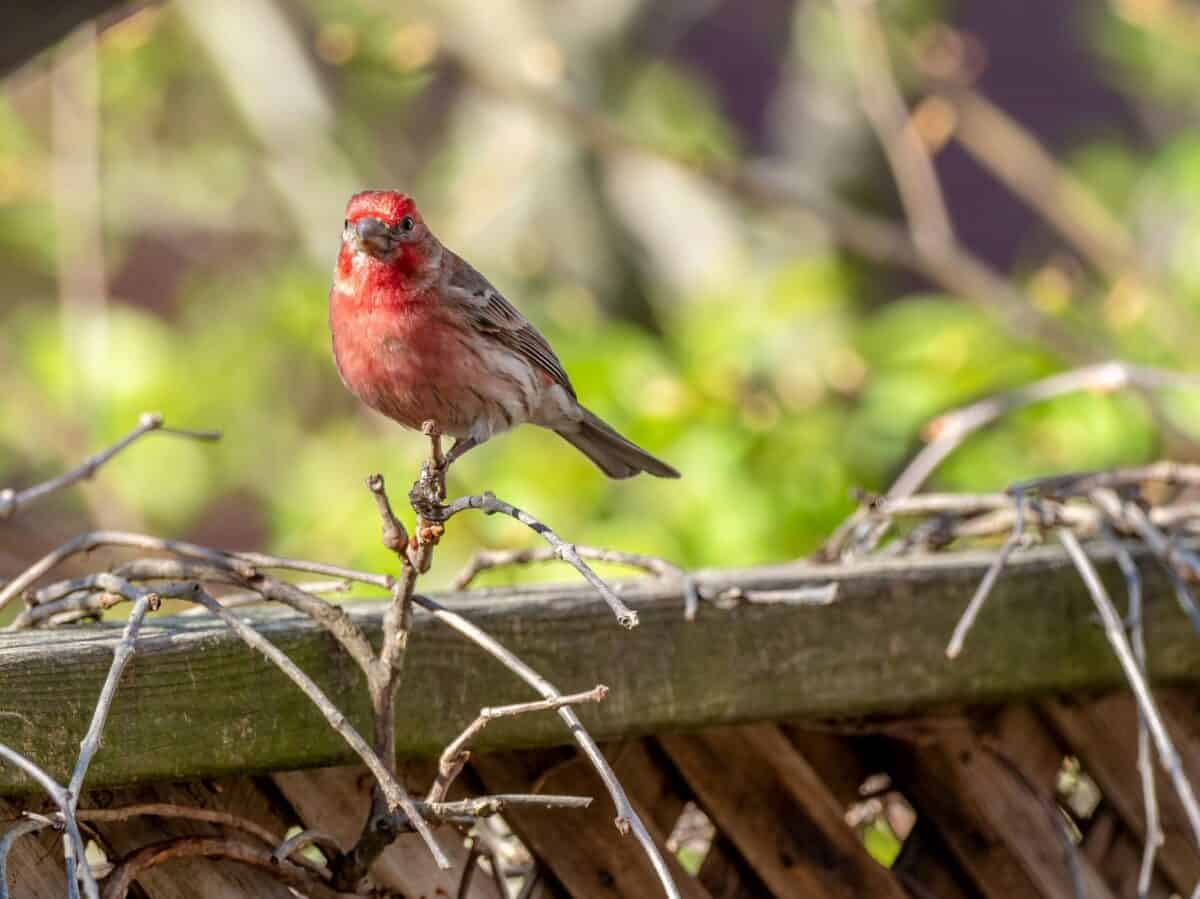
Non-native birds, also known as invasive species, are those introduced to an area outside of their natural range. Their rise is often not natural but facilitated by humans through various means, including accidental escape from captivity or purposeful introduction for pest control. This phenomenon presents a fascinating case study in ecological shifts influenced by human activities.
Key Factors Contributing to Their Success

Several key factors contribute to the success of non-native birds in outcompeting local species. These include adaptability to varied environments, aggressive behavior, higher reproductive rates, and fewer natural predators. Such traits allow them to exploit resources more efficiently than their native counterparts.
Impact of Climate Change
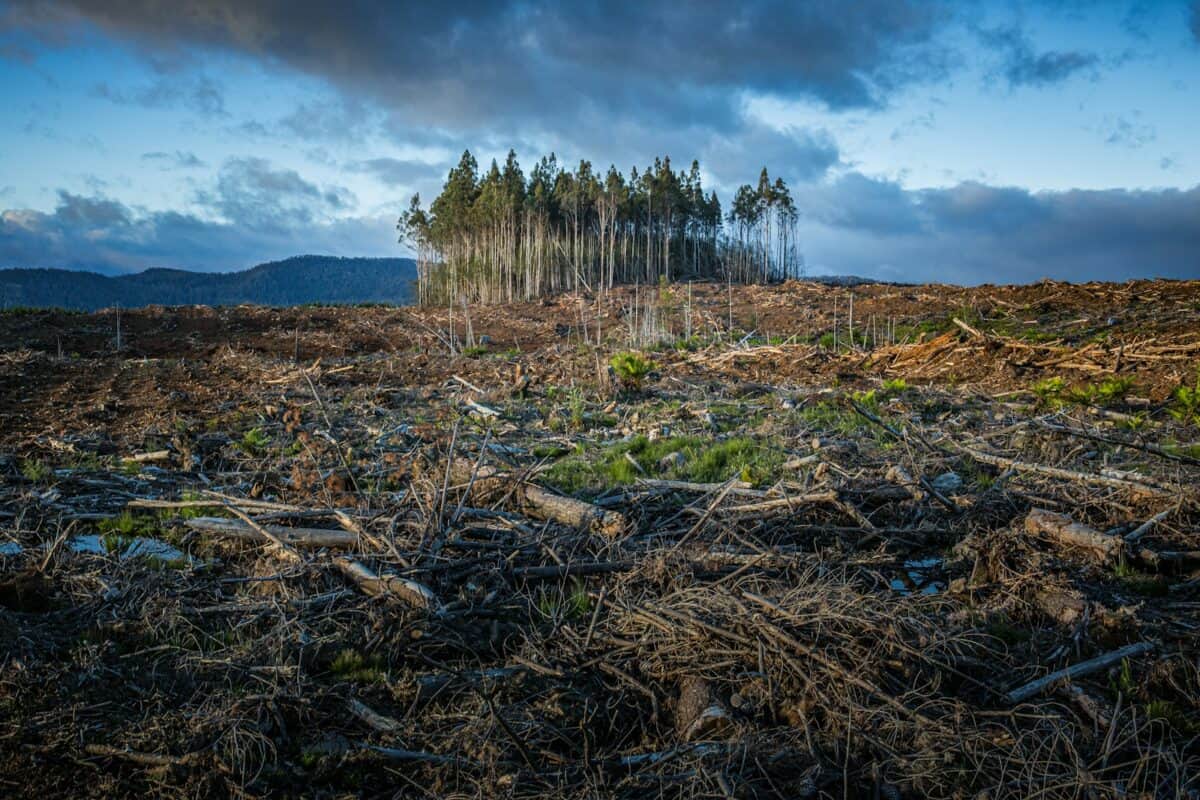
Climate change has altered habitats and food availability, sometimes favoring non-native birds. Warmer temperatures and changing rainfall patterns may offer these invaders new opportunities to establish themselves, whereas native species might struggle to adapt rapidly enough.
Adaptation Strategies in Non-Natives
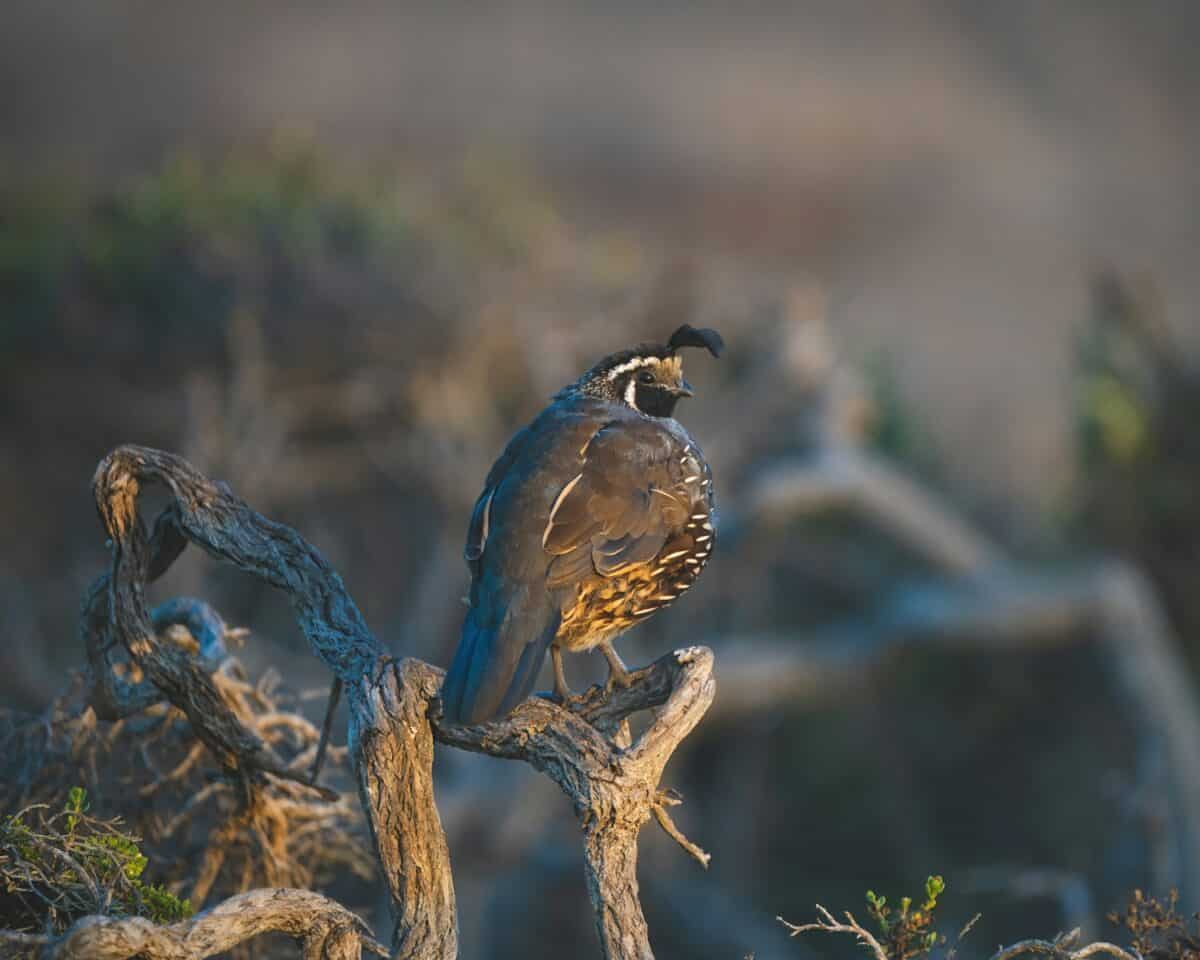
Non-native birds often possess remarkable adaptability, allowing them to thrive in urban environments where food and nesting sites differ from their natural settings. Their ability to quickly learn and utilize these urban resources can give them an edge over native species less accustomed to human-altered landscapes.
Competitive Exclusion Principles
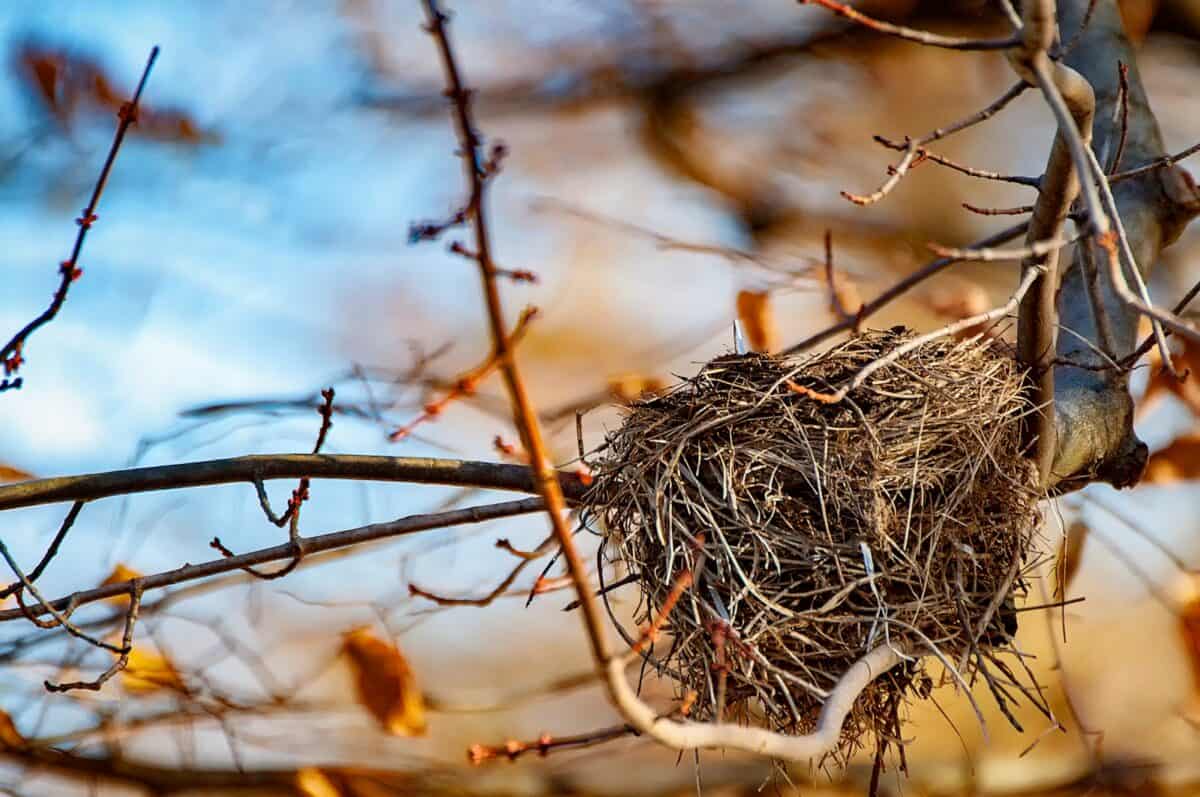
The principle of competitive exclusion asserts that two species competing for the same resources cannot coexist if other ecological factors are constant. Non-native birds may outcompete native species for resources like food and nesting sites, gradually pushing them out.
Effects of Human Infrastructure

Human infrastructure, such as buildings and transportation networks, can create environments more conducive to non-native species. Structures provide ample nesting sites, while the urban sprawl can connect disparate habitats, aiding the spread of these birds.
Changes in Food Sources

Many non-native birds benefit from shifting food sources that have emerged due to agricultural changes or urban greening. Bird feeders and garbage provide a reliable food supply, further supporting their proliferation.
Displacement of Local Species

As non-native birds colonize new territories, they often aggressively displace local species. This displacement can lead to reduced biodiversity and the potential extinction of sensitive native species unable to compete.
Role of Natural Predators

In their new environments, non-native birds often lack natural predators, allowing their populations to grow unchecked. Native birds, conversely, continue to face predation pressures, widening the competitive gap.
Reproductive Advantages
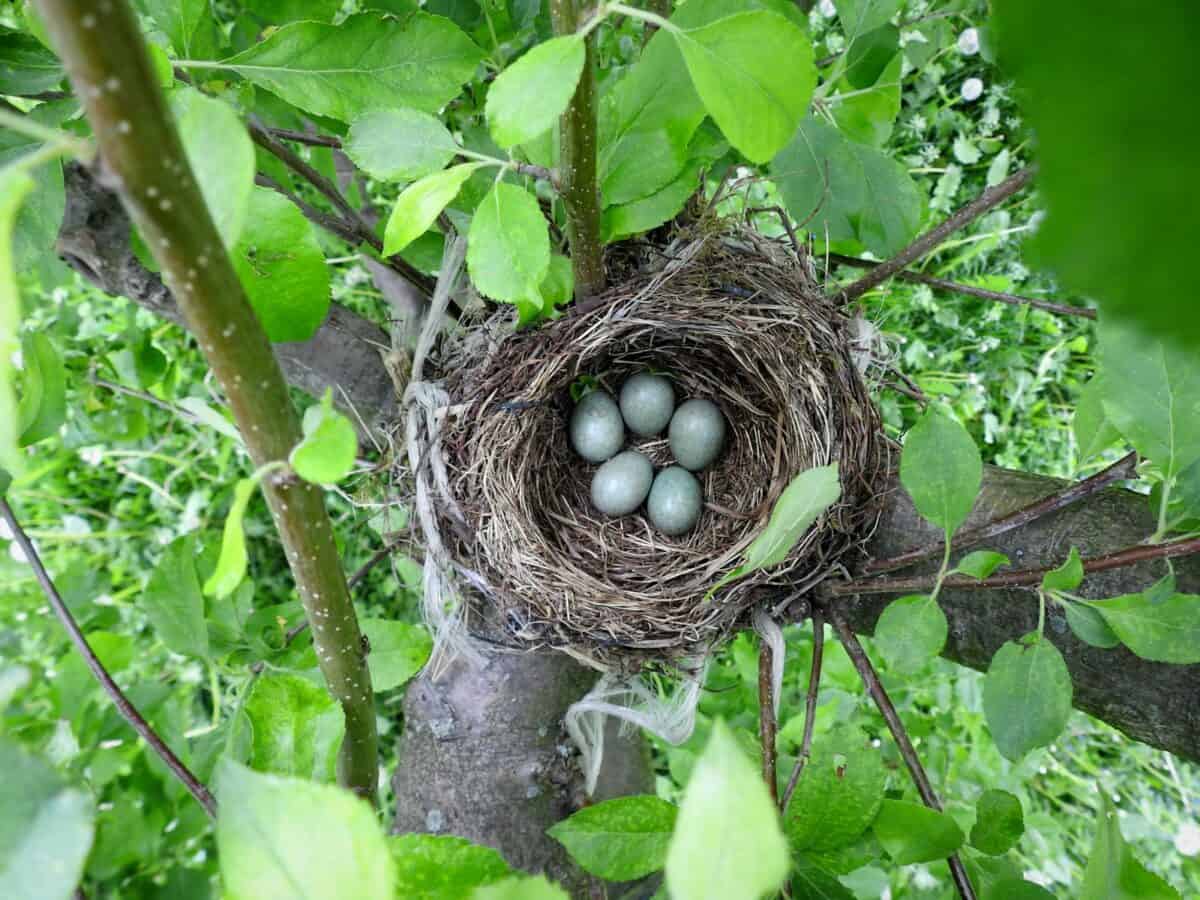
Non-native birds frequently have reproductive advantages, such as shorter generation times or larger clutch sizes. These advantages facilitate rapid population expansion, putting further pressure on native bird species.
The Human Influence through Pet Trade
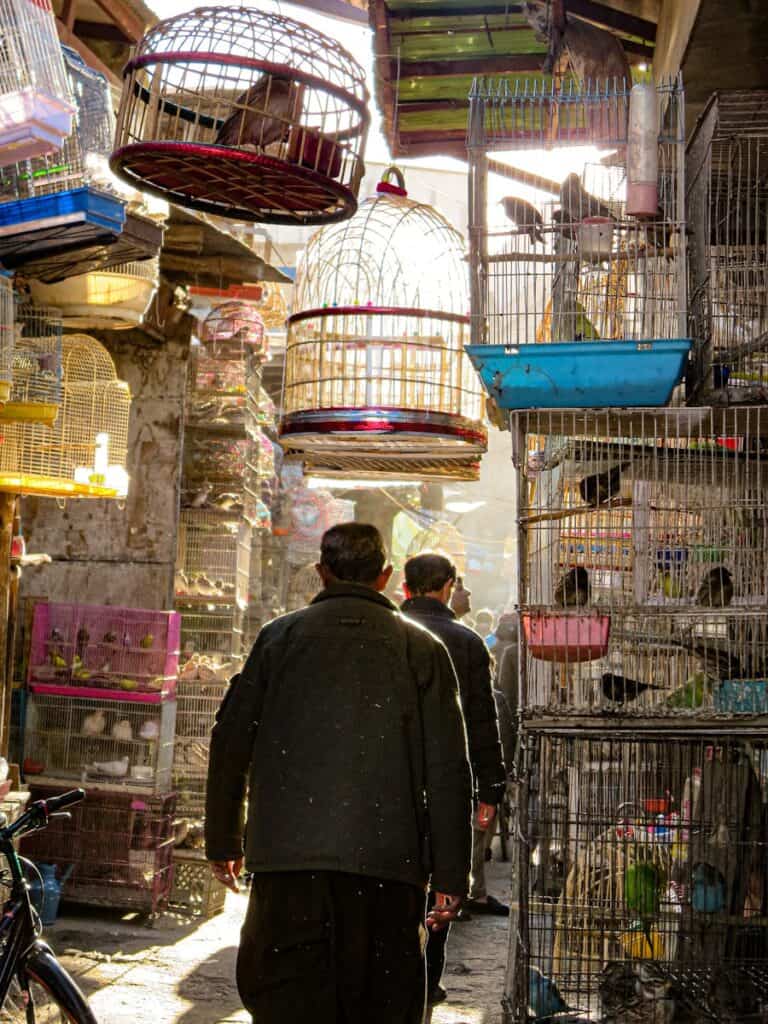
The pet trade has been a significant factor in the introduction of some non-native species. Escapee birds or those intentionally released contribute to the establishment of breeding populations in the wild.
Conservation Efforts and Challenges

Efforts are underway to manage non-native bird populations, involving habitat protection, public education, and, in some cases, removal of the invasive species. However, balancing these efforts with ethical considerations and limited resources presents a considerable challenge.
The complex interplay of natural adaptation and human influence has facilitated the rise of non-native birds over U.S. natives. Understanding these dynamics is crucial for developing informed conservation strategies to preserve the delicate balance of our ecosystems. The competition between natives and non-natives is not just a tale of survival but a reflection of broader environmental changes and human impacts — a narrative that continues to unfold and one that demands our attention and action.

- How Crickets Chirp Using Their Wings - July 20, 2026
- The Largest Sea Turtle Ever Rescued Off North Carolina - July 20, 2026
- The Ocean’s Escape Artist: Why Octopuses Outsmart Us All - July 20, 2026