
When we think of nest-building animals, birds typically come to mind first—their intricate constructions of twigs, grass, mud, and feathers are marvels of natural engineering. Yet beneath the water’s surface, several fish species create equally impressive structures that rival avian architecture in complexity and purpose. These underwater builders craft elaborate nests using materials ranging from bubbles and vegetation to stones and sand, demonstrating remarkable cognitive abilities and parental dedication. Fish nest-building represents one of the most fascinating examples of convergent evolution, where unrelated species develop similar traits to solve common reproductive challenges. This article explores the surprising world of fish that build complex nests, examining why they’ve evolved these behaviors and how their underwater homes compare to those of their feathered counterparts in the sky.
The Surprising Architects of the Underwater World
While birds are celebrated for their architectural prowess, the nest-building capabilities of certain fish species remain largely underappreciated. Species like the three-spined stickleback, betta fish, and various cichlids construct nests that serve multiple critical functions: protecting eggs from predators, providing optimal developmental conditions, and in some cases, serving as elaborate courtship displays. These underwater structures are not simple or haphazard—they often involve careful material selection, strategic design elements, and ongoing maintenance. Some fish even create bubble nests that float at the water’s surface, while others excavate elaborate pits in sandy substrates or assemble intricate structures from vegetation. The complexity of these constructions challenges our understanding of fish cognition and suggests these aquatic architects possess more sophisticated building capabilities than previously recognized.
The Evolutionary Advantage of Fish Nest-Building

Nest-building in fish represents a remarkable evolutionary strategy that has developed independently across multiple lineages. This convergent evolution suggests that nest construction provides significant reproductive advantages that outweigh its costs in time and energy. For fish living in environments with high predation pressure, nests offer crucial protection for vulnerable eggs and fry. In oxygen-poor waters, bubble nests help ensure developing embryos receive adequate oxygen. The diverse nest designs we observe today reflect the specific environmental challenges each species has faced throughout its evolutionary history. Research suggests that nest-building behaviors likely emerged as simple protective mechanisms but have evolved into increasingly complex structures as sexual selection favored males that could build superior nests. This evolutionary pressure has resulted in some remarkably specialized construction techniques that maximize offspring survival in particular ecological niches.
Bubble Nest Specialists: Bettas and Their Relatives

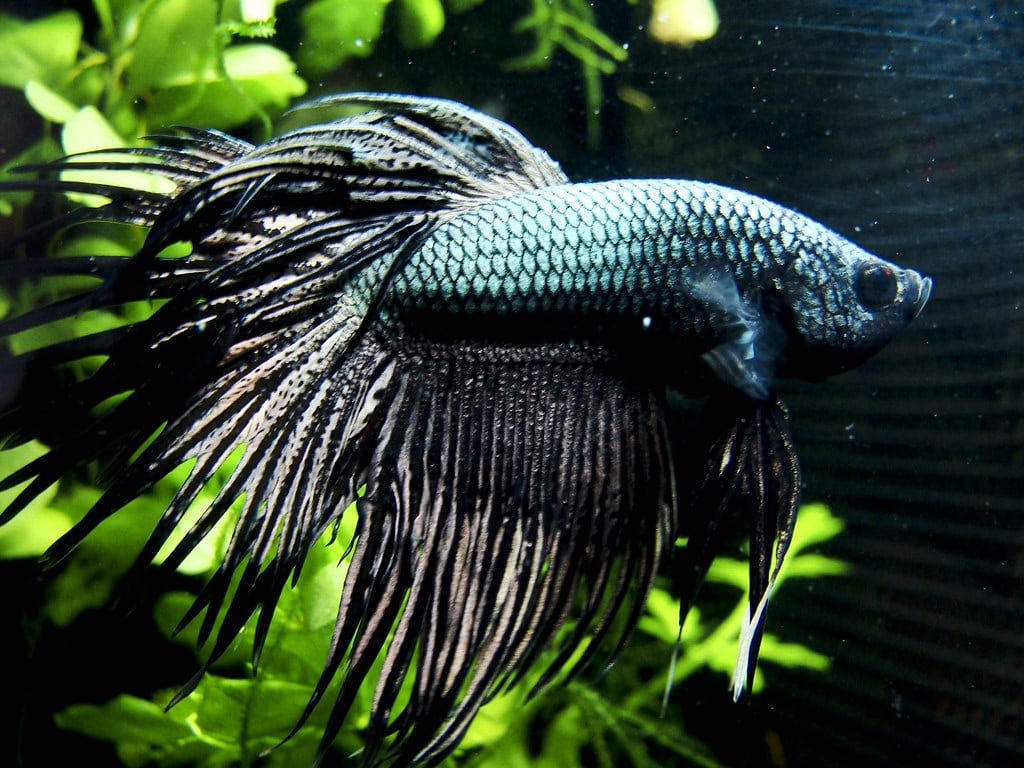
Perhaps the most famous fish nest-builders are the bettas and their relatives in the family Osphronemidae, including gouramis. Male bettas (Betta splendens) create impressive floating nests composed entirely of bubbles coated with saliva, which gives them stability and water-resistance. During construction, males gulp air from the surface and release it underwater in the form of bubbles, carefully arranging them into a cohesive structure. These bubble nests serve several critical functions: they provide developing embryos with access to oxygen-rich surface water, protect eggs from sinking into potentially oxygen-poor zones, and keep the brood concentrated for effective parental care. The male diligently maintains his bubble creation, repairing damaged sections and retrieving any eggs that fall from the nest. This behavior represents a significant paternal investment rarely seen in fish species, challenging the common perception that fish provide minimal parental care compared to birds and mammals.
Master Masons: The Stone Nests of Cichlids
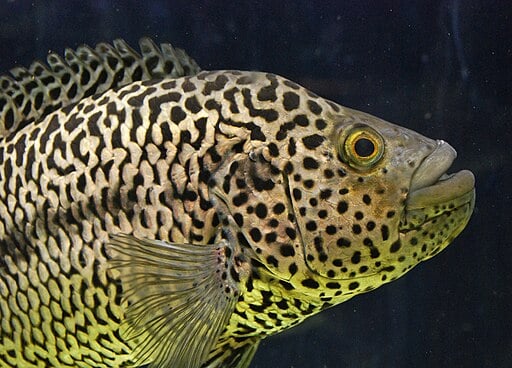
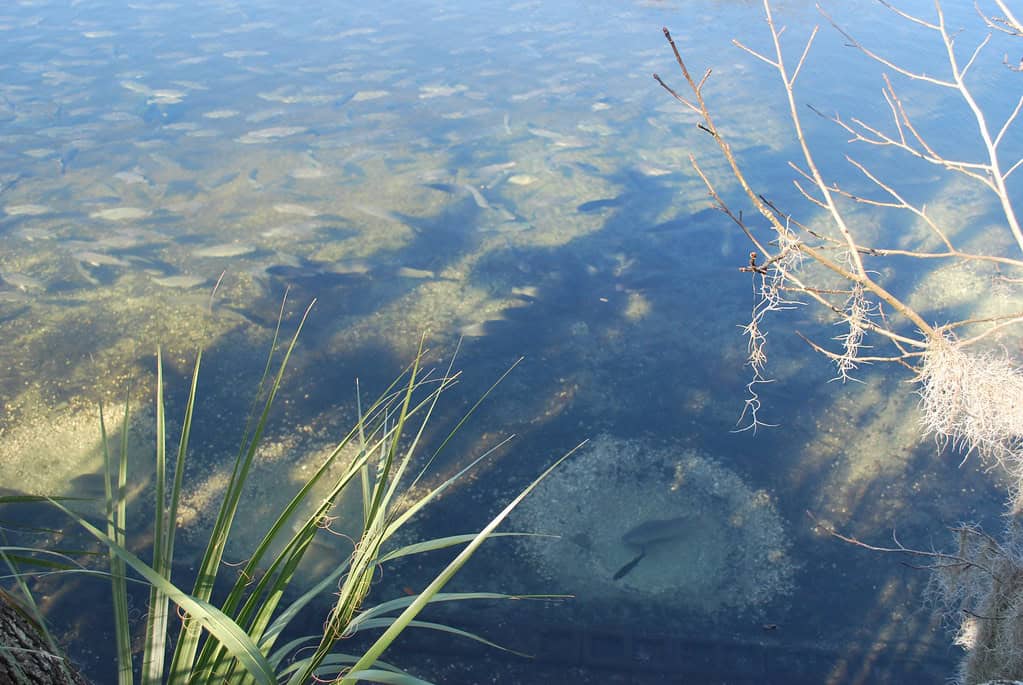
In the clear waters of the African Great Lakes, cichlid species have developed some of the most structurally complex fish nests known. Male cichlids of several species, particularly in Lake Malawi and Lake Tanganyika, construct elaborate circular structures by meticulously moving small stones with their mouths. These “bowers” can reach over a meter in diameter and may contain hundreds of carefully positioned stones. The construction process demonstrates remarkable spatial awareness, with males seemingly working from an internal blueprint. Some species create volcano-shaped mounds, while others excavate deep pits surrounded by a precise arrangement of stones. These stone structures serve as breeding territories and courtship arenas, with females selecting mates based partly on the quality of their constructions. Research has shown that females prefer males with larger, more symmetrical nests, suggesting these structures serve as honest signals of male quality and genetic fitness.
The Sticklebacks’ Glued Masterpieces

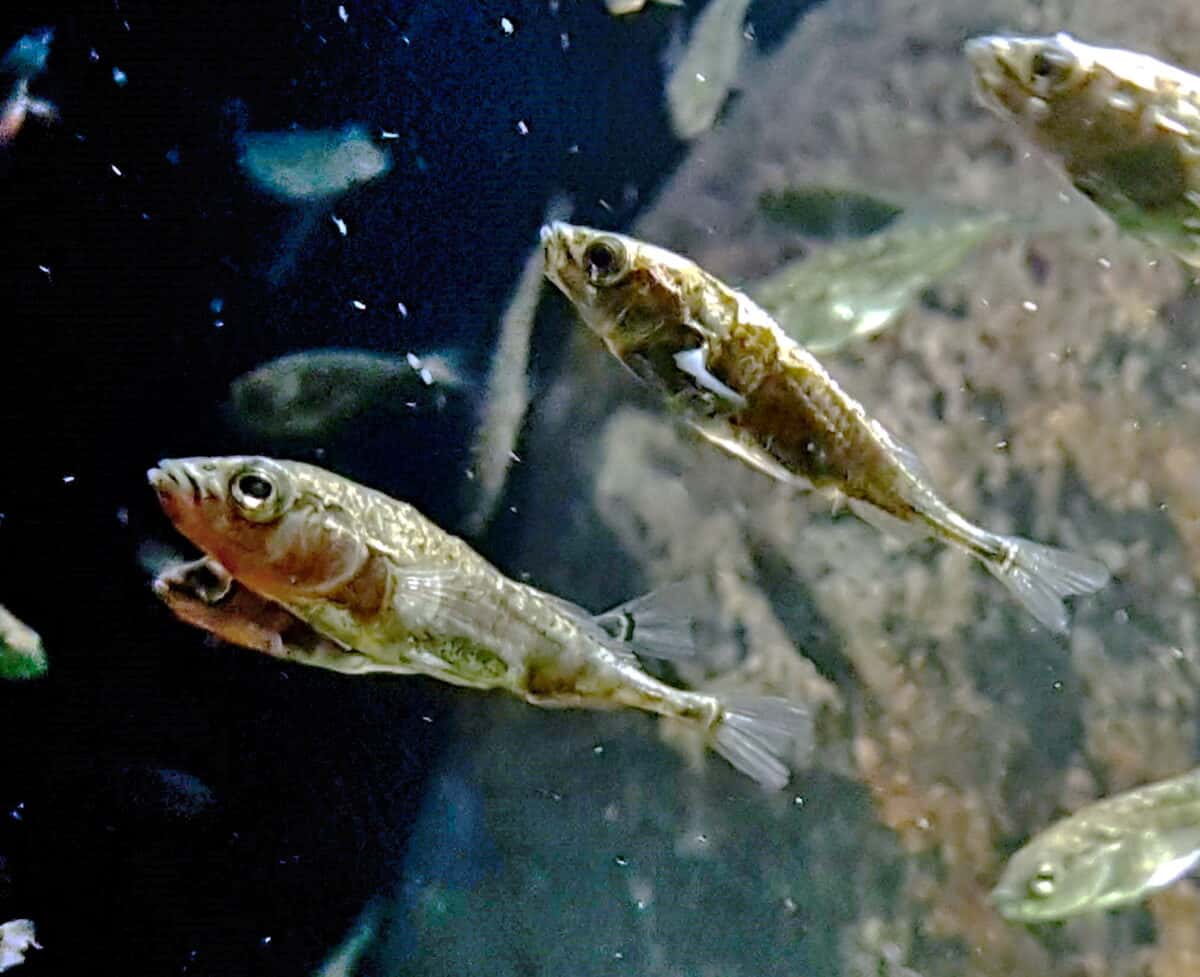
Three-spined sticklebacks (Gasterosteus aculeatus) have become model organisms for studying nest-building behavior due to their elaborate construction techniques. Male sticklebacks collect plant materials to create a tunnel-shaped nest, but what makes their approach truly unique is their use of a specialized kidney secretion that functions as glue. This protein-rich substance, called spiggin, allows males to bind plant materials together into a cohesive structure. The nest-building process follows a remarkable sequence: males first dig a shallow depression, then collect and test various plant materials for suitability before gluing them into place. After constructing the basic structure, they create an entrance tunnel by swimming through the mass repeatedly. Finally, they add a soft lining of fine plant material for the eggs. This entire construction process demonstrates complex sequencing abilities and material selection skills that were once thought to be beyond the cognitive capabilities of fish.
Mouth-Brooding vs. Nest-Building: Alternative Strategies
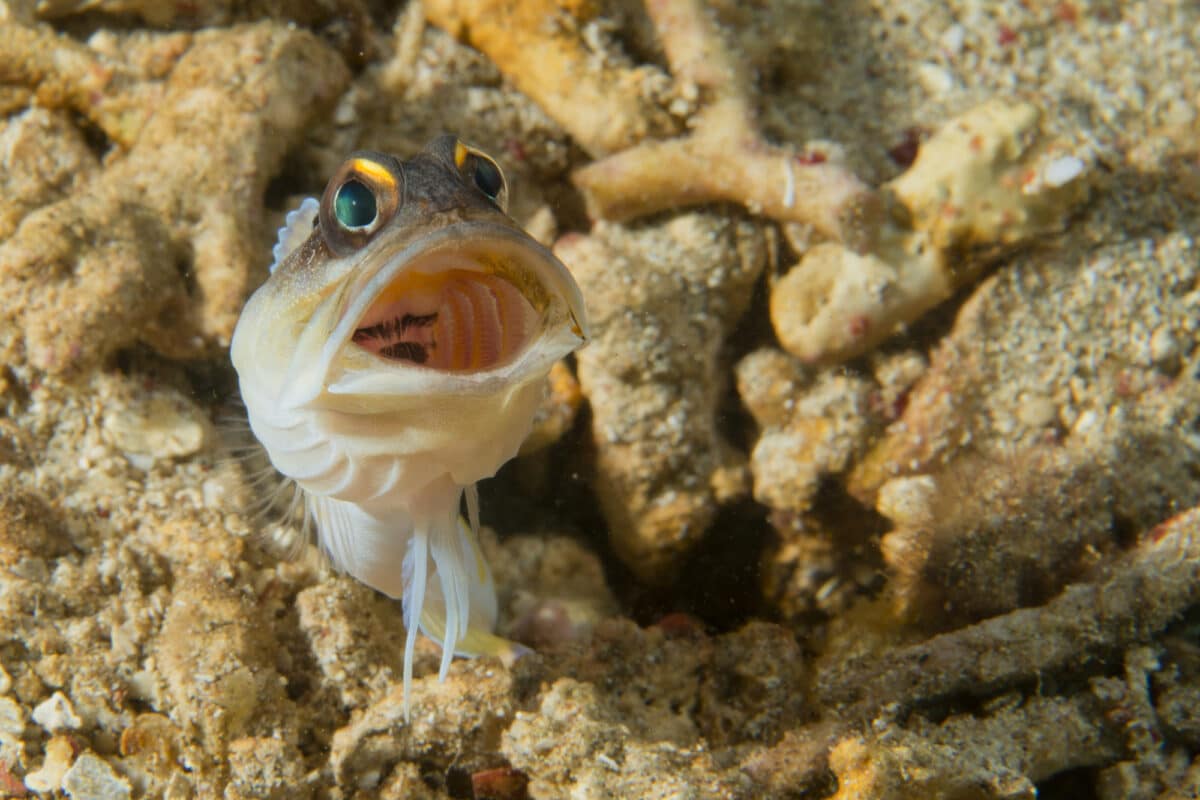
Not all fish species invest in elaborate nests; some have evolved entirely different reproductive strategies. Mouth-brooding, where parents (typically females) incubate eggs and young in their mouths, represents an alternative form of parental care that accomplishes similar protective functions as nest-building. This comparison raises fascinating questions about the evolutionary trade-offs between these different approaches. Nest-building allows for larger broods but requires territorial defense and constant maintenance. Mouth-brooding severely limits feeding opportunities for the parent but provides superior protection against predators. In some fish families, particularly cichlids, closely related species may employ either strategy, suggesting these alternatives represent different but equally viable solutions to the challenge of protecting offspring. Interestingly, some species combine elements of both approaches, with males building nests where females lay eggs before collecting them in their mouths, demonstrating the evolutionary flexibility of fish reproductive behaviors.
The Paradoxical Case of Pufferfish Artists
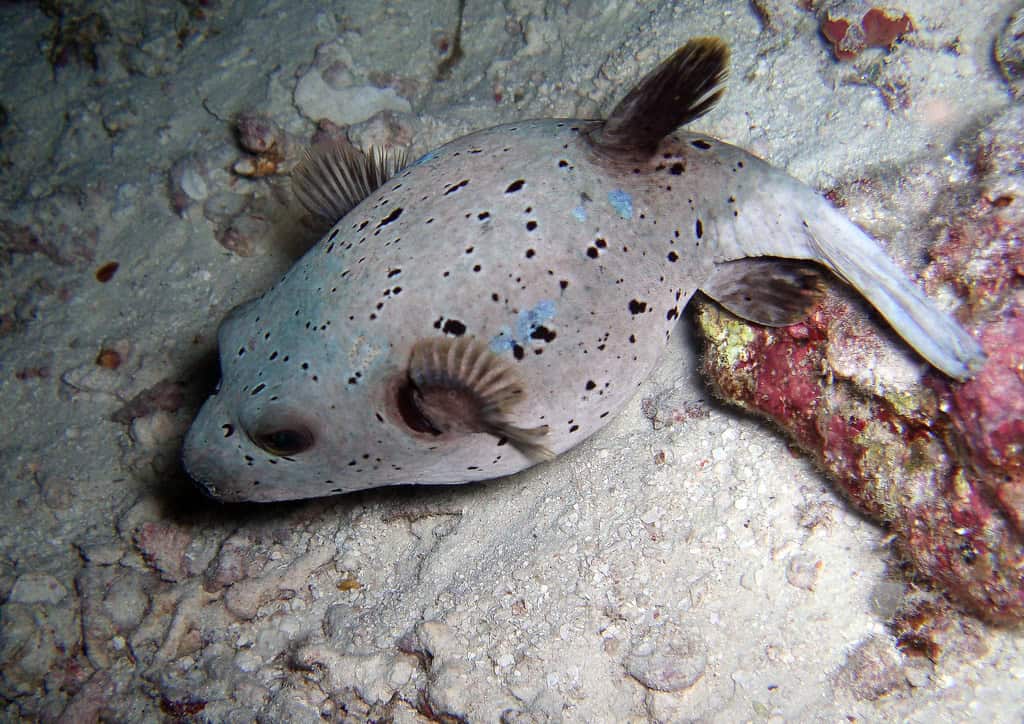
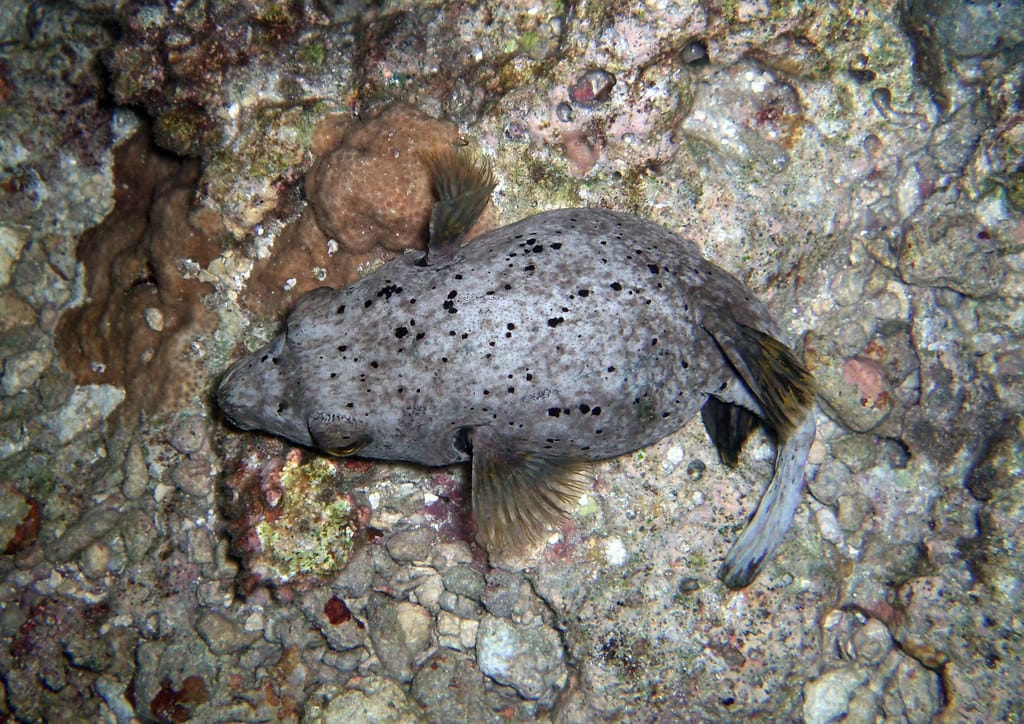
Perhaps the most extraordinary fish nest-builders are the Japanese pufferfish (Torquigener sp.), whose intricate sandy constructions weren’t scientifically documented until 1995, despite spanning nearly 6 feet in diameter. Male pufferfish, measuring only a few inches long, spend 7-9 days meticulously creating large, geometrically precise circular patterns on the seafloor. They use their bodies to carve furrows in the sand, creating radiating ridges and valleys adorned with carefully selected shell fragments and stones. The resulting structures aren’t just visually impressive—they serve sophisticated functional purposes. The ridges act as baffles that diffuse water currents, creating a calm central area for eggs. Additionally, the males selectively place finer sand in the center where eggs will be deposited, enhancing oxygen flow to the developing embryos. These “underwater crop circles” represent one of the most striking examples of artistic precision in animal architecture and have been compared to the elaborate bowerbird constructions in complexity and aesthetic quality.
Parental Investment and Nest Defense
For many nest-building fish species, construction represents just the beginning of parental investment. Males often remain with the nest after females deposit eggs, providing extensive care that can include fanning water over eggs to ensure oxygenation, removing debris, fighting off predators, and retrieving stray eggs. This level of paternal investment is relatively uncommon in the animal kingdom, where maternal care typically dominates. In some species, including certain cichlids and sunfish, males may fast almost completely during the weeks they guard their nests, demonstrating remarkable parental sacrifice. The energetic costs of nest construction and defense are substantial, explaining why nest-building is often linked to territorial behavior and elaborate courtship displays—males need to recoup their significant investment by maximizing reproductive success. This extensive parental care system challenges the conventional view of fish as simple animals with minimal investment in their offspring.
Environmental Factors Shaping Nest Design

Fish nests show remarkable adaptations to local environmental conditions, with their design features directly addressing specific ecological challenges. In oxygen-poor environments, nests tend to incorporate features that maximize water circulation or access to surface air. In areas with strong currents, nests are typically more robust and anchored securely. Predation pressure also significantly influences construction, with high-risk environments favoring more concealed or defensible structures. Water temperature plays a crucial role as well—some species build nests that help moderate temperature fluctuations, creating optimal incubation conditions for eggs. Climate change and habitat alteration now present novel challenges to these finely-tuned adaptations. Rising water temperatures, changing oxygen levels, and altered current patterns may render traditionally successful nest designs less effective, forcing rapid evolutionary adaptation. These environmental interactions highlight how fish nest architecture represents a physical manifestation of ecological problem-solving developed over evolutionary time.
Cognitive Demands of Complex Construction
The sophisticated nest-building behaviors exhibited by many fish species raise intriguing questions about their cognitive capabilities. Constructing complex, functionally effective structures requires several advanced cognitive skills: spatial awareness to create symmetrical designs, memory to locate and return with appropriate materials, problem-solving to overcome construction challenges, and the ability to follow multi-step sequences. Recent research suggests that the neural mechanisms underlying these behaviors may be more sophisticated than previously assumed. While fish have traditionally been viewed as having limited cognitive abilities compared to birds and mammals, their building behaviors indicate specialized neural circuits dedicated to these complex tasks. Comparative studies examining brain activity during nest construction have identified specific regions activated during different building phases. This emerging research is prompting a reevaluation of fish cognition and raising the possibility that convergent evolution has produced similar neural mechanisms for construction behaviors across widely divergent vertebrate lineages.
Fish Nests as Sexual Selection Displays
In many nest-building fish species, the structures serve dual purposes: providing offspring protection and functioning as sexual selection displays that females evaluate when choosing mates. This dynamic creates evolutionary pressure for increasingly elaborate constructions as males compete for female attention. Research has demonstrated that female fish often preferentially select males with larger, more complex, or more symmetrical nests, suggesting these structures serve as honest indicators of male quality. A male capable of building an exceptional nest likely possesses superior genes, better territory, and the physical condition necessary for effective parental care. In some species, females have been observed inspecting multiple nests before making mating decisions, carefully evaluating construction quality. This sexual selection mechanism parallels what we observe in bowerbirds and other avian nest-builders, representing another fascinating example of convergent evolution between fish and birds despite their vastly different evolutionary histories and environmental contexts.
Comparing Fish and Bird Nest Architecture
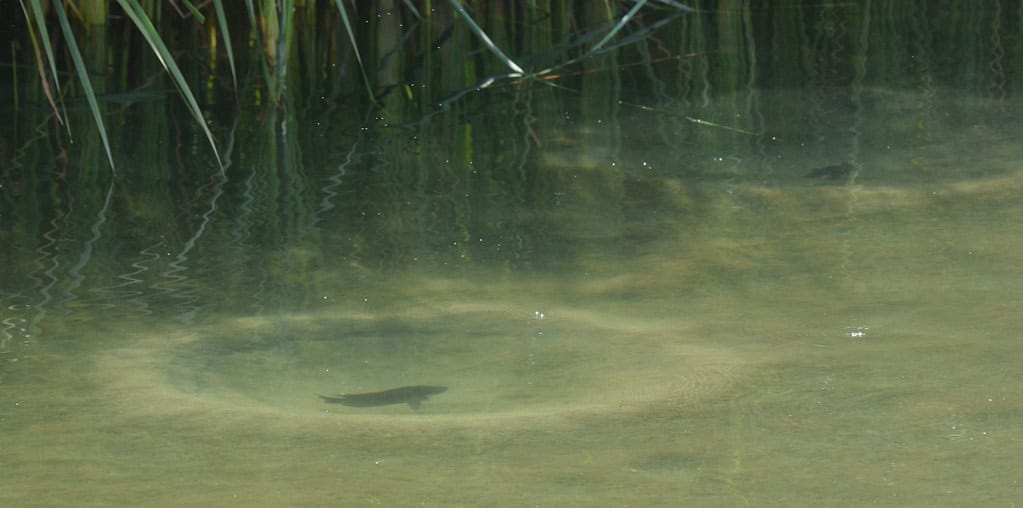
The architectural parallels between fish and bird nests provide a compelling case study in convergent evolution. Both groups have independently evolved to create structures that protect vulnerable offspring during development, though they face different environmental challenges. Bird nests must contend with gravity, weather, and terrestrial predators, while fish nests must address water currents, oxygen availability, and aquatic predators. Despite these differences, both groups show remarkably similar construction principles: material selection based on structural properties, creation of protective boundaries, and incorporation of design elements that regulate the microenvironment for developing young. Both fish and birds also display similar progression in construction complexity across species, ranging from simple depressions to elaborate engineered structures. Certain techniques even parallel each other directly—the sticky spiggin used by sticklebacks serves a similar binding function as the saliva birds use to cement nest materials together. These parallels suggest that when faced with the fundamental challenge of offspring protection, evolution may arrive at similar architectural solutions despite working with different building materials and physical environments.
The Future of Fish Nest Research and Conservation
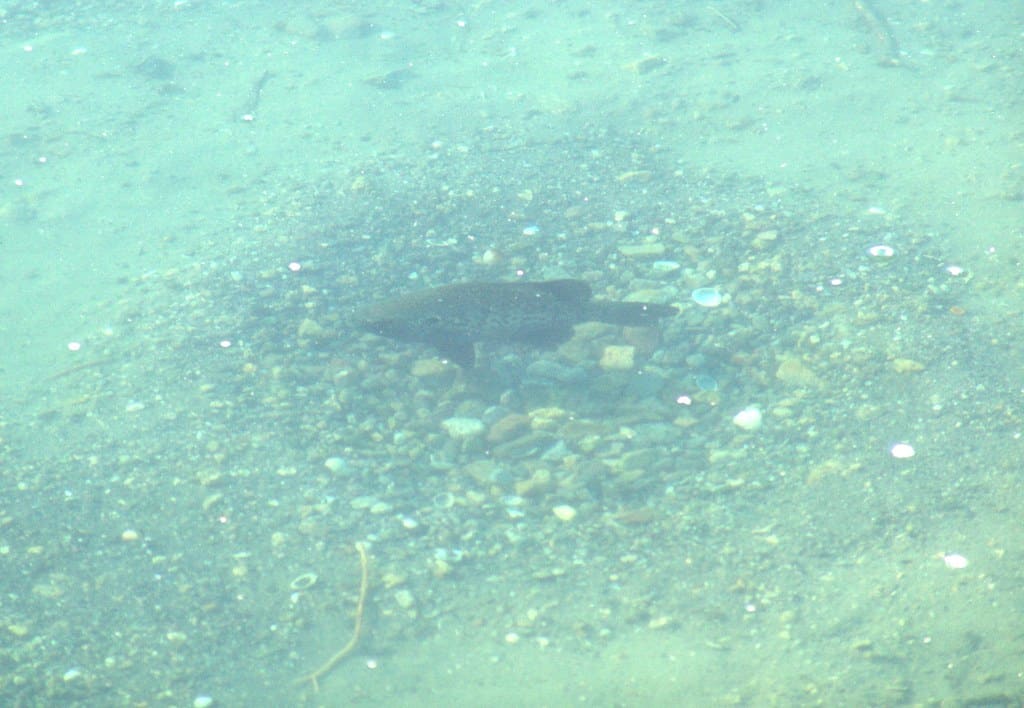
The study of fish nest-building behavior represents a rapidly evolving field with significant implications for both evolutionary biology and conservation. New technologies, including underwater drones and high-definition imaging, are revealing previously undocumented aspects of fish construction behaviors. Genome sequencing is helping researchers identify the genetic basis for building behaviors, potentially revealing how these complex traits evolved. Meanwhile, climate change and habitat degradation pose serious threats to many nest-building species, particularly those with specialized requirements. Rising water temperatures, changing water chemistry, and physical habitat destruction can disrupt breeding cycles and render traditional nest sites unsuitable. Conservation efforts increasingly recognize the importance of protecting not just fish populations but also their critical breeding habitats and the specific conditions necessary for successful nest construction. Future research must continue to document the full diversity of fish nest-building behaviors, particularly in understudied tropical environments where numerous species remain to be described. Through better understanding these remarkable underwater architects, we gain insights into both the evolution of complex behaviors and the specific conservation measures needed to preserve these fascinating examples of animal engineering.

- A New Rodent Species Found in Appalachian Mountains - July 13, 2026
- 12 Resilient Animals That Could Thrive in Elon Musk’s Mars Colony - July 13, 2026
- Why Some Fish Can Walk on Land—And What That Means for Evolution - July 13, 2026