


Year after year, birds embark on extraordinary journeys that span continents and oceans, covering thousands of miles with astonishing precision. Among these avian navigators, one species stands out for its remarkable ability to travel over 6,000 miles without losing its way: the Arctic tern. This incredible feat of navigation has fascinated scientists for generations, leading to extensive research into the biological mechanisms that make such journeys possible. From celestial navigation to magnetic sensing, these birds employ a sophisticated array of biological tools that allow them to maintain their course across vast distances with minimal error. Through understanding their migration patterns and navigation abilities, we gain insight not only into the natural world but also inspiration for human navigation technologies.
The Remarkable Arctic Tern: Champion of Migration

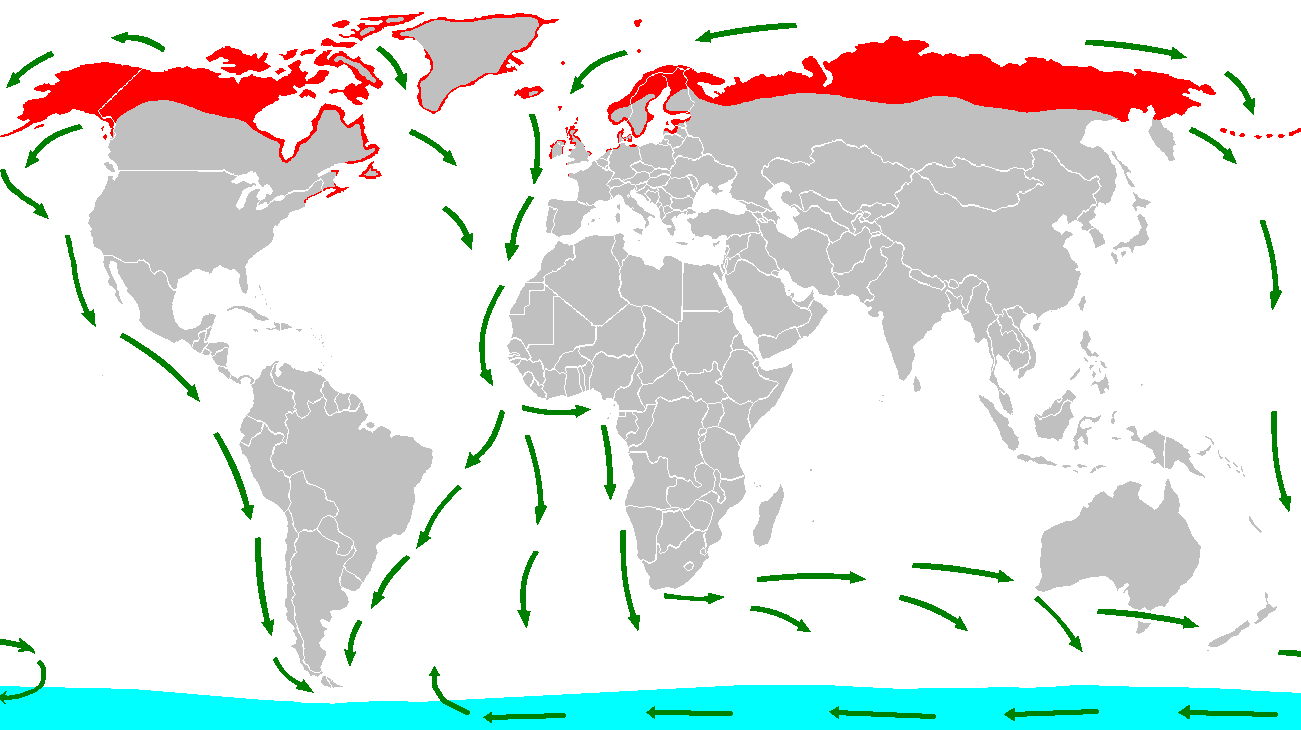
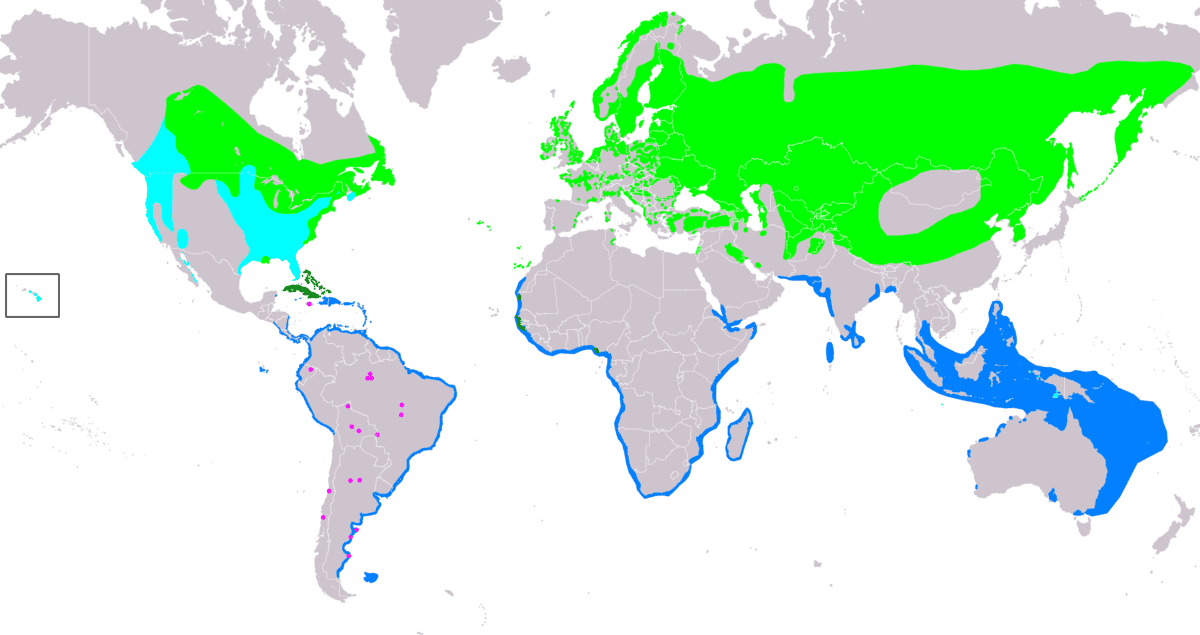
The Arctic tern (Sterna paradisaea) holds the record for the longest migration of any animal on Earth. These slender white birds with distinctive black caps and red beaks travel from their Arctic breeding grounds to the Antarctic and back each year, covering approximately 44,000 miles annually. This pole-to-pole round trip allows Arctic terns to experience more daylight than any other creature, as they follow the summer seasons in both hemispheres. With a lifespan of up to 30 years, a single Arctic tern may travel the equivalent of three round trips to the moon during its lifetime. Their migration isn’t just remarkable for its distance but for the precision with which these birds navigate across featureless oceans and through changing weather conditions, reliably returning to the same breeding locations year after year.
The Multi-Sensory Navigation System

Unlike humans who rely primarily on visual landmarks and tools, birds like the Arctic tern possess a multi-sensory navigation system that integrates several different biological mechanisms. This redundant system ensures that even when one navigation method becomes unreliable—such as celestial navigation during cloudy conditions—birds can maintain their course using alternative mechanisms. Research has shown that migratory birds use a combination of solar cues, star patterns, magnetic field detection, olfactory information, and even infrasound perception to navigate. This comprehensive approach to navigation allows birds to make real-time adjustments to their flight paths based on changing environmental conditions, ensuring they stay on course during their transcontinental journeys.
The Internal Magnetic Compass

Perhaps the most fascinating aspect of avian navigation is the bird’s ability to detect Earth’s magnetic field. Birds like the Arctic tern possess specialized cells containing magnetite, a naturally magnetic mineral that acts like a microscopic compass needle. These magnetoreceptors, found in the upper beak region, enable birds to sense the direction and intensity of Earth’s magnetic field. Additionally, scientists have identified cryptochrome proteins in birds’ eyes that may form quantum-entangled radical pairs when exposed to blue light, providing another mechanism for magnetic field detection. This internal magnetic compass allows birds to determine their latitude and longitude with remarkable precision, even when flying over featureless ocean expanses where visual landmarks are absent.
Celestial Navigation: Using the Sun and Stars

Long before humans developed celestial navigation techniques, birds were using the position of the sun and stars to guide their migrations. Studies have shown that migratory birds like the Arctic tern can use the sun’s position as a compass reference point, adjusting for its movement throughout the day using their internal circadian clocks. Even more impressively, during night migrations, birds navigate by the patterns of stars, particularly using the North Star as a fixed reference point in the Northern Hemisphere. Experiments with planetariums have demonstrated that birds can identify key star patterns and adjust their orientation accordingly. This celestial navigation system allows for precise directional guidance, particularly during clear weather conditions.
The Role of Visual Landmarks

Despite their ability to navigate across vast oceans, birds haven’t abandoned visual navigation. Arctic terns and other migratory species use coastlines, mountain ranges, rivers, and even human-made structures as visual landmarks during their journeys. Research using GPS tracking has revealed that these birds often follow predictable geographical features during migration, suggesting they create mental maps of their routes. Experienced migrators may remember specific visual cues from previous journeys, allowing them to recognize familiar territory and make course corrections when needed. This visual mapping capability becomes particularly important as birds approach their final destinations, where precise location identification is crucial for finding suitable breeding or wintering grounds.
Olfactory Navigation: Following Scent Maps
One of the more recently discovered navigation mechanisms in birds involves their sense of smell. While traditionally not considered a primary sense for birds, research has shown that many species, including some long-distance migrators, can detect and remember specific odors associated with different geographical locations. Scientists believe birds may create “olfactory maps” by memorizing the unique blend of scents carried by winds from different regions. The Arctic tern, with its transoceanic migration, likely detects the distinct smell of productivity-rich polar waters as it approaches its destinations. This olfactory navigation provides another layer of information, particularly useful when approaching familiar territories or when other navigation systems are compromised.
Infrasound Detection: Hearing the Inaudible

Another remarkable navigation tool in the avian arsenal is the ability to detect infrasound—sound waves with frequencies below the range of human hearing. Natural phenomena like ocean waves, mountain winds, and even distant storms produce distinct infrasound patterns that can travel thousands of miles without significant degradation. Birds like the Arctic tern appear capable of detecting these low-frequency sounds and using them as navigational cues. This ability would be particularly valuable over oceans, where infrasound produced by waves breaking on distant shorelines could provide directional information. Some researchers speculate that this infrasound detection may help birds anticipate and avoid severe weather systems during their migrations.
Genetic Programming and Inherited Migration Routes
Perhaps one of the most extraordinary aspects of avian navigation is that much of it appears to be genetically programmed. First-time migrators like juvenile Arctic terns can successfully navigate entire migration routes without ever having made the journey before or following adult birds. Research with captive-raised birds has demonstrated that they exhibit migratory restlessness (Zugunruhe) at appropriate times and attempt to orient in the correct migratory direction even when raised in isolation. This suggests that the complex navigational instructions—including the direction of travel, duration, and even stopover locations—are encoded in the bird’s DNA. This genetic programming provides birds with an innate “map and compass” that guides their inaugural migration, which is then refined through experience in subsequent journeys.
Learning and Memory in Navigation

While genetic programming provides the foundation for migration, learning and memory play crucial roles in refining navigation skills. Adult Arctic terns that have completed multiple migrations demonstrate greater efficiency in their routes compared to first-time migrators. GPS tracking studies have shown that experienced birds make fewer directional errors, require fewer course corrections, and often complete their journeys in shorter timeframes. This suggests birds possess remarkable spatial memory, allowing them to remember successful routes and important landmarks across enormous distances. The hippocampus—a brain region associated with spatial memory—is notably larger in migratory bird species compared to non-migratory relatives, highlighting the neurological adaptations that support this exceptional navigational memory.
Navigation in Changing Environmental Conditions

One of the most impressive aspects of avian navigation is the ability to maintain course despite variable and sometimes challenging environmental conditions. Arctic terns must navigate through changing seasons, weather patterns, and even shifting magnetic fields during their pole-to-pole migrations. Research has shown that birds can compensate for wind drift—adjusting their heading to account for crosswinds that would otherwise blow them off course. They also appear capable of detecting subtle changes in barometric pressure, allowing them to anticipate and avoid severe weather systems. Some studies suggest that climate change is now testing these adaptive capabilities, as traditional cues like seasonal temperature patterns become less reliable, forcing birds to adjust their navigation strategies to these new environmental realities.
Human Applications of Avian Navigation

The extraordinary navigation capabilities of birds like the Arctic tern have inspired numerous human technologies and navigation methods. Early human explorers observed bird migration patterns to discover new lands, while modern scientists study avian navigation to develop more efficient GPS systems and autonomous vehicles. The military has long been interested in bird navigation, developing technologies that mimic their magnetic sensing abilities for use in situations where GPS might be unavailable or compromised. Biomimetic robots inspired by bird navigation are being designed for applications ranging from search-and-rescue operations to planetary exploration. By understanding how birds accomplish such precise navigation with minimal energy expenditure and relatively simple neural architectures, engineers hope to create more efficient and resilient navigation systems for human use.
Conservation Challenges for Migratory Birds

Despite their remarkable navigation abilities, migratory birds face increasing challenges that threaten their long-distance journeys. Light pollution disrupts celestial navigation, while radio frequency noise can interfere with magnetic sensing. Physical obstacles like wind turbines, power lines, and tall buildings cause direct mortality, while habitat destruction eliminates crucial stopover sites where birds rest and refuel. Climate change poses perhaps the greatest threat, as it alters the timing of resource availability along migration routes. For Arctic terns specifically, warming polar regions are changing the distribution of their marine prey, forcing birds to adjust their traditional routes. Conservation efforts now focus on creating “flyways”—protected corridors that preserve key habitats along migration routes—and implementing bird-friendly building designs and energy development to ensure these master navigators can continue their extraordinary journeys.
The Arctic tern’s ability to navigate 6,000 miles without getting lost represents one of nature’s most extraordinary achievements—a sophisticated multi-sensory system that combines innate genetic programming with learned experience and real-time environmental assessment. These remarkable birds demonstrate that precision navigation doesn’t require large brains or advanced technology, but rather elegant biological adaptations refined over millions of years of evolution. As we continue to unravel the mysteries of avian navigation, we not only gain scientific knowledge but also important lessons about conservation in an increasingly human-modified world. The journey of the Arctic tern reminds us that seemingly impossible feats can be accomplished through biological innovation, offering inspiration for human navigation challenges while highlighting our responsibility to protect these master navigators and the global pathways they traverse.

- 15 Animals and Wildlife that Start with V - July 28, 2026
- Animals That Make Their Homes in Rocks and Crevices - July 28, 2026
- These Animals Roam America’s Heartland Plains - July 28, 2026