
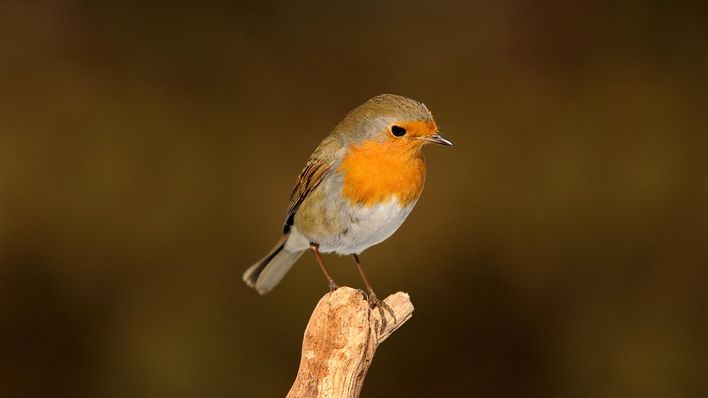
A robin choosing the spot right by your front door can feel like more than a simple coincidence. These small birds have long carried layers of meaning in stories passed down through generations, turning an everyday sight into something worth pausing over.
People have watched their habits for centuries, looking for clues about what the arrival might signal. The traditions vary by region and era, yet they often circle back to themes of change, protection, and quiet messages from the world around us.
Robins as Harbingers of Spring and Renewal
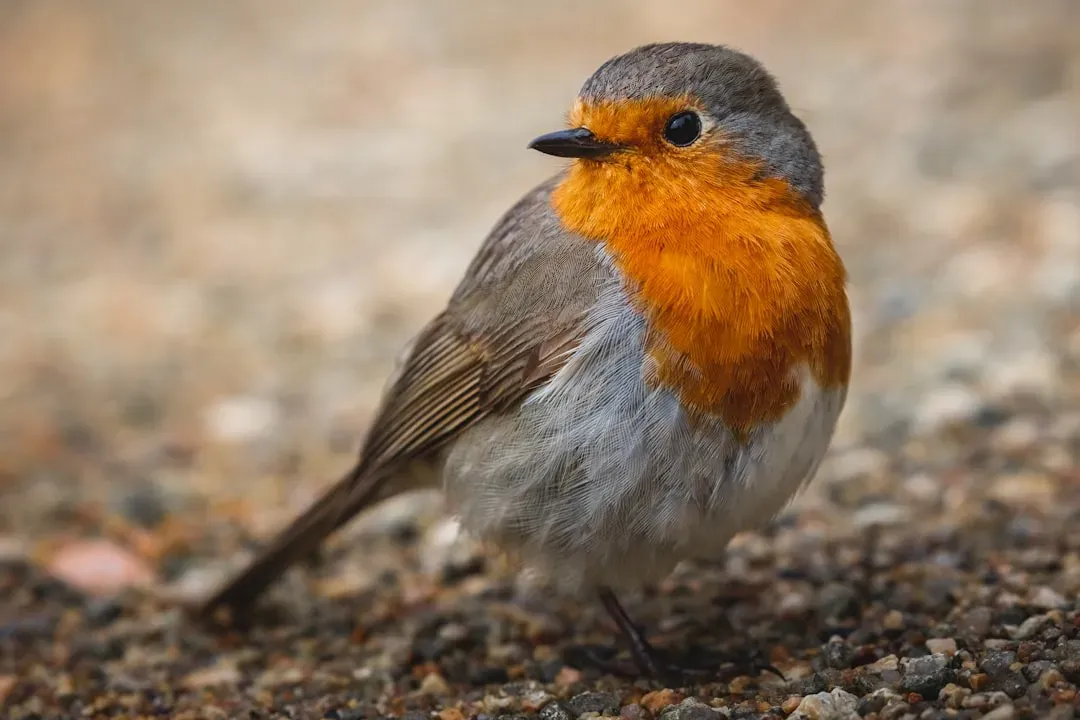
Old European tales often link the robin to the return of warmer days. Its bright breast stands out against bare branches, marking the shift from winter stillness to new growth. Families once took the bird’s presence near the house as a sign that fresh starts were on the way.
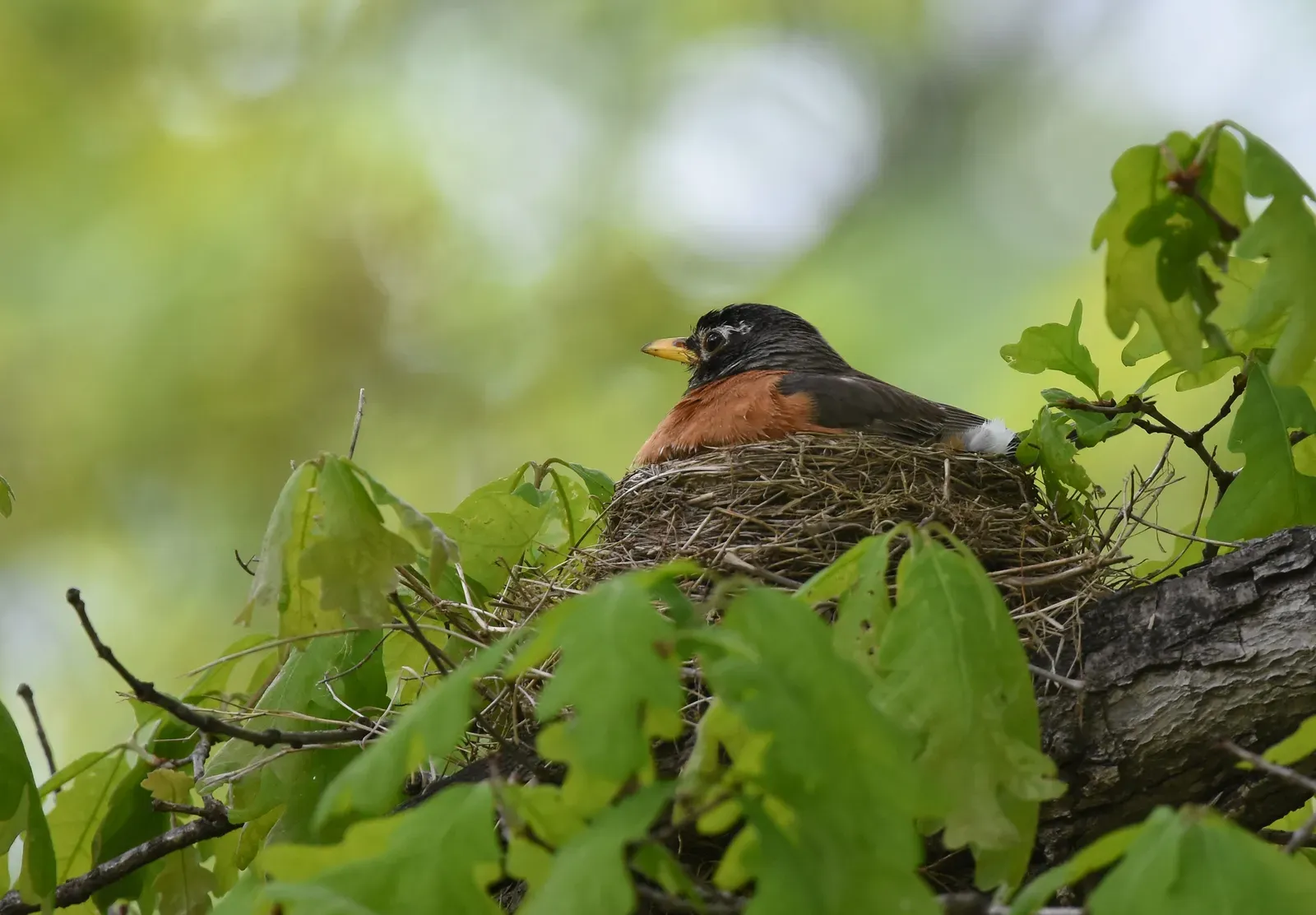
The nest itself adds weight to this idea. Building so close to human activity suggests the robin feels safe enough to raise its young. That choice echoes the hope many traditions attach to the season, when life seems to begin again in small, steady ways.
The Front Door as a Threshold in Folklore
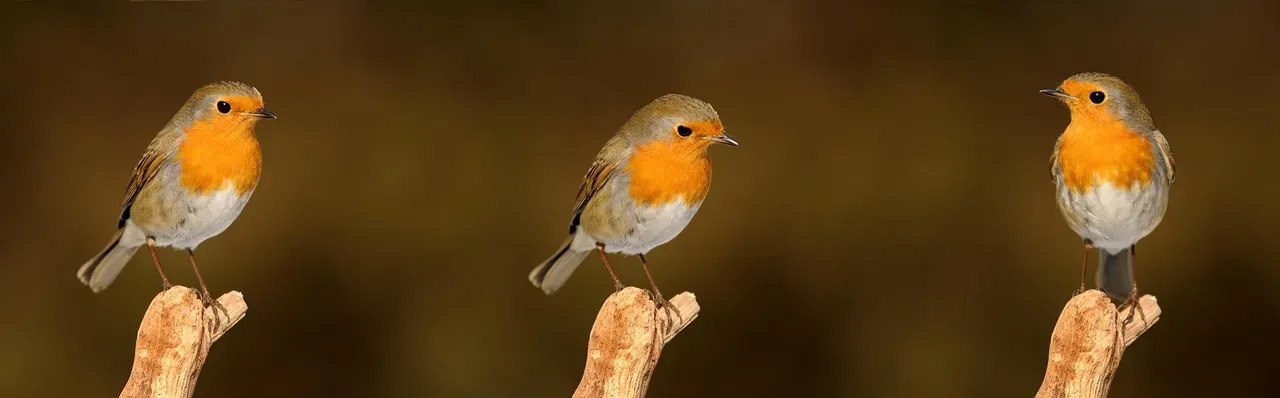
Doorways have held special power in countless old beliefs. They mark the line between the outside world and the shelter of home. A robin settling there draws attention to that boundary, as if the bird is acknowledging the space where daily life crosses into private refuge.
Some accounts describe the nest as a gentle reminder to notice who or what enters and leaves. The location turns an ordinary entrance into a focal point. Over time, people came to read the choice as an invitation to pay closer attention to transitions in their own routines.
Signs of Good Luck and Prosperity
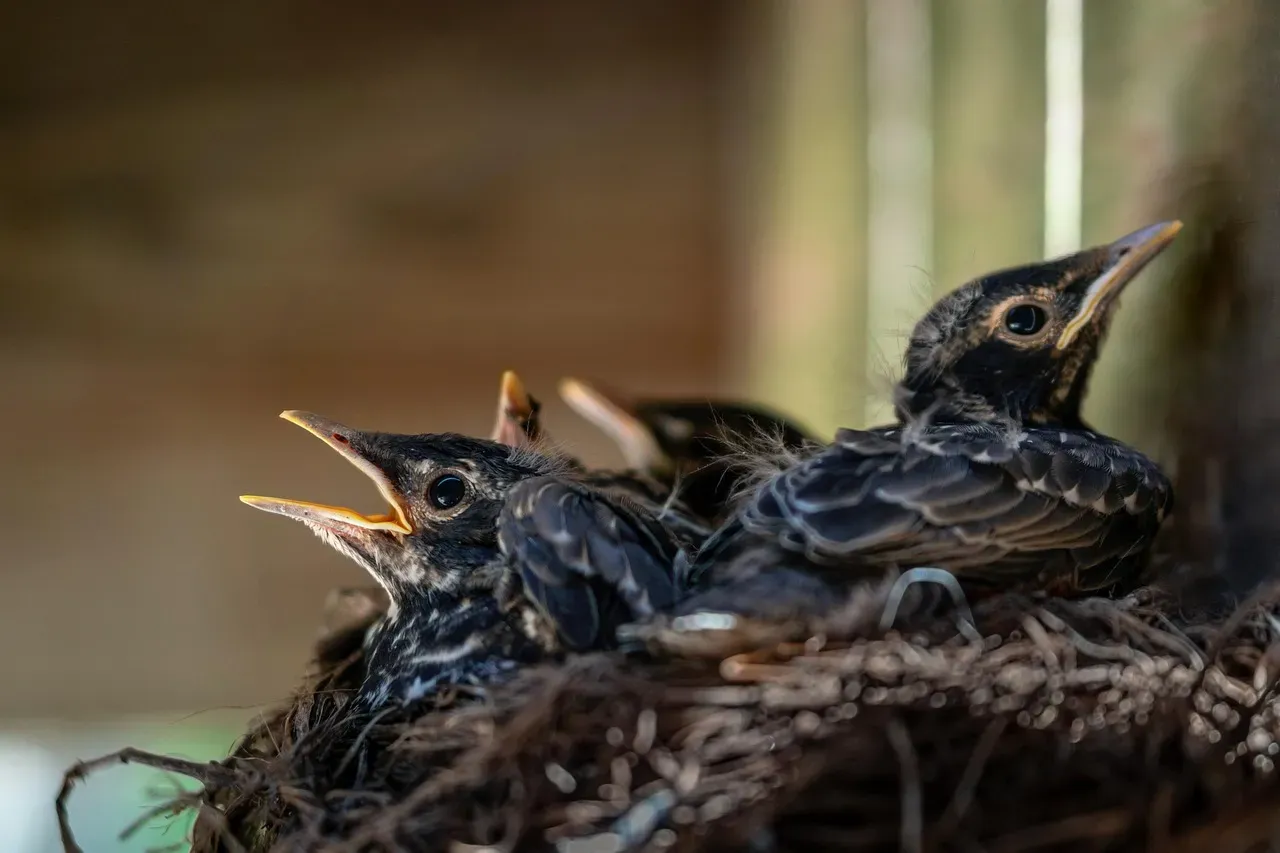
In several British and Irish traditions, a robin near the door points toward good fortune. The bird’s cheerful song and steady presence were seen as blessings on the household. A nest built in that spot could mean the coming months would bring steady work or unexpected help.
Neighbors sometimes shared stories of improved circumstances after such an event. The robin’s trust in building so near people reinforced the sense of favor. These small omens offered comfort during uncertain times, when any positive sign felt worth holding onto.
Connections to Loved Ones Who Have Passed
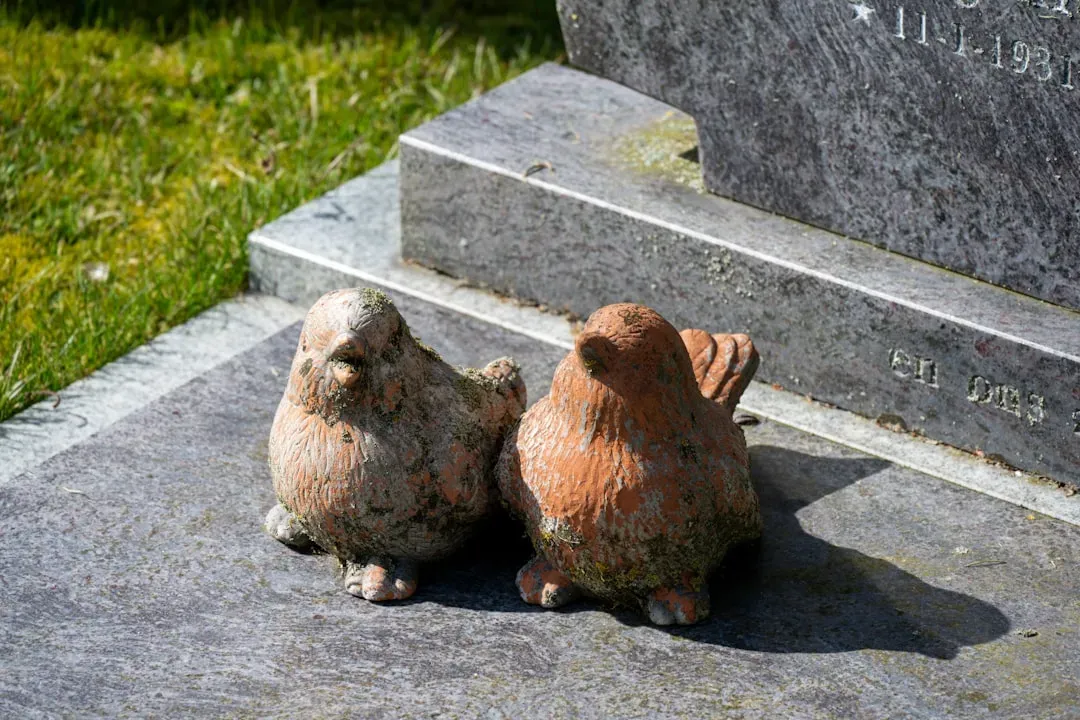
Many families still hold the quiet belief that robins carry messages from those who are gone. The bird’s appearance near the door can feel like a visit, especially if it happens around anniversaries or difficult periods. The nest then becomes a lasting marker of that connection.
Stories describe the robin lingering or singing at particular moments, as if offering reassurance. The choice of location makes the link feel personal rather than random. Over generations, these observations turned the bird into a gentle bridge between the living and those remembered.
Warnings or Cautions in Certain Traditions
Not every old account treats the nest as purely positive. A few regional tales suggest the bird might be signaling a need for caution around the home. Changes in routine or extra care with visitors could follow such an observation.
The warning usually stays mild, more nudge than alarm. It encourages people to notice small details they might otherwise overlook. In this light, the robin serves as a quiet prompt rather than a dramatic forecast.
How Location and Behavior Add Layers of Meaning
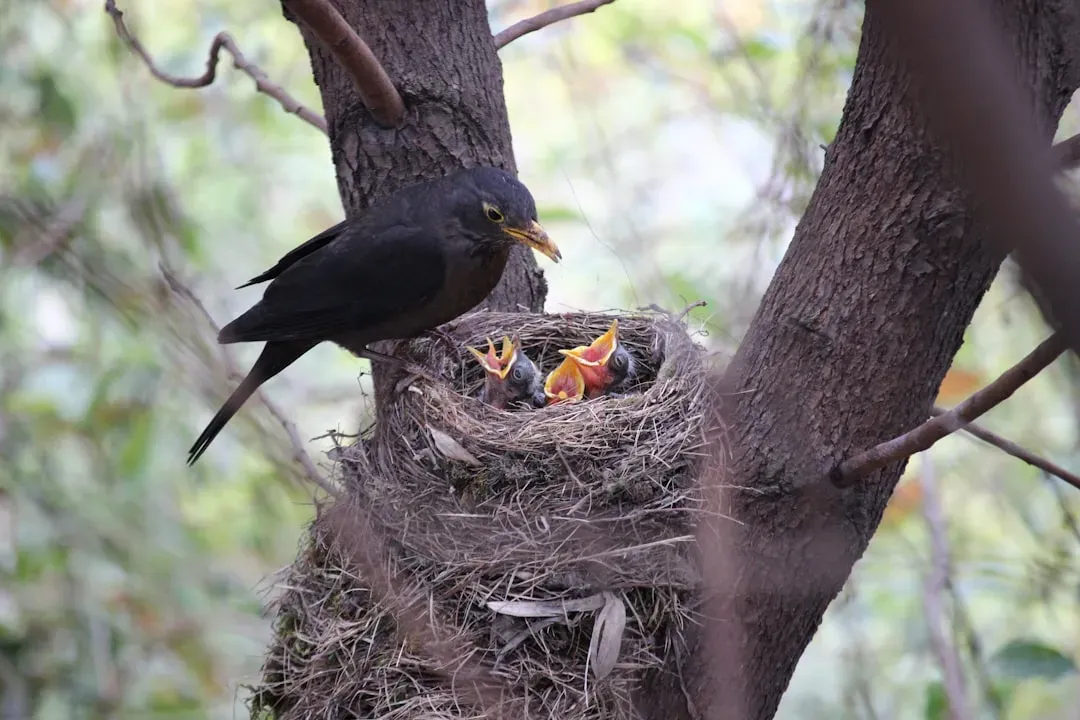
The exact spot on the door frame or nearby ledge can shift the interpretation. A nest tucked under an overhang might emphasize protection, while one more exposed could highlight boldness or trust. Observers once noted whether the parents returned often or stayed hidden.
These details helped shape the story each household told itself. The robin’s daily movements became part of the larger picture. Over time, the combination of place and habit gave the event its own quiet narrative within the family.
Carrying These Traditions Forward Today
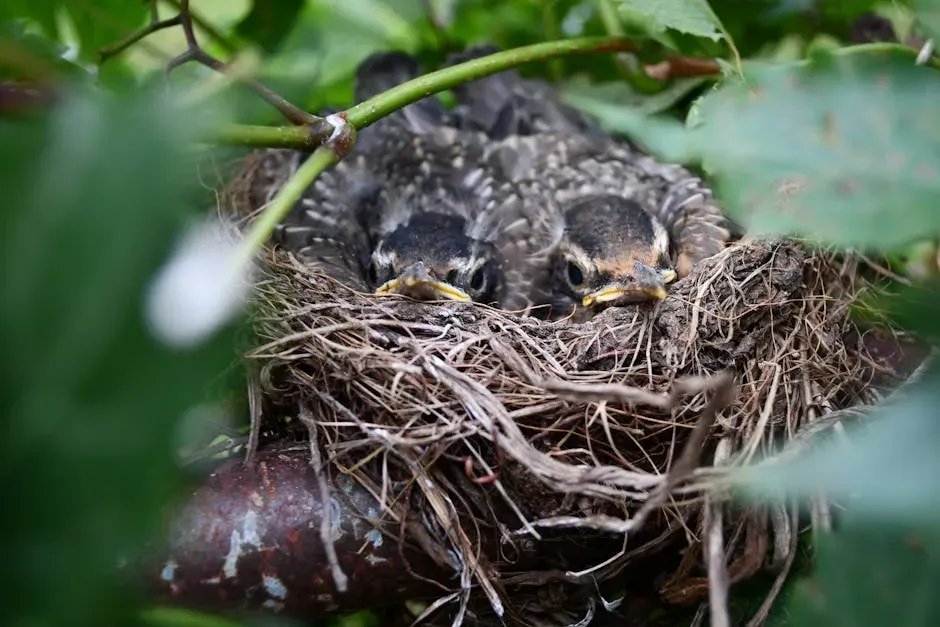
Even now, spotting a robin’s nest by the door invites a moment of reflection. The old meanings do not demand belief, yet they offer a gentle framework for noticing the natural world. Many people find comfort in the idea that small creatures can mark larger shifts.
Whether the nest brings luck, memory, or simple wonder, the tradition encourages slowing down. It turns an ordinary spring sight into something worth remembering. In that pause lies the lasting appeal of these stories, passed quietly from one season to the next.
