

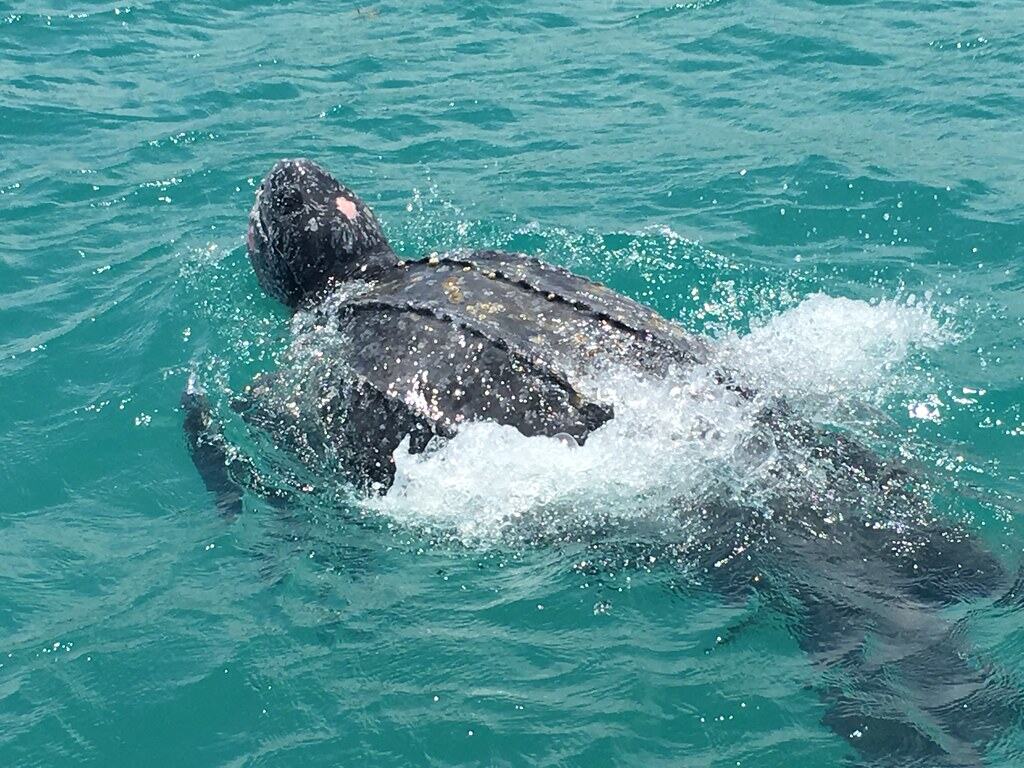
The leatherback sea turtle, the largest of all sea turtles, embarks on one of the most remarkable journeys in the animal kingdom. Each year, these ancient mariners traverse more than 5,000 miles of open ocean, navigating without maps or GPS, guided only by instinct and the Earth’s magnetic field. Their epic migration takes them from tropical breeding grounds to cool feeding areas in an astonishing display of natural navigation and endurance. This incredible annual journey has fascinated scientists for decades and reveals the extraordinary capabilities of these endangered creatures, whose ancestors swam the oceans when dinosaurs still walked the Earth.
The Remarkable Leatherback Sea Turtle

The leatherback sea turtle (Dermochelys coriacea) stands apart from other sea turtles in many ways. Unlike its relatives with hard shells, the leatherback has a leathery, flexible carapace composed of a mosaic of small dermal bones covered by tough, oily connective tissue. This distinctive feature gives the species its name and contributes to its hydrodynamic shape. Growing up to 7 feet long and weighing as much as 2,000 pounds, leatherbacks are the largest turtles on Earth and the fourth-heaviest modern reptiles. Their massive size, unique physiology, and remarkable adaptations enable them to undertake some of the most extensive migrations of any reptile.
The Migration Marathon: A 5,000-Mile Journey

The leatherback’s annual migration spans incredible distances, often exceeding 5,000 miles (8,000 kilometers) each way. These journeys typically follow a predictable pattern: breeding and nesting in tropical or subtropical beaches, followed by long-distance travel to feeding grounds in cooler, more productive waters. Satellite tracking has revealed that some individuals travel even more impressive distances. One documented leatherback journeyed over 12,000 miles (19,300 kilometers) in a single year, crossing the Pacific Ocean from Indonesia to the coast of Oregon. These migrations represent some of the longest straight-line movements of any reptile, rivaling even the great migrations of birds and whales.
From Tropics to Cold Waters: The Migration Route
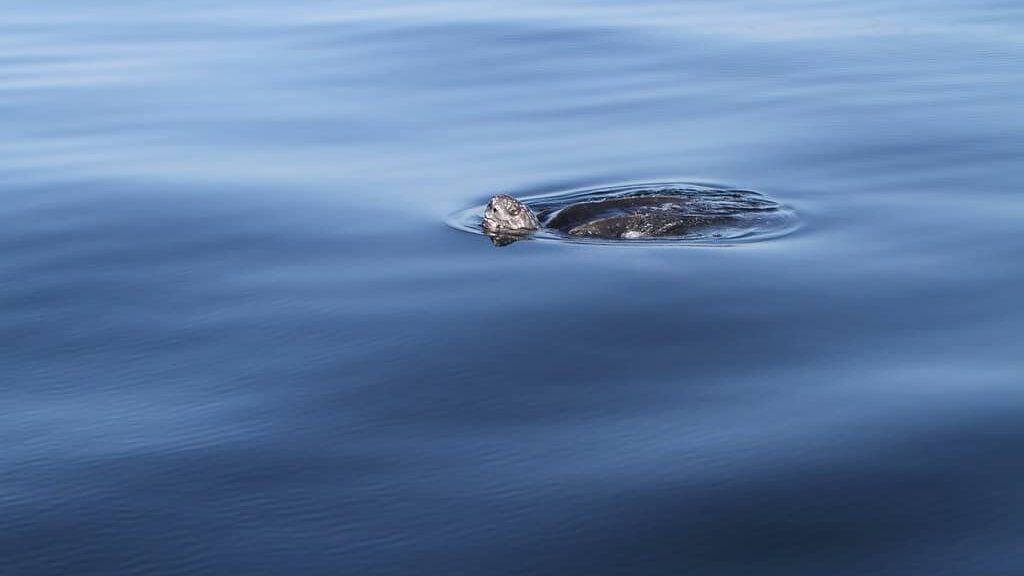
Leatherback turtles follow specific migration corridors that vary by population. Atlantic leatherbacks nesting in the Caribbean and South America often migrate northward along the eastern seaboard of North America, reaching as far as Newfoundland and sometimes Iceland. Pacific leatherbacks have even more dramatic routes, with western Pacific populations crossing the entire ocean from Indonesia and Papua New Guinea to feeding grounds off California and Oregon. The eastern Pacific population travels from nesting beaches in Mexico and Costa Rica to the deep waters of the South Pacific. These routes often follow oceanic currents and fronts where prey concentrates, creating biological highways through the vast oceans.
Driven by Hunger: The Search for Jellyfish
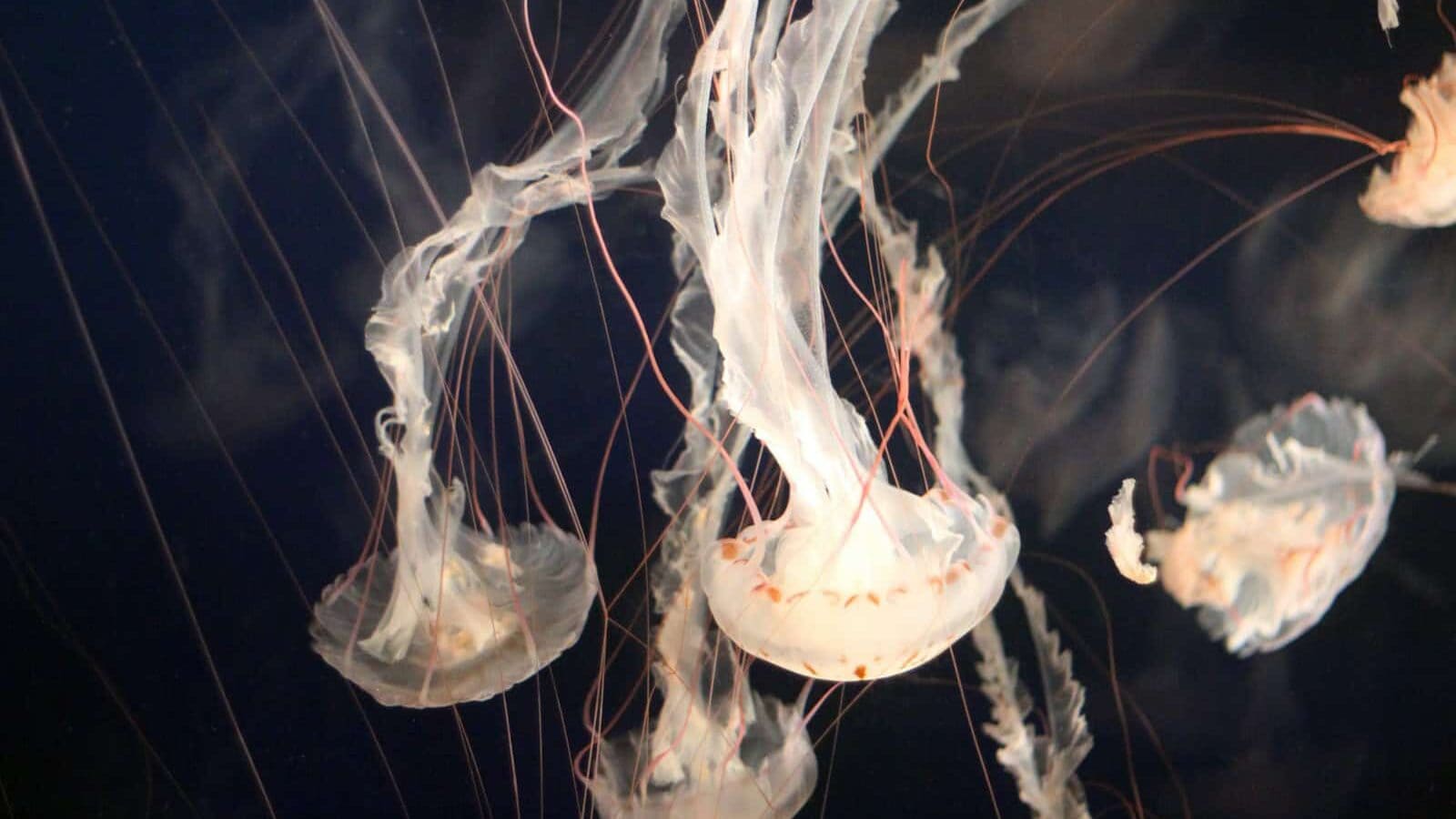
The primary motivation behind the leatherback’s extraordinary journey is simple: food. These massive reptiles have a highly specialized diet consisting almost entirely of jellyfish and other gelatinous zooplankton. A full-grown leatherback can consume hundreds of pounds of jellyfish daily to sustain its enormous body. The seasonal blooms of jellyfish in temperate waters drive leatherbacks to undertake these long migrations from their tropical breeding grounds. The turtles follow oceanic fronts and convergence zones where currents meet, creating areas of high productivity where jellyfish concentrate. This specialized diet also explains their unique anatomy, including specialized papillae in their throats and esophagus that help them swallow slippery prey while expelling seawater.
Built for the Journey: Physiological Adaptations
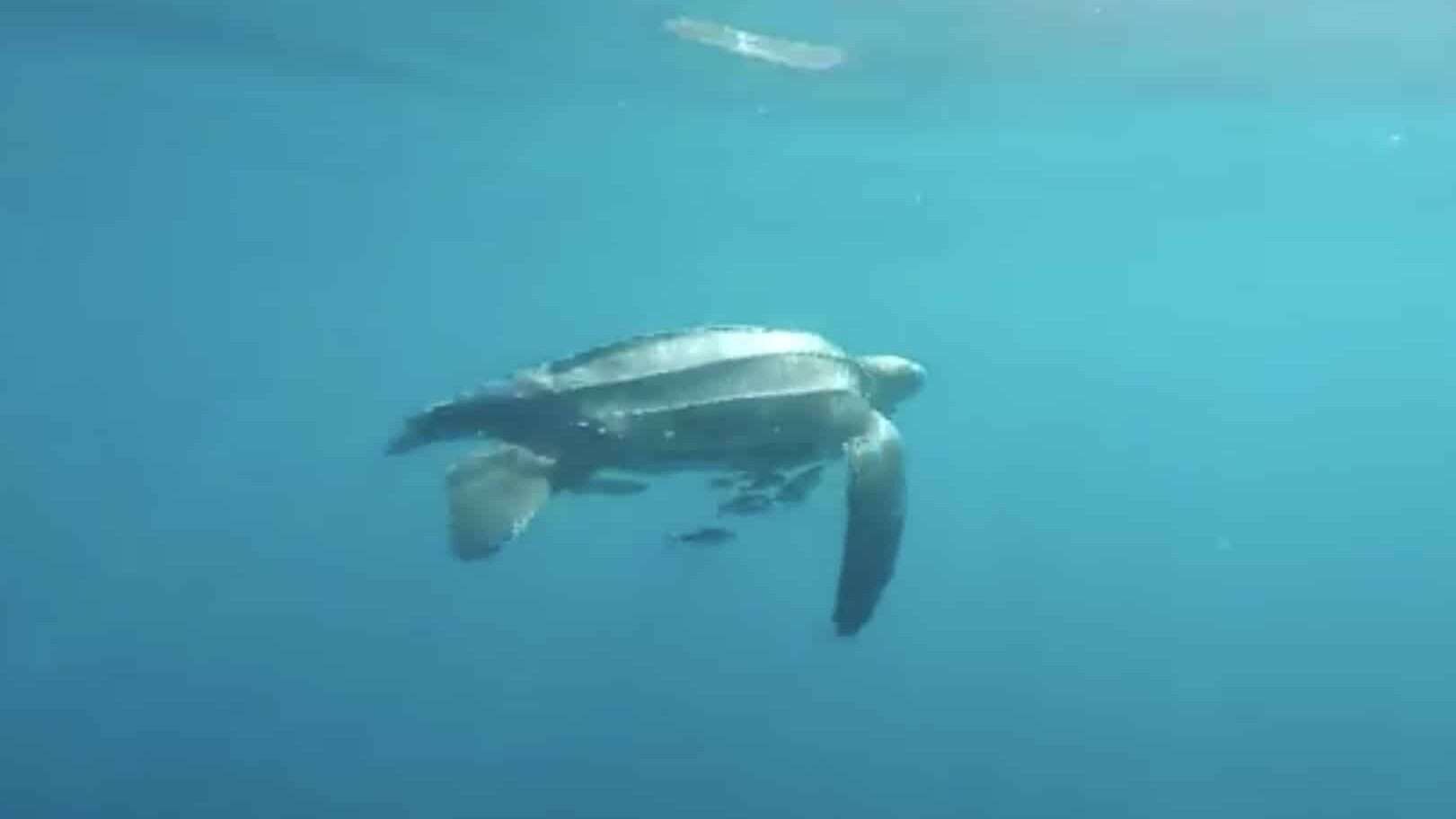
Leatherbacks possess remarkable physiological adaptations that enable their epic migrations. Unlike other reptiles, they are partially endothermic (warm-blooded), maintaining a body temperature up to 18°F (10°C) above the surrounding water. This ability comes from their large body size, thick layer of blubber-like fat, countercurrent heat exchangers in their flippers, and unique blood vessel arrangements that reduce heat loss. These adaptations allow leatherbacks to venture into cold waters as low as 40°F (4.5°C) where jellyfish are abundant but other sea turtles cannot survive. Their streamlined teardrop shape, powerful front flippers that can span 8.5 feet (2.6 meters), and reduced rear flippers make them efficient long-distance swimmers, capable of sustaining speeds of 1.5 to 5.3 mph (2.5 to 8.5 km/h).
Navigation Mastery: Finding the Way Across Oceans
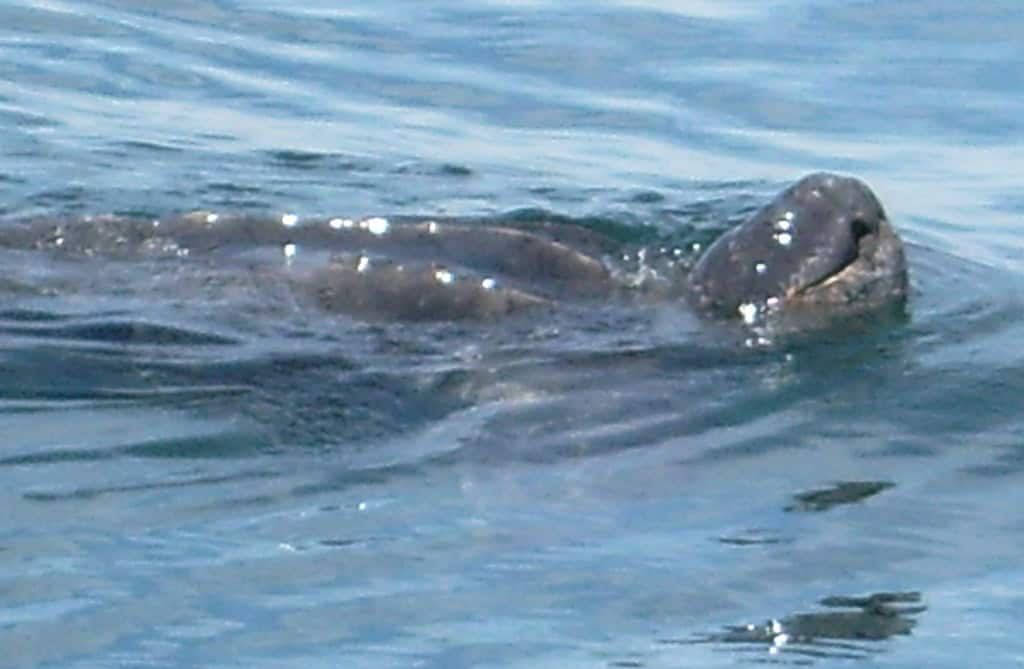
Perhaps most impressive is how leatherbacks navigate their vast oceanic journeys. Research indicates they use multiple cues, with the Earth’s magnetic field playing a central role. Leatherbacks possess magnetite crystals in their brains that act like built-in compasses, allowing them to detect the intensity and inclination of magnetic field lines. This gives them both directional information and a sense of latitude. They likely complement this magnetic navigation with other cues, including ocean currents, water temperature gradients, and possibly celestial navigation. This sophisticated natural GPS enables them to find their way across featureless ocean expanses and return to specific beaches with remarkable precision, sometimes to the very beaches where they hatched decades earlier.
The Breeding Imperative: Returning to Natal Beaches
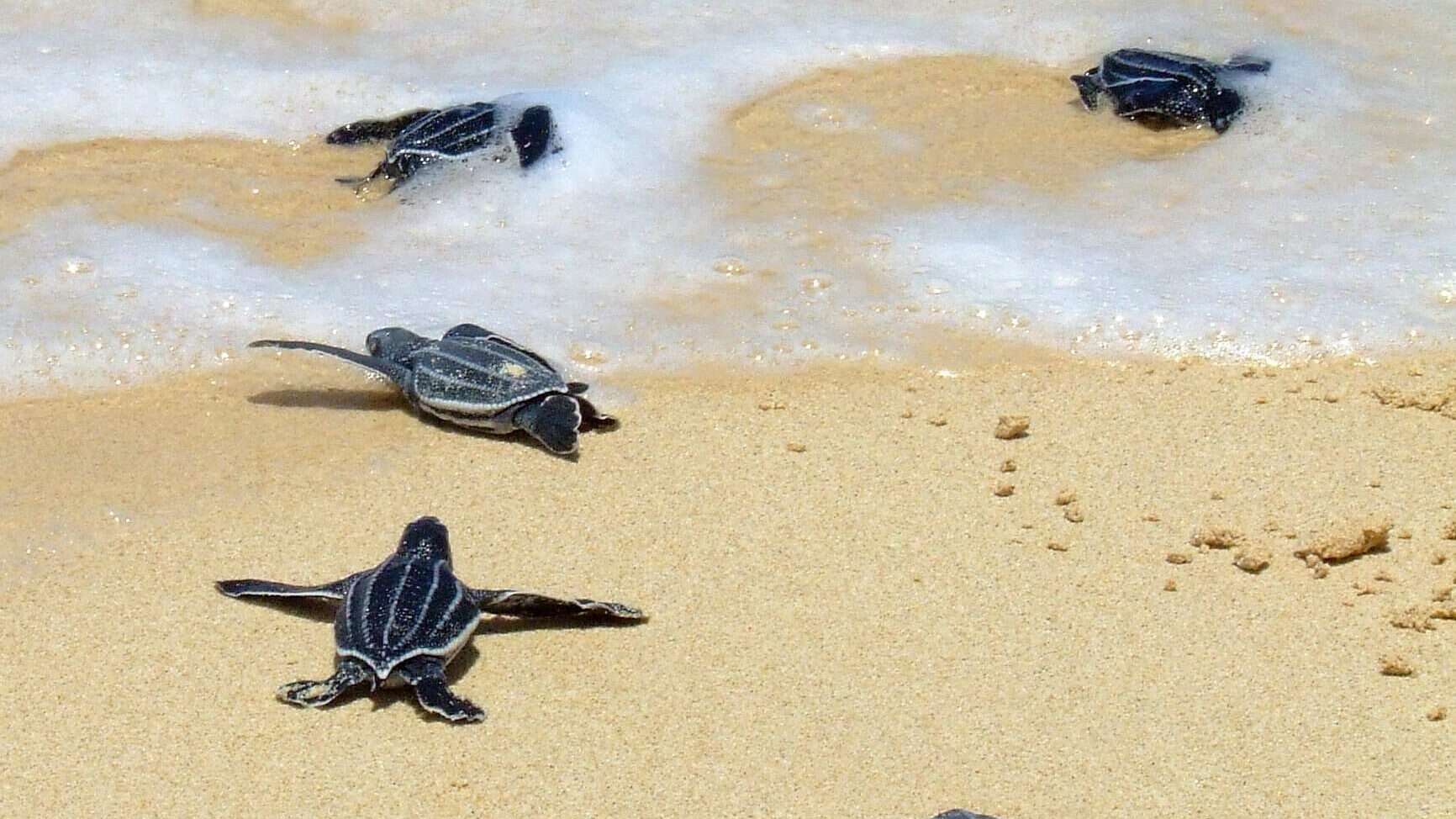
The second great driver of leatherback migrations is reproduction. Female leatherbacks typically return to their natal beaches—often the very same stretches of shoreline where they hatched—to lay their eggs. This phenomenon, known as natal homing, requires extraordinary navigational precision and long-term memory. After traveling thousands of miles to feeding grounds, female leatherbacks make the return journey every 2-3 years when ready to nest. Upon reaching their nesting beaches, they emerge under the cover of darkness, laboriously drag their massive bodies above the tide line, and dig deep nests where they deposit approximately 80-100 eggs. During a single nesting season, a female might create 6-9 nests at 10-day intervals before beginning her long journey back to feeding grounds.
A Journey Fraught with Danger
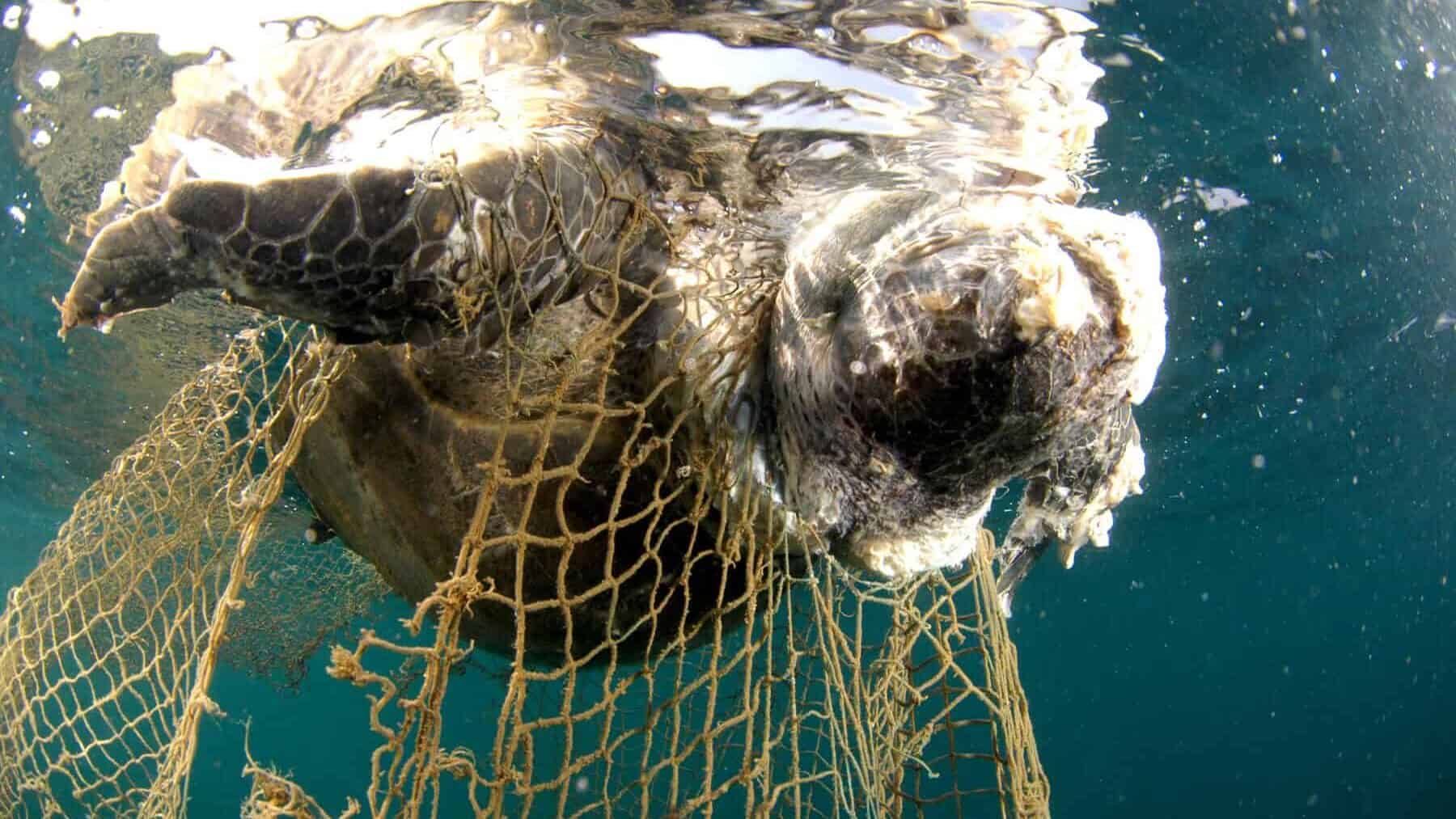
The leatherback’s epic migration exposes it to numerous threats, both natural and human-caused. These journey-related dangers have contributed to the species’ critically endangered status in many regions. Fishing gear presents one of the greatest hazards, with thousands of leatherbacks dying annually from entanglement in longlines, gill nets, and crab pot lines that cut across their migration routes. Ship strikes cause significant mortality, especially in shipping lanes that overlap with migration corridors. Plastic pollution poses another serious threat, as leatherbacks frequently mistake floating plastic bags for their jellyfish prey, leading to intestinal blockages and starvation. Climate change is altering ocean currents and temperature patterns, potentially disrupting the environmental cues these turtles rely on for navigation and timing their migrations.
Tracking the Travelers: How Scientists Monitor Migration
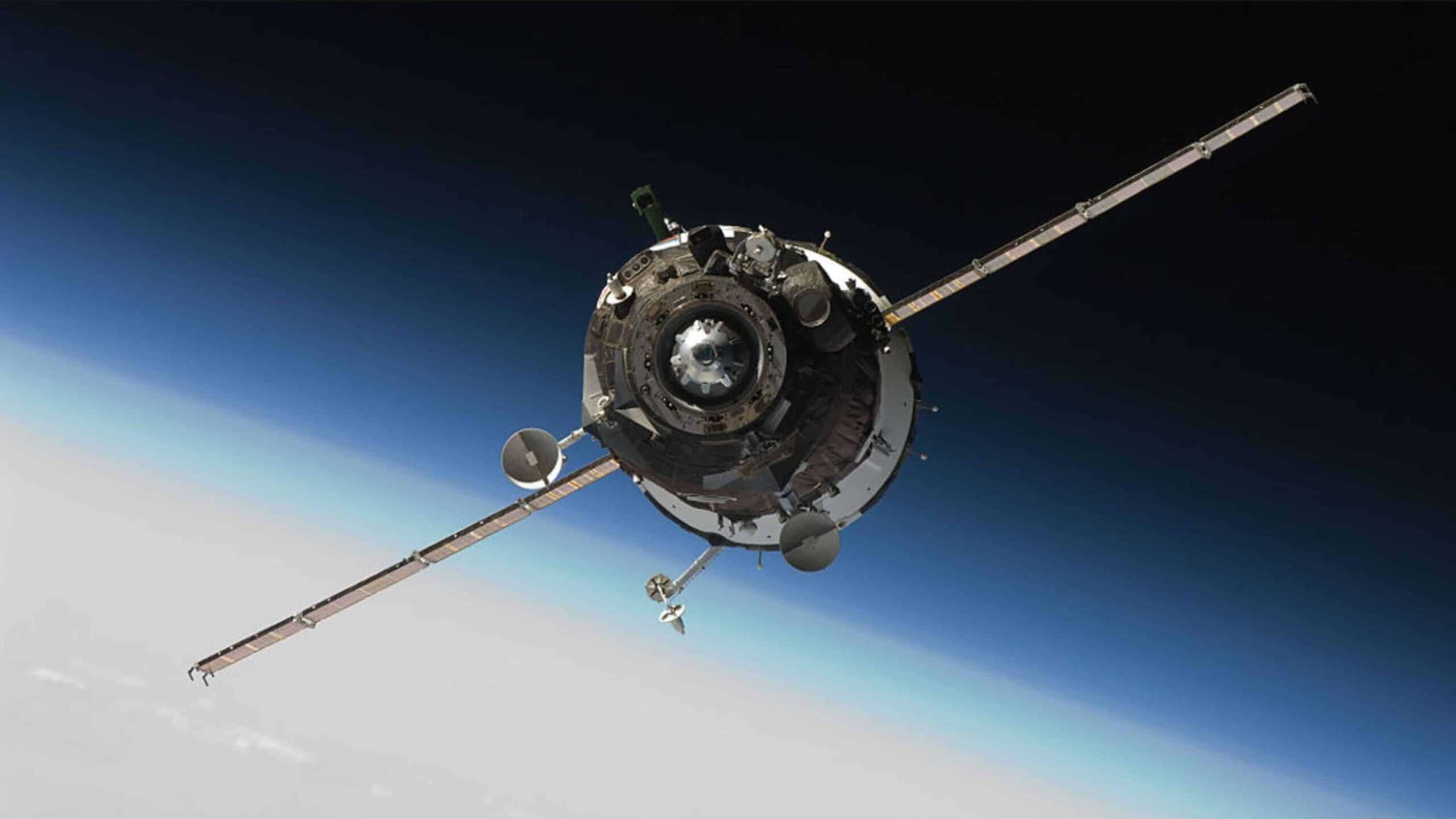
Modern technology has revolutionized our understanding of leatherback migrations. Satellite telemetry allows researchers to track individual turtles in near real-time across entire oceans. Scientists attach small transmitters to the turtle’s carapace, which relay location data each time the turtle surfaces to breathe. These devices often include sensors that record diving behavior, water temperature, and swimming speed. Some advanced tags incorporate accelerometers and magnetometers to study the turtles’ navigational mechanisms. Large-scale collaborative projects like the Great Turtle Race have combined scientific research with public education by allowing people to follow tagged turtles online. DNA analysis complements tracking data by revealing population structures and helping identify distinct migratory groups that may need different conservation approaches.
Leatherbacks as Ocean Sentinels
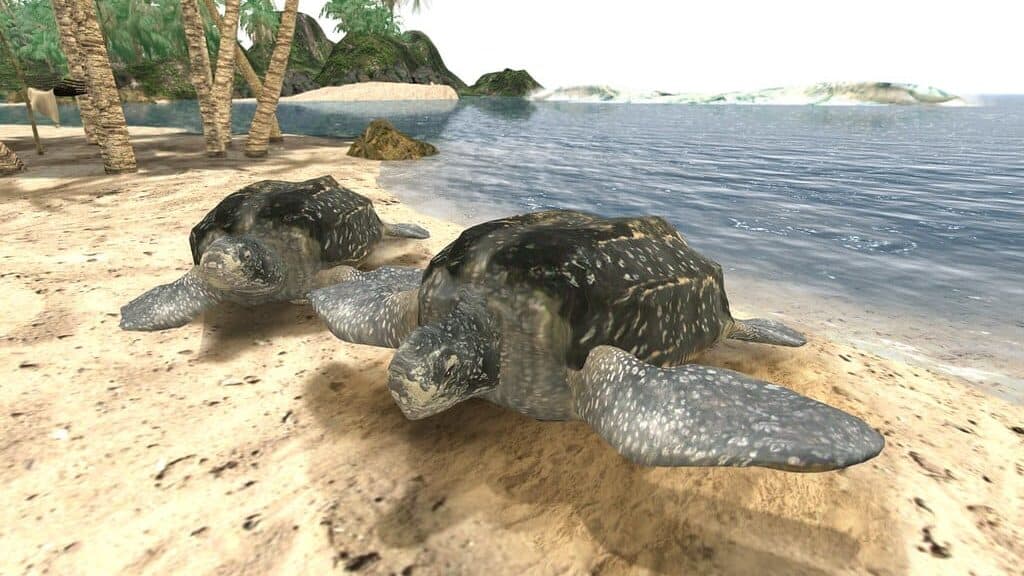
The migratory patterns of leatherback turtles make them important indicators of ocean health across vast geographic ranges. Their journeys connect distant marine ecosystems, from tropical coral reefs to temperate continental shelves. As top predators of jellyfish, they help control populations that might otherwise explode due to overfishing of jellyfish competitors and predators. Leatherbacks’ sensitivity to changes in ocean conditions makes them valuable sentinels for climate change impacts. Their migration routes often highlight critical marine habitats that benefit many species. Conservation efforts focused on protecting leatherback migration corridors, such as the Leatherback Trust’s work in the Eastern Pacific, often result in broader marine protection measures that benefit entire ecosystems. By understanding where and how leatherbacks travel, scientists gain insights into oceanographic features that would otherwise be difficult to study.
Ancient Travelers: The Evolutionary History of Migration
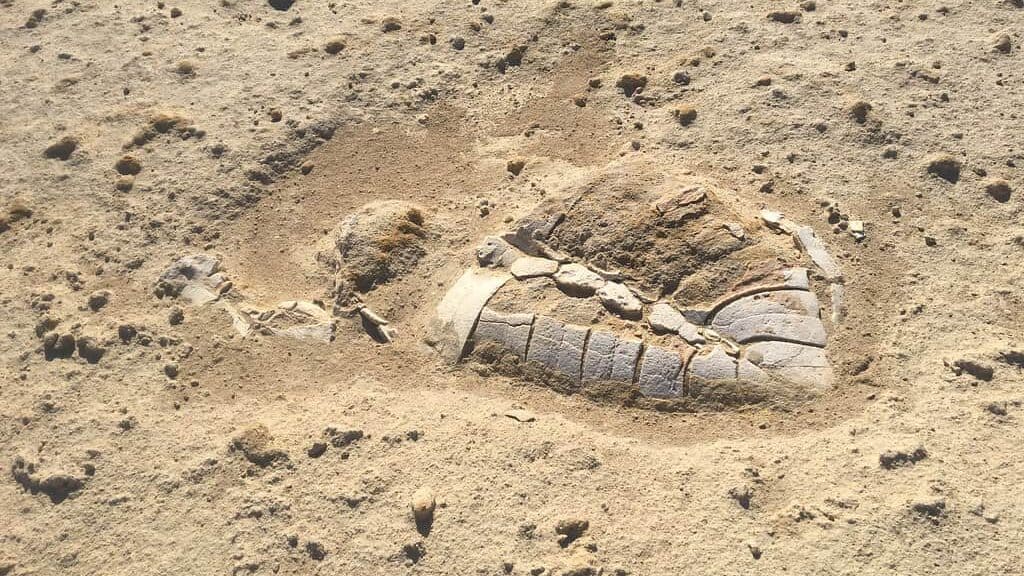
Leatherback sea turtles represent an ancient lineage that has been traversing the world’s oceans for over 100 million years, with their distinctive body plan remaining largely unchanged for the past 70 million years. This makes their migration one of the oldest animal journeys on Earth, persisting through dramatic planetary changes including mass extinctions, continental drift, and ice ages. Fossil evidence indicates that prehistoric leatherbacks were even larger than today’s giants, with some specimens suggesting individuals up to 15 feet (4.5 meters) long. The species’ remarkable adaptability has allowed it to survive while countless other marine reptiles disappeared. Their migration patterns have likely shifted over evolutionary time as oceans changed, continents moved, and new predators and prey evolved. Understanding the deep time perspective of leatherback migrations helps scientists appreciate the resilience of these animals while highlighting the unprecedented nature of current anthropogenic threats to their survival.
Conservation Efforts: Protecting Migration Routes
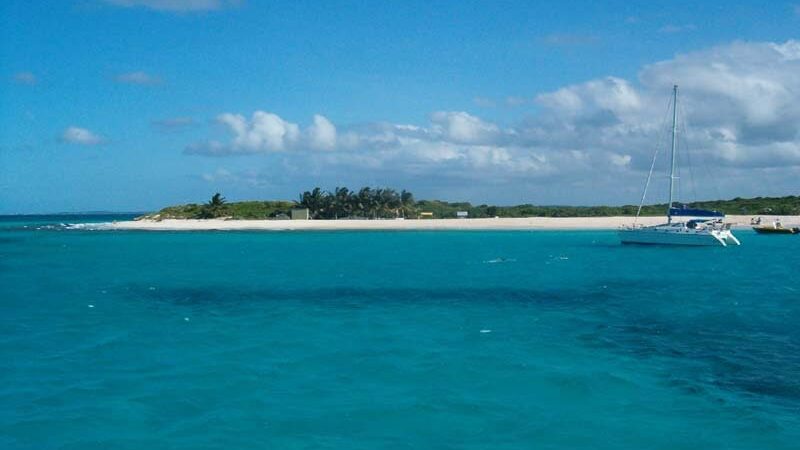
Recognizing the importance of safeguarding leatherback migration corridors, conservation organizations and governments worldwide have implemented various protective measures. Marine Protected Areas (MPAs) strategically placed along migration routes provide safe passage zones where harmful fishing practices are restricted. International agreements like the Inter-American Convention for the Protection and Conservation of Sea Turtles coordinate conservation efforts across multiple countries that share leatherback populations. Fishing gear modifications, such as circle hooks and turtle excluder devices (TEDs), have reduced bycatch mortality in areas where fishing and migration routes overlap. Time-area closures temporarily restrict fishing in critical areas during peak migration periods. Plastic reduction initiatives target the marine debris that leatherbacks fatally mistake for food. Beach protection programs safeguard nesting sites that serve as the start and end points of their remarkable journeys. These multifaceted conservation approaches acknowledge that protecting such wide-ranging species requires coordination across international boundaries and different marine ecosystems.
Despite decades of research, many aspects of leatherback migration remain mysterious. Scientists continue to discover new migration routes and behaviors as tracking technology improves. One enduring puzzle is how juvenile leatherbacks spend their first years—often called the “lost years”—before they begin their predictable adult migration patterns. Researchers still debate the precise mechanisms leatherbacks use to navigate, particularly how they integrate different environmental cues. The drivers behind migration timing variations, where some individuals depart weeks before others, remain poorly understood. Climate change’s long-term impacts on migration patterns represent another critical knowledge gap. Each answered question seems to reveal new mysteries about these ancient mariners. The leatherback’s remarkable 5,000-mile journey continues to inspire scientific inquiry and conservation efforts worldwide, reminding us that even after millions of years of evolution, nature still holds secrets waiting to be discovered. As technology advances and research continues, we gain greater appreciation for one of the animal kingdom’s most impressive feats of navigation and endurance—an annual migration that spans hemispheres and connects distant ecosystems through the determined journey of an ancient reptile.

- Owls and Other Forest Dwellers of the Cascades - July 19, 2026
- What Happens When a Python Eats Something Too Big? - July 19, 2026
- Baby Koalas Hug Their Moms for Safety and Comfort - July 19, 2026