
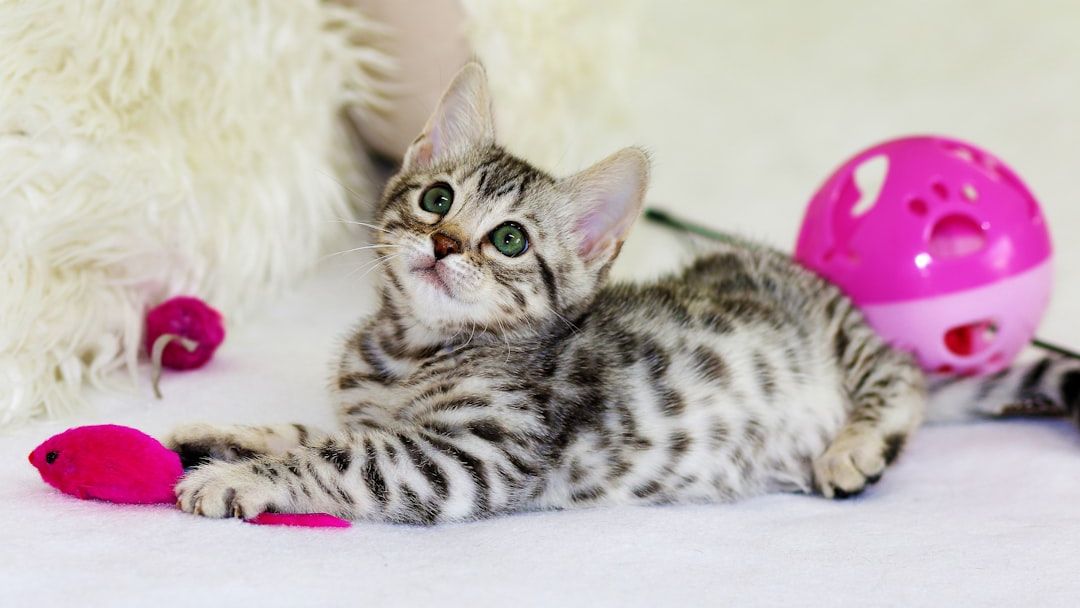
You close the front door, keys in hand, and somewhere behind you a small creature watches the lock click into place. For a second, maybe two, your cat stays perfectly still. Then the house becomes entirely theirs.
Most people picture their cat curled up and motionless from the moment they leave until the moment they return. The truth is considerably more interesting, and slightly more chaotic. Researchers have spent years tracking feline behavior during owner absences, and what emerges is a portrait of an animal that is far more emotionally attuned, territorially driven, and quietly active than the independent-loner reputation suggests. Those three hours while you’re out? They’re a full chapter in your cat’s day.
#1: The First Twenty Minutes – Processing Your Departure
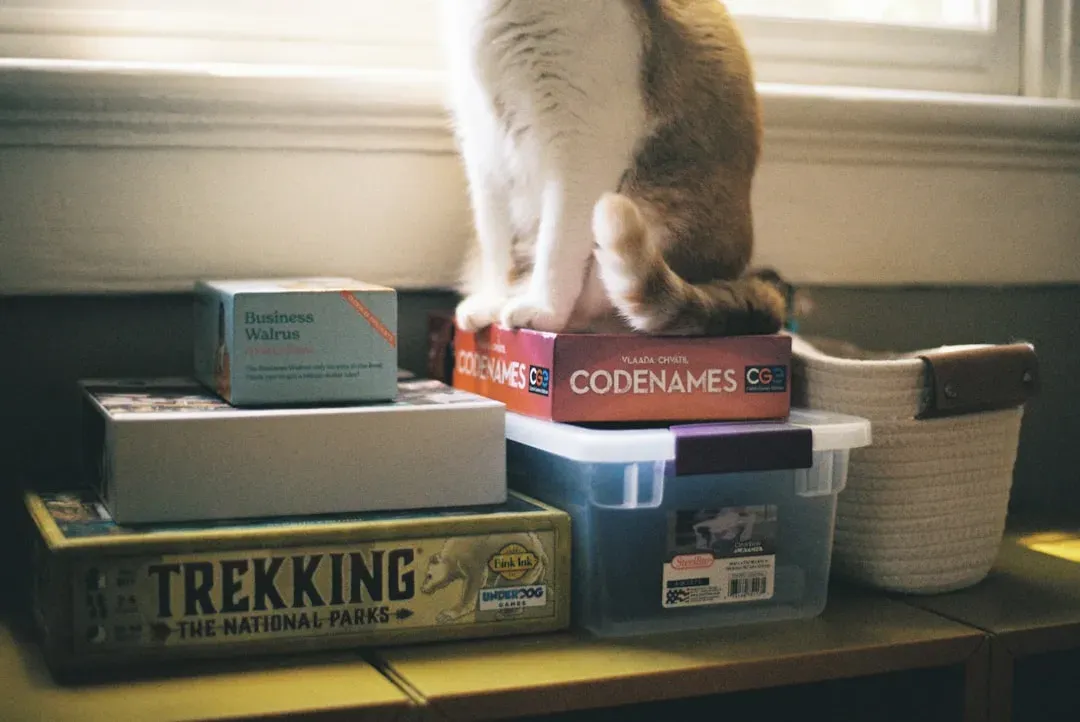
The transition from “owner present” to “owner absent” is not as seamless for cats as many assume. Cats with separation anxiety typically act out within the first twenty minutes or so after you’re gone. Even cats that don’t display clinical anxiety tend to spend this initial window recalibrating, moving through rooms, checking spots you recently occupied, and sniffing surfaces where your presence is strongest.
When presented with scent samples from familiar and unfamiliar humans, cats consistently spent more time sniffing the unfamiliar scent, suggesting cats may use olfaction to recognize and explore individuals. Flip that observation into a home context: your freshly vacated chair, your pillow, your coat draped over the door all become sensory anchors that your cat actively investigates in the quiet aftermath of your leaving.
When you’re away, your scent left on objects can alleviate feelings of loneliness. It serves as a reminder that you’ll return and provides them with a sense of connection in your absence. So that strange habit of your cat sleeping directly on your worn clothes isn’t arbitrary sentimentality. It’s a grounding mechanism, rooted in scent recognition and emotional regulation.
#2: The Territorial Audit – Walking the Perimeter
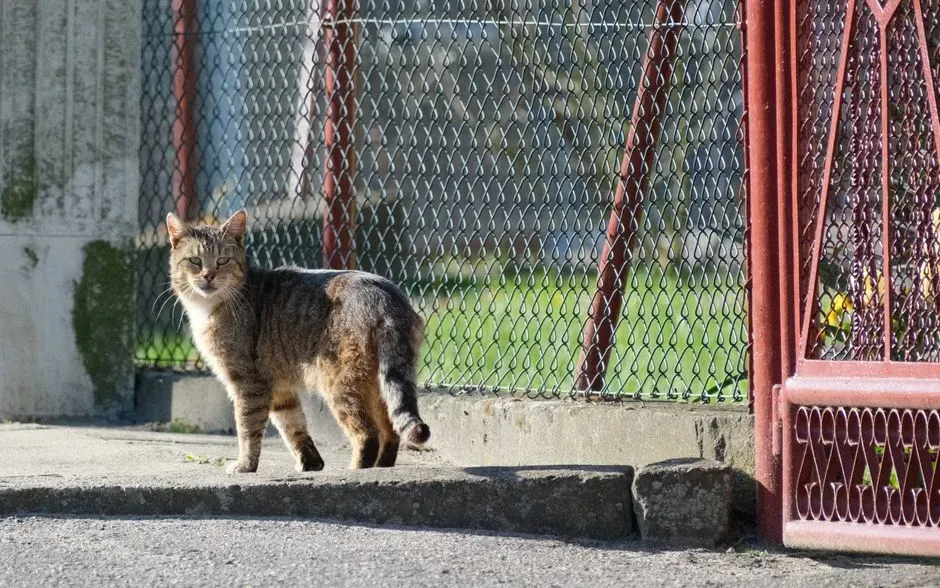
Once the initial adjustment settles, many cats shift into what could reasonably be called a home inspection. Solitude is essential for cats to assert and patrol their territory. They often spend time alone to mark their space and reinforce their boundaries. Without your movement disrupting theirs, the whole house becomes navigable on their terms.
Spatial targets can become more interesting to your cat when you’re not home. This can include high places like closets or shelves, as well as nooks and crannies like drawers or boxes. This is natural behavior for a cat that wants to explore new areas and satisfy its curiosity. The shelf you’ve never seen them climb becomes suddenly worth investigating. The drawer left slightly open becomes an irresistible opportunity.
When felines encounter inanimate objects, they tend to rub their tails and sides on them. On people, as well as familiar dogs and cats, a cat might rub its face to deposit scent, which identifies those marked as belonging to a specific group. This scent-marking patrol is less about aggression and more about maintenance, a quiet act of ownership over a space that, without you present to complicate the dynamic, is entirely theirs to manage.
#3: The Long Rest – Strategic Sleeping, Not Laziness
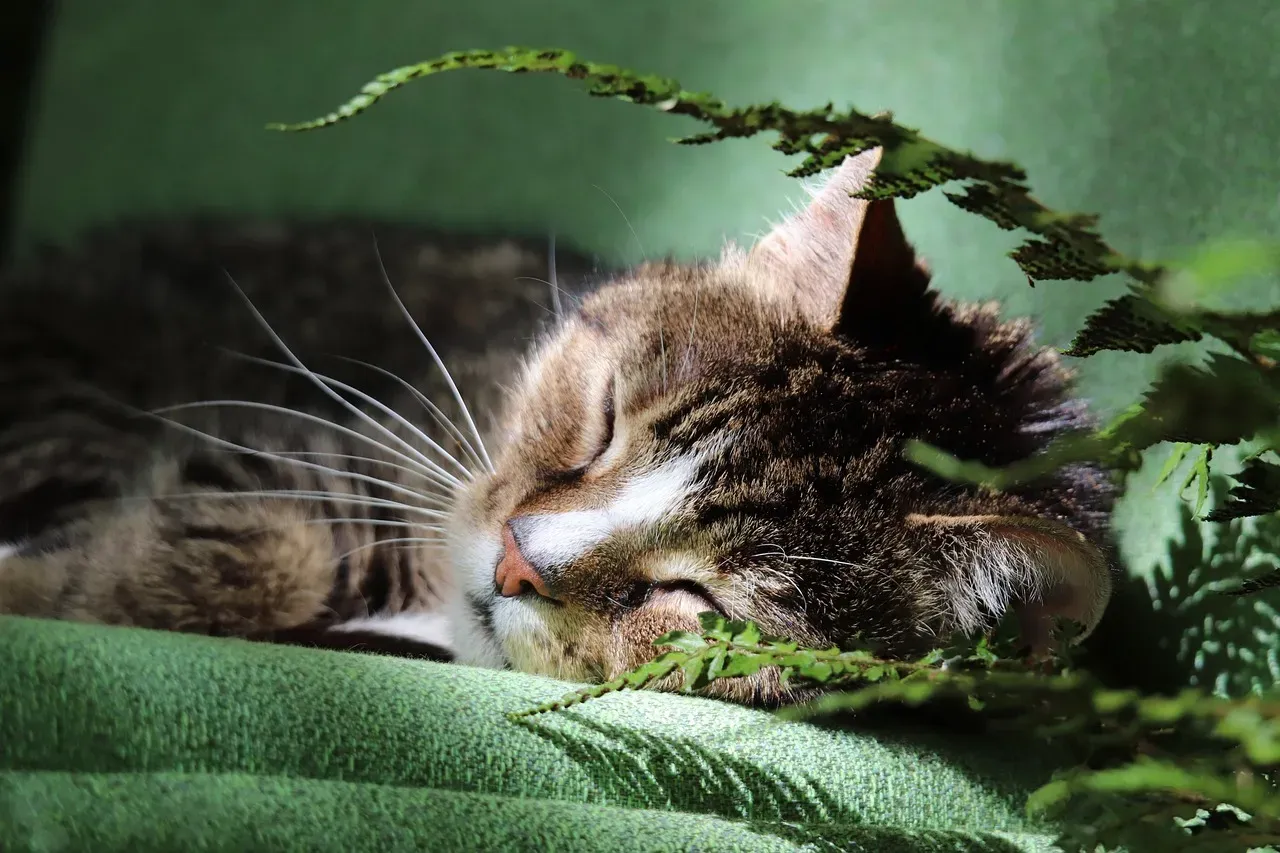
Cats sleep an average of 15 hours a day, and some older cats can sleep up to 20 hours. So when you’re away from home, your cat is probably taking advantage of that time to nap. This isn’t indifference. It’s evolutionary efficiency borrowed from wild ancestors who conserved energy between hunts and spent the vast majority of daylight hours at rest.
A windowsill is often a favorite place, especially when the sun warms the area. Cats seldom get into trouble when left alone, because when they have nothing to do, they do nothing and are content to have a bite to eat, groom themselves and settle down for a nice nap. The sun patch migrates across the floor through the afternoon, and your cat follows it with the kind of unhurried precision that can only come from having absolutely nowhere else to be.
Felines need around 18 hours of sleep a day. Nap time is one of the best ways for your kitty to stave off separation anxiety. There’s something quietly reassuring in that. Sleep isn’t just rest for a cat. During your absence, it’s a coping mechanism as much as a biological necessity.
#4: Solo Play and the Phantom Prey
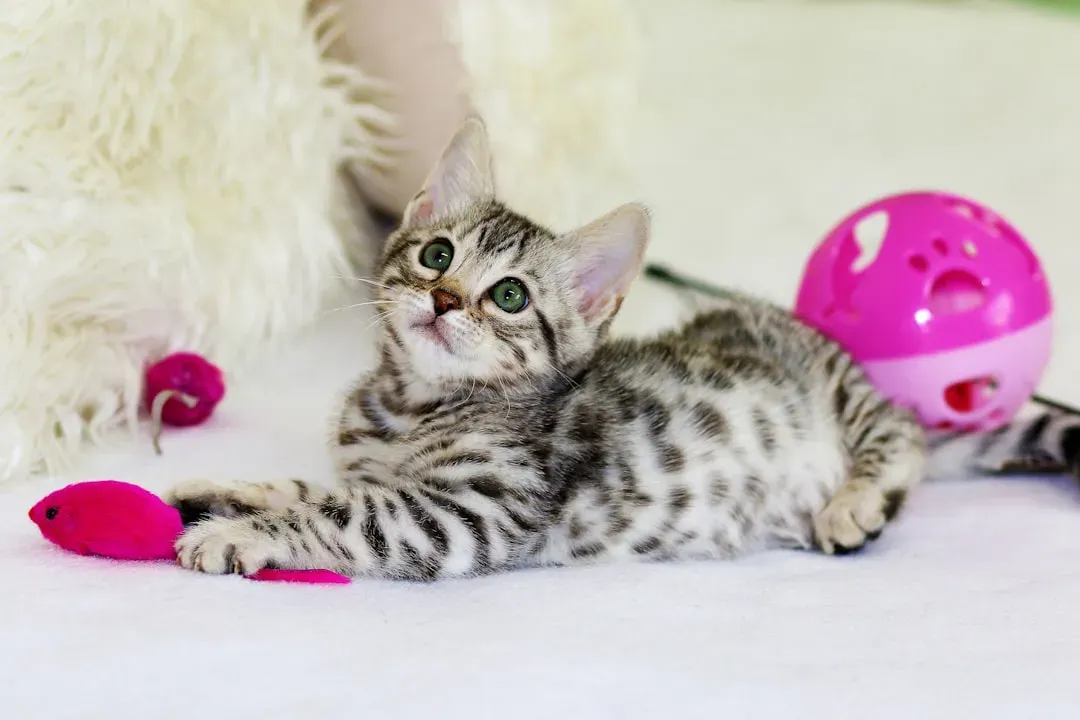
If you leave toys out for your cat, they can spend time playing. Many cats love interactive toys that they can face on their own. The toy mouse that’s been sitting in the corner for days suddenly becomes interesting the moment you’re not around to observe the indignity of playing with it. There’s something suspiciously theatrical about a cat that waits until you leave before engaging with anything.
Many cats living in private homes may be receiving only minimal environmental enrichment, particularly in the case of interactive enrichment such as playing with a friendly human, or exploring changing environments, versus static enrichment like cat toys. This gap matters during those solo hours. A cat without adequate stimulation will either manufacture its own entertainment, which often means something you didn’t intend to be a toy, or it will simply disengage entirely and sleep more than is strictly ideal.
The hunting instinct doesn’t switch off just because the house is quiet. Cats will stalk, pounce, and bat at objects as a form of solo rehearsal, running through predatory sequences that have no practical application in a carpeted living room but remain deeply wired into their behavioral repertoire. It’s earnest, a little absurd, and entirely natural.
#5: What Happens When You Return – The Reunion Tells You Everything
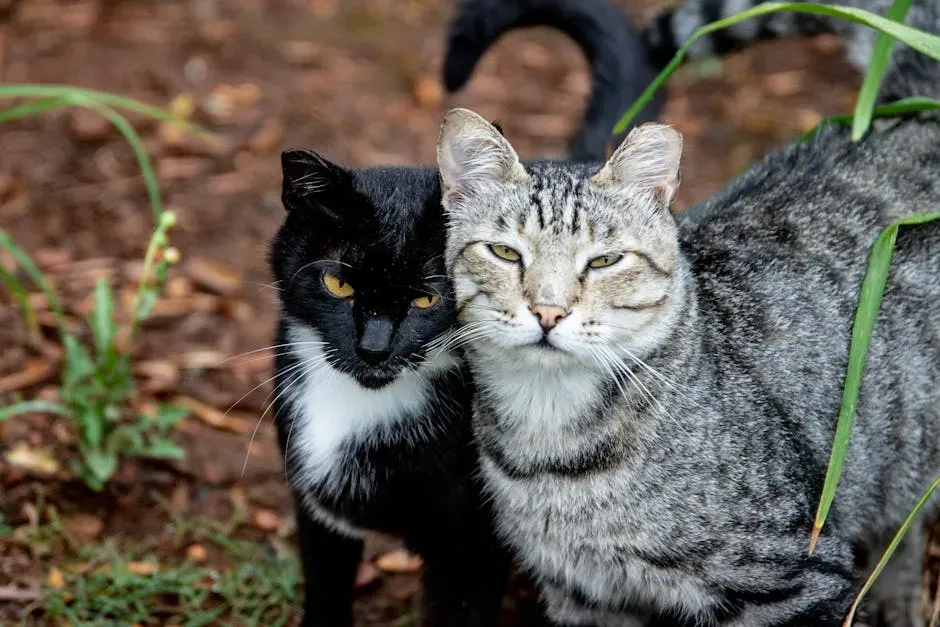
Research has shown that many cats display increased social behaviors, such as seeking more attention, vocalizing, or rubbing against their owners, after a period of separation. These findings indicate that cats do form emotional attachments and that their owners play a meaningful role in their social lives. The cat that greets you at the door isn’t simply trained to expect food. It has, in its own understated way, noticed you were gone.
Allorubbing is an important reunion behavior, with roughly eighty-three percent of cats rubbing their owner following a separation. That figure is striking. The cat weaving between your ankles the moment you step inside isn’t being clingy or demanding. It’s re-establishing the scent connection, reclaiming you as part of its group, and resetting the social landscape of the home.
Researchers investigated the effect of time left alone at home on cat behavior, including social and distress-related responses, before, during and after separation from their owner, comparing cats left alone for thirty minutes versus four hours. The longer the separation, the more pronounced the greeting behavior. Your cat, it turns out, is keeping some form of track.
What This All Means for You as a Cat Owner
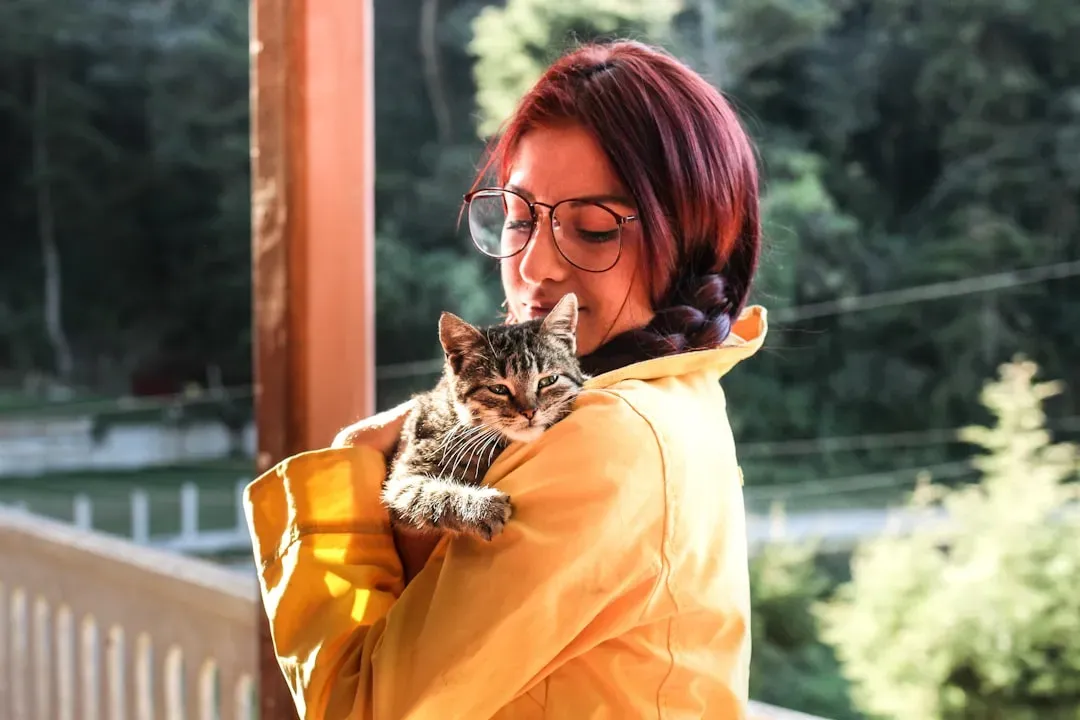
Veterinary behavior specialists note that most healthy adult cats can comfortably manage short absences, especially within a familiar and enriched home environment. Three hours is well within a comfortable range for the majority of cats, provided the environment supports them. The quality of what you leave behind, toys, perches, sunlit windows, familiar scents, shapes the experience considerably.
Researchers point out that cats are socially dependent creatures capable of forming deep bonds with both humans and other cats. That framing shifts things. It moves the cat away from the aloof archetype and closer to something more honest: an animal that genuinely notices your absence, manages it in its own quiet way, and reliably shows up when you come home.
Three hours is a small window, but it contains a lot. Scent investigations, territorial rounds, strategic naps, a brief wrestle with an unsuspecting toy mouse. Your cat is not waiting for you, exactly. But they’re not indifferent, either. Somewhere in the middle of those two things is the actual truth of living with a cat, and it’s more layered and more touching than the stereotype ever gives it credit for.

- 6 Exotic Bird Species You Can Spot in U.S. National Parks - July 19, 2026
- 11 Iconic American Birds Facing New Challenges and How You Can Help - July 19, 2026
- 10 Friendliest Animals in the World - July 19, 2026