


In the shadowy caves of Central and South America, a remarkable act of kindness unfolds every night. While most of us recoil at the thought of blood-sucking creatures, vampire bats have developed one of nature’s most extraordinary examples of altruism. These nocturnal mammals don’t just survive on blood – they’ve built an entire social system around sharing it with friends and family who haven’t been lucky enough to feed.
What makes this behavior so incredible isn’t just the fact that they’re sharing their most precious resource, but that they’re doing it with surgical precision, mathematical accuracy, and genuine care for their community. This isn’t random charity – it’s a sophisticated survival strategy that has evolved over millions of years, creating bonds stronger than many human friendships.
The Life-or-Death Stakes of Blood Sharing
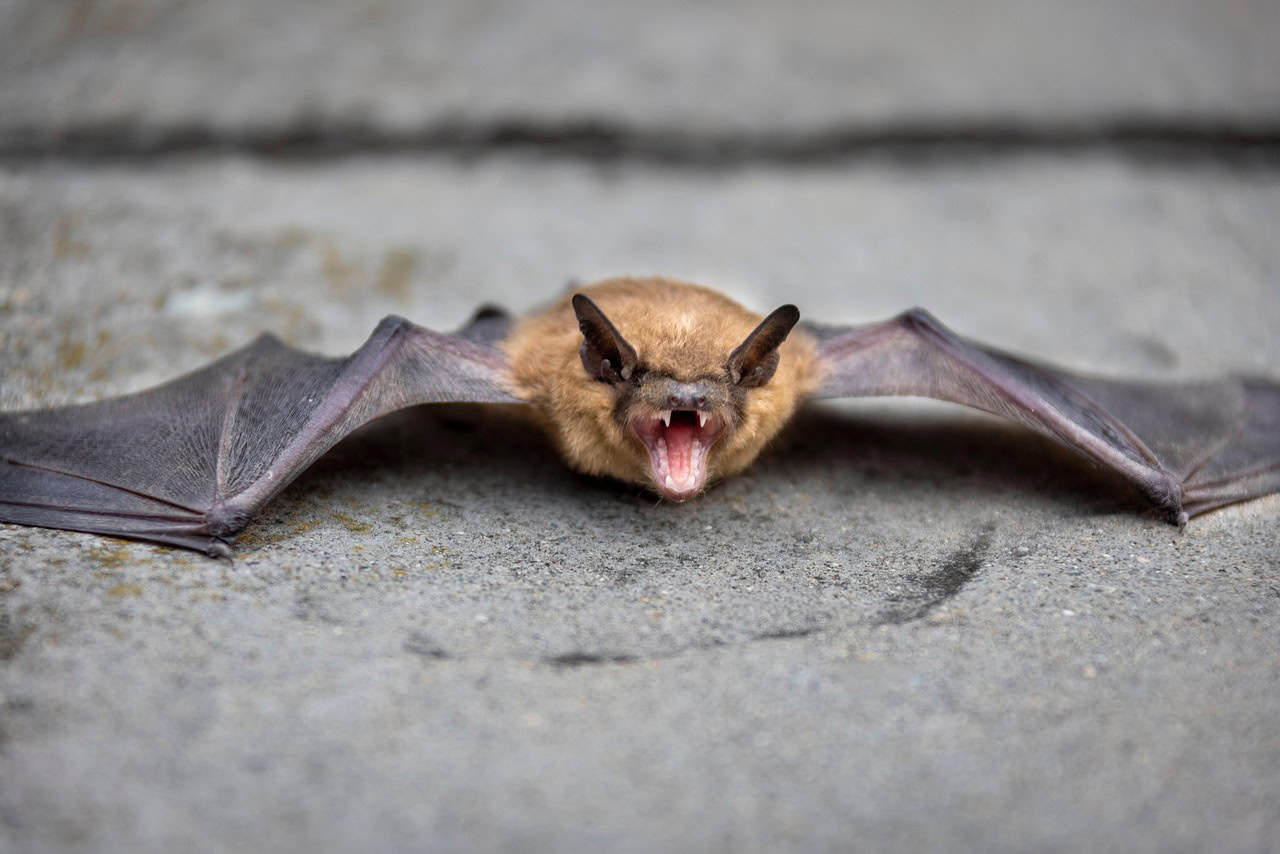
Vampire bats face a brutal reality that most animals never encounter: they must feed every two to three days or they will literally starve to death. Unlike other mammals that can survive weeks without food, these specialized creatures have such high metabolic rates that missing just a few meals can be fatal.
When a bat returns to the roost empty-handed, it’s not just hungry – it’s facing imminent death. This is where the remarkable sharing behavior kicks in, turning what could be a death sentence into a lifeline.
The stakes couldn’t be higher, which makes their willingness to share even more astounding. A well-fed bat will actually regurgitate precious blood to feed a starving roost mate, literally giving up part of its own survival resources.
The Science Behind Reciprocal Altruism

Scientists have discovered that vampire bat blood sharing follows a complex system of reciprocal altruism that would make economists proud. Research conducted by Gerald Wilkinson in the 1980s revealed that bats don’t share randomly – they have a sophisticated accounting system.
Bats remember who has helped them in the past and are more likely to share with those individuals when they’re in need. This “you scratch my back, I’ll scratch yours” mentality creates a safety net that benefits the entire colony.
The behavior is so refined that bats can even distinguish between family members and unrelated friends, adjusting their sharing accordingly. It’s a level of social intelligence that rivals some primates.
How Vampire Bats Identify Friends in Need
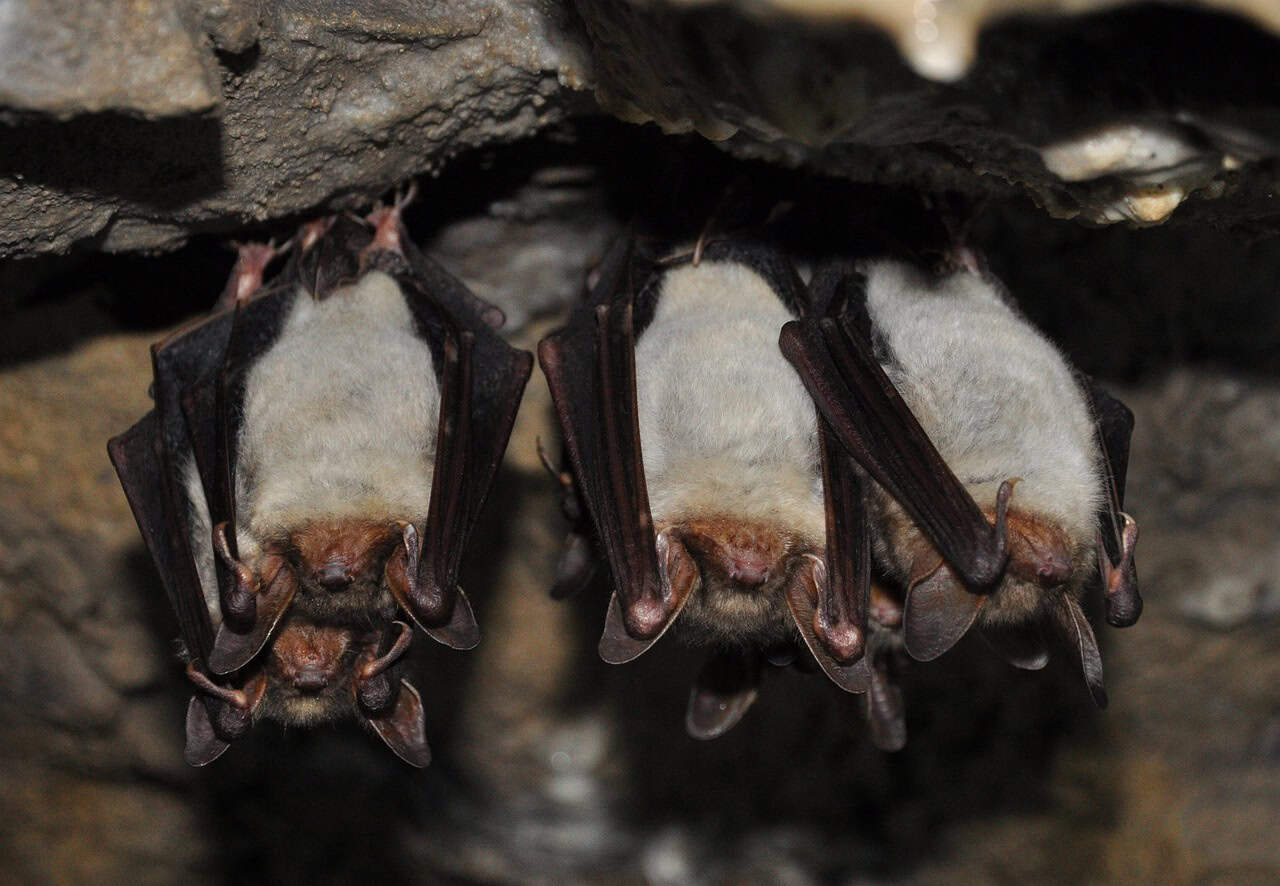
Recognizing a starving bat isn’t as simple as you might think. Vampire bats have developed an intricate system of begging behaviors that communicate their desperate state to potential donors.
A hungry bat will approach a well-fed roost mate and begin grooming them intensively, particularly around the mouth area. This grooming isn’t just social bonding – it’s a carefully choreographed request for help that can last several minutes.
The hungry bat will also position itself strategically, sometimes even pushing its head under the potential donor’s wing. These begging behaviors are so specific that researchers can predict with remarkable accuracy which bats will receive food based on their actions.
The Regurgitation Process That Saves Lives

The actual blood sharing process is both fascinating and slightly disturbing to witness. When a donor bat decides to help, it will regurgitate partially digested blood directly into the mouth of the hungry bat.
This process can take anywhere from 30 seconds to several minutes, with the donor literally pumping blood from its stomach into its friend’s mouth. The amount shared is typically enough to keep the hungry bat alive for another day or two.
What’s remarkable is that the donor bat doesn’t just give a token amount – they often share substantial portions of their meal, sometimes up to 15% of their body weight. This generous sharing can mean the difference between life and death for the recipient.
Family Bonds Versus Friendship Networks

Research has shown that vampire bats are more likely to share with family members than with unrelated individuals, but the friendship networks they build are equally important. Mother bats will almost always share with their offspring, creating a strong family safety net.
However, what’s truly remarkable is how these bats build relationships with non-relatives. Over time, bats that consistently share with each other develop what can only be described as friendships based on mutual aid.
These friendship networks can span multiple generations, with some bat partnerships lasting for years. The social bonds formed through blood sharing are so strong that they often persist even when food is abundant.
The Cost-Benefit Analysis of Sharing

From an evolutionary perspective, sharing blood seems counterintuitive – why would an animal give up its own resources to help another? The answer lies in the mathematical beauty of reciprocal altruism.
A well-fed bat has a relatively low risk of starvation, so sharing some of its blood has minimal impact on its survival. However, for a starving bat, that shared blood can be the difference between life and death.
This creates a situation where the benefit to the recipient far outweighs the cost to the donor. Over time, this reciprocal system ensures that all bats in the network have a better chance of survival than they would on their own.
Memory and Recognition in Vampire Bat Societies
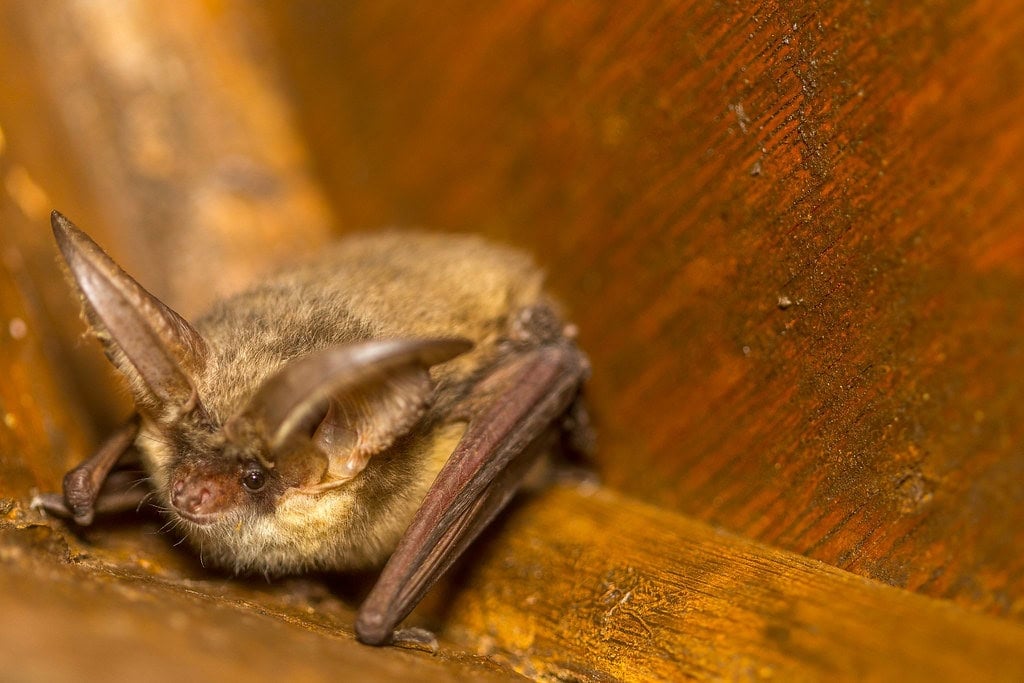
Vampire bats have remarkable memories when it comes to tracking social relationships. They can remember individual bats and their sharing history for extended periods, creating a mental ledger of who owes whom.
This memory system prevents cheating and ensures that only bats who participate in the sharing network receive benefits. Bats that consistently take without giving back eventually find themselves excluded from the altruistic network.
The recognition system is so sophisticated that bats can distinguish between hundreds of individuals in large colonies. This level of social cognition is comparable to what we see in dolphins and some primates.
The Role of Grooming in Blood Sharing Networks
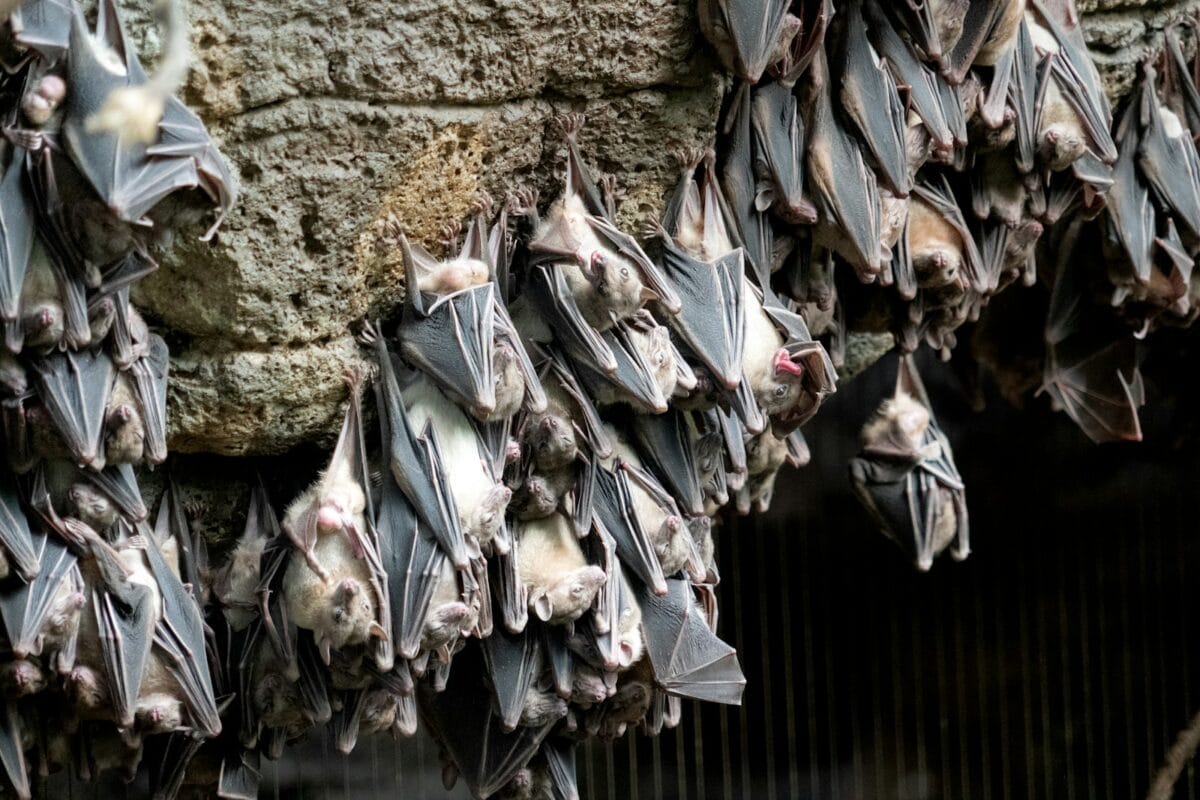
Grooming plays a crucial role in vampire bat society, serving as both a bonding mechanism and a precursor to food sharing. Bats that groom each other regularly are more likely to share blood when one partner is in need.
This grooming behavior helps establish and maintain the social bonds that make blood sharing possible. It’s a way for bats to invest in relationships that may pay dividends during times of scarcity.
The correlation between grooming frequency and blood sharing is so strong that researchers can predict sharing partnerships simply by observing grooming patterns. It’s a clear example of how social investment pays off in survival benefits.
Cheaters and Free Riders in Bat Communities

Like any social system, vampire bat communities have individuals who try to exploit the generosity of others without reciprocating. These “cheaters” will accept blood from others but refuse to share when they’re well-fed.
However, the bat community has evolved mechanisms to deal with these free riders. Bats that consistently refuse to share find themselves gradually excluded from the network, losing access to the life-saving benefits.
This social policing ensures that the altruistic system remains stable and benefits only those who participate fairly. It’s a form of justice that maintains the integrity of the entire sharing network.
Communication Signals During Blood Sharing

Vampire bats have developed a complex system of vocalizations and body language to communicate during blood sharing events. These signals help coordinate the sharing process and express gratitude or need.
Hungry bats use specific calls to signal their distress, while donor bats have their own vocalizations that seem to communicate willingness to help. These acoustic signals are so distinct that researchers can identify sharing events just by listening to bat colonies.
The communication system also includes subtle body language cues that help bats navigate the delicate social dynamics of asking for and offering help. It’s a sophisticated language of survival that has evolved over millions of years.
The Evolutionary Origins of Vampire Bat Altruism
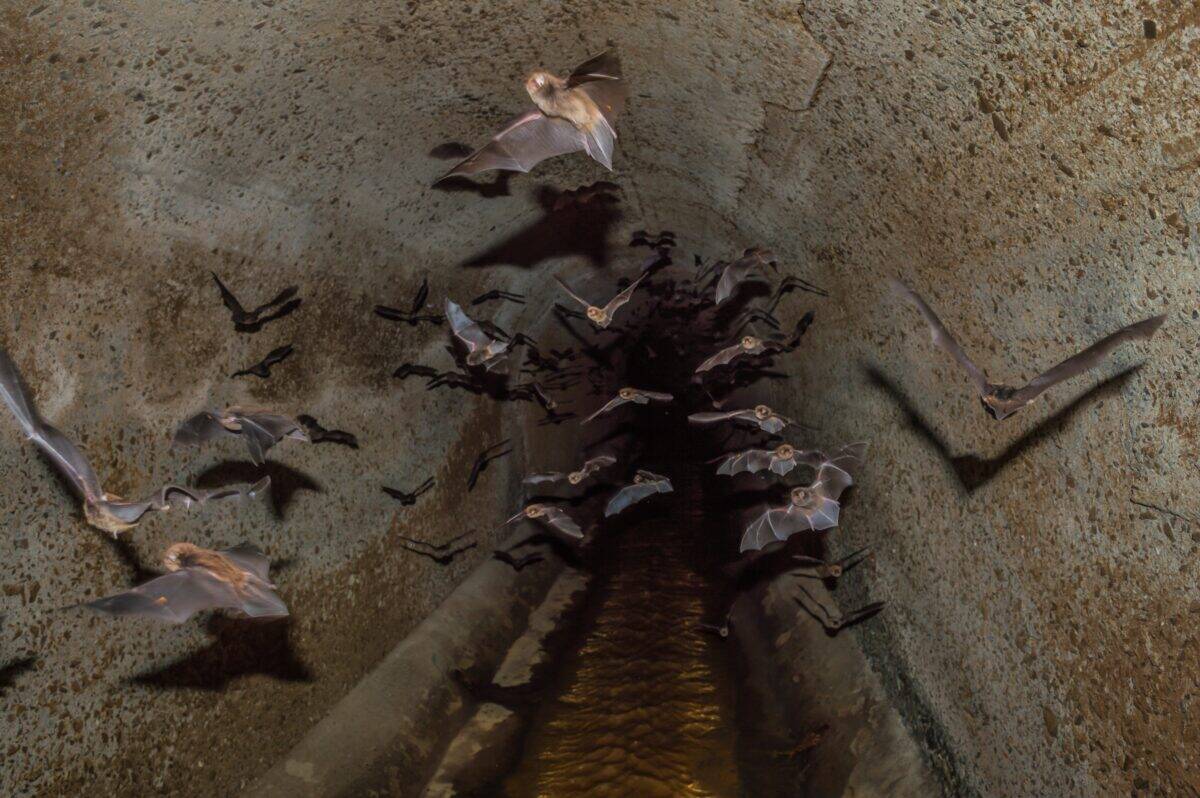
The blood sharing behavior of vampire bats likely evolved as a response to the unique challenges of their specialized diet. Unlike other animals that can switch between different food sources, vampire bats are completely dependent on blood.
This dietary specialization created intense selection pressure for cooperative behaviors that could buffer against the inherent risks of their lifestyle. Bats that shared with others were more likely to survive and reproduce, passing on their altruistic tendencies.
The behavior has become so ingrained that it’s now considered an essential part of vampire bat biology. It’s a perfect example of how environmental pressures can shape the evolution of complex social behaviors.
Geographic Variations in Sharing Behavior

Research has revealed interesting variations in blood sharing behavior across different vampire bat populations. Bats in areas with more abundant prey show less frequent sharing, while those in challenging environments share more regularly.
These geographic differences suggest that the intensity of sharing behavior is directly related to environmental pressures. When food is scarce, bats invest more heavily in their social safety nets.
Climate change and habitat destruction are affecting these regional differences, potentially altering the social dynamics of vampire bat colonies. Understanding these variations is crucial for conservation efforts.
The Role of Age and Experience in Sharing Networks

Young vampire bats must learn the complex social rules of blood sharing through observation and experience. Juvenile bats are more likely to receive food than to give it, as they build their place in the social hierarchy.
Older, more experienced bats often serve as key nodes in sharing networks, maintaining relationships with multiple partners and facilitating sharing throughout the colony. These elder bats become crucial to the stability of the entire system.
The learning process can take months or even years, with young bats gradually building their reputation and network of reciprocal relationships. It’s a social apprenticeship that determines their future survival prospects.
Seasonal Patterns in Blood Sharing Activity
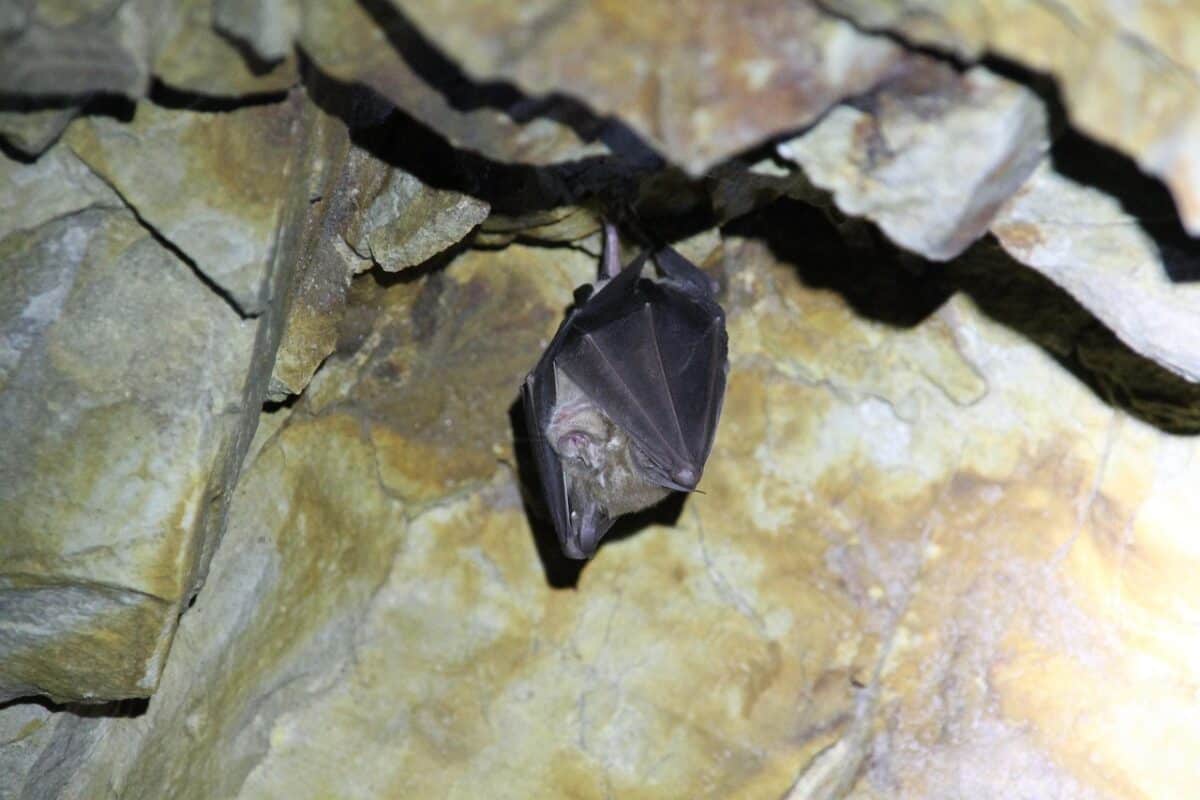
Blood sharing behavior varies significantly throughout the year, with peak activity occurring during dry seasons when prey animals are less available. During these challenging periods, the sharing network becomes a critical survival tool.
Wet seasons typically see reduced sharing activity as prey becomes more abundant and the risk of starvation decreases. However, the social bonds formed during difficult times persist, ready to be activated when conditions deteriorate.
These seasonal patterns demonstrate the flexibility of vampire bat social systems and their ability to adapt to changing environmental conditions. It’s a dynamic response to the challenges of their specialized lifestyle.
The Impact of Colony Size on Sharing Efficiency
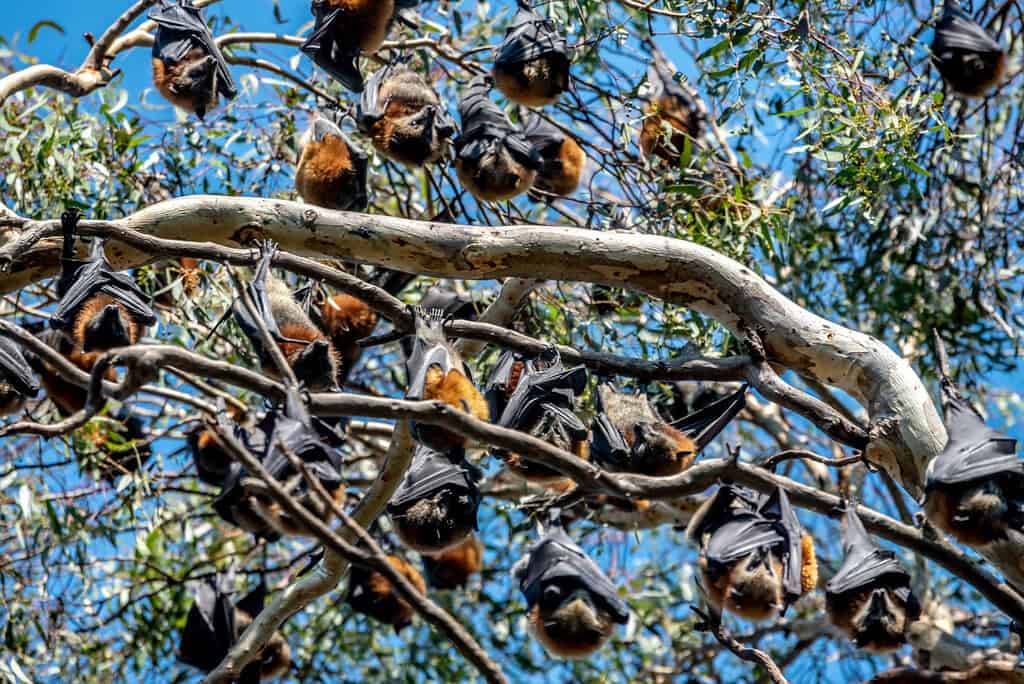
The size of vampire bat colonies significantly affects the efficiency of blood sharing networks. Smaller colonies tend to have more intimate sharing relationships, while larger colonies develop more complex hierarchical systems.
In large colonies, bats form smaller subgroups or cliques within the broader community, creating nested networks of reciprocal relationships. This structure helps maintain the personal connections necessary for effective sharing.
Colony size also affects the mathematical dynamics of sharing, with optimal colony sizes providing the best balance between network stability and individual survival benefits. It’s a delicate equilibrium that has evolved over millions of years.
Hormonal Influences on Sharing Behavior
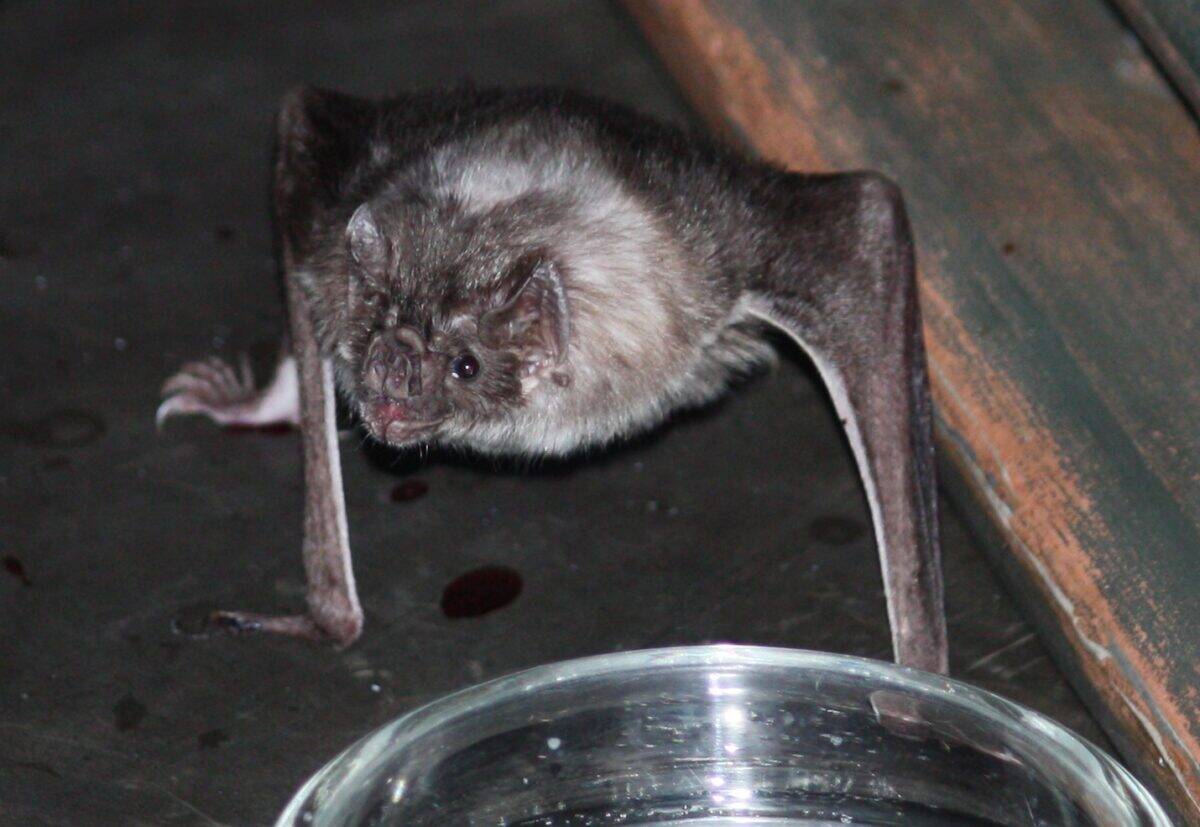
Recent research has revealed that hormonal factors play a significant role in vampire bat sharing behavior. Stress hormones like cortisol can trigger increased sharing activity, while reproductive hormones may influence sharing patterns.
Female bats show different sharing patterns depending on their reproductive status, with pregnant and nursing mothers receiving more assistance from their network partners. This hormonal influence helps ensure the survival of the next generation.
Understanding these hormonal mechanisms provides insights into the physiological basis of altruistic behavior and may help explain similar behaviors in other species. It’s a fascinating intersection of biology and social behavior.
Threats to Vampire Bat Sharing Networks

Human activities pose significant threats to vampire bat sharing networks through habitat destruction, colony disturbance, and population fragmentation. When colonies are disrupted, the carefully built social networks can collapse.
Disease outbreaks can also devastate sharing networks by removing key individuals who serve as network hubs. The loss of these central figures can fragment the entire sharing system.
Climate change is altering the availability of prey animals, potentially increasing the importance of sharing networks while simultaneously making them more difficult to maintain. It’s a conservation challenge that requires careful management.
Conservation Implications of Blood Sharing Research
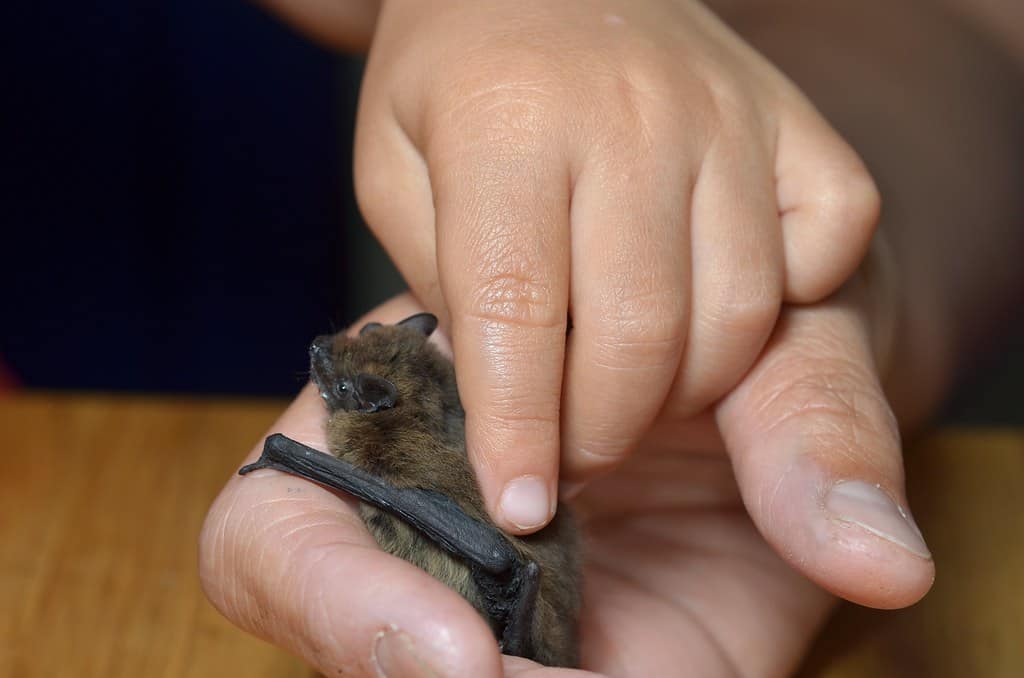
Understanding vampire bat sharing behavior has important implications for conservation efforts. Protecting colonies means preserving not just individual bats but entire networks of social relationships that have taken years to develop.
Conservation strategies must consider the social structure of bat colonies and the importance of maintaining stable sharing networks. Simply relocating bats without considering their social bonds can destroy these crucial relationships.
Research on vampire bat altruism also provides insights into the evolution of cooperation that can inform conservation efforts for other social species. It’s a reminder that animal societies are often more complex than we realize.
Lessons for Human Society

The vampire bat sharing system offers fascinating parallels to human social safety nets and mutual aid societies. Like bats, humans have evolved complex systems of reciprocal altruism that help individuals survive difficult times.
The bat model demonstrates the importance of maintaining social bonds and the dangers of allowing cheaters to exploit generous systems. It’s a natural example of how cooperation can emerge and persist in the face of individual self-interest.
Perhaps most importantly, vampire bat society shows us that even creatures we might consider monstrous can exhibit remarkable compassion and community spirit. It challenges our assumptions about what it means to be civilized.
Conclusion
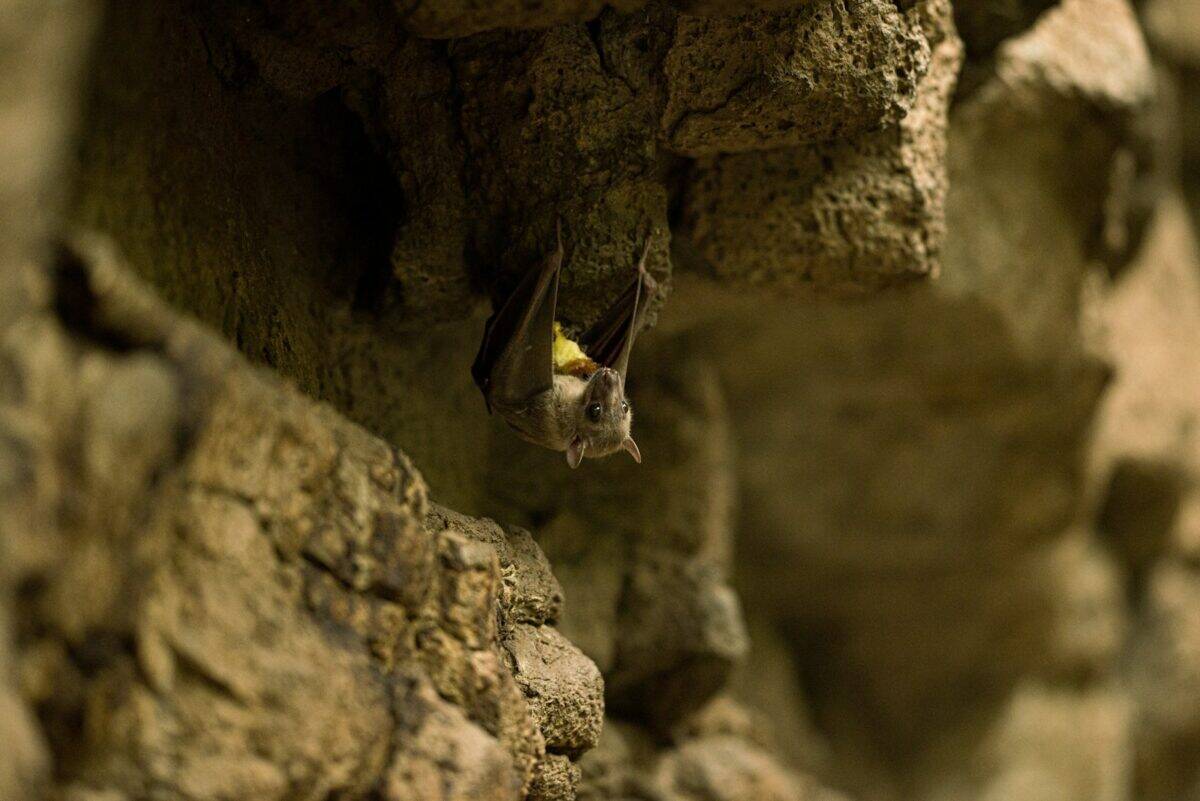
The blood sharing behavior of vampire bats represents one of nature’s most remarkable examples of altruism in action. These nocturnal creatures have built a sophisticated social system that ensures no member of their community faces starvation alone. Through careful observation and reciprocal relationships, they’ve created a safety net that would be admirable in any species.
Their story reminds us that cooperation and kindness aren’t uniquely human traits but fundamental strategies for survival that have evolved across the animal kingdom. In a world where we often focus on competition and individual achievement, vampire bats show us the profound power of community and mutual support.
Next time you hear about vampire bats, remember that beneath their fearsome reputation lies a society built on trust, memory, and genuine care for one another. Who would have thought that some of nature’s most generous creatures would be the ones we typically fear the most?

- Why the Irish Elk Had Antlers Over 12 Feet Wide - July 22, 2026
- What to Do If You Suspect a Neighbor Is Abusing Their Pet - July 22, 2026
- Why Adopting a Shelter Pet Saves More Than One Life - July 20, 2026