

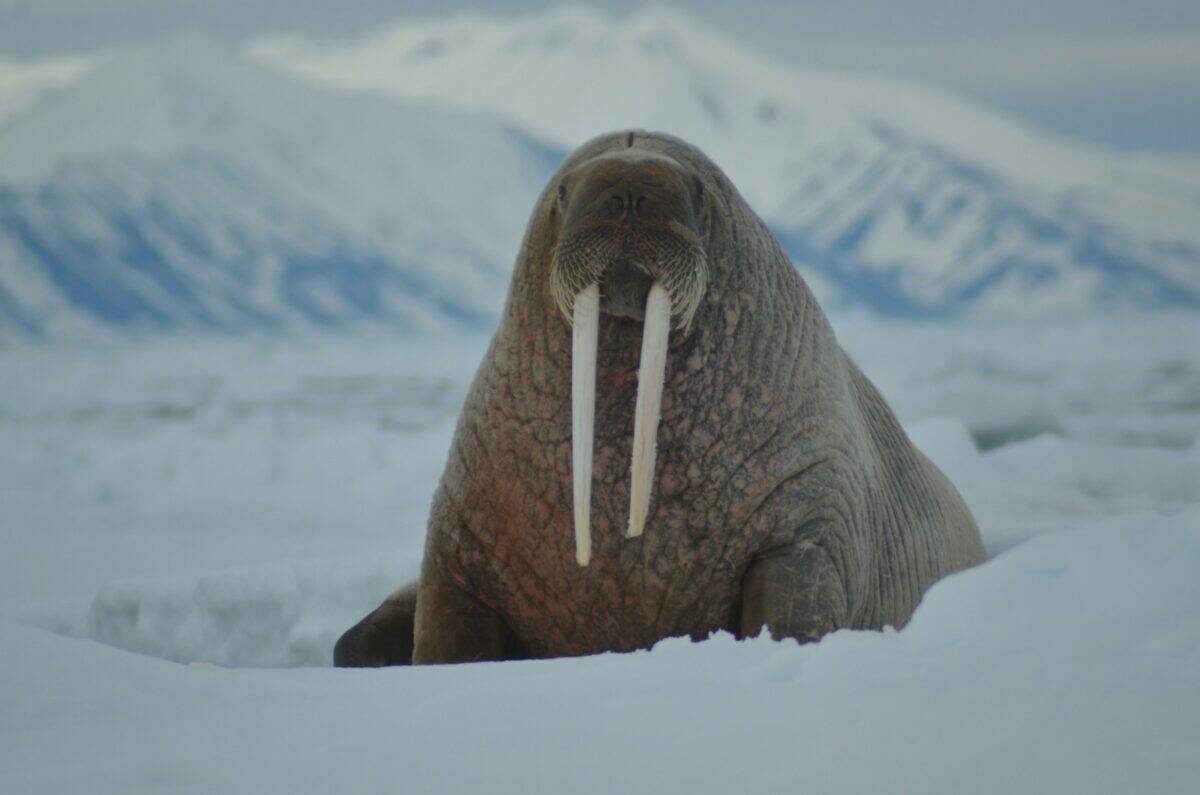
In the harsh Arctic environment, walruses have developed remarkable adaptations that enable them to thrive in one of Earth’s most challenging ecosystems. Among their most distinctive features are their impressive tusks—elongated canine teeth that can grow up to three feet long in males. These magnificent ivory structures serve multiple purposes in walrus survival, but one of their most crucial functions is aiding these massive marine mammals in navigating the treacherous ice floes that dominate their habitat. Unlike other pinnipeds that might rely solely on flippers for locomotion on ice, walruses have evolved a specialized technique of using their tusks as ice picks, effectively transforming these dental adaptations into vital climbing tools. This remarkable behavior represents one of nature’s most ingenious solutions to the challenge of moving a 1.5-ton body across slippery, unstable ice surfaces in an environment where mobility can mean the difference between life and death.
The Remarkable Anatomy of Walrus Tusks

Walrus tusks are actually elongated canine teeth that grow continuously throughout the animal’s lifetime. In males (bulls), these impressive structures can reach lengths of up to 3 feet (1 meter) and weigh around 12 pounds (5.4 kg) each. Female (cow) walruses also develop tusks, though typically shorter and more slender than those of males. Unlike elephant tusks, which are composed entirely of dentine, walrus tusks feature a core of dentine surrounded by a layer of cementum, making them incredibly strong yet somewhat flexible—ideal properties for weight-bearing activities.
The tusks grow from the upper jaw, projecting downward well beyond the lower jaw. They contain nerve tissue and blood vessels, making them sensitive living structures rather than inert tools. This sensitivity provides walruses with important tactile information when using their tusks for ice climbing. The slight curve and tapered shape of the tusks have evolved perfectly for their ice-climbing function, with the pointed ends providing excellent penetration into ice surfaces while the thicker bases offer structural support for the walrus’s massive weight.
The Ice-Climbing Technique

When a walrus approaches an ice floe from the water, it faces the significant challenge of heaving its enormous body—which can weigh between 1,800 and 3,700 pounds (800-1,700 kg)—onto a slippery, elevated surface. This is where the tusks become crucial tools. The walrus begins by swimming to the edge of an ice floe and positioning itself perpendicular to the ice edge. It then thrusts its head upward, driving its tusks into the ice surface with considerable force. Once the tusks have penetrated the ice, the walrus uses them as anchors, pulling and levering its body onto the ice while simultaneously using its powerful foreflippers for additional propulsion.
This technique requires remarkable coordination and strength. The walrus must carefully balance the force applied through the tusks to ensure they penetrate sufficiently without breaking. After securing a hold with the tusks, the animal executes a rocking motion, gradually working more of its body onto the ice surface until it can roll fully onto the floe. Observers have noted that experienced walruses can perform this maneuver with surprising efficiency, despite their seemingly cumbersome bodies. Young walruses with developing tusks must learn this technique through observation and practice, and their ice-climbing abilities improve as their tusks grow larger.
Evolutionary Advantages of Tusk-Assisted Climbing
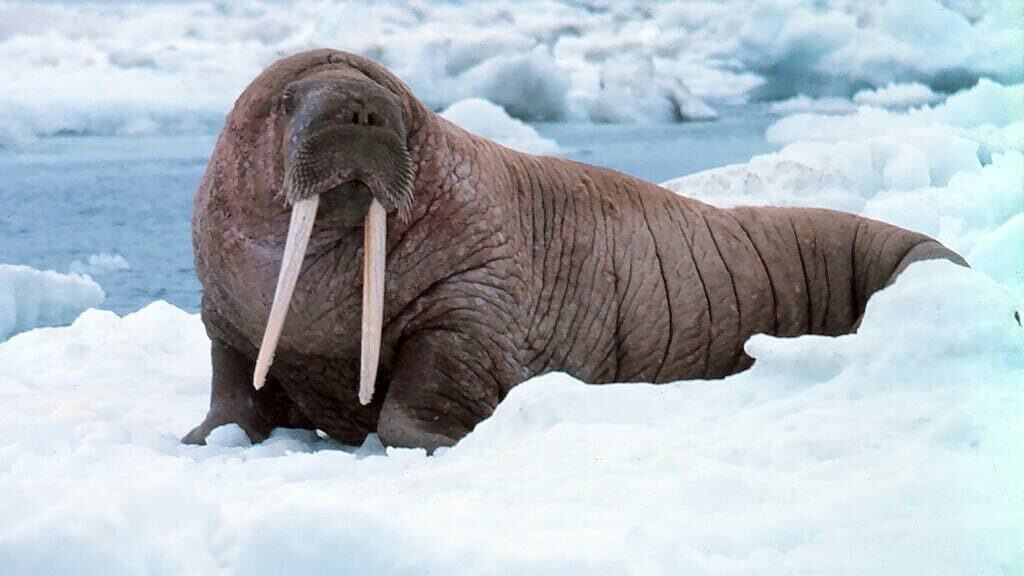
The evolution of tusks as climbing implements represents a brilliant adaptation to the walrus’s semi-aquatic lifestyle. While walruses spend approximately two-thirds of their lives in water, they require regular access to solid surfaces for essential activities including resting, breeding, giving birth, and nursing their young. In the Arctic environment, these solid surfaces are predominantly ice floes rather than land masses. Natural selection has favored walruses with tusks that could effectively support ice climbing, as these individuals gained better access to safe resting places away from predators like orcas and polar bears.
This adaptation has allowed walruses to exploit ecological niches unavailable to other marine mammals. By accessing various ice floes, walruses can follow productive feeding grounds throughout the year, diving from these platforms to feed on bottom-dwelling invertebrates in relatively shallow waters. The ability to haul out onto ice also provides crucial thermoregulatory benefits, allowing walruses to conserve energy by resting in air rather than constantly swimming in frigid waters. Over generations, this selective pressure has refined the tusk shape and climbing technique to the remarkably effective system observed today.
Tusks as Multipurpose Tools

While ice climbing represents one of the most vital functions of walrus tusks, these impressive structures serve multiple purposes in walrus survival. Males use their tusks in competitive displays and combat during breeding season, with larger tusks generally signaling dominance and reproductive fitness. Both sexes use their tusks for defense against predators, particularly polar bears, creating a formidable deterrent. Researchers have also documented walruses using their tusks to create breathing holes in thin ice when necessary, expanding their accessible habitat range.
Perhaps most surprisingly, walruses employ their tusks as feeding tools. When foraging on the ocean floor for mollusks, clams, and other invertebrates, walruses use their tusks to dig through sediment and break up dense aggregations of shellfish. They may also use tusk movements to create water currents that expose buried prey. This multifunctionality highlights the evolutionary efficiency of tusks, serving as climbing tools, weapons, status symbols, and feeding implements—a remarkable example of a biological adaptation serving diverse purposes essential to survival.
The Physical Challenges of Ice Climbing
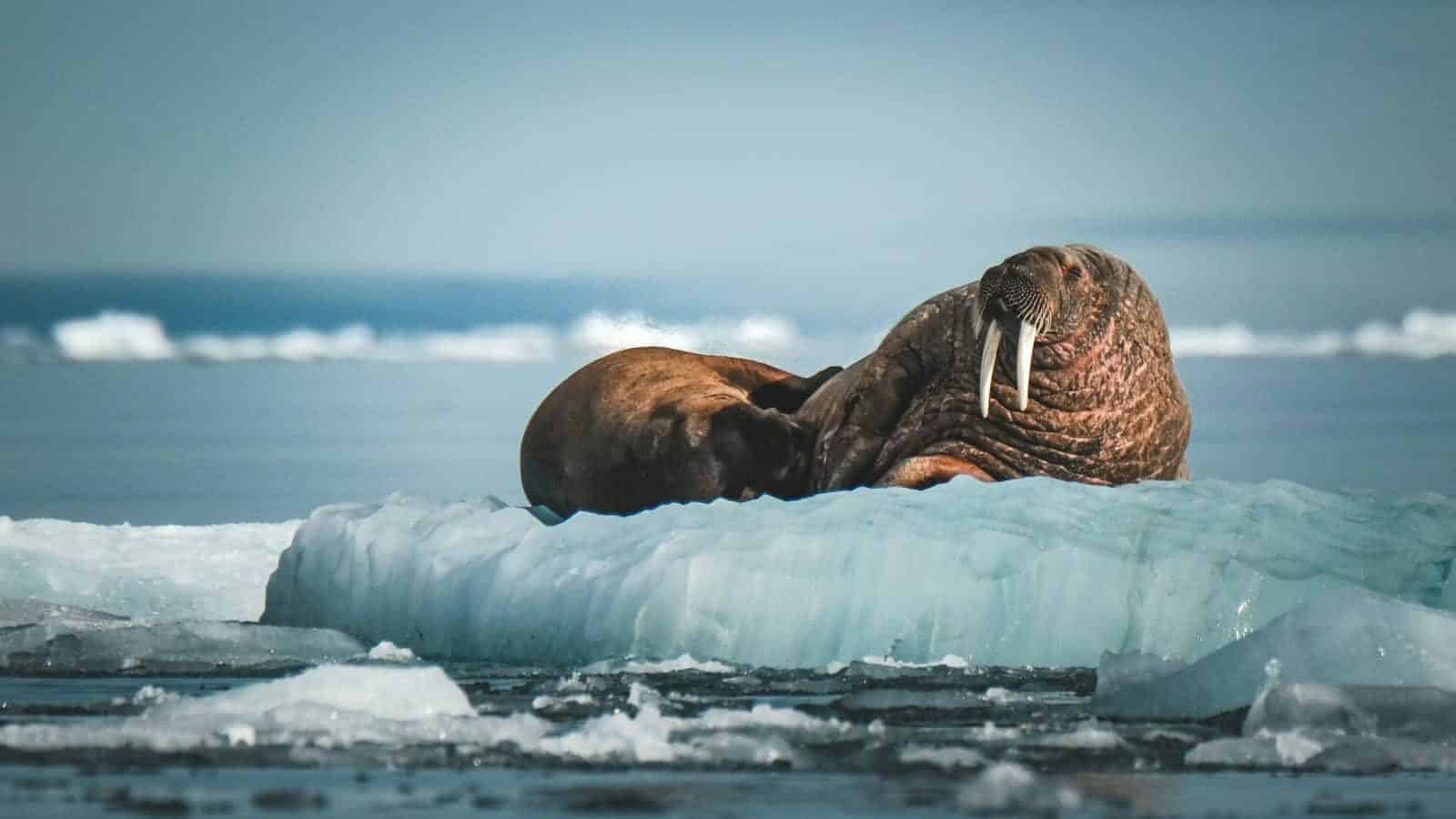
The physical demands of tusk-assisted ice climbing are extraordinary. Consider that an adult walrus must leverage nearly two tons of body weight using primarily two relatively narrow tusks. This generates tremendous force on both the tusks themselves and the surrounding facial bones and tissues. Walruses have developed specialized skull morphology to distribute these forces, including reinforced maxillary bones where the tusks attach. The muscle structure around the neck and shoulders has also evolved to support the powerful movements required during the climbing process.
The risk of tusk breakage represents a serious hazard. While tusks are incredibly strong, they can fracture under extreme pressure or if they encounter unexpected resistance in the ice. A broken tusk poses significant problems for a walrus, potentially limiting its climbing ability and reducing its social status. Researchers have observed that walruses appear to test ice quality before fully committing their weight to a climbing attempt, seemingly evaluating the optimal location for tusk insertion. This suggests a sophisticated risk assessment process that helps preserve these vital structures throughout the animal’s lifetime.
Ice Conditions and Tusk Usage
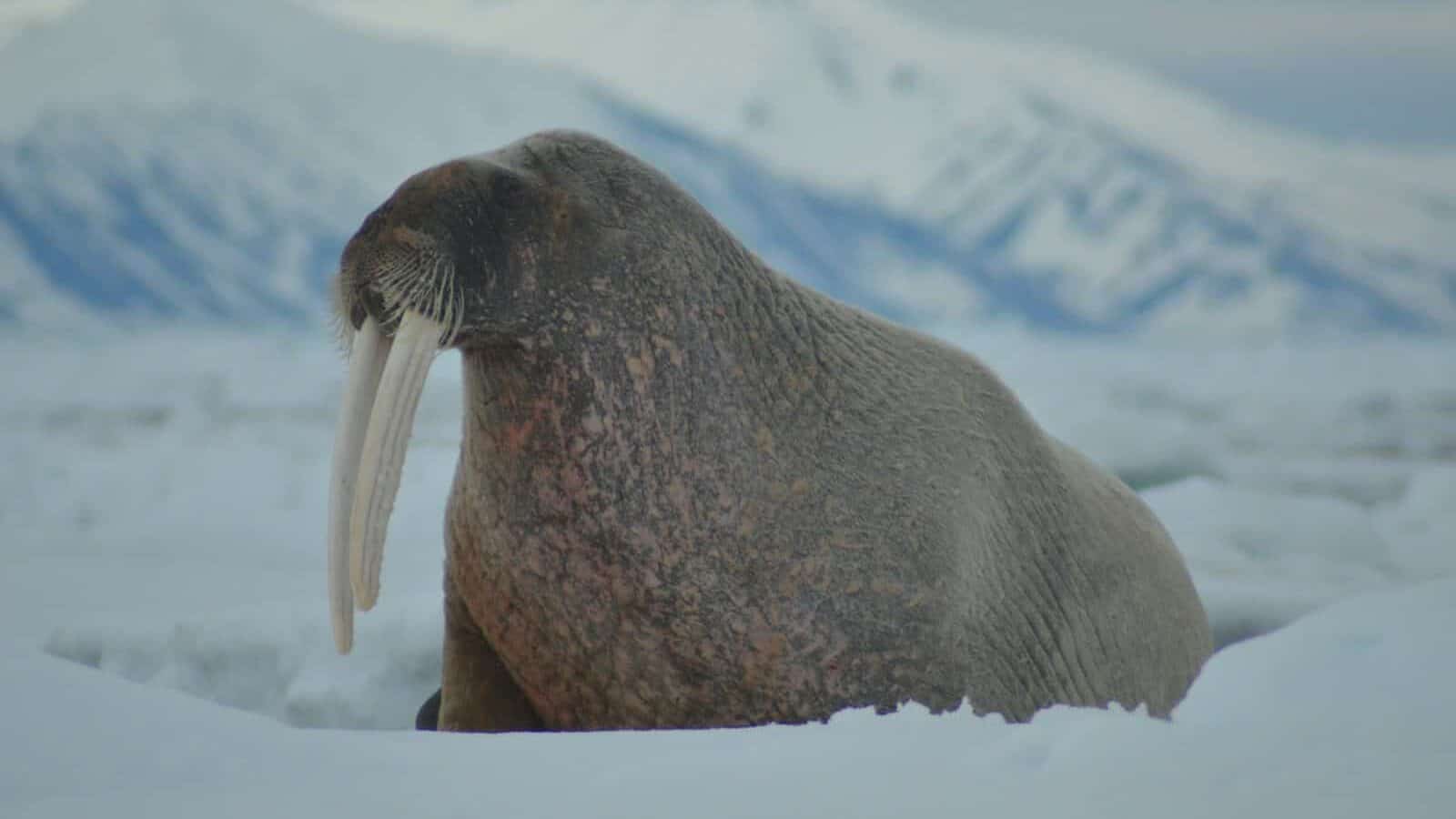
The effectiveness of tusks as climbing tools varies considerably depending on ice conditions. Ideal ice for walrus climbing features moderate thickness—enough to support the animal’s weight but not so thick that tusks cannot penetrate effectively. Studies indicate that walruses prefer ice with a thickness between 10-30 cm (4-12 inches) for optimal climbing efficiency. The texture of the ice also matters significantly; slightly roughened ice provides better tusk grip than perfectly smooth ice, which can be dangerously slippery.
Seasonal variations in ice conditions directly impact walrus behavior and survival. During winter months when ice is extensive but often too thick for effective tusk penetration, walruses may concentrate around polynyas (areas of open water within ice fields) where ice edges are more accessible. In summer, when ice becomes more fragmented, walruses face increased competition for suitable ice floes. Climate change presents a growing challenge, as warming temperatures create more unstable ice conditions with rapid freezing and thawing cycles that produce less predictable surfaces for tusk-assisted climbing, potentially affecting walrus population distribution and survival rates.
Learning the Climbing Technique
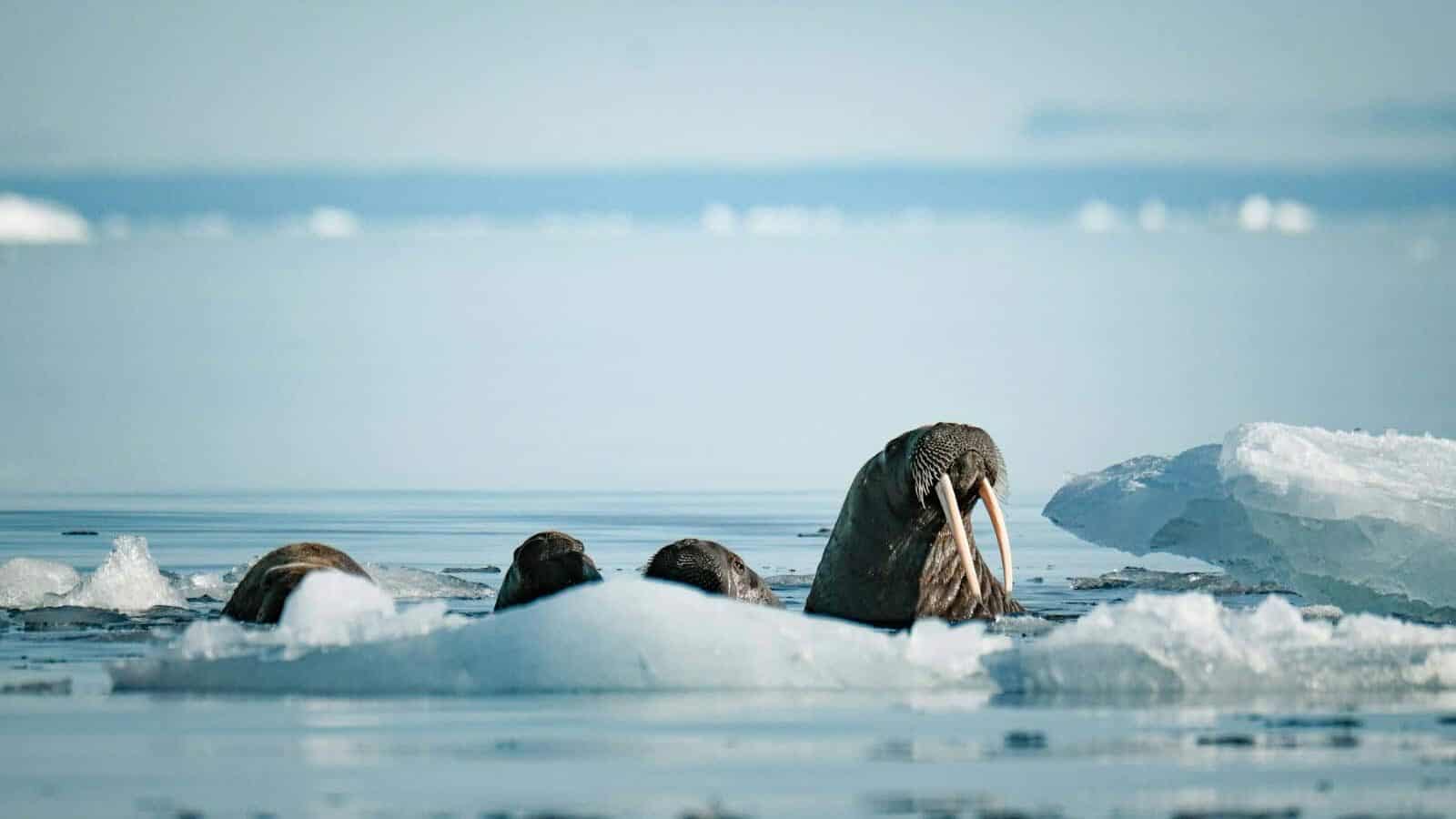
Young walruses must develop their ice-climbing skills through a combination of instinct and learning. Calves observe their mothers closely, watching the precise movements involved in successful ice mounting. Juvenile walruses with shorter tusks initially struggle with the technique, often making multiple attempts before successfully hauling out. Researchers have documented what appears to be practice behavior, where young walruses repeatedly climb onto and off ice floes in what seems to be skill refinement rather than necessary movement.
The learning process coincides with physical development, as growing tusks gradually provide better leverage for climbing. By about three years of age, most walruses have developed sufficient tusk length and climbing technique to navigate ice environments efficiently. This developmental timeline represents a vulnerable period, as juveniles with inadequate climbing abilities face increased predation risk and energy expenditure. Mother walruses often assist their young by selecting ice floes with gentler slopes or by positioning themselves to provide physical support during early climbing attempts, demonstrating the importance of maternal guidance in skill acquisition.
Social Aspects of Ice Climbing
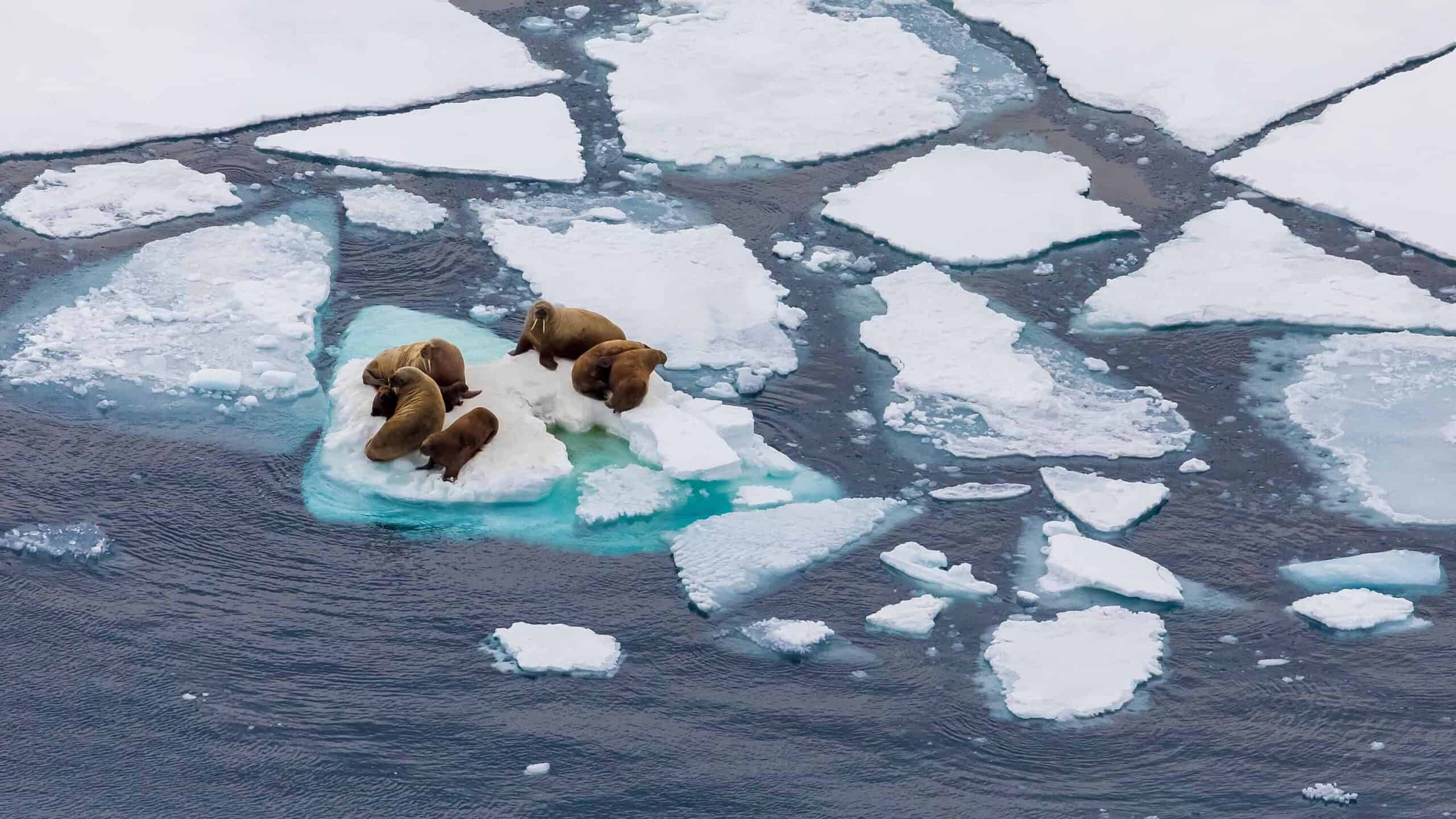
Ice climbing behaviors feature prominently in walrus social dynamics. When hauling out in groups, dominant individuals typically climb onto ice first, securing optimal positions away from edges where predators might attack. Subordinate walruses follow, creating the characteristic dense aggregations often seen on ice floes. These group haul-outs serve important social functions, facilitating communication, breeding interactions, and mutual protection. Researchers have observed that experienced climbers may inadvertently create tusk holes that subsequent walruses utilize, suggesting a form of unintentional cooperation.
The social hierarchy visible during ice climbing extends to other aspects of walrus society. Bulls with the most impressive tusks and climbing abilities generally achieve higher social status, securing better access to mates and resting spots. This creates evolutionary pressure for effective tusk development and skilled climbing technique. Interestingly, researchers have noted regional variations in climbing approaches among different walrus populations, suggesting cultural transmission of specific techniques that may be optimized for local ice conditions—a remarkable example of behavioral adaptation building upon physical adaptations.
Tusk Maintenance and Care

The critical importance of tusks for ice climbing necessitates significant biological investment in their maintenance. Walruses possess specialized physiological mechanisms to ensure continuous tusk growth throughout their lives, replacing material worn away through use. The pulp cavity inside each tusk remains open for many years, allowing for ongoing dentine production. Blood vessels within the tusks provide nutrients essential for growth and repair, while nerve endings alert walruses to potentially damaging pressure that could fracture these vital structures.
Walruses engage in behaviors that appear to maintain tusk condition, including rubbing them against ice or rock surfaces in what may serve to remove algal growth or sharp edges that could lead to fractures. They also seem to test their tusks against ice before applying full body weight, potentially assessing both ice quality and tusk integrity. Researchers have observed that walruses with damaged tusks adapt their climbing technique to compensate, demonstrating remarkable behavioral plasticity. For instance, an animal with one broken tusk might approach ice at an angle that places more force on its intact tusk, highlighting the critical importance of these structures for survival.
Implications of Climate Change
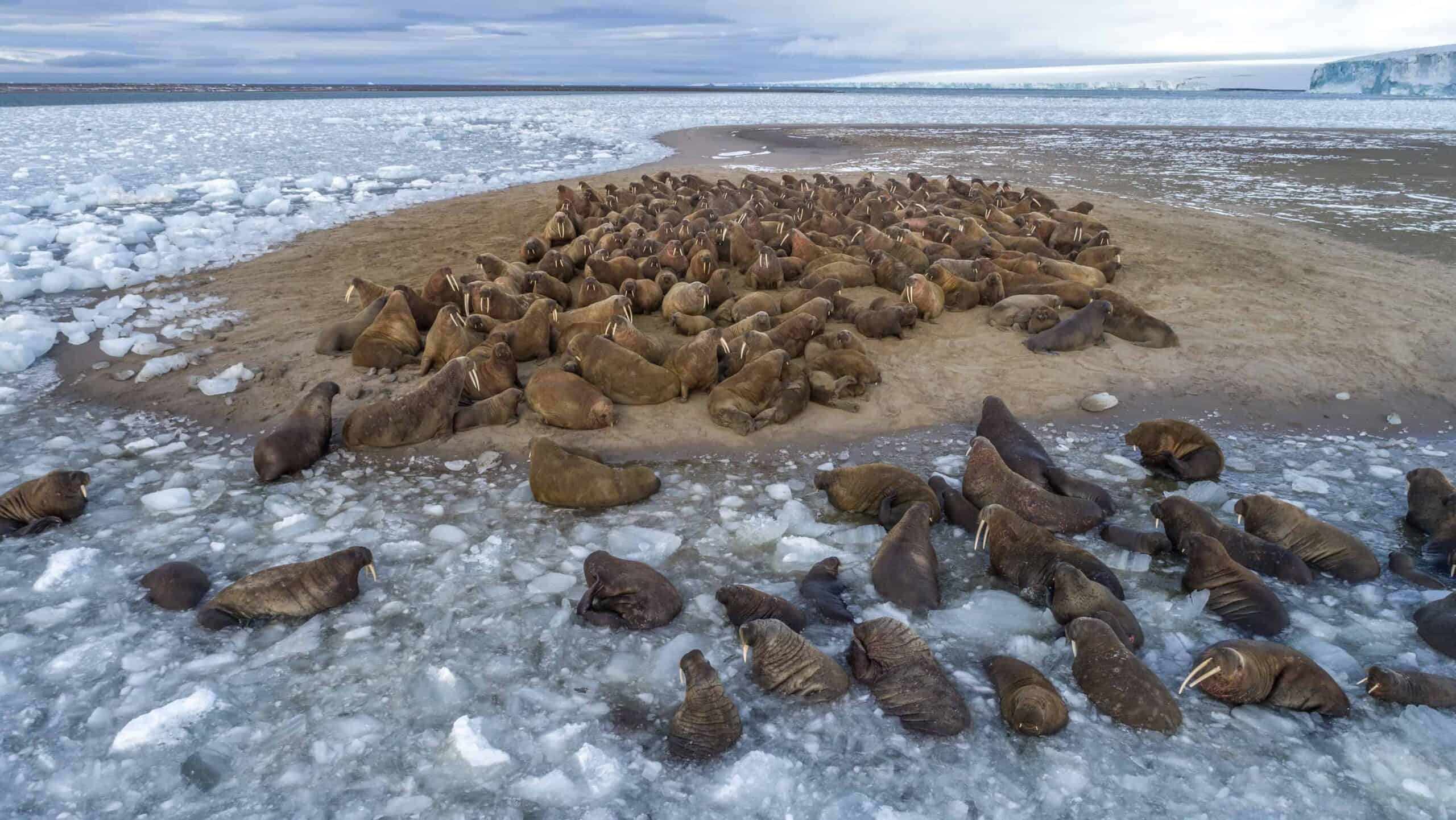
Climate change poses unprecedented challenges to the walrus’s tusk-dependent lifestyle. As Arctic sea ice diminishes in extent, thickness, and duration, walruses face fundamental threats to their ice-climbing adaptation. Recent decades have seen dramatic reductions in summer sea ice, forcing Pacific walruses in particular to haul out on land in massive aggregations—sometimes numbering in the tens of thousands. These terrestrial haul-outs eliminate the need for tusk-assisted climbing but create new problems including overcrowding, increased disease transmission, and greater distances to feeding grounds.
The changing ice conditions also affect the physical properties of available ice. Thinner, weaker ice may break under walrus weight despite successful tusk penetration, while rapidly formed ice often lacks the structural integrity ideal for climbing. Researchers have documented increased energy expenditure in walruses navigating these changing conditions, as they must travel further and make more climbing attempts to find suitable resting places. The potential long-term impacts on walrus populations remain concerning, as this remarkable tusk-based adaptation—perfected over millennia of evolution—faces unprecedented environmental change occurring within mere decades.
Comparison with Other Marine Mammals
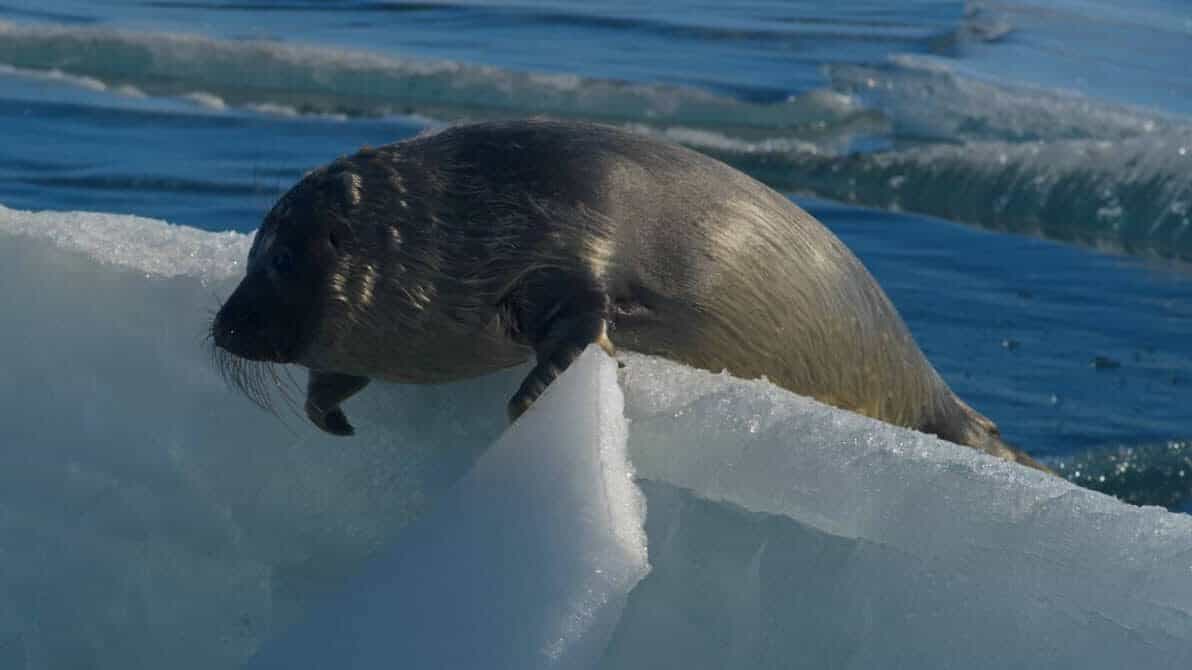
The walrus’s tusk-assisted ice climbing represents a unique adaptation among marine mammals. Other Arctic pinnipeds like seals and sea lions rely primarily on body undulation and powerful foreflippers to propel themselves onto ice. The elephant seal, despite its massive size similar to walruses, lacks tusks and must find gradually sloping ice or shorelines to haul out. The narwhal possesses an impressive tusk (actually a modified tooth), but this serves sensory and possibly competitive functions rather than locomotion assistance. This comparative perspective highlights the specialized nature of the walrus adaptation.
This unique climbing method correlates with the walrus’s distinctive ecological niche. Unlike many seal species that feed primarily on fish and can therefore maintain closer associations with extensive ice fields, walruses specialize in bottom-feeding on mollusks and other invertebrates in relatively shallow waters. This dietary specialization requires them to access specific feeding grounds while still finding suitable ice for resting—a challenge elegantly solved by their tusk-assisted mobility between water and ice. The tusks essentially serve as portable climbing equipment, allowing walruses to exploit food resources unavailable to other marine mammals while still utilizing ice habitats for essential activities.
The walrus’s use of tusks for ice climbing stands as one of nature’s most ingenious adaptations, elegantly solving the challenge of transitioning between aquatic and solid environments in the harsh Arctic ecosystem. This behavior represents the perfect intersection of physical adaptation and learned technique, enabling these massive marine mammals to exploit ecological niches unavailable to other species. The multiple functions served by tusks—from climbing tools to weapons, feeding implements, and status symbols—highlight the remarkable efficiency of evolutionary processes. As climate change transforms the Arctic environment at unprecedented rates, the future of this specialized adaptation remains uncertain.
While walruses demonstrate remarkable behavioral plasticity in response to changing conditions, the fundamental importance of tusk-assisted ice climbing to their evolutionary success cannot be overstated. Conservation efforts focused on understanding and protecting walrus populations must consider the critical nature of this behavior and the environmental conditions that support it. The walrus’s iconic tusks, beyond their impressive appearance, represent a sophisticated survival tool that has allowed these extraordinary animals to thrive in one of Earth’s most challenging environments for thousands of years—a testament to the remarkable problem-solving power of natural selection.

- 10 Animals That Survive the Highest Peaks in the Rockies - July 20, 2026
- 11 Dog Breeds That Can Take On a Mountain Lion - July 20, 2026
- Why This Tsunami Was the Most Terrifying in History - July 20, 2026