

Urban environments might seem like concrete jungles devoid of wildlife, but remarkably, many wild animal species have adapted to life alongside humans in America’s bustling cities. As urban areas continue to expand into natural habitats, some wildlife has shown incredible resilience and adaptability, finding new ways to survive and even thrive in these man-made landscapes. From opportunistic scavengers to intelligent predators, these animals have transformed our cities into their own unique ecosystems. This article explores 14 wild animal species that have successfully colonized urban environments across America, examining how they’ve adapted to city life and the complex relationships they form with human residents.
14. Coyotes The Urban Canids
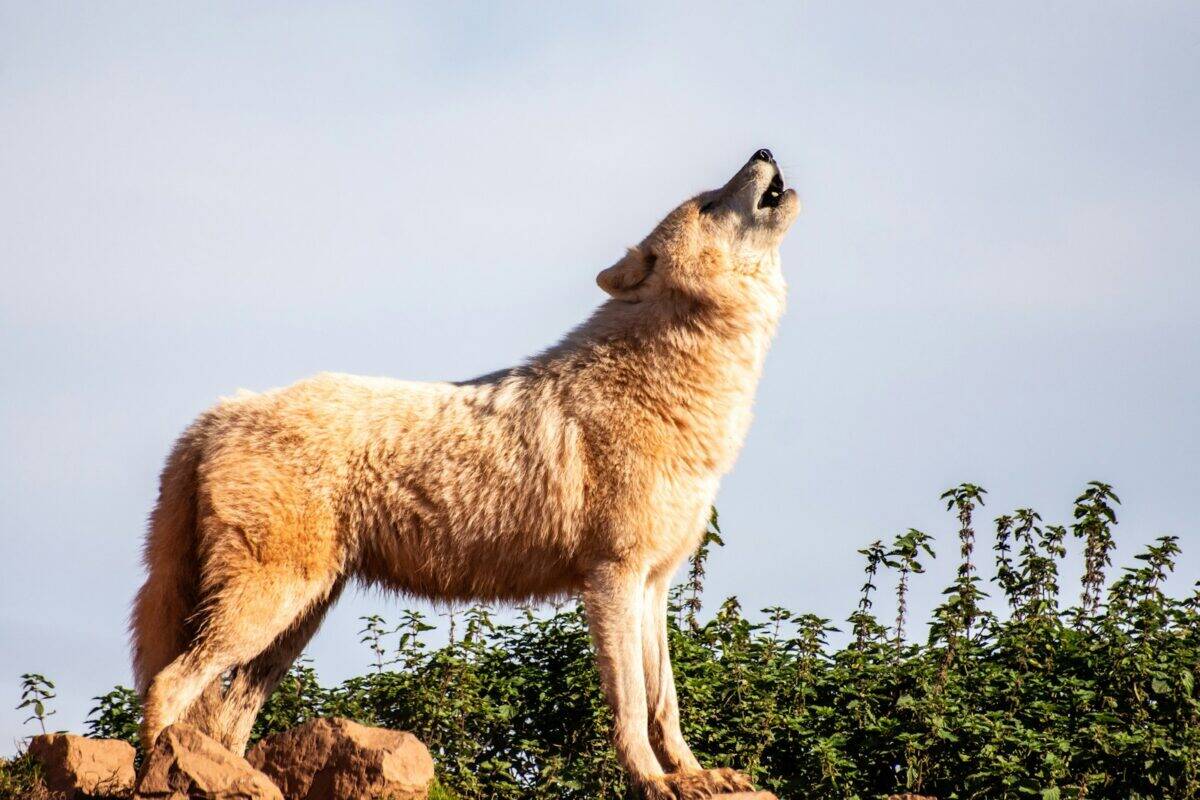
Once confined to the western plains and deserts, coyotes have dramatically expanded their range to include virtually every major American city. These highly adaptable canids have been spotted in downtown Chicago, Los Angeles, and even New York’s Central Park. Urban coyotes typically grow larger than their rural counterparts and have adapted to be more nocturnal, avoiding human activity during daylight hours. They’ve developed a diverse diet that includes rodents, rabbits, fruits, vegetables, and unfortunately, sometimes small pets. Research from Ohio State University found that urban coyotes have smaller territories than rural ones—sometimes as little as 2-5 square miles—and have learned to use railroad tracks, greenways, and parks as travel corridors. Their success demonstrates remarkable behavioral plasticity, with urban coyotes showing greater boldness yet more wariness around humans than their rural relatives.
13. Peregrine Falcons Skyscraper Specialists

Once endangered due to DDT poisoning, peregrine falcons have made one of the most remarkable urban comebacks in wildlife history. These raptors have exchanged their natural cliff-dwelling habitats for skyscrapers and bridges in cities like New York, Chicago, and San Francisco. Urban environments offer abundant prey in the form of pigeons and other birds, while tall buildings mimic the cliff faces they naturally nest on. A Cornell University study found that urban peregrines actually have higher nesting success rates than their rural counterparts, with some city populations producing 2.8 young per nest compared to 1.7 in wild settings. The birds have adapted their hunting strategies to navigate between buildings, and some individuals have even been documented hunting at night, using city lights to spot prey—a behavior not seen in wilderness populations. Their recovery represents one of conservation’s greatest success stories, with more than 25 major U.S. cities now hosting breeding pairs.
12. Raccoons Masters of Urban Adaptation

With their problem-solving intelligence and dexterous paws, raccoons have become infamous urban residents across America. Toronto, dubbed the “raccoon capital of the world,” has estimated densities of up to 150 raccoons per square kilometer in some neighborhoods. Urban raccoons have demonstrated remarkable cognitive abilities, learning to open complex trash cans and navigate human structures with ease. Research from Clemson University revealed that city-dwelling raccoons have smaller home ranges (as little as 0.03 square miles compared to 3-20 square miles in rural areas) but higher population densities. They’ve adapted to be more nocturnal in cities, reducing human conflicts, and studies show urban raccoons are generally larger than their rural cousins due to abundant, high-calorie food sources. Their success stems from behavioral flexibility, omnivorous diet, and remarkable manual dexterity that allows them to access resources unavailable to other wildlife. Some urban populations have even developed specialized behavior for washing food in storm drains and pools, displaying their adaptive intelligence.
11. Red-tailed Hawks Urban Apex Predators

Red-tailed hawks have established themselves as apex predators in urban ecosystems across America, with perhaps the most famous example being Pale Male, a hawk that has nested on a Fifth Avenue building in Manhattan since the 1990s. These raptors have adapted to using tall buildings, street lights, and billboards as hunting perches and nesting sites. Urban red-tails primarily feed on pigeons, rats, and squirrels, effectively providing natural rodent control in cities. A study from the University of Wisconsin found that urban hawk populations have higher nesting densities than their rural counterparts—as close as 0.6 miles apart compared to 2-3 miles in natural habitats. City hawks have adapted their hunting techniques, using thermal updrafts created by buildings and pavement to soar efficiently, and some have been observed hunting at dawn and dusk to avoid human activity. They’ve also developed tolerance to constant noise and human presence, with some pairs raising successful broods mere feet from busy pedestrian areas. Their presence in cities helps maintain balanced urban ecosystems by controlling pest populations.
10. Urban Deer Forest Animals in the Concrete Jungle
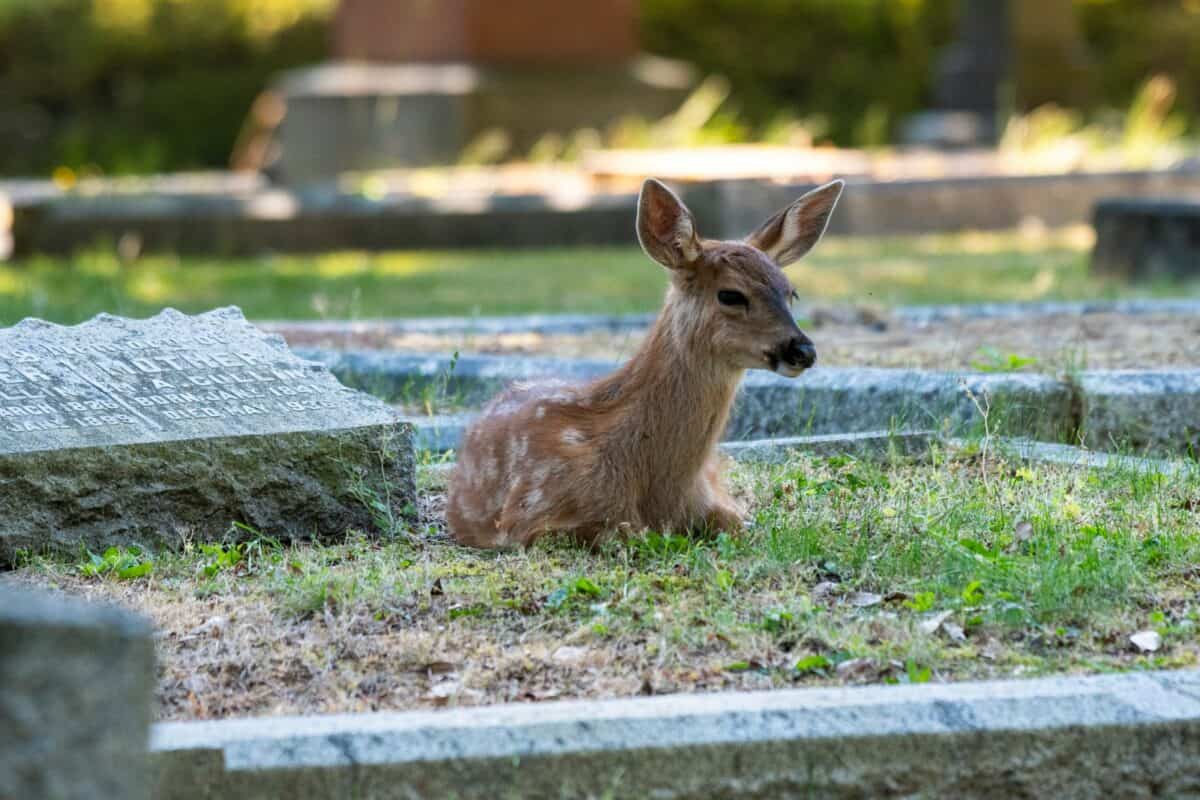
White-tailed deer have adapted surprisingly well to suburban and even urban environments across America, with populations booming in cities like Pittsburgh, Cincinnati, and Baltimore. These typically forest-dwelling ungulates have found refuge in city parks, golf courses, cemeteries, and green corridors. Urban deer show remarkable behavioral changes, including becoming more nocturnal, developing higher tolerance for human disturbances, and adapting to smaller home ranges. A Cornell University study found suburban deer densities reaching 100 deer per square mile in some areas—far exceeding the 15-30 deer typical of healthy forest ecosystems. Urban deer have adapted their diets to include ornamental plants, garden vegetables, and even bird seed. They’ve learned to use roadways and power line corridors as travel routes and have adjusted their breeding behavior, with urban does often producing more fawns than their rural counterparts due to abundant food sources. While their presence creates challenges like vehicle collisions and garden damage, these adaptable mammals demonstrate wildlife’s remarkable ability to thrive alongside human development.
9. Red Foxes The Suburban Opportunists
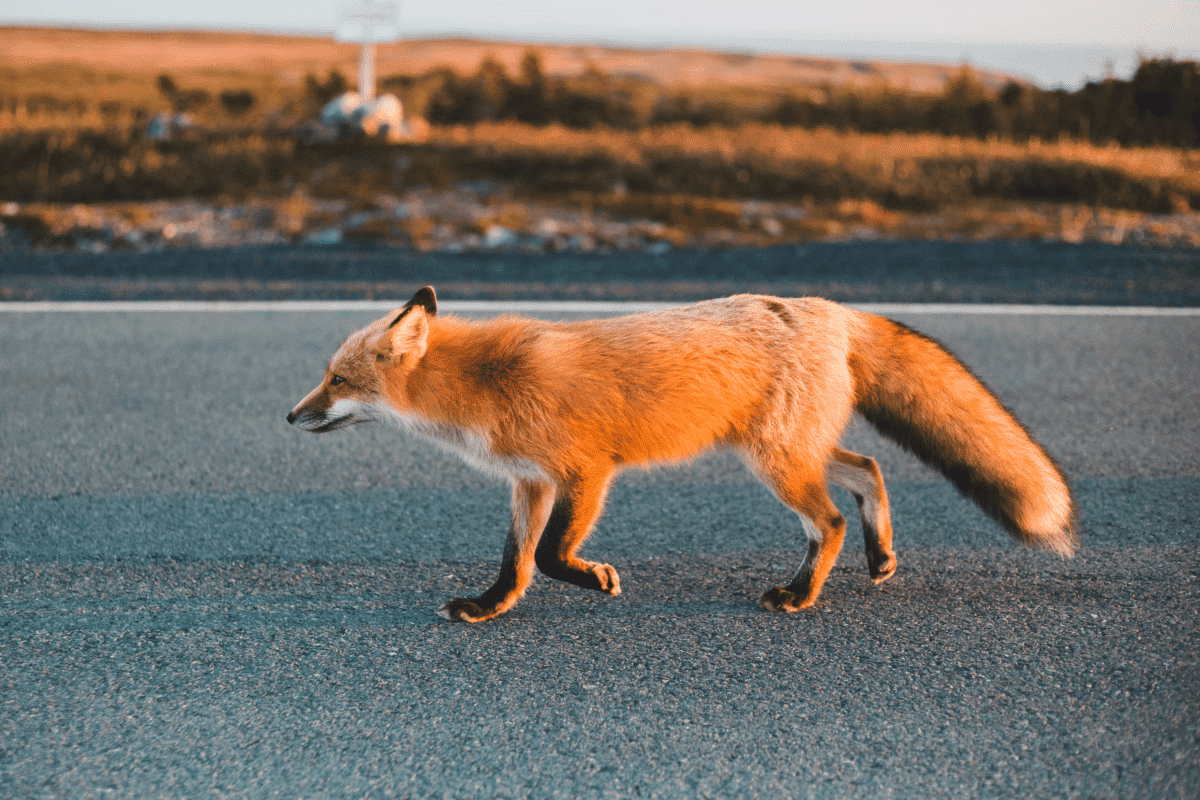
Red foxes have seamlessly integrated into urban environments across America, establishing territories in residential neighborhoods, parks, and even industrial areas. These adaptable canids have adjusted their traditionally crepuscular (dawn and dusk) activity patterns to become more nocturnal in cities, reducing human interactions. Urban foxes maintain smaller territories than their rural counterparts—sometimes as little as 0.25 square miles compared to 5-12 square miles in natural areas—and have developed flexible denning habits, utilizing spaces beneath sheds, porches, and abandoned structures. Their omnivorous diet has expanded in cities to include discarded human food, compost, pet food, and garden fruits alongside their natural prey of rodents, rabbits, and birds. Research from the University of Wisconsin-Madison found that urban fox populations sometimes reach densities eight times higher than in rural landscapes. These clever canids have learned to navigate traffic patterns and have been observed using pedestrian crosswalks in some cities. Their successful urban adaptation demonstrates remarkable behavioral plasticity, with city foxes showing greater tolerance for human proximity while maintaining their natural wariness.
8. Opossums Nature’s Urban Cleanup Crew

North America’s only marsupial, the Virginia opossum, has found surprising success in urban environments across the country. These adaptable creatures have expanded northward into cities like Boston and Chicago, where structures provide shelter from harsh winters that would typically limit their range. Urban opossums serve as ecological sanitarians, consuming carrion, overripe fruits, and vast quantities of pests—with research showing a single opossum can devour up to 5,000 ticks per season, helping reduce Lyme disease transmission. They’ve adapted to smaller home ranges in cities (as little as 0.1 square miles compared to 0.5-2 miles in rural areas) and developed more nocturnal habits to avoid human interaction. Their ability to eat nearly anything—from garbage to garden pests to roadkill—makes them perfect urban opportunists. Additionally, opossums have remarkably high immunity to rabies due to their lower body temperature and show natural resistance to snake venom, adding to their urban survivability. Though often misunderstood, these docile creatures provide valuable ecosystem services in cities, controlling rodent and insect populations while cleaning up organic waste.
7. Cooper’s Hawks The Backyard Predators
Once declining due to pesticide exposure and habitat loss, Cooper’s hawks have made a remarkable recovery by adapting to urban environments across America. These medium-sized raptors, specialized for hunting birds, have found cities offer abundant prey in the form of pigeons, doves, and songbirds attracted to backyard feeders. Research from the University of Wisconsin-Madison found that urban Cooper’s hawk populations in some cities have 10 times the nesting density of rural areas, with some urban pairs nesting as close as 500 meters apart. These hawks have adapted to using ornamental evergreens, shade trees, and even utility structures for nesting sites, while displaying greater tolerance for human activity than their traditionally shy rural counterparts. Urban Cooper’s hawks have modified their hunting techniques, using buildings as cover during ambush attacks and learning to navigate complex urban landscapes at high speeds. Studies show they generally have higher breeding success in cities, with some urban populations experiencing over 80% nesting success compared to 30-60% in rural areas. Their comeback represents a conservation success story while demonstrating birds of prey can thrive amidst human development.
6. Beavers Urban Engineers Reshaping City Waterways

North America’s largest rodents have returned to urban waterways across the country, establishing colonies in cities like Chicago, Denver, and Portland. These industrious ecosystem engineers construct dams and lodges along urban streams, retention ponds, and drainage systems, creating wetland habitats that improve water quality and biodiversity. Urban beavers have adapted to using novel building materials, incorporating shopping bags, fence posts, and other human debris into their structures. Research from the University of Washington found that beaver dams in urban settings can reduce stormwater runoff velocity by up to 30%, mitigating flood risks and filtering pollutants. These adaptable rodents have modified their typically crepuscular schedule to become more nocturnal in cities, reducing human conflicts. Unlike many urban wildlife species, beavers physically transform their habitat rather than simply adapting to it, creating valuable ecosystem services like sediment filtration, groundwater recharge, and habitat creation for other species. Their presence in urban waterways demonstrates nature’s resilience and provides opportunities for citizens to witness remarkable wildlife engineering processes within city limits.
5. Eastern Gray Squirrels Urban Acrobats

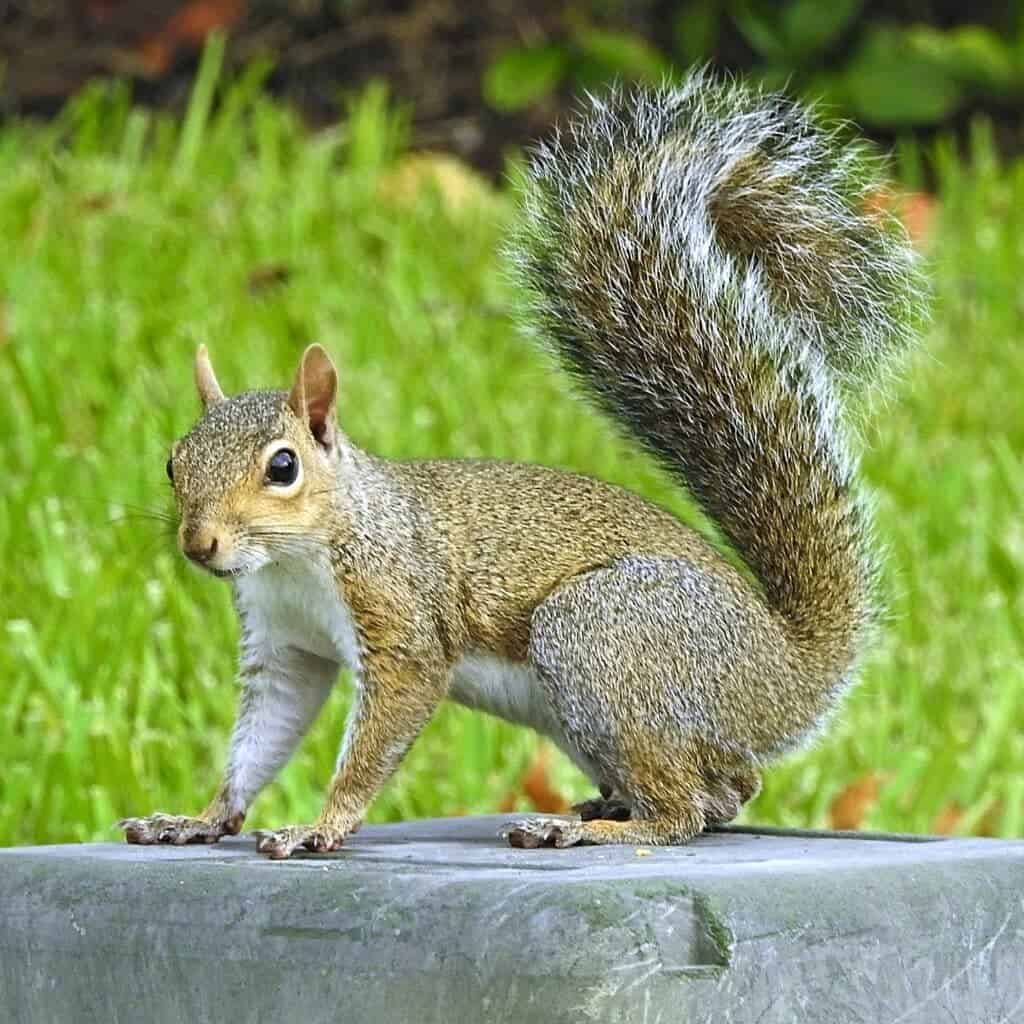
Perhaps no wild animal is more ubiquitous in American cities than the eastern gray squirrel. These arboreal rodents have flourished in urban environments, achieving densities in some city parks exceeding 20 squirrels per acre—far higher than the 2-4 squirrels typical in natural forests. Urban squirrels have developed remarkable behavioral adaptations, including decreased flight distance from humans, sophisticated strategies for raiding bird feeders, and complex spatial memory that allows them to remember hundreds of food cache locations throughout the city. Research from Purdue University found that urban squirrels demonstrate greater problem-solving abilities than their rural counterparts, quickly learning to overcome obstacles to food sources. They’ve adapted to using utility lines as travel corridors and have modified their natural diet to include pizza crusts, discarded sandwiches, and other human foods. Urban squirrels have even adjusted their nesting behavior, creating dreys (nests) in roof eaves, attics, and other architectural features when tree cavities are scarce. Their success demonstrates how behavioral flexibility and cognitive abilities can help wildlife thrive amid human development, though their abundance sometimes creates conflicts with homeowners and gardeners.
4. Barred Owls Silent Urban Hunters

Traditionally associated with mature forests, barred owls have increasingly moved into urban and suburban areas across the eastern United States and Pacific Northwest. These adaptable raptors have found that fragmented urban forests, parks, and even residential neighborhoods can provide suitable habitat. Research from the University of Washington documented urban barred owls establishing territories as small as 100 acres—significantly smaller than the 300-1,000 acres typical in continuous forests. These nocturnal hunters have diversified their diet in cities to include rats, mice, voles, and even crayfish from urban waterways. Urban barred owls have demonstrated remarkable tolerance for human disturbance, successfully nesting near busy walkways, roads, and buildings. They’ve adapted to using artificial light to their advantage, hunting along illuminated corridors where rodents are easier to spot. The birds’ distinctive “who-cooks-for-you” call has become a familiar nighttime sound in many neighborhoods, though many residents never glimpse these stealthy hunters. Their successful colonization of urban areas shows that even noise-sensitive birds can adapt to human environments when habitat features meet their basic needs for hunting and nesting.
3. Bobcats Elusive Urban Felines

Perhaps surprisingly, bobcats have successfully adapted to life in and around many American cities, particularly in the Southwest and California. These medium-sized wild cats maintain secretive lives in urban natural areas, riparian corridors, and even landscaped neighborhoods adjacent to open space. A study from the University of California, Los Angeles tracked bobcats in greater Los Angeles, finding they established territories as small as 1.5 square miles in urban fragments—much smaller than the 5-25 square miles typical in natural areas. Urban bobcats have become more nocturnal, reducing human encounters, and have adapted their hunting techniques to target abundant urban prey like rabbits, rats, and ground squirrels. They’ve learned to use culverts and drainage channels as movement corridors and have been documented successfully raising litters in dense residential areas. Though rarely seen by residents, urban camera trap studies reveal bobcats are more common in cities than most people realize. Their presence in urban ecosystems helps control rodent populations and demonstrates that with sufficient green space and connectivity, even mid-sized predators can persist alongside human development.
2. Wild Turkeys From Forest to Front Lawn

Following successful reintroduction efforts across the country, wild turkeys have expanded beyond rural forests into suburban and urban environments across America. Cities like Boston, Sacramento, and Pittsburgh now host substantial urban turkey populations, with flocks of 20-30 birds becoming common sights in residential neighborhoods. These large game birds have adapted surprisingly well to city life, roosting in street trees, feeding on lawn insects and garden plants, and establishing breeding territories in parks and cemeteries. Urban turkeys have modified their behavior to become less wary of humans, with some city birds exhibiting almost domesticated behavior. Research from the University of California-Davis found urban turkey populations growing at 20% annually in some areas, far exceeding rural growth rates. These birds have adapted their omnivorous diets to include bird seed, pet food, and garden produce while maintaining their natural consumption of insects, seeds, and berries. Their success stems partly from decreased predation pressure in cities and abundant food sources. While their presence delights many wildlife enthusiasts, their large size, occasional aggressiveness during breeding season, and tendency to damage gardens has created management challenges in some communities.
1. Urban Crows and Ravens The City’s Intelligent Corvids
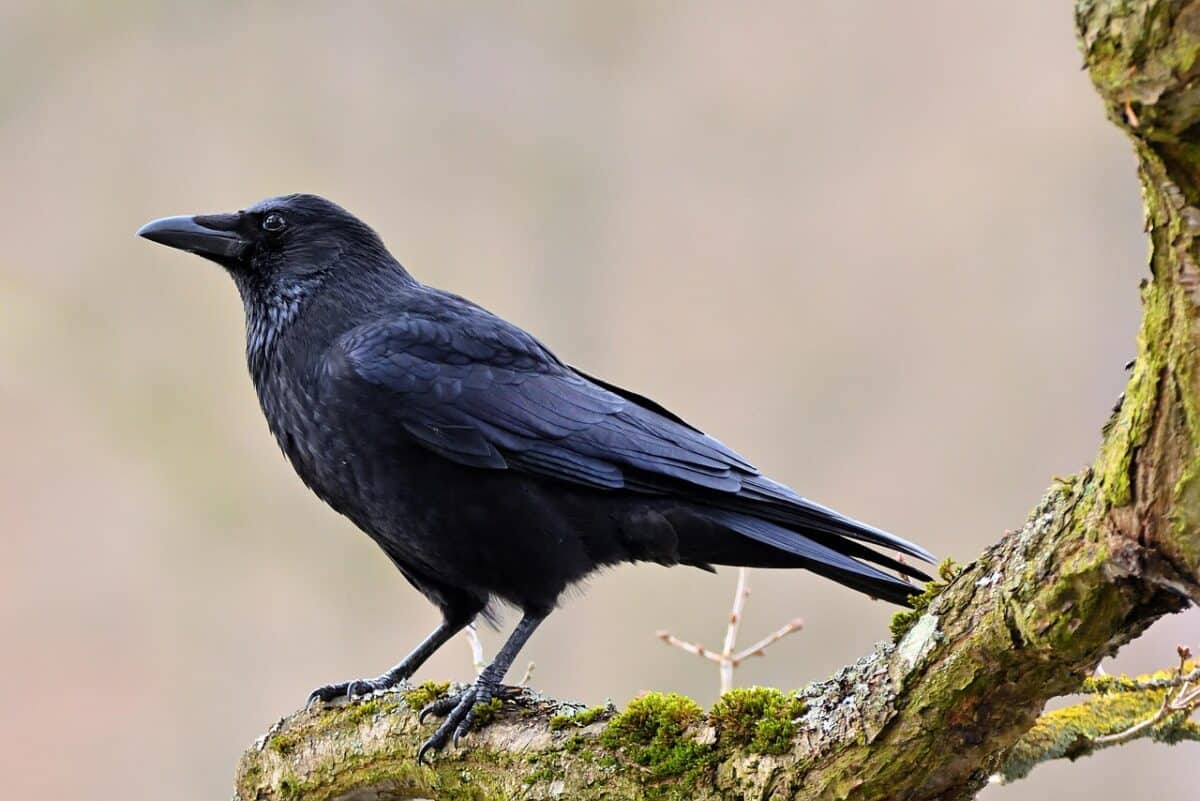
American crows and common ravens have demonstrated remarkable success in urban environments nationwide, with crow populations in some cities increasing by over 200% since the 1960s. These highly intelligent corvids have adapted to city life in sophisticated ways, developing specialized strategies for exploiting human resources. Research from the University of Washington showed urban crows recognize individual human faces, remembering people who have threatened or fed them for years and passing this knowledge to offspring. Urban corvids have smaller territories than rural counterparts but achieve higher population densities due to abundant food sources. They’ve learned to use traffic patterns to their advantage—dropping nuts on roadways for cars to crack open and waiting for traffic lights to change before retrieving them. City crows have also been documented fashioning tools from urban materials and using complex problem-solving skills to access food. Their communal roosting behavior has adapted to urban environments, with some downtown roosts containing thousands of birds that use city lights and heat to their advantage during winter. Though sometimes considered nuisances due to noise and droppings, these adaptable birds provide valuable ecosystem services by consuming insects and garbage while demonstrating remarkable behavioral plasticity.
Conclusion:
The growing presence of wild animals in American cities reveals a powerful truth about nature: adaptability is the ultimate survival trait. From stealthy bobcats and bold raccoons to skyscraper-nesting falcons and rodent-hunting hawks, these 14 species have not only endured the challenges of urban life but have, in many cases, flourished within it. Their success highlights how cities, often viewed as biological deserts, have become dynamic ecosystems supporting surprisingly diverse wildlife. Whether reshaping waterways like beavers or navigating traffic lights like crows, these animals are not just surviving—they’re innovating. As urban development continues, recognizing and supporting this coexistence becomes crucial—not just for wildlife, but for the health and resilience of our shared environments.

As a little kid, I fell in love with nature, wildlife, and animals. Living in the USA, South Africa, Italy, China and Germany gave me the opportunity to discover the world's Wildlife. My favorite animals are Mountain Gorillas, Siberian Tigers, and Great White Sharks.
I'm a certified PADI Open Water Diver, went to Everest Base Camp and Trekked Gorillas in Uganda. I hold a Master of Science in Economics and Finance.
Please send any feedback to feedback@animalsaroundtheglobe.com
- 13 Cat Breeds That Get Along with Dogs - July 20, 2026
- The 12 Largest Dog Breeds That Still Love to Cuddle - July 20, 2026
- 12 Pet Habits That Secretly Mean They Love You - July 20, 2026