

In the dense rainforests of South America and the urban jungles of cities worldwide, an extraordinary linguistic phenomenon is taking place: wild parrots are developing their own distinct dialects. This fascinating behavior, once thought to be uniquely human, reveals the remarkable intelligence and social complexity of these colorful birds. From the Amazon to Australia, different populations of the same parrot species are communicating with unique vocal patterns, essentially speaking their own local “languages.” These avian dialects not only demonstrate the impressive cognitive abilities of parrots but also provide valuable insights into how communication evolves in the animal kingdom. As researchers delve deeper into this subject, they’re uncovering how environmental factors, social dynamics, and even human influence are shaping these distinctive parrot languages around the world.
The Discovery of Parrot Dialects

Scientists first began documenting parrot dialects in the wild during the 1980s and 1990s, though anecdotal observations date back much further. The breakthrough came when researchers recording yellow-naped Amazon parrots in Costa Rica noticed that populations separated by just a few miles used distinctly different contact calls – the vocal signals parrots use to communicate with flock members. This was revolutionary because it suggested that parrot vocalizations weren’t entirely genetically determined but had a significant cultural learning component. Further studies across multiple continents have since confirmed that many parrot species, including budgerigars, galahs, yellow-naped Amazons, and orange-fronted conures, develop region-specific vocal patterns. Unlike most birds, whose songs are largely instinctual, parrots learn their vocalizations through social interaction, similar to how humans acquire language – making their dialect development particularly significant to scientists studying the evolution of communication.
How Parrots Learn Language

Parrots possess a remarkable neurological architecture that enables sophisticated vocal learning. Unlike many birds, which have innate vocalizations, parrots have a specialized brain structure similar to humans’ language centers. Young parrots undergo a critical learning period when they absorb the vocalizations of their parents and flock members, much like human children learning to speak. They practice extensively through babbling and gradually refine their calls to match those around them. What makes parrots exceptional is their lifelong ability to add new vocalizations – they can continue learning new sounds throughout their lives, unlike most birds whose vocal patterns become fixed after maturity. This neuroplasticity allows for tremendous variation in vocal development and enables the formation of dialects as parrots in different areas collectively adopt and modify their communication patterns. Research has shown that captive parrots raised in isolation develop abnormal vocalizations, further confirming that social learning is essential to normal parrot language development.
Geographical Factors Influencing Dialect Formation
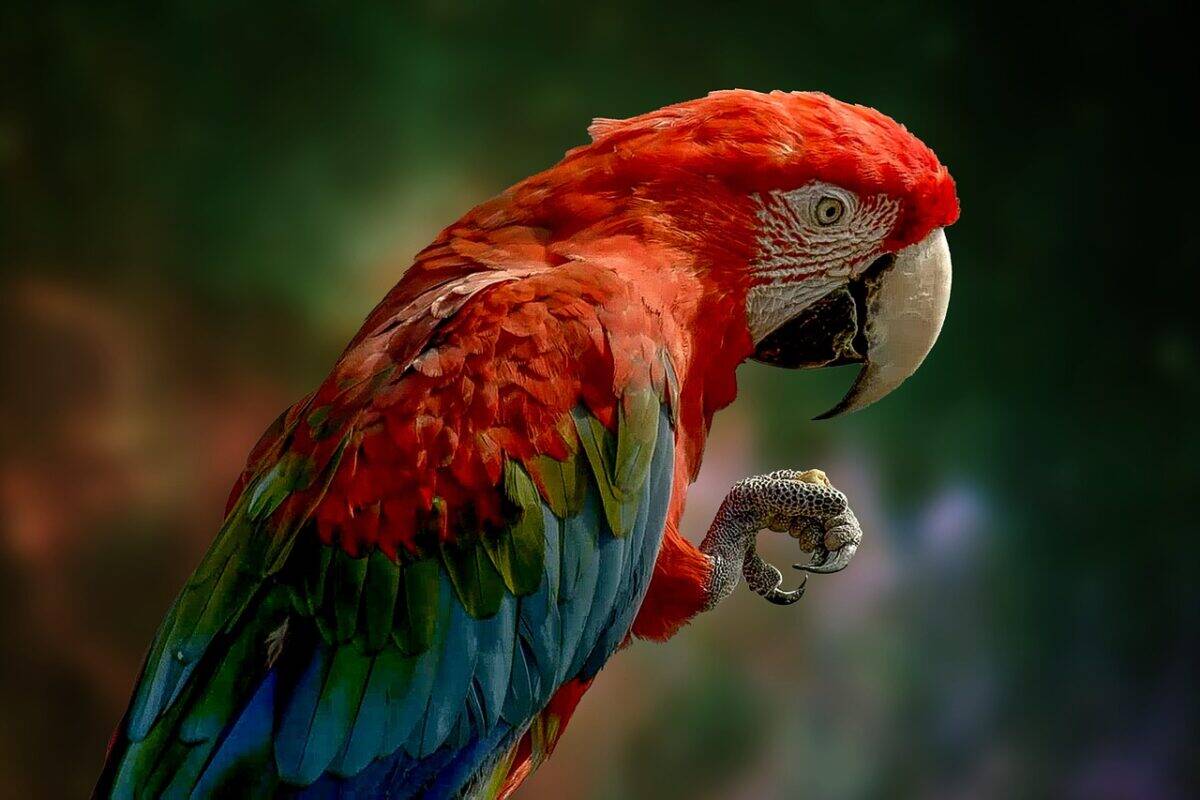
The physical landscape plays a crucial role in how parrot dialects develop and diversify. Natural barriers such as mountain ranges, rivers, and vast open spaces can isolate parrot populations from one another, creating conditions where communication patterns evolve independently. For example, studies of yellow-naped Amazon parrots in Costa Rica revealed that populations separated by the Talamanca Mountain range developed markedly different dialect patterns. Similarly, research on crimson rosellas in Australia found that birds from valleys separated by ridgelines used distinctly different contact calls. These geographical barriers limit the mixing of different parrot groups, allowing their vocalizations to drift apart over generations. Interestingly, in urban environments where humans have created artificial barriers like highways and developed areas, researchers are observing accelerated dialect formation among city-dwelling parrot populations. The acoustic environment of different habitats also shapes dialects, as parrots adapt their calls to carry effectively through dense rainforest versus open savanna or noisy urban settings.
Social Learning and Cultural Transmission

At the heart of parrot dialect development is their sophisticated social learning ability. Parrots don’t just mimic sounds; they participate in a complex process of cultural transmission. Young parrots learn vocalizations from their parents and other flock members, gradually adopting the specific dialect of their social group. Research has demonstrated that parrot chicks begin learning their local dialect while still in the nest, absorbing the sounds they hear from their parents. What makes this process particularly fascinating is that parrots continue to refine their dialects throughout life based on social feedback. When a parrot attempts a call that doesn’t quite match the local norm, other flock members may respond less enthusiastically, subtly encouraging conformity to the group’s dialect. This social reinforcement helps maintain dialect consistency within populations while allowing for gradual evolution over time. Studies show that when juvenile parrots move between flocks, they often adopt elements of their new group’s dialect, further demonstrating the powerful role of social learning in shaping parrot communication patterns.
Urban Parrot Dialects: A New Phenomenon
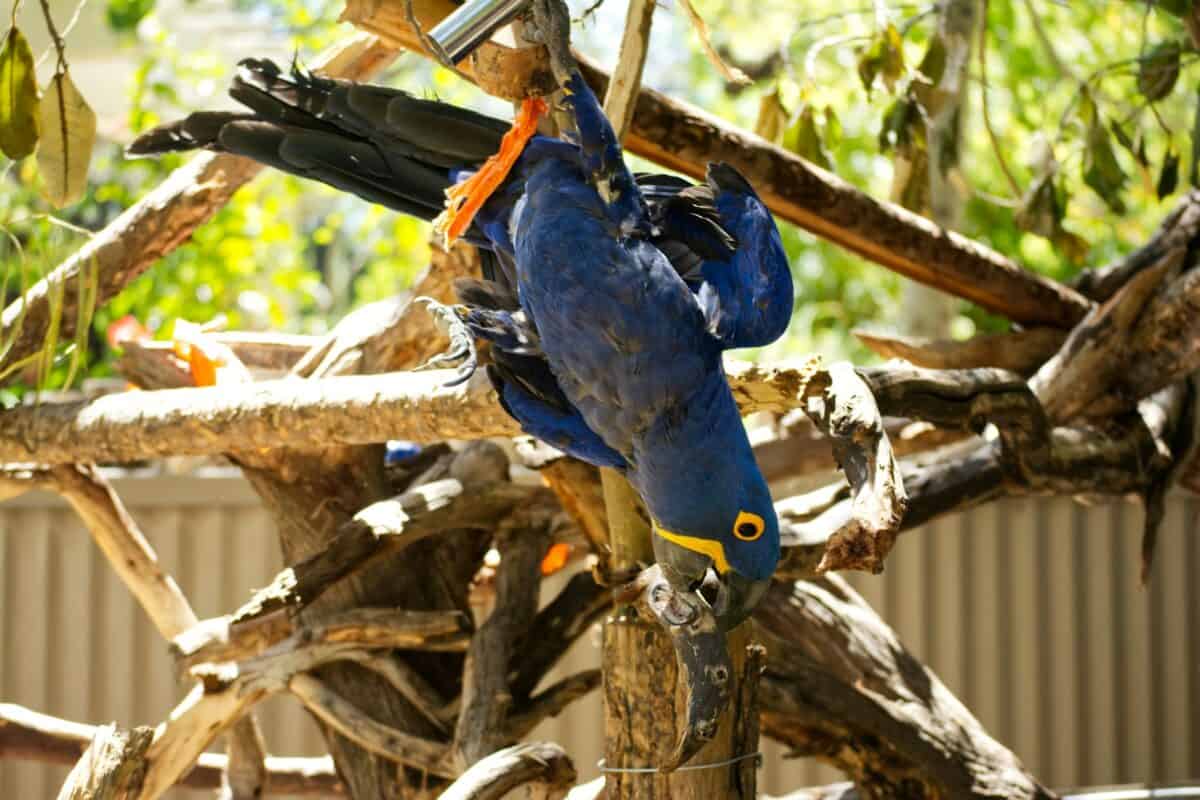
The explosion of feral parrot populations in urban areas worldwide has created a fascinating natural experiment in dialect formation. Cities from Miami to Sydney now host thriving colonies of escaped pet parrots that have established wild populations. These urban parrots are developing dialects that differ significantly from both their wild ancestors and from urban populations in other cities. For instance, mitred conures in San Francisco have developed calls that are higher-pitched and shorter than their rural counterparts, likely an adaptation to cut through urban noise pollution. In Sydney, research on rainbow lorikeets has found that city birds use more complex contact calls than rural populations, possibly reflecting the more complex social dynamics of dense urban flocks. Most remarkably, some urban parrot species are incorporating human-made sounds into their dialects – including car alarms, construction noises, and even phrases from human language. This rapid dialect development in urban settings provides scientists with a unique opportunity to observe language evolution in real-time, as these adaptable birds adjust their communication to new environmental challenges.
The Function of Dialects in Parrot Society

Parrot dialects serve several important social and ecological functions within their communities. Primarily, dialects act as a form of group identification – a vocal badge that helps parrots recognize members of their own flock or local population. This group identification is crucial for highly social species that rely on cooperation for finding food, avoiding predators, and raising young. Evidence suggests that parrots respond more strongly to calls matching their local dialect than to foreign dialects, even when produced by the same species. Beyond simple recognition, dialects may play a role in mate selection, with some studies indicating that female parrots prefer males speaking their native dialect. This preference could help maintain genetic cohesion within local populations while preventing breeding with distant groups that might be less adapted to local conditions. Additionally, region-specific dialects may help coordinate group movements and activities, as subtle variations in calls can convey different meanings about food sources, danger, or roosting sites that are relevant to the local environment.
Climate Change and Its Impact on Parrot Dialects
Climate change is creating unexpected ripple effects in parrot communication systems worldwide. As rising temperatures alter habitats, parrot populations are being forced to shift their ranges, bringing previously separated groups into contact and creating dialect “melting pots.” In Australia, researchers have documented how drought conditions have pushed inland parrot species toward coastal areas, where their dialects are gradually blending with coastal populations. Additionally, changing acoustic environments due to climate-related vegetation shifts affect how sound travels, potentially driving adaptations in call structure. For example, as forests become more open due to drought or fire, parrots may modify their calls to travel effectively through the altered habitat. Climate change is also disrupting breeding seasons, which may impact the critical period when young parrots learn dialects from adults. With breeding becoming less synchronized, there are fewer young parrots learning together, potentially weakening dialect consistency within populations. These climate-driven changes provide scientists with a natural experiment in how environmental pressures shape communication systems, though they also raise concerns about how these disruptions might affect parrot social structures.
Endangered Dialects: Conservation Implications

As parrot populations decline worldwide due to habitat loss and the pet trade, unique dialects are disappearing before scientists can fully document them. This loss represents not just a decline in biodiversity but also in “cultural diversity” among parrots. The situation is particularly dire for species like the yellow-naped Amazon, where distinct regional dialects that evolved over centuries are vanishing as populations shrink. Conservation biologists are increasingly concerned about the implications of this loss, as dialects may contain important adaptive information about local environments. When captive breeding programs release parrots without considering dialect differences, the birds may struggle to integrate with wild populations or find mates. In response, some cutting-edge conservation programs are now recording regional dialects and ensuring that captive-bred birds are exposed to the appropriate local “language” before release. These efforts recognize that successful conservation must preserve not just genetic diversity but also the cultural knowledge embedded in parrot dialects – including vocal traditions that may have evolved over thousands of years to suit specific ecological conditions.
The Role of Innovation in Dialect Evolution
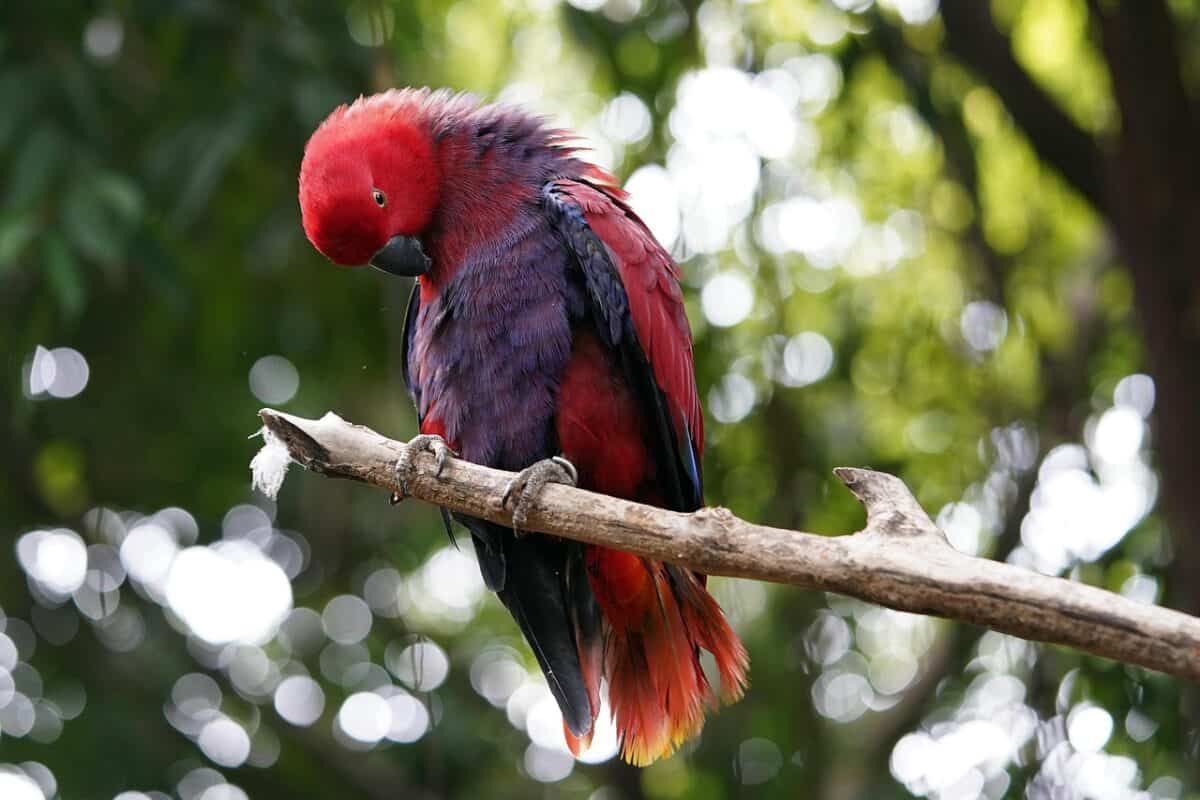
Parrot dialects aren’t static but continually evolve through a process that includes innovation and experimentation. Research has revealed that certain individuals within parrot communities act as “vocal innovators,” introducing new sound elements that may then spread through the population. These innovations can occur when a parrot makes an error in reproducing a traditional call or intentionally modifies it, perhaps to stand out or better adapt to changing conditions. If other parrots find the new vocalization effective or appealing, it can spread through the community through social learning. Studies of sulphur-crested cockatoos in Australia have documented how novel foraging techniques spread through populations, suggesting a similar mechanism may operate with vocal innovations. Particularly fascinating is evidence that some dominant or high-status parrots have greater influence over dialect evolution, with their vocal innovations more likely to be adopted by the broader community. This process creates a dynamic tension between tradition and innovation in parrot communication, allowing dialects to maintain their group-identifying function while still adapting to new circumstances.
Studying Parrot Dialects: Technological Breakthroughs
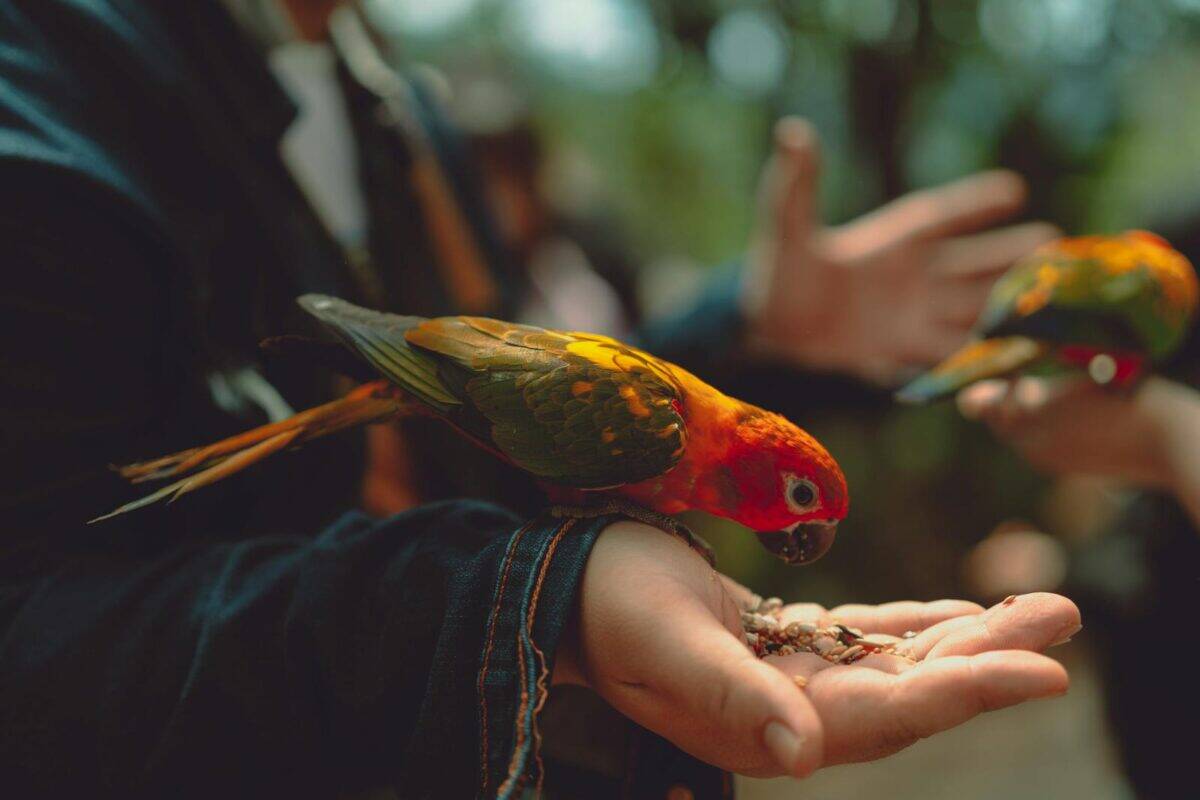
Modern technology has revolutionized researchers’ ability to document and analyze parrot dialects in unprecedented detail. Advanced directional microphones and autonomous recording units now allow scientists to collect massive audio datasets from remote locations, capturing the full range of a population’s vocalizations over extended periods. These recordings are then processed using machine learning algorithms that can identify individual birds, classify call types, and detect subtle dialectal variations that human ears might miss. Satellite tracking and GPS technology enable researchers to correlate vocal recordings with precise location data, helping map dialect boundaries with remarkable accuracy. Perhaps most excitingly, miniaturized audio recorders small enough to be carried by the birds themselves are providing insights into how individual parrots interact vocally throughout their daily activities. These “acoustic backpacks” have revealed that parrots often engage in one-on-one “conversations” where they practice and refine their dialect-specific calls. As these technologies continue to advance, scientists anticipate breakthroughs in understanding the fine-scale processes through which parrot dialects form, spread, and evolve across landscapes and generations.
Human-Parrot Vocal Interactions

The relationship between human and parrot vocalizations creates a fascinating dynamic that influences wild parrot dialects, particularly in urban and suburban environments. Pet parrots that escape or are released can introduce human words, phrases, and sounds into wild populations. Documented cases include wild flocks in Florida that incorporate English phrases and wild cockatoos in Australia that have learned to mimic human whistles for dogs. This human-parrot vocal exchange extends beyond escaped pets, as wild parrots living near human settlements often incorporate elements of human-generated sounds into their natural repertoires. Urban parrots have been recorded mimicking car alarms, construction equipment, and even the ringtones of popular mobile phones. These human-influenced vocalizations sometimes become integrated into local dialects and passed on to subsequent generations, creating unique “urbanized” dialects. The phenomenon works in reverse as well – indigenous communities living alongside parrots have traditionally incorporated parrot sounds into their languages and ceremonies, creating a reciprocal relationship of vocal influence that may have existed for thousands of years. This human-parrot vocal interaction represents one of the few examples of interspecies cultural exchange in the natural world.
Comparing Parrot Dialects to Human Language Evolution

The development of parrot dialects offers striking parallels to how human languages evolve and diversify. Both systems involve social learning during critical developmental periods, both show geographic variation that increases with distance and isolation, and both balance tradition with innovation. Linguists and ornithologists have begun collaborative research examining how barriers like mountains or rivers similarly affect the distribution of both human language dialects and parrot vocal variants. For example, studies in Papua New Guinea have found that boundaries between human language groups often coincide with boundaries between parrot dialect regions, suggesting similar geographic factors influencing both. While the complexity of human language far exceeds parrot communication, the basic mechanisms driving dialect formation appear remarkably similar. Both systems show convergence (dialects becoming more similar when populations mix) and divergence (dialects growing apart when populations are separated). This parallel evolution provides researchers with valuable comparative insights, as parrot dialects may represent a simpler system for studying general principles of how communication systems diversify and adapt. Notably, both systems demonstrate cultural transmission – the non-genetic passing of learned behaviors across generations – which was once considered uniquely human but is now recognized as a capability we share with parrots and a few other highly social animals.
The Future of Parrot Dialect Research and Conservation

As our understanding of parrot dialects deepens, scientists and conservationists face both exciting opportunities and urgent challenges. The emerging field of “cultural conservation” recognizes that protecting endangered parrot species requires preserving not just their genetic diversity but also their unique vocal traditions. Future conservation programs will likely incorporate dialect preservation, ensuring that captive breeding efforts maintain the full range of regional “accents” found in wild populations. Advanced bioacoustic monitoring networks are being developed that can automatically detect and track changes in parrot dialects across vast areas, serving as early warning systems for population health and environmental change. These acoustic monitoring systems may prove particularly valuable as climate change forces parrot populations to shift their ranges, potentially creating new dialect contact zones. Researchers are also developing more sophisticated tools to decode the specific information contained in different dialect variations, which could reveal how parrots communicate about their environments through subtle vocal modifications. As human development continues to fragment wild parrot habitat while introducing feral populations to new urban areas, the coming decades will present a complex natural experiment in how these intelligent, adaptable birds modify their communication systems to meet new challenges. By studying these processes, we gain insights not only into parrot behavior but also into the fundamental principles governing how all communication systems – including human language – evolve and adapt to changing circumstances.

- How Sea Otters Are Helping Restore Kelp Forests Along the Pacific Coast - July 18, 2026
- This River Delta Is a Magnet for Endangered Birds - July 17, 2026
- New Fossils in Baja California Reveal a Never-Before-Seen Grouper - July 17, 2026