

Wolves are often depicted as mysterious and elusive creatures, roaming vast expanses of wilderness with grace and caution. Recently, these majestic animals have been making headlines not in far-off, remote landscapes, but right in the heart of the Midwest. This fascinating expansion raises questions about ecological balance, conservation efforts, and the delicate interplay between humans and wildlife. In this article, we’ll explore why wolves are expanding their territory in the Midwest, delving into the factors driving this change, the implications for regional ecosystems, and the challenges and opportunities it presents.
Understanding Wolf Behavior and Ecology

Wolves, scientifically known as Canis lupus, have long been an integral part of North American ecosystems. They are highly social animals, living and hunting in packs that are structured around a dominant breeding pair and their offspring. This pack structure strengthens their hunting efficiency and increases their survival rates. Wolves are territorial predators, with each pack maintaining and defending its hunting grounds against intruding packs, ensuring a sustainable balance between prey populations and wolf numbers.
Historical Range and Decline

Historically, wolves roamed vast swathes of North America, adapting to various habitats from dense forests to open prairies. However, with European settlement and expansion in the 19th and early 20th centuries, wolves faced intense persecution through hunting and trapping. By mid-20th century, they had been eradicated from most of their range, confined to remote wilderness areas in the northern United States and Canada.
Legal Protection and Conservation Efforts

The ecological impact of diminishing wolf populations led to growing conservation efforts in the late 20th century. The Endangered Species Act of 1973 marked a turning point, providing wolves with federal protection and sparking recovery programs. These initiatives, coupled with public education efforts, enabled wolf populations to stabilize and begin reestablishing themselves in areas they had not been seen in for decades.
Increasing Prey Populations

The Midwest offers an abundance of prey species, such as white-tailed deer, that have prospered in the absence of significant natural predators. The increase in prey density presents wolves with ample food resources, facilitating their expansion into new territories. This resurgence of a natural prey-predator dynamic is crucial for maintaining ecosystem health, as wolves help control these burgeoning prey populations.
Adaptability of Wolves

Wolves are remarkably adaptable animals, able to adjust their hunting strategies and habitats to meet environmental changes. This adaptability is aiding their expansion into the Midwest, where they take advantage of diverse habitats, from agricultural landscapes to suburban woodlands. As apex predators, wolves exert impact over their ecosystems, creating a trickle-down effect in biodiversity and environmental health.
Landscape Connectivity

Restoration of habitat corridors and increased landscape connectivity have been pivotal in allowing wolves to naturally disperse and colonize new areas. Conservation organizations and government policies promoting habitat restoration have facilitated these movements, creating ‘wildlife corridors’ that help mitigate the effects of habitat fragmentation caused by human development.
Human-Wolf Conflict

As wolves return to the Midwest, conflicts with humans can become more frequent. Livestock predation is a significant concern for farmers, leading to opposition against wolf presence. Strategies such as compensation programs, better livestock management practices, and public awareness campaigns aim to mitigate these conflicts, promoting coexistence between wolves and human communities.
Role of Climate Change

Climate change is indirectly influencing wolf expansion through shifts in habitat conditions and prey availability. As climate patterns alter, they affect animal ranges, distribution, and behaviors, creating new opportunities and challenges for wolves. Understanding these intersections is crucial for predicting future movements and establishing adaptive management strategies.
Public Perception and Changing Attitudes

Public attitudes toward wolves have seen a positive shift over recent decades, driven by increased awareness and appreciation for biodiversity and ecological balance. Wolves are now often seen as an emblem of wilderness and natural heritage, contributing to the wider support for their protection and expansion across the Midwest.
Monitoring and Research

Ongoing research and monitoring are critical to understanding wolf population dynamics, health, and the effects of their expanding range. Advanced technologies, such as GPS collaring and remote motion-sensing cameras, help scientists gather data essential for informed conservation efforts and policy-making.
Implications for Biodiversity and Ecosystems

The return of wolves contributes to increased biodiversity in the Midwest by re-establishing ecological roles and predator-prey relationships. Their presence can help balance animal populations, aid in forest regeneration, and contribute to overall ecosystem resilience against environmental changes.
The Future of Wolves in the Midwest

The expansion of wolves into the Midwest presents both challenges and opportunities. By balancing conservation efforts with stakeholder interests and promoting constructive dialogue between conservationists, farmers, and local communities, we can create a future where wolves and humans coexist harmoniously. As wolves establish their presence in the Midwest, they remind us of the complex interplay between nature and human society, encouraging stewardship that respects both ecological integrity and socio-economic realities.
Conclusion
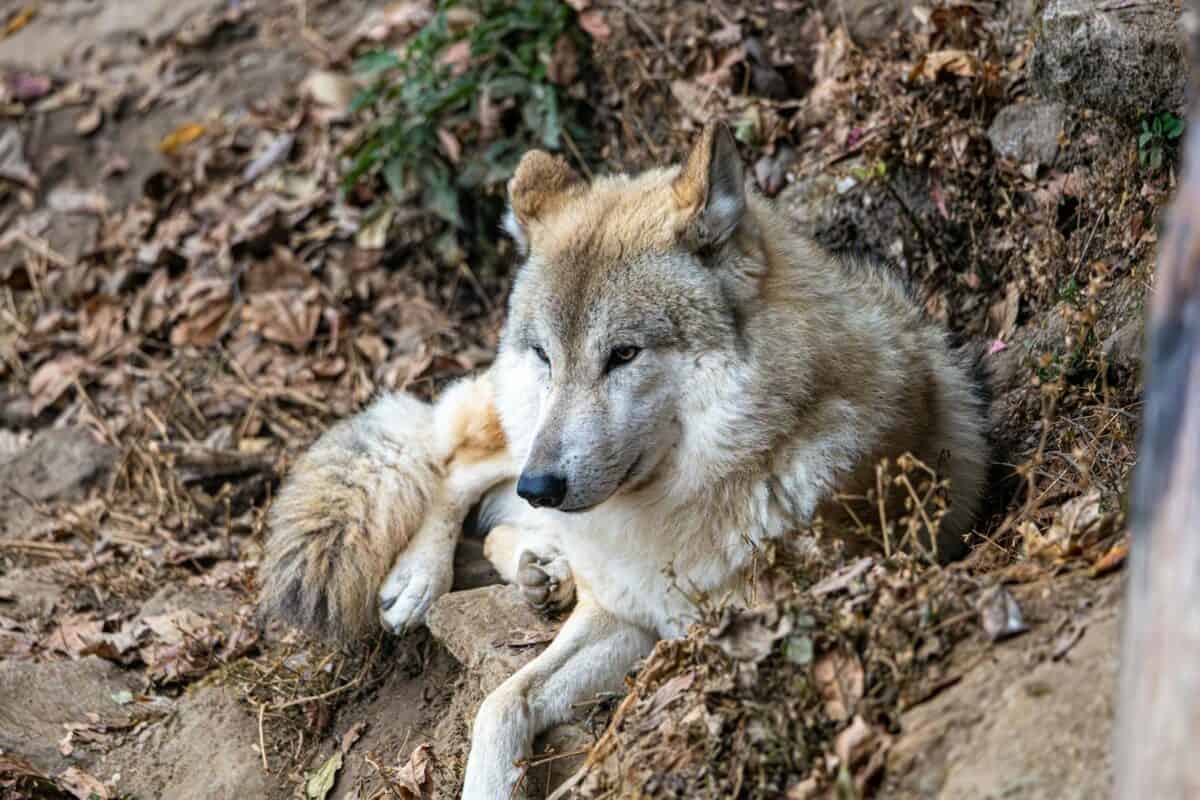
The resurgence of wolves across the Midwest illustrates a broader narrative about the potential for wildlife recovery in human-dominated landscapes. Their expansion is a testament to the success of conservation efforts and legal protections, yet it also underscores the need for continuous management and cooperation. By embracing the presence of these incredible animals, the Midwest stands poised to maintain healthy, diverse ecosystems that benefit both nature and society at large.

- 10 Animals That Cheat Death in the Most Unexpected Ways - July 19, 2026
- The Shrimp That Punches Like a Bullet - July 19, 2026
- This Tiny Mammal Can Slow Its Heartbeat to One Beat Per Minute - July 19, 2026