


The ancient dance of whale migration is a spectacle of nature that captivates scientists, conservationists, and nature enthusiasts alike. Off the sunny shores of California, this age-old journey is unfolding with renewed vigor and mystery. This year’s whale migration has captured headlines for its unique behavioral patterns and unprecedented numbers. As these majestic creatures navigate the Pacific Ocean, we delve into the fascinating intricacies of their migration, illuminating the wonders of this remarkable journey.
The Majesty of Whale Migration

Whale migration is one of the most breathtaking natural phenomena on our planet. These colossal marine mammals traverse thousands of miles in search of food, warmer breeding grounds, or both. Their annual pilgrimage is critical for the survival of many whale species, as they transition between feeding in polar regions and breeding in warmer waters.
Why Do Whales Migrate?

The primary drivers of whale migration are food availability and reproduction. Whales go where the food is, and during the summer months, they feast on krill and small fish in the nutrient-rich waters of the polar regions. As winter approaches, they migrate to warmer waters to mate and give birth, ensuring the survival of the next generation in milder conditions.
California: A Whale-Watching Hotspot

California emerges as a critical corridor for migrating whales due to its strategic location along the Pacific Ocean. Its coastline provides an uninterrupted pathway for whales swimming between their northern feeding grounds and southern breeding areas. This makes it a prime whale-watching destination and a hub for marine research.
Unique Patterns in the Current Migration
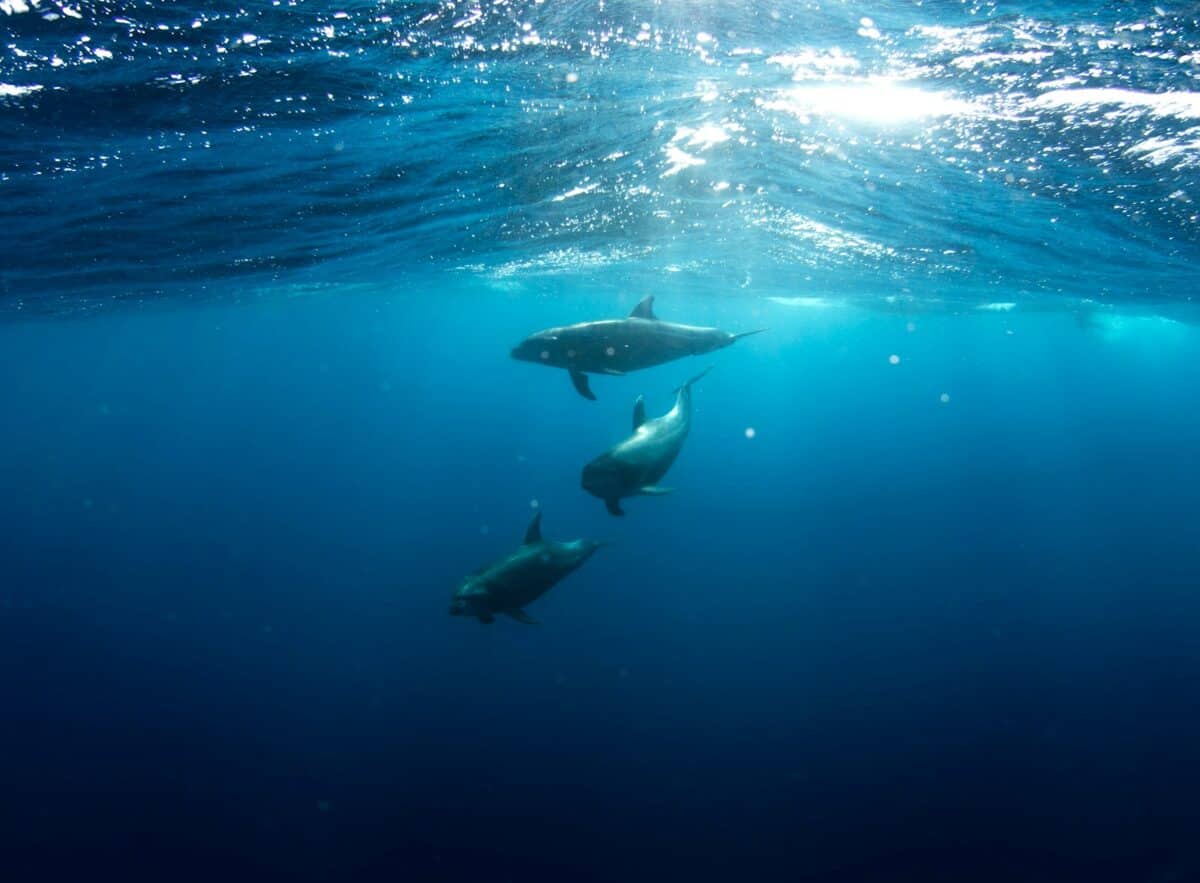
Observers note that this year’s migration exhibits unusual characteristics. Whales are spotted in higher numbers than previous years, potentially indicating a recovery in certain whale populations. Moreover, there is a noticeable shift in migration timing, possibly influenced by changing sea temperatures and climatic conditions.
The Role of Climate Change

Climate change plays a pivotal role in altering marine ecosystems and, consequently, whale migration patterns. Rising sea temperatures can affect krill populations, which are crucial for whales, leading to changes in traditional migratory routes. Scientists are actively studying the impacts of these environmental shifts to predict future patterns.
The Importance of California’s Marine Sanctuaries
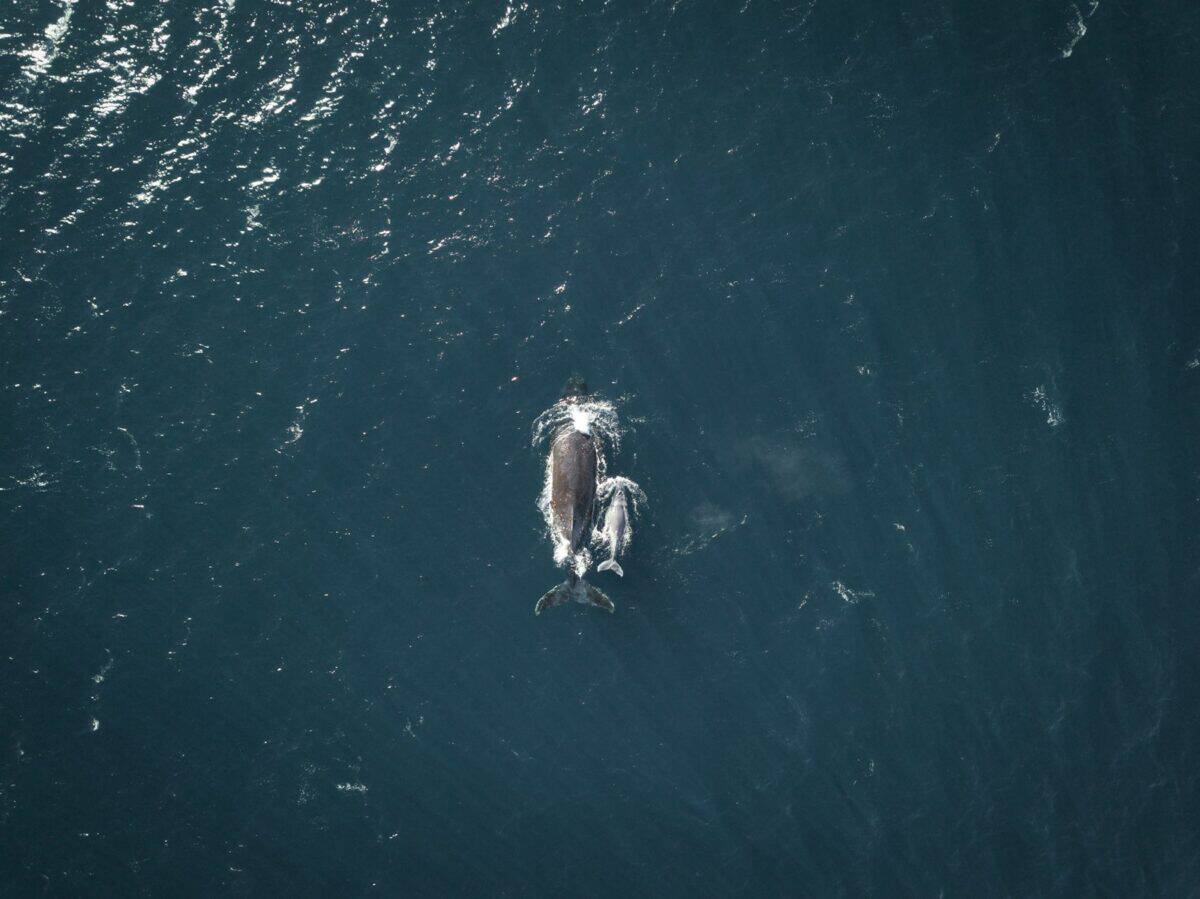
California’s network of marine sanctuaries provides safe havens that are crucial for the protection of migrating whales. These protected areas offer refuge from human-induced threats, such as ship strikes and entanglement in fishing gear. These sanctuaries are integral to the conservation efforts aimed at safeguarding whale populations.
Technology and Tracking Whale Movements
The advancement of technology has revolutionized how scientists track whale migrations. Satellite tags, acoustic monitoring, and drone technology provide unprecedented insight into whale behavior, helping researchers understand their migratory routes, social interactions, and responses to environmental changes.
The Social Dynamics of Whale Pods

Whales are highly social creatures, often traveling in pods that consist of family members and close kin. Understanding these social structures allows scientists to gain better insights into their behaviors and communication patterns during migration. This social cohesion is vital, especially when navigating long distances.
Challenges Faced by Migrating Whales

Migrating whales face numerous challenges, including entanglement in fishing gear, ship strikes, and pollution. These threats can lead to injuries or fatalities, impacting whale populations. Efforts are underway globally to mitigate these risks through improved regulations and increased public awareness.
The Role of Citizen Science

Citizen scientists play an essential role in complementing formal research efforts. Whale enthusiasts and coastal communities contribute valuable data through sightings and reports. Their contributions are invaluable, providing real-time information and raising awareness about the importance of protecting these marine giants.
Involvement in Conservation Efforts

Conservation organizations and government agencies are dedicated to protecting migrating whales through regulations and awareness campaigns. Their efforts focus on reducing threats such as ship collisions, advocating for noise pollution reduction, and promoting sustainable fishing practices.
The Future of Whale Migration

The future of whale migration heavily depends on our ability to address environmental challenges and ensure the preservation of their habitats. Continued research and conservation efforts, combined with global cooperation, are imperative to safeguarding the long-term survival of these magnificent creatures.
Conclusion: The Continual Journey

Witnessing the whale migration off the California coast is a humbling experience that connects humanity to the rhythms of nature. As we marvel at their grandeur, it is a poignant reminder of our responsibility to protect these awe-inspiring creatures. By fostering a symbiotic relationship with the ocean, we can ensure that future generations will also witness this incredible odyssey of life.

From exploring the marine wonders in the Azores and witnessing the vast savannas of Kenya, to delving deep into the rich biodiversity of South Africa and traversing iconic landscapes in Australia and the US like Yellowstone, Chris's experiences are vast.
With a penchant for diving alongside sharks, the ocean holds a special place in his heart.
Through his academic insights, he champions wildlife conservation, striving with 'Animals Around The Globe' to cultivate a profound connection between humans and animals, enhancing our mutual appreciation.
Connect with him at Feedback@animalsaroundtheglobe.com.
- The Great Lakes Are Now Home to Tropical Fish — Here’s Why - July 19, 2026
- Red Pandas Use Their Tails Like Blankets - July 19, 2026
- 15 Ways To Attract Ruby Throated Hummingbirds To Your Mississippi Garden - July 19, 2026