
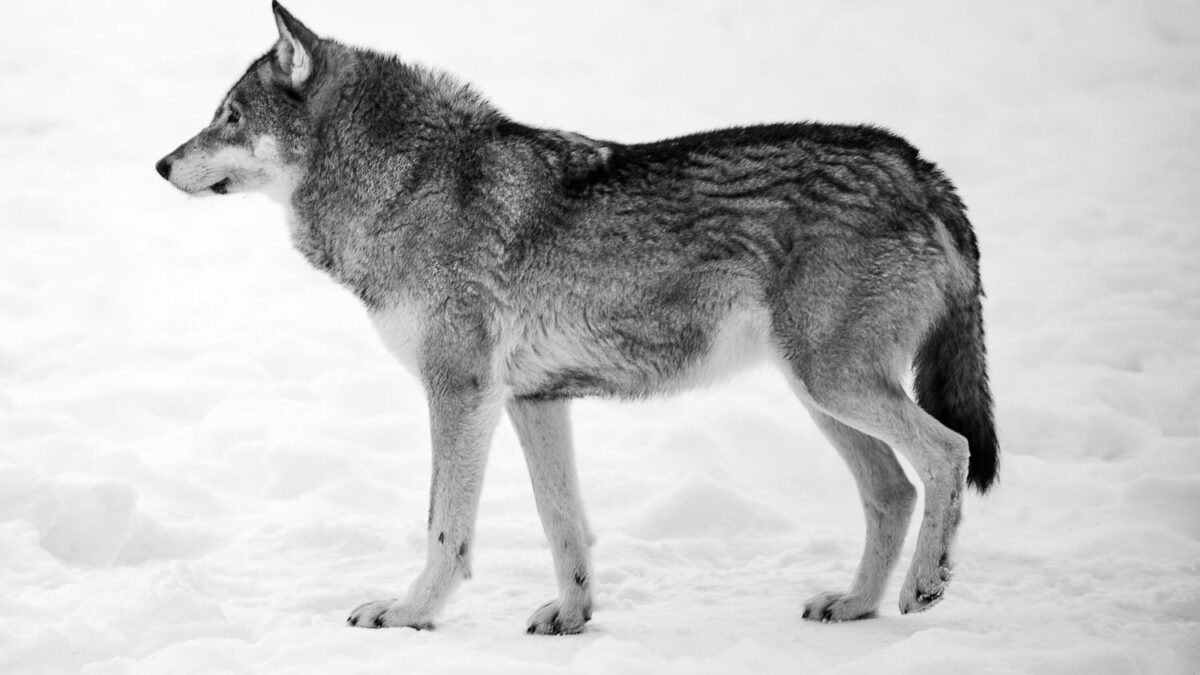
There is something quietly remarkable about the fact that one species, absent for decades, can prompt rivers to run cleaner, forests to stand taller, and entire food webs to reorganize themselves. Wolves were systematically hunted out of most of the American West by the mid-twentieth century. What followed was not simply an absence of predators. It was a slow unraveling of ecological relationships that had taken thousands of years to form.
When the U.S. Fish and Wildlife Service reintroduced 14 gray wolves to Yellowstone National Park in 1995, the animals were stepping into a landscape that had been deeply altered by their absence. After humans hunted wolves to near-extinction across the Western U.S. in the early 20th century, that absence had likely changed ecosystems and food webs across the Rocky Mountains. Today, the story of what happens when wolves come back is still being written, and it turns out to be far more layered than anyone first imagined.
The Cascade Effect: How Wolves Alter Entire Food Webs
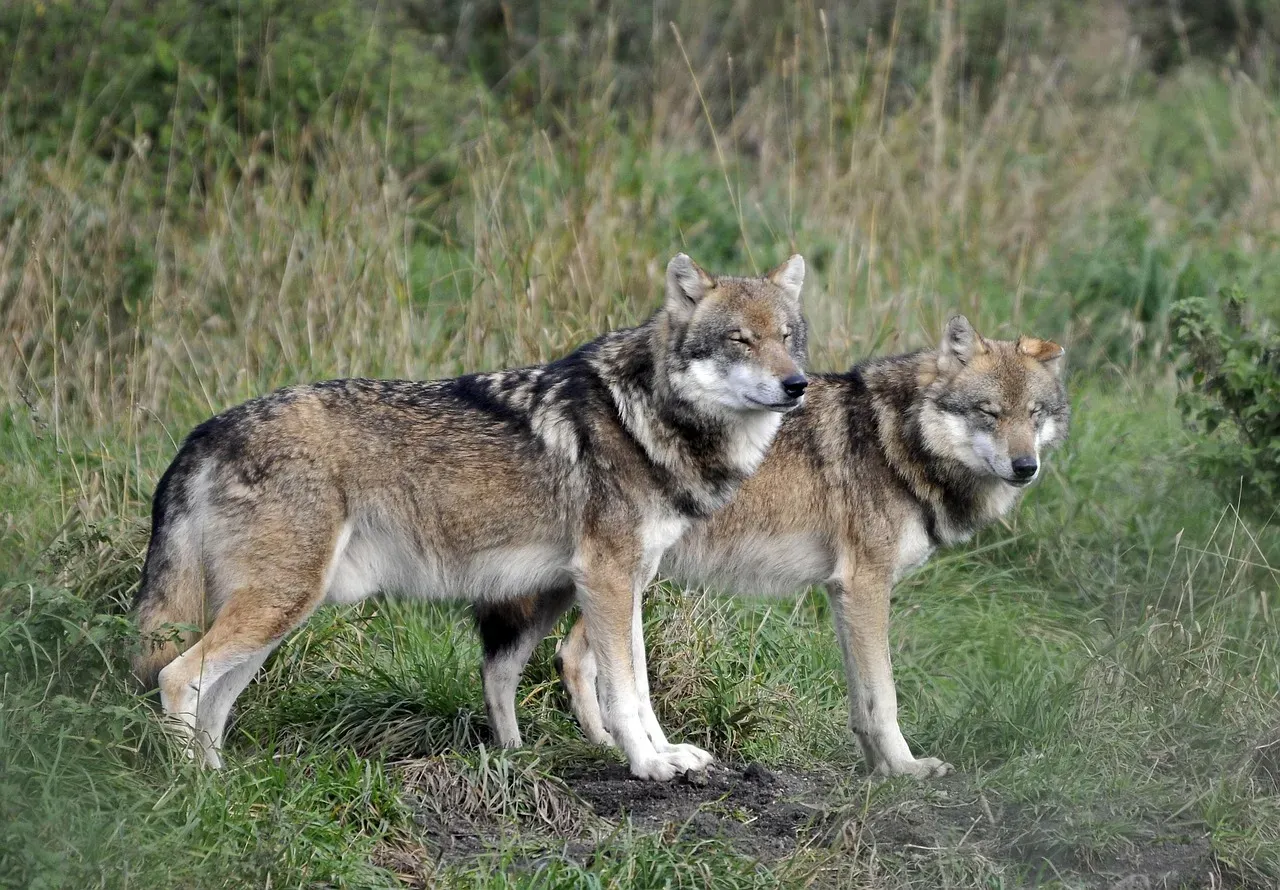
The concept at the center of wolf ecology is the trophic cascade. It describes a chain reaction that moves through an entire food web when a predator at the top is added or removed. Wolves sit squarely at that top, and their influence radiates outward in ways that go well beyond what they directly hunt.
Wolves are considered a keystone predator because they control the densities and behavior of an ecologically significant prey species: elk. When elk feel pressure from predators, they move differently, graze differently, and avoid different parts of the landscape entirely.
In Yellowstone, the reintroduction of gray wolves in 1995 led to a notable trophic cascade, fundamentally altering the dynamics of the park’s ecosystem. Before their return, the elk population had surged unchecked, resulting in overgrazing that severely impacted vegetation. The presence of wolves reestablished a natural balance, as they preyed on elk and elk populations decreased, allowing for the recovery of vegetation along riverbanks and in meadows.
When the gray wolf was reintroduced into the Greater Yellowstone Ecosystem in 1995, there was only one beaver colony in the park. Today, the park is home to nine beaver colonies, with the reintroduction of wolves continuing to astonish biologists with a ripple of direct and indirect consequences throughout the ecosystem. Beavers, in turn, build dams that create wetlands, slow erosion, and support dozens of other species.
The carcasses of wolf-killed prey also help to redistribute nutrients and provide food for other wildlife species, like grizzly bears and other scavengers. Researchers from the University of California at Berkeley determined that the combination of less snow and more wolves has benefited scavengers both big and small, from ravens to grizzly bears, creating a more equitable distribution of carrion throughout winter and early spring.
What the Science Actually Says: A Nuanced Picture
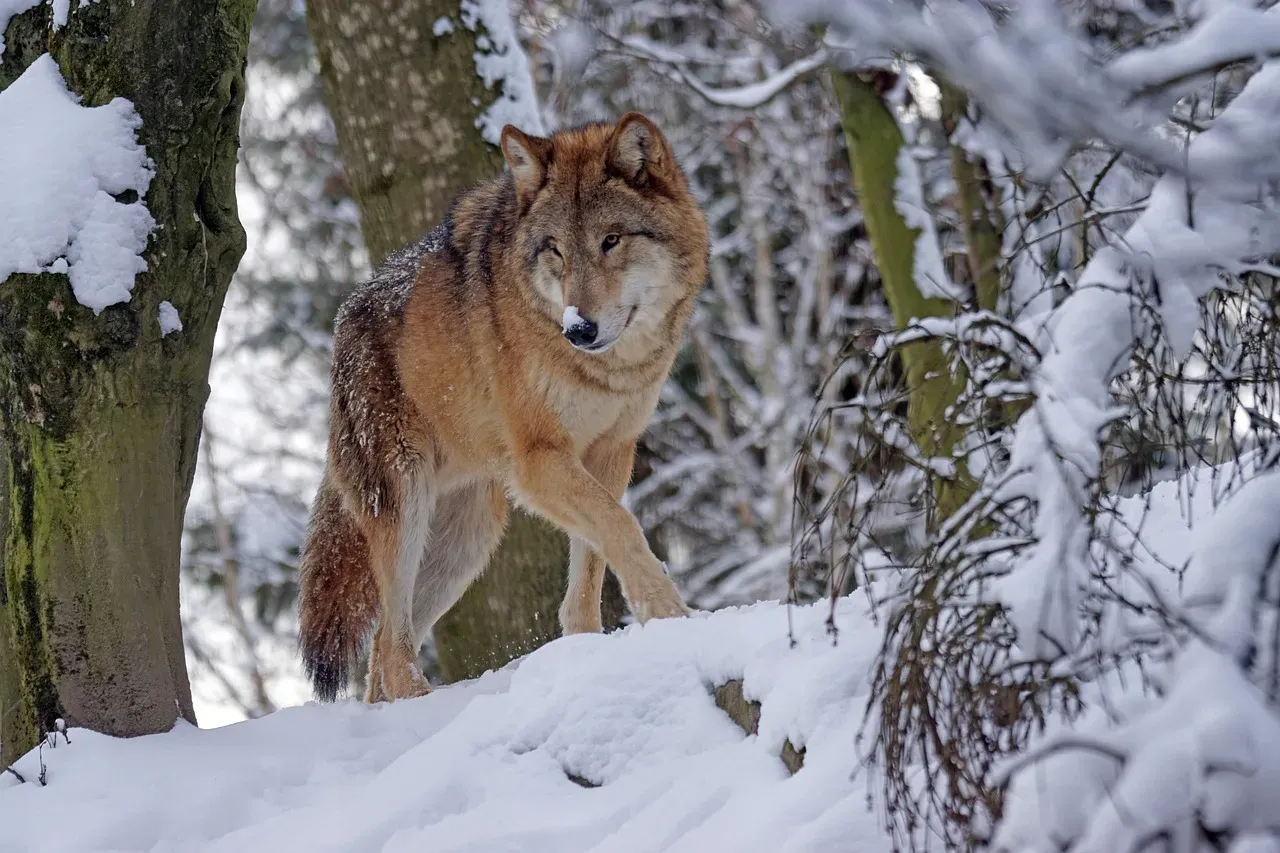
The story of wolves reshaping the West became, for a time, almost too clean. Early studies generated significant enthusiasm, and the idea of a dramatic trophic cascade spread widely through media and public consciousness. The reality that has emerged from more than two decades of additional research is considerably more complex.
Despite studies claiming to show early evidence of a relationship between wolves and regenerating riparian ecosystems, scientists are still debating how large carnivores impact vegetation and other animals. The scientific intrigue centers on the degree to which carnivores have an indirect effect on other fauna and flora. More recent studies have suggested that wolves’ connection to Yellowstone’s riparian ecosystems may be more subtle than previously believed.
Researchers who challenged some of the bolder claims stress that their findings do not dismiss the ecological importance of large carnivores. Instead, they argue that complex food web dynamics require careful analysis and strong evidence.
One clear trend that has emerged from recent research is that there are often more important forces at play in North American ecosystems than the dynamics between wolves and their prey. Human impacts like hunting and land-use changes ultimately have a much greater impact than large carnivores on the population size, distribution, and behaviors of animals like deer, elk, and moose.
Research has also revealed that the disappearance of wolves created a false baseline, with many scientists measuring ecosystem health based on the degraded conditions that spread after the wolves were gone. Without wolves, elk populations grew and led to overgrazing, coyote numbers rose and shrank populations of smaller animals, and even tree growth struggled due to cascading changes in animal populations.
Range and Recovery: Where Wolves Stand Today
The geographic footprint of wolves in the American West has expanded considerably since the first reintroductions of the 1990s. What began with a small number of wolves in Idaho and Yellowstone has grown into a multi-state presence that continues to shift year by year.
A group of 66 wolves was reintroduced to Idaho and Yellowstone in the late 1990s. They now total around 2,800 individuals and range across six states. That growth from a handful of transplanted animals to a self-sustaining regional population represents one of the more remarkable recoveries in American conservation history.
Washington counted 230 individual wolves in 43 family groups and packs as of April 2025. The state’s recovery has been gradual but consistent, with wolves pressing westward from the Selkirk and Okanogan Highlands toward habitat that hadn’t heard a howl in generations.
The Arizona and New Mexico wildlife agencies jointly announced that the number of endangered Mexican gray wolves in the Southwest grew by 33 in the past year, reaching 319 in 2025 from 286 in 2024. This represents eight years of consecutive population growth for a subspecies that once numbered in the thousands throughout the Southwestern United States but was wiped out by the mid-1970s. Mexican gray wolves were listed under the Endangered Species Act in 1976, and in 1998 the U.S. began reintroducing them to the wild.
California’s wolf population has grown to somewhere between 50 and 60 individuals, with three new wolf packs documented in 2025 alone. Colorado, meanwhile, represents an entirely different chapter in the wolf story: a state where voters, not just wildlife agencies, decided the fate of wolves.
Living With Wolves: The Real Costs for Ranching Communities
The return of wolves is not purely an ecological story. For ranchers who share land with recovering wolf packs, it is also an economic and practical one. The tension between wolf recovery and livestock operations is among the most persistent conflicts in Western land management.
Estimates suggest that producers experiencing heavy wolf pressure face revenue losses ranging between $135 and $200 per cow based on a five-year average, rising to roughly $200 to $300 per cow under 2024 and 2025 beef prices. Ranchers reported an average cost of $79 per cow for conflict avoidance measures and associated labor, and these management expenses alone reduced net returns for the average ranch by nearly one fifth before accounting for any livestock losses.
Since the reintroduction of gray wolves in the Northern Rocky Mountain region in the mid-1990s, wolves have spread to occupy suitable habitat in several Western states, most notably Idaho, Montana, Oregon, Washington, Wyoming, and recently California. Much of this suitable habitat is on federal lands, including those managed by the U.S. Department of Agriculture, Forest Service, which manages lands for multiple uses including grazing.
One of the more dramatic examples of wolf-livestock conflict in recent years unfolded in the summer of 2025 in the Sierra Valley, about 50 miles north of Lake Tahoe, where a single pack of gray wolves killed at least 88 cattle. Officials tried drones, non-lethal bean bags, all-terrain vehicles, diversionary feeding, and other deterrents. Despite these efforts, the cattle attacks continued.
There are efforts to find workable middle ground. Conservation groups have been working with ranchers and wildlife managers across the West to develop and implement nonlethal deterrents, strategic animal husbandry practices, and other tools to minimize conflict. Hundreds of ranchers have been helped to obtain turbo-fladry, livestock guard dogs, range riders, and scare devices to keep wolves away from livestock.
Roads, Safety, and Unexpected Benefits Beyond the Ecosystem
Not every consequence of wolf recovery shows up in vegetation surveys or prey population counts. One of the more surprising findings to emerge from recent research involves the relationship between wolves and road safety, a connection that almost nobody predicted when the first packs were released into Yellowstone three decades ago.
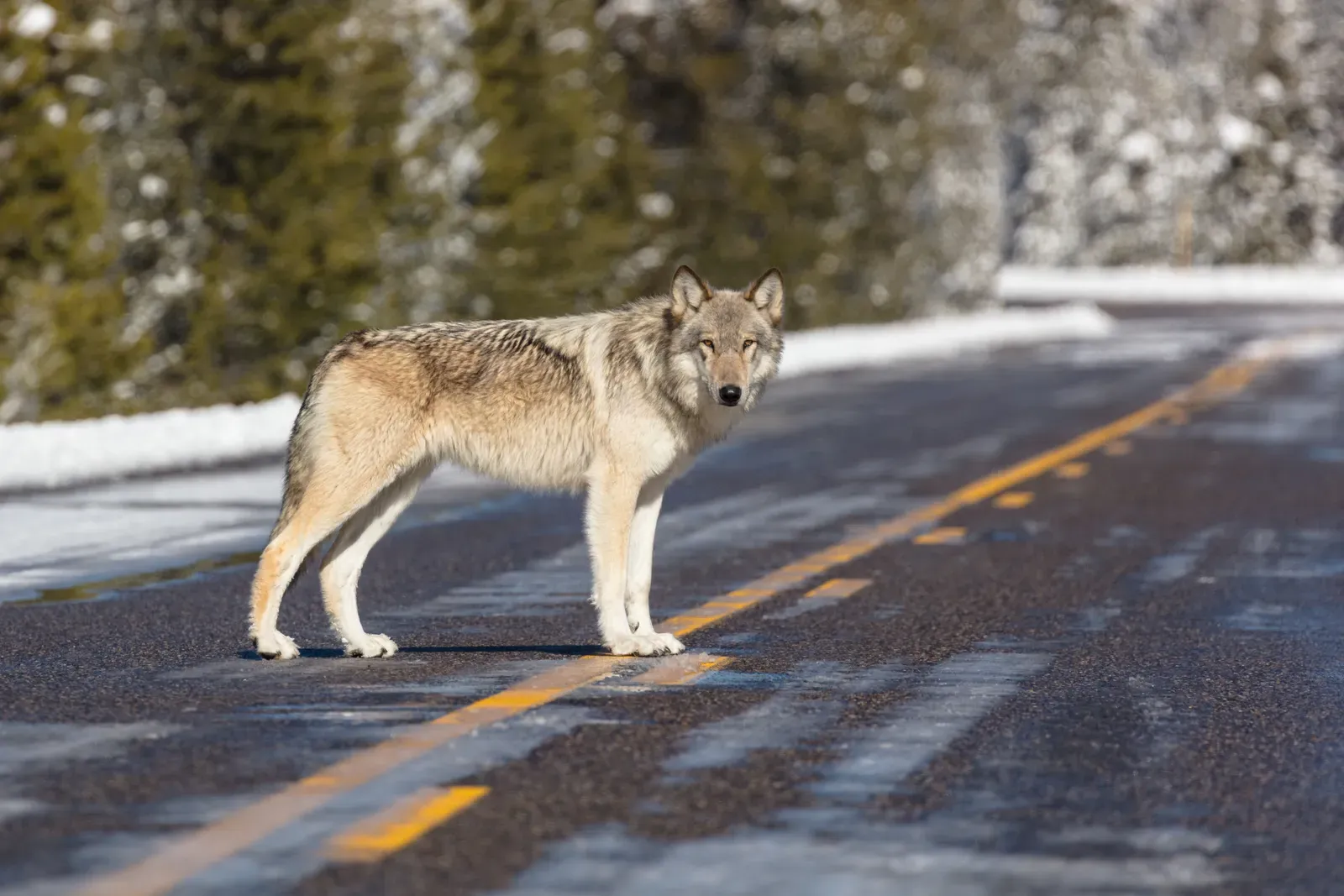
Research has shown that, for the average county, wolf entry reduced deer-vehicle collisions by roughly a quarter, yielding an economic benefit that is 63 times greater than the costs of verified wolf predation on livestock. The mechanism is straightforward: wolves influence where deer move and how freely they roam near roads and open areas.
The reintroduction of wolves to Yellowstone National Park and their subsequent aggression toward coyotes resulted in a roughly half decline in coyote density on the northern range, with declines of up to nine-tenths in core, occupied wolf-pack territories. Fewer coyotes, in turn, allow smaller prey animals and ground-nesting birds to recover in ways that ripple outward through local habitats.
Research also suggests that, because wolves make carrion available to other species during increasingly mild winters, these predators may buffer the effects of climate change and allow scavengers more time to adapt to otherwise negative impacts from an altered climate. It is the kind of unexpected dividend that only becomes visible when researchers look beyond the obvious predator-prey relationship.
Scientists studying the wolf’s role have noted that since the presence or absence of wolves can dramatically affect ecosystem structure and function, this is a major issue for restoration, conservation, and management well beyond wolf recovery alone.
Conclusion: A Recovery Still in Progress
The wolf’s return to the American West is genuinely significant, but it resists the tidiest versions of itself. The early narrative of wolves single-handedly restoring rivers and forests has given way to something more honest: a picture of real ecological change unfolding within a system far too complicated for simple cause and effect.
Cause and effect connections between large carnivores and ecosystem recovery are often difficult to prove, due to complex interactions among species and human impacts. Research is beginning to home in on the specific conditions necessary for predator restoration to trigger ecologically beneficial trophic cascades.
Wolves play a key role in keeping ecosystems balanced, helping to keep deer and elk populations healthy by typically choosing older or sick individuals as prey, which can in turn benefit many other plant and animal species. That role is real, even when its downstream effects are harder to measure than early studies implied.
What is perhaps most striking is how much the wolves’ return has revealed about the ecosystems they left behind. Research led by scientists at Oregon State University has called attention to “shifting baselines,” wherein increasingly degraded conditions come to be viewed as reflecting the historical state of a system. In other words, we had been measuring a broken landscape as though it were whole.
Wolves did not simply return to the West. They returned to a West that had quietly forgotten what it looked like with them in it. That process of remembering, uncertain, contested, and ongoing, may be the most important ecological story of our time.

- 10 Signs a Stray Cat Has Chosen You as Their New Owner - June 14, 2026
- Marine Biology Says the Mantis Shrimp Processes Colour Through 16 Independent Receptor Types – Humans Manage With 3 – and What the Shrimp Perceives That We Cannot Has No Human Instrument Capable of Translating It - June 14, 2026
- Astrophysics Says a Teaspoon of Neutron Star Material Would Weigh Approximately a Billion Tonnes at Earth Gravity – and That Is Not a Rhetorical Flourish It Is a Calculation That Has Been Verified Repeatedly - June 14, 2026