


World Wildlife Day, observed annually on March 3rd, serves as a global reminder of the critical importance of flora and fauna and our duty to protect them. Wildlife plays a vital role in maintaining ecosystem balance and biodiversity. Yet, despite its significance, animal populations worldwide face a staggering decline. Here are nine shocking facts highlighting the urgency of wildlife conservation.
The Silent Extinction

🔥 Would you like to save this?
We'll email this post to you, so you can come back to it later!
In recent decades, the world has witnessed an alarming decrease in wildlife populations. Species that once thrived are now on the brink of extinction. This decline is primarily due to human activities such as habitat destruction, climate change, and overexploitation. Conservation efforts are vital to reversing these trends and protecting our planet’s biological heritage.
1. More Than 60% of Wildlife Has Disappeared

🔥 Would you like to save this?
We'll email this post to you, so you can come back to it later!
A study by the World Wildlife Fund (WWF) and the Zoological Society of London (ZSL) revealed that global wildlife populations have declined by an average of 68% since 1970. This staggering statistic underscores the urgent need for conservation efforts to prevent further loss.
2. Rapid Decline in Freshwater Species
🔥 Would you like to save this?
We'll email this post to you, so you can come back to it later!
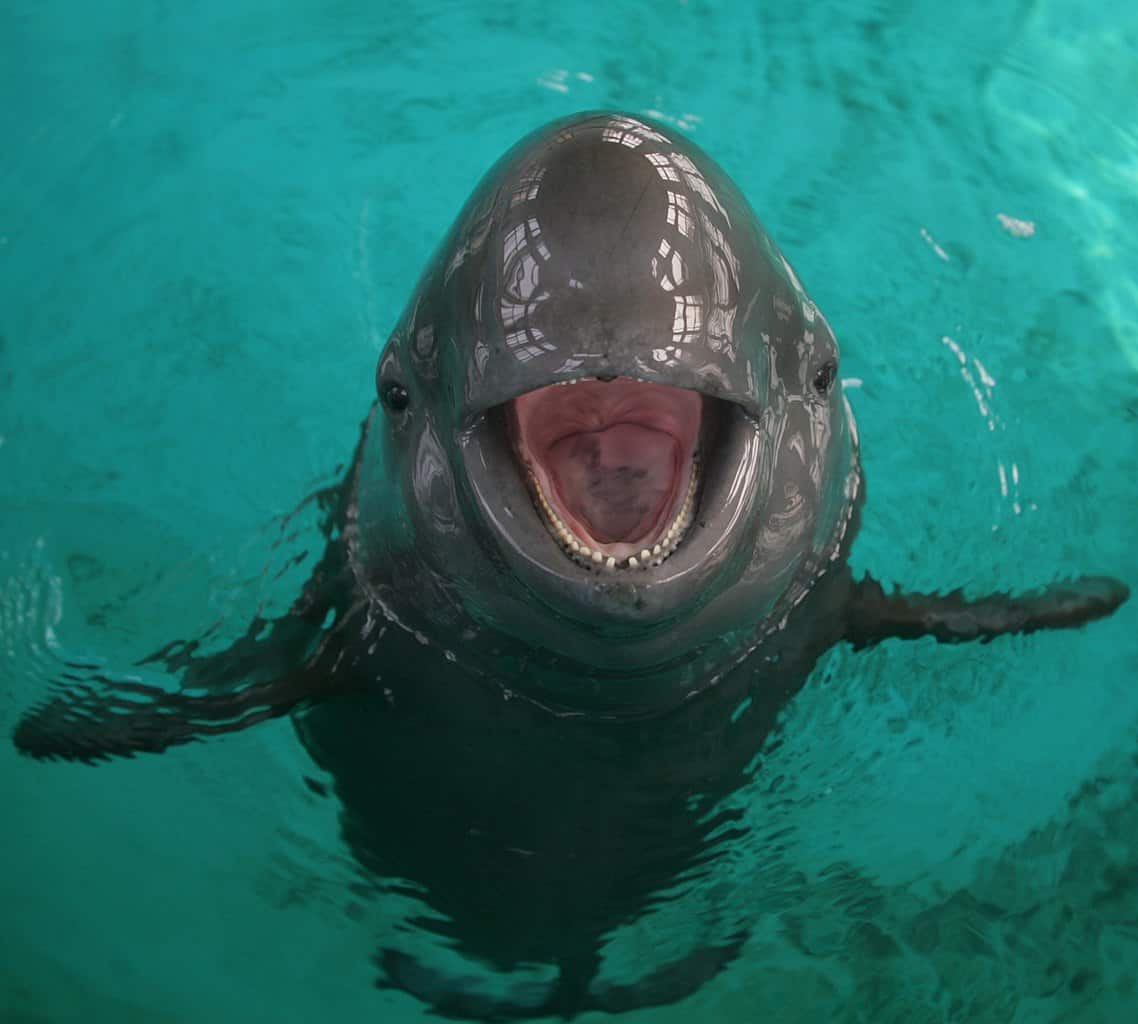
Freshwater species are among the most endangered, with populations plummeting by approximately 84%. Dams, pollution, and water extraction are major contributing factors to this rapid decline. Protecting these ecosystems is crucial for biodiversity and human livelihoods.
3. Deforestation Threatens Countless Species

🔥 Would you like to save this?
We'll email this post to you, so you can come back to it later!
Deforestation is a leading cause of habitat loss for numerous species. Each year, millions of hectares of forest are cleared for agriculture, logging, and urbanization. This destruction not only threatens individual species but also destabilizes ecosystems and reduces carbon storage capacity.
4. The Poaching Crisis

🔥 Would you like to save this?
We'll email this post to you, so you can come back to it later!
Illegal poaching remains a significant threat to many iconic species, including elephants, rhinos, and tigers. Driven by the demand for ivory, horns, and other body parts, poaching has pushed several species to the brink of extinction, prompting global conservation efforts to battle this illicit trade.
5. Marine Life in Peril

🔥 Would you like to save this?
We'll email this post to you, so you can come back to it later!
The oceans, home to an estimated 80% of all life on Earth, are under significant threat. Overfishing, pollution, and climate change have led to sharp declines in marine species. Coral reefs, which support one-third of marine biodiversity, are particularly vulnerable, with half already lost or severely degraded.
6. Climate Change Amplifies Threats

🔥 Would you like to save this?
We'll email this post to you, so you can come back to it later!
Climate change acts as a multiplier for existing threats, altering habitats and food availability for wildlife. Rising temperatures, altered precipitation patterns, and extreme weather events compound the pressures on vulnerable species, making adaptation and survival increasingly challenging.
7. Invasive Species Impact Native Wildlife

🔥 Would you like to save this?
We'll email this post to you, so you can come back to it later!
The introduction of non-native species into ecosystems can have catastrophic effects on local wildlife. Invasive species often outcompete, prey upon, or bring diseases to native populations, leading to significant declines in biodiversity.
8. The Role of Agriculture in Habitat Loss

🔥 Would you like to save this?
We'll email this post to you, so you can come back to it later!
Agricultural expansion is the primary driver of habitat loss worldwide. As demand for food and resources grows, more natural landscapes are converted into croplands and pasture, leaving little room for wildlife. Sustainable agricultural practices are essential to reducing this impact.
9. Urbanization Squeezes Out Wildlife

🔥 Would you like to save this?
We'll email this post to you, so you can come back to it later!
As urban areas expand, they encroach upon natural habitats, leading to fragmentation and loss. This isolates wildlife populations, reducing genetic diversity and increasing vulnerability to extinction. Urban planning that includes wildlife corridors can help mitigate these effects.
A Ray of Hope

🔥 Would you like to save this?
We'll email this post to you, so you can come back to it later!
Despite these daunting challenges, there are success stories. Species such as the giant panda and humpback whale have shown significant recovery due to concerted conservation efforts. These cases demonstrate that with global commitment, wildlife decline can be reversed.
Our Role in Wildlife Conservation

🔥 Would you like to save this?
We'll email this post to you, so you can come back to it later!
World Wildlife Day is more than a commemoration; it’s a call to action. Individuals can contribute by supporting conservation organizations, advocating for sustainable practices, and incorporating environmentally friendly habits into daily life. Together, we can protect and preserve wildlife for future generations.
Last Thoughts

🔥 Would you like to save this?
We'll email this post to you, so you can come back to it later!
In conclusion, the decline in wildlife populations is an urgent global issue that requires immediate action. By understanding the factors contributing to this crisis and actively participating in conservation efforts, we can help safeguard the planet’s incredible biodiversity for generations to come. World Wildlife Day serves as a critical reminder that every action counts in the fight to protect our natural world.

From exploring the marine wonders in the Azores and witnessing the vast savannas of Kenya, to delving deep into the rich biodiversity of South Africa and traversing iconic landscapes in Australia and the US like Yellowstone, Chris's experiences are vast.
With a penchant for diving alongside sharks, the ocean holds a special place in his heart.
Through his academic insights, he champions wildlife conservation, striving with 'Animals Around The Globe' to cultivate a profound connection between humans and animals, enhancing our mutual appreciation.
Connect with him at Feedback@animalsaroundtheglobe.com.
- 15 Wild Animals You Might Spot in U.S. National Parks - November 5, 2026
- Top 10 Animals and Wildlife in Hawaii - November 4, 2026
- Top 10 Animal Encounters in Europe - November 3, 2026