
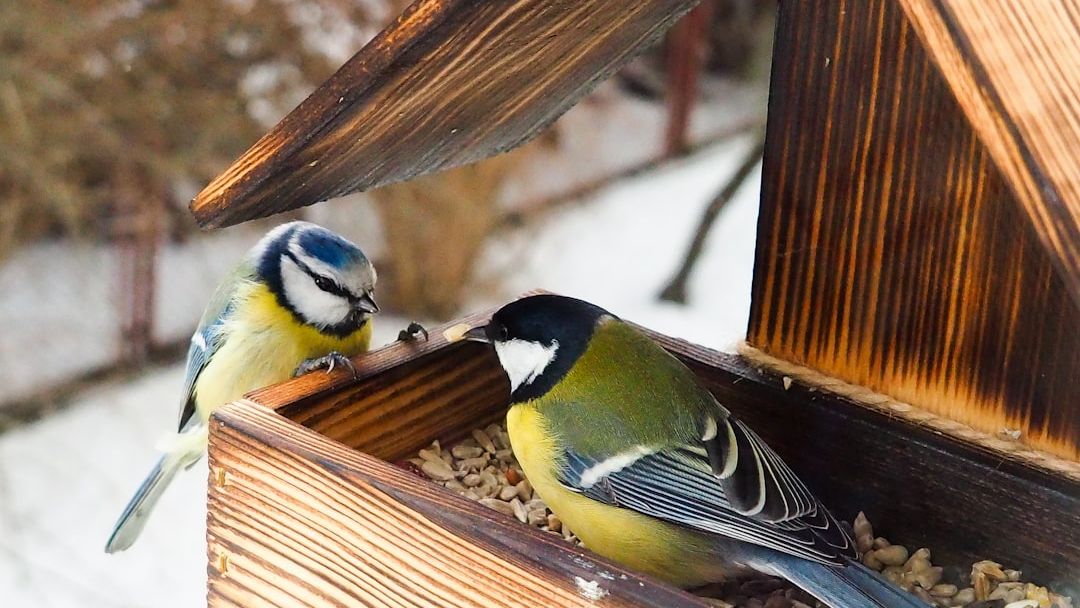
Reflective Windows Create Deadly Illusions
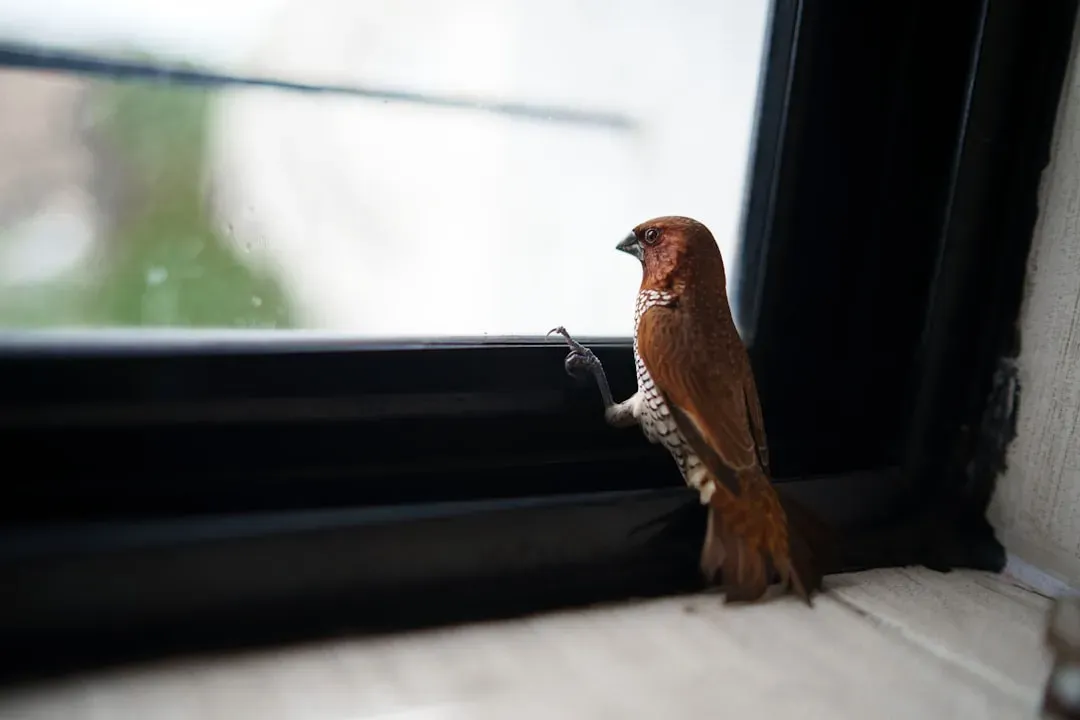
Birds often mistake the reflection in a pane of glass for open sky or a continuation of the landscape. When they fly straight toward what looks like safe passage, the impact proves fatal or leaves them stunned on the ground below. The same window repeats the problem because the angle of light and surrounding vegetation stay consistent from day to day.
Clear glass also lets birds see through to interior plants or another window on the far side of the room. That visual tunnel effect draws them in without warning. Simple adjustments like external decals or lightweight curtains can break the illusion without changing the view from inside.
Outdoor Cats Pose a Silent Threat
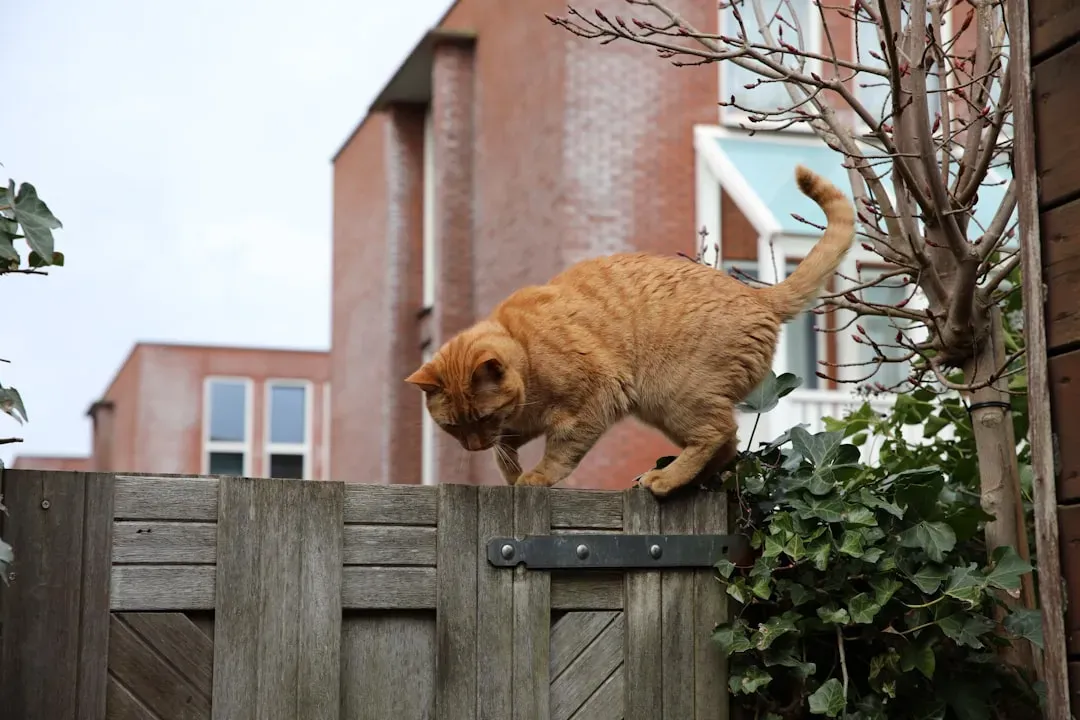
Domestic cats that roam freely tend to return to the same hunting grounds once they learn a reliable route. A single cat can account for multiple strikes in one corner of the yard because the cover, perches, and bird activity remain steady. The remains often cluster near shrubs or under feeders where the cat waits in ambush.
Even well-fed cats hunt for instinct rather than hunger, so the behavior continues regardless of meals provided at home. Motion-activated sprinklers or enclosed cat runs offer one way to limit access while still allowing outdoor time. Neighbors sometimes coordinate on similar steps when the pattern appears across several properties.
Pesticides and Poisons Accumulate in the Food Chain
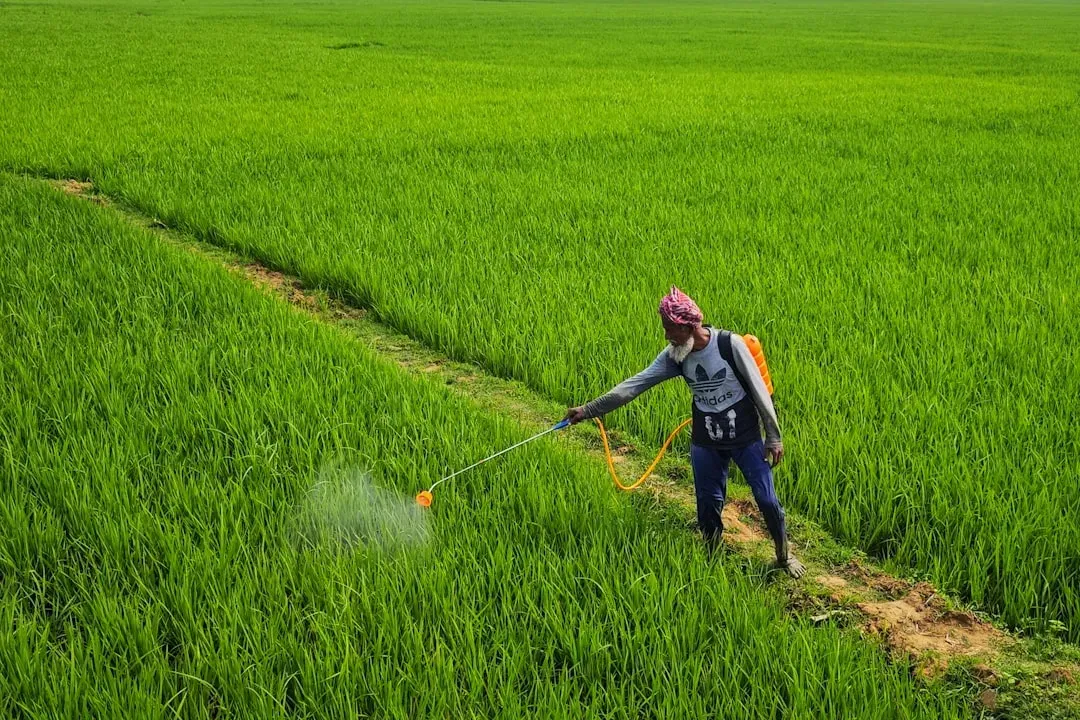
Small amounts of rodenticide or insecticide on insects and seeds can build up inside a bird that feeds repeatedly in one area. The bird then weakens and drops in the same spot where it has been foraging. Lawn treatments applied on a schedule create a steady source rather than a one-time event.
Ground-foraging species such as robins and sparrows pick up residue directly from treated soil or from prey that has already ingested the chemicals. Switching to targeted, least-toxic options or timing applications for periods when birds are less active reduces the overlap. Many communities now share lists of bird-safe alternatives that still control common pests.
Disease Outbreaks Spread Through Shared Resources
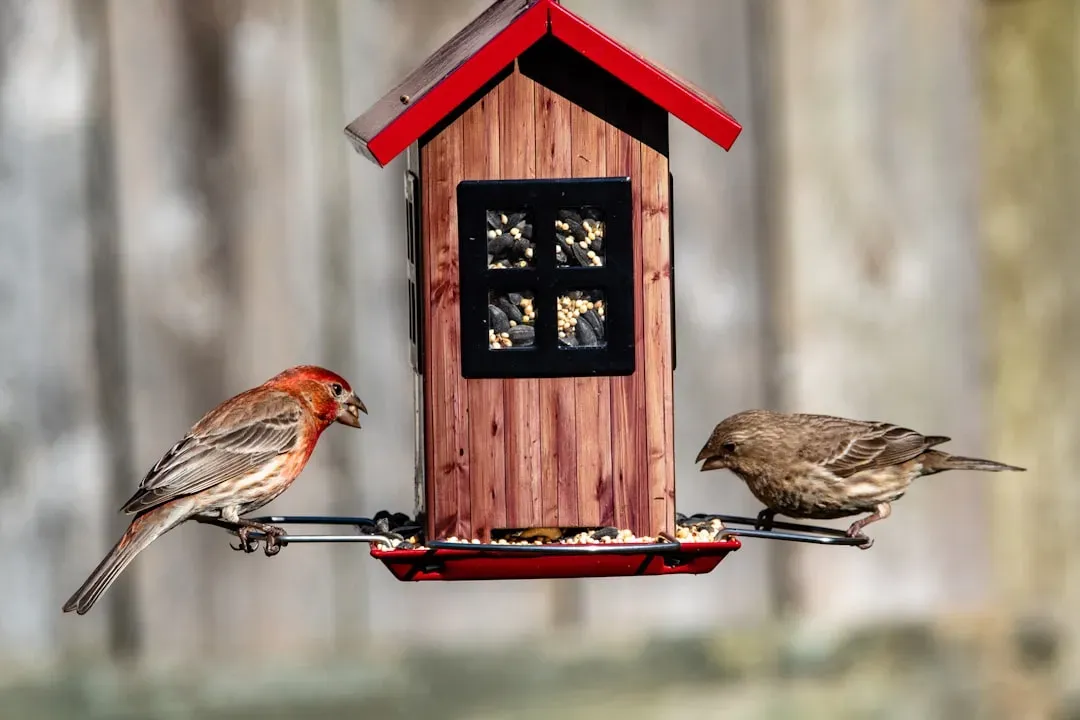
Salmonella and other bacterial infections can linger on bird feeders or in damp soil where multiple birds gather. Once one bird becomes ill, others that visit the same station pick up the pathogen and may die nearby. The location stays consistent because the food or water source does not move.
Regular cleaning with a mild bleach solution and rotating feeder positions can interrupt the cycle. Some experts also recommend spacing out multiple smaller feeders instead of one large station that draws crowds. Watching for unusual lethargy or ruffled feathers at the feeder gives an early signal before deaths begin.
Feeder Placement Attracts Unwanted Attention
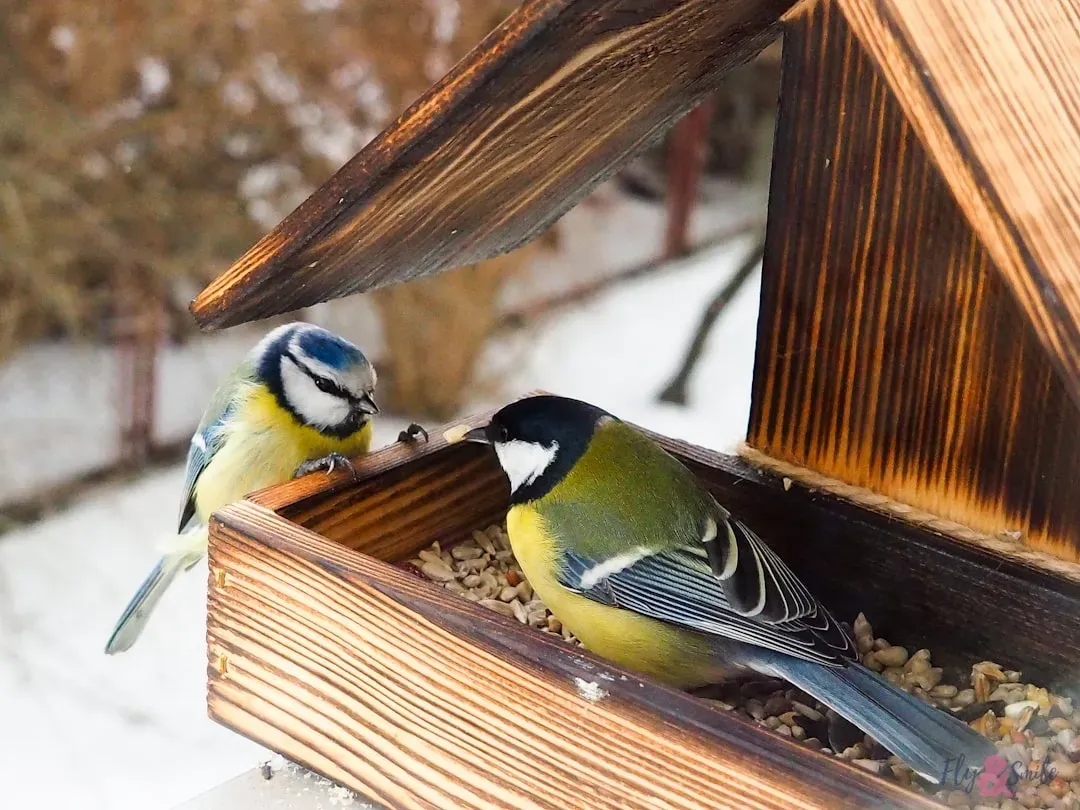
A feeder hung near a window or beside dense cover creates a perfect combination of food and hiding spots for predators. Birds that visit repeatedly learn the route and become predictable targets. The same corner collects evidence because the setup stays unchanged for weeks or months.
Moving the feeder farther from reflective surfaces and into more open ground forces birds to approach from different angles. Adding a baffle below the feeder discourages climbing predators. Observers often notice fewer incidents once the distance from cover increases by even a few feet.
Migration Fatigue Leads to Unexpected Stops
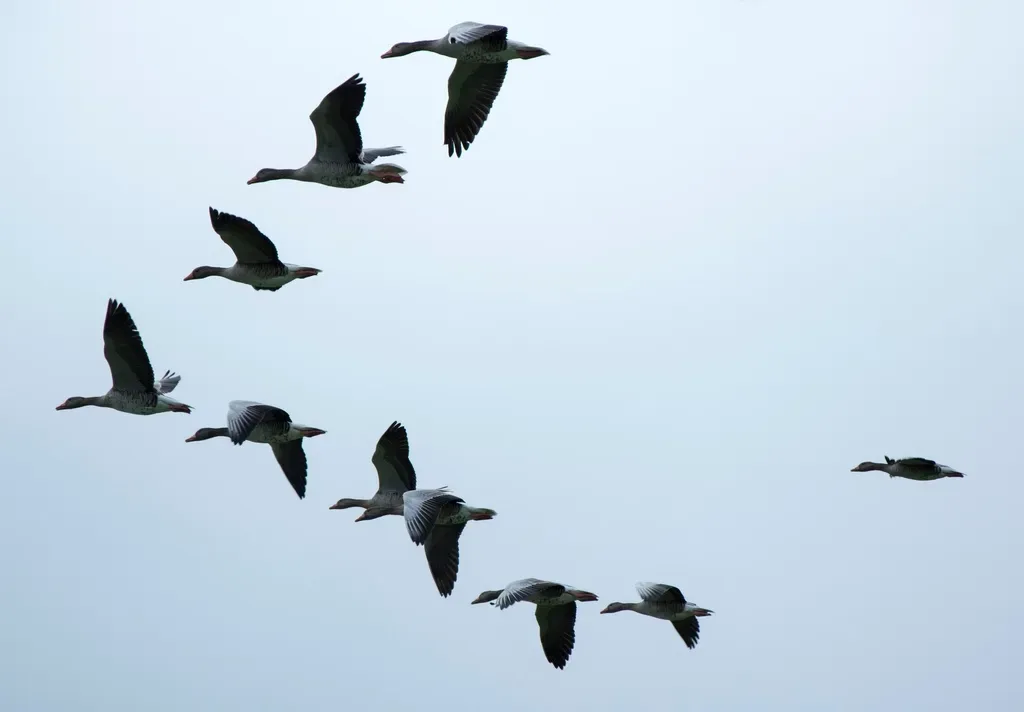
During peak migration periods, exhausted birds sometimes land in the first safe-looking yard they encounter. If that yard offers a consistent light source at night or a particular tree for roosting, the same individuals or species may return on subsequent nights. Collisions or simple exhaustion then occur in the identical location.
Turning off unnecessary outdoor lights during migration windows reduces the attraction. Planting native vegetation that provides natural shelter without creating a trap near glass helps birds rest more safely. Local birding groups often post migration forecasts so residents can prepare in advance.
Habitat Changes Disrupt Natural Behaviors
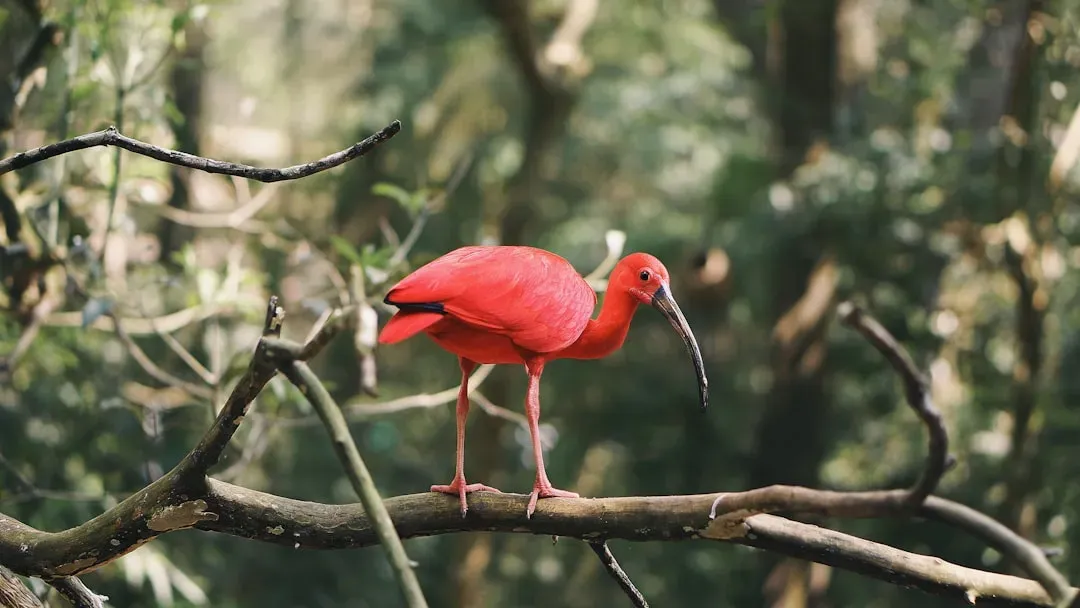
Construction or landscaping shifts can remove traditional perches or food sources, funneling birds into a remaining patch of yard. Once that patch becomes the only reliable stopover, activity concentrates and so do the risks. The pattern appears stable until the surrounding changes settle into a new routine.
Adding a small water feature or leaving a section of lawn unmowed can restore some balance without major expense. Observing which species appear most often helps tailor the adjustments to the actual visitors rather than generic advice. Over time the yard can support birds without becoming a repeated hazard zone. Many people who notice this pattern end up making small, lasting changes that benefit both the birds and the overall feel of their outdoor space. The quiet reminder that a yard is shared territory often lingers longer than the original puzzle.

- Animal Science Says Chimpanzee Grooming Builds Alliances as Much as It Removes Dirt - August 9, 2026
- What Happens If You Never Brush Your Dog’s Teeth? - August 9, 2026
- What Ancient Creature Are You According to Your Zodiac Sign - August 9, 2026