
Worried about unexpected vet bills?
Pet insurance can cover thousands in unexpected vet costs. Get a free quote from Lemonade in under 2 minutes.
Get My Free Quote →Sponsored · Opens Lemonade.com
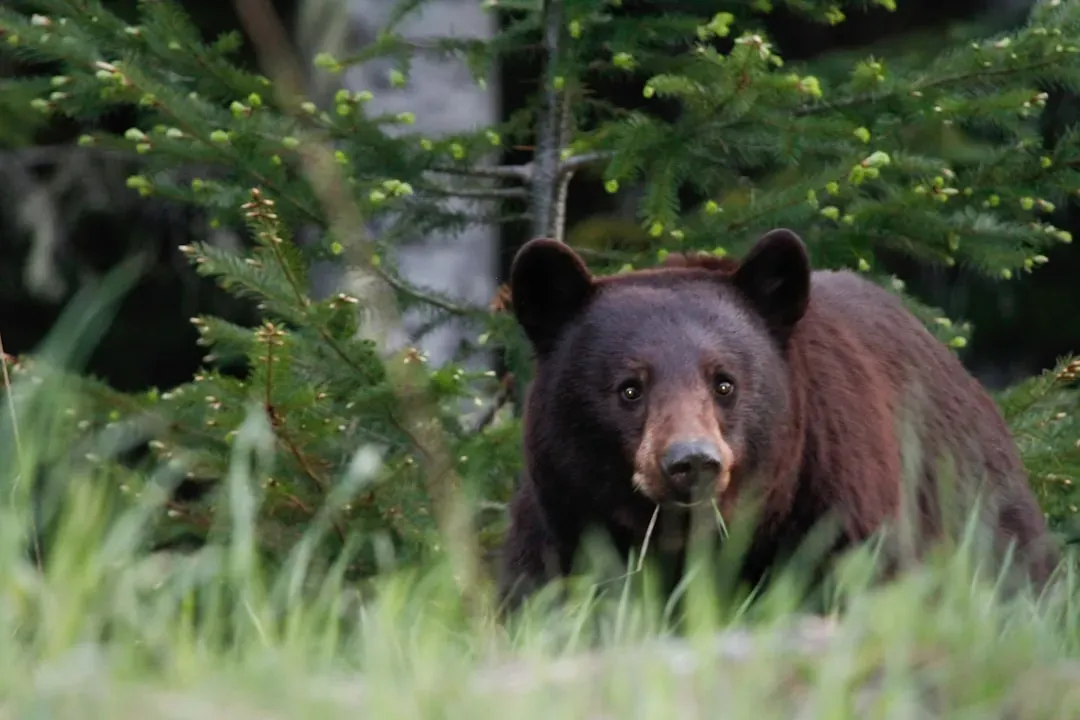
There’s something almost irresistible about the sight of a bear wandering into a campsite. It’s enormous, wild, and somehow magnetic. For a brief moment, the instinct to reach out, to offer a scrap, to create a connection with something that primal feels completely natural.
That instinct is worth resisting. The consequences of feeding ripple far beyond the moment itself, touching the safety of every camper who follows and, ultimately, deciding the fate of the bear itself.
Bears Are Naturally Wary of Humans – Until They’re Not
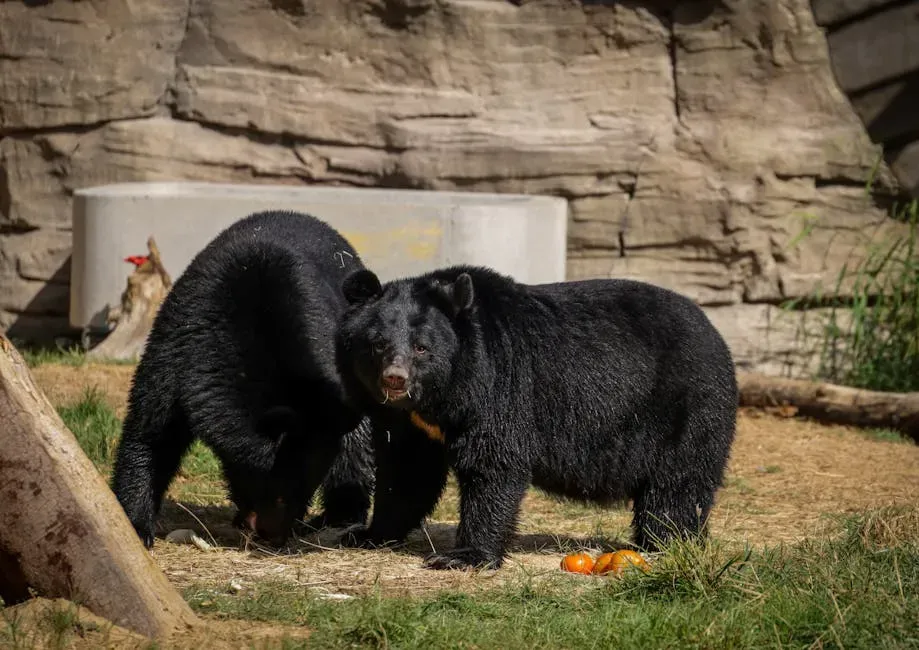
Black bears are naturally wary of people, but they can become less cautious if they repeatedly find food around people. That wariness is not a personality quirk. It’s a survival instinct shaped by thousands of years of evolution, and it’s the single most important buffer between bears and dangerous encounters.
Bears are wild animals and they need to hunt and gather their own food. Once they become dependent on humans for food, they stop fending for themselves. What feels like a generous act from the camper’s perspective is actually the beginning of a quiet unraveling of that instinct.
A handful of trail mix or a sandwich can provide more calories than hours of foraging for berries. Bears, being highly efficient creatures, naturally gravitate toward food sources that provide the most nutrition for the least energy expenditure. The math is simple, and bears are very good at doing it.
One Feeding Can Alter a Bear’s Behavior for Years
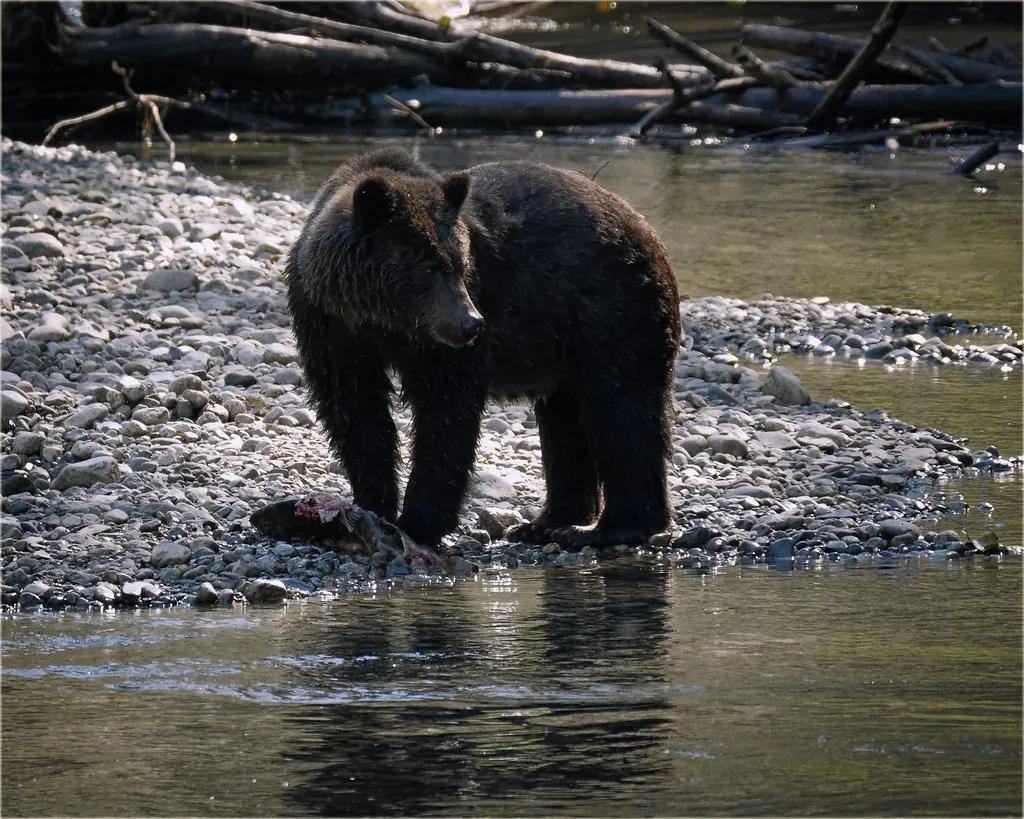
Their exceptional memory helps bears create mental maps of where they’ve found food before. Research shows bears have returned to specific campsites or trash cans years after finding food there, demonstrating the long-lasting impact of even a single feeding incident.
When bears become habituated to human food, their behavior changes in predictable and increasingly dangerous ways. Wildlife biologists recognize a clear progression: it begins with a bear that is naturally wary of humans but overcomes this fear for easy food. The bear then becomes bolder, approaching campgrounds or residential areas with increasing comfort.
Bears have strong campground memories too – that they’re good places to sneak a meal from unwary campers, that is. Once that association is formed, it rarely disappears on its own.
The Danger to Human Safety Is Real and Well Documented
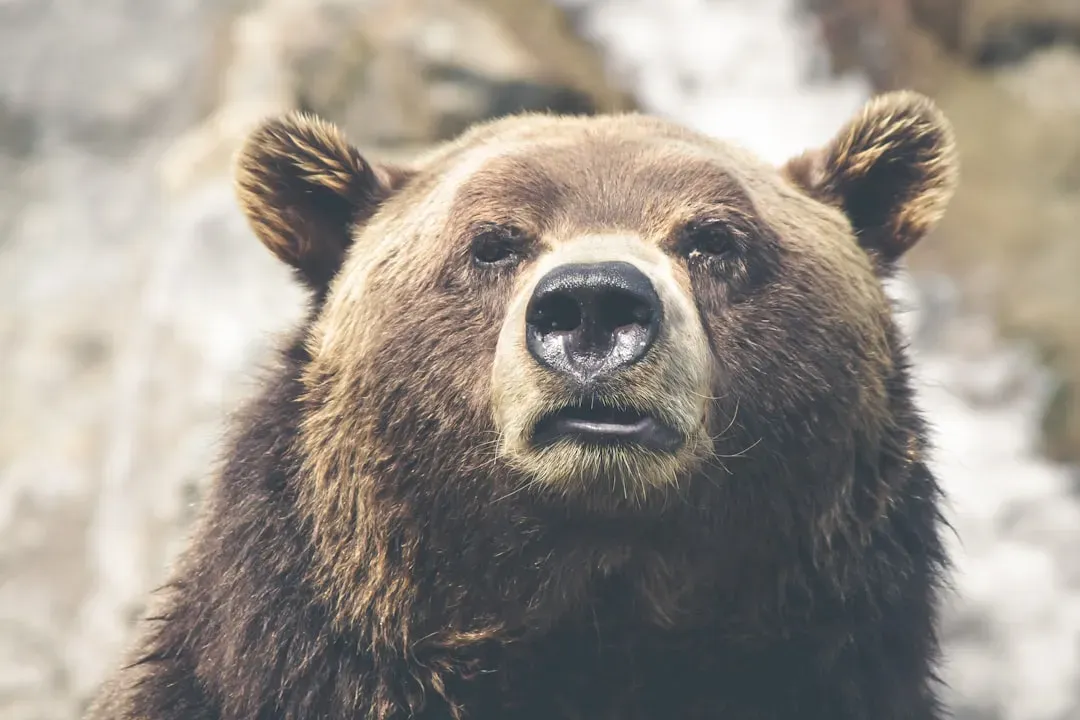
Data from the North American Bear Center shows that food-conditioned bears are responsible for the vast majority of serious bear attacks. These are not typically predatory attacks but rather the result of a bear defending what it now perceives as its food source.
In Yellowstone National Park, before modern food storage regulations, bear-inflicted human injuries averaged 45 per year. After strict food management policies were implemented, injuries dropped to fewer than 1 per year. This dramatic reduction demonstrates that most dangerous bear encounters stem directly from food conditioning that begins with humans feeding bears.
By eating human food, bears can lose their preference for natural food sources and their fear of humans. Over time, these bears may begin approaching people in search of food. They can become aggressive, unpredictable, and dangerous. That’s a serious shift from the docile-looking animal you might spot at the edge of a campsite.
Feeding Bears Is Illegal – and Comes With Real Consequences
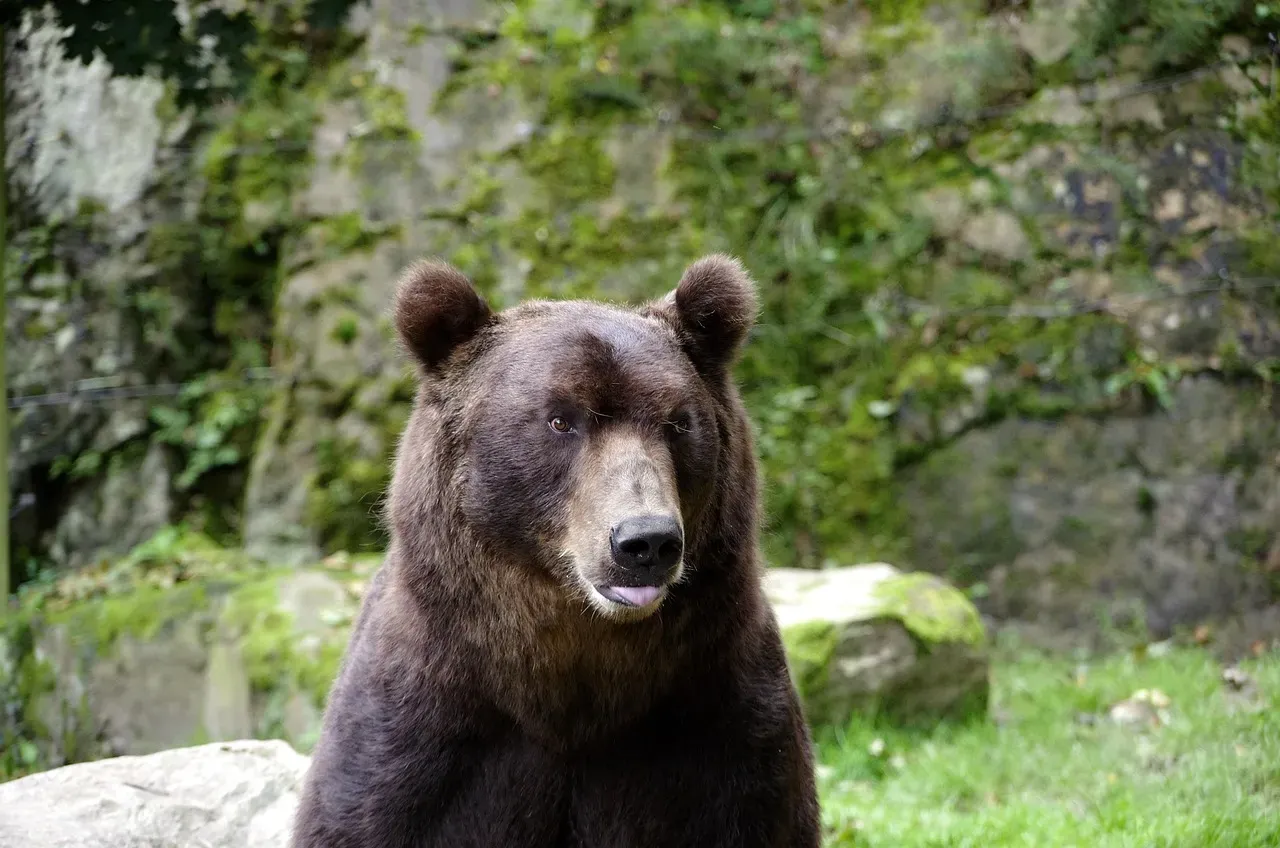
It is illegal to intentionally feed bears. Across nearly all national parks and the majority of state and provincial parks in North America, feeding wildlife carries fines, potential confiscation of equipment, and in some cases criminal charges.
Not following those rules may result in fines, confiscation of food, towing of cars, or other penalties to protect visitors, property, and bears. The penalties vary by jurisdiction, but the intent is consistent: keep the boundary between wild animals and human food firmly in place.
Campers at some campgrounds have been ticketed for treating black bears to food scraps. Such picnicking with wild animals can lead to tragic ends. The law isn’t bureaucratic overreach here – it exists because the pattern of harm is well established and preventable.
The Bear Always Pays the Steepest Price
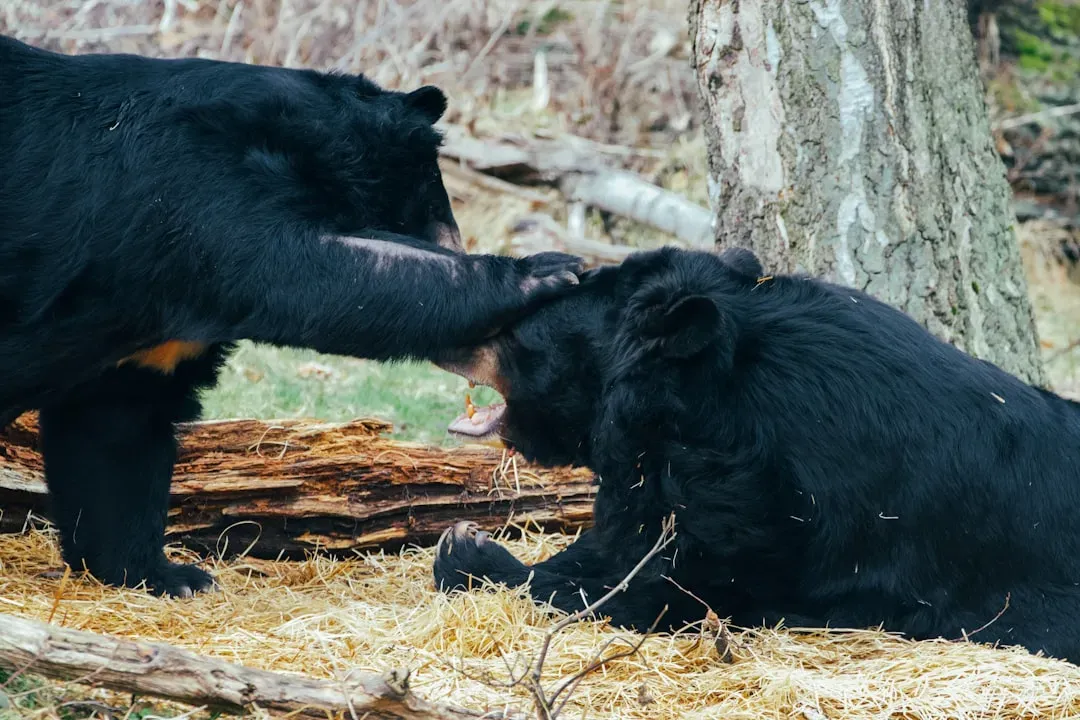
Bears looking for human food and garbage can damage property and injure people. These bears pose a risk to public safety and are often euthanized as a result. The bear that accepts a handout at a campfire doesn’t know it may be receiving a death sentence.
Studies have shown that bears that lose their fear of people by obtaining human food and garbage never live as long as bears that feed on natural foods and are shy and afraid of people. A shorter life, a more dangerous existence, and almost no path back to normal wild behavior – that’s the real outcome of feeding a bear.
When adult bears learn to associate humans with food, they pass this dangerous behavior to their cubs, creating generational problems for bear management. Mother bears teach their young essential survival skills during the one to two years cubs remain with them. A single bad habit taught in a campground can echo through an entire family lineage.
Even Unintentional Feeding Carries the Same Risks
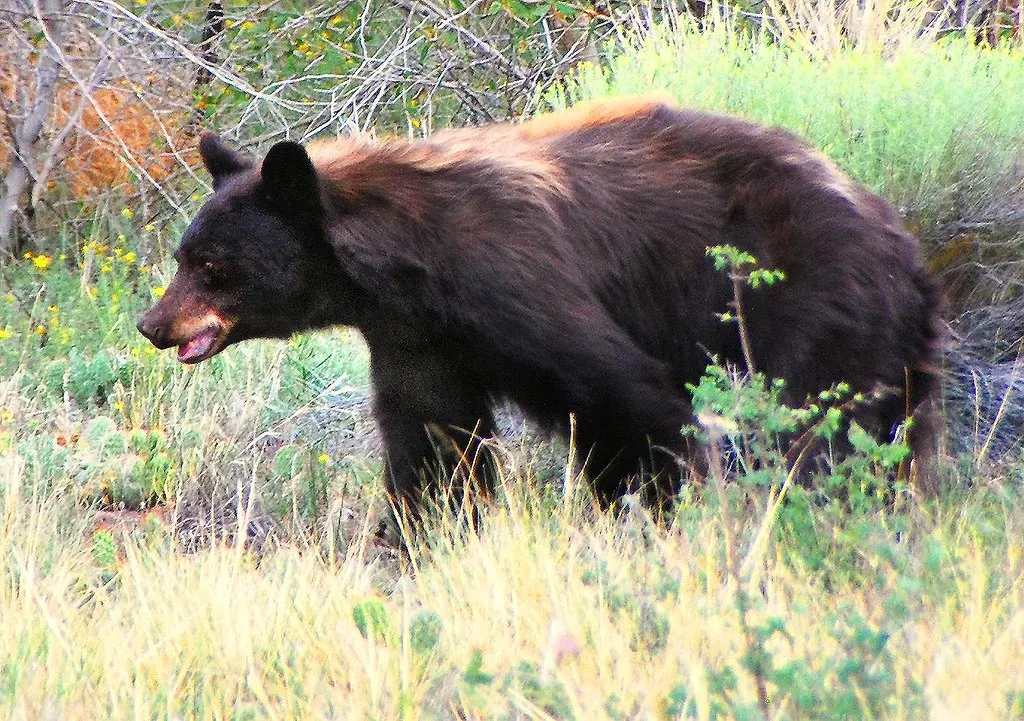
Bears that are intentionally or inadvertently fed items that are not natural to their diet can quickly become habituated to receiving food and may become too comfortable with people and residential areas. The key word here is “inadvertently.” You don’t have to hand a bear a granola bar to cause the problem.
Bears have an insatiable appetite and an amazing sense of smell, and they consider anything with a scent to be “food.” This includes toiletries, sunscreen, cooking clothes, and improperly sealed coolers left under a camping trailer. The bear doesn’t distinguish between an invitation and an oversight.
Don’t bury garbage – bears will find it and dig it up. Never burn garbage or leftovers either, as a campfire isn’t hot enough to completely incinerate trash. These aren’t minor hygiene notes. They are precautions with genuine safety implications for everyone at the campground.
Practical Steps Every Camper Can Take
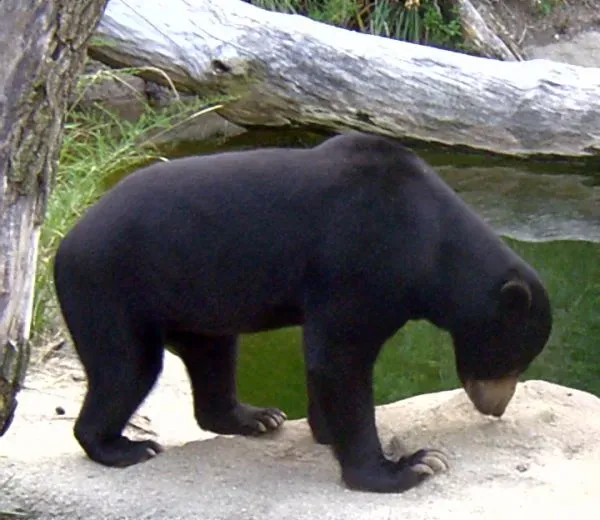
Secure all scented items by hanging them at least ten feet off the ground and five feet from a tree. Restrict all cooking, eating, cleaning activities, and food storage to one hundred feet downwind from tents. These spatial habits create a clear separation between the sleeping area and the scent trail that draws bears in.
Bear spray is a super-concentrated, highly irritating pepper spray proven to be more effective than firearms at deterring bears. Follow all directions on the canister and never spray it inside a tent. Remember, bear spray is no substitute for taking all the proper bear-proofing steps to prevent problems at your campsite.
By being “bear aware” when camping, you help keep bears wild and make the outdoors enjoyable for everyone. That phrase carries more weight than it might seem. A campground that has never rewarded a bear with food is a fundamentally safer place, for people and for bears alike.
Conclusion: Respect Is the Right Word for It
Feeding a bear feels like an act of connection, but it’s closer to an act of erasure. It removes the bear’s wildness one meal at a time, replacing it with something more dangerous and ultimately far less survivable.
The most compassionate action for someone who loves bears is to never feed them, not even once. This seemingly simple rule saves bear lives, protects human communities, and preserves the ecological roles these magnificent animals have played for millennia.
The campground belongs, in a real sense, to the landscape around it. Bears were there long before the fire rings and tent pegs arrived. The most honest form of respect isn’t feeding them on our terms – it’s leaving them wild enough to survive on their own.
Worried about unexpected vet bills?
Pet insurance can cover thousands in unexpected vet costs. Get a free quote from Lemonade in under 2 minutes.
Get My Free Quote →Sponsored · Opens Lemonade.com
