

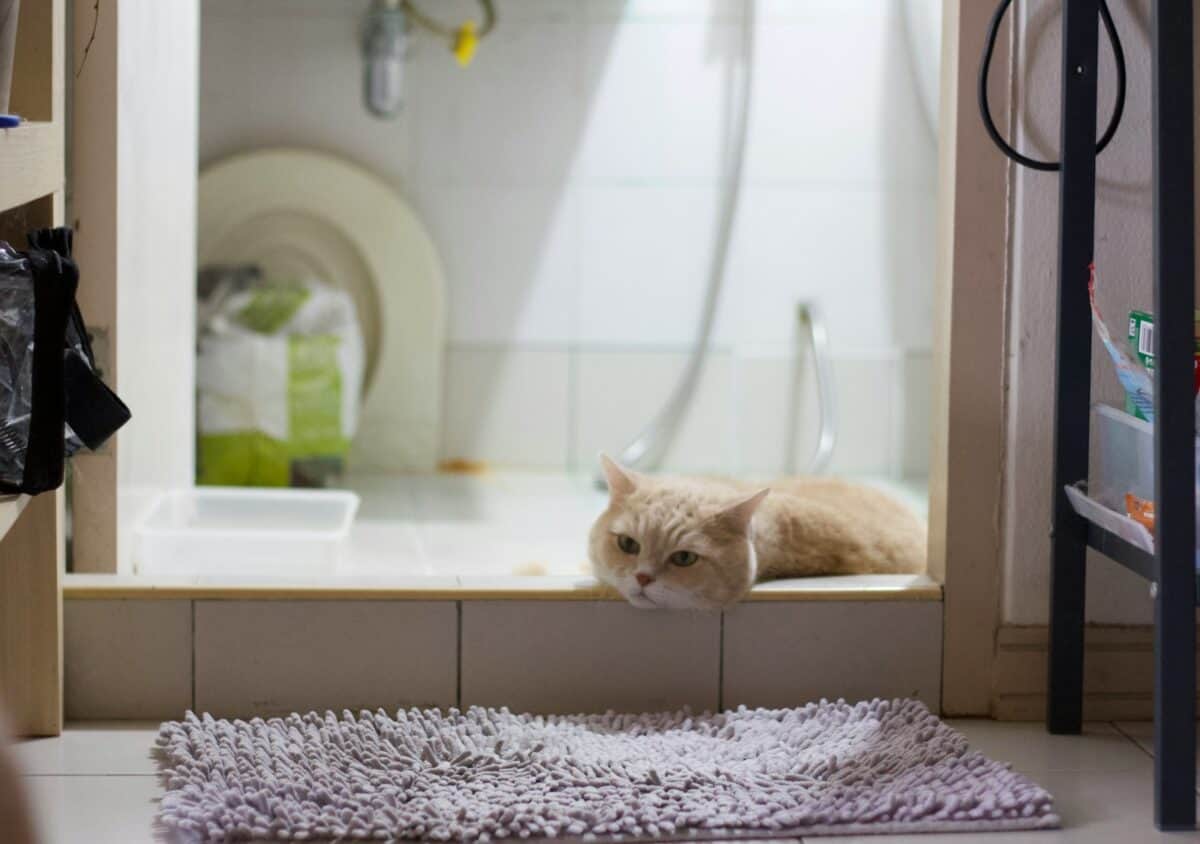
If you’re a cat owner, you’ve likely experienced the peculiar phenomenon of your feline friend following you into the bathroom. Just as you’re about to enjoy a moment of privacy, there they are—peering up at you, perhaps pawing at the door if you’ve managed to close it, or simply making themselves comfortable on the bathmat. This behavior, while sometimes amusing and sometimes perplexing, is actually rooted in fascinating aspects of feline psychology, evolutionary history, and the unique bond between cats and their human companions. Let’s explore the numerous reasons behind this common yet curious cat behavior that has pet owners both charmed and confused.
The Bond of Trust: Why Bathrooms Are Safe Spaces
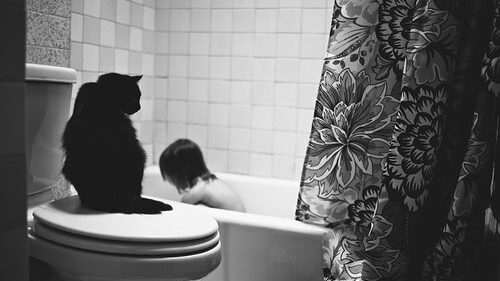
One of the primary reasons your cat shadows you to the bathroom relates to trust and vulnerability. In the feline world, moments of elimination are times of vulnerability. When cats use the litter box in the wild, they’re temporarily defenseless against potential predators. By following you to the bathroom, your cat is demonstrating a profound level of trust. They’re essentially saying, “I’ll protect you during this vulnerable moment.” Conversely, they may also feel that you provide protection while they’re vulnerable. This mutual protection dynamic strengthens the bond between you and your feline companion. Research by animal behaviorists suggests that this protective behavior stems from cats’ evolutionary past as both predators and prey, where group members would stand guard for one another during moments of vulnerability.
Curiosity and Territorial Monitoring
Cats are naturally curious creatures, and few things pique their interest more than a closed door. The bathroom, with its mysterious sounds of running water and unusual human behaviors, represents an intriguing space that cats feel compelled to investigate. Additionally, cats are territorial animals who consider your home to be their domain. When you enter a room and close the door, your cat may follow to ensure they maintain awareness of all activities occurring within their territory. According to feline behavior specialist Dr. John Bradshaw, author of “Cat Sense,” cats may perceive closed doors as artificial barriers that shouldn’t exist within their territory. This territorial monitoring behavior explains why many cats will persistently paw at the bathroom door if left outside—they’re asserting their right to access all areas of their domain.
The Captive Audience Effect
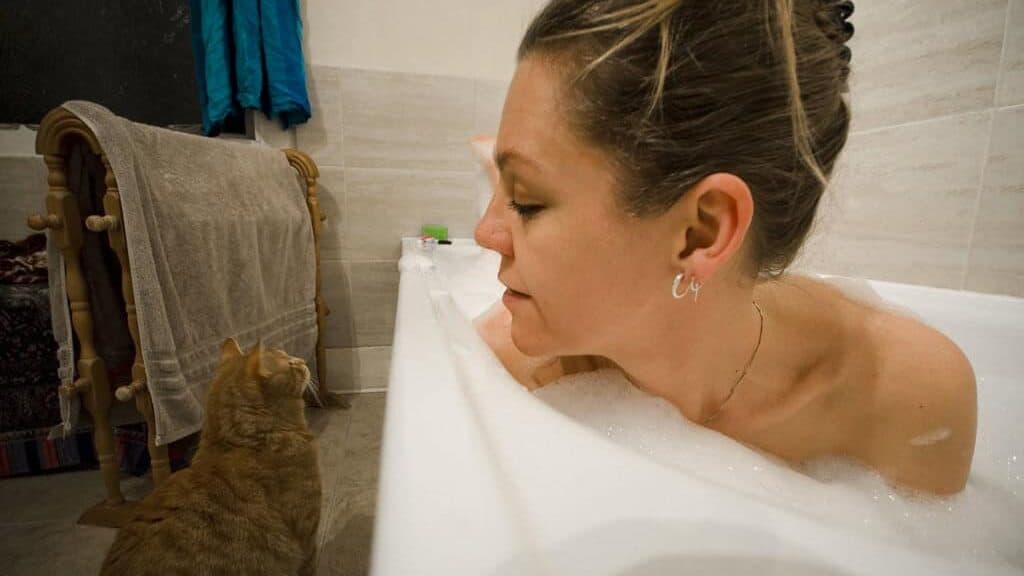
When you’re in the bathroom, you’re essentially a captive audience for your cat. Think about it—you’re sitting still, you’re not occupied with work or household tasks, and you’re generally not actively engaging with electronic devices (though some of us are guilty of bathroom scrolling). For a cat seeking attention, this represents the perfect opportunity for quality time with minimal distractions. Dr. Mikel Delgado, a certified cat behavior consultant, notes that cats quickly learn that humans in bathrooms are more likely to provide undivided attention, petting, and verbal interaction. Over time, this positive reinforcement strengthens the behavior, making bathroom visits a routine social opportunity for your feline friend.
Scent Marking and Communal Activities
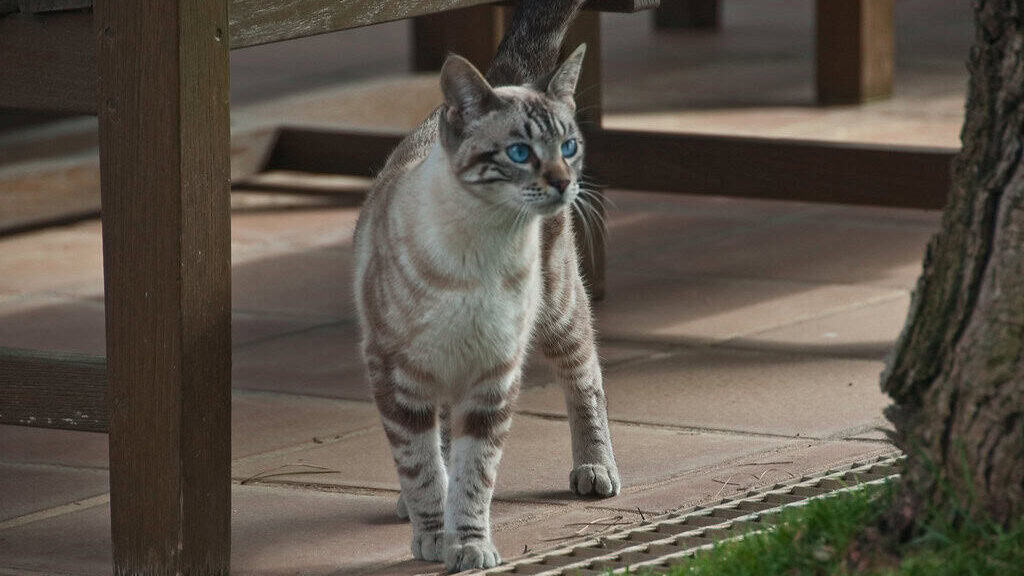
Cats communicate primarily through scent, and bathrooms are hotspots for interesting smells—from toiletries to cleaning products to human biological scents. When your cat follows you to the bathroom, they may be engaging in scent investigation or even adding their own scent to the mix through rubbing against surfaces or you. This behavior has evolutionary roots in wild cat colonies, where group members would use communal elimination areas. By participating in bathroom activities together, your cat may be expressing a form of social bonding that’s instinctually satisfying. A study published in the journal Applied Animal Behaviour Science found that cats use scent sharing as a way to create a “group scent profile,” strengthening social bonds. Your bathroom visits might unwittingly be serving as modern feline social rituals centered around shared scenting activities.
Separation Anxiety and Attachment Behaviors
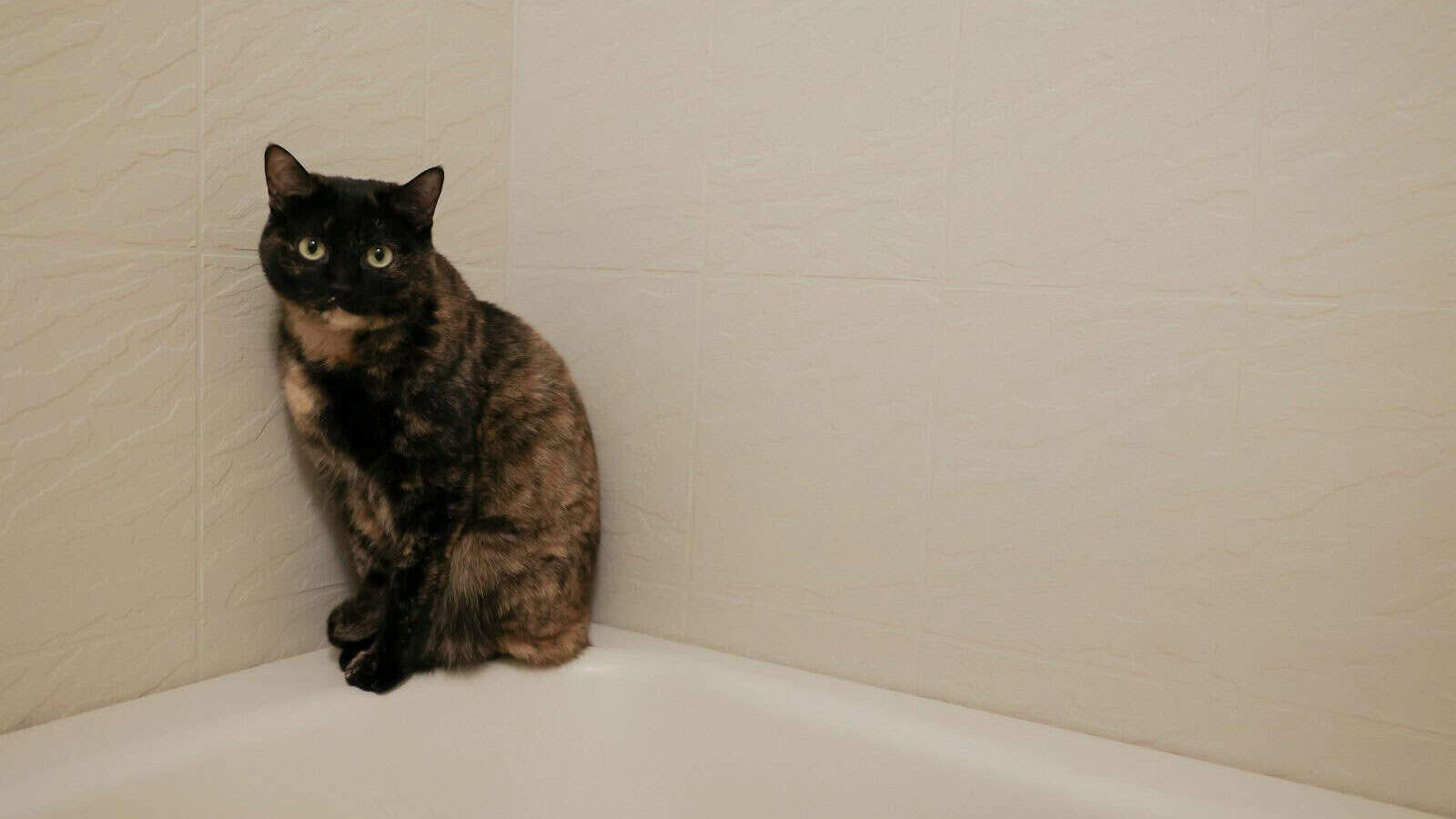
Some cats develop strong attachment to their human companions and experience mild forms of separation anxiety when apart. For these cats, following you to the bathroom may be a manifestation of their desire to maintain proximity. Closed doors represent a physical barrier that triggers anxiety in some cats. Dr. Karen Overall, a veterinary behaviorist, explains that cats with attachment issues may display persistent following behaviors, vocalization when separated, and distress when they cannot access their preferred human. If your cat’s bathroom-following behavior is accompanied by other signs of anxiety—such as excessive meowing, destructive behavior, or house-soiling when left alone—it might indicate a need for behavioral intervention to address underlying anxiety issues. For most cats, however, bathroom following is simply a normal expression of healthy attachment rather than problematic anxiety.
Environmental Enrichment and Bathroom Fascination
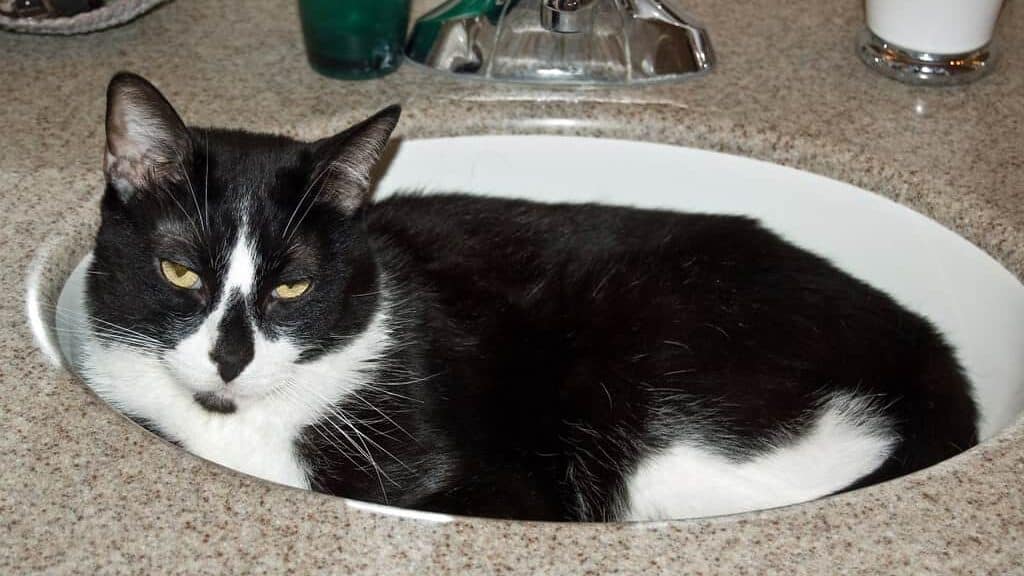
The bathroom environment itself holds particular appeal for many cats. The cool surfaces of tubs, sinks, and tile floors provide comfortable resting spots, especially during warmer months. The acoustics of bathroom spaces can also be intriguing to cats, as sound reverberates differently than in carpeted or furnished rooms. Running water—from faucets, shower heads, or toilet flushes—captivates cats due to their evolutionary attraction to moving water sources. The bathroom also offers numerous opportunities for play and exploration, from batting at toilet paper rolls to investigating cabinets. Feline environmental enrichment specialist Dr. Tony Buffington suggests that bathrooms provide a sensory-rich environment that satisfies cats’ need for stimulation, which explains why some cats choose to spend time in bathrooms even when their humans aren’t present.
Routine and Predictability
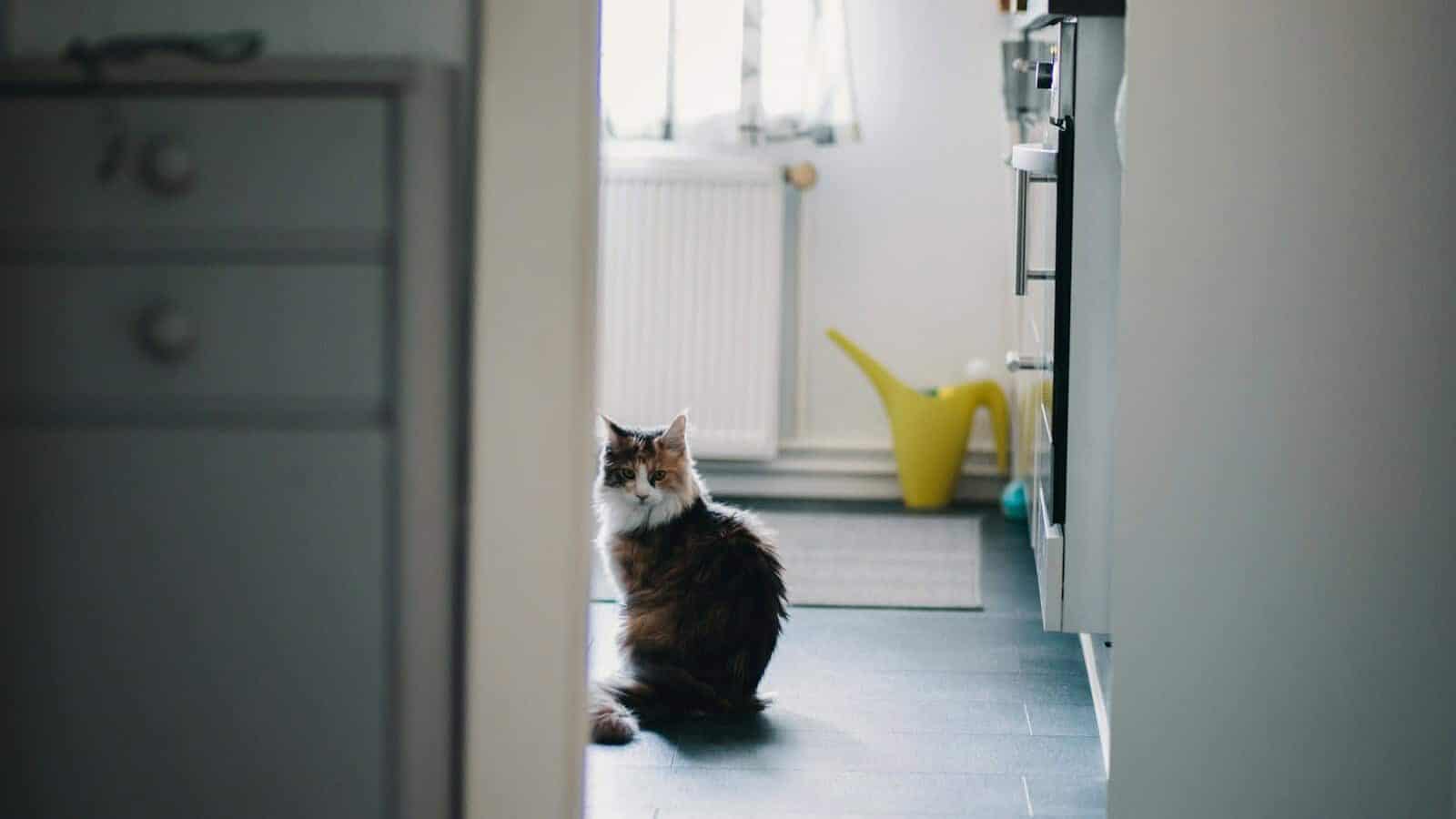
Cats thrive on routine and predictability, and your bathroom habits are likely among the most consistent parts of your daily schedule. Your cat may follow you to the bathroom simply because it’s become an established part of the daily routine. These routines provide security and structure for cats, who are creatures of habit. Certified animal behaviorist Jackson Galaxy explains that cats develop “time maps” of their humans’ activities, anticipating certain behaviors at specific times. Bathroom visits, being relatively consistent in timing and duration, become integrated into these mental time maps. If your morning bathroom routine typically precedes breakfast time for your cat, the bathroom-following behavior might be partially motivated by food anticipation as well as the comfort of routine.
The Appeal of Running Water
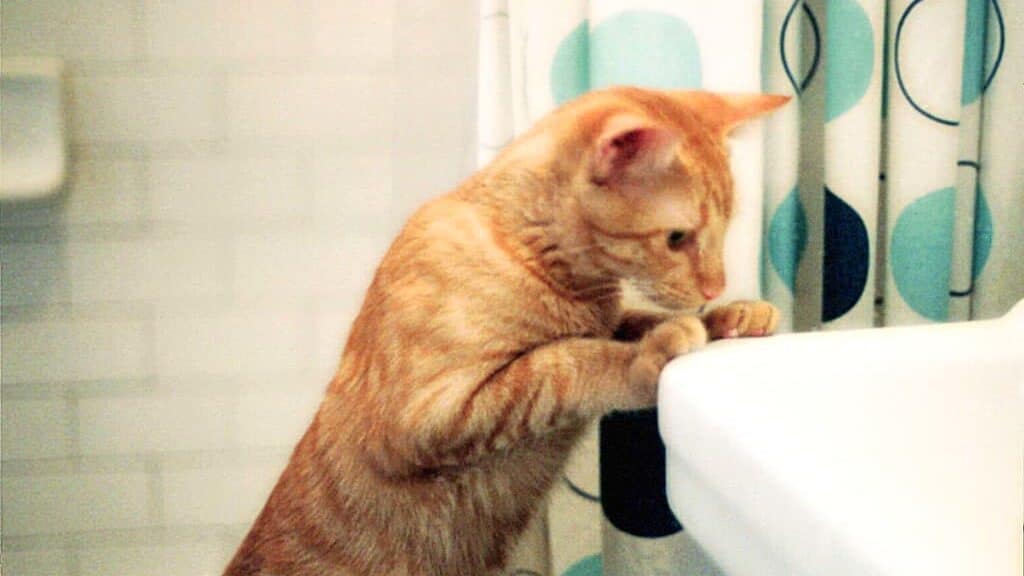
Many cats are fascinated by running water, and the bathroom is full of it. From sink faucets to shower streams to toilet flushes, these water features capture feline attention. This attraction has evolutionary roots—in the wild, running water is typically safer to drink than stagnant water, which might harbor bacteria or parasites. Some cats develop a preference for drinking from bathroom faucets, finding the running water more appealing than their water bowls. Research published in the Journal of Feline Medicine and Surgery indicates that many cats prefer fresh running water, which may increase their water intake and potentially benefit urinary health. If your cat seems particularly fascinated by bathroom water sources, consider providing a cat drinking fountain elsewhere in the home to satisfy this natural preference while giving yourself more privacy.
Social Learning and Mirroring Behaviors
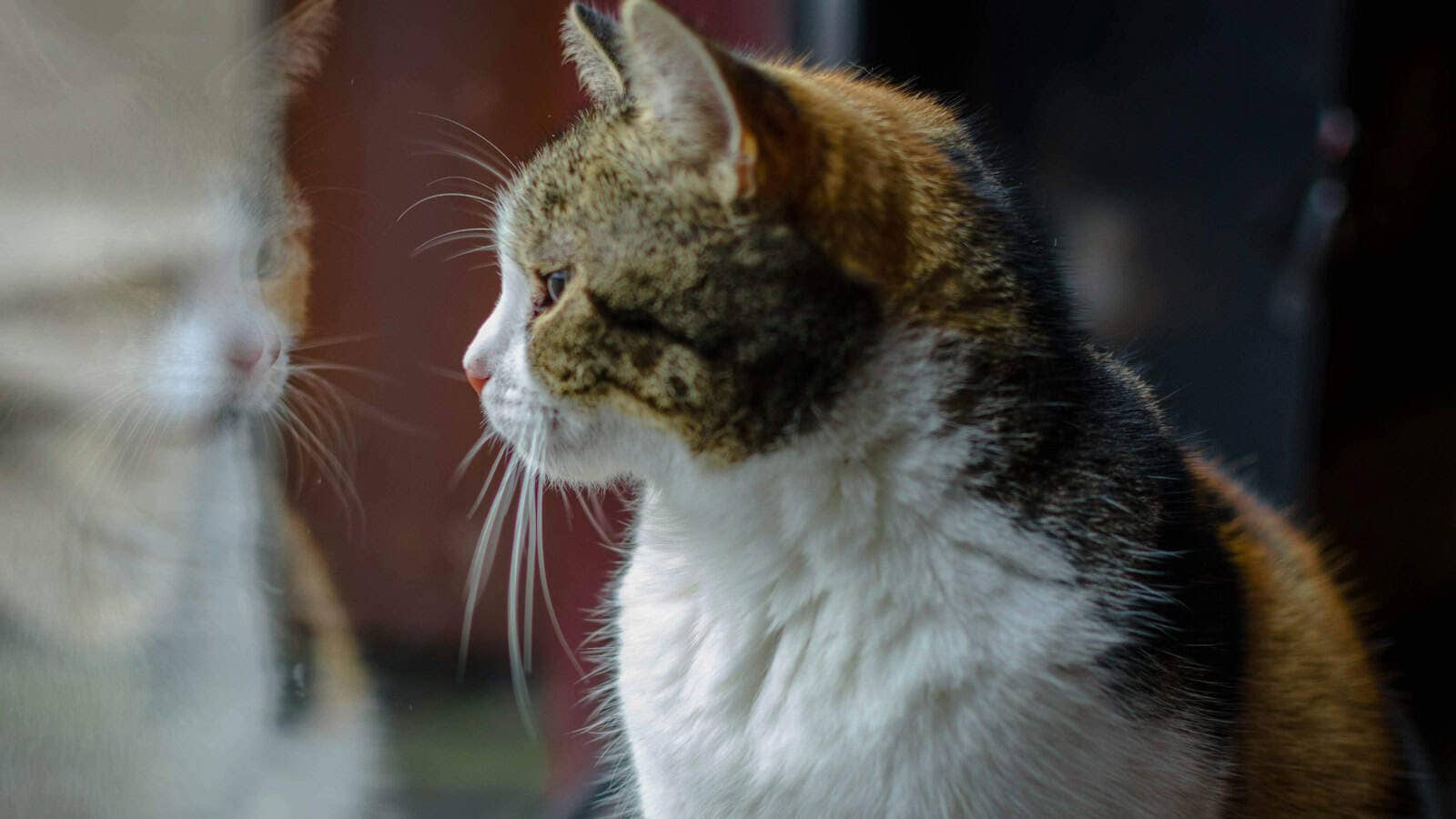
Cats are keen observers who learn through watching their human companions. Through a process known as social learning, cats may follow you to the bathroom out of a desire to participate in activities they’ve observed you engaging in regularly. While they certainly don’t understand the purpose of human bathroom activities, they recognize these as important, routine behaviors. Dr. Carlo Siracusa, director of animal behavior services at the University of Pennsylvania’s School of Veterinary Medicine, notes that cats display a form of social mirroring, where they adapt their behaviors to match the patterns of their preferred humans. This mirroring strengthens social bonds and helps cats integrate into human households. By following you to the bathroom, your cat may be expressing their desire to participate in what they perceive as important social rituals.
The Vulnerable Human Theory
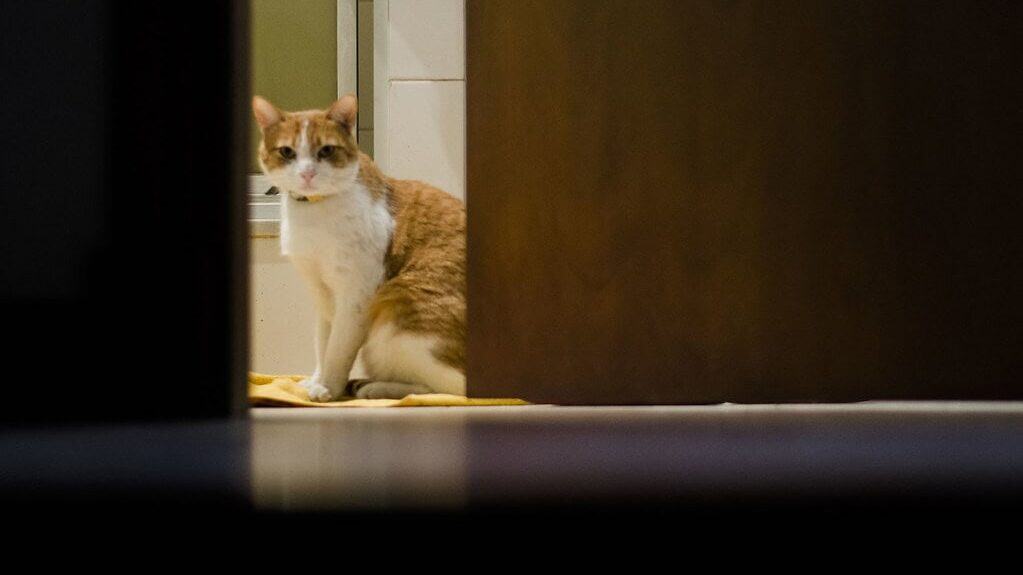
An interesting perspective on bathroom-following behavior relates to how cats perceive humans in the bathroom. When using the toilet, humans are in a physically vulnerable position—seated, with movement restricted. Some feline behavior experts suggest that cats may recognize this vulnerability and follow to provide protection or companionship during these moments. This theory aligns with observations of feral cat colonies, where group members often maintain proximity during vulnerable activities. Veterinary behaviorist Dr. E’Lise Christensen notes that cats may perceive subtle changes in human posture, movement, and attention when using the bathroom, triggering protective or social responses. While this theory remains somewhat speculative, it offers an intriguing explanation for why many cats seem particularly intent on bathroom companionship.
The Reward History: Positive Reinforcement
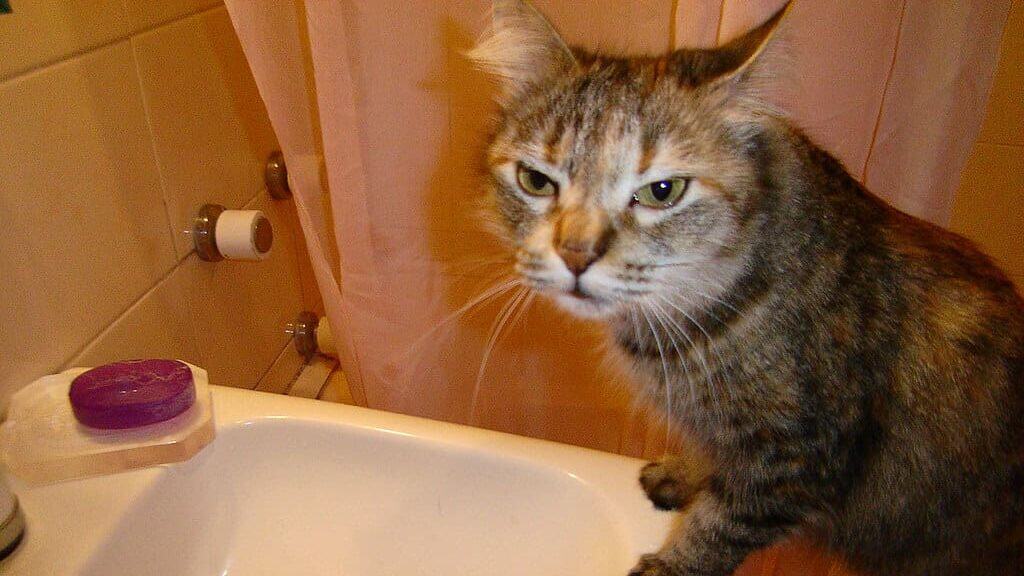
If you’ve ever petted your cat, talked to them, or offered treats while they’re in the bathroom with you, you’ve unwittingly reinforced the behavior through positive association. Cats quickly learn which behaviors yield rewards and repeat those behaviors accordingly. Even reactions that seem negative to humans—like laughing at their antics or expressing mock exasperation—can serve as reinforcement if the cat perceives them as attention. Applied animal behaviorist Dr. Sophia Yin explained that cats are excellent at training humans to respond to their behaviors in ways that meet their needs. If your bathroom-following cat consistently receives attention, affection, or play during these encounters, they’ll continue seeking these interactions. This learning process explains why some cats become increasingly persistent in their bathroom-following behavior over time—the behavior has reliably produced desirable outcomes from their perspective.
When Bathroom Following Becomes Excessive
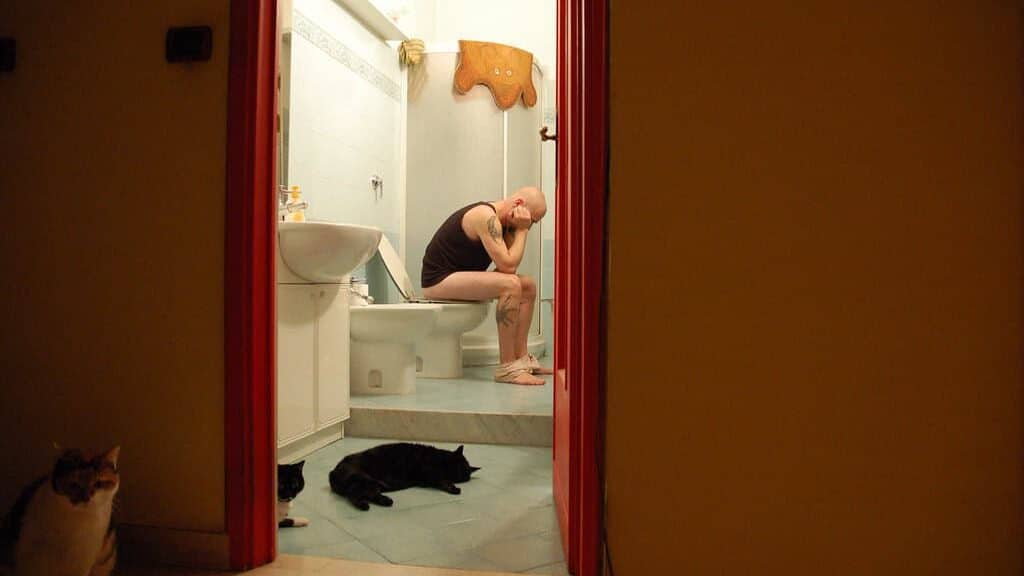
While bathroom following is generally normal behavior, there are instances where it might indicate underlying issues. If your cat seems unusually clingy, follows you everywhere (not just to the bathroom), vocalizes excessively when separated from you, or shows signs of distress when you’re out of sight, these could be symptoms of separation anxiety or insecurity. Additionally, sudden changes in bathroom-following behavior might warrant attention. If a previously independent cat suddenly becomes clingy, it could indicate illness or pain, as cats sometimes seek proximity to trusted humans when not feeling well. Dr. Nicholas Dodman, professor emeritus at Tufts University’s Cummings School of Veterinary Medicine, recommends consulting with a veterinarian if bathroom following is accompanied by other behavioral changes, lethargy, changes in appetite, or signs of physical discomfort. In most cases, however, bathroom following is simply normal cat behavior that, while sometimes inconvenient, represents healthy social bonding.
Your cat’s bathroom-following behavior, while sometimes amusing and occasionally frustrating, represents a complex blend of evolutionary instincts, social bonding, and learned behaviors. Far from being random or meaningless, this common feline habit offers insights into your cat’s perception of your relationship and their place in your shared environment. Whether motivated by protection, curiosity, attention-seeking, or simply the comfort of routine, your cat’s bathroom visits demonstrate their integration into your life and their desire to maintain connection. Rather than viewing these behaviors as invasions of privacy, consider them expressions of the unique human-feline bond that has evolved over thousands of years of companionship. By understanding the multiple factors contributing to this behavior, you can appreciate these moments as opportunities for connection—or gently redirect your cat if you truly need those few minutes of privacy.

- This Lizard Can Breathe Underwater - July 22, 2026
- The Wild Horses of North Carolina’s Coast - July 22, 2026
- These Creatures Can Freeze Themselves to Survive - July 22, 2026