

Have you ever wondered why your neighbor’s little Chihuahua is still trotting around at fifteen while a Great Dane down the road barely makes it past eight? It’s one of those things that seems unfair, almost cruel, but there’s a deeply fascinating science behind it. Your dog’s breed isn’t just a personality blueprint or a style choice – it may be one of the most powerful predictors of how long they actually live.
The connection between breed and lifespan runs far deeper than most pet owners realize. It threads through genetics, body size, skull shape, selective breeding history, and even the specific diseases certain bloodlines are prone to. So if you’ve ever looked at your dog and quietly asked yourself, “How long do I get with you?” – the answer might be hiding in their breed. Let’s dive in.
The Staggering Size Secret: Why Big Dogs Age in Fast Forward

Here’s a fact that genuinely floored me the first time I read it. Dogs exhibit a vast range of lifespans, from roughly seven to seventeen years, and among domesticated animals, this level of within-species variation is truly exceptional. Think about that for a second. We’re talking about the same species spanning nearly a decade of potential life difference – just based on size.
Large body size is normally one of the best predictors of a long lifespan across species of mammals. In marked contrast, there is considerable evidence that within species, larger individuals are actually shorter-lived. This apparent cost of larger size is especially evident in the domestic dog, where artificial selection has led to breeds that vary in body size by almost two orders of magnitude and in average life expectancy by a factor of two.
In one large study, small dogs had a longer median lifespan at nearly 15 years, medium-size dogs lived an average of just under 14 years, and large dogs lived a little over 13 years. The dog’s body size was the most important variable in predicting lifespan, more important even than whether or not the dog was purebred.
Research comparing size and age-related mortality in dogs shows that larger dogs die younger because they age significantly faster than smaller dogs. It’s a bit like watching a time-lapse of a flower blooming – beautiful, but breathtakingly brief. The driving force behind the trade-off between size and lifespan is apparently a strong positive relationship between size and aging rate. Large dogs die young mainly because they age quickly.
The Cancer Connection That Scientists Didn’t Expect
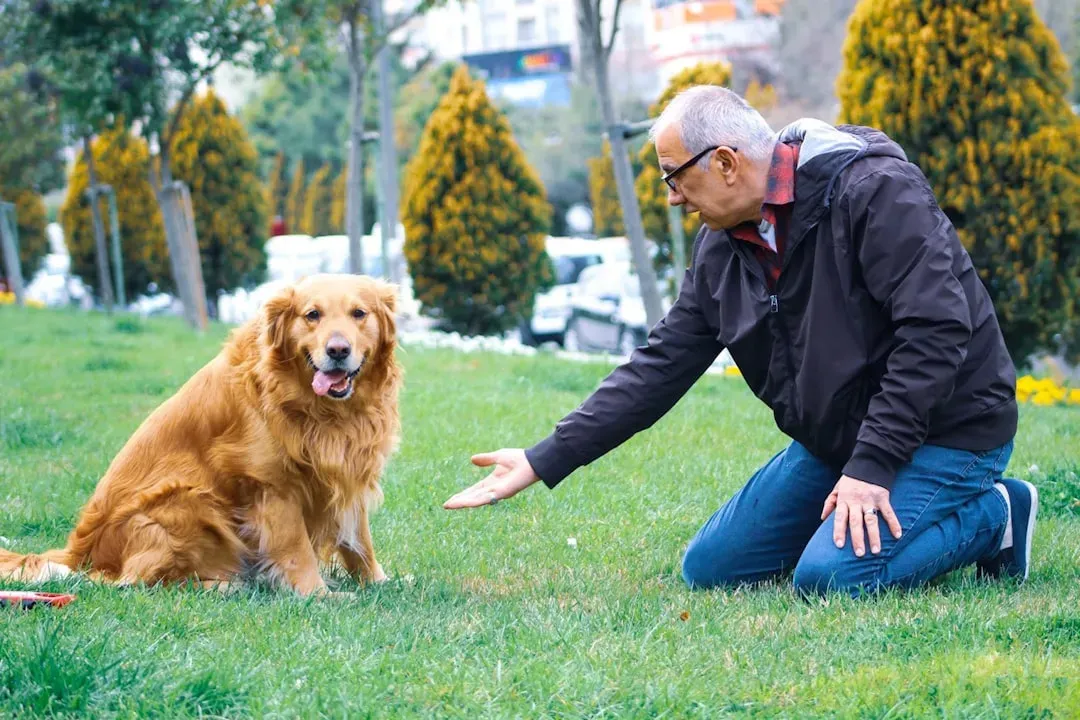
Honestly, this is where things get really uncomfortable. University of Adelaide experts examined the causes of differences in lifespan and death in 164 dog breeds, ranging in size from Chihuahuas to Great Danes, and discovered that larger dogs were more likely to die from cancer at a younger age when compared with smaller dogs.
Larger dogs didn’t necessarily age faster than smaller breeds in every sense, but the research clearly showed that as a breed’s average body weight increased, so did the rates of cancer. That’s a haunting correlation. According to a study published in the journal American Naturalist, larger dogs are more likely to die earlier because our selective breeding to make them larger has made them more susceptible to cancer. The researchers suggest that these higher cancer rates may be a result of an “evolutionary lag” in their natural defenses against cancer after we rapidly bred them to be larger.
The accelerated rate of growth required by the drastic change in size exhibited in giant breeds is speculated by scientists at the American Kennel Club to lead to a higher risk of abnormal cell growth and cancer. Let’s be real – we bred these dogs to be giant, and their bodies simply haven’t had enough evolutionary time to catch up with the cellular risks that come with it.
Recently published work by the Dog Aging Project shows large dogs are more likely to develop cancer, orthopedic disorders, and digestive troubles, while small dogs were more susceptible to problems with their eyes, heart, liver, pancreas, and respiratory system. It’s a trade-off either way, but the cancer burden on larger breeds remains especially stark.
It’s Not Just Size – The Surprising Role of Your Dog’s Face Shape
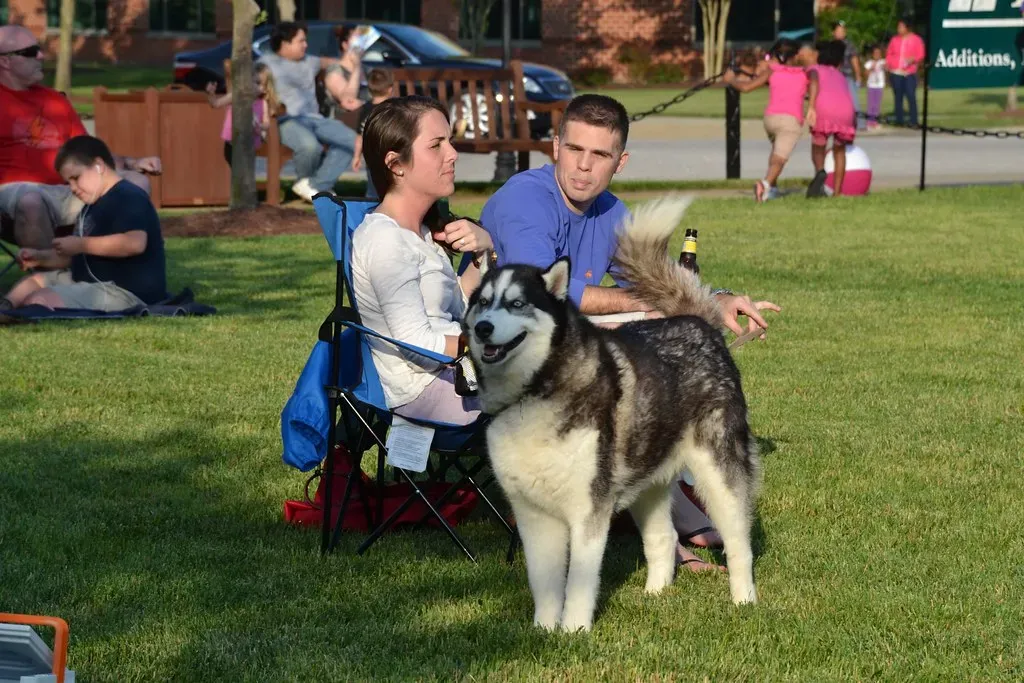
This one catches most people completely off guard. It turns out the shape of your dog’s face may matter just as much as their overall body size when predicting how long they’ll live. A 2024 study published in the journal Scientific Reports involving 584,734 British dogs across over 150 breeds revealed that larger breeds and those with flattened faces tended to have shorter average lifespans compared to smaller dogs and breeds with elongated snouts.
Smaller, longer-nosed dogs such as Shetland Sheepdogs or Whippets had the longest life expectancy, with a median of over 13 years. Meanwhile, the picture for flat-faced breeds is grimly different. The lifespan of dogs with extreme brachycephalic conformation is shorter, averaging 8.6 years, compared to 12.7 years for all other breeds of dogs.
These breeds are strongly predisposed to a range of severe disorders, including respiratory disease, eye disease, spinal disease, heat stroke, and pneumonia, and their lifespan is reduced by an average of four years compared to dogs with longer muzzles. That’s not a small gap. That’s nearly half a decade of life, vanished because of a skull shape we bred to look cute.
Brachycephalic dogs are up to roughly forty percent more likely to have a shorter lifespan than their counterparts with typically shaped faces. The tissues from the mouth, windpipe, and lungs are squashed into a smaller, enclosed space, so dogs struggle to breathe sufficient air and oxygen and their airways are narrow and twisted abnormally. I know it sounds harsh, but those lovable squished faces come at a real biological price.
Purebred vs. Mixed Breed: The Hybrid Vigor Debate

Here’s the thing – this is where the science gets genuinely messy, and I find that kind of exciting. The long-held belief that mixed-breed dogs always outlive purebred dogs turns out to be far more complicated than anyone expected.
The belief that mixed breed dogs are healthier and thus live longer than purebred ones is backed by data. A 2023 study showed mixed breed dogs lived longer than large and giant purebred dogs. The greater longevity of mixed breed dogs has often been attributed to “hybrid vigor,” or the increased vitality of offspring combining the best of two very different parents.
Yet here’s the twist. Research on the longevity of mixed-breed and purebred dogs has yielded mixed results, with most studies suggesting that mixed-breed dogs live longer than purebred dogs. However, a more recent study has cast some uncertainty on this notion, revealing that almost half of purebred dogs actually had a longer median survival estimate than crossbreds.
Pure breeds tend to have a slightly lower life expectancy because of things like inbreeding, where dogs are mated with others that share similar gene pools. Breeding practices can also affect life expectancy, such as prioritizing physical appearance over the health requirements of the breed. It’s hard to say for sure, but the honest answer is that breed lineage matters – and whether your dog is purebred or mixed, the specific breeds in their DNA still carry genetic weight.
Breeds that had larger breeding population sizes had on average three to six months longer lifespans than breeds with smaller breeding population sizes. This suggests that genetic diversity within a population, influenced by factors like inbreeding, could meaningfully affect breed lifespans.
What Science Is Doing About It – And What You Can Do Right Now

The good news? Researchers aren’t just shrugging and walking away. The Dog Aging Project passed 50,000 enrolled dogs in early 2024, encompassing dozens of AKC-recognised breeds plus mixed-breed pets. This breadth gives investigators an unparalleled platform for testing how diverse genetic backgrounds modulate the effects of environment, lifestyle, and medical care on canine health and longevity. Researchers are currently using these datasets to move beyond breed-by-breed comparisons and uncover broad patterns linking environmental exposures to lifespan.
Research on the lifespan of dogs is shaped by an interplay of three major components: genetics and evolution, which encompasses breed-specific traits and body size differences shaped through domestication and selective breeding; environmental factors, reflecting shared living conditions between dogs and humans; and epigenetics, highlighting age-related molecular changes and comparative aging patterns between dogs and humans.
On the practical side, there’s quite a bit within your control. Research suggests that overweight dogs can have a shortened life expectancy by as much as two and a half years. Carrying extra weight puts pressure on joints and the heart, makes breathing harder, and increases the risk of diabetes and some cancers.
Research also showed that annual dental cleanings conducted by a veterinarian reduced risk of death by almost twenty percent. There could be a direct association between good dental health and good general health, but it might also indicate that dog owners who care for their dog’s teeth are also more likely to provide preventive and veterinary care that contribute to longevity. In other words, the whole package of attentive, consistent care really does add up.
Conclusion: Your Dog’s Breed Is a Starting Point, Not a Sentence

Learning that your dog’s breed has such a strong influence on their lifespan can feel unsettling at first. If you share your home with a Great Dane or a French Bulldog, it might even sting a little. I get that. But I think knowing the science actually puts power back in your hands.
Current research summarizes that factors influencing canine lifespan include genetic, environmental, and epigenetic elements, and that dogs exhibit extraordinary variability in lifespan, uniquely shaped by their evolutionary history, domestication, breed diversification, and close association with human living environments. Breed sets the stage, but your care writes a significant part of the story.
Keeping your dog at a healthy weight, providing regular exercise and behavioral enrichment, and keeping up with regular preventative veterinary care can all help maintain good health and keep your canine companion happy and healthy. The science of canine longevity is still evolving rapidly – and every year, researchers are uncovering new ways to help dogs of all breeds live longer, healthier lives.
Your dog doesn’t know they’re a statistic. They just know you’re there. So the real question is: knowing what you know now, what will you do differently for them?
