
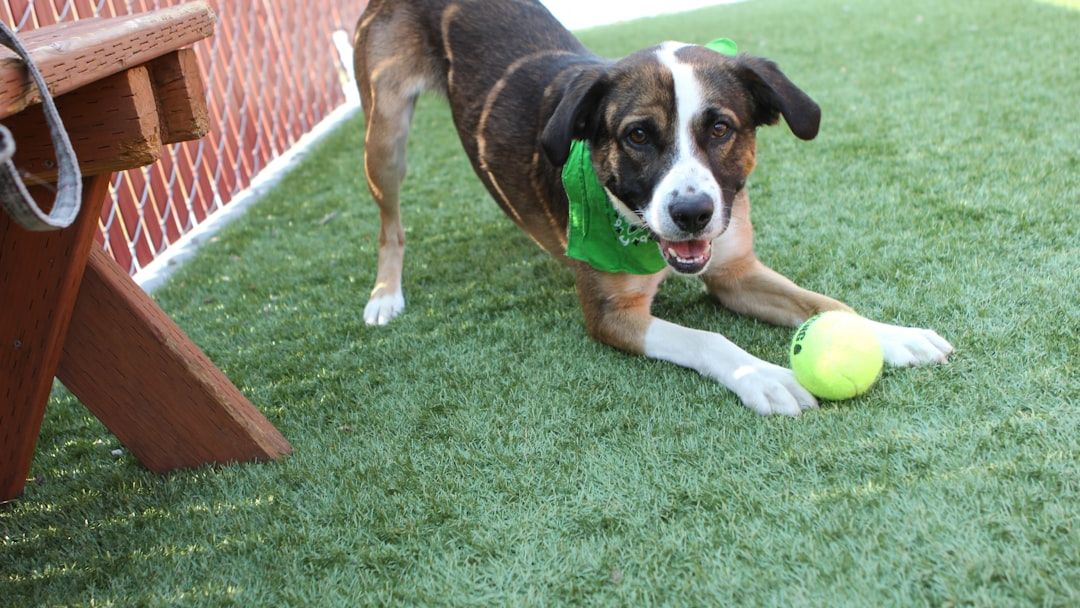
Your dog drops their chest to the floor, pops their rear end high into the air, and looks up at you with those bright, expectant eyes. You’ve seen it hundreds of times. It’s adorable. It’s funny. It might even make you laugh out loud. Most people assume it’s just a casual stretch or a quirky little habit. Honestly, that assumption sells your dog short in a pretty big way.
What’s actually happening in that moment is something far more sophisticated than a warm-up pose. Your dog is communicating with you, fluently, in a language older than any human word ever spoken. The science behind this gesture is genuinely fascinating, and understanding it changes everything about how you connect with your four-legged companion. Buckle up, because this goes much deeper than you might expect.
The Play Bow: What It Actually Looks Like and What It Means
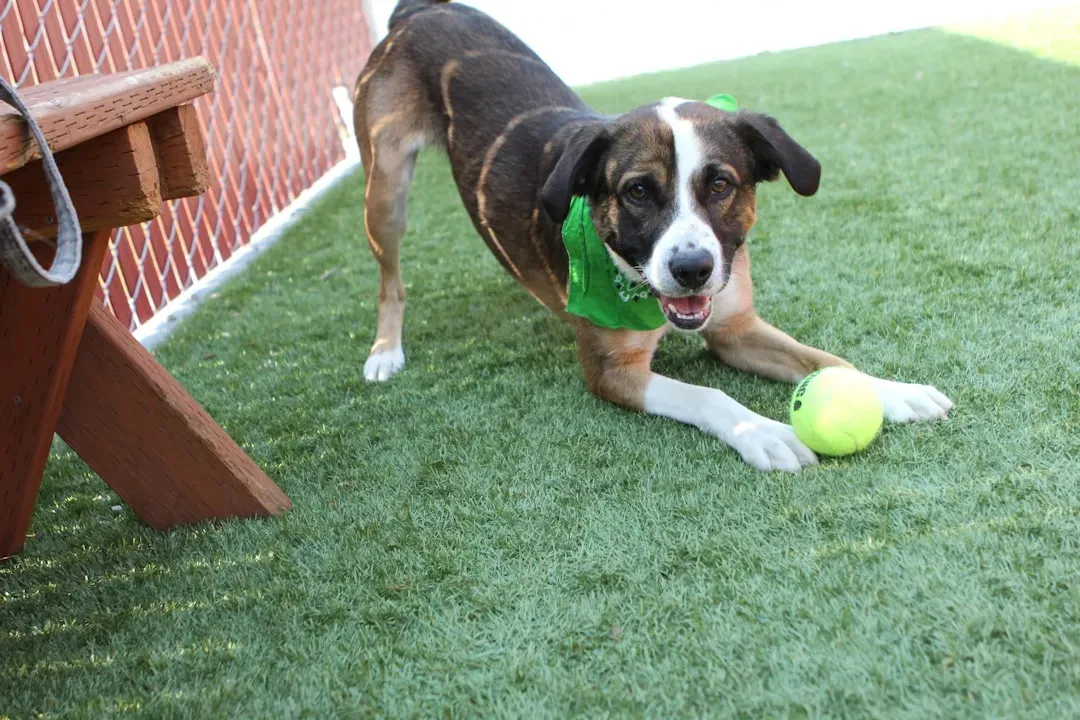
Let’s start with the basics, because even the physical form of this gesture is more deliberate than it seems. A dog crouches on their forelimbs, sticks their butt up in the air, and often barks or yelps when they perform this action. That combination of movement and sound is no accident. It’s a complete sentence, delivered in pure body language.
A dog play bow is a play signal that dogs use to get play started and signal to others that their intentions are playful. Think of it like a dog holding up a tiny white flag that reads “I come in peace, let’s have some fun.” It’s diplomacy, canine style.
Play bows communicate that even if the behavior to follow is rough or learned from other instincts, such as fighting or predation, and involves biting, chasing, shaking, or slamming into one another, it is playful in nature. There is no intent to cause harm. It’s essentially the dog equivalent of saying “no hard feelings” before things get rowdy.
Research shows bows are highly ritualized behaviors that are very unmistakable in dogs and other species. That consistency across individuals is not random. It points to something deeply wired into the canine brain, and that makes this gesture all the more remarkable.
The Ancient Evolutionary Story Behind a Simple Stretch
Here’s the thing that really blew my mind when I first discovered it. The play bow didn’t begin as a communication signal at all. Its origins are surprisingly mundane. When dogs and other animals stand up from lying down and resting or sleeping, they often stretch their forelimbs and loosen up their body. When they do this, it looks like they are bowing and they are able to move around in different directions or spring here and there. When others see the bow, play may ensue, and through the process of ritualization, a bow can take on communication value to tell other individuals “I want to play with you.”
Over generations, that casual after-nap stretch evolved into something with enormous social weight. As time goes on, bows become more directional and intentional and highly ritualized play signals that say, “Let’s play and have fun.” Nature essentially took a yawn and turned it into a handshake. That’s evolution being quietly brilliant.
Bowing by stretching the forelimbs evolved to become a highly ritualized signal for inviting dogs to play, have fun, or continue to play if things get rough or otherwise testy. It’s also worth noting that the play bow isn’t exclusive to dogs. One of the most stereotyped play behaviors, the play bow, is consistently found within dog play, in addition to other closely related species like coyotes, wolves, foxes and even lions. When lions are doing it too, you know this is something primally important.
Not Just an Opener: The Play Bow as a Social Reset Button
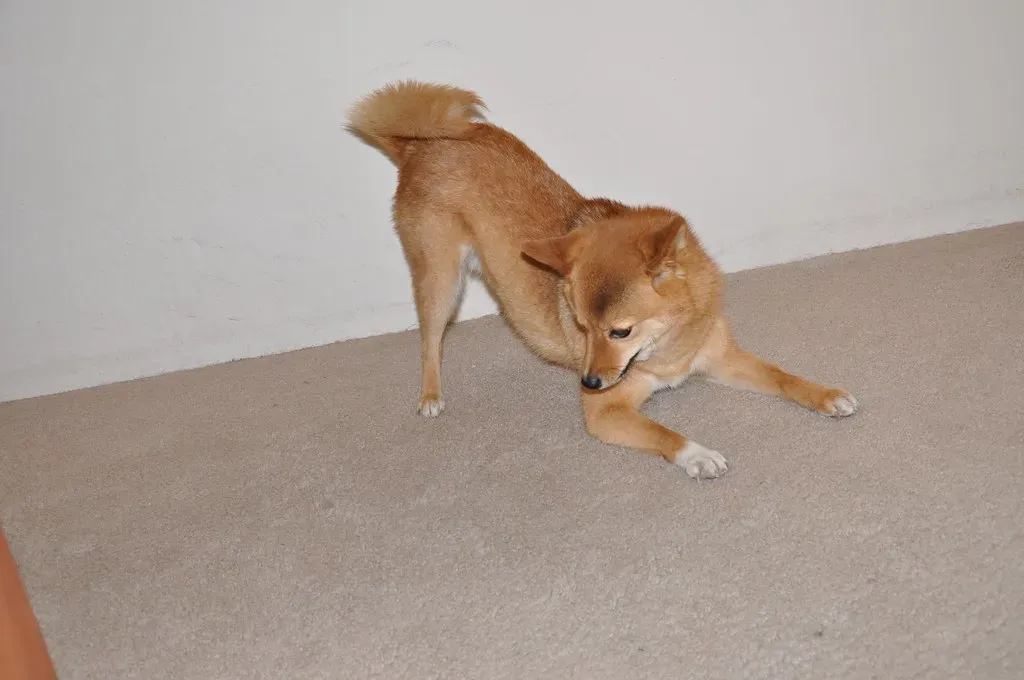
For a long time, scientists assumed the play bow existed mainly to signal “I’m playing, not fighting” before a bout of roughhousing. It made intuitive sense. Traditionally, it was believed that the play bow serves as a signal to say something like, “I’m just playing, it’s not real!”, because many of the behaviours dogs perform in play, such as chasing, growling, biting, nipping, can also be aggressive.
Recent research turned that idea on its head in a genuinely surprising way. Play bows most often occurred after a brief pause in play. Synchronous behaviors by the bower and the partner, or vulnerable and escape behaviors by the bower, such as running away, and complementary offensive behaviors by the partner, such as chasing, occurred most often after the play bow. These results indicate that during adult dog dyadic play, play bows function to reinitiate play after a pause rather than to mediate offensive or ambiguous actions.
So the play bow is less of an opening line and more of a “hey, where were we?” It works like a social reset button, pressing play again after things have gone quiet. Afterwards play resumed in the form of chase sequences or both dogs rearing up. In other words, the play bow seemed to function as a signal to make play start again after a pause. That’s a level of social nuance that should genuinely impress you.
Findings suggest that play bows do not occur at random and do not simply enhance the play atmosphere in a general way. Instead, their association with particular behaviors before and after the play bow suggests strategic use of this play signal to accomplish immediate goals, including continuation of play by enticing the partner into a runaway and chase interaction. Strategic. That’s the word that matters here.
The Play Bow Between Dogs and Humans: A Special Kind of Bond
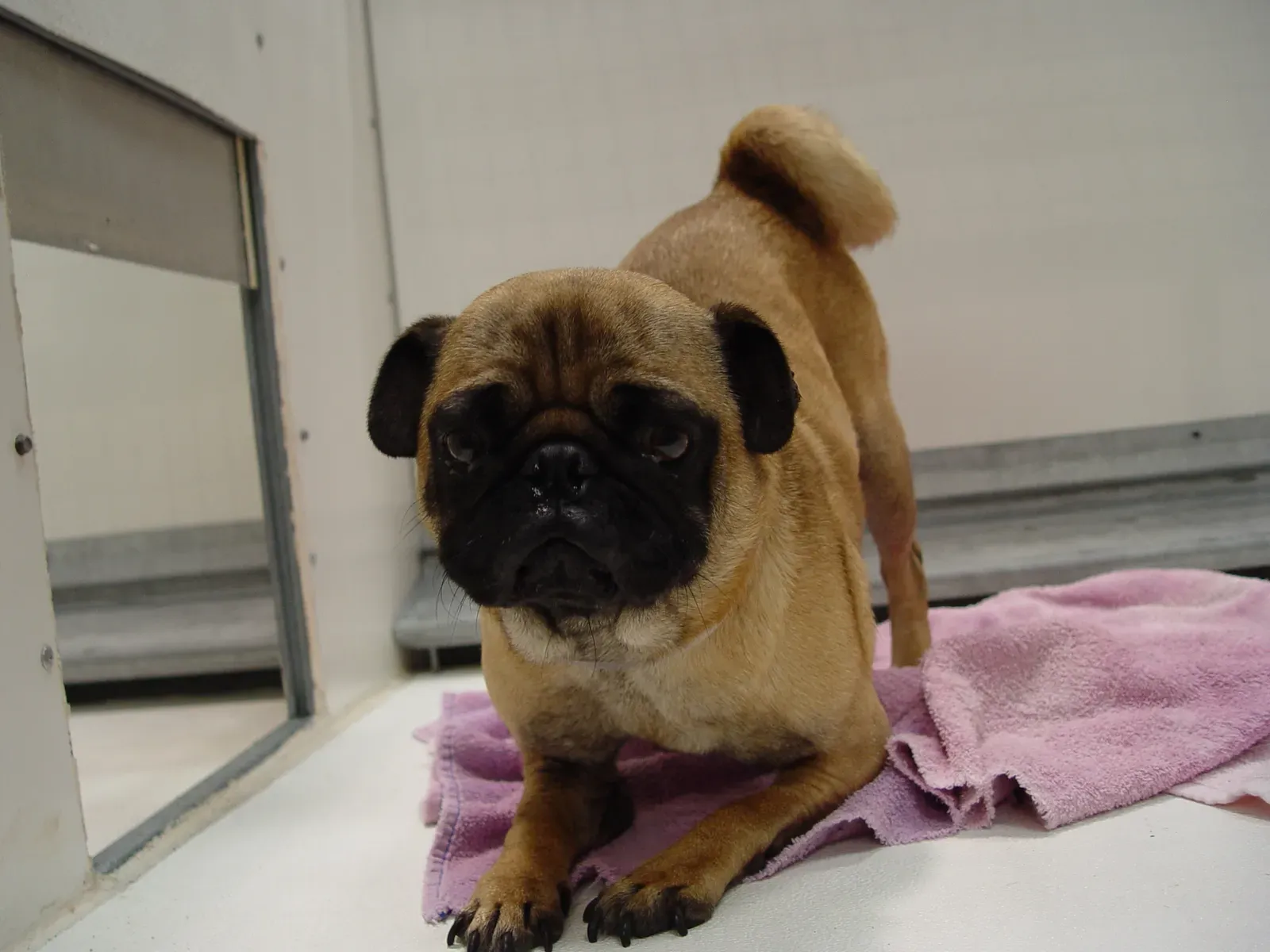
Here’s something that genuinely warms the heart. Your dog isn’t reserving this signal just for other dogs. Not just reserved for other dogs, our canine friends will play bow to us too. When your dog drops into a play bow in front of you, they are treating you as a full social partner. That’s not a small thing. That’s trust made visible.
It’s well known that dogs will play longer with humans than with other dogs. They’re also less competitive and will present and surrender toys to humans more frequently. Even dogs in multi-dog households are more rather than less interested in playing with humans. Let that sink in. Your dog actually prefers playing with you over other dogs. The play bow directed at you is essentially a VIP invitation.
Play develops trust and increases the degree and amount of attention your dog will pay to you. This is especially true if you let your dog occasionally win, even when playing tug. So the next time your dog bows and invites you in, say yes. Drop what you’re doing, get on the floor, and play. It’s one of the best investments you can make in the relationship.
When your dog performs a play bow, respond positively by engaging in play. This reinforces the behavior and encourages bonding. It’s a simple formula with a powerful payoff. Think of every play bow as a little deposit into your shared emotional bank account.
When the Bow Isn’t About Play: Reading the Full Picture
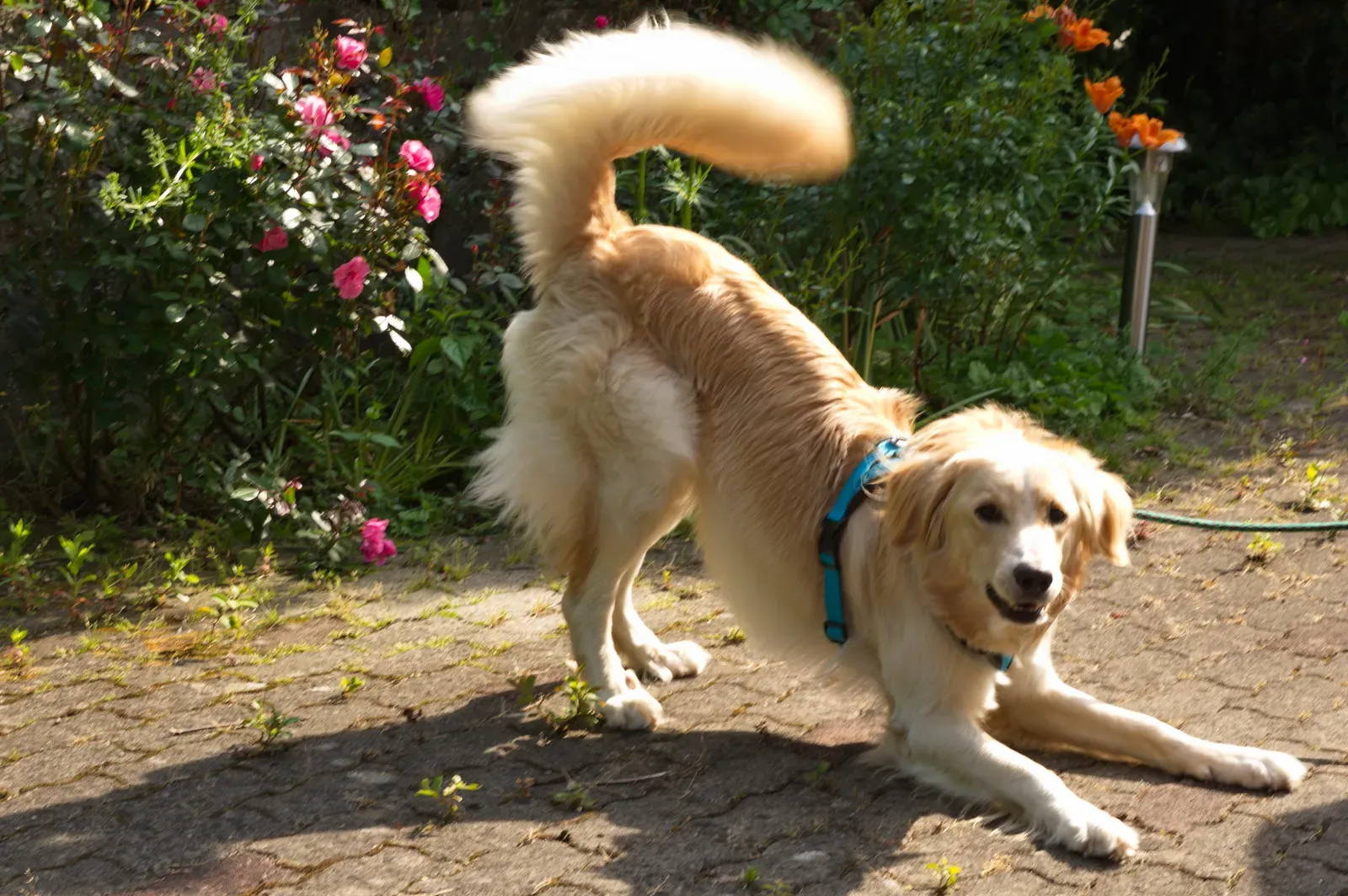
It would be wonderfully simple if every bow meant the same thing. But dogs are complex creatures, and context changes everything. The play bow is a signal used to invite another dog, person, or animal to engage in play. Each individual dog will have a variation of the play bow depending on her experiences and her breed. What looks like a classic play bow in one dog might carry a slightly different shade of meaning in another.
Some dogs also use bows to apologize after accidental roughness during play. It’s the canine equivalent of bumping into someone and immediately saying sorry. Watch your dog closely after a moment of accidental nipping or over-excited collision and you might catch this use of the gesture in action.
There’s also an important health-related caution worth knowing. Pet owners need to recognize that not all bows are playful, as repeated bowing could hint at underlying pain or discomfort. When dogs display the prayer bow frequently, especially after meals, it could point to gastrointestinal issues like bloating or pancreatitis. If paired with signs like lethargy, vomiting, or abnormal bowel movements, a vet consultation is essential. A playful dog and a distressed dog can look similar to an untrained eye, so pay attention to the full picture, not just the posture.
Dogs are constantly communicating through body language, facial expressions, and energy, but most humans miss the vast majority of these signals. Learning to read dog body language isn’t just interesting, it’s essential for preventing problems, building better relationships with dogs, and keeping everyone safe in social situations. The play bow is your entry point into a whole richer vocabulary your dog has been speaking all along.
Conclusion
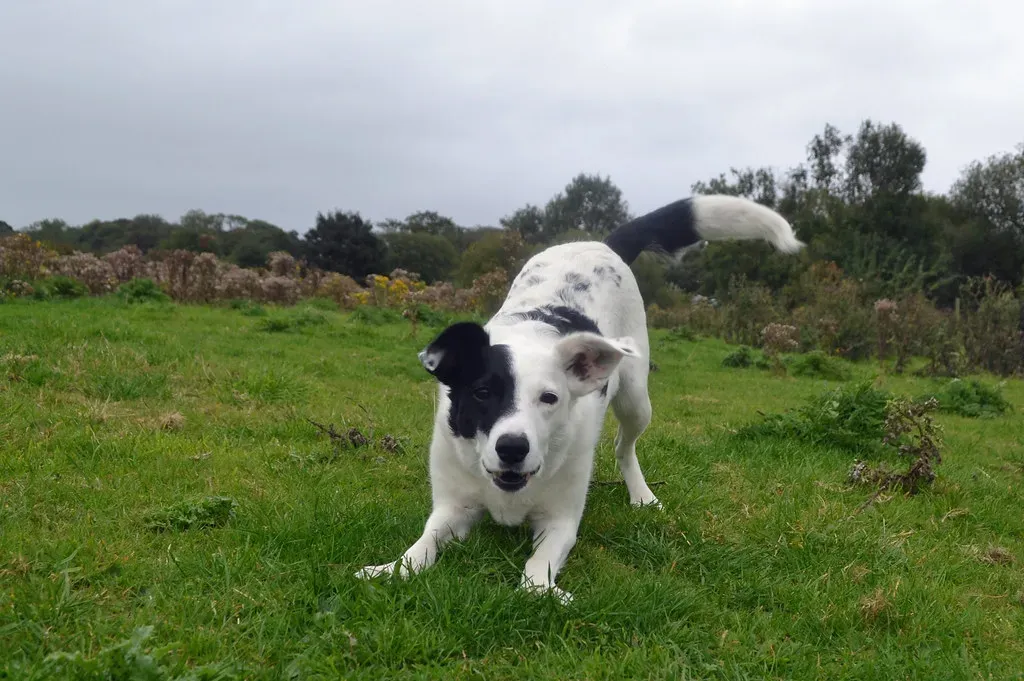
The play bow is one of nature’s most elegant little social tools. What started as a simple morning stretch, millions of years ago, became a cornerstone of canine communication, a deliberate, strategic, emotionally loaded gesture that dogs use to build and maintain friendships. With you, with other dogs, and with the world around them.
Understanding it doesn’t just satisfy curiosity. It deepens the relationship you have with your dog in a real and tangible way. Every time that chest hits the floor and that tail wags high, your dog is choosing connection over silence. That deserves a response.
Next time your dog bows at you, bow back. Seriously, try it. You might just discover that the most honest conversation you’ve had all week required no words whatsoever. What would you have guessed was behind that silly little pose?
