

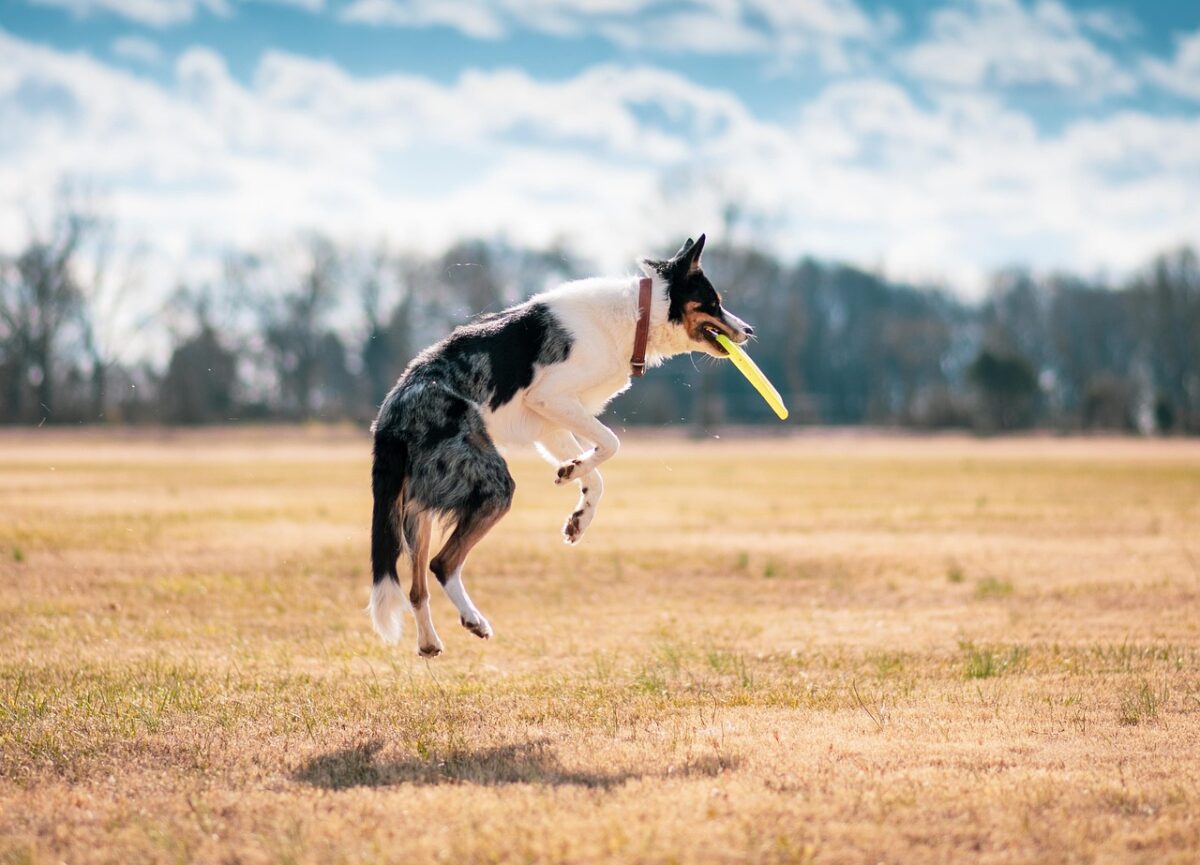
Dogs Need More Than Walks – Up to Two Hours Daily for High-Energy Breeds (Image Credits: Pixabay)
Regular physical activity customized to each pet’s breed, age, and species promotes robust health and lively spirits.
Dogs Need More Than Walks – Up to Two Hours Daily for High-Energy Breeds
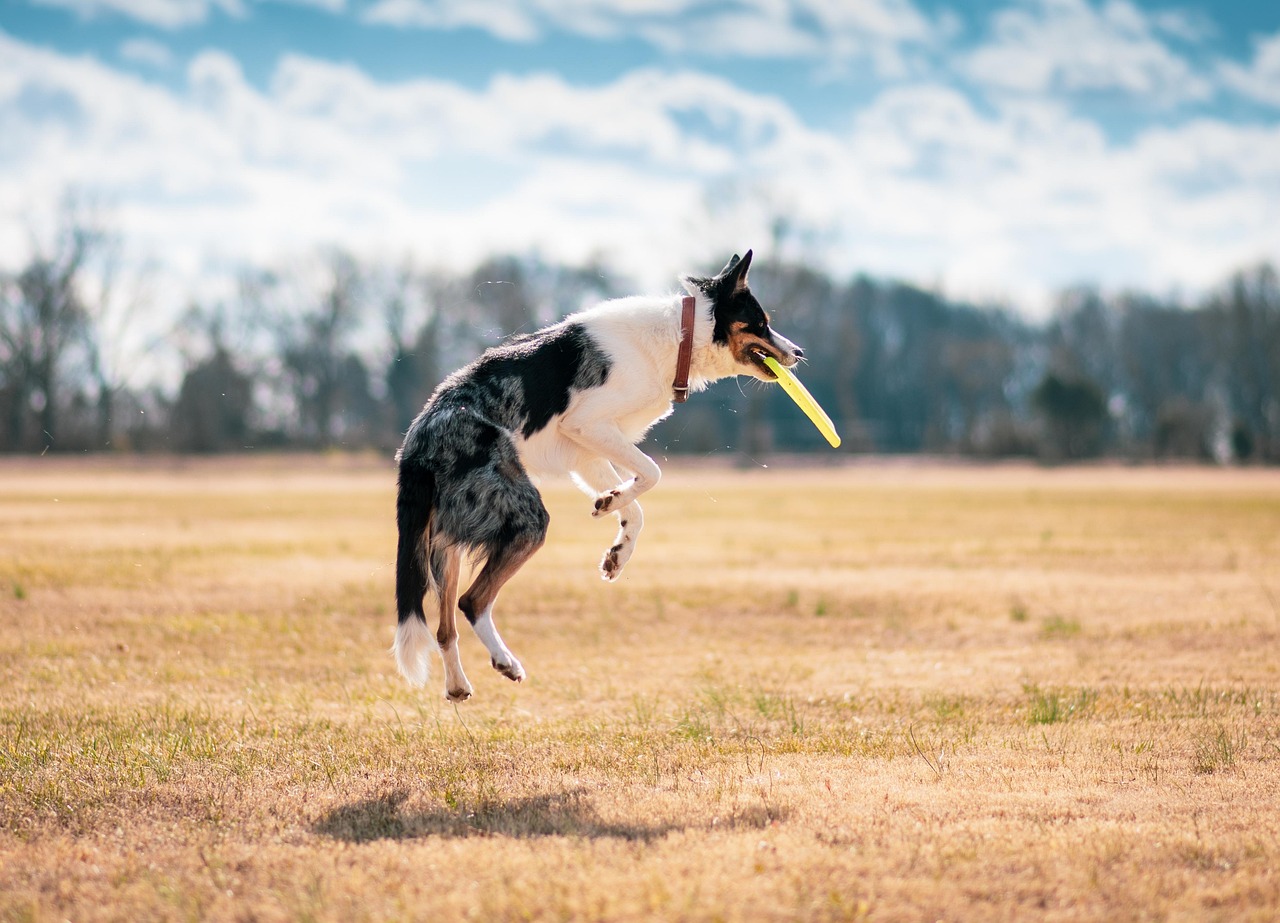
High-energy dogs such as Border Collies and Jack Russell Terriers require 30 minutes to two hours of vigorous exercise each day. Brachycephalic breeds like Bulldogs and Pugs manage with less intense sessions to avoid strain. Owners often overlook these differences, leading to restless behavior or weight gain.
Swimming offers low-impact benefits for older dogs or those with joint issues. Agility courses built from household items sharpen minds and bodies alike. Interval training on walks – mixing brisk paces with jogs – builds endurance effectively. Dachshunds thrive on flat-ground activities to protect their spines, while Greyhounds excel in short sprints.
Cats Crave Hunt Simulations and Vertical Challenges
Domestic cats benefit from 15 to 20 minutes of play daily, especially during dawn and dusk when their natural energy peaks. Feather wands and laser pointers mimic prey, sparking cardiovascular workouts. Indoor cats gain from puzzle feeders that turn meals into active challenges.
Cat trees and wall shelves encourage climbing, tapping into arboreal instincts. Motorized toys keep sessions engaging without constant human involvement. These approaches combat obesity common in housebound felines. Rabbits and guinea pigs need supervised floor time for hopping and grazing in safe zones.
Indoor Workouts Beat Bad Weather Every Time
Stair climbing delivers cardio for dogs when outdoors proves impossible. Hallway fetch games sustain energy indoors. Treadmills suit dogs needing controlled paces for rehab or weight loss – start slow to build comfort.
Birds require 15 to 30 minutes of flight in enclosed areas daily. Small mammals like ferrets demand multiple play bursts with rotating toys. Owners must watch for overexertion signs such as heavy panting or fatigue.
| Pet Type | Indoor Activity | Duration |
|---|---|---|
| Dogs | Treadmill or stairs | 10-20 minutes |
| Cats | Climbing structures | 5-10 minutes |
| Small mammals | Floor exploration | 30-60 minutes |
Build Habits That Last with Gradual Steps
Consistency matters more than marathon sessions. Sedentary pets start with 5 to 10 minutes and ramp up 25 percent weekly. Activity logs track progress, including behavior and weight shifts.
Rest days prevent injuries, and variety keeps interest high. Adjust for seasons – cooler times in summer, indoor shifts in winter. Hydration breaks during play avoid heat risks. Veterinary input guides overweight pets toward safe starts.
Key Takeaways:
- Match exercise to breed and age for best results.
- Mix mental and physical challenges daily.
- Monitor responses to tweak routines safely.
Well-conditioned pets sleep soundly, show fewer destructive tendencies, and boast stronger immunity. Prioritize these routines alongside nutrition and vet care for peak wellness. What routines work for your pets? Share in the comments.

- Urban Coyotes Show Remarkable Adaptability, Learning to Thrive in City Environments - July 22, 2026
- Beavers Are Nature’s Engineers, Creating Vital Habitats for Other Wildlife Species - July 21, 2026
- The Recovery of the California Condor Offers Hope for Other Critically Endangered Birds - July 21, 2026