
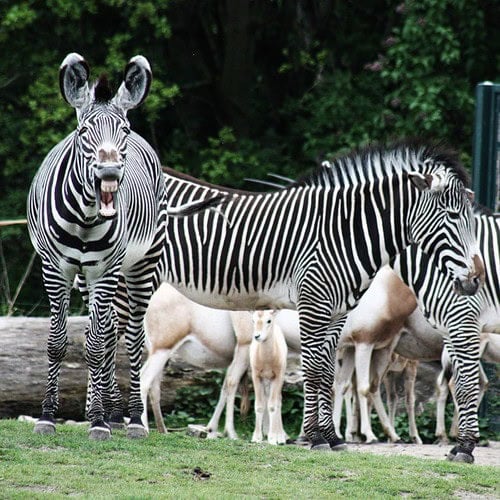
Worried about unexpected vet bills?
Pet insurance can cover thousands in unexpected vet costs. Get a free quote from Lemonade in under 2 minutes.
Get My Free Quote →Sponsored · Opens Lemonade.com
When we think of zebras, most of us conjure images of these striking black-and-white striped equids peacefully grazing on African savannas. They’re often portrayed as docile, prey animals in nature documentaries, fleeing from predators like lions and crocodiles. But this perception only tells half the story. Beneath their photogenic appearance lies a surprisingly aggressive, territorial, and sometimes downright dangerous animal. Zebras have evolved fierce defensive behaviors and possess physical attributes that make them formidable opponents. Their aggressive tendencies are not just limited to predator encounters but extend to interactions with their own kind and other species, including humans. This article explores the unexpected aggressive nature of zebras, revealing why these iconic African mammals demand respect rather than the cuddly admiration we might mistakenly offer.
The Evolutionary Basis for Zebra Aggression

Zebras’ aggressive behaviors didn’t develop by chance—they’re the product of millions of years of evolution in predator-rich environments. As herd animals living in the open plains of Africa, zebras have faced constant threats from lions, hyenas, wild dogs, and crocodiles. Without the option of hiding in dense forests or outrunning all their predators, zebras evolved alternative defense mechanisms that heavily rely on aggression.
Research shows that unlike many prey species that primarily depend on flight responses, zebras have developed a complex fight-or-flight system where aggression plays a crucial role in survival. According to studies from the University of Cambridge, zebras’ aggressive tendencies have been naturally selected because individuals willing to stand their ground and fight back often succeeded in deterring predators and protecting their young. This evolutionary pressure has resulted in animals that, while still herbivores, possess a temperament more reminiscent of their distant relatives, wild asses, which are known for their ferocious defensive capabilities.
Zebras’ Powerful Physical Weapons

The average plains zebra weighs between 770 and 990 pounds (350-450 kg) and stands about 4-5 feet (1.2-1.5 meters) at the shoulder—dimensions that already command respect. But their physical capabilities extend far beyond mere size. Zebras possess powerful hindquarters capable of delivering kicks with force exceeding 3,000 pounds per square inch—enough to kill a lion or break a crocodile’s jaw. Their hooves, evolved for running across hard terrain, become lethal weapons when deployed defensively.
Their teeth are another formidable weapon. Male zebras develop large, sharp incisors capable of inflicting serious wounds during fights. Unlike many herbivores with flat grinding teeth, zebras can deliver powerful bites that have been known to sever fingers and cause severe lacerations. Their strong neck muscles allow them to swing their heads as battering rams, and they’ve been observed using their weight and strength to knock down threats. When cornered or threatened, a zebra transforms from a peaceful grazer into a 900-pound fighting machine with multiple natural weapons at its disposal.
Stallion Battles: Territorial and Mating Aggression

Among the most dramatic displays of zebra aggression are the battles between stallions competing for mares and territory. These confrontations are far from the symbolic posturing seen in some species—they’re violent, no-holds-barred fights that can result in serious injury or death. Male zebras engage in vicious combat using all their weapons: biting, kicking, and ramming opponents with considerable force. Researchers from the Serengeti Research Institute have documented fights lasting over 20 minutes, with stallions inflicting deep wounds and sometimes pursuing retreating rivals for hundreds of meters.
The aggression exhibited during these conflicts serves multiple evolutionary purposes. It ensures that only the strongest males pass on their genes, maintains herd structure, and establishes clear dominance hierarchies that actually reduce overall conflict within the species. Wildlife biologist Dr. Lana Williams explains: “What we’re seeing isn’t mindless aggression but a sophisticated social system where violent competition serves to establish order. The most dominant stallions often maintain the most stable harems, which ultimately benefits the survival of the group.” Nevertheless, the intensity of these fights demonstrates that zebras possess a level of intraspecies aggression that exceeds that of many other herbivores.
Maternal Aggression: Protecting the Young

Female zebras may not engage in the territorial battles that males do, but they display their own brand of fierce aggression when it comes to protecting their foals. Mother zebras are notorious for their protective instincts, which manifest as swift and decisive aggression toward any perceived threat. A mare with a young foal will position herself between the young and danger, ready to deliver potentially lethal kicks to predators that venture too close. Wildlife documentaries often fail to capture the full extent of this protective behavior, focusing instead on instances where zebras flee from predators.
Zoologists at the University of Pretoria have documented cases where mother zebras have successfully fought off lionesses and hyenas through aggressive defensive tactics. The protective instinct is so strong that even other zebras, if they approach a foal too closely, may face the wrath of a protective mother. This maternal aggression illustrates another facet of zebra behavior that contradicts their portrayal as purely flight-oriented prey animals. Their willingness to engage in high-risk confrontations to protect their young demonstrates both their cognitive capacity to assess threats and their physical ability to address those threats through aggression.
Aggression Toward Other Species

Zebras’ aggressive tendencies extend beyond interactions with predators and their own kind. They’ve been documented displaying unprovoked aggression toward other herbivores sharing their habitat. In particular, interactions between zebras and wildebeest during the Great Migration in East Africa have revealed interesting patterns of interspecies aggression. Despite the benefits of mixed-species herds for predator detection, zebras have been observed driving away wildebeest from prime grazing areas and water sources.
Even more surprising is zebra aggression toward species that pose no competitive threat. There are documented cases of zebras attacking and killing smaller animals like gazelles and impala without any apparent provocation or nutritional benefit. Dr. Robert Montgomery of Michigan State University suggests this behavior might be related to resource defense, misplaced aggression, or even practice for defensive maneuvers. Whatever the cause, these interactions further cement zebras’ reputation as one of Africa’s more aggressive herbivores, capable of asserting dominance not just within their species but across the entire savanna ecosystem.
Human Casualties: Why Zebras Are Dangerous to People
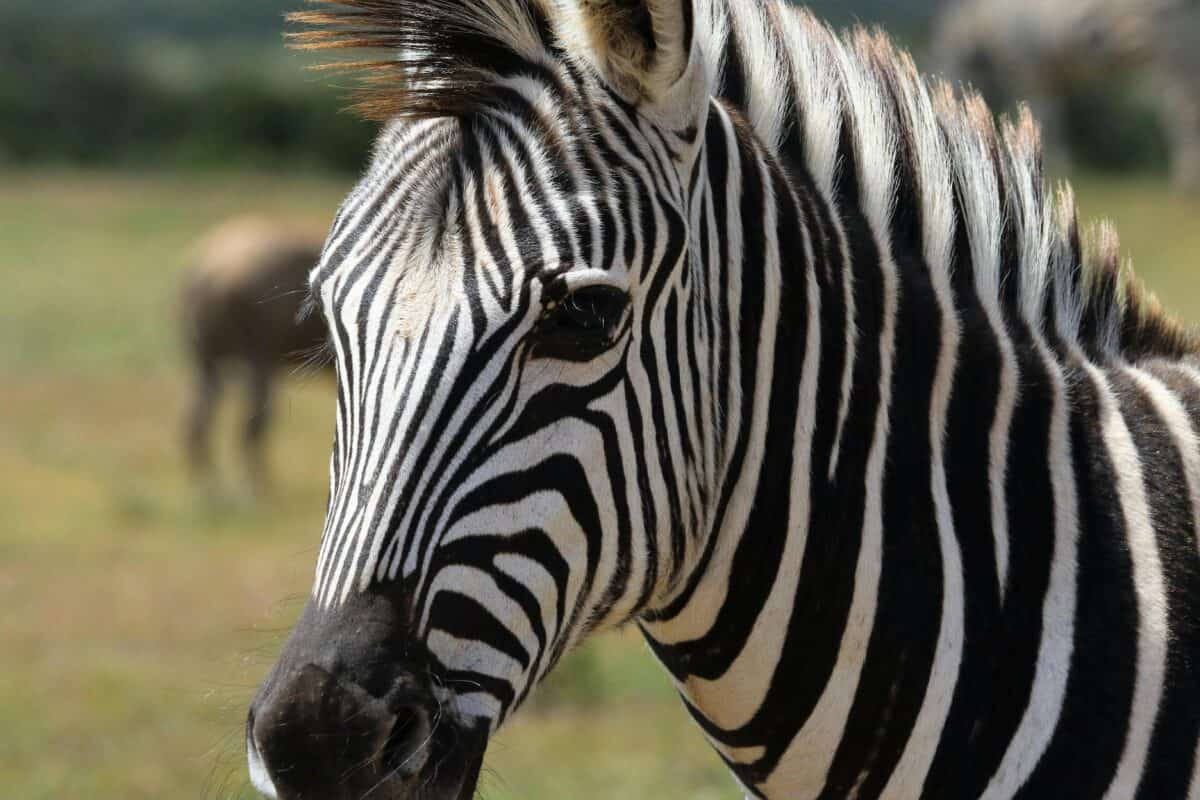
Despite their prevalence in zoos and wildlife parks, zebras remain largely undomesticated and retain their wild instincts—including their aggressive tendencies toward perceived threats. This has resulted in numerous serious injuries and even fatalities among humans who underestimated their dangerous potential. Zoo keepers consistently rank zebras among the most dangerous animals to work with, often considering them more unpredictable than lions or tigers. The American Association of Zoo Keepers reports several severe injuries annually from zebra attacks, including broken bones, deep lacerations, and critical internal injuries.
A particularly sobering case occurred in 2019 at a private exotic animal farm in California, where a zebra attack resulted in a caretaker’s death. Similarly, in 2021, a Japanese zookeeper died from blood loss after a zebra bite severed an artery in his arm. These aren’t isolated incidents but part of a pattern that wildlife professionals recognize: zebras retain a fundamental wildness that makes them inherently dangerous to humans. Their aggressive responses are quick, decisive, and delivered without the warning signals that many predators display before attacking, making them particularly hazardous to those who misinterpret their placid appearance as an indication of a gentle nature.
The Myth of Domestication

Unlike horses, which share the same genus Equus, zebras have largely resisted human attempts at domestication throughout history. This resistance isn’t merely a matter of limited opportunity—humans have made concentrated efforts to domesticate zebras for centuries, all with minimal success. Colonial powers in Africa, particularly the British, made systematic attempts to domesticate zebras for transportation and agricultural work, but these endeavors largely failed due to the animals’ aggressive and unpredictable nature.
The neurobiological basis for this resistance to domestication has been studied extensively. Research from the Max Planck Institute for Evolutionary Anthropology suggests that zebras possess fundamentally different stress responses and fear thresholds compared to horses. Their fight response activates more quickly and with greater intensity than in domesticated equids. Additionally, zebras maintain significantly higher levels of stress hormones like cortisol even after generations in captivity. This physiological predisposition toward stress-induced aggression makes them poor candidates for the human-animal partnership that characterizes domestication, further evidence of their inherently aggressive nature compared to their equine relatives.
Social Dynamics and Herd Aggression

Within zebra herds, aggression serves as a social language that establishes and maintains hierarchy. While we often think of herds as peaceful, cooperative units, zebra groups are characterized by complex dominance relationships enforced through aggressive interactions. Observational studies in Etosha National Park reveal that a typical zebra herd witnesses dozens of aggressive encounters daily, from subtle threats like flattened ears and bared teeth to full-contact confrontations. This constant negotiation of social position through aggression is more reminiscent of primate social structures than the peaceful grazing communities we might imagine.
Interestingly, research from the University of Minnesota has shown that this within-herd aggression actually increases during times of resource abundance rather than scarcity. When water and food are plentiful, zebras become more assertive about their social standing, suggesting that aggression in these animals isn’t merely a stress response but an intrinsic behavioral characteristic. Herd members learn to navigate this aggressive social environment from an early age, with young zebras engaging in play fighting that gradually escalates in intensity as they mature. By the time they reach adulthood, zebras have experienced thousands of aggressive interactions, honing their fighting skills and understanding of herd dynamics through firsthand experience.
Seasonal Variations in Aggression
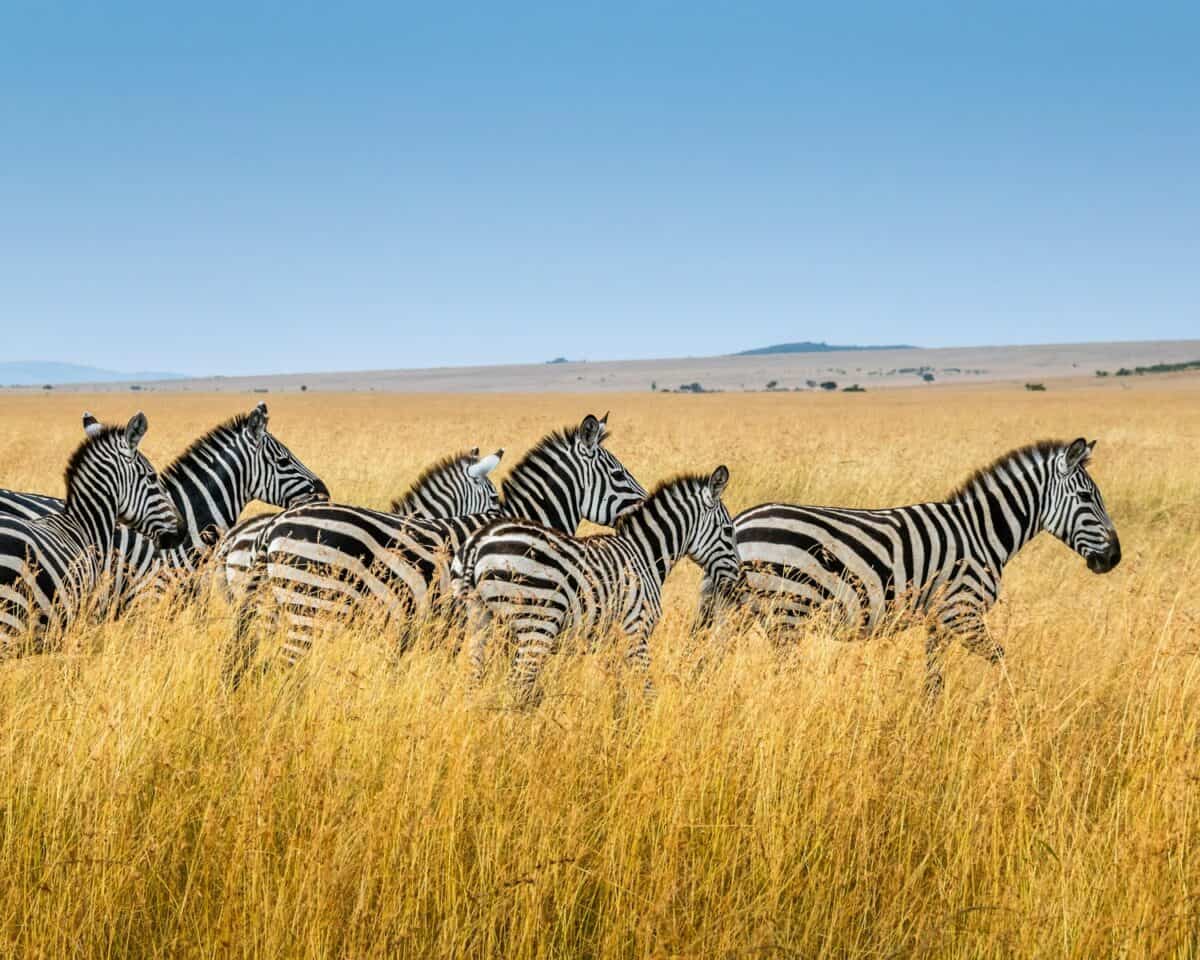
Zebra aggression isn’t constant throughout the year but follows distinct seasonal patterns tied to breeding cycles and environmental conditions. Long-term behavioral studies conducted in the Okavango Delta have documented significant spikes in aggressive encounters during the early rainy season when mares come into estrus. During these periods, stallion-to-stallion aggression can increase by as much as 300%, with fights becoming more frequent and more severe. This seasonal intensification affects the entire herd structure, with bachelor males becoming particularly volatile as they challenge established stallions.
Environmental stressors also influence aggression levels. During drought conditions, when herds are forced to congregate around diminishing water sources, aggressive encounters at waterholes become more common. Research published in the Journal of Animal Ecology documented a 175% increase in serious aggressive encounters during severe drought years compared to years with normal rainfall. These seasonal fluctuations in aggression highlight the complex interplay between zebra biology, social structure, and environmental conditions, revealing how deeply aggression is woven into the fabric of zebra society and how various factors can amplify these already pronounced aggressive tendencies.
Comparative Aggression: Zebras vs. Other Equids

When compared to other members of the Equidae family, zebras consistently demonstrate higher levels of aggression across multiple behavioral metrics. Comprehensive studies comparing plains zebras, domestic horses, and wild asses have found that zebras initiate aggressive encounters more frequently, escalate conflicts more rapidly, and show less submission behavior than their relatives. For instance, research at the San Diego Zoo Wildlife Alliance revealed that zebras were 4.7 times more likely to respond to a mild threat with a severe aggressive response (biting or kicking) compared to similar-sized domestic horses.
Even among the three zebra species—plains, mountain, and Grévy’s—there are significant variations in aggressive tendencies. Grévy’s zebras, the largest and most endangered species, display the highest levels of aggression, particularly between males. Their territorial system, unlike the harem structure of plains zebras, leads to frequent and intense confrontations. Mountain zebras, while less aggressive than Grévy’s, still exhibit more combative behaviors than plains zebras. These comparative differences among equids suggest that zebra aggression isn’t simply a generic trait of hoofed mammals but a specialized adaptation that has been particularly emphasized in their evolutionary development, especially in species adapted to harsher, more competitive environments.
The Role of Aggression in Zebra Conservation
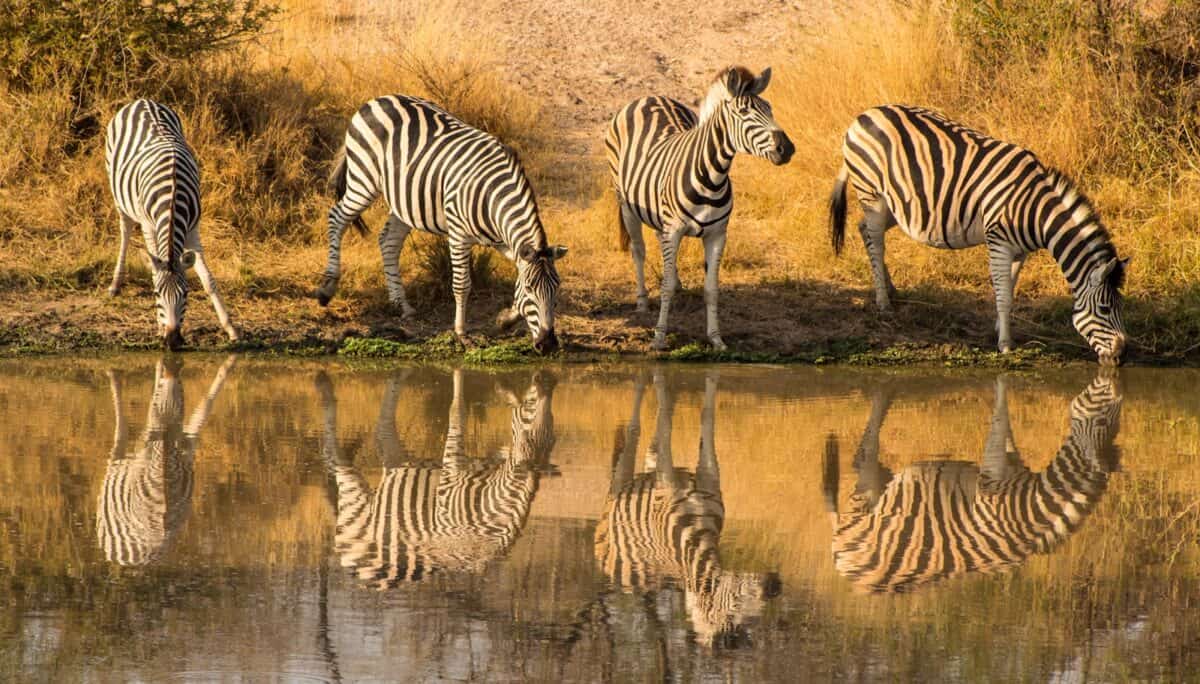
Understanding zebra aggression has important implications for conservation efforts. Their aggressive nature creates unique challenges for wildlife management, particularly in captive breeding programs and reintroduction initiatives. Conservation organizations like the Grevy’s Zebra Trust have had to develop specialized handling protocols that account for the animals’ unpredictable aggressive responses. Traditional wildlife management techniques used with other ungulates often prove inadequate or dangerous when applied to zebras, requiring conservationists to develop zebra-specific approaches.
Paradoxically, the aggressive nature of zebras may have contributed to their survival in human-dominated landscapes. Unlike species that were easily domesticated and subsequently had their wild genetics altered through selective breeding, zebras’ resistance to human control has helped maintain their genetic integrity as wild animals. Additionally, their willingness to aggressively defend themselves has meant that human-wildlife conflict with zebras typically results in humans giving the animals a wider berth rather than retaliatory killing. As Dr. Sarah Klingel of the African Wildlife Foundation notes, “Their reputation for aggression has, in some ways, been their salvation in a continent where docile species have often been domesticated to the point of losing their wild identity or hunted to extirpation.”
Understanding and Respecting Zebra Aggression

The aggressive nature of zebras challenges our tendency to categorize animals into simple “dangerous” and “harmless” classifications. Zebras serve as a powerful reminder that wild animals often defy our expectations and deserve to be understood on their own terms. Their aggressive behaviors aren’t character flaws but sophisticated adaptations that have enabled their survival in one of the world’s most predator-rich environments. By recognizing and respecting zebra aggression, we develop a more nuanced understanding of these iconic animals and the complex evolutionary forces that have shaped them.
For wildlife enthusiasts, photographers, and safari-goers, this understanding translates into safer, more informed interactions. Maintaining appropriate distances, avoiding behaviors that might be perceived as threatening, and listening to experienced guides can prevent dangerous confrontations. For conservationists and wildlife managers, acknowledging zebras’ aggressive tendencies leads to better management practices and more effective protection strategies. And for all of us, appreciating that the striking black-and-white animal grazing peacefully in the distance is also capable of fierce, determined aggression adds another layer of fascination to one of Africa’s most recognizable and misunderstood animals.
Worried about unexpected vet bills?
Pet insurance can cover thousands in unexpected vet costs. Get a free quote from Lemonade in under 2 minutes.
Get My Free Quote →Sponsored · Opens Lemonade.com

- 15 Common Snake Species Found in the US - June 5, 2026
- Ancient DNA Found in Cave Dirt May Rewrite Animal History - June 5, 2026
- What Steve Irwin Taught Us About Crocodiles - June 5, 2026