
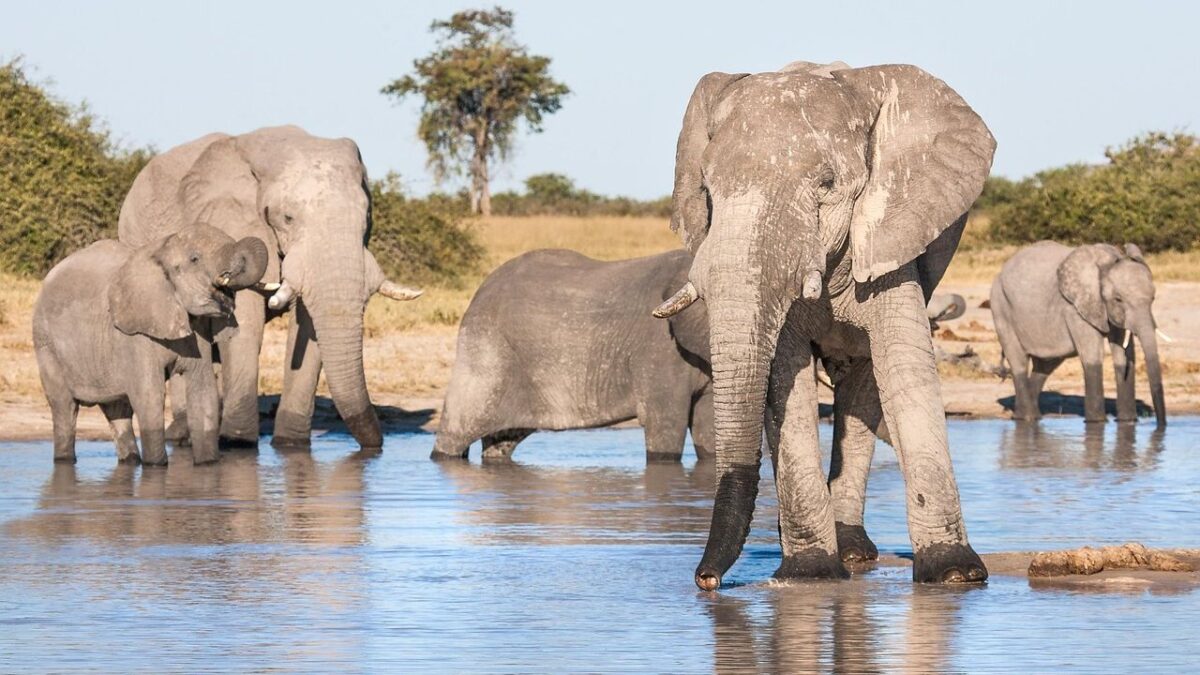
We tend to think of wild animals as creatures living by simple, instinct-driven rules. Eat, survive, reproduce. But what if that picture is almost laughably incomplete? What if, right now, beneath the ocean surface and across the savanna, animals are navigating social worlds every bit as layered, political, and emotionally charged as our own?
It turns out, they are. Researchers have spent decades peeling back the curtain on animal life, and what they’ve found is genuinely stunning. Evolutionary biologists have uncovered sophisticated social networks that existed long before the dawn of human social media. The wild, it seems, was never a lonely, solitary place. It was always crowded with alliances, hierarchies, rivalries, and yes, something that looks a lot like friendship. Let’s dive in.
The Hidden Blueprint: How Animal Societies Are Built
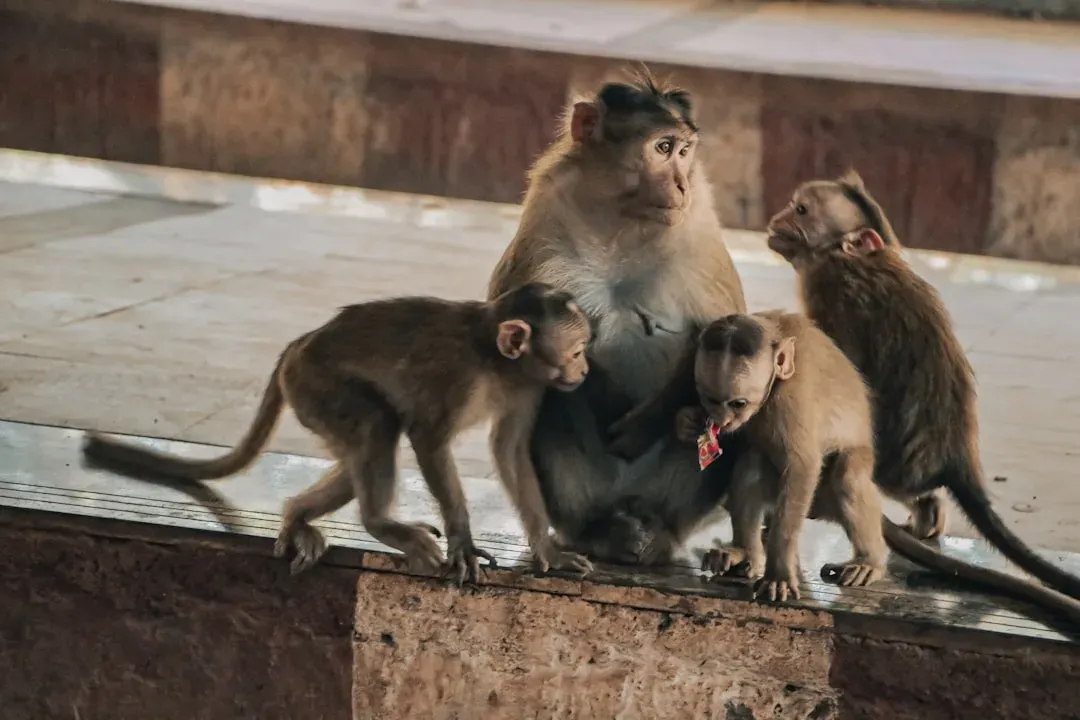
Here’s the thing that surprises most people when they first learn about it. Animal societies aren’t random clusters of individuals bumping into each other. They are organized, structured, and remarkably consistent across wildly different species.
Social structures in animals refer to organized patterns of interactions and relationships, based on factors such as hierarchy, dominance, cooperation, and communication. Think of it like a company org chart, except instead of a boardroom, it’s a watering hole, and instead of performance reviews, there are tooth-and-claw showdowns.
Roughly eighty years of data have revealed surprising similarities in the social hierarchies of animal groups ranging from primates and birds to fish and insects. That’s not a coincidence. The results indicate that seemingly disparate animal groups operate according to “strikingly similar” social blueprints. It’s as if nature discovered one great organizing principle and just kept reusing it.
Sociality can provide protection through safety in numbers, influence breeding outcomes via mate choice, and influence foraging success through transmission of social information and cooperation. In other words, being social isn’t just pleasant for animals. It’s often the difference between life and death.
Whales With Clans: The Oceanic Version of Human Culture
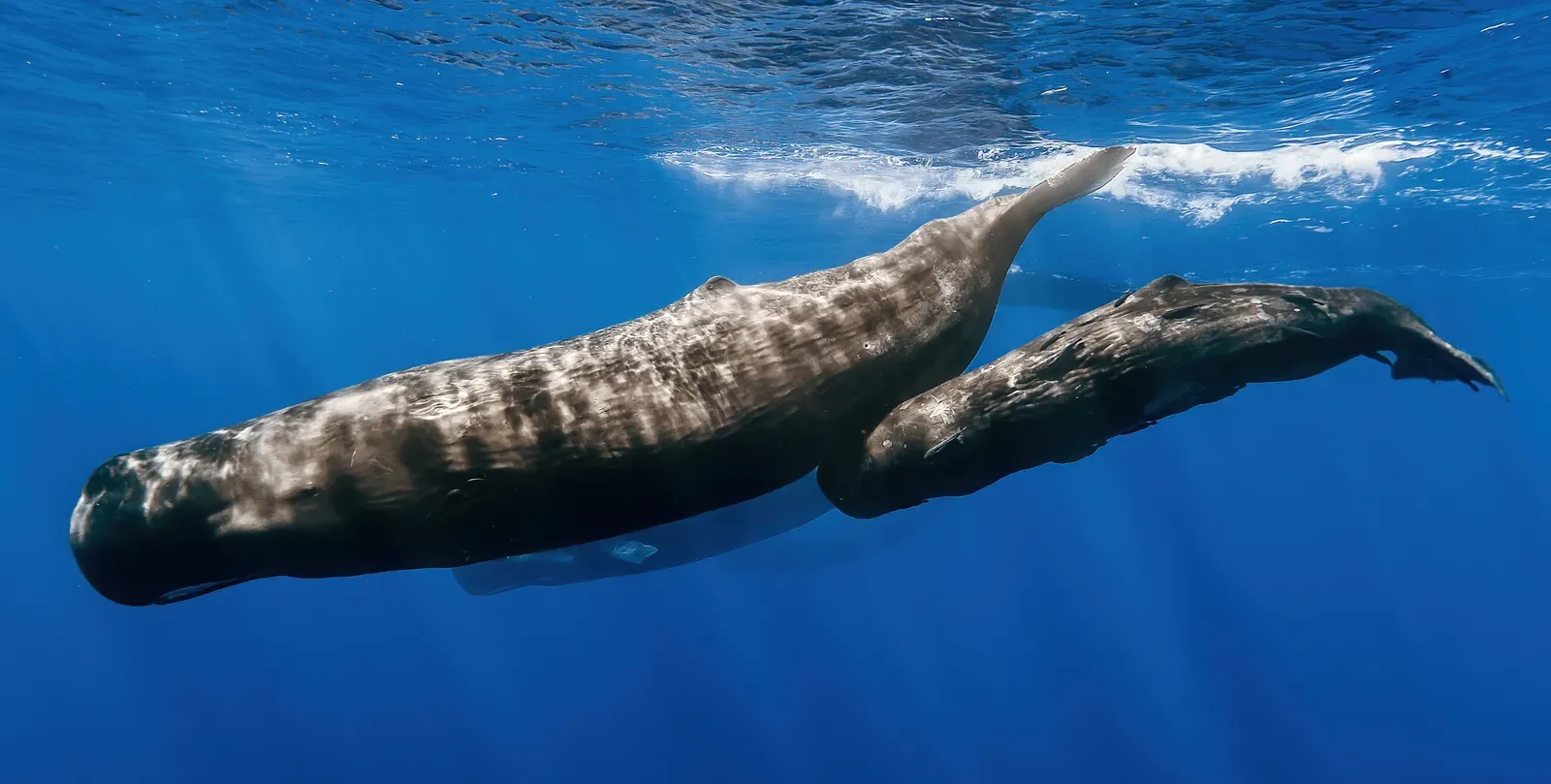
If you want a genuinely mind-bending example of animal social complexity, look no further than the deep ocean. Sperm whales don’t just live in groups. They live in culturally distinct clans, and the parallels to human society are almost unsettling.
The social relationships of sperm whales are organized in a multilevel society with an upper level composed of clans of individuals communicating using similar patterns of clicks. These aren’t random noises. Sperm whale society is structured into clans that are primarily distinguished by vocal dialects, which may be symbolic markers of clan identity, and clans also differ in non-vocal behaviour.
Two or more clans typically use an area, but the whales only socialize with members of their own clan. Think about that for a moment. Two entirely separate whale cultures can occupy the same stretch of ocean and simply choose not to mix. That’s not just behavior. That’s identity. Because two or more clans are frequently found in the same area with basically the same environment, and nuclear genes are well mixed between clans, culture is the only tenable explanation for the differences between clans.
These matriarchal family units exhibit remarkably cooperative care, with some females diving for food while others remain as “babysitters,” protecting the young from predators like orcas. Honestly, it’s hard not to see ourselves in that.
Matriarchs Rule: The Female-Led Societies Science Overlooked
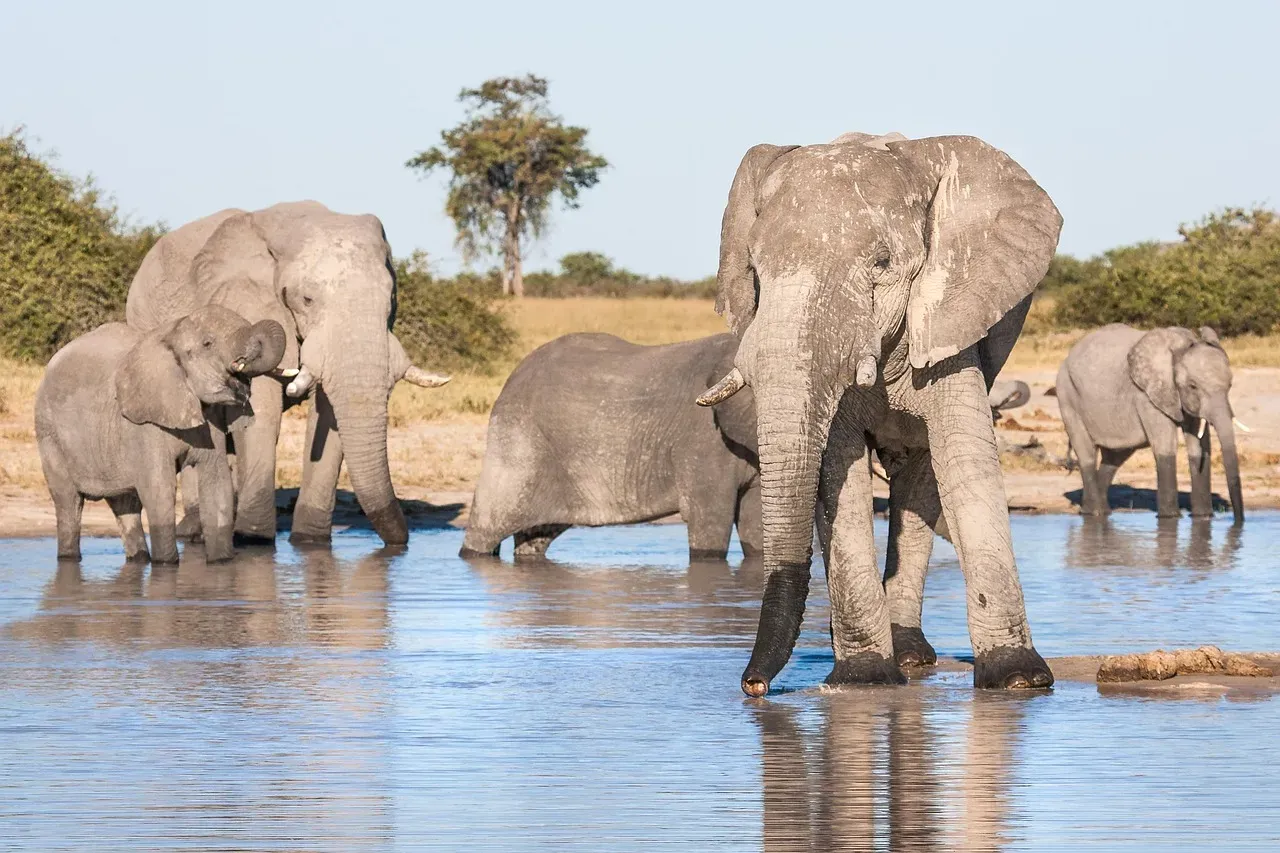
For decades, popular science fixated on alpha males. Dominant silverbacks. Roaring lion kings. Lone wolves. The real story, it turns out, is far more interesting and far more female.
Matriarchy refers to a social system in which females occupy the highest positions of authority and play a central role in organizing group life. In the animal world, true matriarchies are relatively rare, but several species show clear female-led structures. Elephants are perhaps the most famous example. African elephants live in family units led by matriarchs, showing strong bonds through cooperative care-taking of young and collective decision-making regarding migration routes or foraging grounds.
Then there are spotted hyenas, which completely flip our assumptions. Spotted hyenas have one of the most strongly female-dominated social systems in the animal kingdom. Females are larger than males, inherit their rank from their mothers, and occupy every position at the top of the clan hierarchy. Spotted hyena clans can include ten to ninety members, and females control access to food, territory, and social interactions within the group.
Naked mole-rats take it even further. They live in highly organized colonies that can contain more than two hundred individuals, each colony dominated by a single breeding female known as the queen, who is the only female that reproduces and maintains her status through aggressive behavior and hormonal suppression of other females. A mammalian kingdom run entirely by one queen. Extraordinary.
Vampire Bats and the Art of the Social Bargain
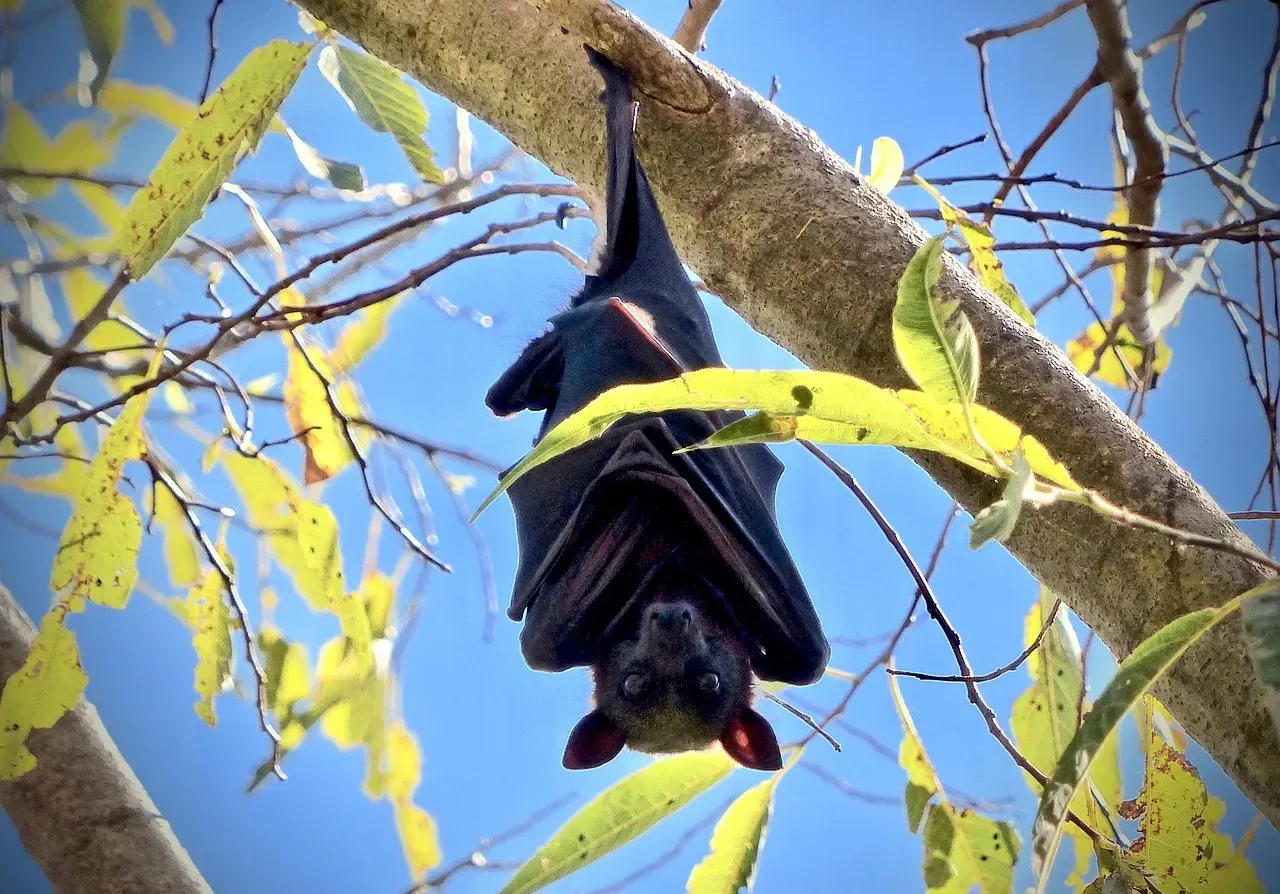
Let’s be real. When most people hear “vampire bat,” they picture something terrifying and solitary. The truth is almost the opposite, and it involves one of the most sophisticated systems of social reciprocity in the animal kingdom.
Vampire bats develop trust with unrelated individuals first by grooming each other, then eventually regurgitating blood to share, an act of altruism for a species that must eat every three days. Blood-sharing tends to be reciprocal, with bats more likely to provide a meal to a partner that has shared with them in the past. That’s not just kindness. That’s a social contract.
Vampire bats live in highly fluid societies, in which compositions of roosting groups change frequently, and individuals interact to varying degrees with kin and many non-kin. What makes this remarkable is that these are not relatives helping each other. These are strangers, slowly testing the waters of trust, like any two people at the start of a friendship.
Unfamiliar vampire bats selectively escalate low-cost investments in allogrooming before developing higher-cost food-sharing relationships. It’s like building any relationship, small gestures first, then bigger ones. I find this genuinely moving. Nature, it seems, invented the concept of “earning someone’s trust” long before humans gave it a name.
Birds With No Big Brains But Big Social Lives
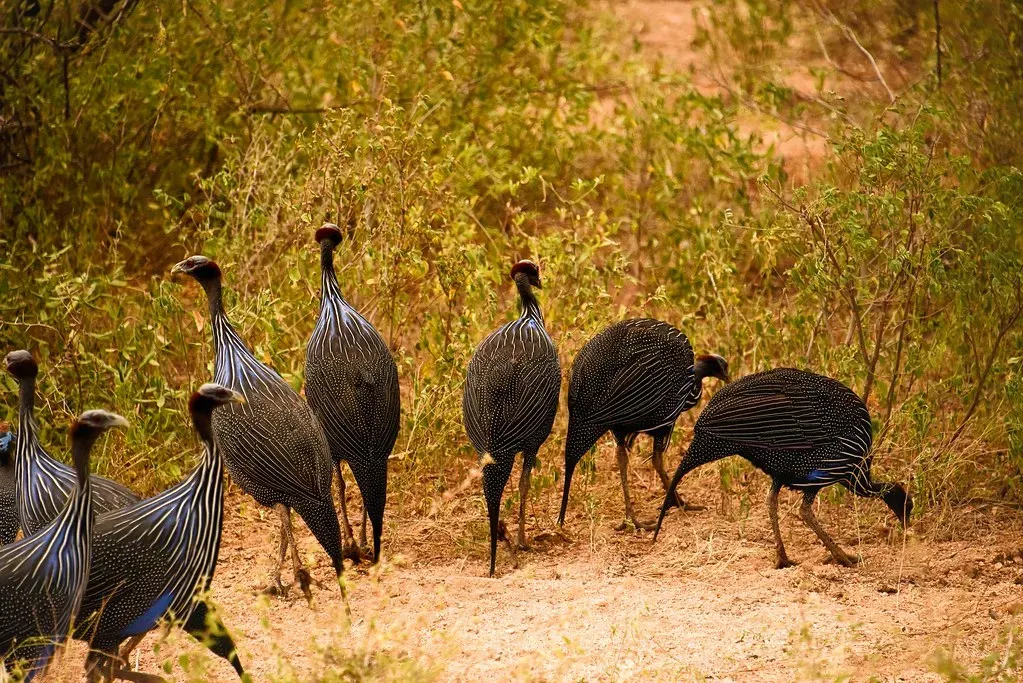
Science long assumed that complex social organization required a large brain. You needed serious cognitive firepower to track dozens of relationships, navigate hierarchies, and remember who wronged you last Tuesday. Then came the vulturine guineafowl, and that assumption collapsed.
Multilevel societies had, until recently, only been known to exist among large-brained mammals including humans, other primates, elephants, giraffes, and dolphins. Now, scientists from the Max Planck Institute of Animal Behavior and the University of Konstanz report the existence of a multilevel society in a small-brained bird, the vulturine guineafowl.
The study suggests that the birds can keep track of social associations with hundreds of other individuals, challenging the notion that large brains are a requirement for complex societies. Vulturine guineafowl behave highly cohesively without exhibiting the signature intergroup aggression that is common in other group-living birds. These birds, which look more like living dinosaurs than anything from a children’s picture book, somehow manage a sophisticated social world without the brainpower we assumed was required.
It’s a bit like discovering that a pocket calculator can solve the same equations as a supercomputer. The implications for how we understand social intelligence are vast.
The Animal Kingdom’s Unwritten Rules: Culture, Learning, and the Bonds That Last
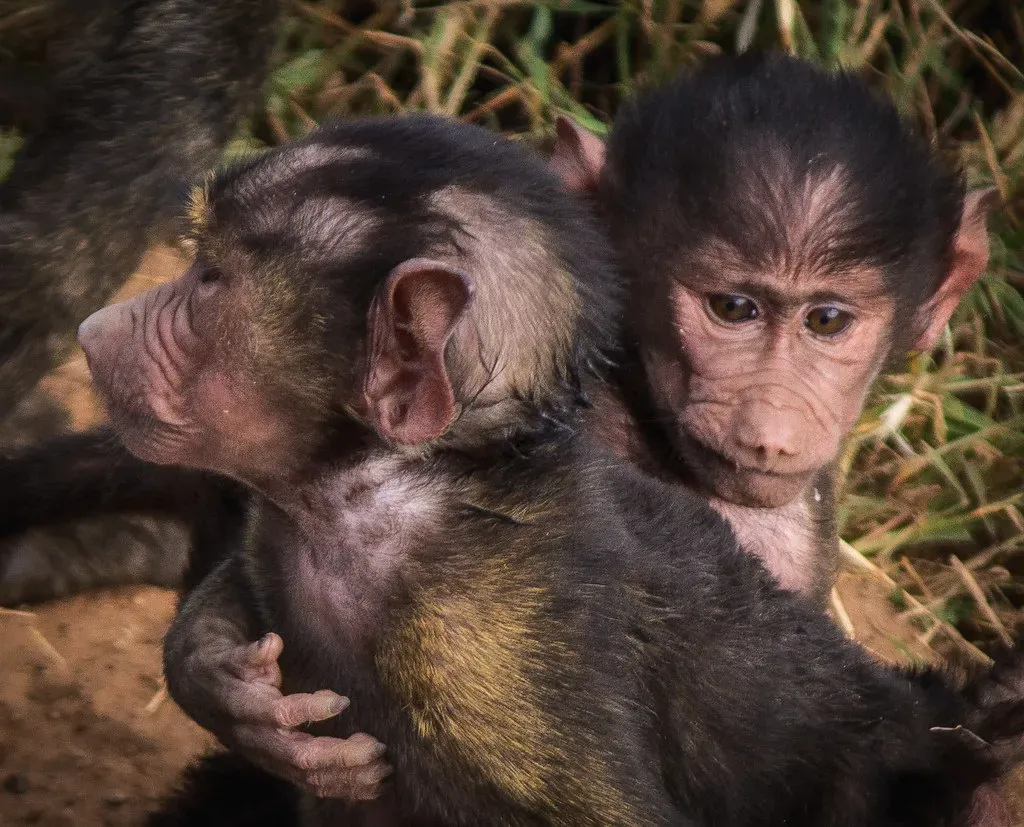
Perhaps the most profound discovery from decades of animal behavior research is this: animals don’t just follow instinct. They have culture. They learn from each other. They pass down traditions across generations, just like we do.
Social learning can result in more persistent behavioral traits developing into “animal cultures,” defined as information or behaviors shared within a community that is acquired from conspecifics through some form of social learning. Cultural behavior may shape both social relationships and social structure, or even act as a marker of group identity. That last part is key. Culture as a badge of identity is something we thought only humans did.
Chimpanzees possess some of the most complex networks among social animals, rivaling human societies in their depth and intricacy. Their use of tools, sophisticated communication, and methods for resolving conflicts demonstrate a highly evolved cooperation structure. Meanwhile, grandmothers in killer whale pods play a vital role as sources of wisdom from which the rest of the family learns crucial survival behaviours, and it is an older matriarch who leads and guides the pod.
Processes similar to those that generate complex human cultures could not only be at play in non-human societies but also create multilevel social structures in the wild. That idea should change everything about how we see animals. Many, probably all, animals from guppies to elephants have social networks as the rule, rather than the exception.
Conclusion: The Wild Was Never What We Thought
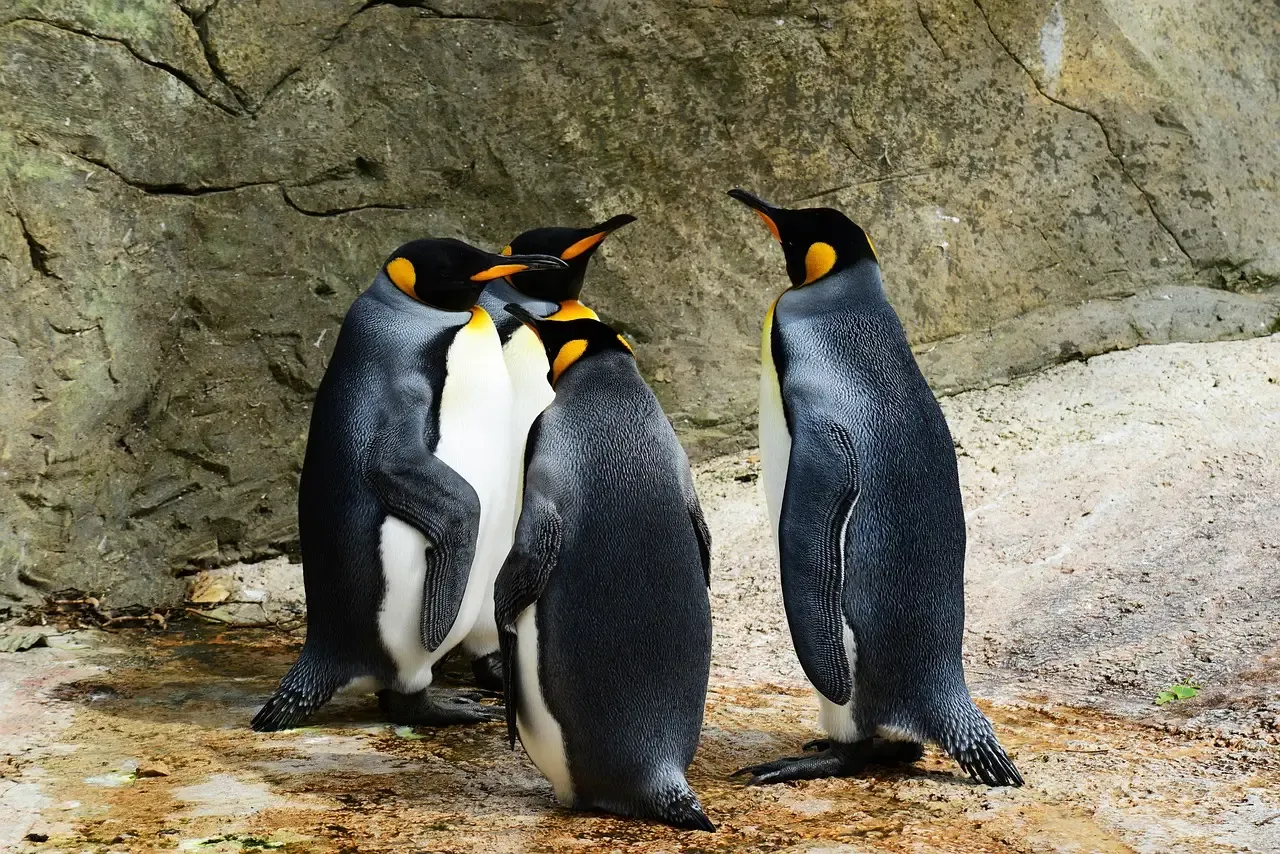
The deeper science looks into the animal world, the more it finds something uncomfortable and wonderful: we are not as unique as we imagined. The traits we believed were exclusively human, culture, hierarchy, friendship, reciprocity, even politics, turn out to be ancient strategies that nature has been perfecting for millions of years.
Each animal simply evolves the structure necessary for its survival. It is logical that humans are not the only beings with complex social networks, personality traits, and intriguing brain circuits that underlie these phenomena. The secret societies of the wild aren’t really secrets. We just weren’t paying close enough attention.
The next time you watch a documentary and see animals moving across a landscape, try to see the invisible architecture underneath it all: the alliances, the betrayals, the elders carrying knowledge, the strangers slowly learning to trust. It was always there.
What does it say about us that it took this long to notice? Tell us what you think in the comments.

- 6 Exotic Bird Species You Can Spot in U.S. National Parks - July 19, 2026
- 11 Iconic American Birds Facing New Challenges and How You Can Help - July 19, 2026
- 10 Friendliest Animals in the World - July 19, 2026