


Reche Canyon, a rural corridor straddling San Bernardino and Riverside counties in Southern California, has long been home to a herd of wild donkeys—descendants of pack animals once used in mining camps. Over the years, they’ve become a regular sight for locals, even earning nicknames and Instagram fan pages.
But in early 2024, the peace was broken. Following growing complaints from residents about traffic hazards, chewed-up landscaping, and donkeys wandering into backyards, San Bernardino County hired Peaceful Valley Donkey Rescue, a Texas-based nonprofit, to round them up. Over several weeks, 256 donkeys were corralled using temporary fencing, trailers, and tranquilizer darts.
What was supposed to be a quiet wildlife management operation turned into a full-blown public controversy.
Community Divided Over Donkey Removal
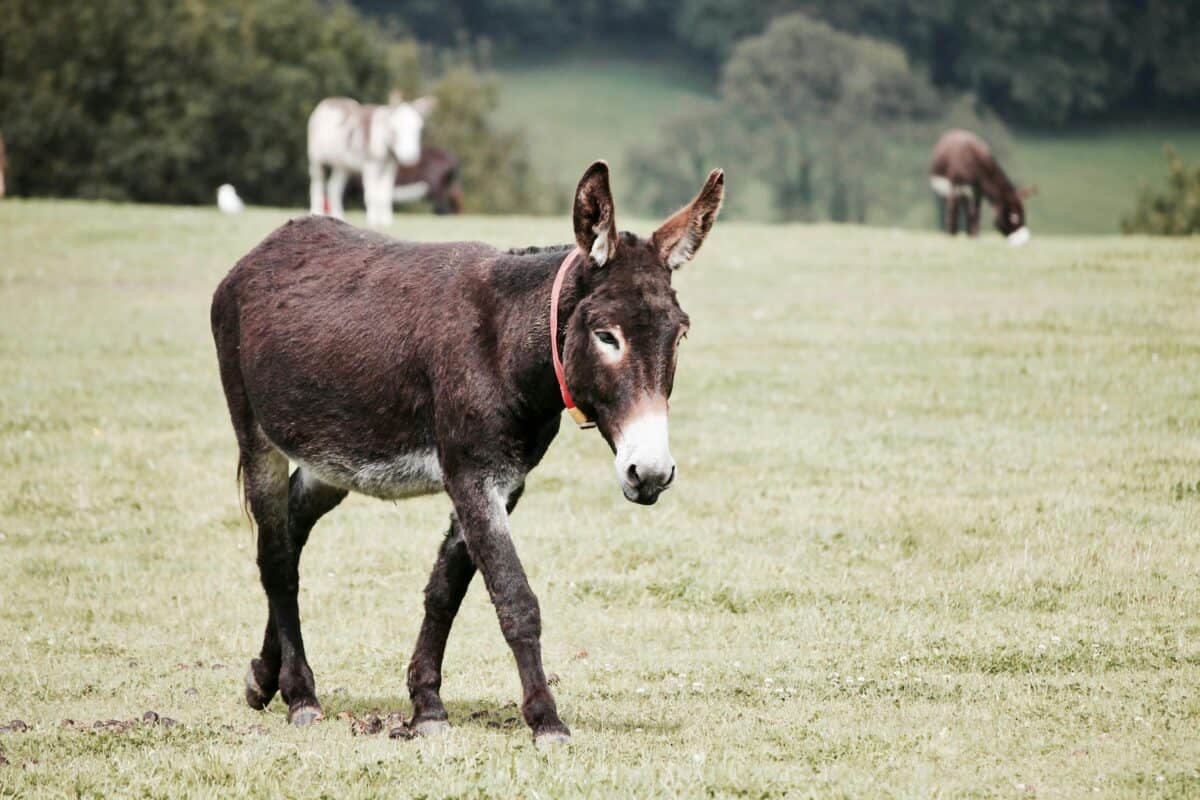
The roundup struck a nerve with locals. While some residents expressed relief—citing near-miss car accidents and property damage—others were furious at what they described as a “kidnapping” of animals they considered part of the neighborhood.
Protestors quickly organized under the name Burro Watch, setting up roadblocks, monitoring transport routes, and filming the roundups with phones and drones. Things escalated when activists tried to stop a trailer from leaving with captured donkeys, prompting sheriff’s deputies to intervene.
Among the most talked-about losses were Tiny Red and Sweet Man, two well-known burros frequently spotted near local trails. One protestor claimed, “They weren’t just animals, they were part of our community. They weren’t causing harm—they were part of the landscape.”
From Roundup to Relocation
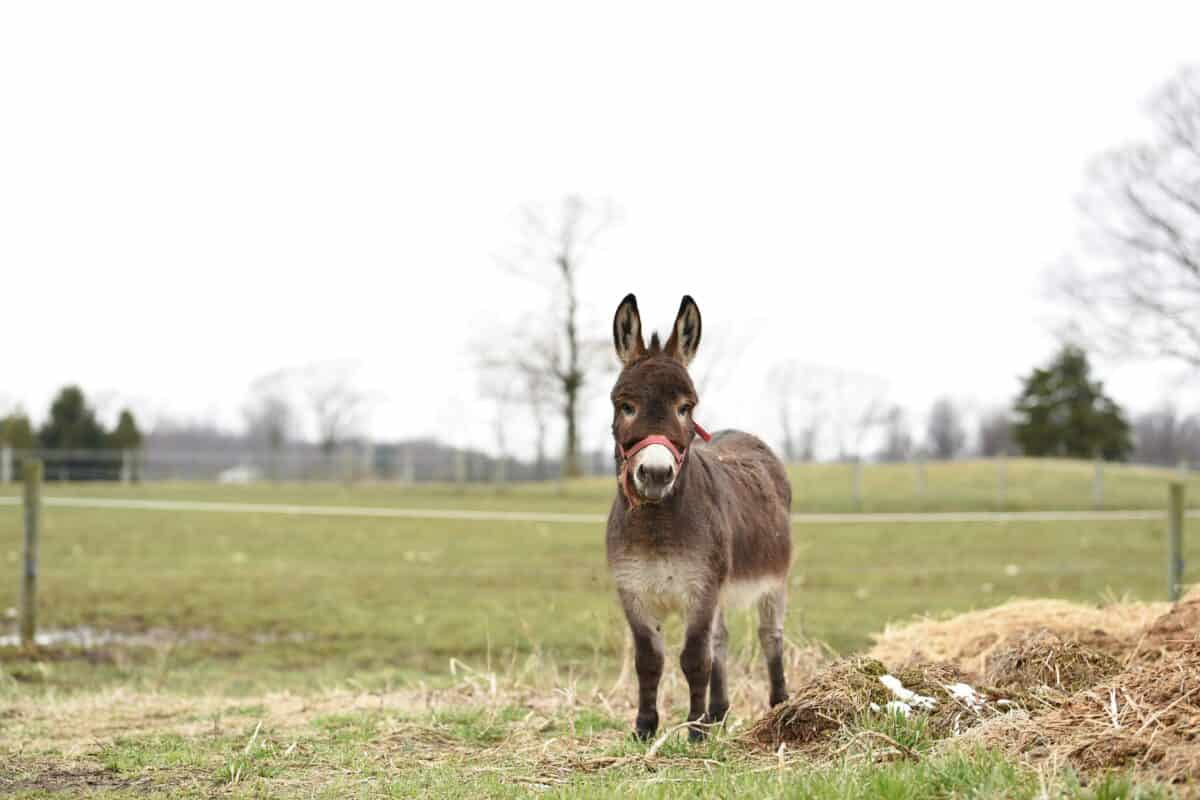
County officials pulled the plug on the Peaceful Valley contract amid the backlash. Instead, they partnered with DonkeyLand—a local donkey sanctuary known for its softer, long-term approach. DonkeyLand’s plan includes sterilizing the burro population, relocating smaller herds, and keeping close tabs on behavior without removing animals en masse.
Peaceful Valley Donkey Rescue, for its part, insists the roundup was necessary. “We were brought in to prevent collisions and protect public safety,” a spokesperson said. “These animals are now safe, healthy, and living on sanctuaries out of state.”
They also made it clear: the captured donkeys aren’t coming back. All 256 were microchipped, processed, and rehomed before the backlash reached full boil.
A Wild Balance: Safety vs. Sentiment
This isn’t just a story about donkeys. It’s a reminder of the complicated relationship between humans and wildlife in the ever-growing urban-rural edges of the U.S.
When wild animals become neighborhood regulars, they’re often embraced by some and feared by others. Burros are particularly stubborn, smart, and surprisingly social—traits that help them survive but land them in hot water.
The Reche Canyon roundup shows the challenges of managing wildlife humanely, especially when public emotions run high. It also signals a growing push to find middle-ground solutions that balance safety, ecology, and local affection for the animals that roam just beyond our backyards.

- Texas Ranchers Injured and Horses Killed in Aggressive Bee Attack - July 19, 2026
- Cougar Attack on Cyclists Shakes Washington Wilderness - July 19, 2026
- Snake Found in Arizona Toilet Shocks Homeowner - July 19, 2026