
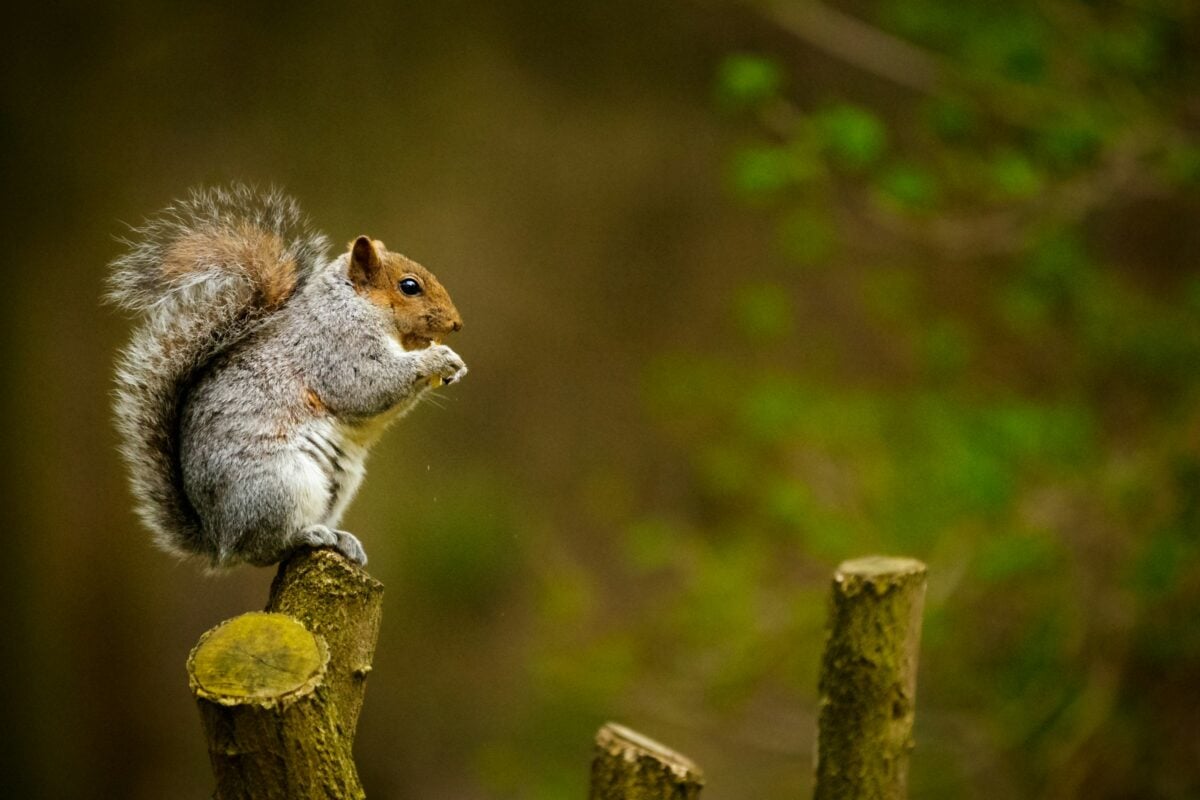
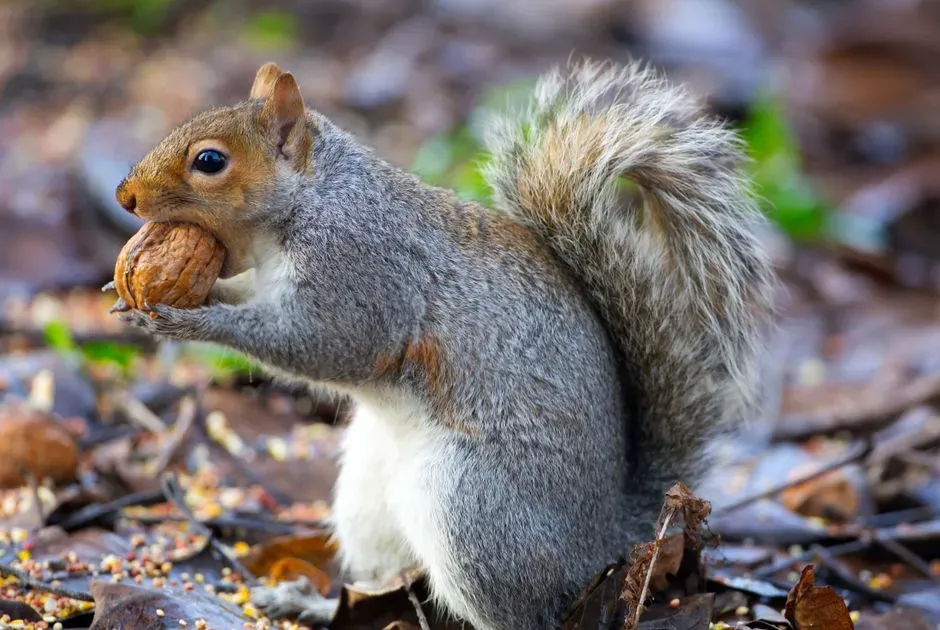
Watch a squirrel on a lawn in autumn and it looks like pure chaos. It digs a hole, drops in a nut, pats the soil down, and trots off to do it again somewhere else. Over a season, one animal can make thousands of these tiny deposits.
It’s easy to assume the whole thing runs on luck and a good nose. The research suggests something more orderly is going on underground, and it borrows a trick that you probably use every time you unpack the groceries.
The Staggering Scale of a Squirrel’s Pantry
🔥 Would you like to save this?
We'll email this post to you, so you can come back to it later!
Start with the numbers, because they explain why any strategy is needed at all. Fox squirrels stockpile at least 3,000 to 10,000 nuts a year. That’s a lot of individual hiding spots to keep track of.
This habit is called scatter hoarding. Instead of piling everything in one den, the squirrel spreads its food across the landscape in many small caches. It lowers the risk of losing everything to a single thief, though it raises a tough question about how the owner finds it all again.
What Chunking Actually Means
🔥 Would you like to save this?
We'll email this post to you, so you can come back to it later!
Chunking is a memory technique in which a big set of information gets broken into smaller, more manageable groups. Chunking is a memorization method in which information is processed in smaller chunks. Think of a phone number split into three parts rather than recited as ten loose digits.
Squirrels aren’t the first animals credited with it. Laboratory rats use spatial chunking when learning a maze, and nightingales chunk by syllable to learn long songs. So the idea is old in cognitive science. What was new was seeing it in an animal that buries its food.
The Berkeley Experiment That Put It to the Test
🔥 Would you like to save this?
We'll email this post to you, so you can come back to it later!
The key study came from Mikel Delgado and Lucia Jacobs at UC Berkeley, published in 2017 in Royal Society Open Science. They presented 45 individual wild fox squirrels with a series of 16 nuts of four different species, either in runs of four of the same species or in a pseudorandom order. The order was a deliberate variable.
The researchers also changed where the nuts came from. Squirrels either collected each nut from a different location or collected all nuts from a single location, and the team then mapped their cache distributions using GPS. That let them separate sorting by nut type from other explanations, such as simply burying things near where they were found.

Halloween Dog Collar with Bow, Orange Cute Ghost Collar,
Check Price on AmazonAs an Amazon Associate, we earn from qualifying purchases.
10/9/2026 2:43 pm GMTi

2 Pcs Halloween Pet Hat Bandana Set, Witch Pumpkin Costumes for Dogs
Check Price on AmazonAs an Amazon Associate, we earn from qualifying purchases.
10/9/2026 2:45 pm GMTi

Hand Blown Glass Hummingbird Feeders for Outdoors Hanging, 24oz Wild Bird Nectar Feeder
Check Price on AmazonAs an Amazon Associate, we earn from qualifying purchases.
10/7/2026 1:23 pm GMTi

Smart Bird Feeder with Camera Solar Powered, 2K HD Live Video, 10,000+ Bird Species AI Identification
Check Price on AmazonAs an Amazon Associate, we earn from qualifying purchases.
10/7/2026 1:22 pm GMTi

Halloween Cat Costume Cloak Witch Hat Pet Accessories
Check Price on AmazonAs an Amazon Associate, we earn from qualifying purchases.
10/9/2026 2:44 pm GMTi
What the Squirrels Actually Did
🔥 Would you like to save this?
We'll email this post to you, so you can come back to it later!
Even when the nuts arrived in a jumbled order, the squirrels tended to sort them. Jacobs has described it as putting the almonds in one place and the hazelnuts in another, even from a random series. The nuts weren’t just dumped wherever the squirrel happened to be standing.
There’s an important catch, though. Squirrels that foraged in a single location tended to organize their caches by nut type, while those that foraged in several locations prioritized spatial separation among caches. So chunking isn’t a rigid rule. It appears to be one flexible tool, used under certain conditions.
Why a Tidy Cache Might Help Memory
🔥 Would you like to save this?
We'll email this post to you, so you can come back to it later!
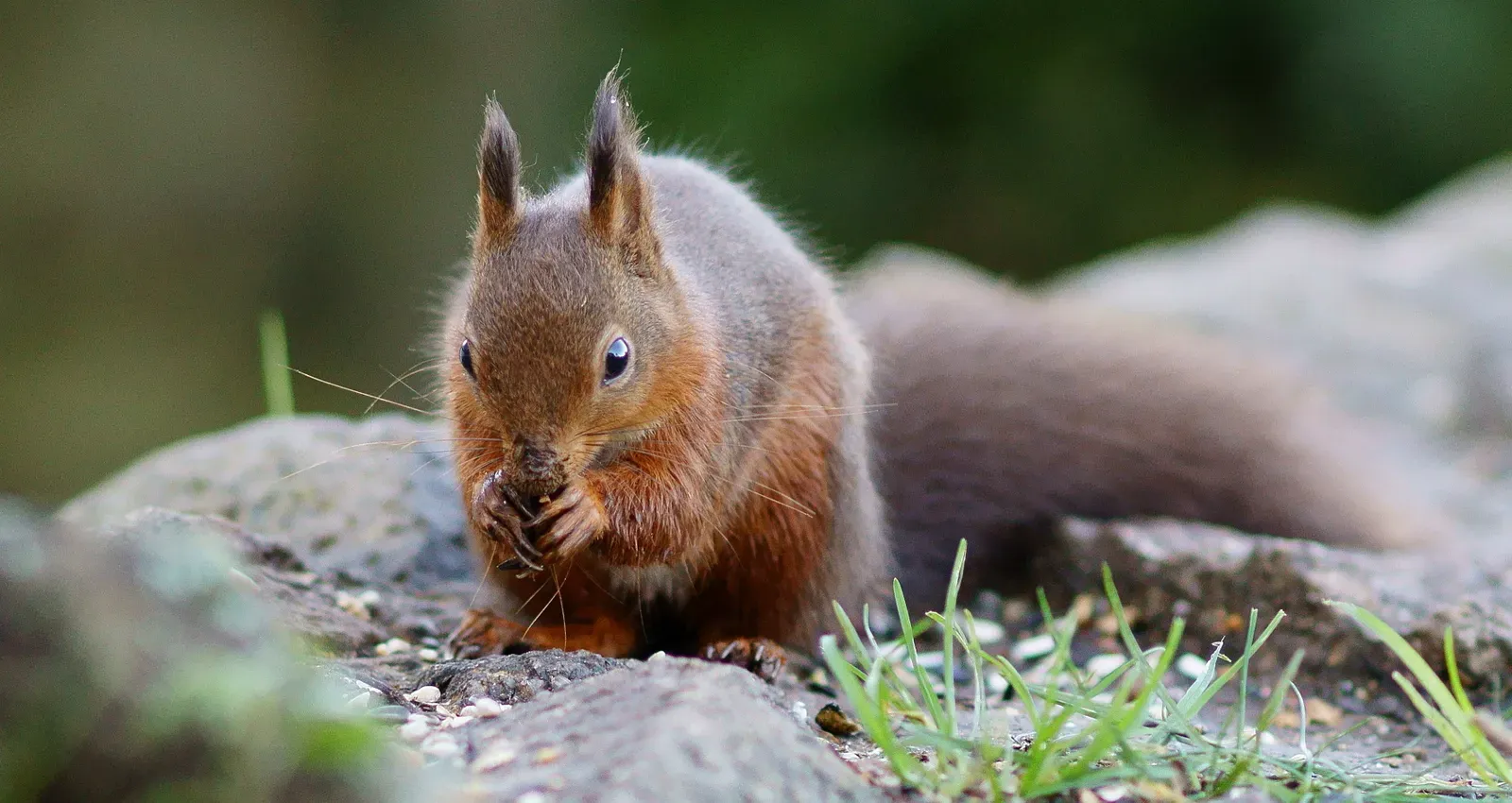
The proposed payoff is easier recall. Organizing nuts by type likely reduces memory load and should increase accuracy of recall, according to Jacobs. Instead of searching your whole mental map, you only check the right zone.
Jacobs offers a household comparison. Fruit goes on one shelf and vegetables on another, so looking for an onion means checking one place, not every shelf in the kitchen. It’s worth keeping in mind that the study shows squirrels cache in patterns consistent with chunking. It describes this as evidence that they could be using it, not as proof of exactly what’s happening in their heads.

Dog Stairs for Bed 18" H, 4-Step Dog Steps for High Bed
Check Price on AmazonAs an Amazon Associate, we earn from qualifying purchases.
10/9/2026 2:42 pm GMTi

Professional 7 in 1 Dog Paw Cleaner for Dogs & Cats - Includes 1 Portable Paw Washer, 1 Bath Brush
Check Price on AmazonAs an Amazon Associate, we earn from qualifying purchases.
10/7/2026 1:26 pm GMTi

PetSafe Oasys Pet Fountain, 1/2 Gallon (64 oz), Small Dogs & Cats
Check Price on AmazonAs an Amazon Associate, we earn from qualifying purchases.
10/8/2026 8:14 am GMTi

Glass Hummingbird Feeder for Outdoors Hanging, 16 oz Leak-Proof Nectar Feeder with Bee Guards & Ant Moat
Check Price on AmazonAs an Amazon Associate, we earn from qualifying purchases.
10/7/2026 1:22 pm GMTi

Orthopedic Extra Large Dog Bed, Waterproof Washable XL Pet Bed 44"
Check Price on AmazonAs an Amazon Associate, we earn from qualifying purchases.
10/7/2026 1:32 pm GMTi
Part of a Bigger Picture of Squirrel Smarts
🔥 Would you like to save this?
We'll email this post to you, so you can come back to it later!
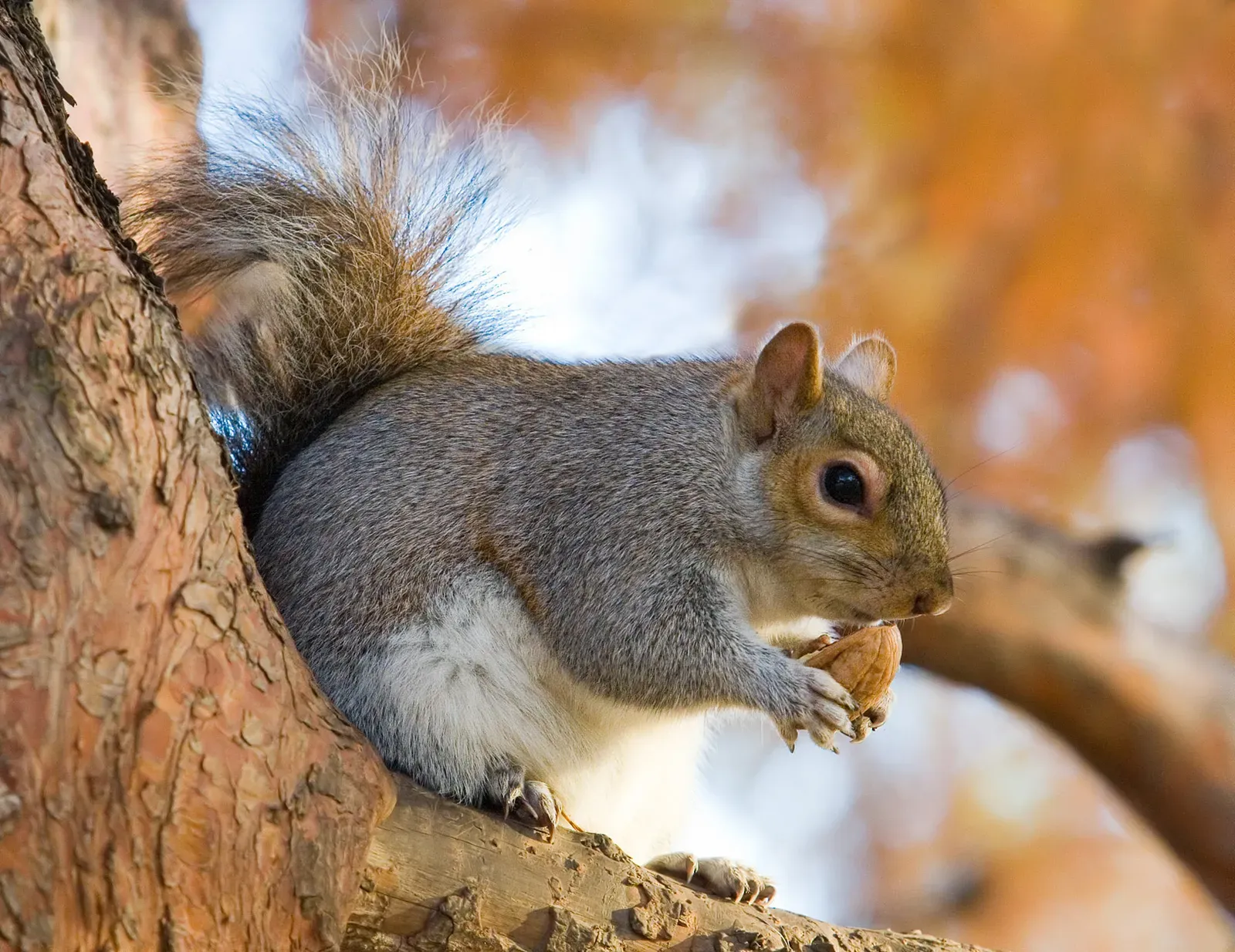
Chunking sits alongside other behavior that suggests squirrels make careful choices. Fox squirrels offered almonds and peanuts bury the preferred almonds farther from the source and at lower densities than the peanuts. Valuable food gets extra protection.
Memory matters too. In a 1991 study of eight hand-raised gray squirrels, the animals retrieved twice as many of their own nuts as those from another squirrel’s cache. Some squirrels even dig up and rebury nuts, which Jacobs sees as a kind of geographic revision rather than a single act of memorization.

Portable Dog Water Bottle Foldable Dog Travel Water Bottle
Check Price on AmazonAs an Amazon Associate, we earn from qualifying purchases.
10/7/2026 1:29 pm GMTi

Earth Rated XL Dog & Puppy Pee Pads, Discreet Top, Max Absorbency
Check Price on AmazonAs an Amazon Associate, we earn from qualifying purchases.
10/7/2026 1:28 pm GMTi

Air Purifiers for Home Pets Large Room Up to 3000 Ft²,HEPA Air Cleaner with Washable Double-Side Filter, PM2.5 Air Quality Monitor,15dB Sleep Mode for Bedroom Odor Dust Pollen,White
Check Price on AmazonAs an Amazon Associate, we earn from qualifying purchases.
10/8/2026 8:23 am GMTi

Glass Hummingbird Feeder for Outdoors Hanging
Check Price on AmazonAs an Amazon Associate, we earn from qualifying purchases.
10/7/2026 1:21 pm GMTi
Final Thoughts
🔥 Would you like to save this?
We'll email this post to you, so you can come back to it later!
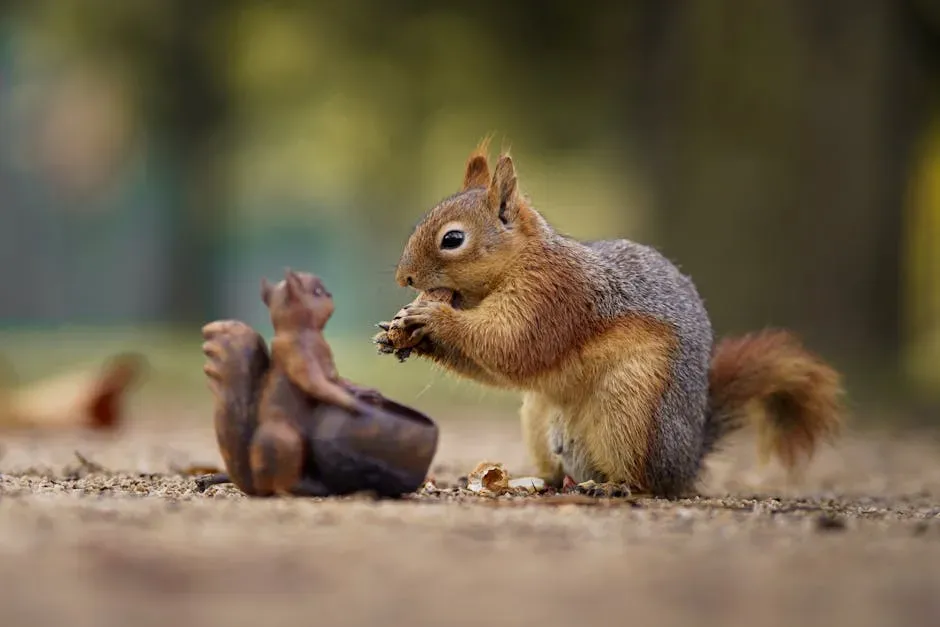
I’ll admit I used to think the forgetful squirrel was a fair cartoon. The evidence points the other way: this is an animal with a working filing system, adjusted to how it gathers food. Some forgotten nuts do sprout into trees, but that’s a side effect, not the plan.
My own view is that the most appealing part of this research is how ordinary it makes intelligence look. No tools, no language, just a habit of sorting things so they’re easier to find later. The next time a squirrel digs in your yard, it’s probably not guessing.

- Wildlife Biology Says Squirrels Organize Their Buried Nuts by Type – a Memory Strategy Called Chunking - November 7, 2026
- The Wild Cat Your Birth Month Says You Share the Most Traits With - November 7, 2026
- The Dog Breed That Matches Each Zodiac Sign’s Energy Level - November 7, 2026