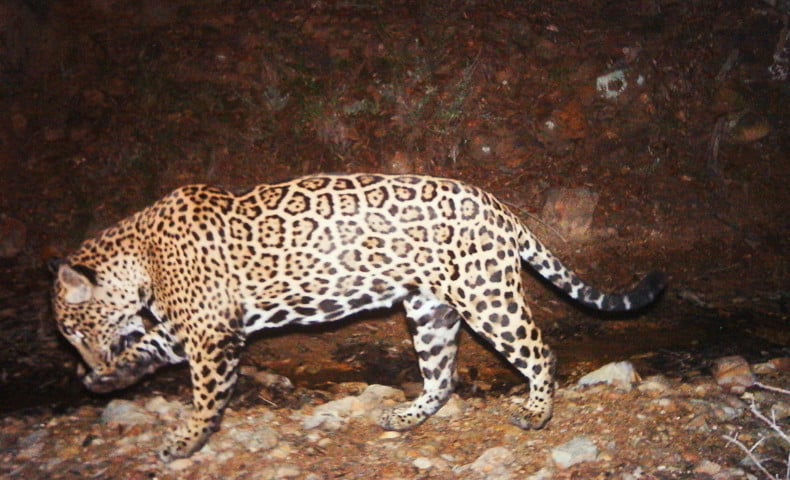
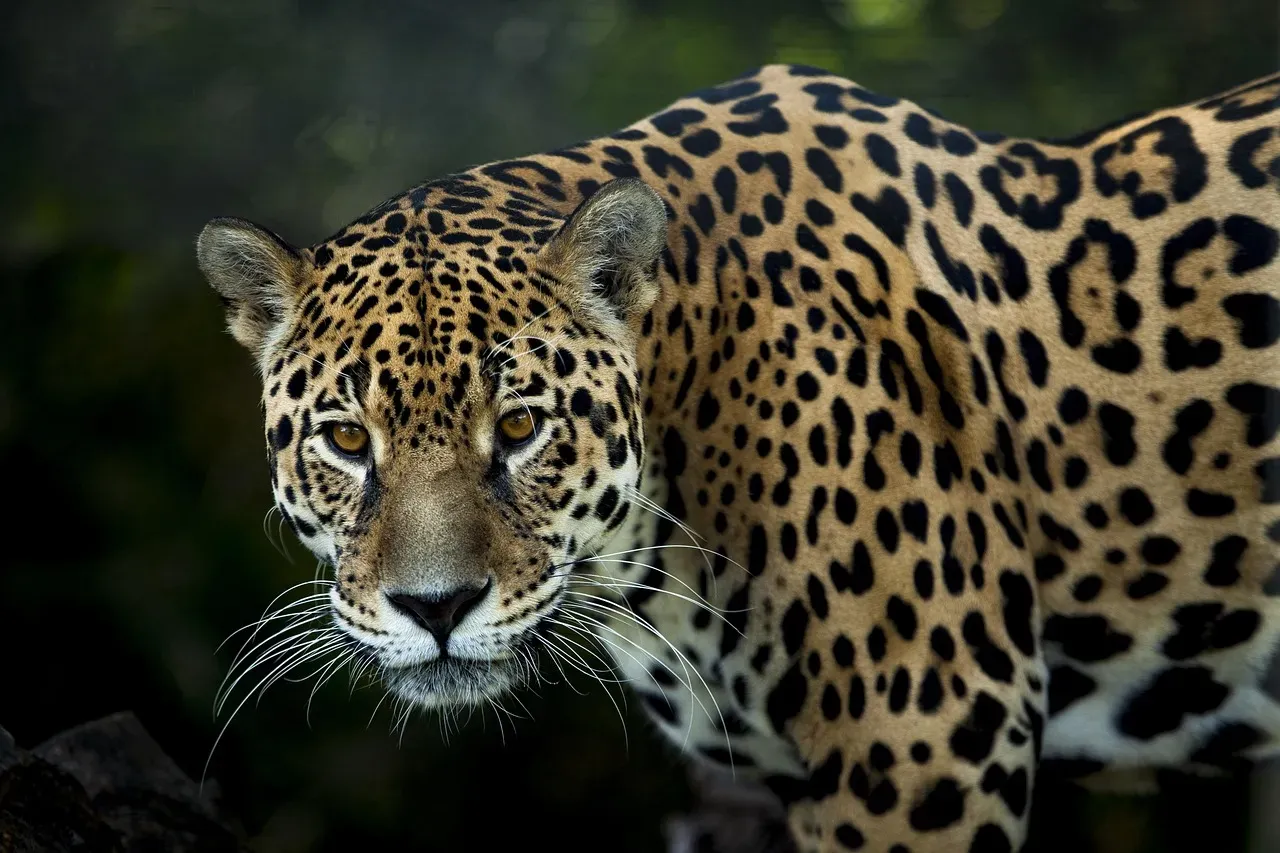
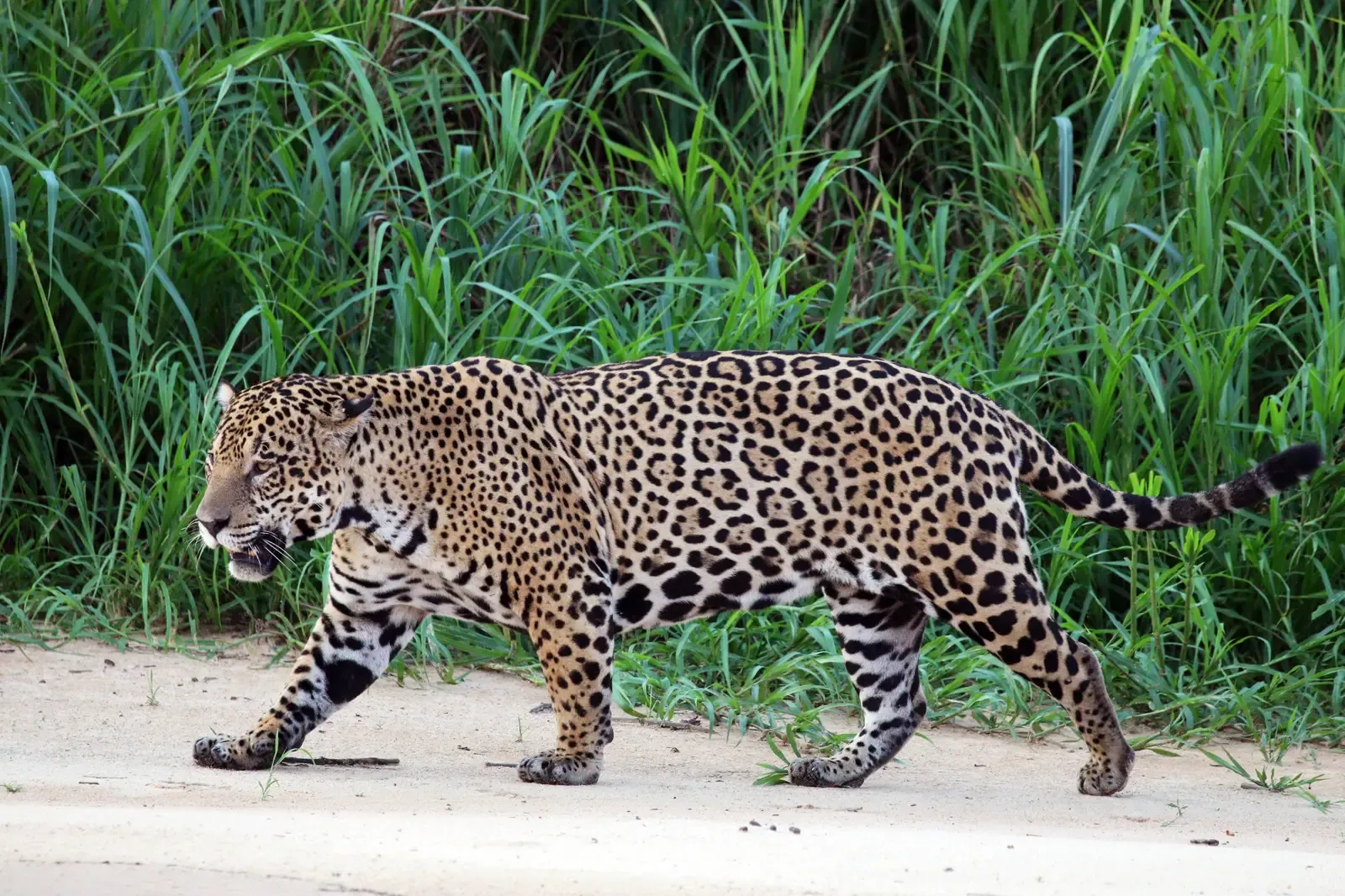
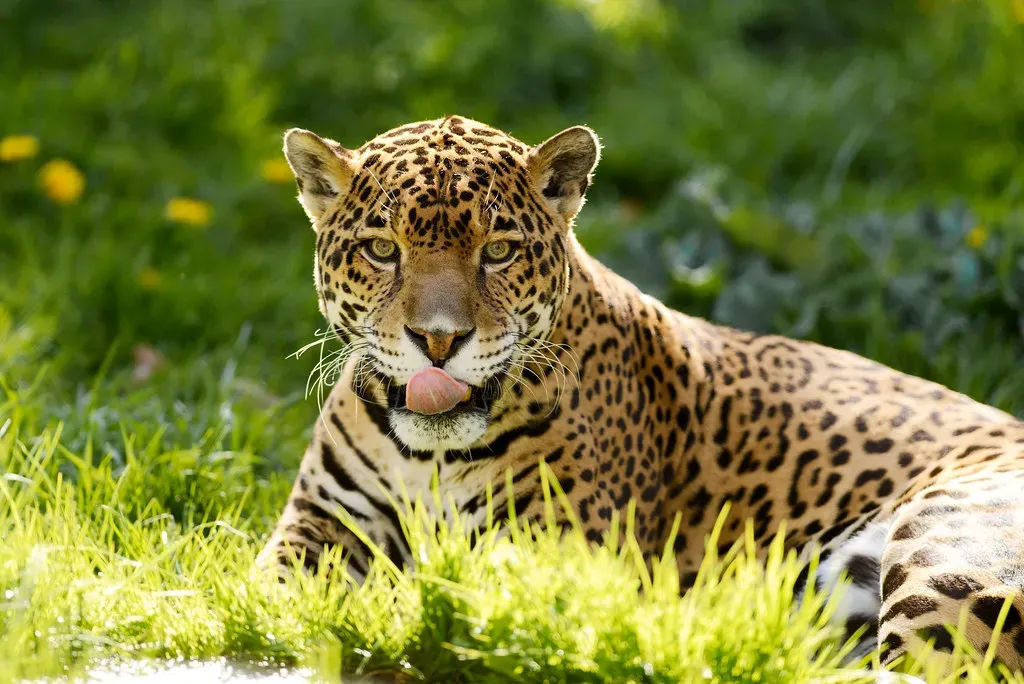
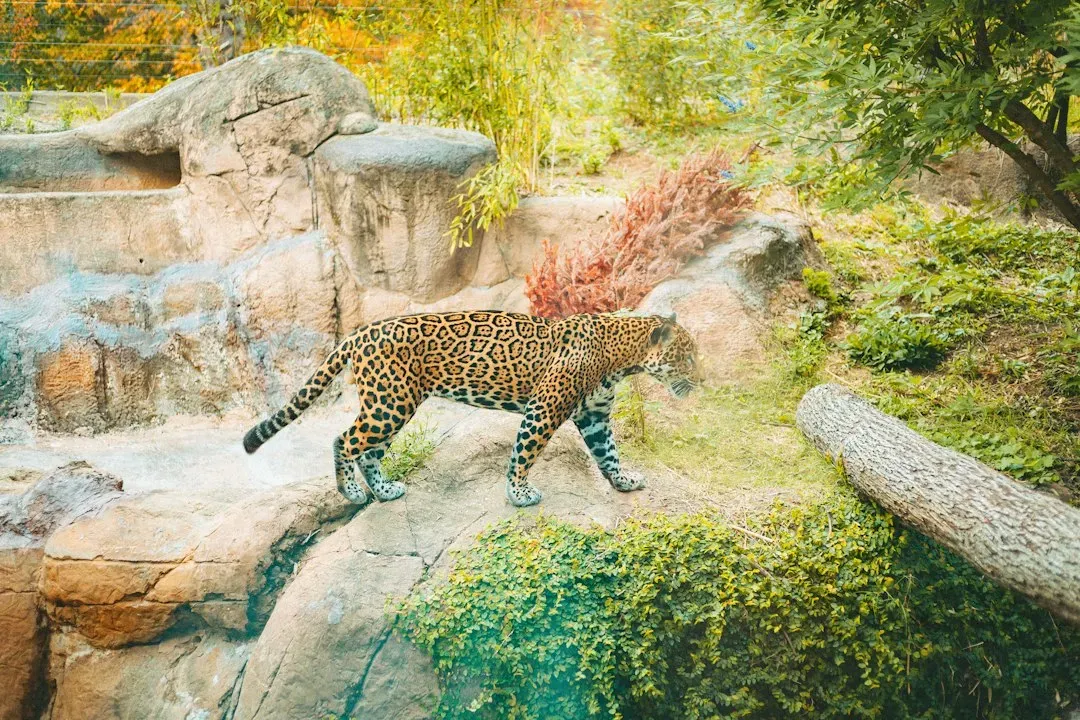
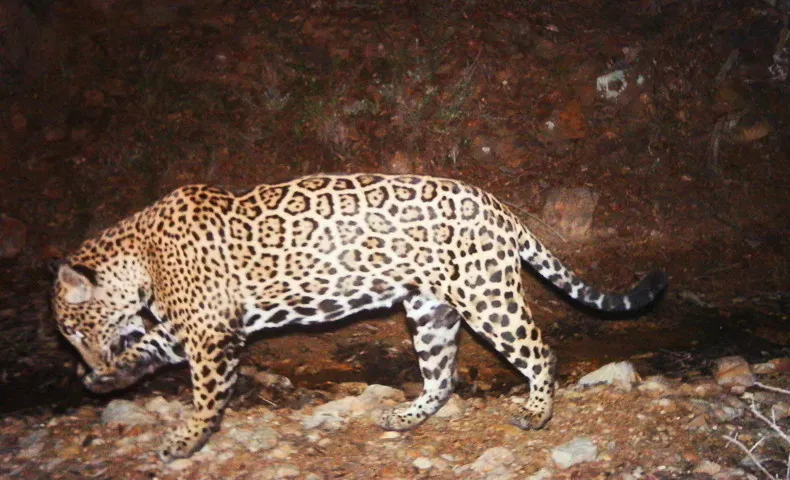
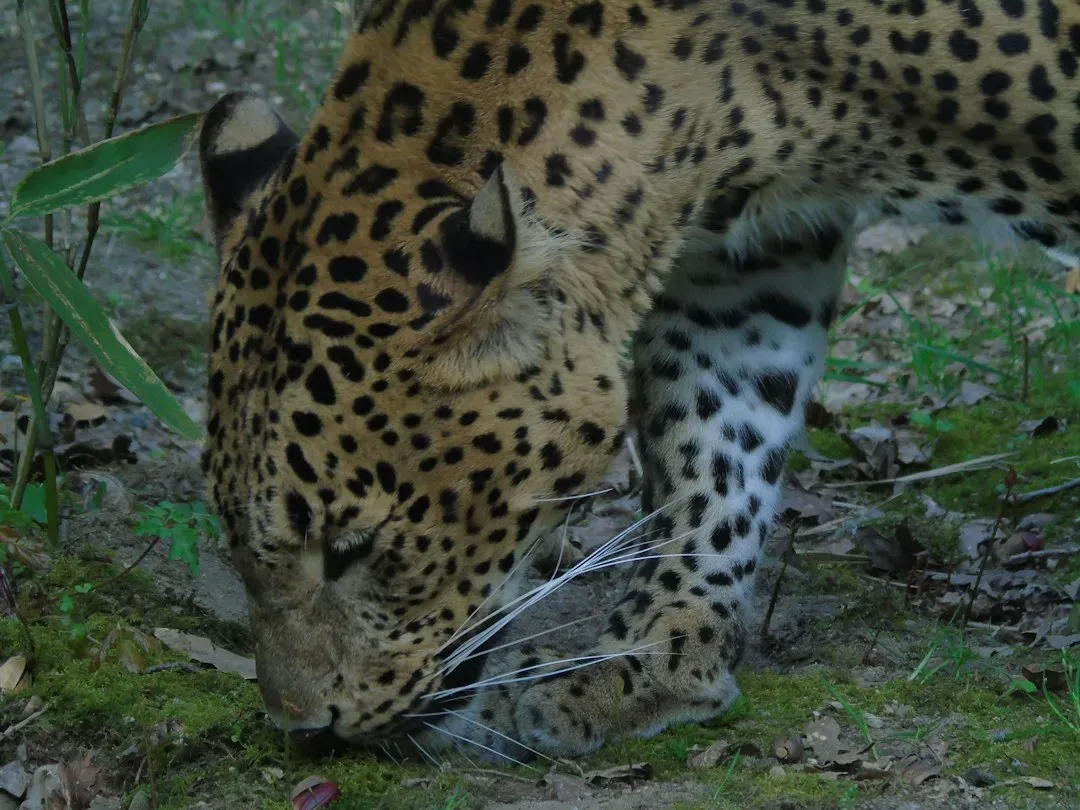
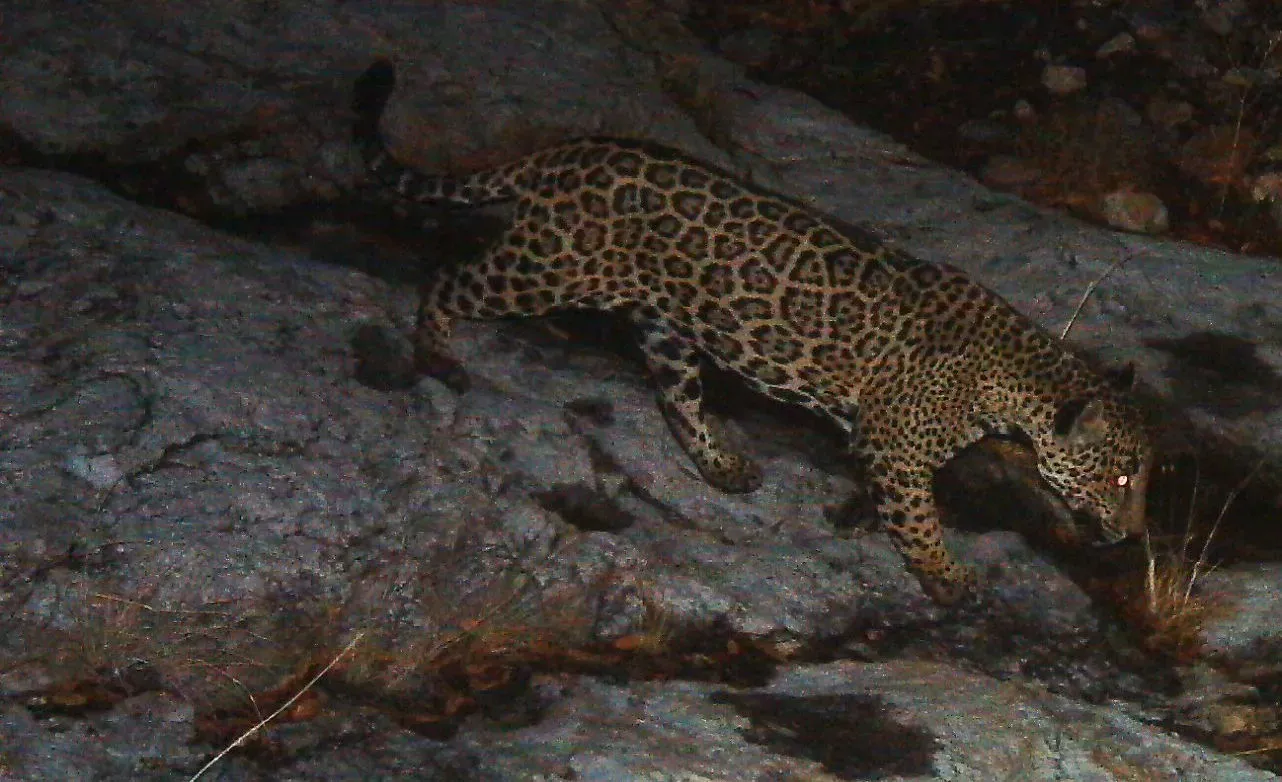
Southern Arizona holds a quiet secret that surprises many who picture jaguars only in dense rainforests far to the south. Every so often, trail cameras in the rugged borderlands catch unmistakable spotted coats moving through desert washes and mountain canyons. These fleeting images remind people that the northern edge of the species range still sees occasional visitors from Mexico. Wildlife biologists have pieced together a consistent story from these rare detections. The animals crossing north are almost always adult males exploring new ground or following traditional routes. Their presence sparks both excitement and questions about what the future holds for this iconic cat in the United States.
Historical Records of Jaguars North of the Border
Historical Records of Jaguars North of the Border (Image Credits: Pixabay)
Jaguars once ranged across much of the American Southwest before intensive hunting and habitat changes pushed them out by the mid twentieth century. Museum specimens, hunter accounts, and newspaper reports from the 1800s and early 1900s document dozens of animals taken in Arizona and neighboring states. The last confirmed female in the United States was recorded in 1963, after which breeding activity north of the border appears to have ceased. Still, occasional wanderers continued to appear. Two separate jaguars were photographed alive in Arizona in 1996, one in the Peloncillo Mountains and another in the Baboquivari range. Those images marked the start of a new era of documentation that relied less on chance encounters and more on systematic observation.
Trail Cameras Revolutionize Detection Efforts
Trail Cameras Revolutionize Detection Efforts (Own work, from Sharp Photography, sharpphotography, CC BY-SA 4.0)
Motion activated cameras placed along game trails and near water sources have transformed how researchers track these elusive cats. Networks of dozens of cameras now operate year round in key mountain ranges, capturing thousands of wildlife images that include the occasional jaguar. Each new photo or video provides data on timing, location, and individual identity through unique spot patterns that function like fingerprints. University programs and citizen science volunteers maintain these arrays across hundreds of square miles. The approach avoids disturbing the animals while building long term datasets on movement and habitat use. Over fifteen years of such monitoring has produced more than two hundred detections, far more than earlier opportunistic sightings ever could.
Individual Males Identified Since the Mid 1990s
Individual Males Identified Since the Mid 1990s (Eric Kilby, Flickr, CC BY-SA 2.0)
At least eight distinct jaguars have been confirmed in the United States through photographs since 1996. Early examples include Macho B, a long lived male documented repeatedly in the early 2000s before his eventual capture and death. Later arrivals such as El Jefe in the Santa Rita Mountains and Sombra in the Chiricahuas each generated dozens of images over multiple years. More recent detections include a jaguar first seen in 2023 that reappeared after a long absence, plus the individual nicknamed Cinco, recorded more than seventeen times since late 2025. All of these animals have been males, consistent with the pattern of young adults dispersing northward from core populations in Sonora.
Portable Dog Water Bottle Foldable Dog Travel Water Bottle
As an Amazon Associate, we earn from qualifying purchases.
10/9/2026 2:44 pm GMTi
Habitat Preferences in the Sky Island Region
Habitat Preferences in the Sky Island Region (Image Credits: Unsplash)
The Sky Islands of southeastern Arizona offer a mosaic of desert grasslands, oak woodlands, and higher elevation pine forests that jaguars appear to favor when they cross the border. Proximity to water and abundant prey such as deer, javelina, and smaller mammals supports their needs during extended stays. These mountain ranges function as stepping stones connected by lower elevation corridors that allow travel between Mexico and the United States. Researchers note that the cats often return to the same drainages and ridgelines used by previous individuals, suggesting some level of site fidelity even among transients. This behavior helps conservation planners identify priority areas for protection. The landscape remains challenging, with steep terrain and variable rainfall shaping where the animals can thrive.
Pressures from Border Infrastructure and Land Use
Pressures from Border Infrastructure and Land Use (By United States Fish and Wildlife Service, Public domain)
Ongoing construction of border barriers has raised concerns about connectivity between populations on either side of the international line. Several known movement corridors now face physical obstacles that could limit future crossings or force animals into riskier routes. At the same time, drought conditions and shifting prey availability may be encouraging more frequent northward exploration. Federal critical habitat designations cover portions of southern Arizona and New Mexico, yet enforcement and management remain complex across mixed public and private lands. Wildlife managers continue to monitor how these changes affect the few individuals that do arrive.
Halloween Dog Collar with Bow, Orange Cute Ghost Collar,
As an Amazon Associate, we earn from qualifying purchases.
10/9/2026 2:45 pm GMTi
Contributions from Long Term Monitoring Programs
Contributions from Long Term Monitoring Programs (Image Credits: Unsplash)
Fifteen years of continuous camera work combined with genetic sampling from scat have yielded insights into diet, health, and population dynamics that were previously unavailable. Data show that some jaguars remain in Arizona for extended periods rather than simply passing through, and that they utilize a variety of vegetation types within the Sky Islands. These findings support arguments for maintaining open landscapes that allow natural dispersal. The same monitoring networks also document other rare species such as ocelots, providing broader benefits for regional biodiversity studies. Continued investment in non invasive techniques promises to refine understanding of how climate and human activity interact with jaguar movements over time.
Air Purifiers for Home Pets Large Room Up to 3000 Ft²,HEPA Air Cleaner with Washable Double-Side Filter, PM2.5 Air Quality Monitor,15dB Sleep Mode for Bedroom Odor Dust Pollen,White
As an Amazon Associate, we earn from qualifying purchases.
10/7/2026 1:21 pm GMTi
Prospects for a Self Sustaining Population
Prospects for a Self Sustaining Population (Male Jaguar–Photo Courtesy of UA/USFWS, Public domain)
The steady trickle of male jaguars into Arizona demonstrates that suitable habitat and prey still exist at the northern fringe of the species range. Whether females will follow in sufficient numbers to establish breeding remains an open question, though recent records of females closer to the border in Mexico offer cautious optimism. Long term recovery will depend on preserving connectivity and minimizing conflicts with human activities. Opinionated observers argue that these wanderers represent more than biological curiosities. They serve as living reminders that conservation successes in Mexico can ripple northward when landscapes stay connected. Protecting the corridors these cats use benefits countless other species and maintains the wild character of the borderlands for future generations. The trail camera images keep that possibility alive, one spotted frame at a time.
Gargi is an MA in History and a B.Ed graduate from India, with a deep passion for animals and wildlife awareness. As an article writer and editor at Animals Around The Globe, she combines her love for storytelling with her dedication to educating readers about animals, conservation, and responsible pet care. A devoted dog lover, Gargi enjoys creating engaging and informative content that inspires compassion and awareness toward the natural world.