
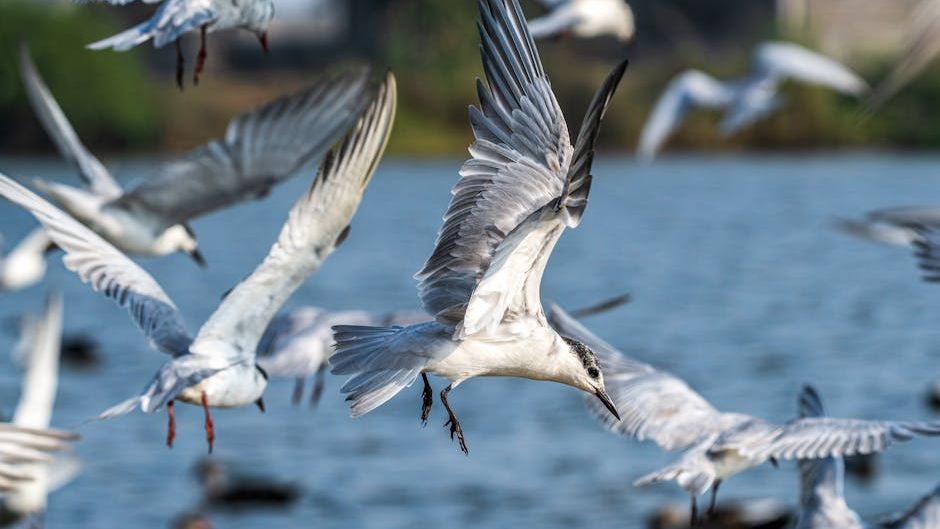
Every spring and autumn, something extraordinary happens above our heads. Billions of wings cut through the air, navigating mountains, deserts, and open oceans with a precision that no map or GPS can fully explain. It is one of the most awe-inspiring spectacles on Earth, and most of us never even look up to notice it.
Each spring and autumn, billions of birds undertake journeys that defy human endurance – crossing oceans, deserts, and mountain ranges without GPS, fuel stops, or rest breaks. The sheer scale of it is humbling. These aren’t isolated events. They are ancient, repeating miracles woven into the very fabric of our planet’s seasonal rhythm. Let’s dive in.
Why Birds Migrate: The Ancient Drive to Survive
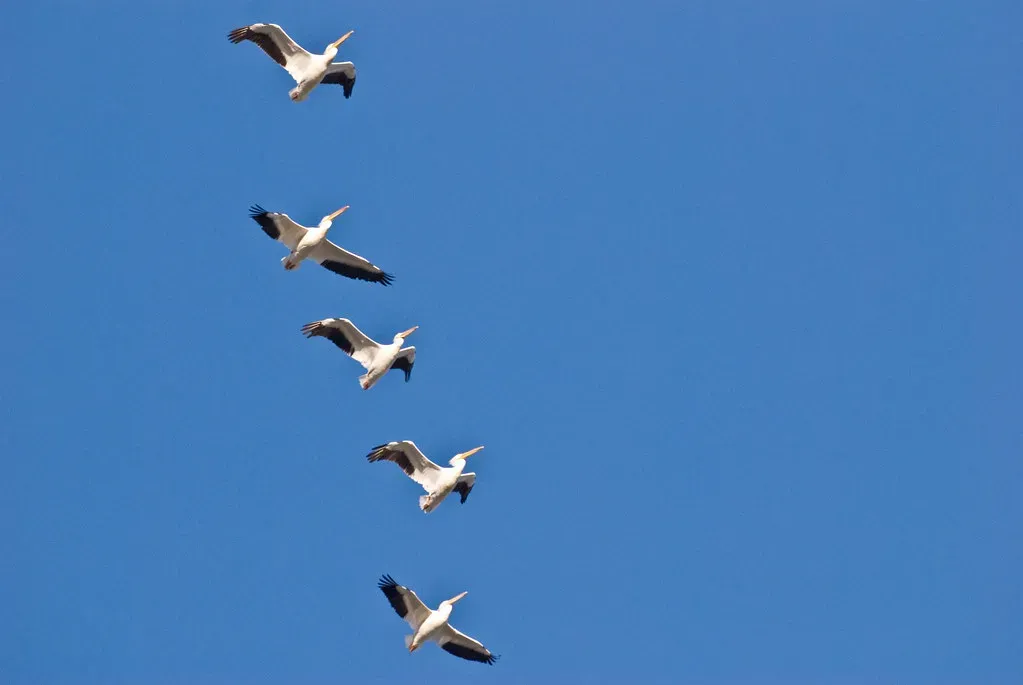
Let’s be real – if you could fly, would you stay put through a brutal winter with nothing to eat? Neither would a bird. Migration is not just a seasonal routine; it’s a matter of survival. Birds migrate primarily to find food, suitable weather, and safe breeding grounds.
During the harsh winters of temperate or polar regions, insects disappear, seeds freeze, and nectar sources dry up. To avoid starvation, birds journey to warmer places where food is available year-round. When summer arrives, they return north to breed. Longer daylight hours and abundant food help them raise their young successfully.
There’s also a reproduction advantage worth knowing about. By moving north, birds are able to raise larger families, often producing four to six offspring, compared to only two to three in the tropics. That’s a staggering evolutionary payoff for what amounts to one of nature’s most dangerous journeys.
Around three and a half billion birds migrate back into the United States from their southern wintering grounds in the spring, and it’s estimated that only about half of migrating birds survive the journey. Think about that for a moment. These birds risk everything, every single year, and they keep going.
The Record-Breakers: Birds That Fly Farther Than Your Imagination
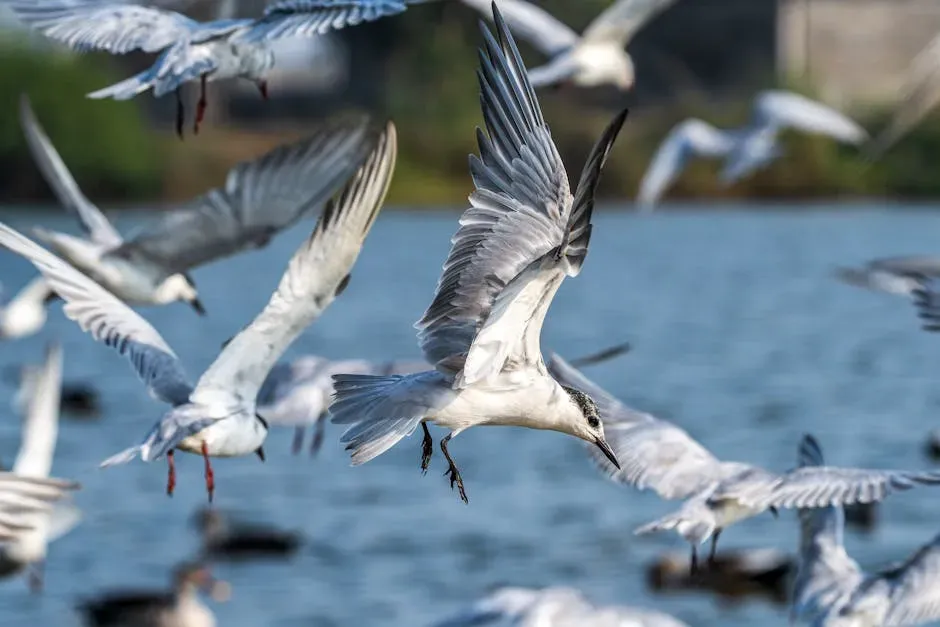
I know it sounds crazy, but some birds essentially travel from one end of the planet to the other – not once, not twice, but every single year of their lives. No bird migration list is ever complete without mentioning the record-breaking feats of the Arctic Tern. By far the longest migration known in the animal kingdom, this medium-sized bird travels roughly 90,000 kilometres from pole to pole every year – from Greenland in the North to the Weddell Sea in the South.
Remarkably, Arctic Terns can live up to 30 years, which means if one adds up the distance they traverse in a lifetime, their total journey is equivalent to going to the moon and back more than three times. That is not a metaphor. That is a real calculation. For a bird that weighs less than a coffee mug.
Then there is the Bar-tailed Godwit, which brings a completely different kind of jaw-dropping achievement. The longest recorded migration by a bird without stopping for food or rest is around 13,560 kilometres by a satellite-tagged, juvenile bar-tailed godwit that flew directly across the Pacific Ocean from Alaska to Tasmania, Australia. Eleven days. No sleep. No food. No rest.
This nonstop journey requires birds to nearly double their body weight in fat reserves beforehand. Think of it like strapping on a fuel tank the size of your own body before a race – except the race crosses an entire ocean. Honestly, it makes even the most impressive human endurance feats look modest by comparison.
The Invisible Highways: Flyways That Shape the Journey
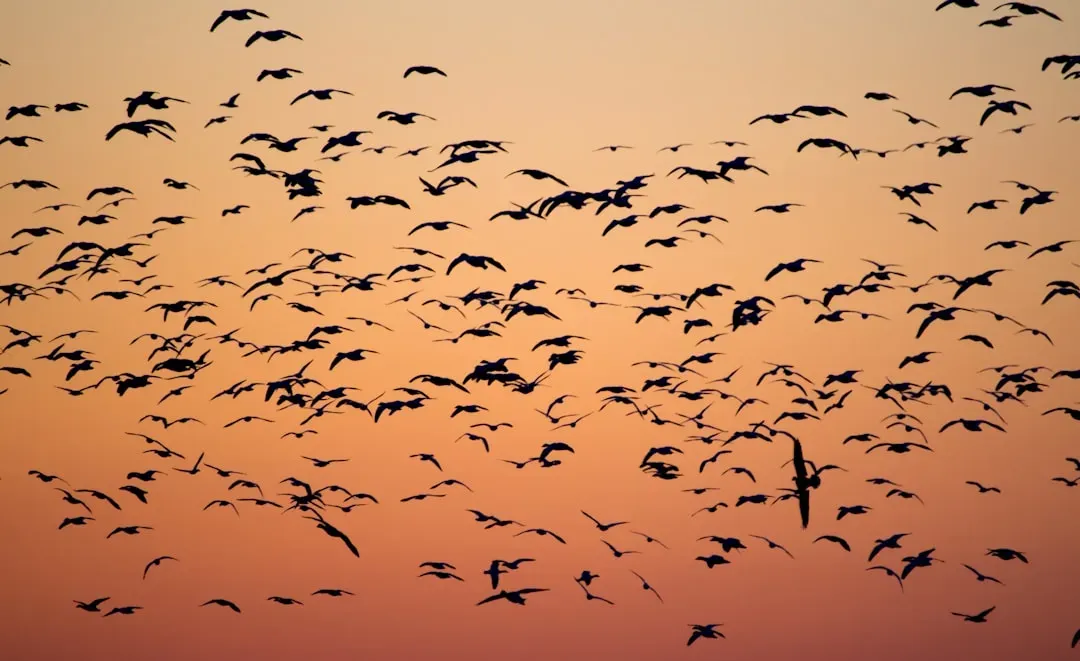
Birds follow ancient, well-established migration routes known as flyways – invisible highways in the sky shaped by geography and climate. These aerial corridors are not random. They have been sculpted over thousands of years by geography, wind patterns, and the locations of food sources. Think of them like natural interstate systems, except there are no road signs and birds navigate them flawlessly.
The Mississippi Flyway stretches over 2,000 miles from the Gulf of Mexico to the Great Lakes and serves as a critical pathway for millions of birds each year. It provides essential stopover sites where birds can rest and refuel before continuing their migration. Wetlands, forests, and river systems along the flyway offer rich food sources, like insects, seeds, and aquatic plants, helping birds restore their energy.
An estimated roughly four in ten of North America’s waterfowl and shorebirds use this flyway alone, alongside many songbirds and raptors. That is a staggering concentration of life funneling through a single corridor. Still, this is just one of several major flyways circling the globe.
These flyways are lined with critical stopover sites – wetlands, forests, and coastal zones – where birds rest and refuel before continuing their journey. Unfortunately, urbanization and wetland destruction have made many of these natural pit stops disappear, posing a serious threat to migratory species. It is like closing all the gas stations on a cross-country highway. The consequences ripple across entire populations.
Nature’s GPS: How Birds Actually Know Where to Go
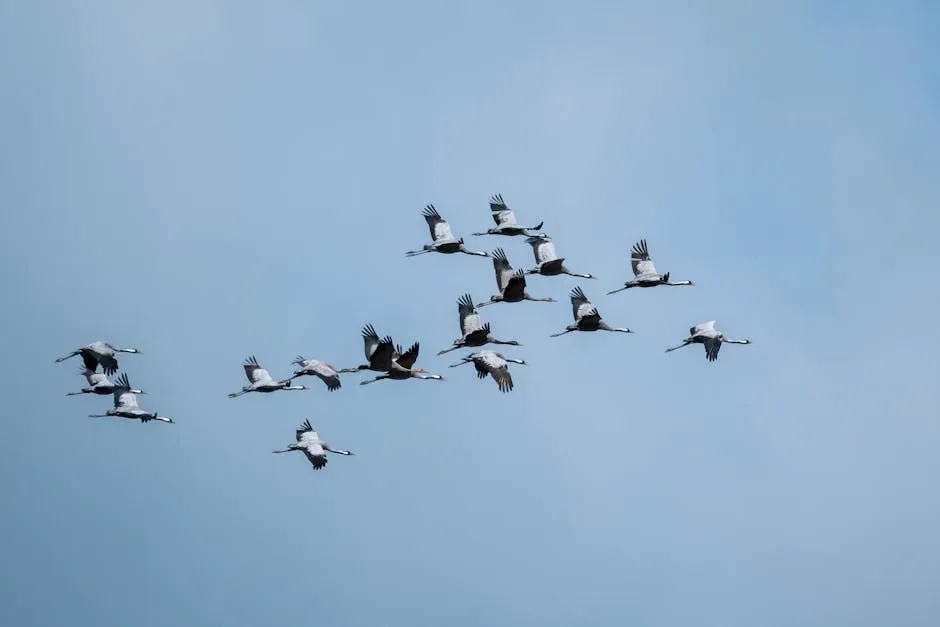
One of nature’s greatest mysteries is how birds manage to travel thousands of miles with such accuracy. Scientists have discovered that they use a combination of celestial, magnetic, visual, and sensory cues to find their way. It’s hard to say for sure how all the pieces fit together, but the emerging picture is extraordinary.
Birds use the sun by day and stars by night to maintain direction. Young birds memorize star patterns early in life, enabling them to navigate even across unfamiliar territories. A baby bird, barely weeks out of the egg, is already calibrating its internal compass against the night sky. There is something almost poetic about that.
Many species can sense the Earth’s magnetic field, using it like an internal compass. Special cells in their eyes or brain respond to magnetic signals, helping them stay on course even when skies are cloudy. This is not science fiction. This is how a tiny songbird crosses a continent in the dark.
Red-backed shrikes migrate using a fixed schedule, flying in stages with little variation, showing that genetics guide bird migration. In other words, some birds are not just navigating by instinct developed over a lifetime. The migration schedule itself is encoded in their DNA before they ever take their first flight. That is a level of biological programming that still leaves scientists astonished.
Migration Under Threat: Climate, Habitat Loss, and the Urgent Call to Act
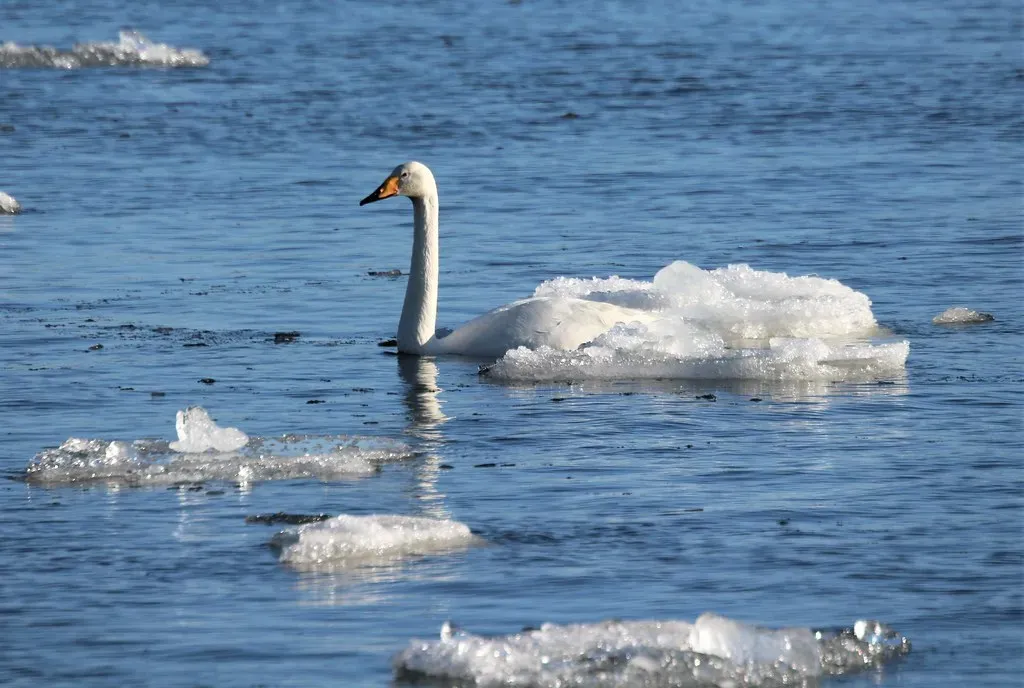
Here’s the thing – all of this wonder is in real and growing danger. As the global climate has warmed, springs have begun arriving increasingly early. To keep pace with these earlier springs, migratory birds have had to migrate northward earlier in spring. If a species is unable to arrive earlier, they risk missing out on the resources they need to successfully raise their young. Such climate change-induced mismatches are thought to be one of the drivers of the population declines of many migratory species.
The Hudsonian Godwit has one of the longest migrations of any bird species, travelling from southern South America to Alaska and Canada each spring to breed, including a six to seven day nonstop flight from Chile to the mid-continental United States. After four decades of arriving increasingly early to their breeding grounds in response to climate change, one godwit population is now arriving nearly a week later than they did a decade ago.
The presence of migratory birds reflects the overall health of ecosystems. Declines often indicate deeper environmental crises that can eventually impact human life. This is not just a bird problem. When migratory bird populations crash, it sends a warning signal about the state of the entire planet.
The global community is responding, slowly but with increasing urgency. The global partners behind World Migratory Bird Day announced the theme for 2026 as “Every Bird Counts – Your Observations Matter!”, highlighting the important role of community science for the conservation of migratory birds. The 2026 campaign shines a spotlight on people-driven efforts that are essential for bird conservation and science, celebrating how individuals, communities, and organizations around the world are helping to build the knowledge base to better conserve migratory birds across borders.
Conclusion
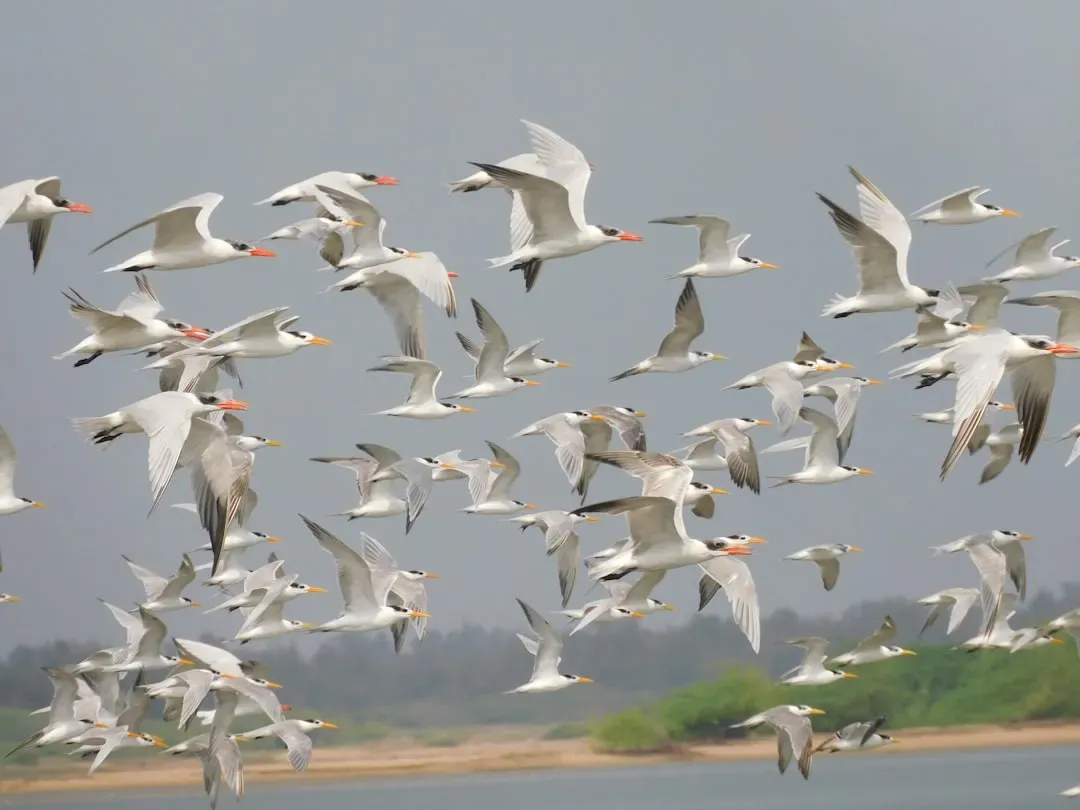
Bird migration is more than a nature documentary moment. It is a living testament to endurance, evolution, and the invisible threads that connect continents. From the Arctic Tern’s pole-to-pole odyssey to the Bar-tailed Godwit crossing an entire ocean without a single rest stop, these journeys are among the most breathtaking achievements life on Earth has ever produced.
The fact that these birds are doing this right now – tonight, as you read this – somewhere above a dark ocean or sleeping city, is something worth sitting with. Nearly forty percent of the world’s bird species migrate, some covering distances so extreme that they cross multiple continents in a single journey. Many birds fly day and night, burn nearly half their body weight as fuel, and even sleep while gliding through the air. These epic journeys aren’t just about movement; they’re about timing, endurance, and survival, all repeated year after year.
The next time you spot a bird perched on a wire or splashing in a puddle, consider that it may have just arrived from thousands of miles away. What would you do if you realized the sky above you was full of the most epic travelers on Earth?

- 7 US States With the Largest Moose Populations - July 31, 2026
- Which Zodiac Signs Bond Best With Large Dogs - July 31, 2026
- 12 Unique Animal Mating Rituals That Are Stranger Than Fiction - July 31, 2026