
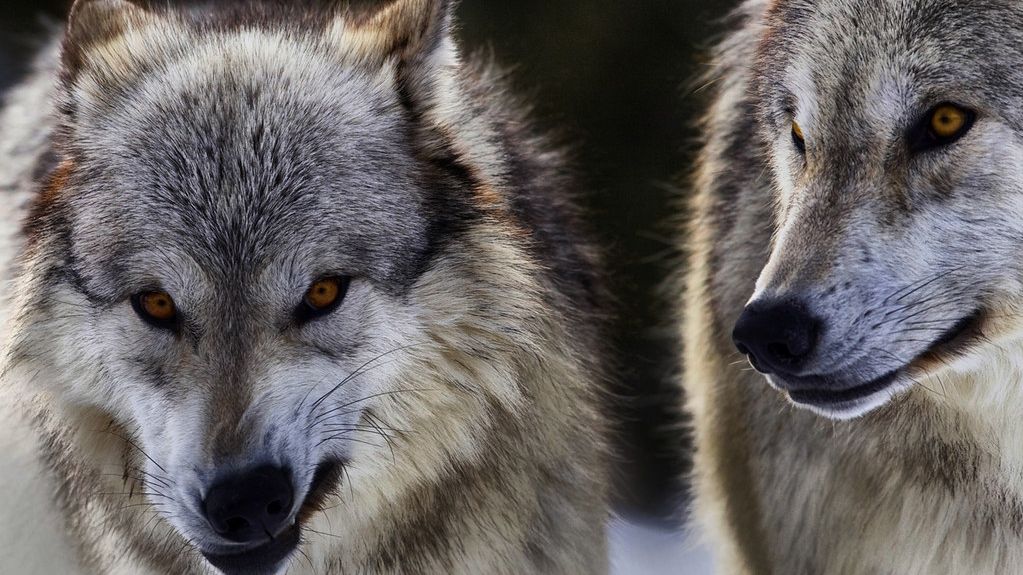
It started with a single wolf. In late December 2011, a male gray wolf designated OR-7 crossed the Oregon border into California, becoming the first confirmed wild wolf in the state since 1924. He wandered thousands of miles through northeastern California, almost like a scout, before eventually returning north. Nobody could have predicted that his journey would mark the opening chapter of one of the most contested and scientifically fascinating wildlife recoveries in modern American history.
California’s wolf population has since grown to somewhere between 50 and 60 individuals, with three new wolf packs documented in 2025 alone. That number sounds modest until you consider the scale of what it represents: a species that was systematically eliminated from this state, now finding its footing again in a landscape it once shaped. The story of California’s wolves is not a simple conservation triumph. It’s messy, unresolved, and far more interesting for it.
A Century of Absence, Then a Quiet Return
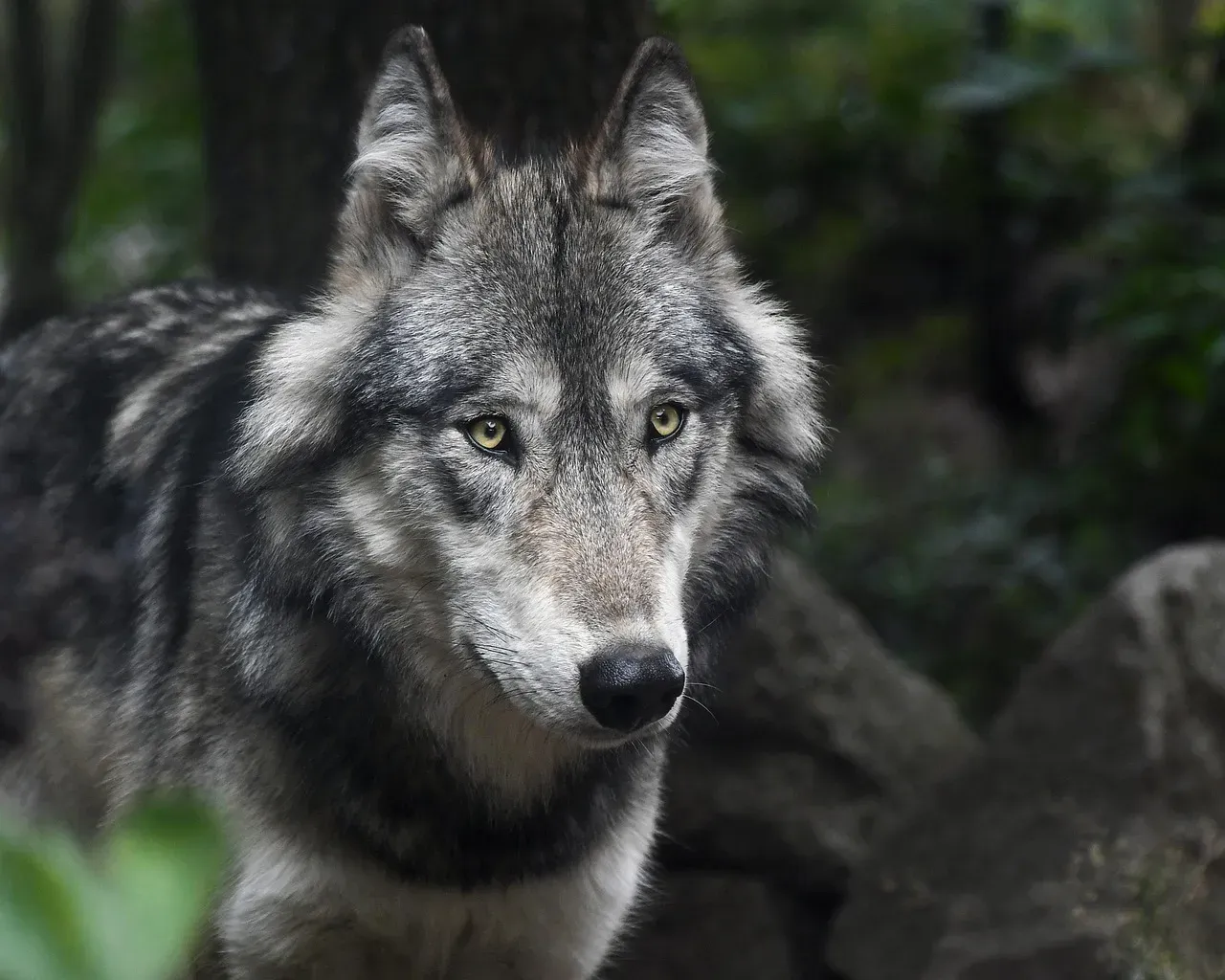
Wolves are returning to California after being hunted to local extinction in the 1920s. The methods were deliberate and thorough: trapping, poisoning, and shooting campaigns removed apex predators from most of the American West within just a few decades, and California was no exception.
Gray wolves once numbered between 250,000 and two million across the contiguous United States but were nearly eliminated by the mid-20th century due to trapping, habitat loss, and hunting. Populations have since rebounded in recent decades, supported by protections under the Endangered Species Act of 1973 and the reintroduction of wolves to Yellowstone National Park in the 1990s.
In late December 2011, OR-7, a male gray wolf from Oregon, became the first confirmed wild wolf in California since 1924. The first resident wolf pack was confirmed in 2015, after two adults migrated from Oregon and had five pups. From that fragile beginning, the recovery gradually took hold.
In early 2026, a three-year-old female gray wolf made headlines when she was detected in Los Angeles County, marking the first known presence of the species there in roughly 100 years. She had traveled hundreds of miles south through the Sierra Nevada in just a matter of days. Her journey underscored something that biologists have long understood: wolves are exceptionally capable travelers, and California still has enormous room for them.
What Wolves Actually Do to a Landscape
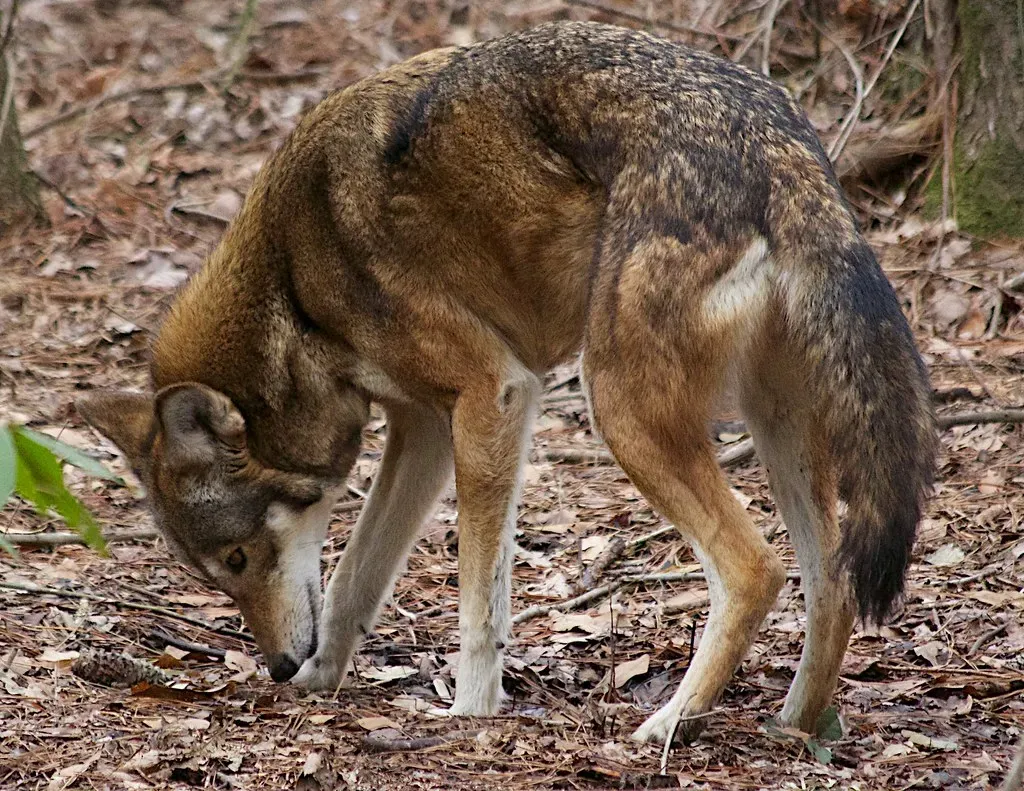
Wolves are apex predators that serve a critical role in the system. They keep fast-producing animals like deer and elk in check. Studies have revealed how this helps reduce deer-vehicle collisions and prevent transmission of chronic wasting disease and other contagious diseases by targeting sick and weak animals.
Wolves, as top predators, have a cascading beneficial effect on all the trophic levels that are below them. Wolves have this beneficial trophic cascade effect for one simple reason: they make elk run. When wolves were reintroduced, the elk herds could no longer sit in one place and eat everything nearby. They were forced to keep moving in response to wolf predation.
In Yellowstone, the reintroduction of gray wolves in 1995 led to a remarkable trophic cascade, fundamentally altering the dynamics of the park’s ecosystem. Before their return, the elk population had surged unchecked, resulting in overgrazing that severely impacted vegetation and the habitats of numerous other species. The presence of wolves reestablished a natural balance; as they preyed on elk, the elk population decreased, allowing for the recovery of vegetation along riverbanks and in meadows. This regrowth not only benefited the plant species but also provided improved habitats for other wildlife, including beavers, which play a crucial role in creating wetlands that support diverse ecosystems.
Still, scientists caution against drawing too straight a line between Yellowstone and California. Cause and effect connections between large carnivores and ecosystem recovery are often difficult to prove, due to complex interactions among species and human impacts. Research is beginning to hone in on the specific conditions necessary for predator restoration to trigger ecologically beneficial trophic cascades. The science remains genuinely open.
California Is Different, and That Complicates Everything
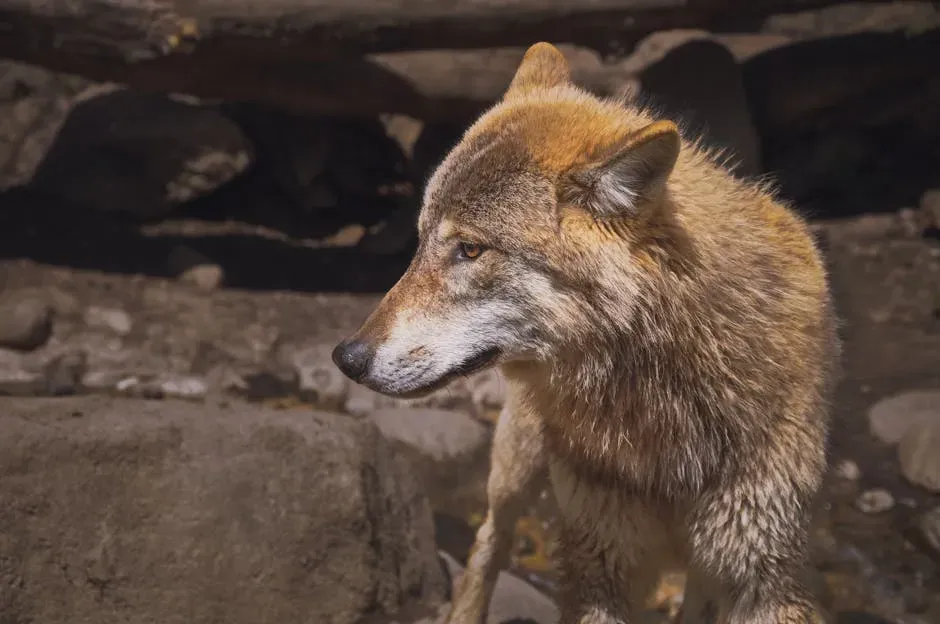
California’s landscape is considerably more complex than Yellowstone’s. As researchers note, this landscape is fragmented and human-dominated, so the outcomes might look very different. What ripples outward ecologically may take years to fully observe and understand.
Part of the problem, explains UC Berkeley’s Arthur Middleton, whose California Wolf Project tracks the state’s packs and studies their prey habits, is that the Sierras do not provide the same kind of pristine wilderness found in the Greater Yellowstone area. Wolves here navigate a patchwork of ranches, highways, wilderness corridors, and expanding suburbs, which shapes their behavior in ways that remain difficult to predict.
Scientists are still in the early stages of understanding how wolves shape ecosystems specifically in a state like California, with ongoing research studying wolf diet, interactions with mountain lions and black bears, and how drought and wildfire affect them. A collaborative research project between UC Berkeley and the CDFW uses interdisciplinary methods to gather data on wolf spatial ecology, diet, and predator-prey dynamics, while contributing to conflict reduction strategies for rural communities and livestock producers.
The northern part of the state has about 23,200 square miles of ideal wolf habitat that could support anywhere from 400 to 500 wolves, roughly ten times the current number. That potential scale alone tells you this story is nowhere near its final chapter.
The Ranching Conflict That Defines the Present Moment
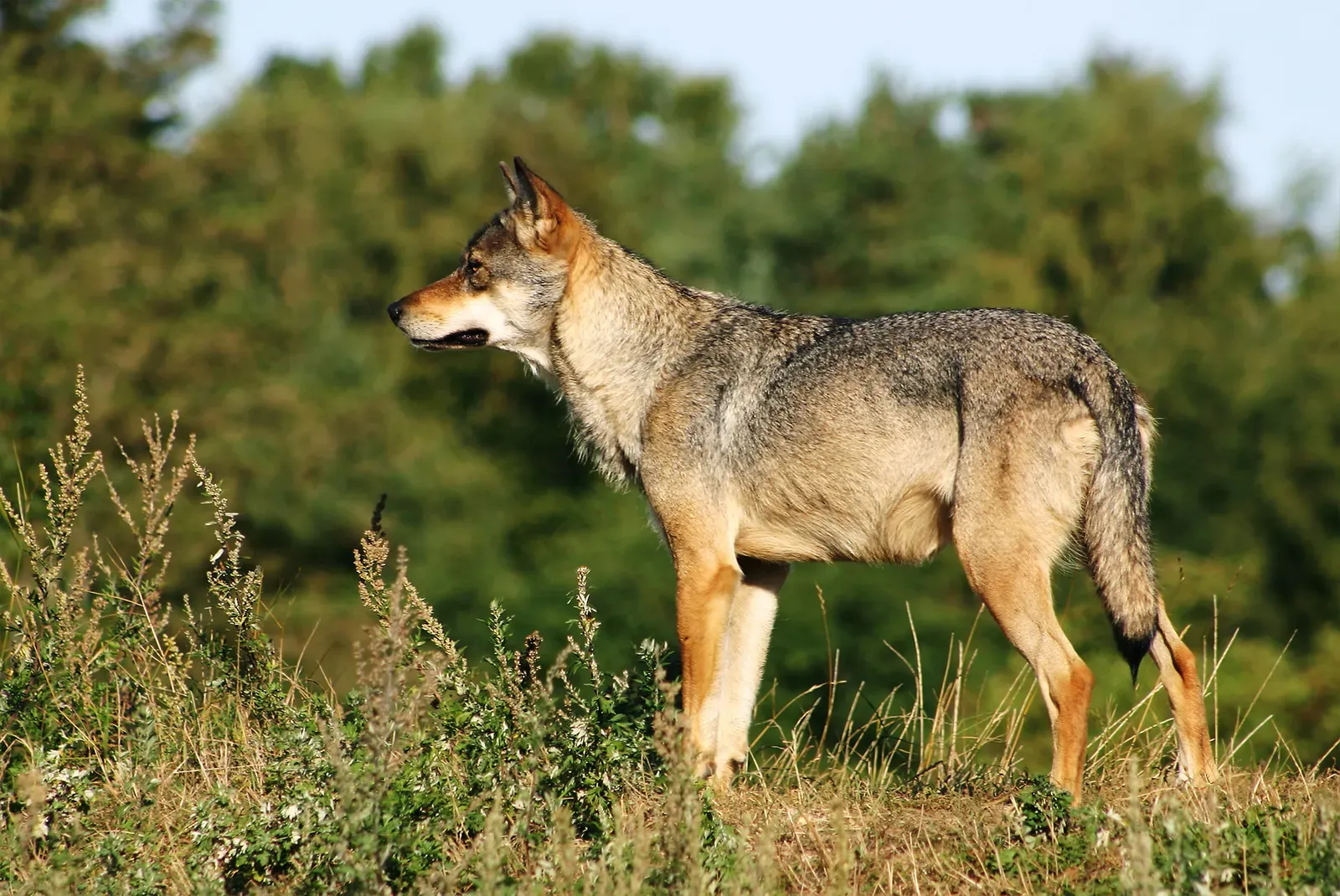
Wolves were extirpated from California a century ago, so ranchers haven’t lived alongside them for generations and are pushing to remove all protections for the species. That context matters enormously. This isn’t a conflict between people who forgot how to coexist; it’s a conflict between people who were never asked to in the first place.
The most exceptional case of wolf-livestock conflict in modern American history unfolded in the summer of 2025 in the pastoral Sierra Valley, about 50 miles north of Lake Tahoe, as a single pack of gray wolves killed at least 88 cattle. Officials tried drones, non-lethal bean bags, all-terrain vehicles, diversionary feeding, a fladry visual-barrier installation, and staff in the field around the clock. Despite these efforts, the cattle attacks continued. Officials eventually determined that these wolves became habituated to cattle as a primary food source, and that their behavior could threaten the agricultural industry and wolf recovery in the region.
Three adult wolves and one juvenile from the Beyem Seyo pack were euthanized by state game wardens in October after nonlethal efforts to stop them from preying on local cattle failed, the first time in a century that California sanctioned killing the protected animals. It was a decision that landed hard on both sides of the debate.
Top predators keep ecosystems healthy by hunting fast-reproducing prey animals, such as deer and elk, which would otherwise overgraze and trample riparian habitats. Fewer deer and elk also means lower deer-vehicle collisions. A 2021 study in Wisconsin found that having wolves in the landscape lowered these collisions by nearly a quarter, an economic benefit 63 times higher than the costs of livestock predation by the canids. That broader accounting rarely makes it into the public conversation.
Coexistence, Conservation, and What Comes Next
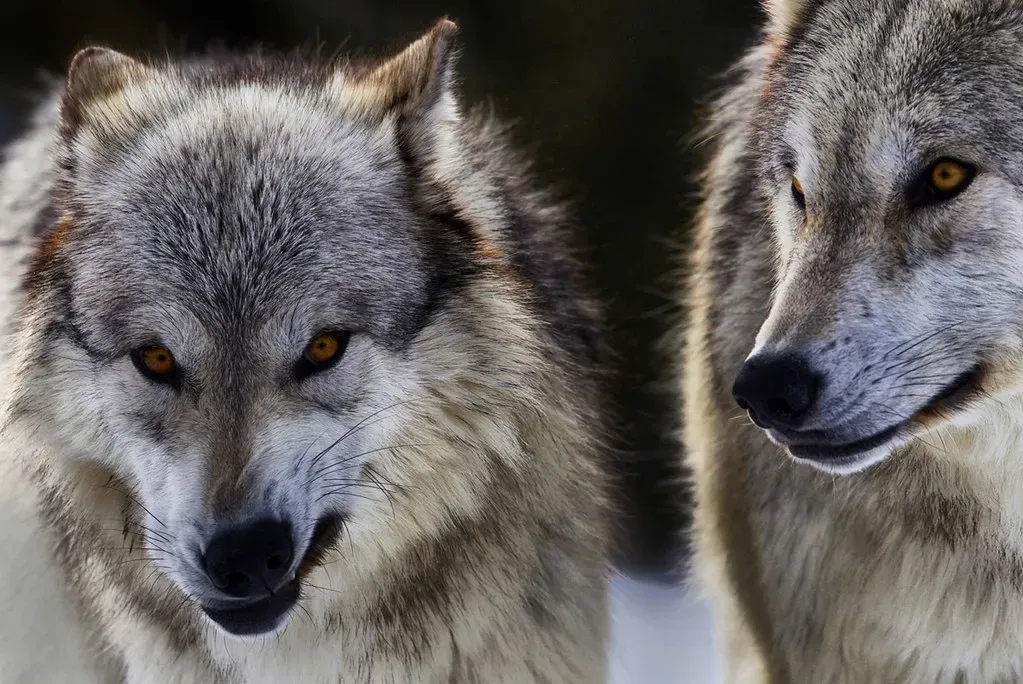
The CDFW launched a three-pronged program in 2021 to pay ranchers for livestock that were killed by wolves and also compensated them for indirect losses such as lower pregnancy rates and decreased weight of animals in their herds. The program also paid for nonlethal deterrents and warning systems. The pilot program ended in 2024 as the three million dollar funding ran out.
In June 2025, CDFW launched a pilot program to mitigate conflict in Siskiyou County and the Sierra Valley. Staff are outfitting some wolves with GPS collars that allow them to track the canids’ movements. So far, they have collared 12 wolves in three packs. With real-time information, officers can harness wolves’ fear of people to drive them away from towns or ranches, or use hazing techniques when necessary.
How wolves will change the ecosystem, where they’ll settle, how well they’ll survive, and how they’ll coexist with people remains to be seen. Researchers at the University of California, Berkeley describe this as the beginning of a genuinely exciting recovery with a lot of unknowns still ahead.
The path of wolf recovery in California has the potential to shape national, and even global, perspectives on wildlife restoration and large-scale conservation. Whether the state can build the policy frameworks fast enough to match the pace of nature remains the central question.
Conclusion: An Unfinished Story Worth Watching
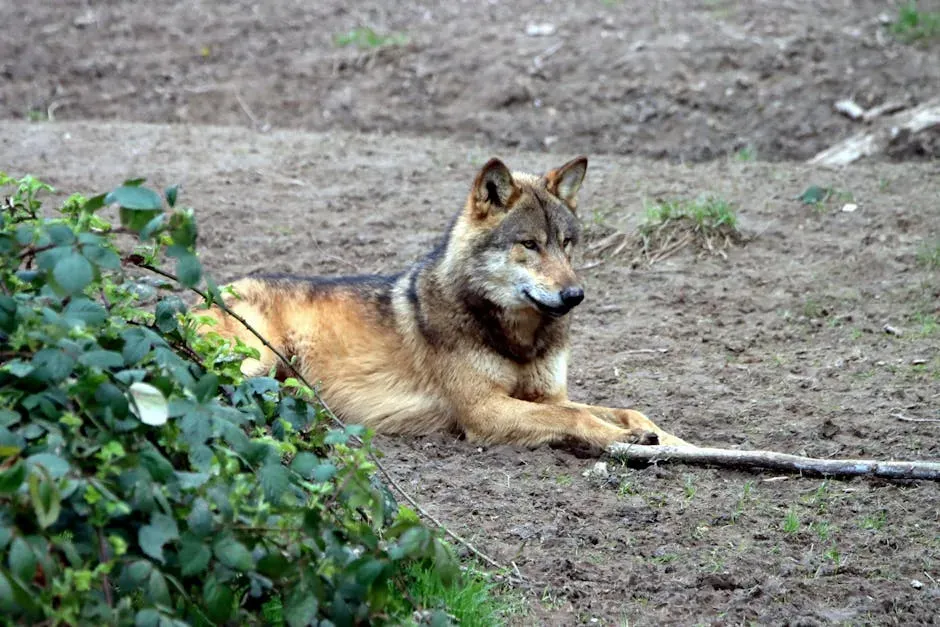
What California’s wolves reveal, above all else, is that ecosystems don’t wait for consensus. They respond to what’s present, not to what’s politically convenient. The wolves are here, they are breeding, they are moving south, and the land around them is beginning to stir in response.
The science will take years to catch up with the reality on the ground. The trophic effects that ecologists hypothesize may play out slowly, unevenly, and in ways that look nothing like Yellowstone. The return of wolves to California isn’t a neat conservation success story, and it isn’t a crisis either. It’s a negotiation between a recovering species and a heavily occupied landscape, between ecological need and human livelihood.
That negotiation is ongoing and imperfect. Wolves will keep dispersing, ranchers will keep raising legitimate concerns, scientists will keep watching, and California will keep figuring out what kind of place it wants to be. The more interesting question isn’t whether wolves belong here. Ecologically speaking, they always did. The question is whether we’ve matured enough as stewards of the land to make room for the complexity their return demands.

- 10 Orca Quirks That Will Make You Forget the Boat Attacks - June 19, 2026
- What Do Animals Dream About When They Sleep? - June 19, 2026
- 6 Winter Pests That Can Ruin Your Garden - June 19, 2026