

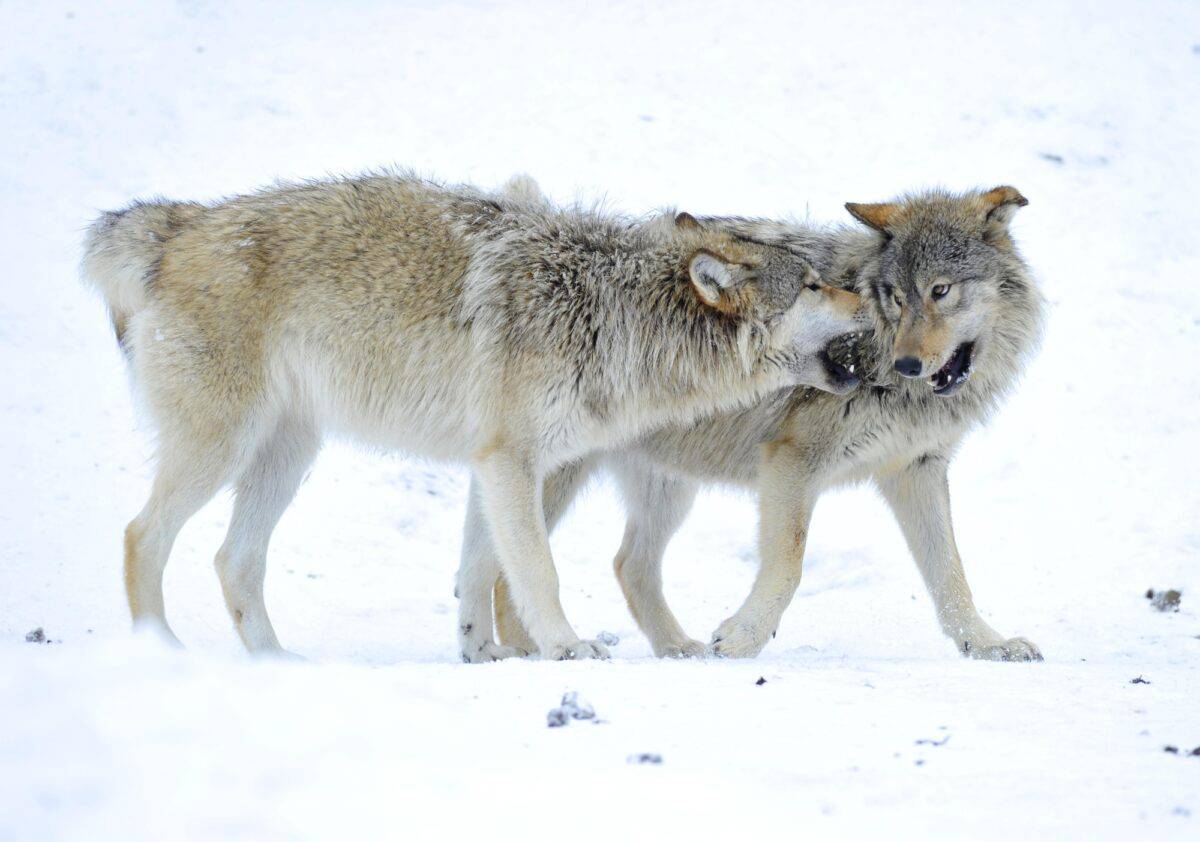
The majestic wolf has long captured the human imagination, fascinating us with its intelligence, social structures, and adaptability. Recent observations, however, suggest that wolves are engaged in an even more intriguing behavior: teaching each other to outsmart traps. This revelation not only highlights their intelligence but also raises questions about the impact of human-wildlife conflict on their survival strategies. Dive into this intriguing phenomenon as we explore how wolves are adapting to these new challenges in the wild.
Understanding Wolf Intelligence

Wolves are renowned for their intelligence, which is critical for their survival in diverse and often hostile environments. Their intelligence is reflected in their complex social structures, hunting strategies, and problem-solving abilities. They communicate effectively, using vocalizations, body language, and even facial expressions to convey messages within the pack. As apex predators, they must continuously adapt to their surroundings, devising new ways to hunt prey and evade threats.
The Threat of Trapping

Trapping represents a significant threat to wolf populations across the globe. These devices are typically used for population control, protection of domestic livestock, or fur trade. Designed to capture wolves by the paw, snares and foothold traps can cause severe injury or death. As wolves encounter these traps more frequently, their behaviors are adapting in response to this new peril.
Observations of Trap-Savvy Behavior

In recent years, wildlife researchers have documented instances where wolves exhibit remarkable behavior around traps. Some reports describe wolves carefully inspecting traps, using their noses and paws to assess the situation before safely avoiding them. Even more intriguing are cases where wolves appear to dismantle traps, rendering them useless.
Learning from Experience
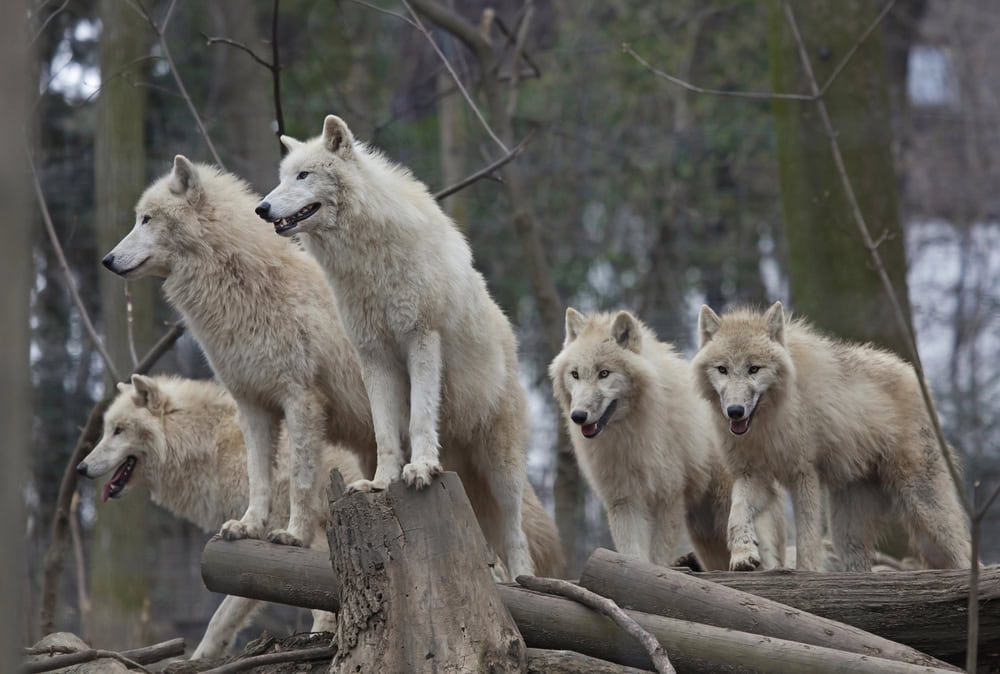
Wolves are learning from their encounters with traps, developing strategies for avoidance and escape. Older wolves, who have encountered traps before, demonstrate a heightened awareness and caution, which they seem to pass down to younger members of the pack. This experiential learning process enables wolves to mitigate the risks posed by these dangerous devices actively.
Social Learning in Wolves

Social learning is a critical component of wolf behavior. Within wolf packs, knowledge is shared and passed on to subsequent generations. Through observation, younger wolves learn essential survival skills from their elders. This includes understanding territory, hunting techniques, and now, potentially, identifying and outsmarting traps.
The Role of Environmental Adaptation

The ability of wolves to adapt to their environment is a testament to their resilience as a species. Encountering traps has added a new dimension to their adaptive behaviors. By teaching each other how to identify and evade these devices, wolves demonstrate a keen ability to modify their behavior in response to environmental challenges.
Implications for Conservation
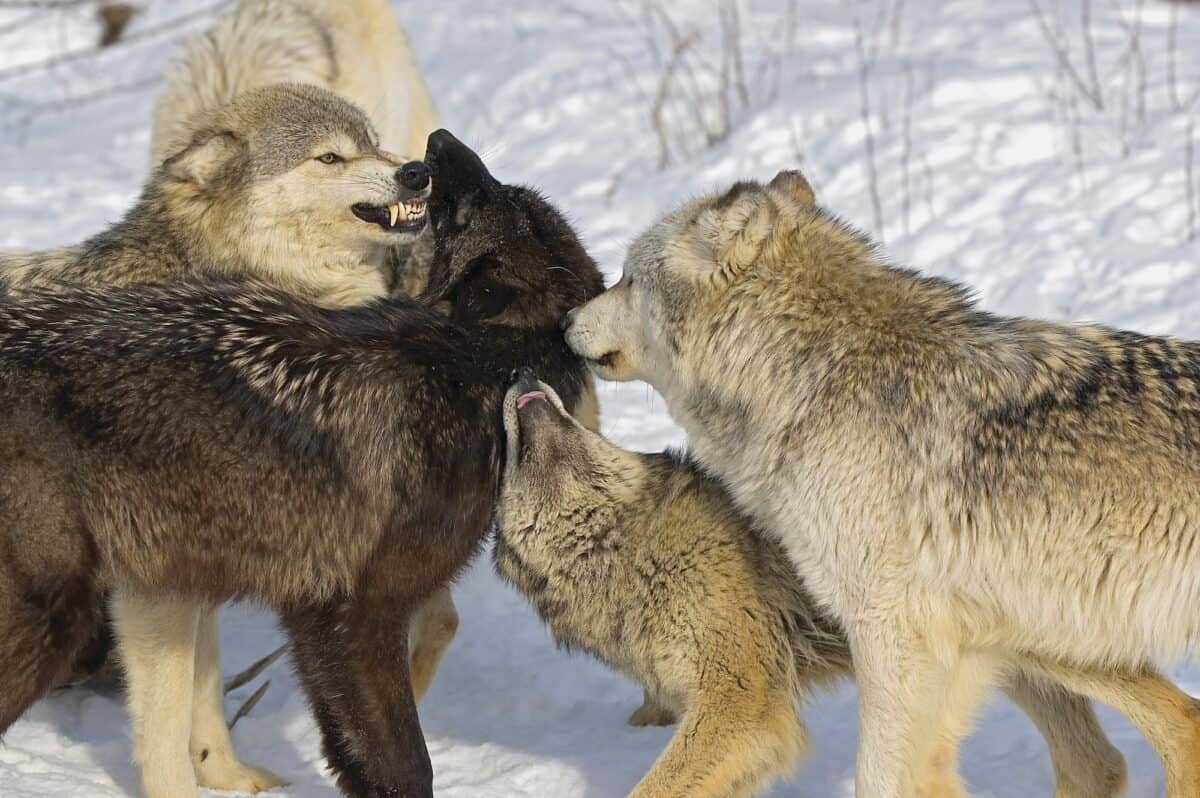
The ability of wolves to outsmart traps has significant implications for conservation efforts. On one hand, it showcases the wolves’ resilience and intelligence, essential traits for enduring the challenges of human encroachment. On the other, it highlights the need for more ethical and non-lethal methods of wildlife management to ensure long-term coexistence.
Human-Wildlife Conflict
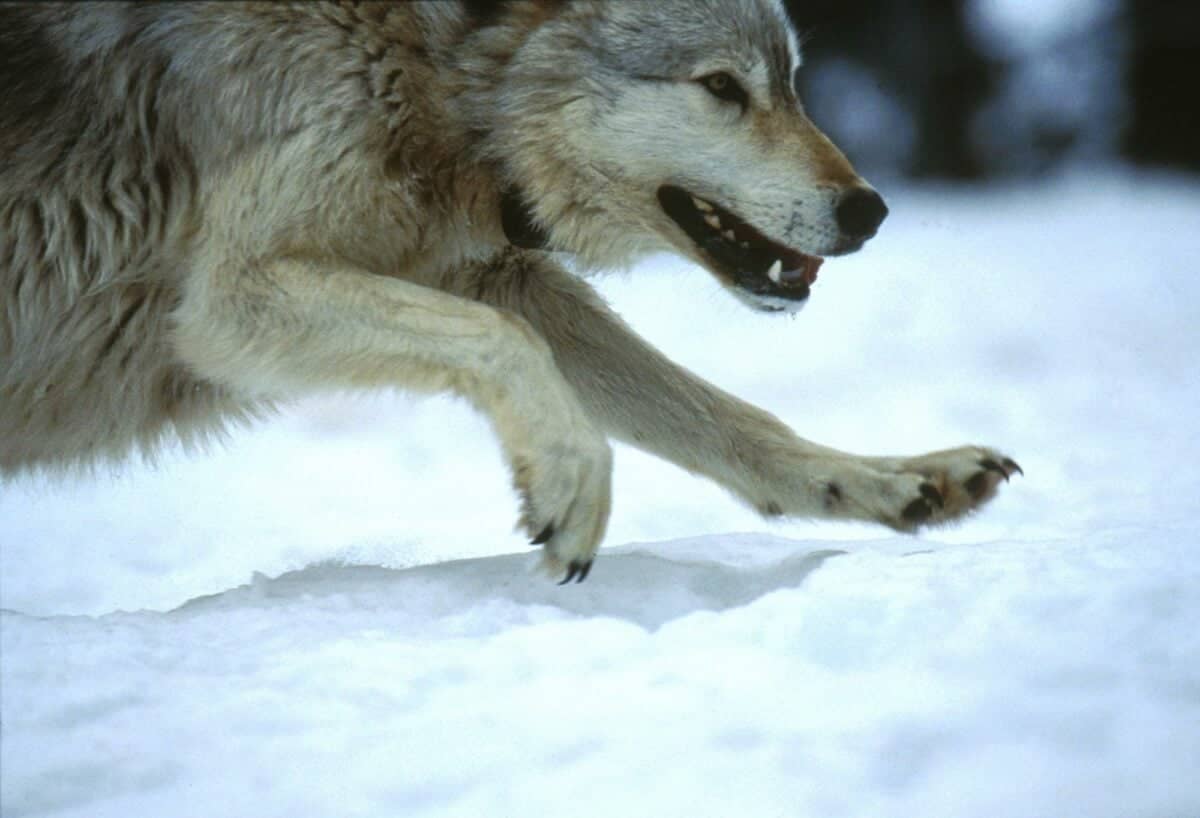
The conflict between wolves and humans often stems from overlapping territories and competition for resources. Trapping is a controversial response to this conflict, as it raises ethical concerns and impacts wolf populations. Understanding the wolves’ responses presents an opportunity to develop more harmonious and effective management strategies that could benefit both wildlife and human interests.
Potential for Ethical Wildlife Management

By recognizing wolves’ ability to learn from and adapt to human-created dangers, we can explore more humane alternatives to traditional trapping. These could include increased investment in non-lethal deterrents, improved livestock protection measures, and community-based conservation initiatives that promote coexistence.
The Future of Wolves in the Wild
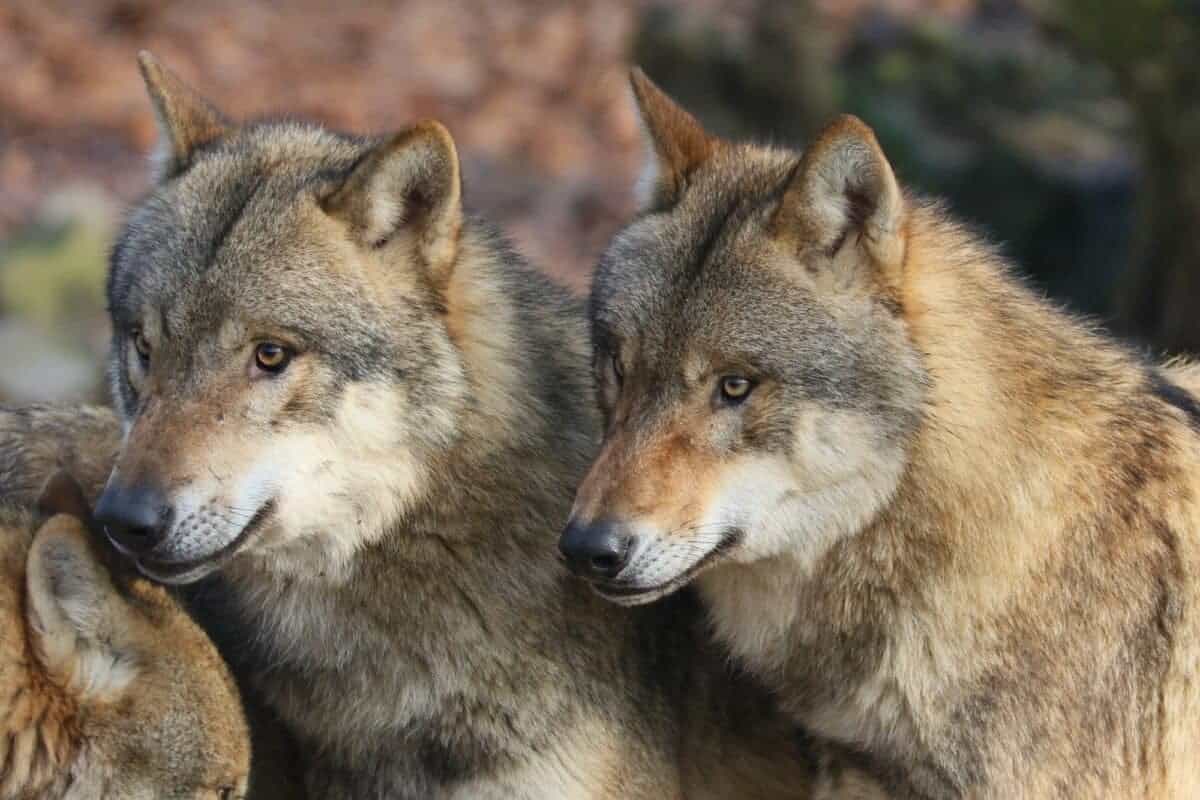
This new understanding of wolf behavior offers insight into their future resilience. As wolves continue to evolve and adapt, their survival will depend on their ability to navigate an ever-changing landscape, where human interference presents both opportunities and challenges for their conservation.
What We Can Learn from Wolves

Wolves teach us the importance of adaptability, intelligence, and social cooperation. Their remarkable capacity to learn and share knowledge within their packs underscores the value of teamwork and communication—traits that are equally vital for successful human relationships and communities.
Conclusion: A Call for Coexistence

As wolves continue to demonstrate their ingenuity and adaptability, it becomes increasingly clear that our methods of wildlife management must evolve as well. Understanding these incredible creatures and their boundary-pushing behavior can guide us toward more sustainable and ethical practices that ensure both wolves and humans can thrive together. In embracing this approach, we respect the balance of nature and acknowledge the wolves’ right to navigate their world free from harm.

From exploring the marine wonders in the Azores and witnessing the vast savannas of Kenya, to delving deep into the rich biodiversity of South Africa and traversing iconic landscapes in Australia and the US like Yellowstone, Chris's experiences are vast.
With a penchant for diving alongside sharks, the ocean holds a special place in his heart.
Through his academic insights, he champions wildlife conservation, striving with 'Animals Around The Globe' to cultivate a profound connection between humans and animals, enhancing our mutual appreciation.
Connect with him at Feedback@animalsaroundtheglobe.com.
- Banned! Exotic Pets That Are Illegal to Own in the US - July 18, 2026
- Meet the Mantis Shrimp: The Sea Creature That Punches Like a Bullet - July 18, 2026
- Dugongs and Their Slow Mating Rituals in the Ocean - July 18, 2026