

There are moments when a scientific report lands not as background noise, but as a genuine alarm bell. Today, March 23, 2026, the World Meteorological Organization released its flagship State of the Global Climate 2025 report, and the findings are deeply sobering. The language alone is striking, the kind of language scientists rarely use unless they mean it.
The Earth’s climate is more out of balance than at any time in observed history, as greenhouse gas concentrations drive continued warming of the atmosphere, ocean, and the melting of ice. These rapid and large-scale changes have occurred within just a few decades, yet they carry harmful repercussions that could last for hundreds, and potentially thousands, of years. What happens next depends on choices being made right now. Let’s dive in.
A Decade That Broke Every Record
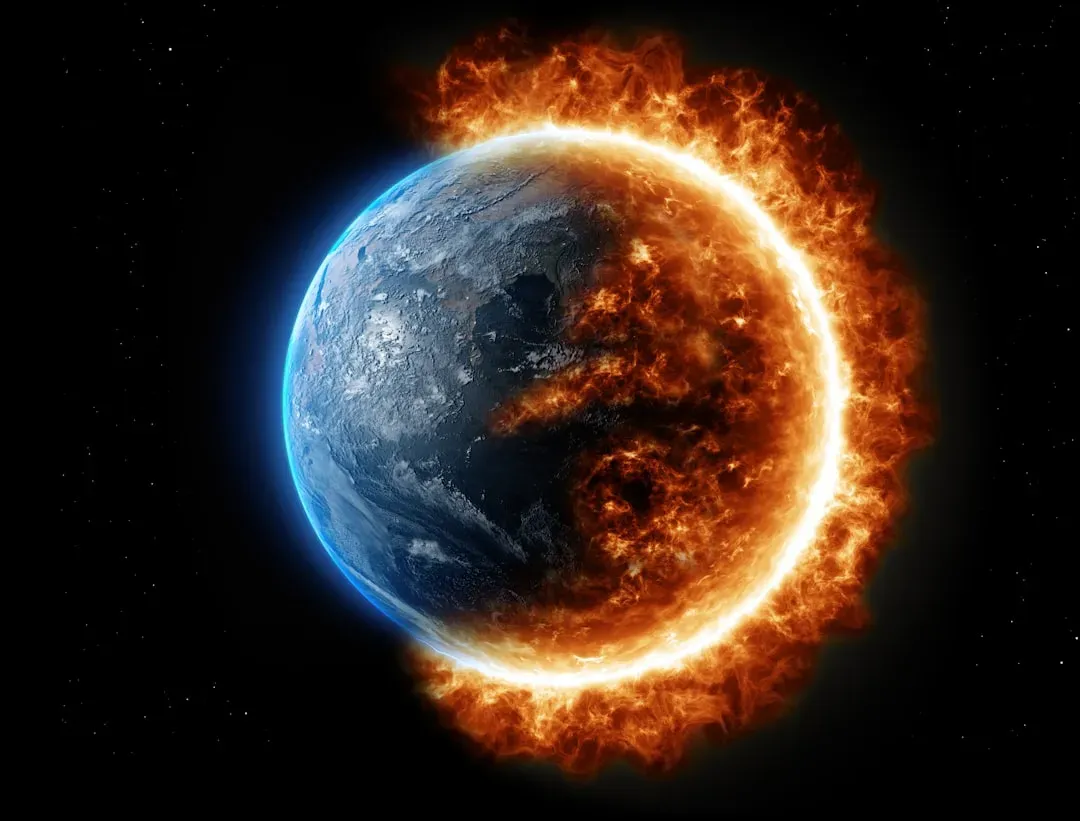
Honestly, the numbers are almost hard to process. Think of eleven consecutive years, each one hotter than any year before it in recorded human history. That is not a weather anomaly. That is a pattern.
The period from 2015 to 2025 has been the hottest 11-year stretch on record, with Earth’s climate system increasingly out of balance due to rising greenhouse gas emissions. The UN weather agency’s flagship State of the Global Climate 2025 report found that 2025 ranked among the second or third warmest years in the 176-year observational record, with global temperatures about 1.43°C above the 1850 to 1900 pre-industrial average.
The increase in the annual carbon dioxide concentration in 2024 was the largest annual increase since modern measurements began in 1957, driven by continued fossil CO2 emissions and a reduced effectiveness of land and ocean carbon sinks. The planet’s natural buffers, in other words, are starting to lose the fight.
Earth’s Energy Imbalance: A New Red Flag
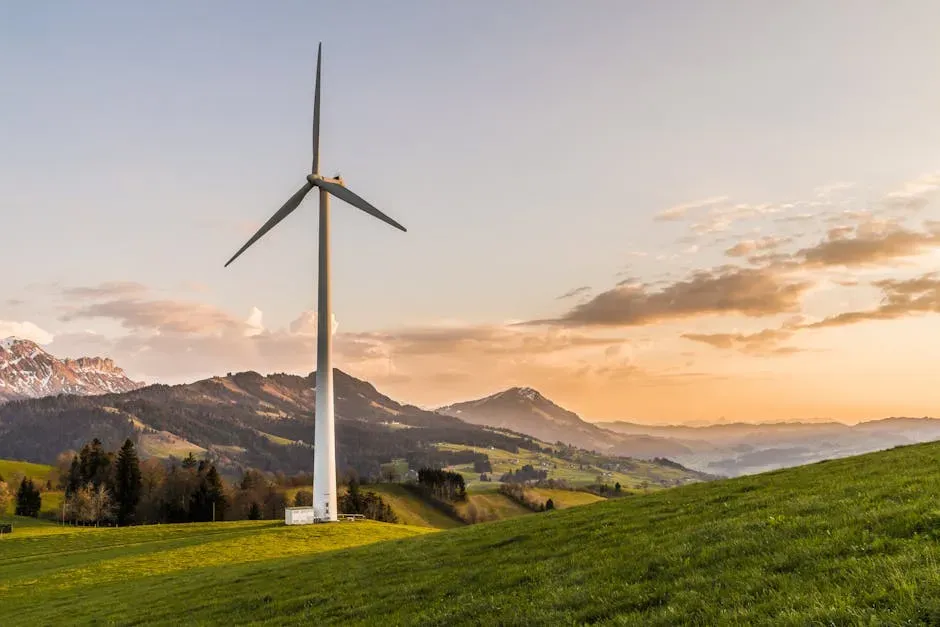
Here’s the thing most people don’t fully grasp. The climate crisis is not just about air temperature. It is fundamentally about energy, specifically the gap between how much heat the Earth receives from the sun and how much it actually releases back into space.
Under a balanced system, incoming energy from the sun is about the same as the amount of outgoing energy, but this is not the case at present. There is less outgoing energy due to the increased concentrations of greenhouse gases. More energy coming in than going out means that energy is accumulating in the Earth’s system, and the WMO has now started tracking this as a new key climate indicator, with results pointing to a notable acceleration in the rate at which warming has been progressing between 2001 and 2025.
For the first time, the report includes Earth’s energy imbalance as a key climate indicator, measuring the difference between incoming solar energy and the energy leaving the Earth system. Think of it like a bank account where deposits keep coming in but withdrawals have been blocked. The balance grows, and eventually, things break. More than ninety-one percent of the surplus heat is being stored in the oceans, where heat content reached a record high last year.
Oceans in Crisis: The Silent Absorbers

The ocean is doing a heroic, thankless job. It has been soaking up heat on a staggering scale for two straight decades, essentially acting as the planet’s shock absorber. The problem is that even shock absorbers have a limit.
The rate of ocean warming over the past two decades, from 2005 to 2025, is more than twice that observed over the period from 1960 to 2005, absorbing the equivalent of about 18 times the annual human energy use per year. That scale is almost incomprehensible. This matters enormously because over three billion people depend on marine and coastal resources for their livelihoods, and nearly eleven percent of the global population live on low-lying coasts directly exposed to coastal hazards.
Around roughly a third of CO2 from human activities between 2015 and 2024 was absorbed by the ocean, leading to continued decline in ocean surface pH. Global average ocean surface pH has been declining over the past 41 years, and there is very high scientific confidence that present-day surface pH values are unprecedented for at least 26,000 years, according to the IPCC. Ocean acidification, in practical terms, is quietly dismantling marine ecosystems from the inside out.
Glaciers and Sea Ice: The Melt Is Accelerating
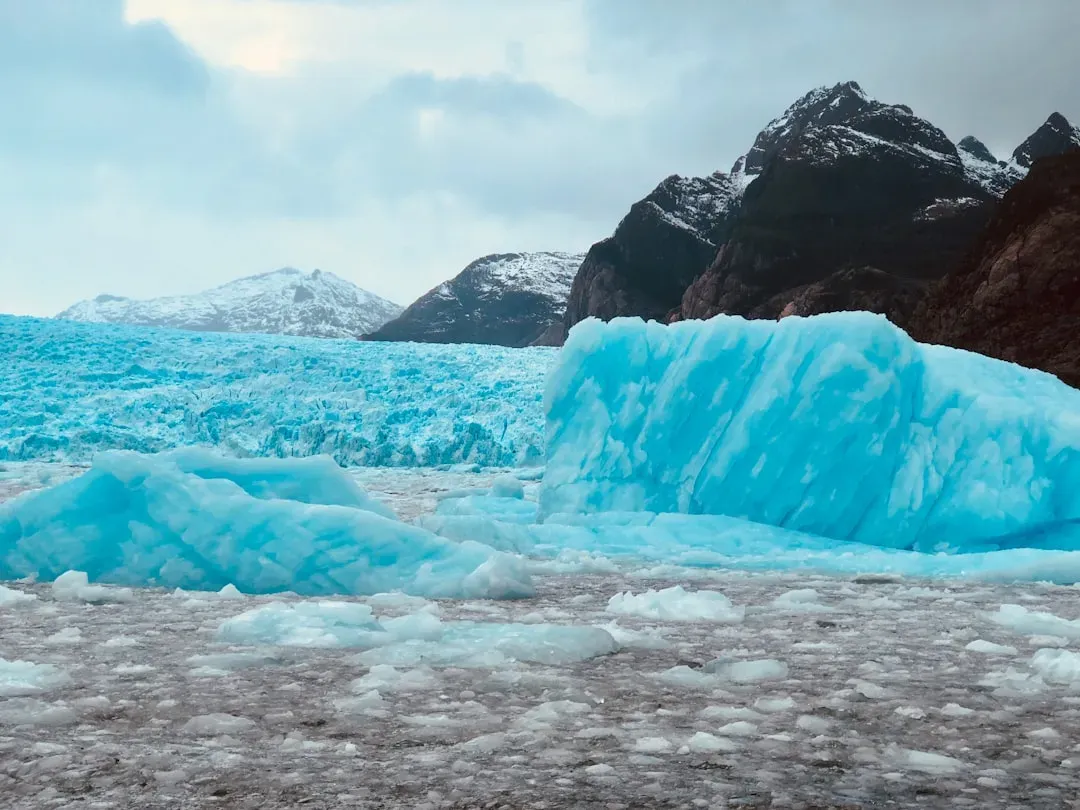
There is something emotionally arresting about watching glaciers disappear. Mountains that have been white for millennia are turning grey and bare. It is one of the most visceral signs that something fundamental has shifted.
The ice sheets on Antarctica and Greenland have both lost significant mass, and the annual average Arctic sea-ice extent for 2025 was the lowest or second lowest on record in the satellite era. Exceptional glacier mass loss occurred in Iceland and along the Pacific coast of North America in 2025.
In the 2024 to 2025 hydrological year, glacier mass loss from reference glaciers was among the five worst on record. This continues a trend of accelerated ice loss since records began in 1950, with eight of the ten years with the largest glacier ice loss occurring since 2016. Meanwhile, the long-term rate of sea-level rise has nearly doubled since the early satellite record, from around 2.1 millimeters per year in the early 1990s to over 4.1 millimeters per year between 2016 and 2025, reflecting the combined influence of ocean warming and the melting of glaciers and ice sheets.
Human Lives at Stake: Health, Food, and Displacement

Climate change is often talked about in degrees and data points. What gets lost is the human face of it. Real people, losing homes, livelihoods, and health. And those impacts are accelerating fast.
Heat stress is a growing problem. Over one-third of the global workforce, roughly 1.2 billion people, face workplace heat risk at some point each year, especially those in agriculture and construction. In addition to health impacts, this leads to significant productivity and livelihood losses.
Extreme weather has cascading impacts on agricultural production. Climate-driven food insecurity is now seen as a risk, with cascading effects on social stability, migration, and biosecurity through the spread of plant pests and animal diseases. Weather and climate-related extreme events ranging from devastating rainfall and flooding to brutal heat and wildfires had cascading impacts on lives, livelihoods, and food systems, contributing to displacement across multiple regions and undermining sustainable development and economic progress.
What Comes Next: The El Niño Warning and the Window Closing

If the current situation sounds alarming enough on its own, scientists are watching the horizon with growing concern. The temporary cooling relief provided by La Niña, which softened 2025’s temperature slightly compared to 2024, may not last much longer.
Researchers are closely watching the Pacific Ocean, with long-term forecasts strongly suggesting that a warming El Niño phase could form in the second half of 2026. An El Niño on top of the background human-caused warming trend could push temperatures to new heights into 2027.
The narrowing window to stay within the 1.5°C warming threshold shows that every fraction of a degree of additional warming raises the odds of passing irreversible tipping points. The WMO stressed that these rapid and large-scale changes have occurred within a few decades but will have harmful repercussions for hundreds, and potentially thousands, of years. The science is not ambiguous on this. The only ambiguity lies in how urgently governments choose to respond.
A Planet at a Crossroads: The Verdict Is In
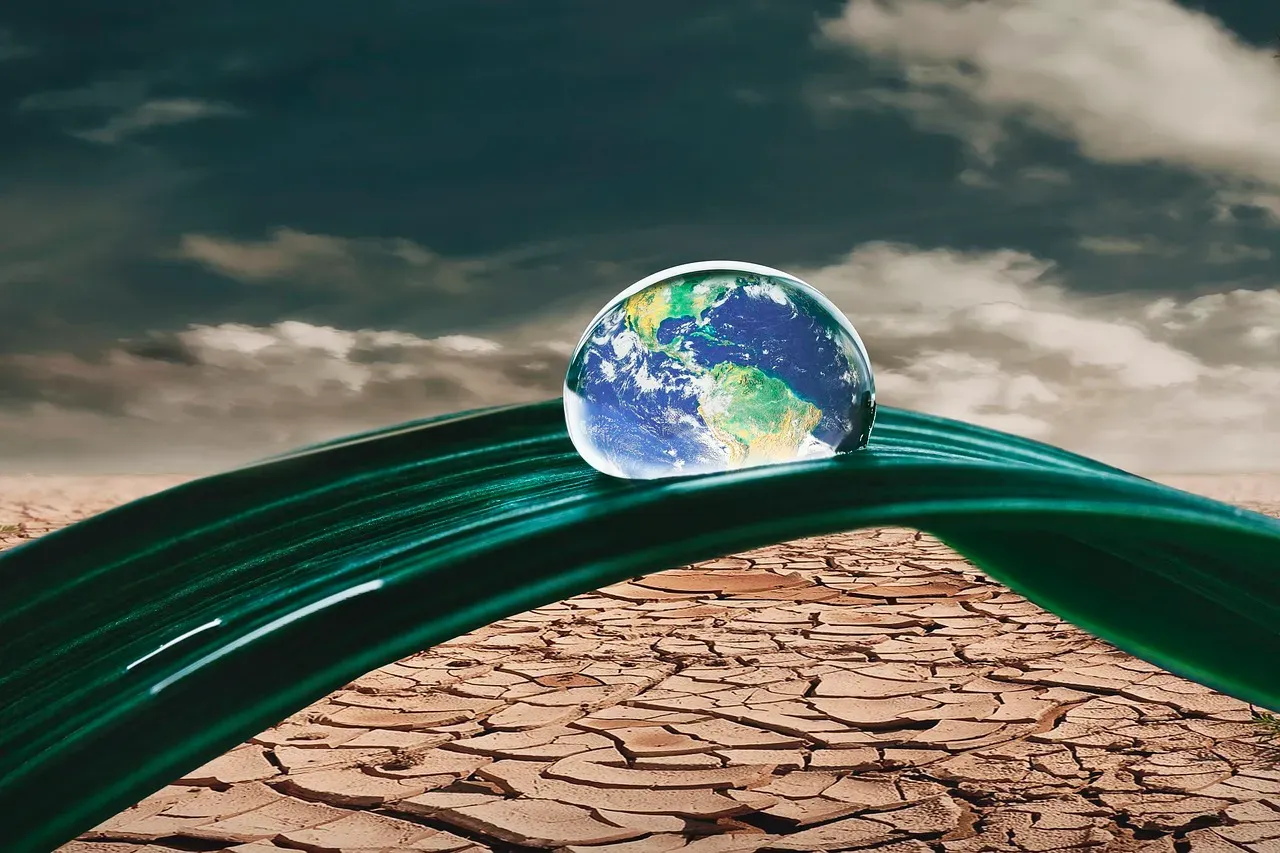
I’ll be direct: reports like this one deserve to be treated as more than a news cycle. The WMO’s 2025 State of the Global Climate is not a prediction of something coming. It is a measurement of something already happening, right now, in real time, on every continent and in every ocean.
What strikes me most is the sheer relentlessness of the trend. Year after year, the same findings come back louder, more extreme, more urgent. The findings should be jarring reminders of planetary vital signs flashing red. Similar observations were made last year and the year before. However, the very fact that these reports feel too routine to cover is itself a testament to how far climate change has progressed, even just in the past decade.
Concentrations of heat-trapping greenhouse gases including carbon dioxide, methane, and nitrous oxide have reached their highest levels in at least 800,000 years, disrupting the planet’s natural energy balance. That is not a political statement. That is geology. The Earth has kept receipts for nearly a million years, and what we’re doing right now is something it has not experienced in all of that time.
The window for course-correction is not closed yet. But it is closing. The real question is whether the urgency in these numbers will finally translate into urgency in action. What will it take for the world to truly listen?
