


The planet just got a fresh round of deeply alarming news, and this time it is hard to dismiss it as background noise. Scientists from the United Nations have released findings so stark that even climate veterans are sitting up a little straighter in their chairs. The data points in one unmistakable direction: things are getting worse, faster than expected, and the natural world may be about to throw us another curveball in the form of a potentially super-powered El Niño event.
What makes this moment different from past warnings is the sheer weight of the numbers stacking up across every major climate indicator simultaneously. From oceans to glaciers, from sea levels to atmospheric chemistry, the signals are converging. So buckle up, because the story unfolding here is not just another climate briefing – it is a turning point. Let’s dive in.
The WMO Drops Its Most Alarming Report Yet
The world’s climate is more out of balance than at any time in observed history, as rising greenhouse gas concentrations in the atmosphere drive global warming and melt ice, UN scientists have warned. That statement alone would have been extraordinary coming from any source. Coming from the World Meteorological Organization, backed by decades of data, it lands with serious weight.
The UN’s weather and climate body released its annual “state of the global climate” report on Monday with yet another warning that Earth has seen rapid and large-scale changes in recent decades. These will now have harmful repercussions for centuries, the scientists warned. Centuries. Not years, not decades. Let that sink in for a moment.
The WMO’s State of the Global Climate report 2025 confirms that 2015 to 2025 are the hottest 11 years on record, and that 2025 was the second or third hottest year on record, at about 1.43°C above the 1850 to 1900 average. Eleven consecutive record-breaking years is not a streak. Honestly, it is a pattern that has crossed well beyond the realm of coincidence.
Earth’s Energy Imbalance Hits a Shocking New Record
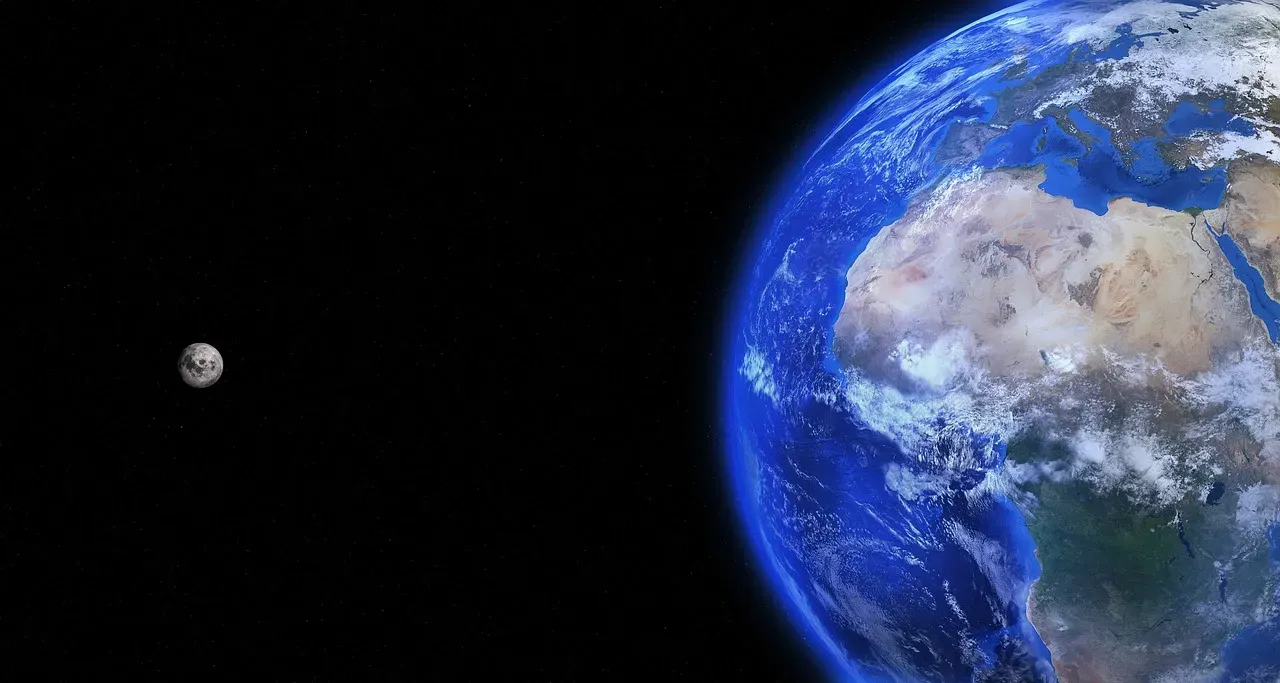
Here is the thing that genuinely surprised me when I read it. For the first time, the report includes Earth’s energy imbalance as a key climate indicator, measuring the difference between incoming solar energy and the energy leaving the Earth system. This is a brand new tracking metric, and the results from its debut are not encouraging.
The Earth’s energy imbalance, the gap between heat absorbed and heat released, is the highest on record. In other words, our planet is trapping heat faster than it can shed it. Think of it like a house where someone keeps cranking the central heating but the windows are sealed shut. The warmth has nowhere to escape.
For the first time, the WMO’s report includes information on the Earth’s so-called “energy imbalance.” The term refers to how much of the sun’s energy the atmosphere is letting in, compared to how much it is letting back out into space. In a well-balanced system, the ratio should be around 1:1. The WMO concluded that the world exceeded this in the 1960s and the ratio has now grown to 18:1. An 18 to 1 ratio. That is a staggering figure.
Oceans, Glaciers, and Ice Caps: The Triple Threat
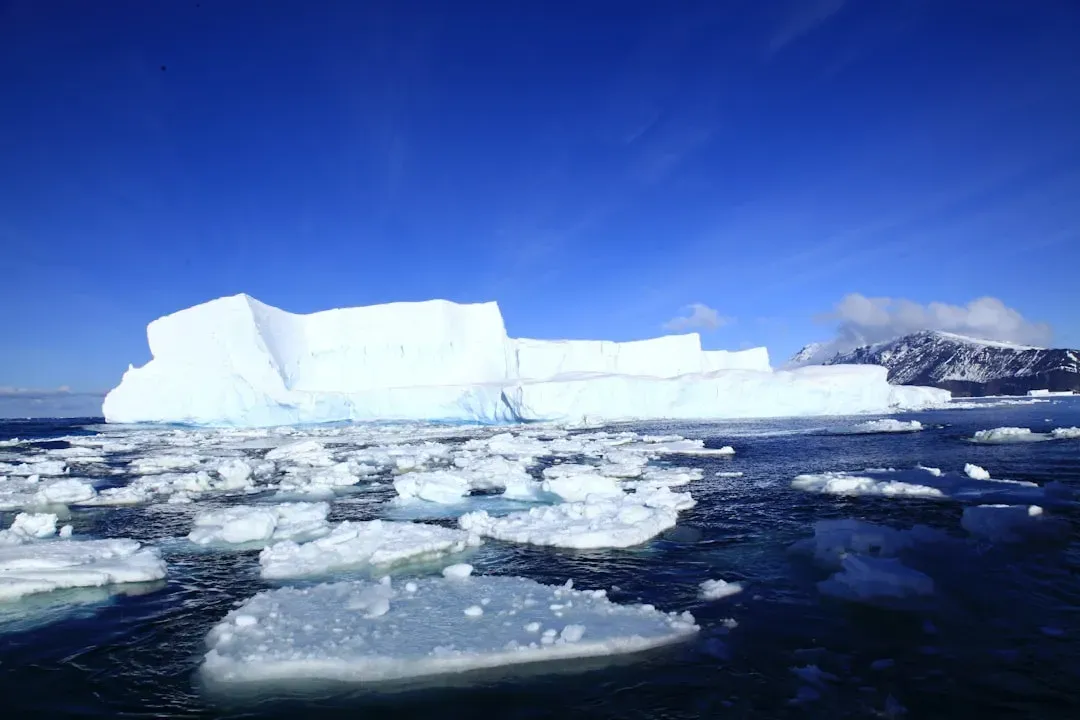
Heat in the ocean stores more than 91% of the excess heat in the Earth’s system and was found to have reached a record high in 2025, with its rate of warming more than doubling between the period of 1960 to 2005 compared to 2005 to 2025. More than doubling. That acceleration is the part that truly worries scientists, because the ocean does not cool down quickly once it heats up.
Annual sea ice extent in the Arctic was at or near a record low, Antarctic sea ice extent was the third lowest on record, and glacier melt continued unabated, according to the report. Meanwhile, in the 2024 to 2025 hydrological year, glacier mass loss from reference glaciers was among the five worst on record. In 2025, exceptional levels of glacier mass loss occurred in Iceland and along the Pacific coast of North America.
The warming ocean and melting ice are driving the long-term rise in global mean sea level, which has accelerated since satellite measurements began in 1993. Ocean warming and sea level rise will continue for centuries, according to projections by the Intergovernmental Panel on Climate Change. This is the kind of long-tail consequence that makes climate scientists lose sleep.
2025’s Extreme Weather: A Preview of What’s Coming
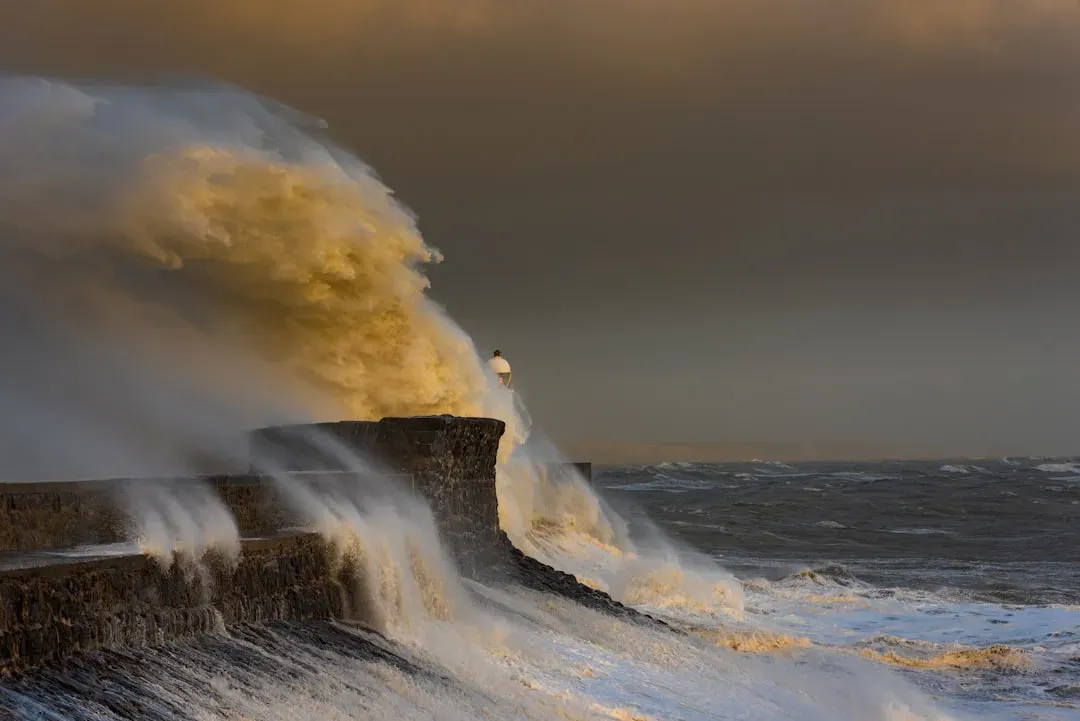
Intense heatwaves, heavy rainfall, wildfires, drought, tropical cyclones, storms and flooding caused widespread deaths, disruption and devastation in 2025, affecting millions of people and driving vast economic losses, the World Meteorological Organisation said. The list reads less like a weather report and more like a catalog of disasters playing on a loop.
Despite La Niña conditions, around 90 percent of the ocean surface experienced at least one marine heatwave during 2025, with such widespread marine heatwaves disrupting ecosystems, damaging fisheries, and intensifying extreme weather events. Ninety percent of the ocean surface. That is not a regional problem, that is a planetary one.
The WMO has made clear that we are now living in an era where physical climate impacts are felt more frequently and more broadly, with no regions completely immune to extreme weather events or negative long-term trends. Nowhere to hide, in other words. Whether it is wildfires in North America or flooding in South Asia, the world in 2026 is a very different place than it was just two decades ago.
Super El Niño Looms on the Horizon

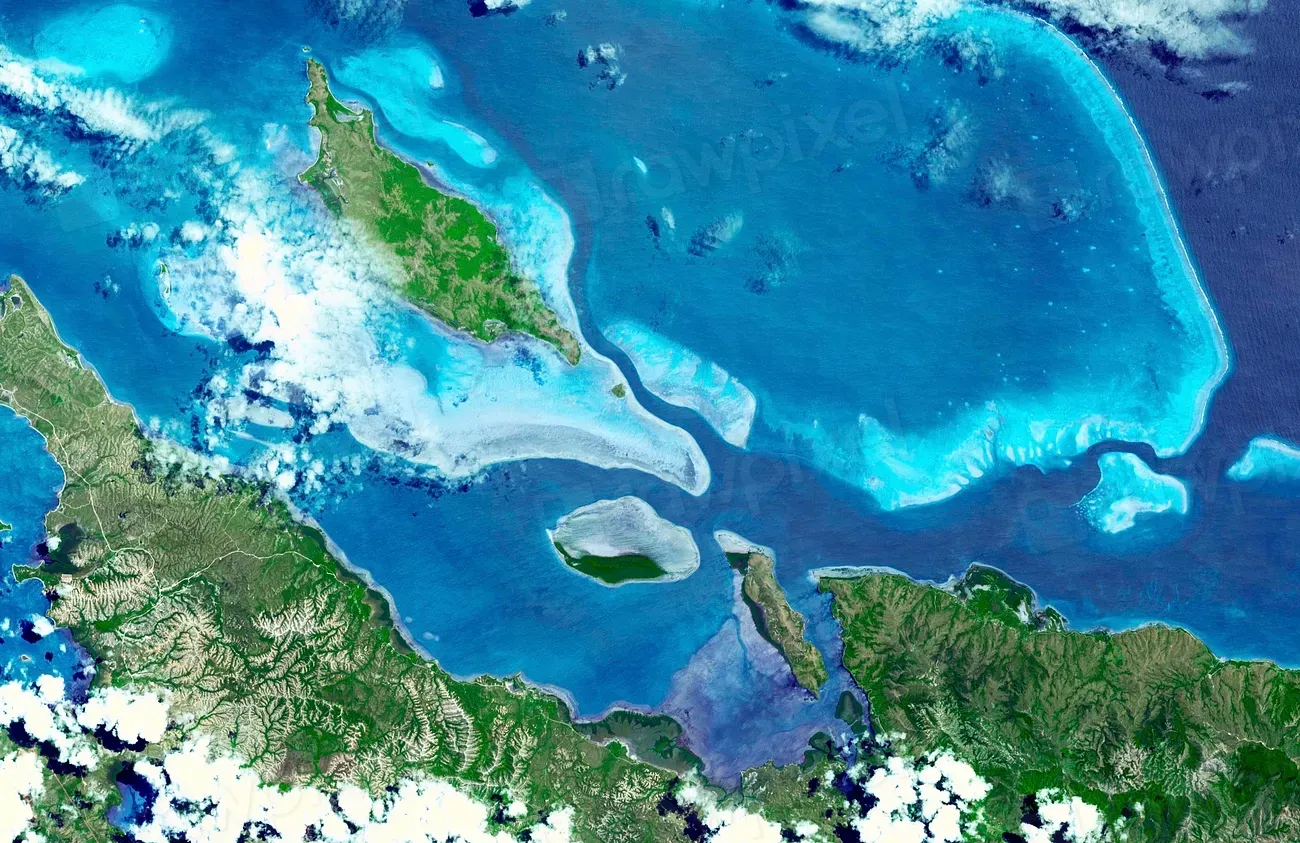
Researchers are closely watching the Pacific Ocean, with long-term forecasts strongly suggesting that a warming El Niño phase could form in the second half of 2026. By June to August 2026, El Niño is expected to develop with a 62 percent chance and persist through at least the end of 2026. That is more likely than not, statistically speaking.
AccuWeather added that this year’s event could strengthen into a so-called “super El Niño,” which occurs when ocean temperatures climb to 2 degrees Celsius or more above normal across the ENSO region. AccuWeather estimates there is a 15 percent chance of a super El Niño forming by the end of the Atlantic hurricane season in November. If confirmed, it would be only the third super El Niño in the past 30 years.
Scientists have noted that “it seems like we’re in for a strong El Niño with a chance of a super strong El Niño event, something that could even challenge what we saw in 2015 to 2016.” The 2015 to 2016 event was already considered one of the most powerful in modern recorded history. A repeat or worse scenario combined with an already overheating baseline climate is a genuinely frightening prospect.
What This Means for Global Temperatures in 2027
Researchers are closely watching the Pacific Ocean, with long-term forecasts strongly suggesting that a warming El Niño phase could form in the second half of 2026. An El Niño on top of the background human-caused warming trend could push temperatures to new heights into 2027. Scientists are now eyeing 2027 as a potential record-smashing year, and I think many of us are not quite prepared for what that actually means in practice.
If El Niño emerges in 2026, then the year will get warmer, but is unlikely to be as hot as 2024. Global temperatures in 2027, however, could be pushed to record-breaking heights. NOAA’s National Centers for Environmental Information said there is more than a 90 percent chance 2026 will rank among the five warmest years on record. So even the “cooler” year in this scenario would still be historically scorching.
In a warming climate, a strong El Niño event “gives us a preview of the future that we haven’t experienced in all of human history,” according to climate scientist Daniel Swain. In response to the report, UN Secretary General António Guterres reiterated his call for countries to move away from fossil fuels to renewable energy to “deliver climate security, energy security and national security.” Whether world leaders heed that call, of course, remains the single biggest open question of our era.
A Warning We Cannot Afford to Ignore
I’ll be honest, there have been climate warnings before. There will likely be more after this one. But something about the convergence of indicators in this WMO report feels qualitatively different. Every major system, the oceans, the glaciers, the ice caps, the atmosphere, is moving in the same alarming direction at the same time. That is not noise, that is a signal.
According to the WMO, Earth’s climate is now “more out of balance than at any time in observed history,” with concentrations of heat-trapping greenhouse gases reaching their highest levels in at least 800,000 years, disrupting the planet’s natural energy balance. Eight hundred thousand years is longer than modern humans have existed as a species. That puts things in sobering perspective.
The potential arrival of a super El Niño on top of an already record-hot baseline is not just a climate story. It is a food security story, a public health story, a migration story, and an economic story all rolled into one. As WMO Secretary-General Celeste Saulo warned, “Human activities are increasingly disrupting the natural equilibrium, and we will live with these consequences for hundreds and thousands of years.” The decisions made in the next few years will echo far beyond any of our lifetimes.
The planet is sending signals in every language it knows how to speak. The only remaining question is: are we actually listening? What do you think will happen if global leaders continue to delay climate action? Share your thoughts in the comments below.
