
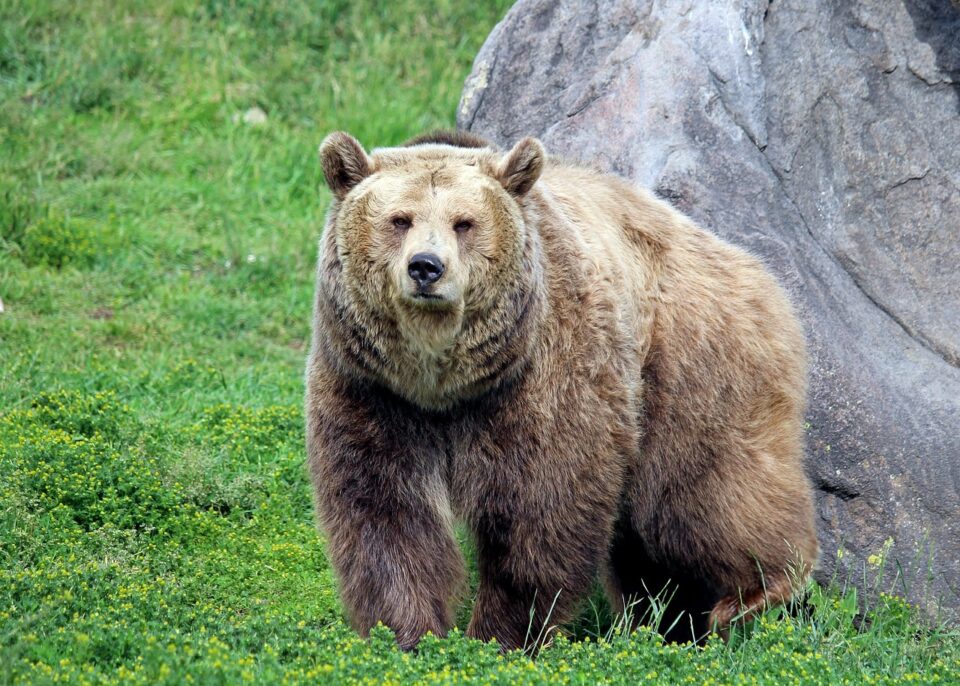
Picture a quiet trail in Montana or Alaska. A brown shape steps out of the brush about the length of a school bus away, and it’s looking right at you. Your legs want to bolt, and your brain is throwing out every half remembered tip you’ve ever heard.
Most of those tips come from campfire stories, not research. Wildlife biologists have spent decades studying what grizzlies do when humans cross their path, and the findings are more nuanced than “stand tall” or “run for it.” Some of what the data shows might surprise you.
Why Most Grizzly Encounters Aren’t Hunting Attempts
🔥 Would you like to save this?
We'll email this post to you, so you can come back to it later!
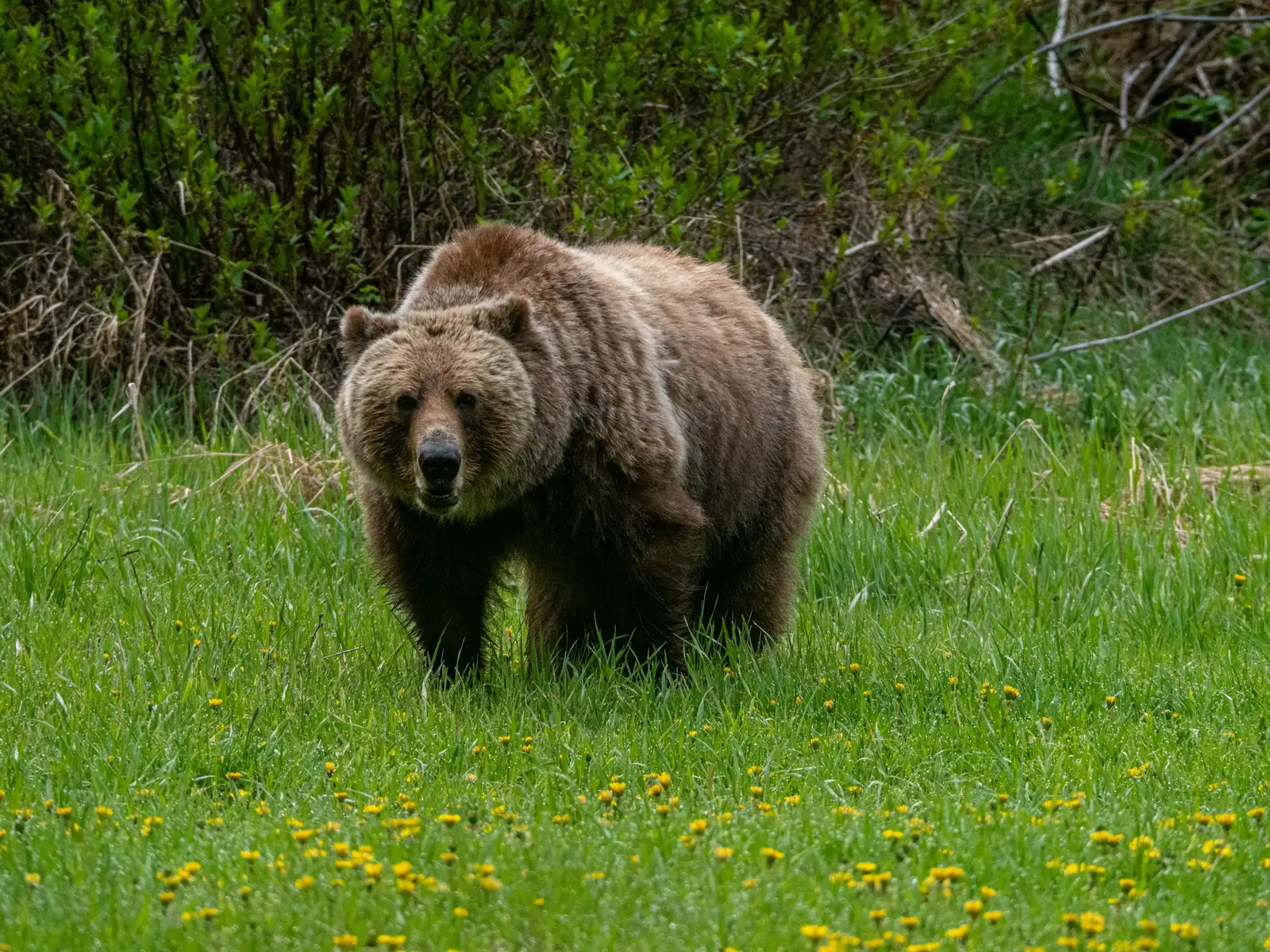
The first thing to understand is that a grizzly almost never sees you as a meal. Researchers who study bear attacks, including the well known Canadian biologist Stephen Herrero, have long separated them into two broad types: defensive and predatory. Defensive encounters are far more common by a wide margin.
In a defensive encounter, the bear feels threatened. Typical triggers include being surprised at close range, a mother protecting cubs, or someone wandering too close to a food source like a carcass. The bear isn’t trying to eat you. It’s trying to remove a perceived threat.
Predatory attacks are rare, but they do happen. They tend to look different: a bear that stalks quietly, follows you, or approaches a tent at night. That difference matters, because the right response flips depending on which type you’re facing.
What Standing Your Ground Actually Does
🔥 Would you like to save this?
We'll email this post to you, so you can come back to it later!
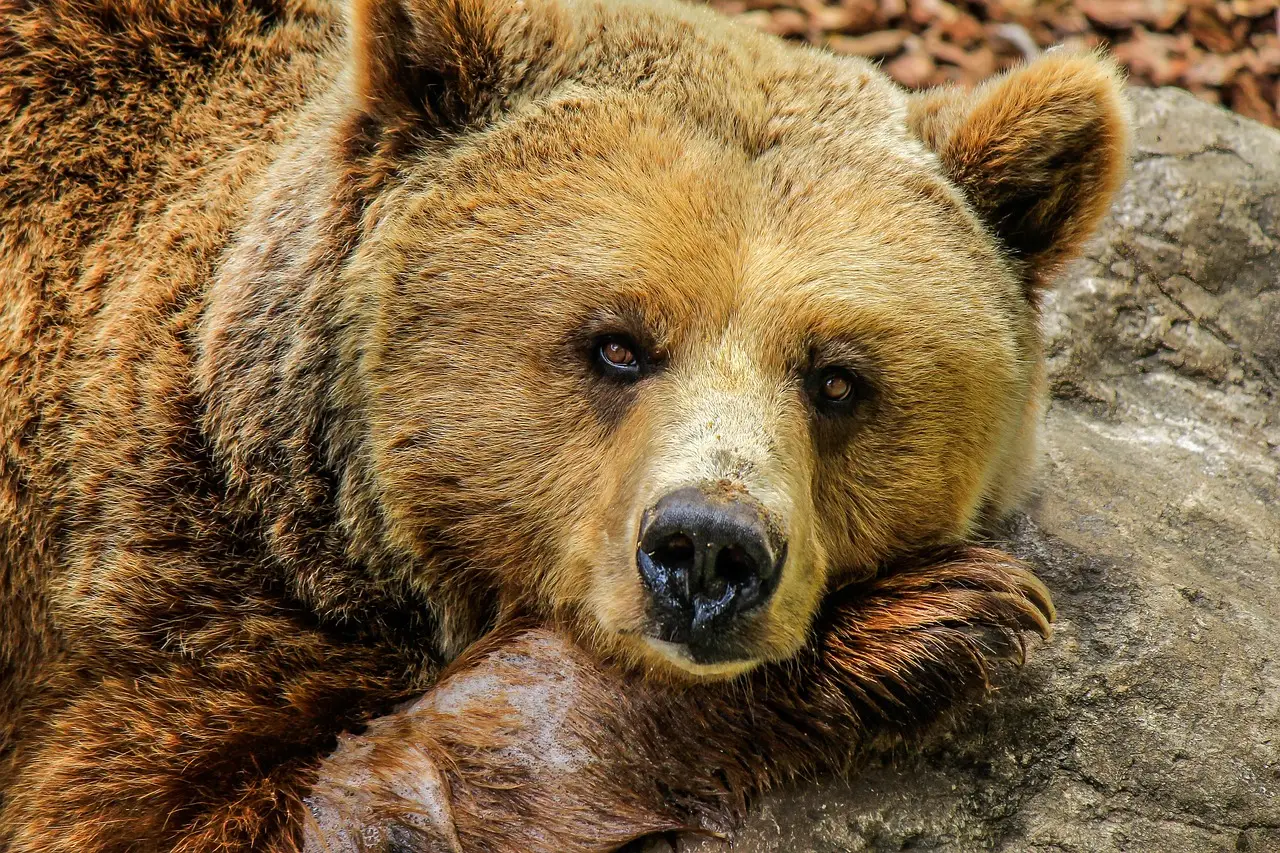
So, would a grizzly attack if you stood still? Often, no. Many charges are what experts call bluff charges, where the bear runs toward you and veers off or stops short. It’s a loud, terrifying way of saying “back off.”
Holding your position during that moment is widely recommended by agencies like the National Park Service. Running, on the other hand, can trigger a chase response. A grizzly can sprint faster than an Olympic runner, so you won’t win that race, and fleeing can turn a bluff into a real pursuit.
Still, standing your ground isn’t a magic shield. It’s a way of not making things worse while the bear decides what to do. Think of it as buying time, not winning a staredown.
Here’s a quick summary of the core idea:
- Stay calm and keep your feet planted if the bear charges.
- Talk in a low, steady voice so the bear knows you’re human.
- Don’t scream, wave wildly, or turn your back.
- Have your bear spray in hand before the charge, not after.
The Body Language Bears Are Reading
🔥 Would you like to save this?
We'll email this post to you, so you can come back to it later!
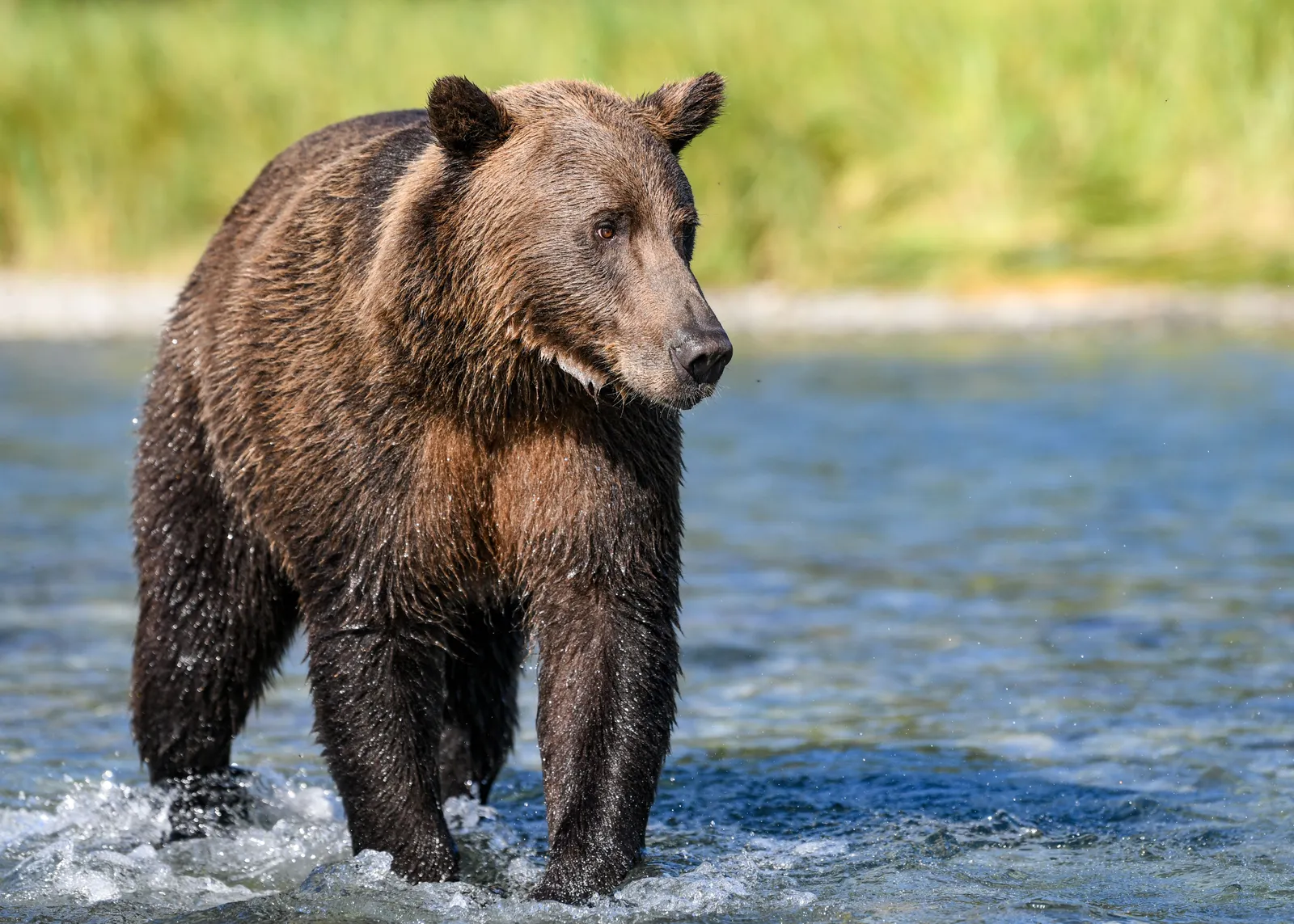
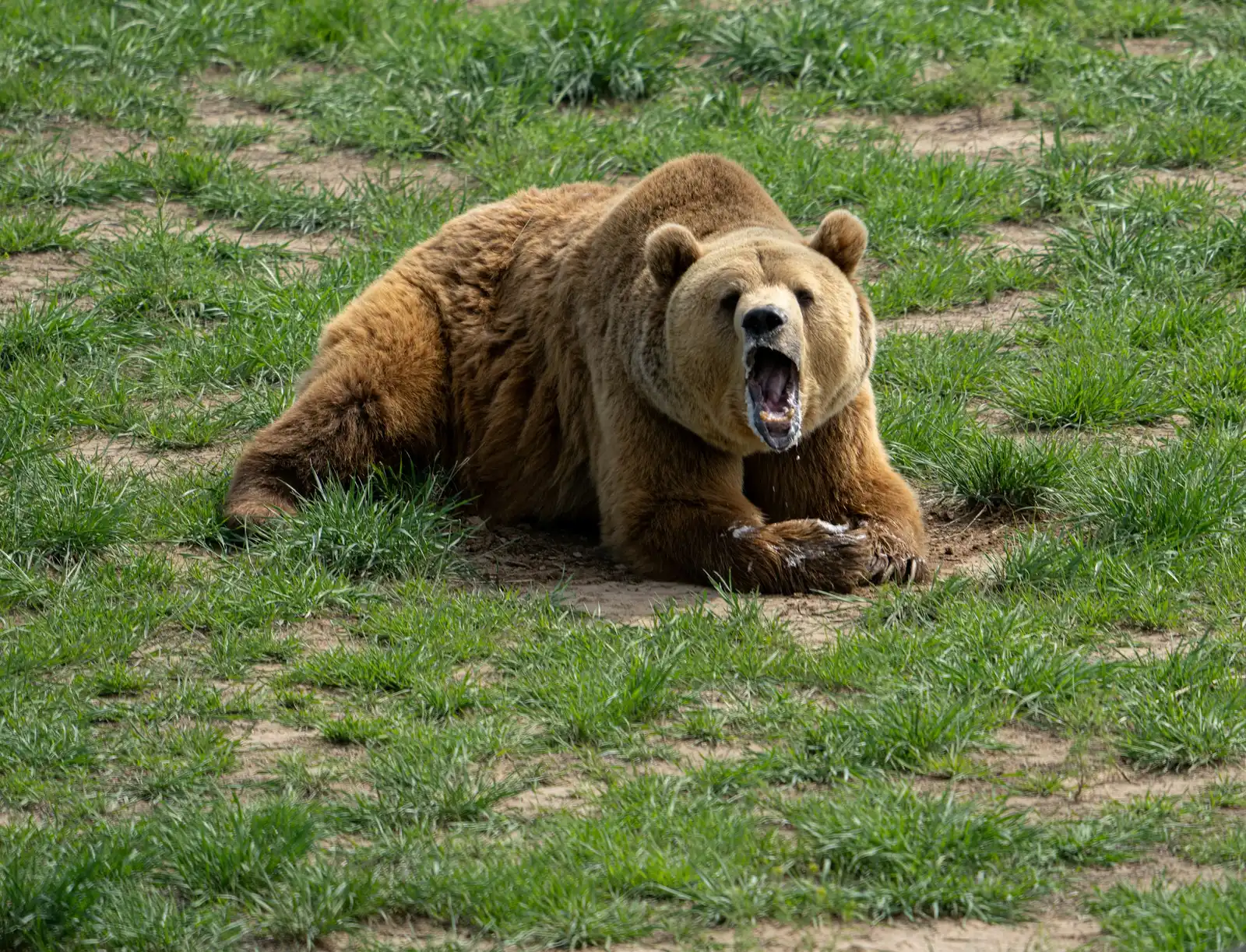
Bears communicate a lot through posture and sound. A grizzly that’s huffing, popping its jaws, swatting the ground, or standing on its hind legs is usually gathering information or showing stress. Standing up, by the way, is typically curiosity. The bear is trying to see or smell you better.
That’s where your behavior counts. Experts generally suggest speaking calmly, making yourself look larger by staying upright, and slowly backing away once the bear stops advancing. Move sideways or backward, not with your back turned, and avoid sudden motions.
Eye contact is debated a bit. Some guidance says direct staring can read as a challenge, so many agencies suggest looking at the bear without a hard fixed glare. It’s a small detail, though, and distance and context matter far more than where your eyes go.
Dropping a backpack is another gray area. Bears that learn to associate people with food become more dangerous, so most guidance says to keep your pack on unless a bear is actively taking it. The pack can also protect your back if things escalate.
Bear Spray, Playing Dead, and Fighting Back
🔥 Would you like to save this?
We'll email this post to you, so you can come back to it later!
If a charge doesn’t stop, the next layer of protection is bear spray. Field studies of real encounters in Alaska found that spray stopped unwanted bear behavior in the large majority of cases, and the people who used it generally avoided serious injury. Firearms, by comparison, haven’t shown the same reliability, partly because hitting a fast, erratic target under stress is extremely hard.
Spray only works if you can reach it quickly. Keep it on your chest strap or hip belt, not buried in your pack. Know how to remove the safety clip, and pay attention to wind direction, since a headwind can blow it back at you.
If a grizzly makes contact in a defensive attack, the standard advice is to play dead. Lie on your stomach, clasp your hands behind your neck, and spread your legs slightly so it’s harder for the bear to flip you. Keep your pack on to protect your spine. Once the bear sees the threat is gone, it usually leaves.
The flip side is a predatory attack. If a bear stalks you, enters your tent, or keeps attacking after you’ve gone still, the guidance changes completely. Fight back with everything you have, aiming for the face and nose.
- Defensive attack: play dead, protect your neck and head.
- Predatory attack: fight back hard.
- Night attack in a tent: treat it as predatory.
How to Avoid the Standoff Altogether
🔥 Would you like to save this?
We'll email this post to you, so you can come back to it later!
The best bear encounter is the one that never turns into a standoff. Since surprise is the biggest trigger, making noise on the trail is one of the simplest tools you have. Clapping, calling out, or talking in thick brush, near loud streams, or around blind corners gives bears time to move away.
Group size matters too. Studies of bear encounters in national parks have found that larger groups tend to have fewer injuries than solo hikers, and many parks recommend traveling in groups of three or more in grizzly country. Hiking alone at dawn or dusk, when bears are most active, carries more risk.
Food management is the other big piece. Store food, trash, and scented items in bear resistant containers or hang them properly, and cook well away from where you sleep. Bears that get an easy meal once will come back, and that habit often ends badly for the bear as well as the people.
If you spot a bear at a distance, don’t approach for a photo. Parks like Yellowstone ask visitors to keep a generous buffer, and a long lens is a much better idea than a closer step.
Final Thoughts: Calm Is the Real Survival Skill
🔥 Would you like to save this?
We'll email this post to you, so you can come back to it later!
Here’s my take. The “stand your ground” advice gets repeated like a rule, when it’s really a piece of a bigger approach. A hiker who’s loud on the trail, carries spray within reach, and knows the difference between a defensive and predatory bear is far better protected than someone relying on posture alone.
I’d also say the mythology around grizzlies does them a disservice. They aren’t mindless killers hunting hikers, and they aren’t harmless either. They’re powerful animals that mostly want to be left alone, and most of the time, giving them space and a clear signal that you’re not a threat is enough.
If you’re heading into bear country, spend an hour learning this stuff before you go. It’s boring compared to the stories, but it’s the kind of preparation that makes sure your trail story ends with “and then it walked away.”

- 23 Warm Corners an Elderly Cat Keeps Returning To All Winter - October 29, 2026
- 16 Behaviours Showing a Cat Considers a House Permanent Now - October 29, 2026
- 15 Wildlife Programmes a Lifetime Pass Holder Over 62 Can Join Free - October 29, 2026