


In a world where science fiction increasingly blurs into reality, the possibility of genetically reviving extinct species is a thrilling yet daunting prospect. One creature that captures the imagination like no other is the dire wolf, often romanticized as the ultimate canine with its raw power and majestic aura. But as we edge closer to potential breakthroughs in de-extinction, the question arises: would you keep a genetically revived dire wolf as a pet?
Understanding the Dire Wolf
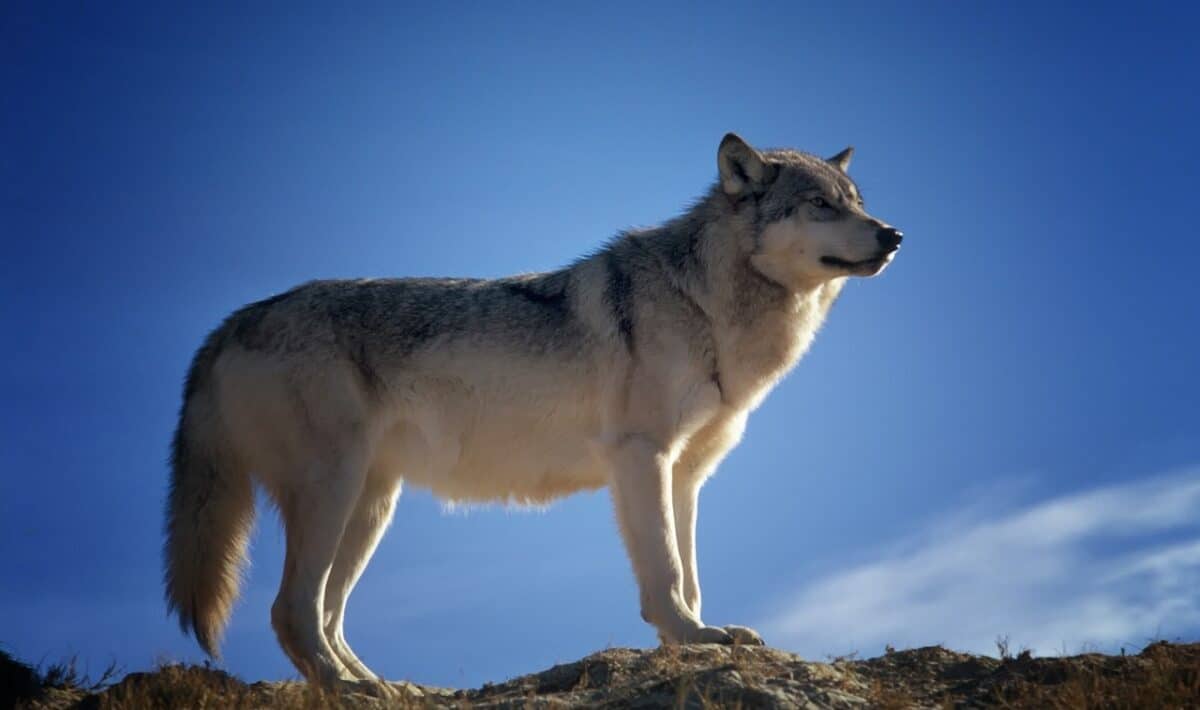
Dire wolves (Canis dirus) roamed North America during the late Pleistocene epoch until roughly 13,000 years ago. Larger than modern-day gray wolves, dire wolves were apex predators, thriving in diverse environments. These formidable creatures measured about 1.5 meters in length and weighed between 60 and 80 kilograms, built to take down large prey such as bison and camels.
The Science Behind Revival

The idea of bringing a dire wolf back to life involves advanced genetic engineering techniques. By extracting DNA from well-preserved fossils and integrating it with the genome of a closely related species, such as the gray wolf, scientists hope to recreate this extinct species. However, the process is fraught with ethical and practical challenges, not least of which is ensuring the resulting creature closely resembles the original dire wolf.
Impact on Modern Ecosystems

Introducing a significant predator like the dire wolf into current ecosystems would require careful study. While they could potentially help control overpopulated species, they might also compete with existing predators for food. Balancing this intricate web of life to avoid upsetting existing wildlife populations is crucial.
Behavioral Traits of Dire Wolves

Reconstructing the behavior of a dire wolf involves piecing together evidence from their close relatives and fossil remains. Dire wolves were social animals, likely operating within complex pack structures. They were efficient hunters and scavengers, exploiting the opportunities that their environment presented.
Challenges of Domestication
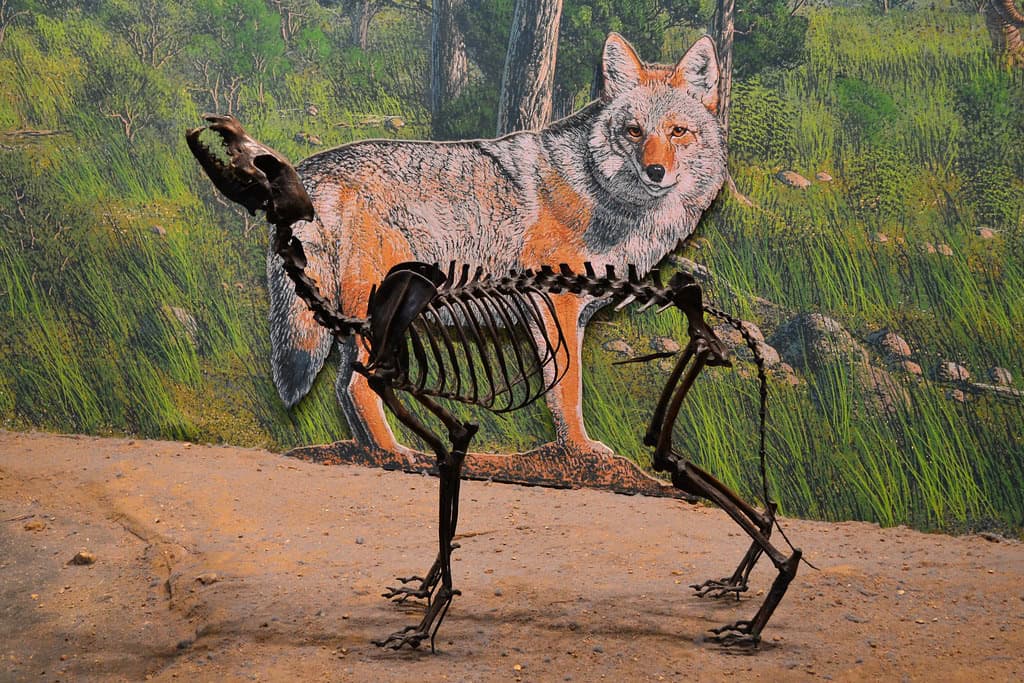
The idea of domesticating a creature with such deeply ingrained predatory instincts is daunting. Unlike dogs, which have been selectively bred over thousands of years to coexist with humans, dire wolves remain firmly entrenched in their primal behaviors. Training and controlling such an animal would pose significant challenges and risks.
Spatial Needs and Environment
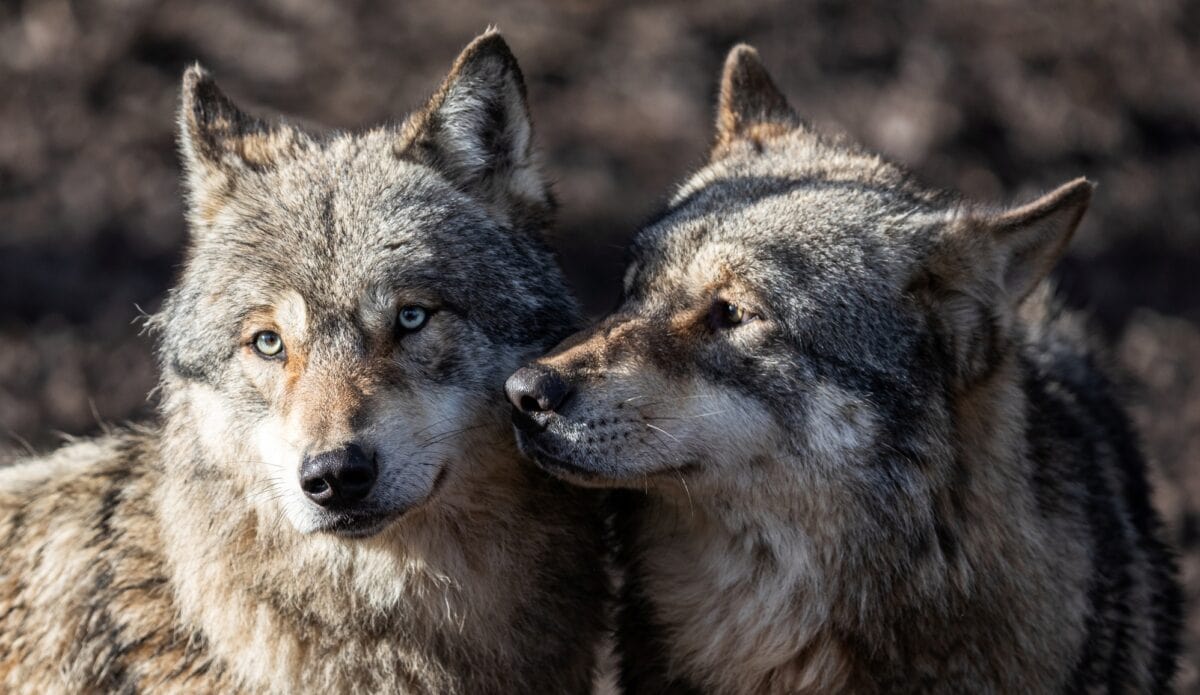
A dire wolf would require substantial space to roam, significantly more than the average dog owner could provide. A large, secure area mimicking their natural habitat would be essential to meet their physical and mental stimulation needs, far beyond a suburban backyard’s capacity.
Dietary Requirements

Feeding a carnivorous creature of this magnitude would be a logistical challenge. A diet resembling their natural preferences, likely composed of large amounts of raw meat, would be necessary. Such a requirement would not only be costly but could also raise ethical concerns about sourcing this diet sustainably.
Legal and Ethical Considerations
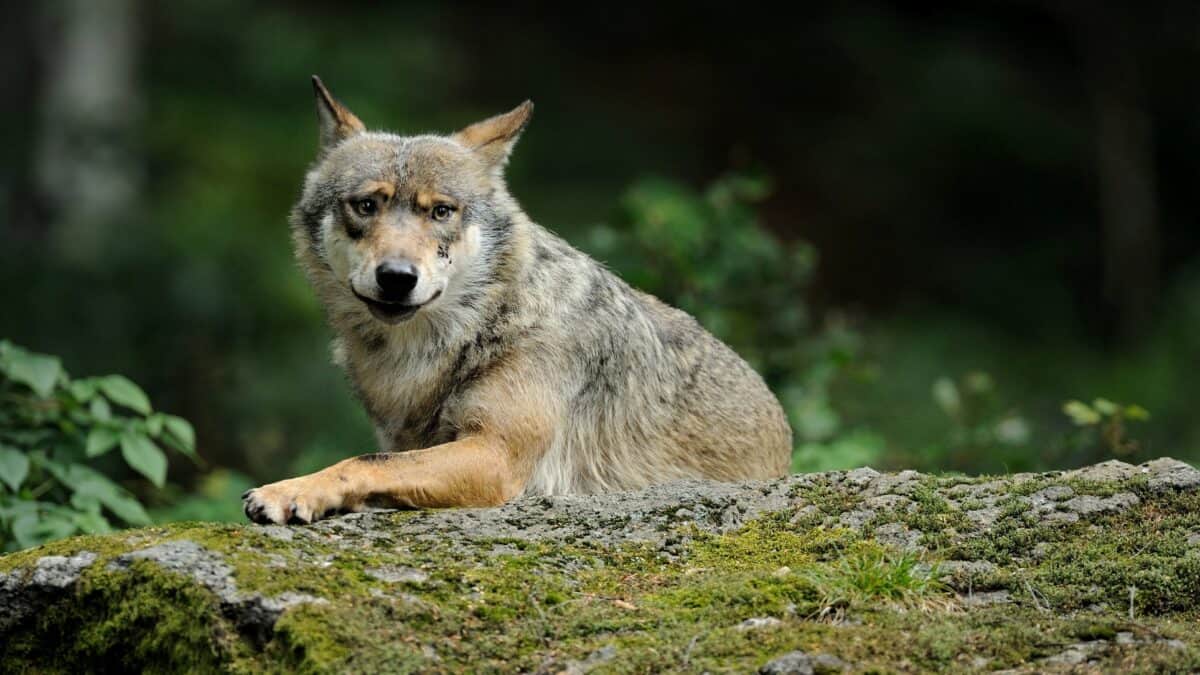
The legalities of owning a genetically revived species are complex, with regulations varying across jurisdictions. Ethical considerations also come into play, particularly concerning animal welfare and the broader ecological impacts of reintroducing an extinct predator.
Human Safety Concerns
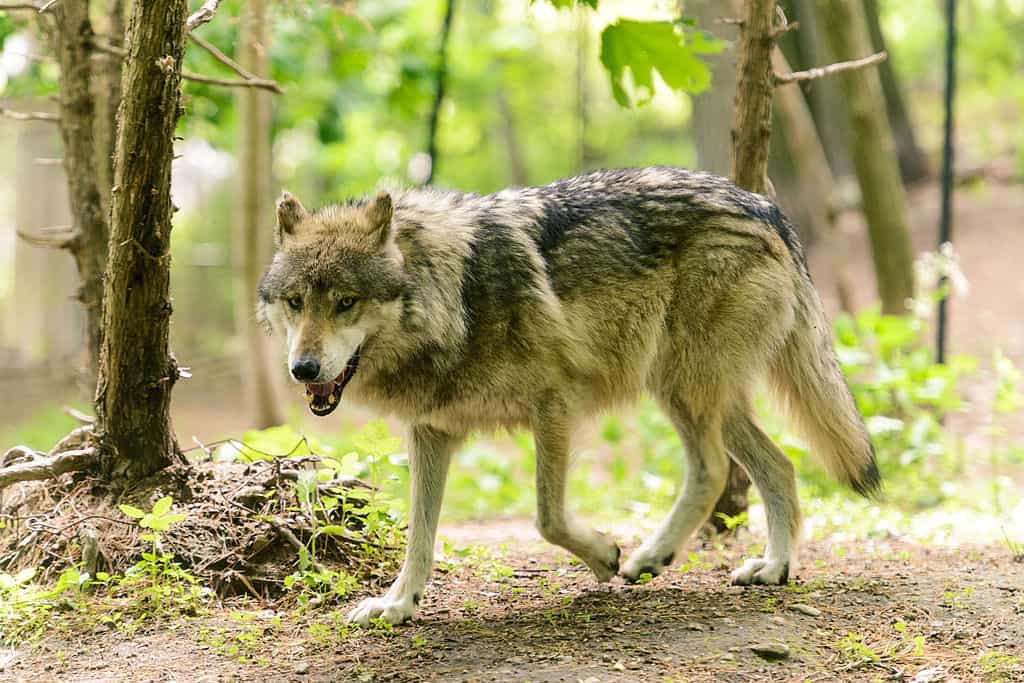
Safely cohabitating with a large predator involves inherent risks. Even if raised from a young age, the potential for unpredictable behavior remains, posing a threat to humans and other domestic animals. An incident involving a dire wolf could have serious repercussions.
Emotional and Psychological Bonding
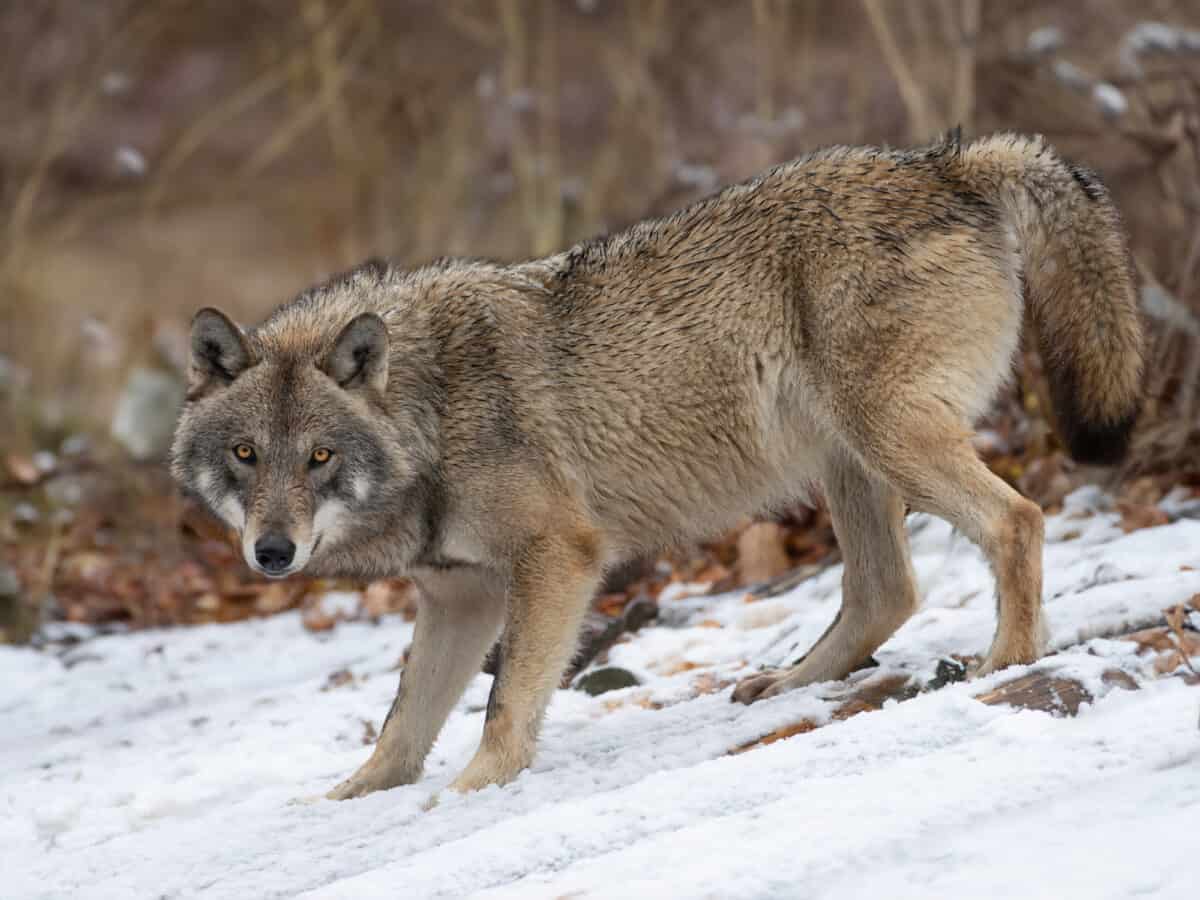
While the idea of bonding with such a majestic creature may seem enticing, the reality may fall short of expectations. The instinctual differences between a dire wolf and even the most primitive of dogs could limit the emotional connection, leading to disappointment for those seeking companionship similar to a canine.
Alternative Choices for Pet Owners
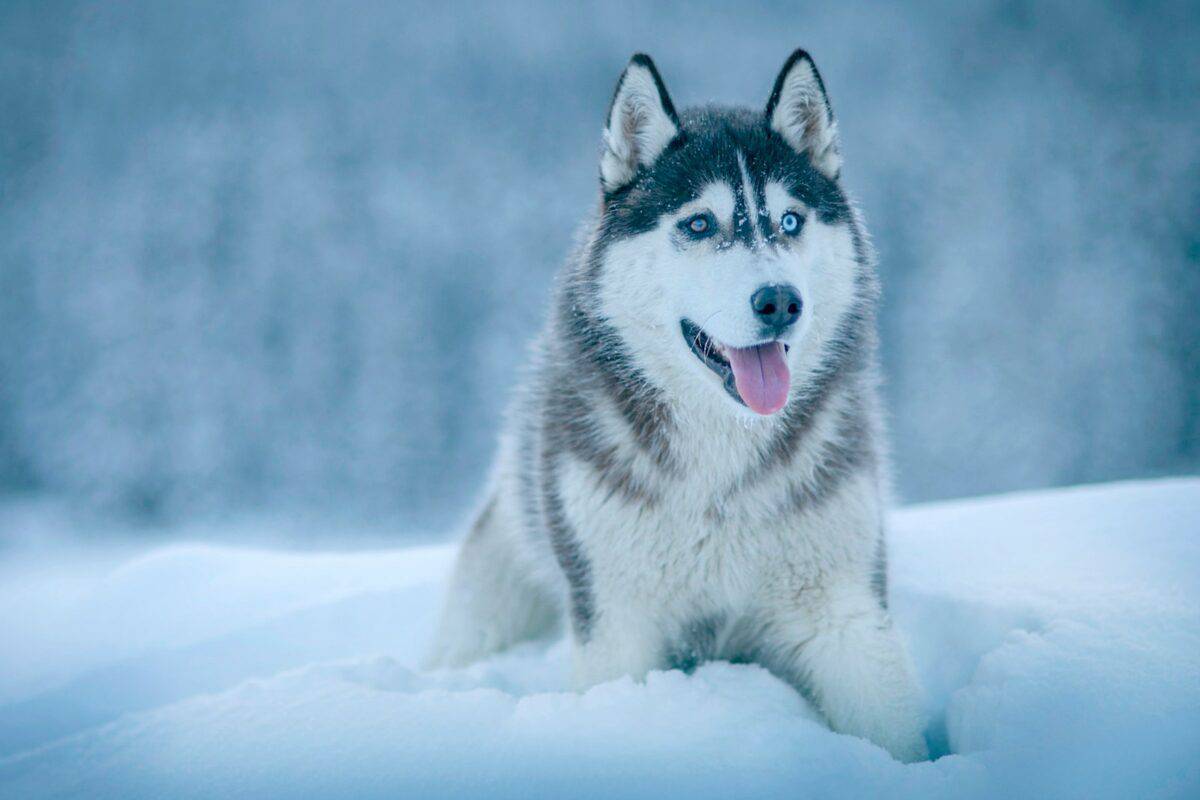
For those fascinated by the idea of having a wolf-like pet, domestically-bred wolf hybrids or certain dog breeds offer a more viable alternative. These animals can provide a similar aesthetic appeal with the added benefits of domesticated behavior and established welfare practices.
The Future of Dire Wolves

As science continues to explore the boundary between extinct and living life forms, the revival of the dire wolf remains a compelling but speculative concept. While it may deepen our understanding of past ecologies, it also opens a Pandora’s box of ethical and practical considerations yet to be resolved.
Overall, while the concept of keeping a dire wolf as a pet is laden with fascination and allure, the practical reality is that these creatures are best appreciated through scientific study and historical awe rather than personal ownership. The journey toward potential revival continues to offer valuable lessons about our past, but we must tread carefully as we navigate these extraordinary possibilities.

From exploring the marine wonders in the Azores and witnessing the vast savannas of Kenya, to delving deep into the rich biodiversity of South Africa and traversing iconic landscapes in Australia and the US like Yellowstone, Chris's experiences are vast.
With a penchant for diving alongside sharks, the ocean holds a special place in his heart.
Through his academic insights, he champions wildlife conservation, striving with 'Animals Around The Globe' to cultivate a profound connection between humans and animals, enhancing our mutual appreciation.
Connect with him at Feedback@animalsaroundtheglobe.com.
- This Abandoned U.S. Mine Is Now a Wildlife Haven - July 18, 2026
- What Happened to Bubbles, Michael Jackson’s Elephant, After Neverland? - July 18, 2026
- Frozen Fish from the Ice Age Still Has Scales - July 18, 2026