
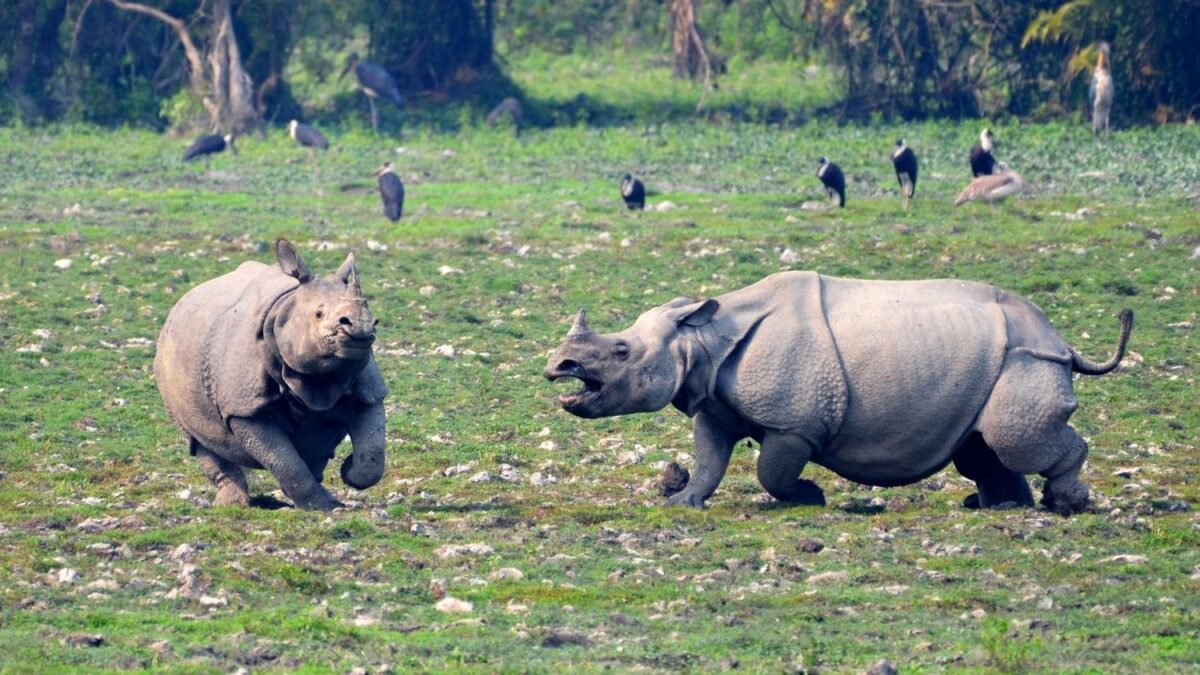
Picture this. You’re walking through the African savanna, soaking in the magnificent wilderness, when suddenly you hear heavy snorting. Your heart pounds as you turn to see a massive rhinoceros, all two tons of muscle and horn, staring directly at you. The ground seems to vibrate beneath your feet as this prehistoric giant prepares to charge.
What happens next could mean the difference between life and death. While most safari encounters remain peaceful, rhino attacks do occur, and the statistics are sobering. Wildlife attacks in Nepal’s Chitwan National Park area have included significant rhinoceros-related casualties, with rhinos being responsible for a substantial portion of animal-related deaths. Yet African rangers who work with these magnificent beasts daily have developed survival strategies that actually work. Their most crucial piece of advice might surprise you completely.
The Golden Rule: Freeze Like Your Life Depends on It

African rangers emphasize that “black rhinos are aggressive when threatened, but we make sure they don’t notice us at all costs.” The primary survival tactic they swear by contradicts every human instinct. When faced with a charging rhino, your first response should be to become completely motionless.
Rangers explain that “rhinos can’t see well, so if you’re fairly still and don’t seem to be a threat, they may mistake you for a tree and keep grazing.” This technique relies on a crucial biological fact about rhinoceros vision. Studies show that a rhino has difficulty distinguishing different humans from only 30 feet away, and at distances beyond 30 meters (about 100 feet), they have great difficulty recognizing human silhouettes.
Understanding the Rhino’s Deadly Arsenal
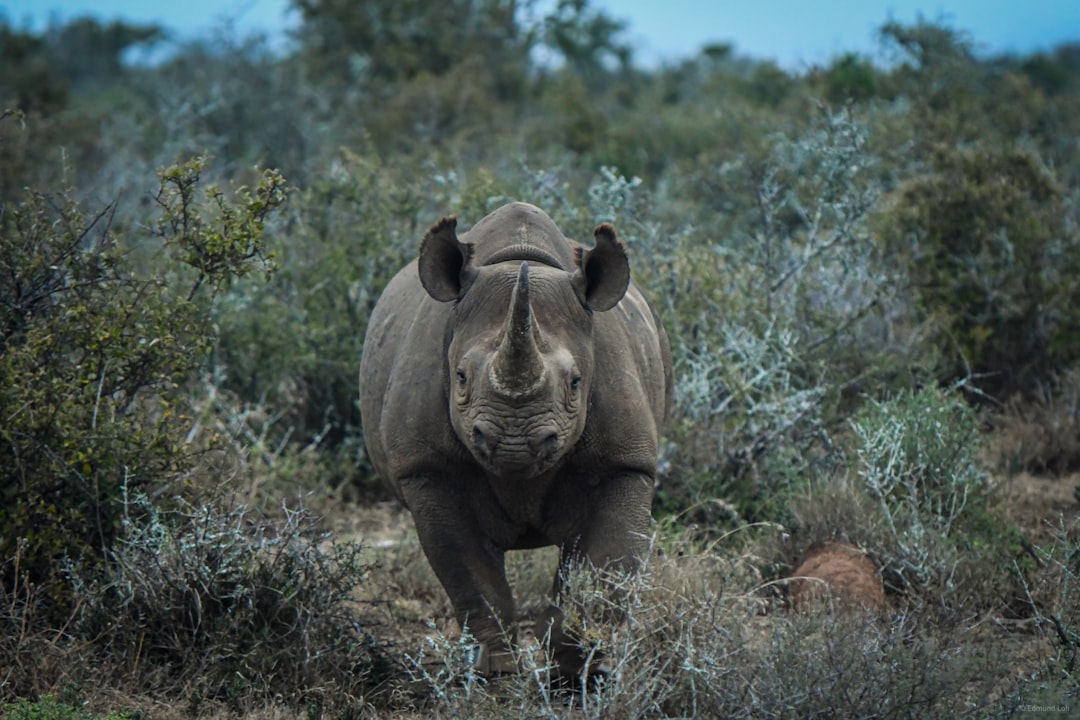
To survive a rhino encounter, you need to understand what you’re facing. Black rhinos typically weigh between 0.8-1.4 tons, this mammal has enough power and mass to derail a train. These aren’t gentle giants wandering peacefully through the bush. Black rhinos are the most aggressive species and have been known to charge and knock over vehicles.
Their speed adds another terrifying dimension to any encounter. Rhinos can reach speeds of 35 miles per hour. Even more alarming, they can zigzag with ease, making escape by running virtually impossible for humans on foot.
Why Rhinos Attack: The Triggers You Must Avoid

Rangers stress that rhino aggression isn’t random violence. Human activities that provoke rhino aggression include encroaching on their habitat, disturbing them when they are resting or feeding, and getting too close to their calves. Understanding these triggers can prevent dangerous encounters entirely.
Don’t surprise a rhino, as their first instinct is to charge a threat whether or not it is actually a threat. Mother rhinos present an especially dangerous situation. Stay especially vigilant if you see a baby and its mother, as mother rhinos are fiercely protective. Even seemingly calm situations can turn deadly within seconds when maternal instincts kick in.
The Power of Staying Downwind
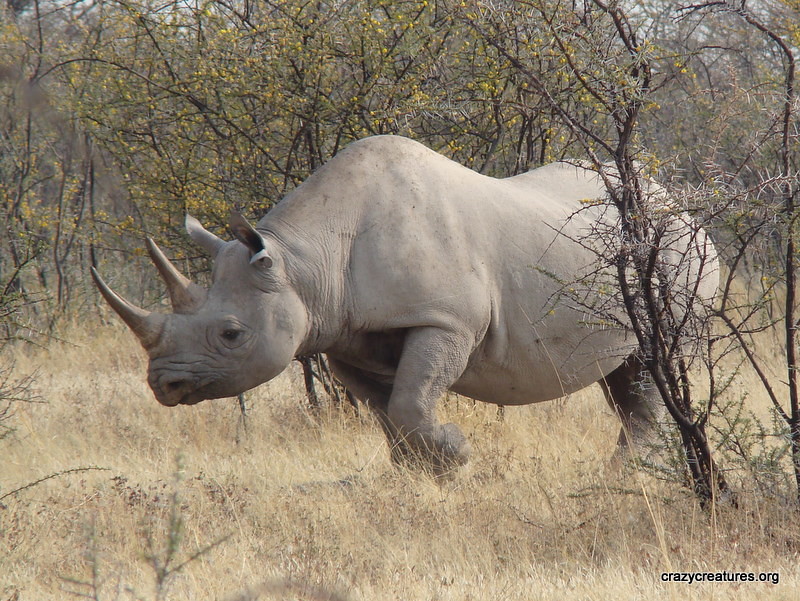
African rangers employ another crucial strategy that most tourists never consider. Stay downwind of the rhino, as they sense you mainly via smell. This technique exploits another weakness in the rhino’s sensory arsenal while maximizing your chances of remaining undetected.
What rhinos lack in eyesight, they make up for with keen auditory and olfactory senses, with the largest part of a rhino brain dedicated to their sense of smell. Rangers understand this biological reality and use it to their advantage during daily monitoring activities. If you can control your scent signature, you dramatically reduce your chances of triggering an aggressive response.
When Staying Still Fails: Emergency Escape Tactics

Sometimes the freeze technique isn’t enough, and rangers need backup strategies. Climb a tree if there is one nearby, as they can’t climb, and if you can get up a few feet they’re probably not going to pursue. Even standing behind a substantial tree trunk can provide crucial protection during a charge.
Run for the scrub if that’s the only option, as it’s rare that the rhino will pursue you into spiny bushes. Rangers also recommend seeking any available shelter. Run for a rock or vehicle if possible, as rhinos can tip over vehicles, but you’re much better off inside than exposed.
The Last Resort: Making Noise and Distractions
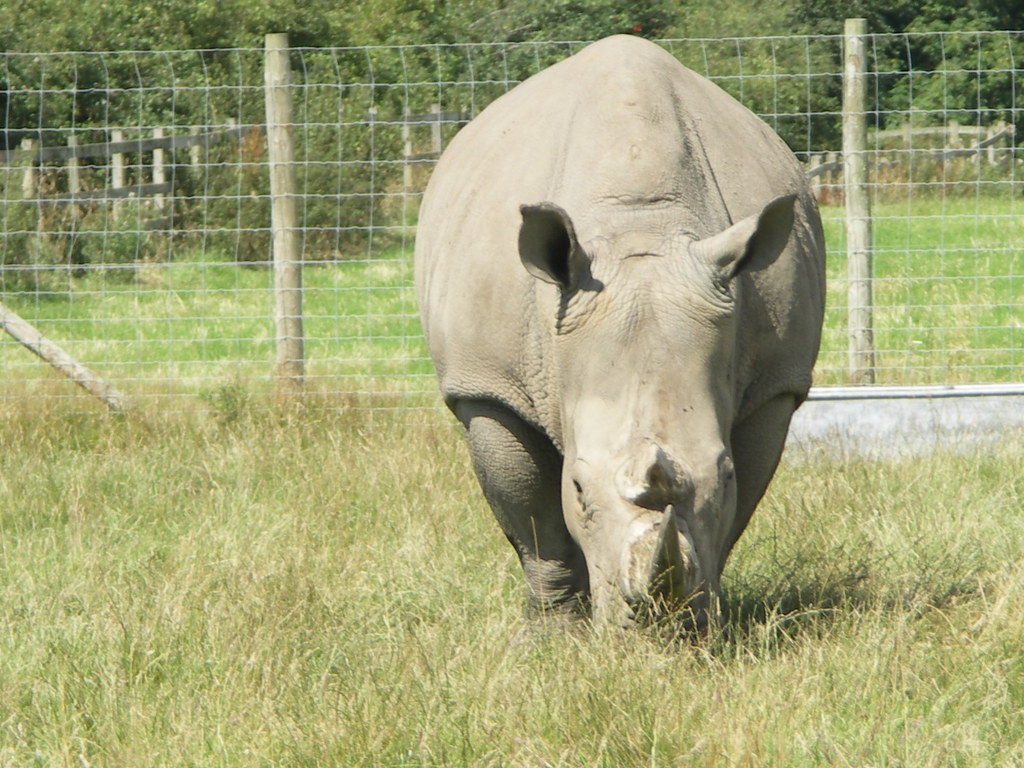
When all else fails, rangers employ counter-intuitive tactics that can save lives. If a rhino is charging at you, the expert advice changes from staying quiet to making a lot of noise by stopping and starting your engine or yelling to scare the rhino away. This technique should only be attempted when a charge appears imminent.
If the rhino keeps coming, try distracting it by throwing a jacket or backpack to hopefully divert the rhino’s charge, giving you the chance to get to safety. These distraction methods have proven effective in real-world encounters, though they represent truly last-ditch survival tactics.
Real Ranger Encounters: Lessons from the Field
One experienced ranger notes that “buffalo and elephant are the main dangers when out in the field on foot,” adding “I once got charged by a buffalo!” This perspective from someone who spends every day among dangerous wildlife provides crucial context about relative risk levels.
In one documented encounter, both an experienced guide and park ranger “quietly told us to be perfectly still” when encountering a black rhino just 50 meters away. When the rhino eventually charged toward the group, “fortunately this was only a mock charge – after a few paces it pulled up, turned and quietly went about its business.” This real-world example demonstrates how proper technique can mean survival.
The Sobering Reality: When Things Go Wrong
Despite all precautions, rhino encounters can turn fatal. Rhino attacks can have severe consequences, with fatality rates varying significantly by circumstances and access to medical care, yet the consequences of a failed encounter are severe.
Even if you survive an encounter, rhino attacks can leave you with internal injuries, so maintain your organs and head covered. Rangers emphasize that prevention remains far superior to any survival technique. The goal should always be avoiding confrontation rather than surviving one.
Understanding these realities puts the rangers’ advice into stark perspective. Their techniques aren’t theoretical – they’re battle-tested strategies developed through decades of dangerous fieldwork. When your life depends on making the right choice in seconds, following their wisdom could be the difference between a thrilling story and a tragic ending.
What would you do if faced with a charging rhinoceros? The rangers’ advice might just save your life one day.

- 10 Astonishing Ways Animals Communicate Complex Messages Without Uttering A Single Sound - August 6, 2026
- The World’s Rarest Birds Are Making a Comeback - August 6, 2026
- The US States With the Most Mountain Lions - August 6, 2026