


Reptiles have fascinated humans for centuries with their evolutionary success, diverse habitats, and sometimes astonishing sizes. From rainforests and swamps to deserts and oceans, these resilient creatures have adapted to various environments, leading to some of the most impressive specimens on Earth. In this article, we delve into ten reptiles that outgrow humans, showcasing their unique characteristics and captivating behaviors.
10. The Mighty Saltwater Crocodile

The saltwater crocodile, or “saltie,” reigns supreme as the largest living reptile. Found across Southeast Asia and the northern coasts of Australia, these intimidating predators can reach lengths of up to 23 feet and weigh over 2,200 pounds. Their robust build and powerful jaws make them the pinnacle of apex predators in their habitats. Salties are known to display territorial behaviours, especially during the breeding season, and have been observed hunting prey as large as water buffalo.
9. The Enigmatic Green Anaconda

Native to the swamps and rivers of the Amazon Basin, the green anaconda is the heaviest snake in the world. These muscular serpents can grow over 29 feet long and weigh more than 500 pounds, though such sizes are rare. Anacondas are primarily aquatic and are known to ambush their prey, which includes fish, birds, and even mammals. They are constrictors, suffocating their prey by coiling around them with immense strength.
8. The Formidable Nile Crocodile

Roaming the rivers and marshlands of Africa, the Nile crocodile is a close competitor to the saltwater crocodile in terms of size and fearsome reputation. It can grow up to 20 feet long and weigh about 1,650 pounds. These ancient reptiles have mouths filled with sharp teeth perfect for catching large prey such as antelope and zebras. Nile crocodiles are highly social, often found basking in groups on riverbanks.
7. Giant Softshell Turtle

This distinctive turtle species, known scientifically as the Yangtze giant softshell turtle, can weigh up to 220 pounds and measure more than 6 feet in length. Sadly, this giant is critically endangered, with only a few known individuals remaining in the wild. Their unique soft shell and long, snorkel-like snouts distinguish them from other turtles and allow them to remain submerged in search of fish and aquatic vegetation for food.
6. The Gigantic Leatherback Sea Turtle

The leatherback sea turtle, the largest of all living turtles, can weigh as much as 2,000 pounds and grow over 7 feet in length. Unlike other sea turtles, the leatherback has a leathery shell instead of a hard carapace. These gentle giants are known for their extensive migrations across oceans and play a crucial role in marine ecosystems by controlling jellyfish populations.
5. The Brute Reticulated Python

As the world’s longest snake, the reticulated python can grow to over 30 feet, although recorded cases of such lengths are rare. This powerful constrictor is found throughout Southeast Asia. These pythons have astounding strength, enabling them to constrict and consume prey as large as deer. Their striking skin pattern makes them sought after in the illegal wildlife trade, unfortunately leading to threats from poaching.
4. The Majestic Komodo Dragon

The largest living lizard, the Komodo dragon, inhabits several islands in Indonesia. These formidable carnivores can grow up to 10 feet long and weigh around 150 pounds. Known for their keen sense of smell and powerful bite, Komodo dragons are top predators in their ecosystems, hunting deer, pigs, and even water buffalos. They have a unique advantage in terms of reproduction, as females can reproduce through parthenogenesis, a form of asexual reproduction.
3. The American Alligator

Widespread throughout the southeastern United States, the American alligator can grow to 15 feet in length and weigh over 1,000 pounds. These reptiles thrive in freshwater environments such as ponds, marshes, and rivers. Known for their booming bellows, male alligators establish territories during mating seasons. Despite their size, alligators are surprisingly agile and skilled hunters, preying on fish, birds, and mammals.
2. The Elusive Cuban Crocodile

Endemic to Cuba, the Cuban crocodile is smaller than its relatives but is still an impressive reptile. It can grow up to 11 feet and weigh around 450 pounds. Known for their agility and intelligence, these crocodiles have unique features such as bright, often colorful markings and powerful legs used for jumping. Regrettably, they are critically endangered due to habitat loss and hybridization with other crocodile species.
1. The Titan Snapping Turtle
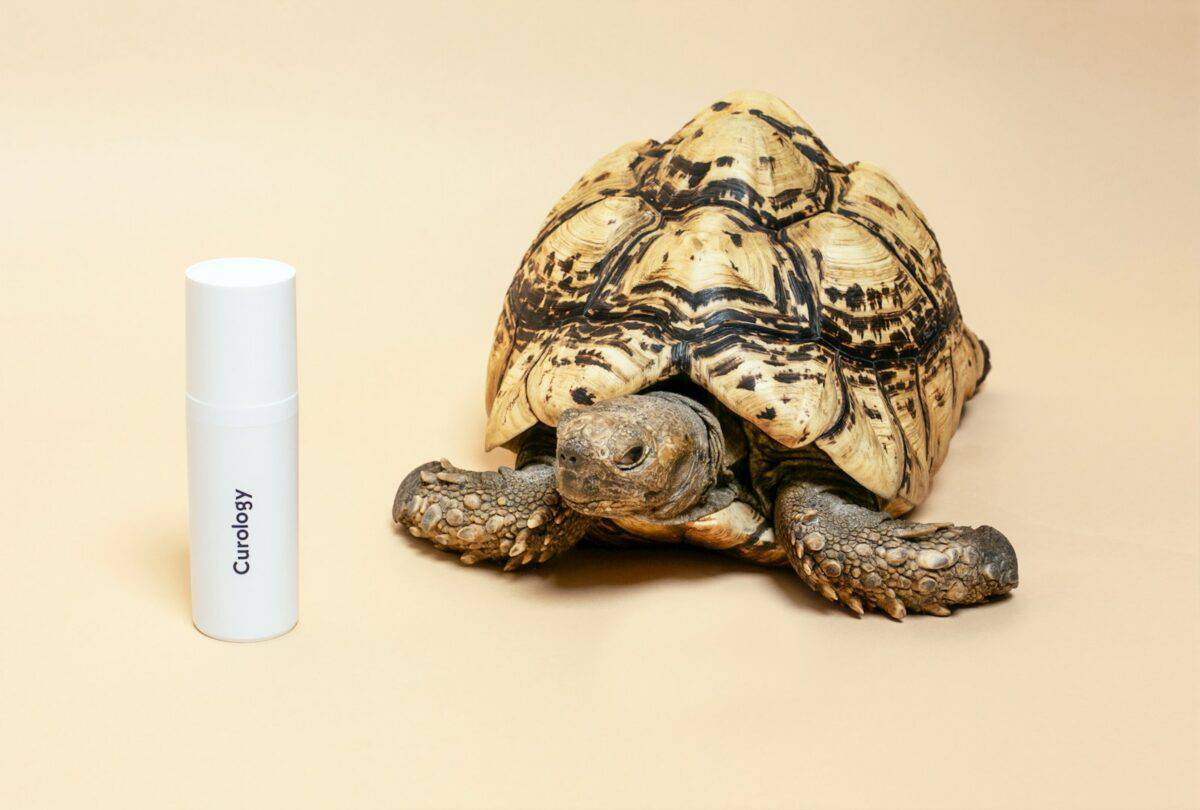
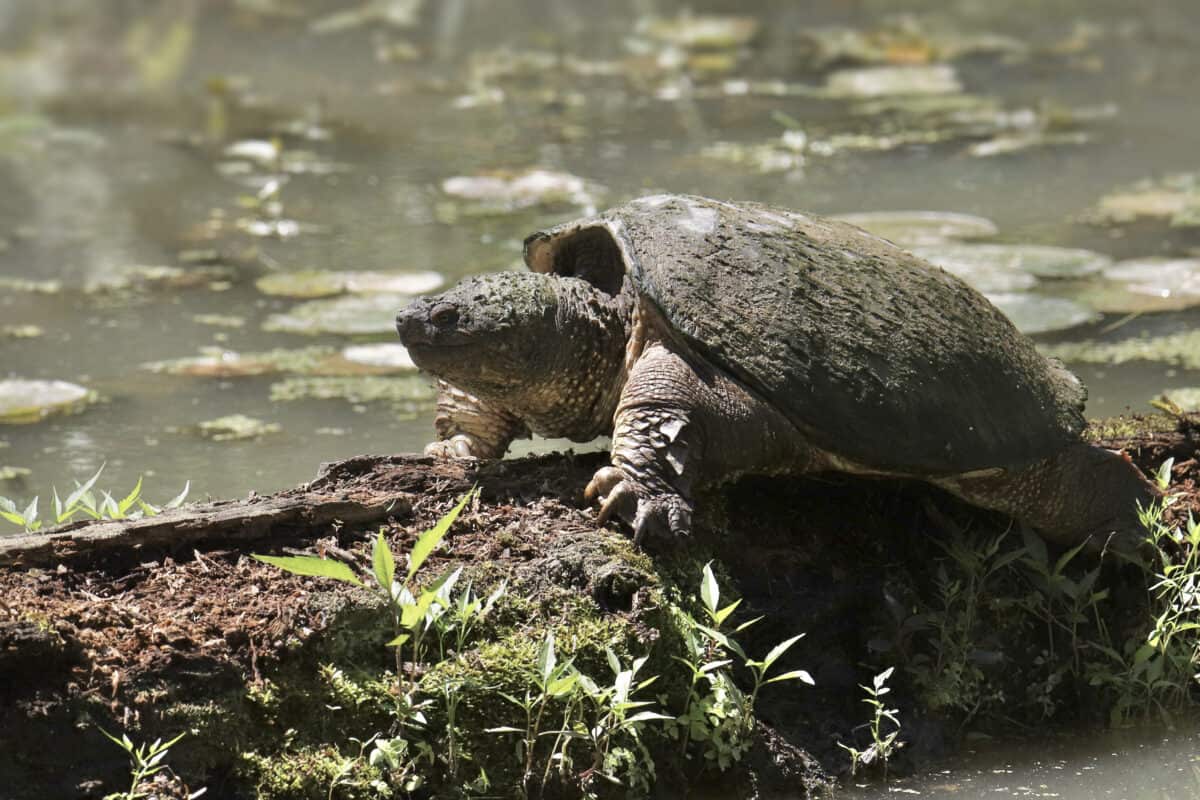
The alligator snapping turtle, native to the southeastern United States, is the heavy-weight champion among freshwater turtles. These prehistoric-looking creatures can weigh up to 200 pounds and measure nearly 3 feet in shell length. With spiky shells and beaks strong enough to sever bone, they are formidable predators in their aquatic habitats, often lying in wait to ambush prey.
Conservation and Coexistence
As humans, our fascination with these incredible reptiles should inspire profound respect and responsibility. Many of these species face threats from habitat destruction, climate change, and illegal wildlife trade. Conservation efforts are vital to ensure that these magnificent giants continue to thrive. As stewards of the planet, we bear the responsibility to protect and appreciate these remarkable creatures.
From the depths of swamps to the expansive oceans, these reptiles, larger than humans, display nature’s wonders in sheer size and adaptability. Their existence enriches the planet’s biodiversity and reminds us of the awe-inspiring complexity of life. By understanding their roles, behaviors, and the challenges they face, we foster a deeper connection with the natural world and an imperative to preserve it for future generations.

- 12 Most Terrifying Sounds Ever Recorded in the Ocean - August 6, 2026
- The Most Stunning Whale Migration Off Alaska’s Coast - August 6, 2026
- How Pigeons, Horses, and Dogs Changed the Course of Wars - August 6, 2026