
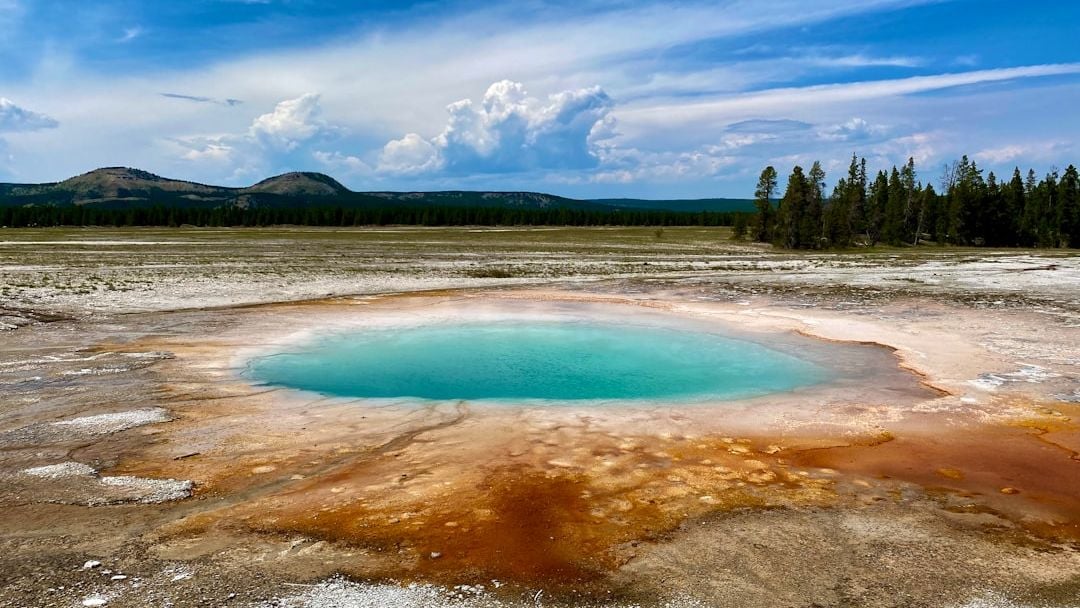
Deep beneath the stunning landscape of Yellowstone National Park, something truly colossal stirs. It’s not the bison wandering the valleys or the tourists snapping photos of Old Faithful. We’re talking about a massive underground reservoir of molten rock, sitting quietly but ominously beneath one of America’s most beloved natural landmarks.
For years, scientists assumed that preparing for a super-eruption would be a slow, gradual affair, taking centuries or even millennia. You’d have plenty of warning signs, right? Well, recent research has turned that comfortable assumption on its head. Turns out, the path from dormant reservoir to catastrophic eruption might be disturbingly short. Let’s dive into what this means and why it’s got volcanologists rethinking everything they thought they knew about these geological giants.
The Shocking Discovery That Changed Everything
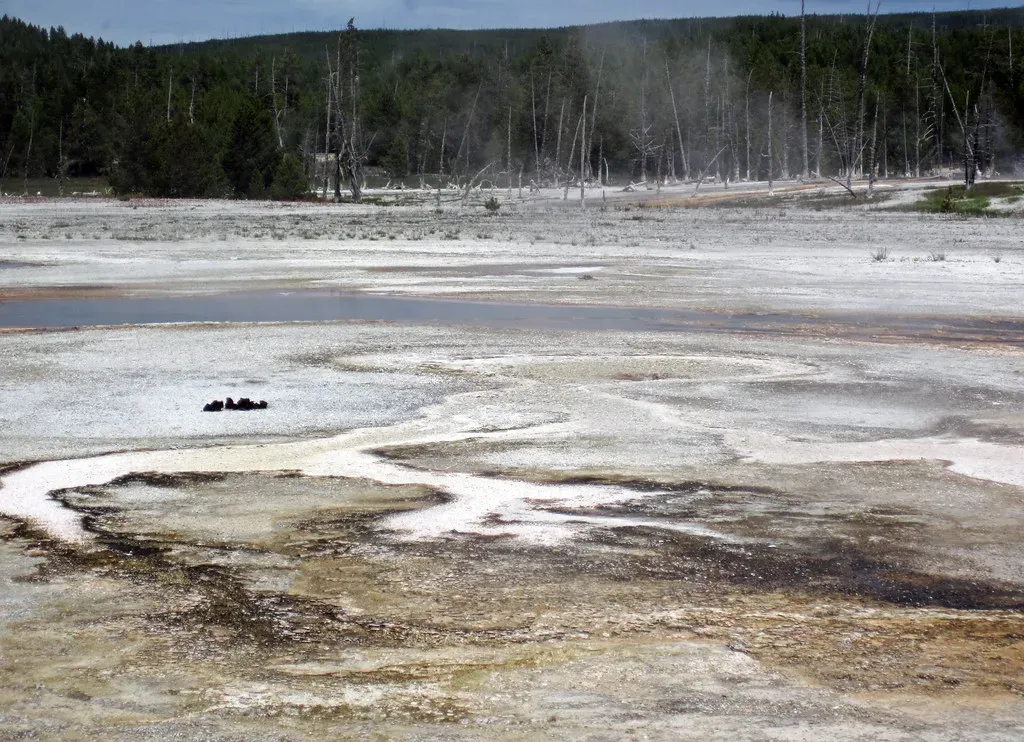
Research has indicated that Yellowstone’s magma reservoir can reach eruptive capacity and , not centuries as volcanologists had originally thought. This revelation has sent ripples through the scientific community, fundamentally altering our understanding of how supervolcanoes work.
Think about that for a moment. Decades, not centuries. That’s a timeframe that falls within a human lifetime, not some distant geological epoch that feels abstract and irrelevant. The previously known upper magma chamber was the immediate source of three cataclysmic eruptions of the Yellowstone caldera 2 million, 1.2 million and 640,000 years ago, and the actual hazard remains the same despite new understanding of the complete crustal magma system.
The implications are profound. We’re not talking about a gradual build-up that unfolds over thousands of years with ample warning. Instead, the process of moving from a relatively stable state to a catastrophic eruption could happen surprisingly fast, geologically speaking.
What Makes Yellowstone a True Supervolcano
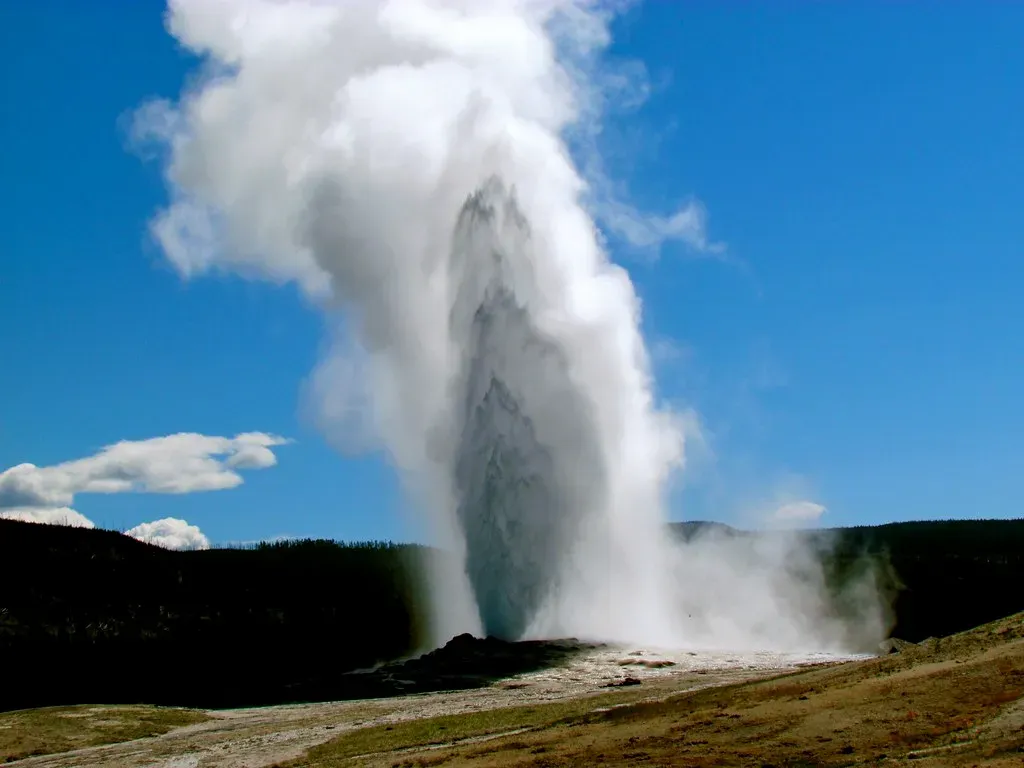
Yellowstone is among the world’s largest supervolcanoes, with frequent earthquakes and Earth’s most vigorous continental geothermal system. The designation isn’t just for dramatic effect. A supervolcano earns its title by producing eruptions that eject more than roughly 240 cubic miles of material, ranking as magnitude 8 or higher on the Volcano Explosivity Index.
The three supervolcano eruptions at Yellowstone covered much of North America in volcanic ash. Imagine the scale of destruction. We’re talking about ash deposits stretching from Wyoming to Louisiana, blanketing entire states in suffocating layers of volcanic debris. The 1980 Mount St. Helens eruption, which killed dozens and devastated hundreds of square miles, would be a firecracker by comparison.
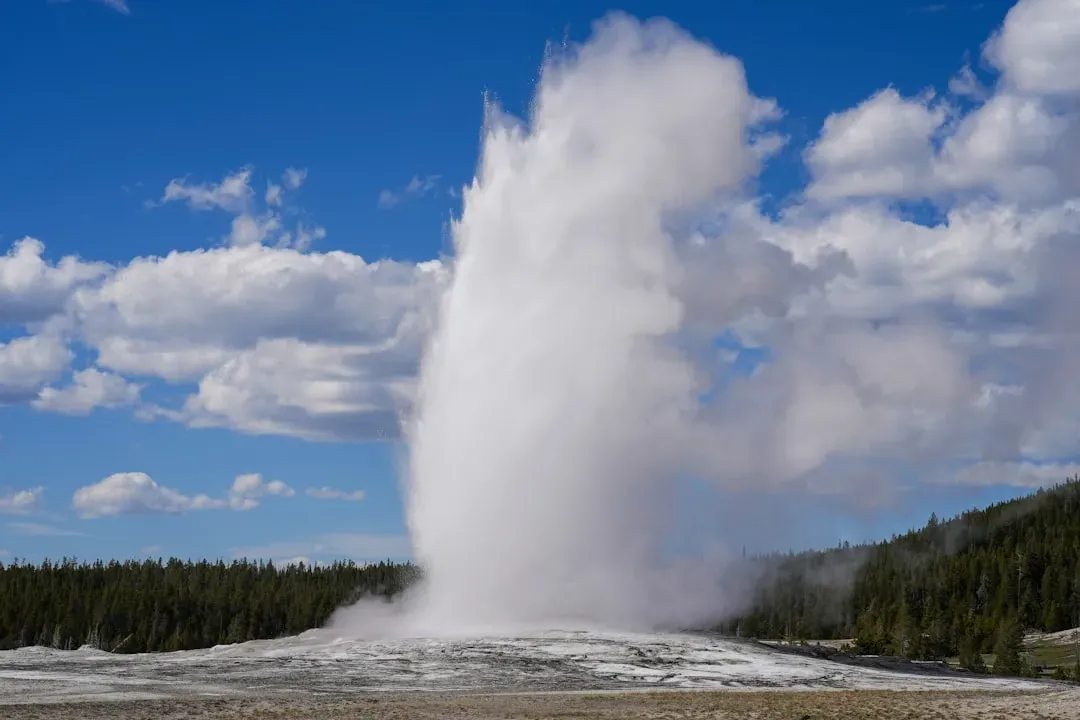
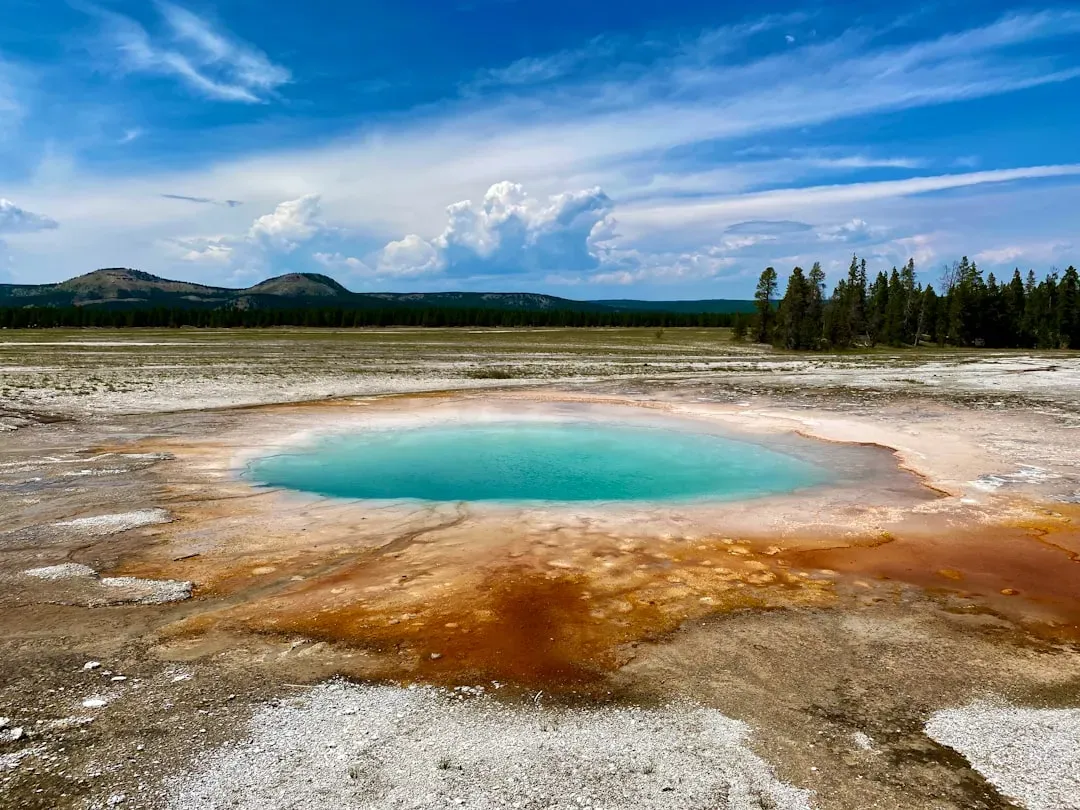
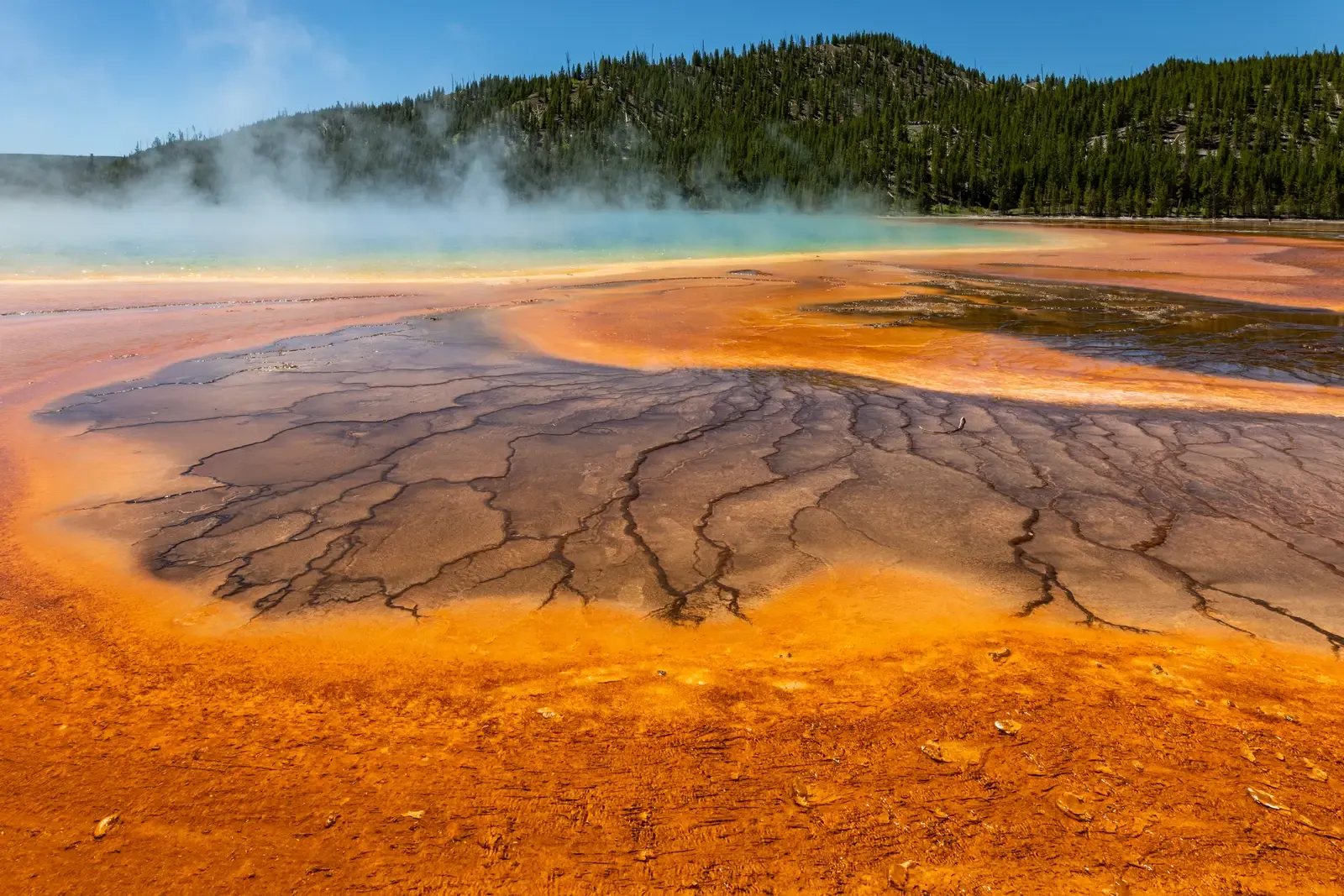
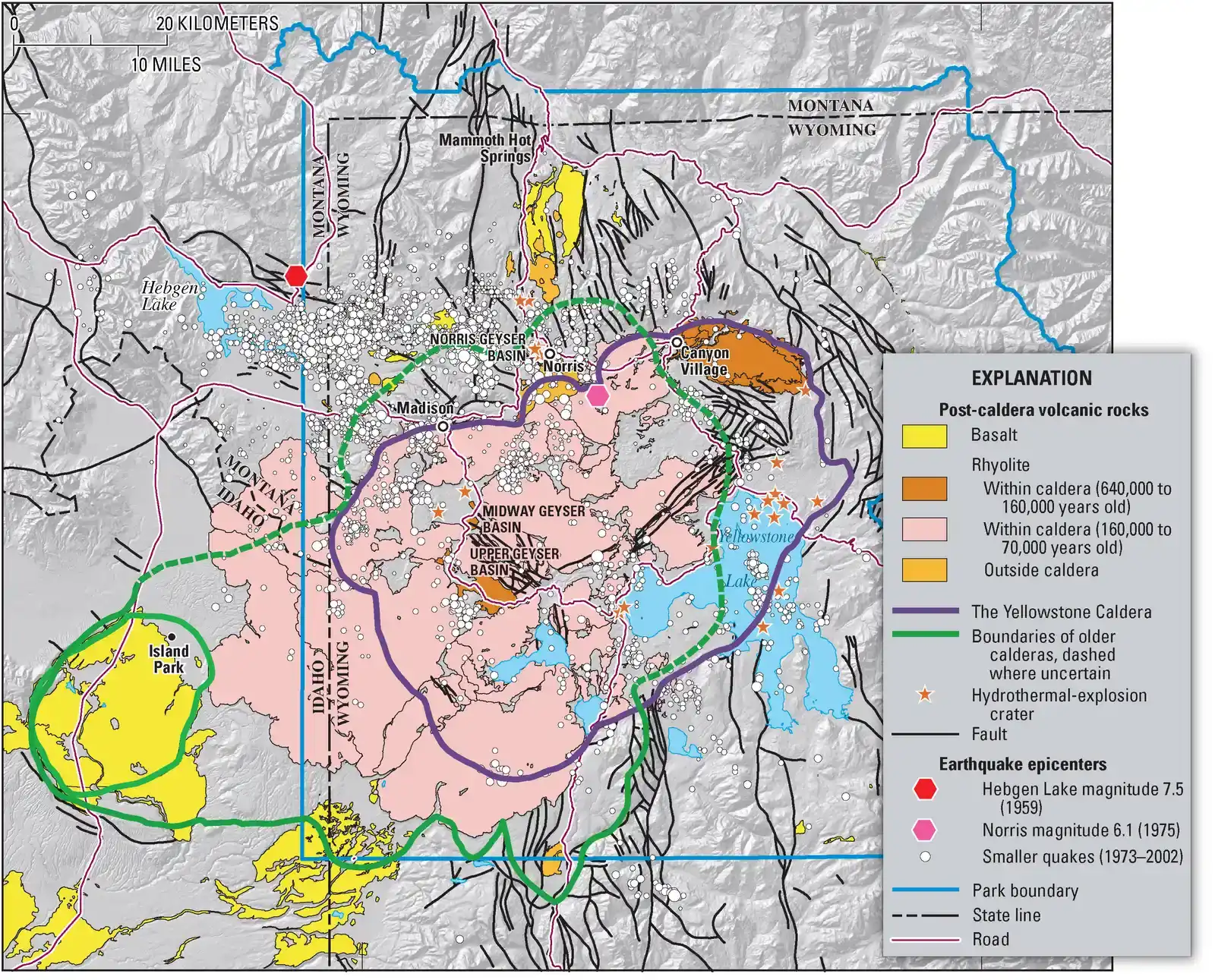
The park itself sits atop a caldera measuring roughly 30 by 45 miles, formed when the ground collapsed into the emptied magma chamber after the last massive eruption. Today, visitors admire geysers and hot springs, blissfully unaware they’re walking across the roof of a slumbering giant. Honestly, it’s both fascinating and slightly terrifying.
The Hidden Magma System Revealed
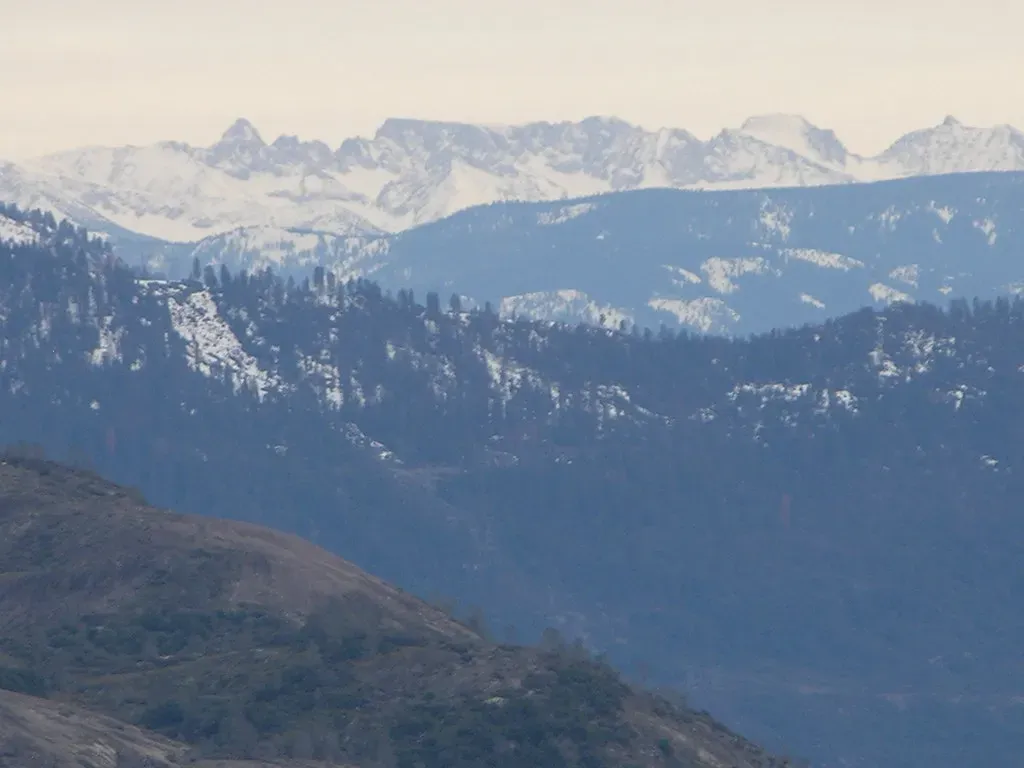
Researchers have mapped out an astonishingly complex plumbing system beneath Yellowstone. Yellowstone’s plumbing system is no larger or closer to erupting than before, but advanced techniques have allowed scientists to make a complete image of the system that carries hot and partly molten rock upward. This network extends from depths of around 40 miles all the way up to just a few miles beneath the surface.
Hot and partly molten rock rises from the top of the plume at 40 miles depth up to the bottom of the magma reservoir at about 28 miles deep, with the top of the newly discovered magma reservoir at about 12 miles deep. Picture it like a massive underground pipeline system, channeling unimaginable heat and molten rock upward through the Earth’s crust.
Recent studies using cutting-edge imaging technology have provided unprecedented clarity. Geologists claim to have finally found the deep magma cap that keeps the volcanic system’s high pressures and temperatures locked underground, existing between 3.5 and 4 km below the northeastern part of the Yellowstone caldera. This cap acts like a safety valve, regularly releasing small amounts of gas and keeping pressures relatively stable. For now.
Why Decades Instead of Centuries
The shift in thinking about eruption timelines stems from detailed studies of how magma reservoirs assemble and reach critical thresholds. Shallow crustal melting, assembly of isolated batches into a supervolcanic magma reservoir, homogenization, and eruption can occur extremely rapidly, within 10,000 to 100,000 years or less based on geochronology studies.
Let’s be real here. The process is far more dynamic than anyone imagined. Rather than a slow, steady accumulation like filling a bathtub one drop at a time, magma reservoirs can experience rapid changes when conditions align. Research has shown that timescales of magma transfer and reservoir growth at a caldera volcano can occur on decadal to monthly timescales.
What triggers this acceleration? Several factors could be at play. New injections of hot magma from deeper in the Earth’s mantle can dramatically alter the temperature and pressure conditions in the reservoir above. Tectonic stresses can create new pathways for molten rock to move. Chemical changes within the magma itself can reduce viscosity, making it more mobile and eruptible. These aren’t gradual tweaks but potentially rapid transformations that compress what we thought were millennial timescales into just decades.
Current Activity and Monitoring Efforts
So should you cancel your Yellowstone vacation? Here’s the thing. Yellowstone Caldera activity remains at background levels, with 100 located earthquakes in January 2026, and earthquake activity in Yellowstone is at background levels. The Yellowstone Volcano Observatory constantly monitors seismic activity, ground deformation, and gas emissions using sophisticated equipment scattered throughout the park.
Seismic studies indicate that the two magma reservoirs contain between only 5 percent and 15 percent molten material, telling us the volcanic system is nowhere near primed for an eruption. Typically, you need at least half the reservoir to be molten for magma to mobilize and begin moving toward the surface.
Continuous GPS stations indicate continued uplift centered on the north caldera rim, although the rate may have slowed over the past few months, and Yellowstone Caldera shows the end of seasonal uplift in late December. This kind of ground movement is completely normal for Yellowstone and doesn’t indicate imminent danger. The ground rises and falls like a breathing giant, responding to seasonal changes in groundwater and the slow movement of magma far below.
What We Still Don’t Know
Despite tremendous advances in monitoring and understanding, massive uncertainties remain. Research on past eruptions at Mount Toba in Indonesia suggests that warning signs for a super-eruption could be minimal, offering little to suggest that a world-changing eruption was on its way. That’s genuinely unsettling. It means even with all our technology and knowledge, we might not see the big one coming until it’s too late.
Scientists would expect to see increased seismicity, ground deformation, changes in thermal and gas emissions for decades and perhaps centuries in advance of an eruption, and have confidence that if Yellowstone were gearing up for an eruptive event they would know about it years in advance. But that confidence is based on our understanding of smaller eruptions and theoretical models of supervolcanic behavior.
Nobody alive today has witnessed a super-eruption. The most recent one occurred over 22,000 years ago in New Zealand, long before humans kept written records. We’re essentially working with educated guesses about how the early warning system might function. Scientists estimate the annual chance of a supervolcano eruption at Yellowstone is 1 in 700,000. Those odds are comforting, but they’re still just odds.
Living With the Sleeping Giant
The most common misconception about Yellowstone is that it’s overdue for an eruption, but volcanoes don’t work like that, and they erupt when there is sufficient supply of eruptable magma and enough pressure, conditions that don’t currently exist at Yellowstone. This “overdue” narrative has fueled countless doomsday predictions and sensational headlines, but it misunderstands how volcanic systems actually function.
Recent evidence suggests the risk of a Yellowstone super-eruption is decreasing, and studies generally suggest the volcano is in a state of repose. The cap system described earlier appears to be efficiently venting gases and maintaining stable pressures, essentially allowing the supervolcano to sleep peacefully rather than building toward a violent awakening.
That said, the revelation that eruption timelines could be measured in decades rather than centuries does change the calculus slightly. It means that if conditions did begin shifting toward an eruption, the window between “everything’s fine” and “catastrophic eruption” could be shorter than we’d like. Vigilance becomes even more critical.
Conclusion
The discovery that Yellowstone’s magma reservoir could reach eruptive capacity within decades has fundamentally reshaped our understanding of supervolcanic systems. It’s a humbling reminder that nature operates on timescales that don’t always align with human expectations. While current monitoring shows no signs of imminent danger, and scientists maintain that years of warning signs would precede any major eruption, the compressed timeline adds a new layer of urgency to ongoing research and monitoring efforts.
The sleeping giant beneath Yellowstone continues its slumber, breathing slowly through thousands of geysers and hot springs, occasionally shifting in its sleep but showing no signs of waking. Yet. The key takeaway isn’t panic but perspective. Understanding these systems better allows us to prepare more effectively and appreciate the truly dynamic planet we call home. What’s your take on living near such powerful geological forces? Would you visit Yellowstone knowing what lies beneath? The park remains one of the most extraordinary places on Earth, a window into the powerful forces that have shaped and continue to shape our world.

- 15 Tender Things Old Dogs Do the Closer the End Quietly Comes - July 21, 2026
- 14 Ways a Rescue Cat Shows It Has Given You Its Fragile Heart - July 21, 2026
- 13 Familiar Things That Bring an Aging Dog Deep, Quiet Comfort - July 21, 2026