
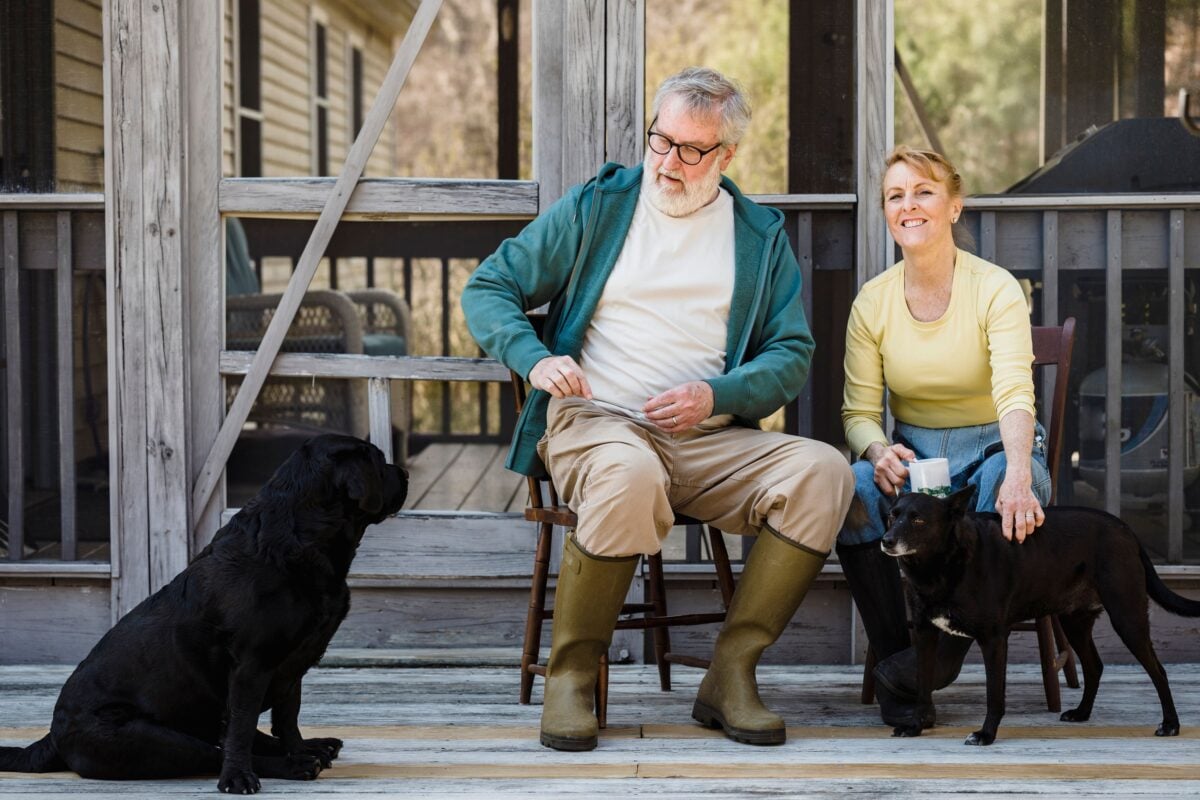
Most people assume a slowing-down dog is quietly giving up – fading out, losing its spark, maybe even depressed. But behaviorists say something almost the opposite is happening in a lot of senior dogs. They’re not quitting on life. They’re quietly renegotiating it.
The zoomies get traded for long, steady gazes. Nonstop fetch turns into slow walks and sunbathing. It looks like loss from the outside, but it often isn’t. If you’ve been secretly afraid your old dog is slipping away, you might actually be watching a softer, deeper chapter open up right in front of you – and the next 15 signs will show you exactly what that looks like.
#1 – The Long, Soft Stare That Isn’t What You Think
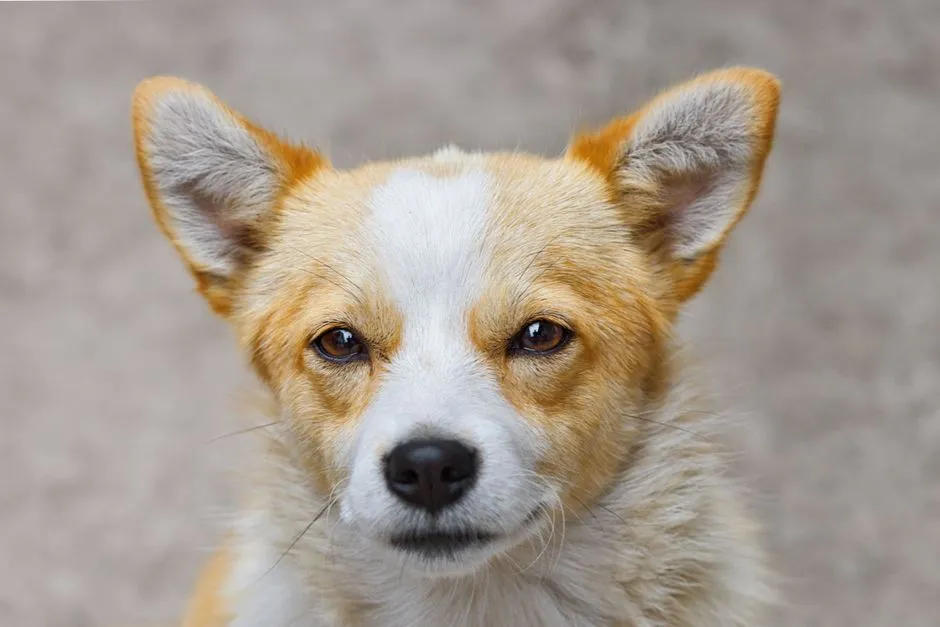
People joke about the “old dog stare,” but it’s often one of the clearest signs your dog has settled into deep peace with you. Instead of scanning the room for toys, squirrels, or dropped snacks, your senior pup may just lock eyes with you and hold it. Not anxious. Not begging. Just there.
Older dogs lean on calm observation instead of frantic movement, and they’ve watched your routines a thousand times over. They know your stress face, your relaxed face, and the exact moment you’re about to grab the leash. That lingering eye contact is their version of saying, “I’m here. I know you. We’re okay.” If your aging dog’s eyes seem to follow you more than ever, that’s not fading – that’s a relationship that’s finally hit cruise control.
#2 – Trading Chaos for One Perfect Sunbeam
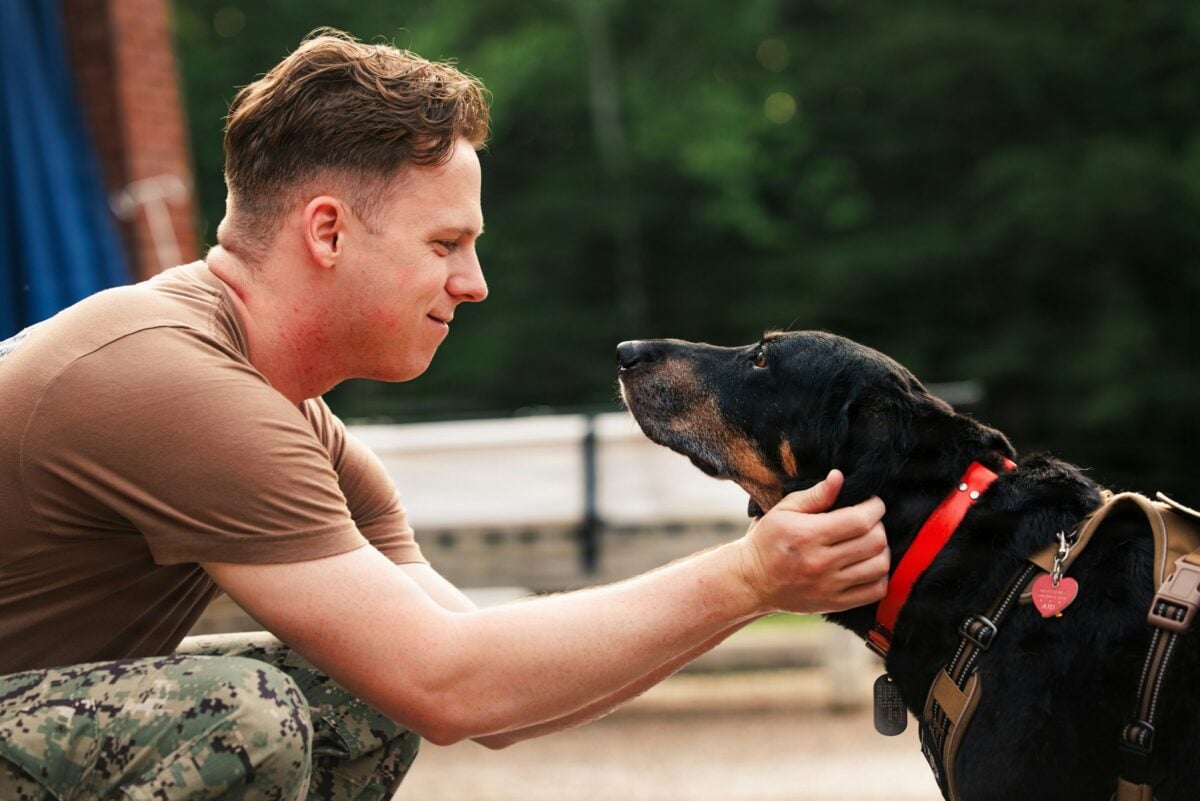
Your dog used to chase every sound, every toy, every kid tearing through the living room. Now it picks one spot – a sunny patch of floor, a quiet corner – and returns to it like clockwork. That’s not laziness. It’s deliberate comfort-seeking, and it means your dog understands its own body better than it ever has.
Senior dogs become connoisseurs of tiny comforts: warm tile in the morning, cool hardwood by afternoon, the couch cushion that doesn’t fight their stiff hips. Instead of chasing FOMO around the house, they curate their own little sanctuary. Longer naps in the same spot, calm watching instead of jumping into the action – behaviorists say this actually signals a dog that trusts its home so completely it no longer feels the need to patrol it.
At a Glance
- Senior dogs often sleep well over half the day, noticeably more than a typical younger adult dog
- Many vets consider dogs “senior” starting around age 7, though large breeds often get there closer to 5 or 6
- Returning to the same warm or soft spot repeatedly is usually comfort-seeking, not a warning sign
- Less interest in chasing new toys is common with age and isn’t automatically something to worry about
#3 – Slower Walks Aren’t Sad, They’re a Trade-Up
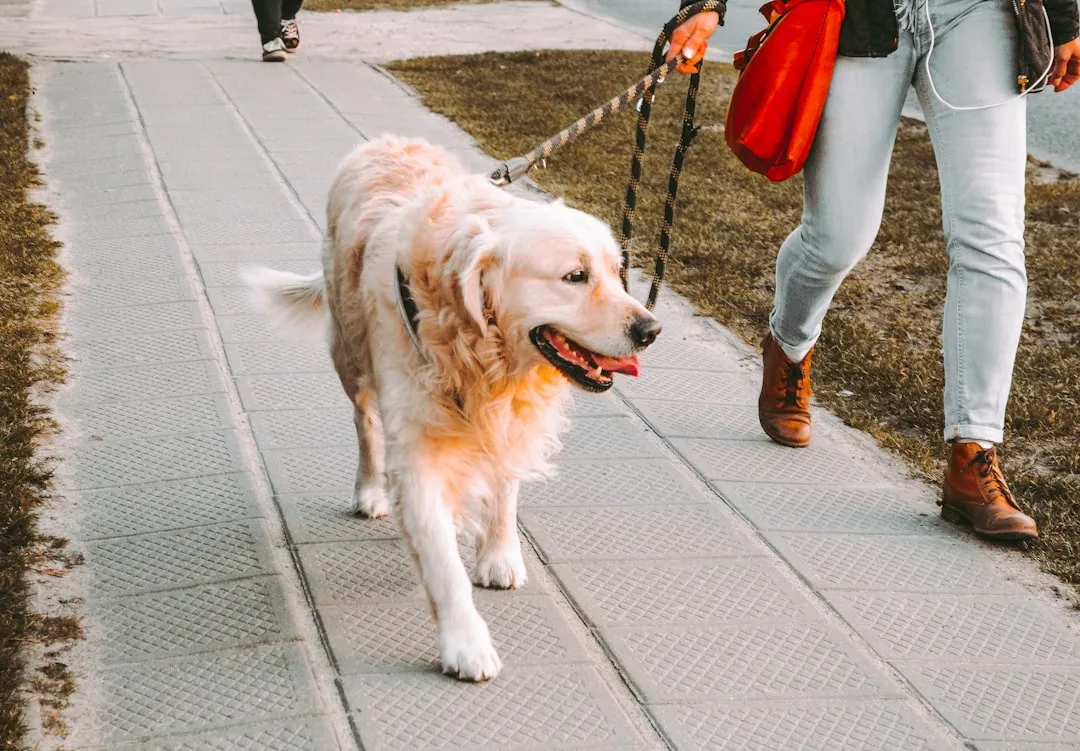
Most owners mourn the day walks slow down, assuming their dog has lost interest in the world. In reality, a lot of senior dogs finally get to walk the way they always wanted to – nose-first, not speed-first.
You’ll notice more stops at fence posts and patches of grass, a steady, almost meditative pace, and less obsession with covering distance. Dogs experience the world primarily through scent, and older dogs often trade cardio for curiosity without losing an ounce of enthusiasm. Mobility issues are real and worth a vet check, but assuming every slower step means suffering is a mistake. Sometimes it just means your dog has finally stopped rushing through the good parts.
#4 – Quietly Resigning From the Guard Dog Job
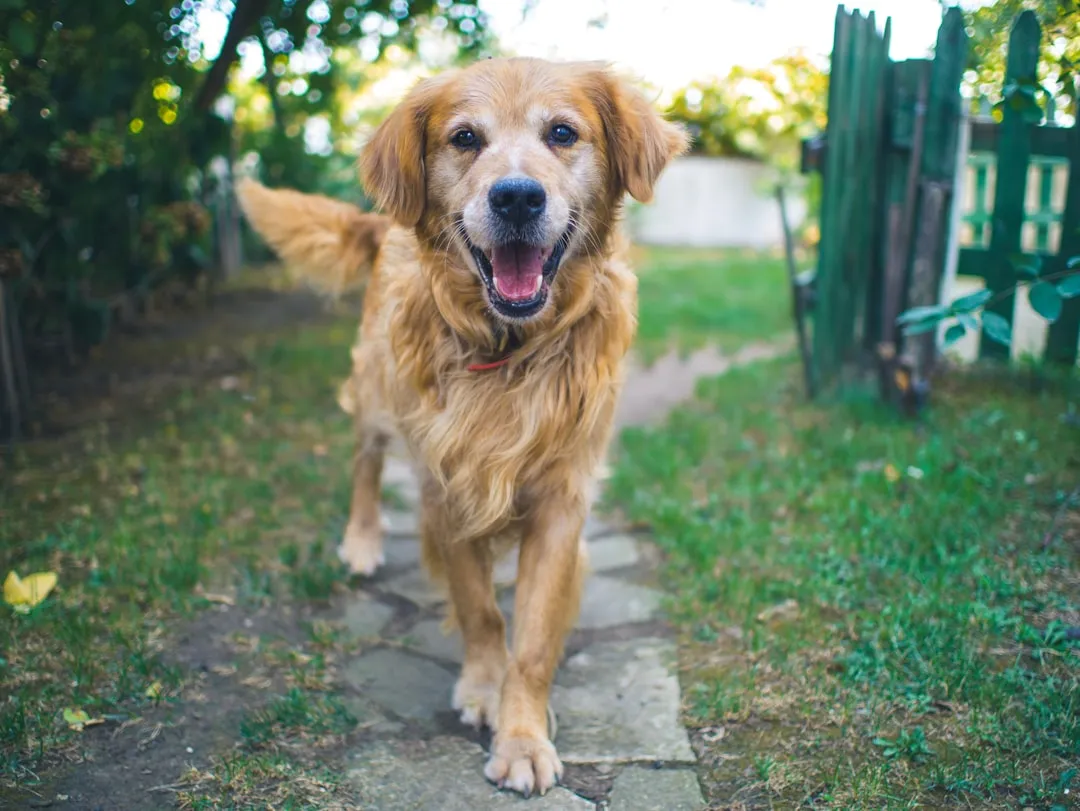
In a lot of homes, the first real sign of aging is the alarm system going quiet. The dog who used to explode at every doorbell, car door, and delivery truck starts… not bothering. Most people blame hearing loss, and sometimes that’s true. But something else is happening too.
Older dogs have spent a decade collecting evidence: most knocks aren’t threats, most noises don’t mean danger, and the humans can handle it. So instead of barking themselves hoarse, they lift their head, take stock, and go back to sleep. That’s earned trust, not decline. Some owners miss having a watchdog. Most quietly admit the calmer house feels better for everyone, especially the dog.
#5 – Eating Slower Because the Danger Finally Passed
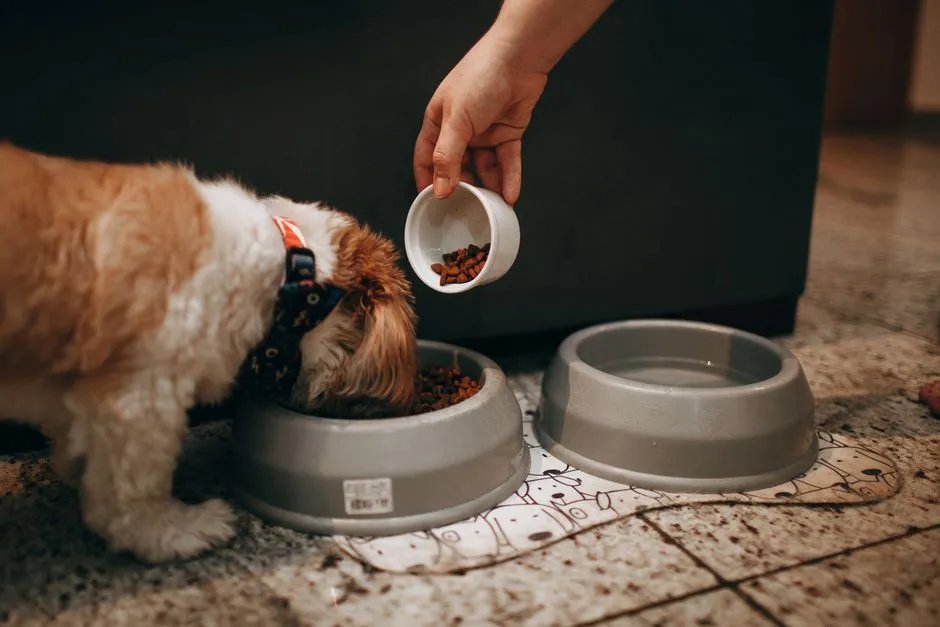
A lot of people panic the moment their senior dog stops inhaling food like a vacuum. Appetite changes can absolutely be medical and deserve a vet visit, always. But not every slower mealtime is a red flag – sometimes it’s a shift from frantic survival mode into relaxed routine.
Older dogs often pause before eating, chew more deliberately, or walk away mid-bowl and calmly return later. In a stable, loving home, the old pressure to grab food before someone else takes it simply disappears. Your dog knows the bowl will still be there tomorrow. This kind of unhurried eating, especially when interest in treats stays strong, isn’t giving up – it’s a dog that no longer lives like every meal might be its last.
#6 – Staying Close Without Needing to Be On Top of You
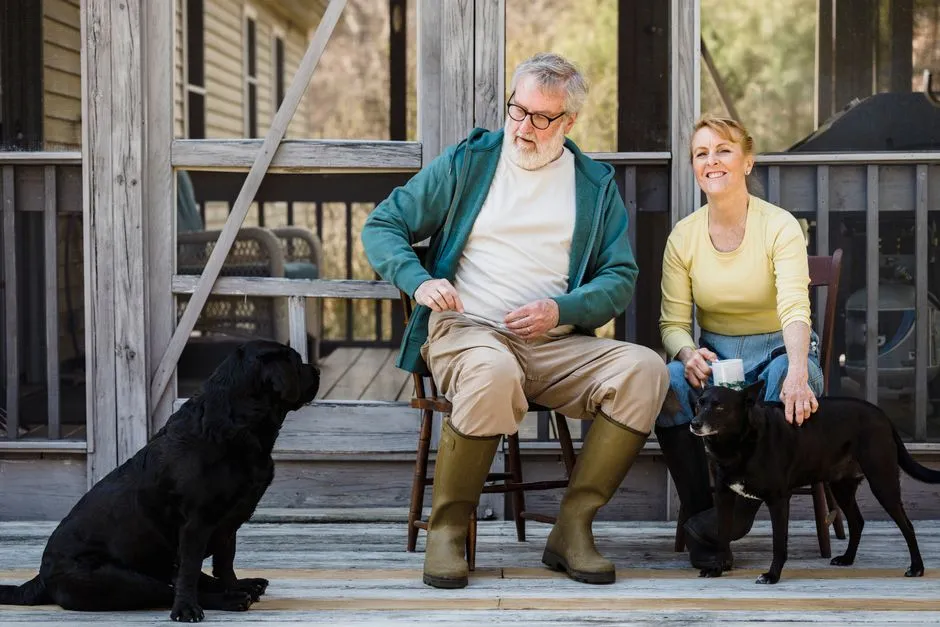
Young dogs are either glued to you or off on some solo mission. Somewhere along the way, senior dogs invent a third mode: companionable distance. They don’t need constant petting, but they don’t want to be alone in another room either.
It shows up in small ways – slowly following you into the next room and lying down just within sight, choosing a bed that faces the couch instead of the door, sighing and settling near you instead of on you. This isn’t neediness, and it isn’t apathy. It’s emotional maturity. People often misread this mellow shadowing as clingy old-dog behavior, but watch the body language closely: it’s loose, relaxed, content. They’ve simply decided being near you is their favorite background setting.
#7 – Finally Retiring From Rough Play, On Their Terms
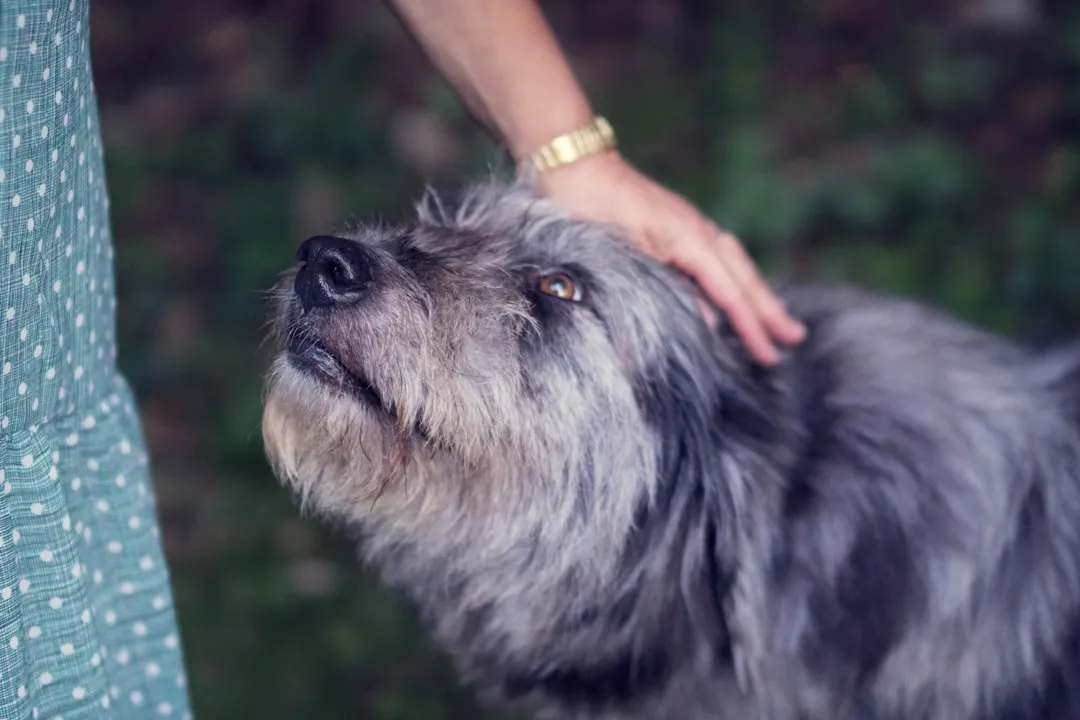
Here’s an uncomfortable truth: a lot of dogs never actually loved the wild, nonstop play humans get so excited about. Tug-of-war until collapse, 45 minutes of fetch, wrestling with the neighbor’s big dog – plenty of seniors are secretly relieved to leave all of it behind.
You might watch your older dog politely decline a wrestling match, walk away when kids get too loud or grabby, or quietly chew a toy instead of chasing it across the yard. That’s not “getting boring.” It’s a dog saying, “I don’t owe anyone a show anymore.” They’ve done their time as the family clown. Age just gives them the confidence – and the excuse – to finally enforce boundaries they probably wanted all along.
#8 – Sleeping More, and Actually Sleeping Better
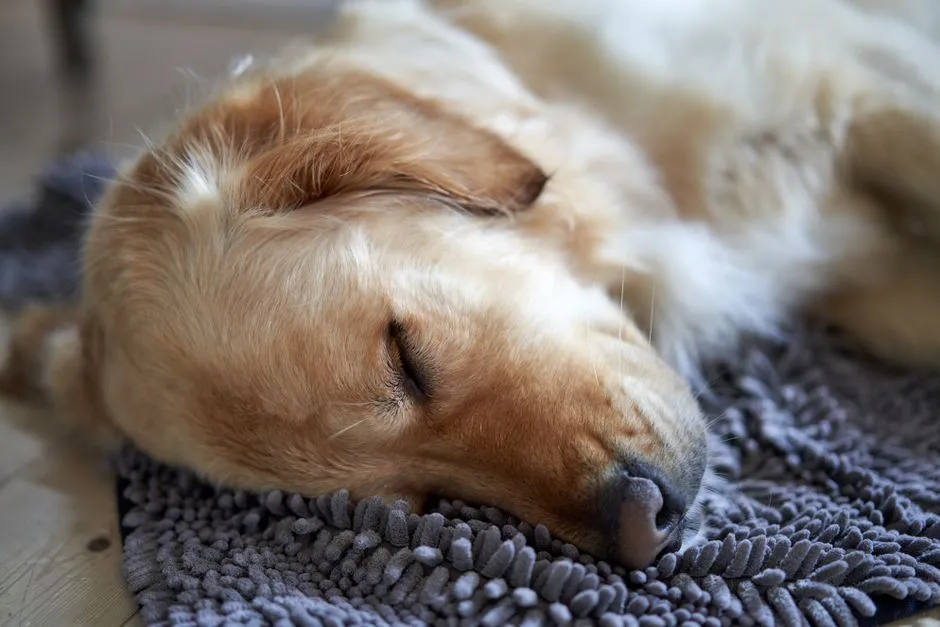
Everyone knows older dogs sleep more. What almost nobody talks about is the quality of that sleep. A senior dog dozing in a favorite spot, breathing slow and deep, is often more relaxed than it ever was as a hyper-vigilant young dog jumping at every creak in the house.
With age comes a kind of learned certainty: the noises are normal, the humans always come back, the bed will hold them if they really let go into it. That trust shows up as heavy, loose-limbed naps, sometimes with dream twitches, soft barks, or little kicks that suggest deeper sleep cycles. Sudden changes, restlessness, or visible discomfort are always worth a vet visit. But an old dog drifting through long, peaceful naps isn’t fading away – it’s finally safe enough to truly rest.
Quick Compare
- Puppy energy: nonstop play, constant alertness, chasing every bit of novelty
- Senior calm: selective play, relaxed alertness, drawn to comfort and routine
- Puppy affection: loud greetings, jumping, constant physical contact
- Senior affection: quiet, steady closeness without needing to be on top of you
#9 – Getting Picky About People, and Being Right to Do It
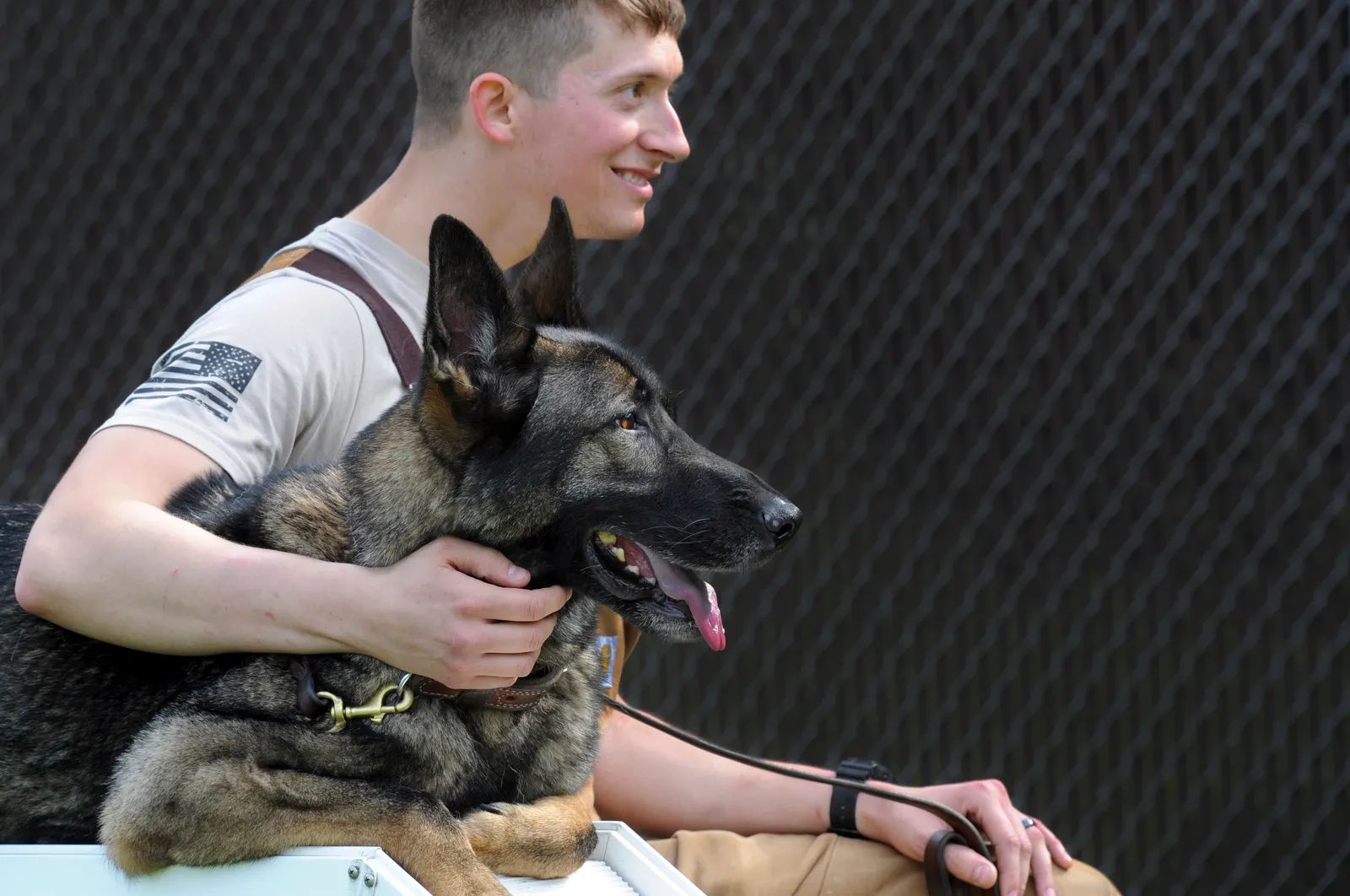
Young dogs throw themselves at almost anyone with a pulse. Senior dogs get strikingly selective, and it’s not the personality flaw people assume it is.
You’ll notice them ignore some guests entirely, lean into the quiet, gentle ones, or simply leave the room when the loudest person walks in. Owners often read this as antisocial. In reality, your dog has ten-plus years of data on humans – who respects boundaries, who doesn’t, who moves too fast. It’s rude that they snub your overly enthusiastic cousin, sure. But it’s also honest. Senior dogs gravitate toward people who handle them softly and don’t treat them like a plush toy – they’re not giving up on people, they’re finally curating their inner circle.
#10 – Letting You Help Without a Fight
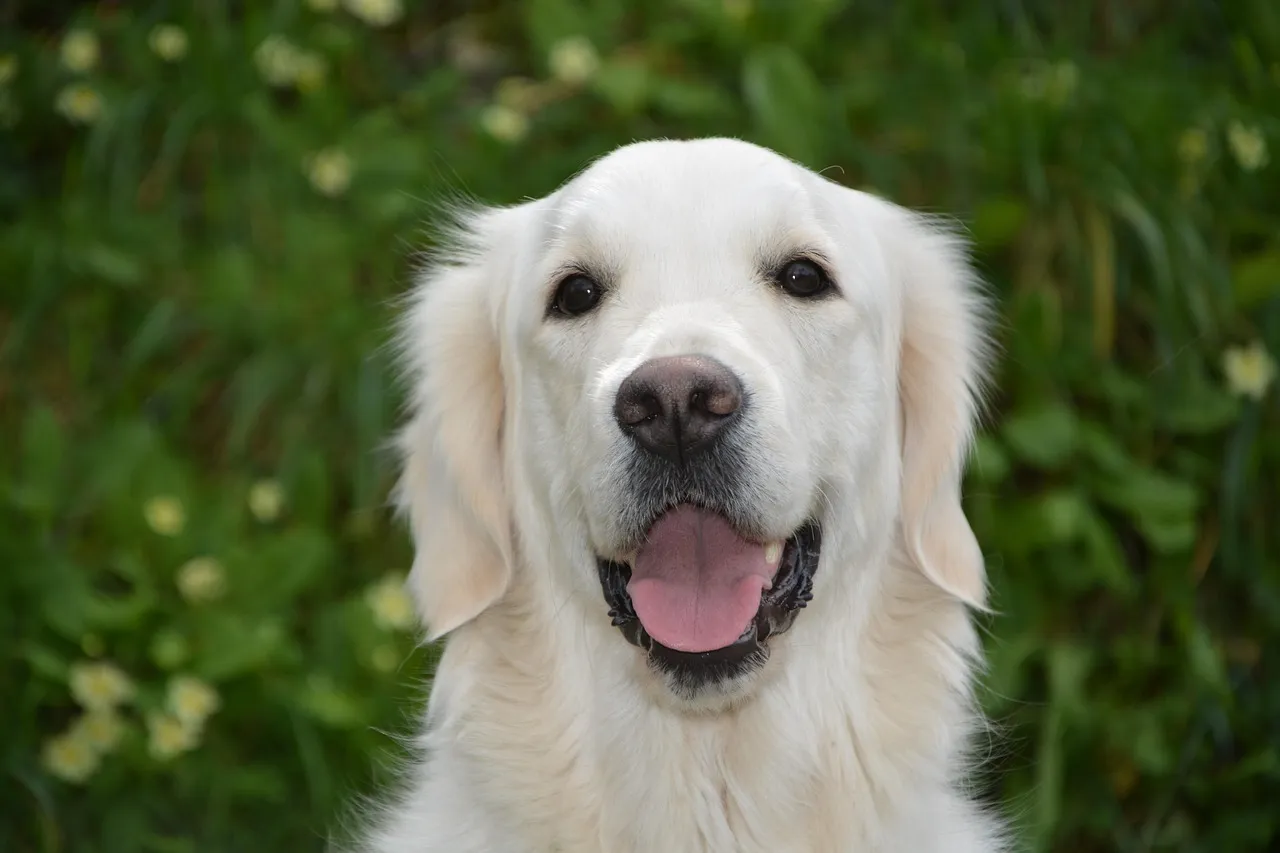
One of the most underrated signs of an aging dog making peace with time is simple: they start letting you help. The dog that used to yank its paw away during nail trims may now quietly tolerate it. The one that refused ramps might suddenly use them without a second thought.
You’ll see it in a pause at the stairs or the car door, waiting for your hand. Less resistance to harnesses, lifting, or gentle guidance. A calm, almost matter-of-fact cooperation during vet visits. This isn’t sad surrender – it’s trust and adaptation, a dog learning that your hands are support, not control. It hurts to watch your once-invincible pup need help onto the couch, but that soft look they give you in the moment isn’t defeat. It’s partnership on a deeper level than you had before.
#11 – Stepping Back and Letting the Young Ones Take Over
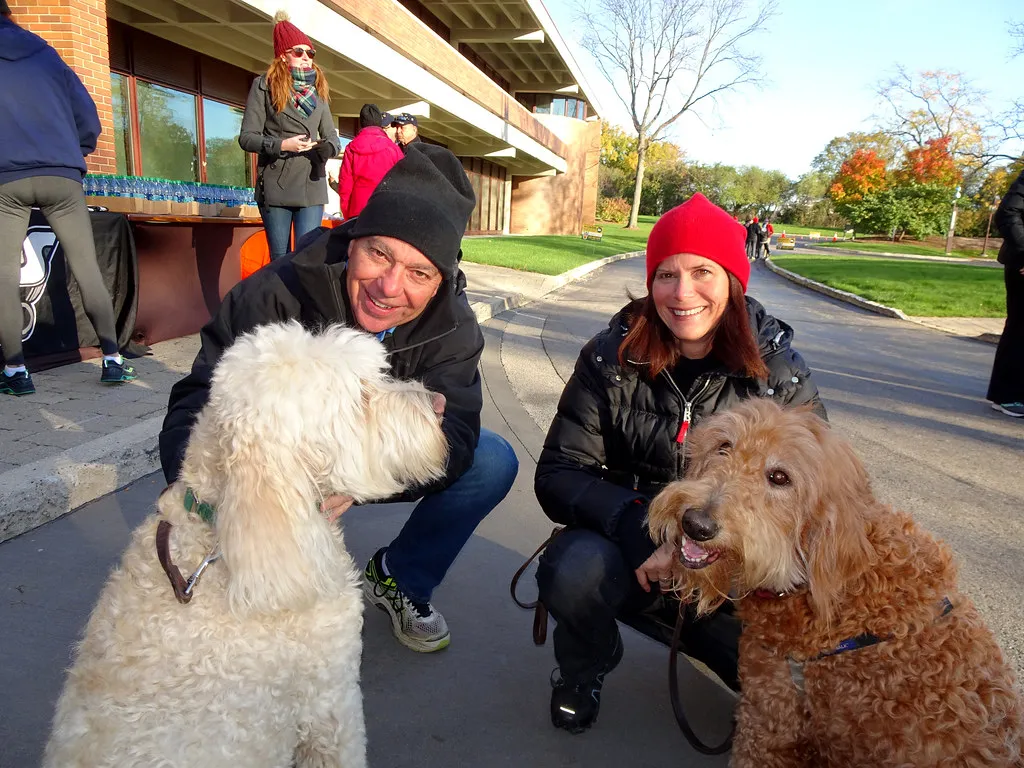
If you have multiple pets, you may notice a powerful shift: your senior dog quietly gives up roles it once guarded fiercely. The couch spot, the first-through-the-door position, first dibs on treats – suddenly none of it seems worth fighting for.
To a lot of people, that looks like losing status. But dogs aren’t nearly as obsessed with alpha hierarchies as we like to believe. More often, your older dog is intentionally stepping back from leadership because it’s tired, content, or simply done carrying that weight. The younger dog barks at every noise while the old one barely lifts its head. The senior lets others start the play and decide when it ends. Real life is messier and softer than any pack-hierarchy debate online – senior dogs often trade rank for rest, and honestly, that’s a wise move.
Worth Knowing
- Sudden appetite loss lasting more than a day or two is always worth a vet call, not just an aging quirk
- Limping, yelping, or refusing to move is different from simply slowing down and shouldn’t be brushed off
- Extreme lethargy that doesn’t lift after rest can point to pain rather than peace
- Confusion, pacing, or getting “stuck” in corners may signal cognitive decline and deserves a professional look
#12 – Choosing Routine Over Surprise, Every Time
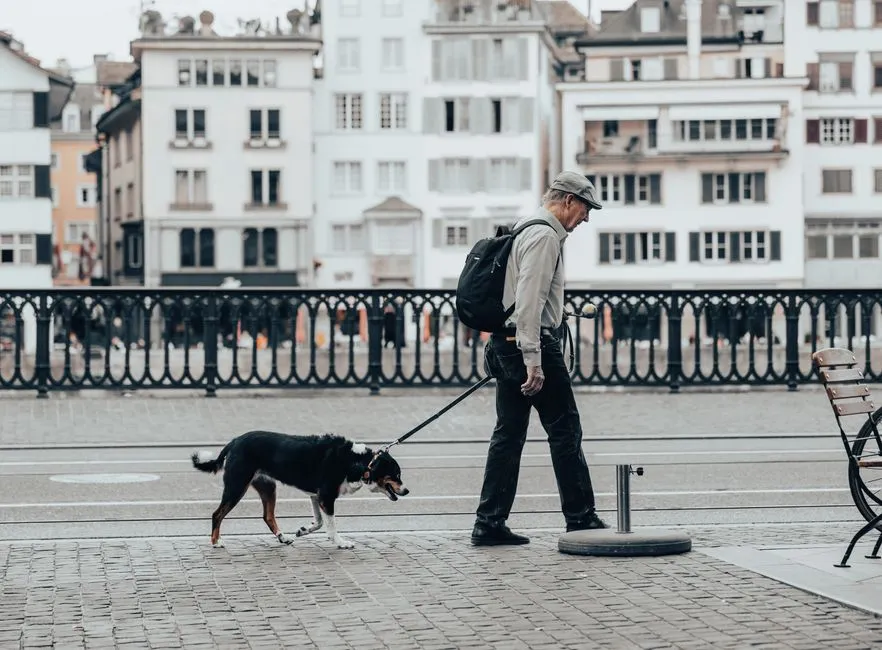
Remember when surprising your dog felt like the best thing in the world – random car rides, new parks, spontaneous guests? For a lot of aging dogs, novelty stops being thrilling and starts being exhausting. Predictability starts to feel like a warm blanket instead.
You’ll notice them relax visibly when the daily schedule holds, get unsettled by big disruptions like parties or renovations, and light up for familiar rituals – the 7 p.m. walk, the bedtime treat, the same couch and the same movie. That doesn’t mean you can never change anything. It just means pretending your senior dog still thrives on chaos like a puppy isn’t fair to them anymore. When you keep a steady rhythm, a lot of older dogs genuinely bloom – moving through the day with calm anticipation instead of constant adrenaline. They’re not bored. They’re soothed.
#13 – Loving You Quieter, But Loving You Deeper
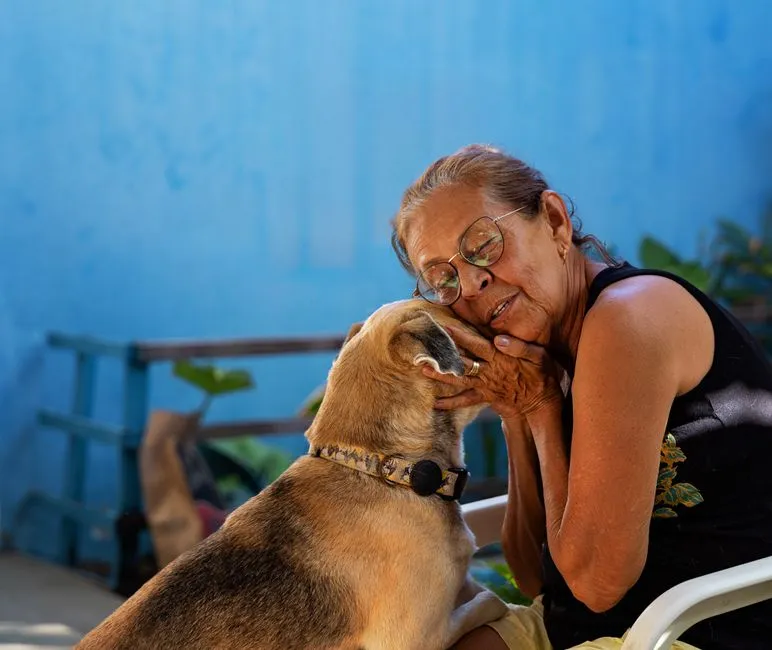
Puppy love is loud – licking, jumping, full-body wiggling. Senior love is subtler, and honestly, more profound. A lot of older dogs shift from explosive affection to small, consistent gestures instead.
Resting their head on your knee and just staying there. Leaning gently against you without demanding anything back. A single tail thump when you walk into the room, then settling right back down. Some people misread this as emotional fading, but look at the whole picture – soft eyes, a relaxed body, a dog choosing your presence again and again. That’s often the purest form of attachment there is. The wild greetings might be gone, but in their place is something quieter and heavier: a dog that has spent a lifetime learning you, and now simply rests in that knowledge.
#14 – Reading You Better Than You Read Yourself
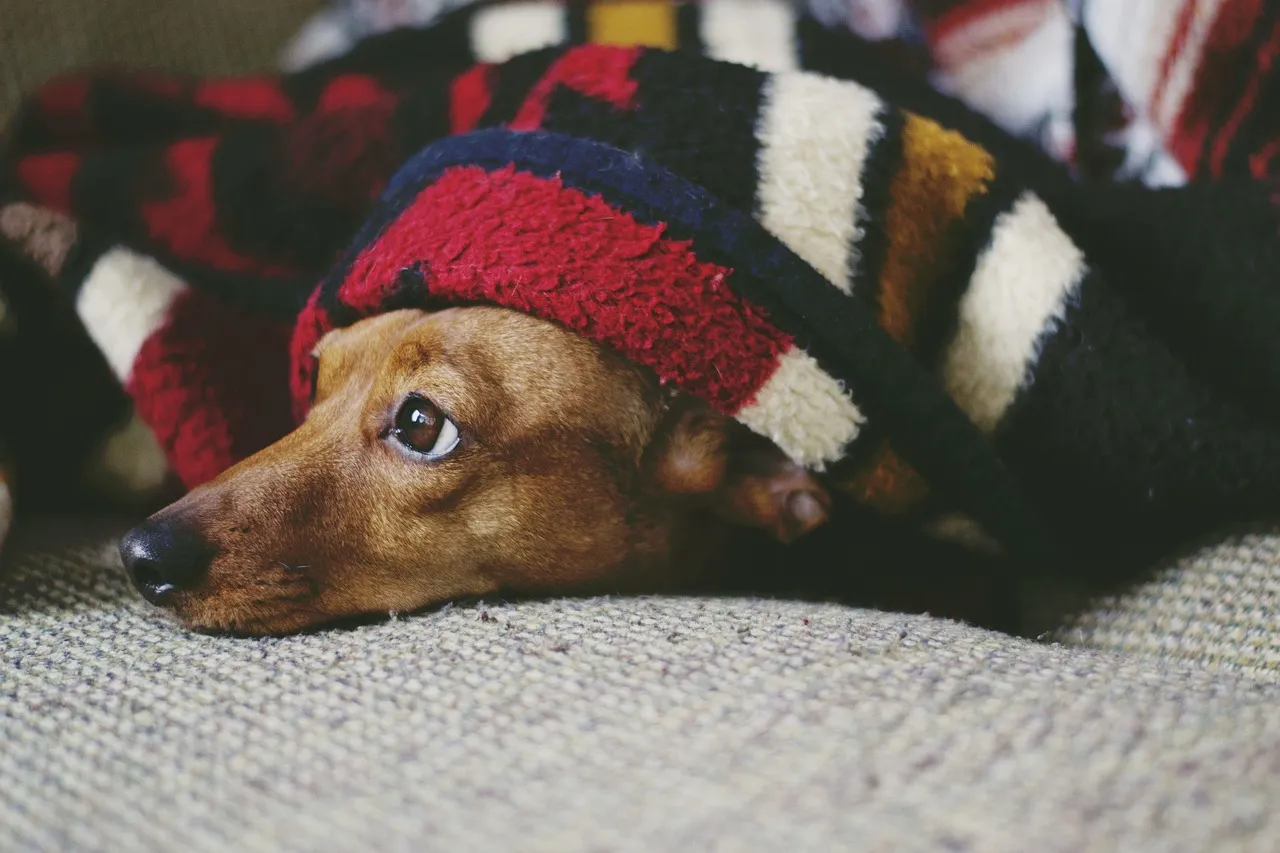
This one sounds almost too poetic, but long-time owners know it’s real. As your dog ages, it starts watching you differently – not just looking at you, but almost looking through you, like it’s reading the story you’ve written together.
They become experts in your sighs, your late-night pacing, your early alarms, the way you walk when you’re happy versus when you’re worried. Here’s the uncomfortable part: how you handle their aging becomes part of their peace. If every gray hair around their muzzle makes you cry in front of them, if every slower step triggers panic, they feel that. Senior dogs living with people who accept the aging process – who offer comfort without drama – tend to settle more completely. They’ve made peace not just with time, but with how their changing body lives alongside your changing heart.
Why It Stands Out
- Quiet, steady affection often reflects a deeper bond than frantic puppy energy ever could
- Dogs that rest calmly near their owners typically show fewer outward stress signals
- Small, consistent gestures – a leaned shoulder, a slow blink, a single tail thump – are read as strong trust signals in dog body language
#15 – The Quiet Goodbyes That Happen Long Before the Real One
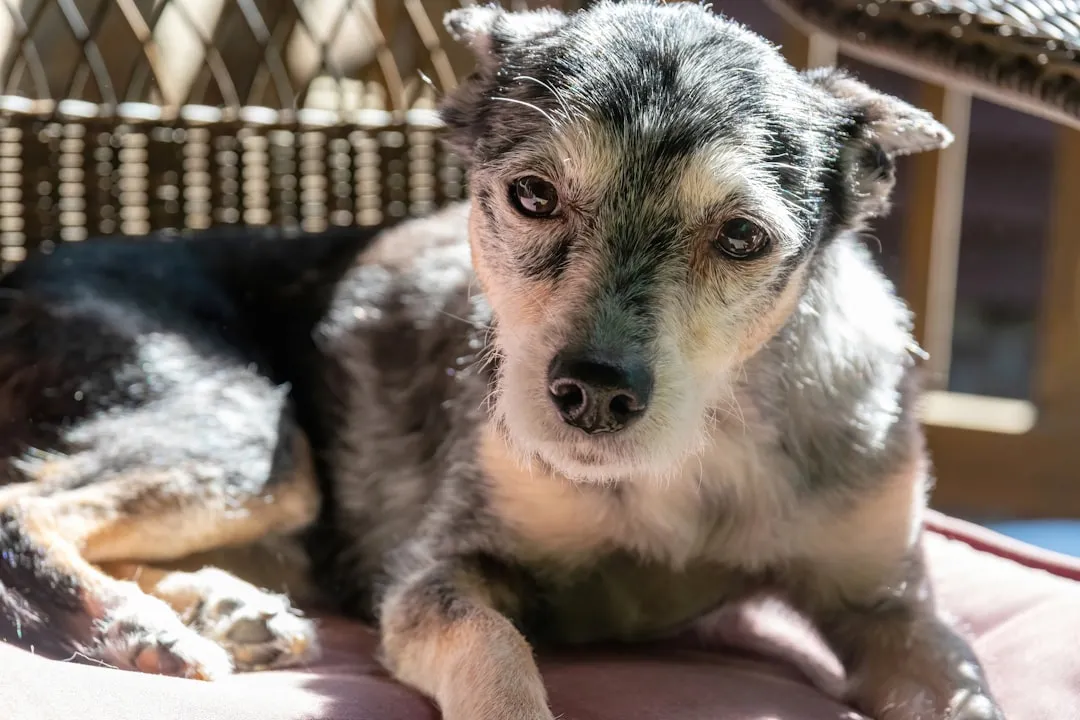
No one likes talking about this, but it might be the clearest sign of all that a dog is making peace with time: they start having small “goodbye moments” long before they’re actually gone. Not dramatic collapses – small, powerful shifts you might almost miss.
They choose to sit with you on quiet, sad days more than on hyper, happy ones. They stop demanding attention and start simply offering presence instead. Some days they seem a little more distant, then come back closer than ever. It can feel like they’re slowly handing you the emotional tools you’ll need for later, and that’s brutal to sit with. But it’s also strangely kind. Here’s the hard, honest truth: your dog isn’t giving up on life. It’s accepting the full arc of it, tail wags and all – just slower, heavier, and more deliberate than at any other point.
The Bottom Line
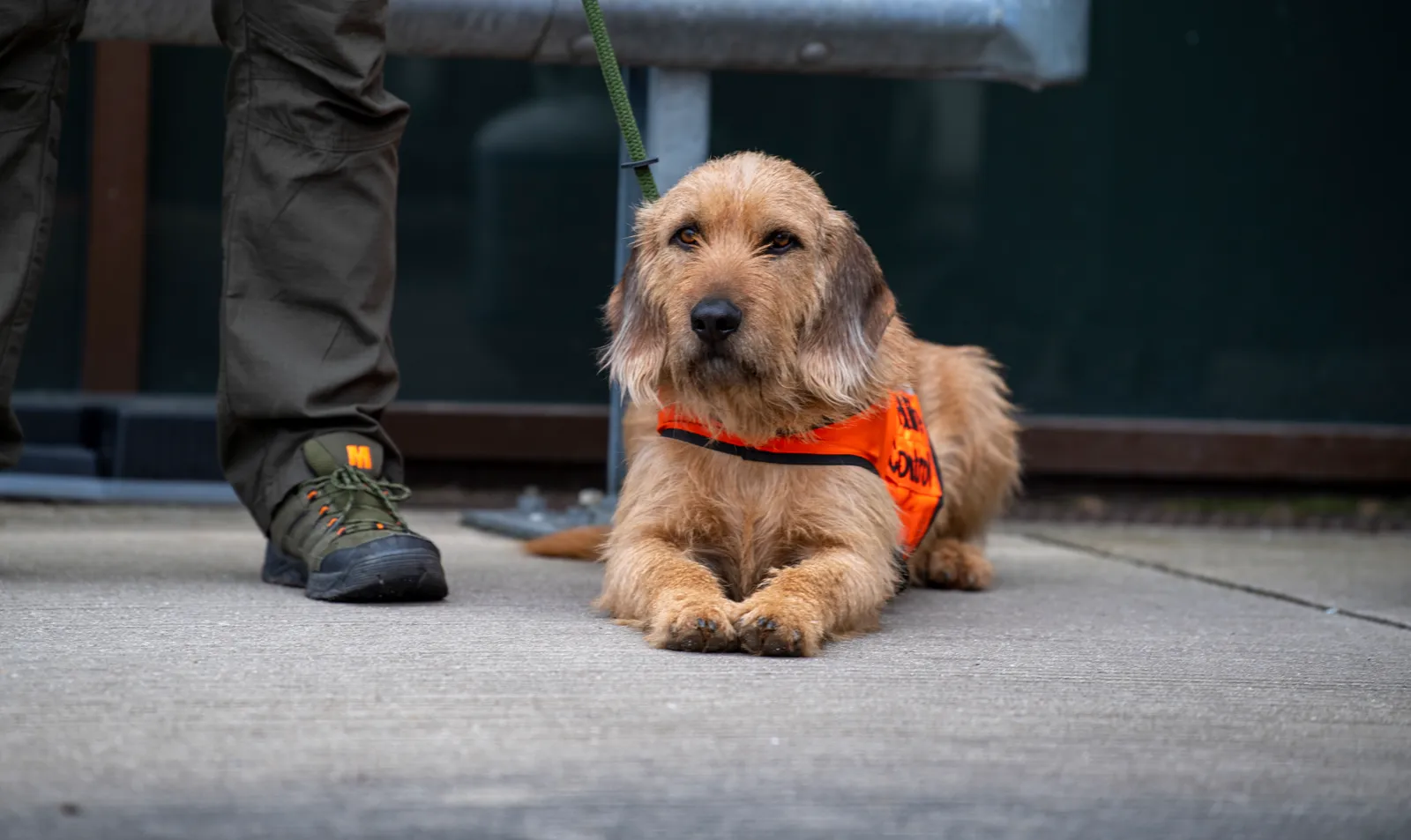
We’ll be blunt: aging dogs change in ways that genuinely hurt to watch. The slower walks, the longer naps, the quieter greetings at the door – it can feel like grief happening in slow motion. But the truth is less tragic and a lot more interesting than that.
Most senior dogs aren’t quitting. They’re renegotiating – trading chaos for comfort, rank for rest, noise for a bond that doesn’t need to shout to be real. If you’re still hunting for the old spark, you might completely miss the new kind of light they’re offering you instead: trust, acceptance, and a calm presence most puppies never get the chance to earn.
The real mistake was never that dogs grow old. It’s that we keep judging them by puppy standards long after they’ve outgrown them. Your aging dog isn’t giving up – it’s quietly teaching you what gentle peace with time actually looks like, if you’re paying enough attention to see it.

- Your Aging Dog Isn't Giving Up – 15 Signs It Is Making Gentle Peace With Time - July 24, 2026
- 14 Ways an Old Dog Keeps the Memory of Your Bond Close to Its Heart - July 24, 2026
- 10 Fascinating Facts About the Amazing Osprey - July 23, 2026