

You catch your dog staring at you with those big, soulful eyes while you’re eating dinner. Or maybe they suddenly sprint around the living room like a furry tornado after their bath. Perhaps they’ve been known to kick their back legs wildly after doing their business in the yard. These behaviors might seem bizarre, random, or even a little concerning at first.
Here’s the thing, though. Dogs aren’t just acting weird for the sake of being weird. Every quirky habit, every strange ritual, every odd little movement is part of their emotional language. They’re trying to tell us something important about how they feel inside. We just need to learn how to listen.
The Zoomies Are Pure, Unfiltered Joy
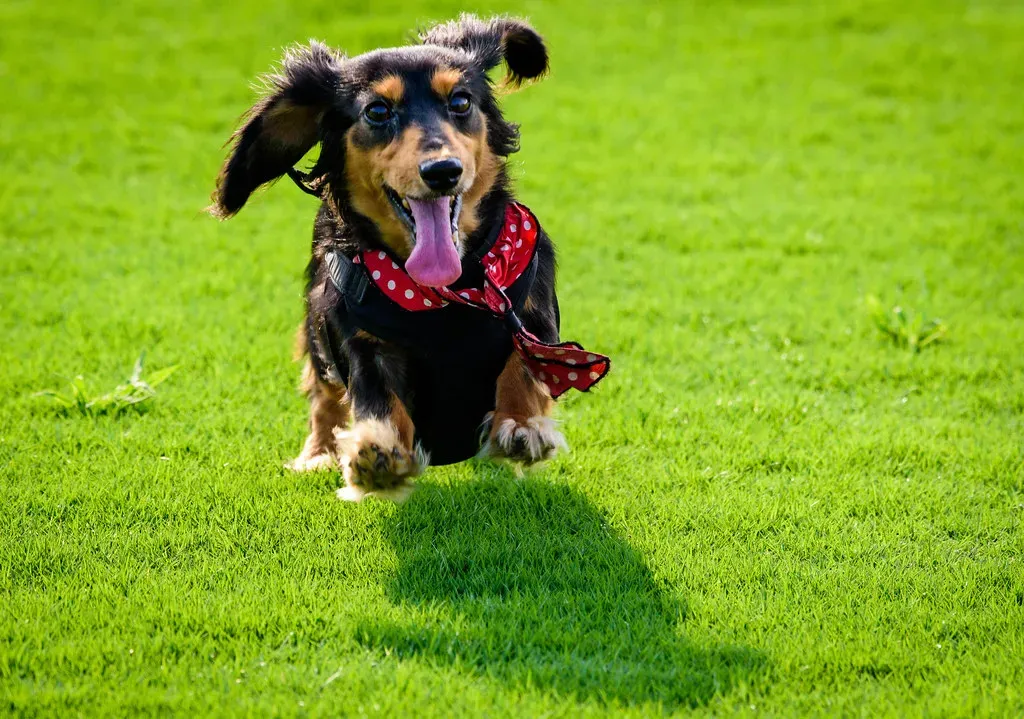
Zoomies are actually a sign that your dog is feeling great, full of energy, and is really happy. This wild burst of energy has an official name: frenetic random activity periods, or FRAPs. When your dog suddenly takes off running in circles, darting around furniture, or racing through the yard like they’ve lost their mind, they’re experiencing one of the most genuine expressions of canine happiness.
Dogs can get the zoomies during certain parts of the day, particularly in the morning and evening as a way to release excited energy. Think of it as their version of shouting for joy. Dogs tend to get the zoomies after bath time when they feel fresh and clean, when you get home from work and they’re really excited to see you, or even right before a walk.
The emotion behind this behavior is overwhelmingly positive. It’s excitement, happiness, and contentment all rolled into one chaotic package. Let’s be real, if humans could spontaneously sprint around without judgment, we probably would too.
That Guilty Look Isn’t Really Guilt
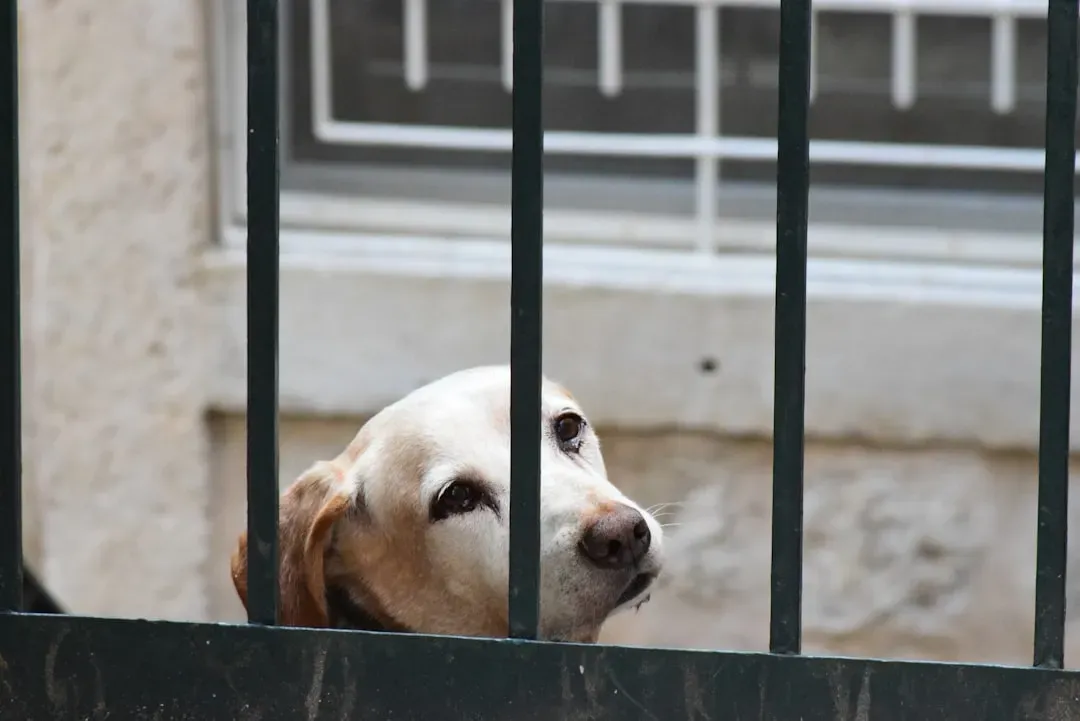
Adding to the misunderstanding is a human projection of their feelings onto the dog. This “anthropomorphizing” of the interaction further clouds truly understanding what your dog’s emotional state actually may be, what she is trying to tell you. When you come home to find your couch cushions torn apart and your dog gives you that unmistakable “guilty” expression, you might think they know they did something wrong.
Actually, what you’re seeing is fear and anxiety. Dogs are trying to communicate with us, but we humans seem determined to look at everything except the poor pooch himself. That lowered head, those避开ing eyes, the tucked tail? They’re not signs of remorse. Your dog is responding to your body language and tone of voice, showing appeasement behaviors because they sense your displeasure.
Dogs live in the present moment. They don’t connect their earlier action with your current anger the way humans do. What looks like guilt is really just stress and a desire to calm you down. It’s hard to say for sure, but understanding this can completely change how you approach training and discipline.
Tail Wagging Tells a Complex Emotional Story
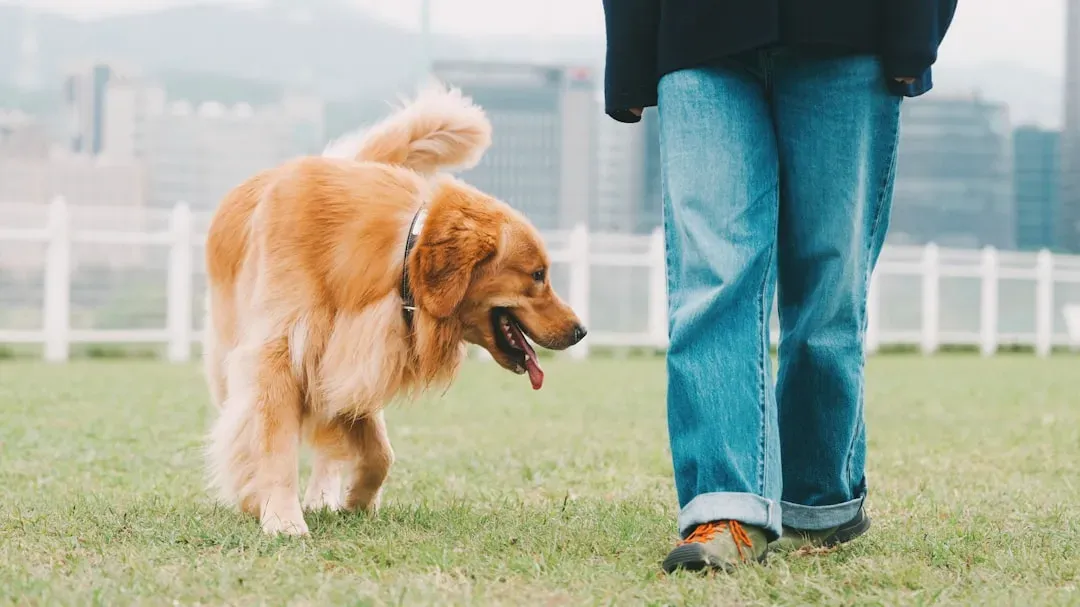
Most people think a wagging tail automatically means a happy dog. All a wagging tail means is that the dog is emotionally aroused. The real emotion depends entirely on how that tail is moving and where it’s positioned.
Basically, the faster the wag, the more aroused the dog. Think about those long, slow, side-to-side tail sweeps your dog makes when greeting you – the type that wags the dog’s whole body. That’s a relaxed dog. A faster, twitch-like wag indicates a higher level of arousal, possibly in a negative way. Recent research has shown something even more fascinating. Dogs tend to wag their tails more to the right when they’re feeling positive about something, such as interacting with their owner. Tails wagged more to the left when dogs faced something negative.
A tucked or low, fast-wagging tail can mean: “I am scared or unsure.” A high, stiff wag can mean: “I am agitated or aroused.” The emotional range here is massive. From pure happiness to fear to aggression, the tail is broadcasting information constantly. We just need to pay closer attention to the details.
Yawning Reveals Hidden Stress and Discomfort
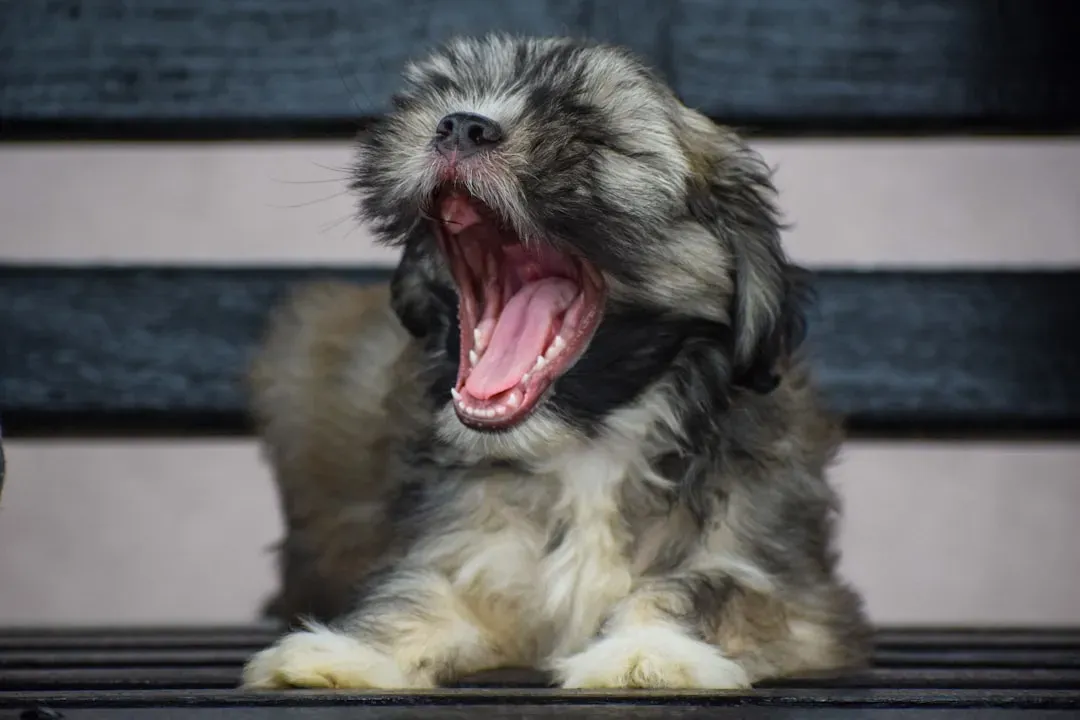
You might assume your dog is tired when they yawn during a training session or while meeting new people. We assume that yawning means that our dogs are tired or bored, but the research shows yawns have a bigger function for our dogs. Yawning can actually help with stimulating the nervous system. Due to this function, you may notice yawning occurs more with transition phases like waking up, falling asleep, or going from being bored to more alert.
But here’s what many people miss. Yawning also has an emotional function for dogs and can be an indicator of stress. Yawning also has an emotional function for dogs and can be an indicator of stress. When your child is hugging your dog tightly and the dog starts yawning repeatedly, that’s not boredom. That’s a stress signal.
For example, if your child is hugging your dog and the dog starts yawning, this is a stress signal that shows the dog is uncomfortable. In these instances, pet parents should stop the behavior or interaction that is causing stress and give the dog some space. Dogs use yawning as a calming signal, both to soothe themselves and to communicate their discomfort to others. Recognizing this can prevent escalation into more serious behavioral problems.
Sniffing Butts Is Emotional Intelligence in Action
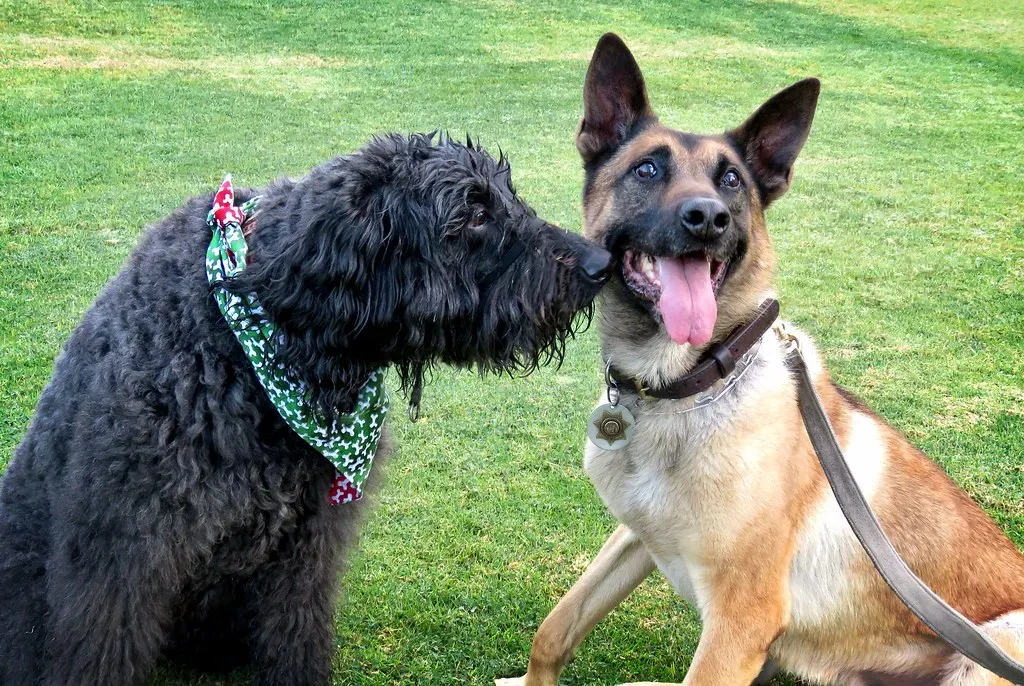
It’s embarrassing when your dog shoves their nose into another dog’s rear end at the park. Dogs have anal glands that are scent markers. Each dog has their own smell that is constantly changing depending on their emotions. This ancestral behavior of sniffing butts allows dogs to know whether the dog they’re sniffing is friendly, scared, anxious, and if they are male or female.
This behavior is absolutely loaded with emotional information gathering. Through scent, dogs can detect fear, confidence, aggression, friendliness, and even health status in other dogs. Dogs collect a lot of vital information via their noses, and the most concentrated sources of pheromones are in the crotch or butt areas, whether you have two legs or four. “Although we might find this behavior socially inappropriate, sniffing the anus or genital areas of another dog is a very polite and normal way to say hello in the canine world, much like shaking hands for humans.”
Think of it as reading someone’s social media profile, their current mood status, and their biography all at once. Dogs are gathering crucial emotional data that helps them decide how to interact safely and appropriately. It’s not gross to them. It’s sophisticated social intelligence.
Head Tilting Shows Curiosity and Emotional Connection

That adorable head tilt when you talk to your dog isn’t just Instagram material. That adorable head tilt isn’t just for show – it helps dogs focus on sounds and better understand what you’re saying. It could also indicate they’re trying to pick up on emotional cues. The emotion behind this behavior is engagement, curiosity, and a genuine desire to understand you better.
While there are many different explanations for their weird behavior, Semel believes that it means a dog is interested, engaged, or even confused. “Assuming there is no medical issue, they may be paying extra close attention and taking it all in!” When your dog tilts their head while you’re talking, they’re adjusting their ears to catch specific sounds and trying to decode your emotional tone.
Dogs are incredibly attuned to human emotions and communication. The head tilt represents their effort to bridge the species communication gap. They’re essentially saying, “I’m listening, I care about what you’re saying, and I’m trying my best to understand you.” That’s a pretty profound emotional connection when you think about it.
What do you think about it? Does understanding the emotions behind these behaviors change how you see your dog’s quirky habits? Let us know in the comments.

- 6 Exotic Bird Species You Can Spot in U.S. National Parks - July 19, 2026
- 11 Iconic American Birds Facing New Challenges and How You Can Help - July 19, 2026
- 10 Friendliest Animals in the World - July 19, 2026