

The Great Lakes region stretches across a vast wilderness that most people only glimpse from highways or beaches. Yet beneath those pristine waters and within those northern forests live creatures so unique they seem almost mythical. These aren’t your typical black bears or white-tailed deer that everyone expects to find here.
Instead, I’m talking about animals so specialized they’ve adapted to survive in one of the world’s most challenging freshwater ecosystems. Some are living fossils that have remained virtually unchanged since the ice age. Others represent evolutionary marvels that exist nowhere else on Earth. Let’s dive into this hidden world and discover the remarkable creatures that call the Great Lakes home.
The Deepwater Sculpin: Ghost of the Glacial Age
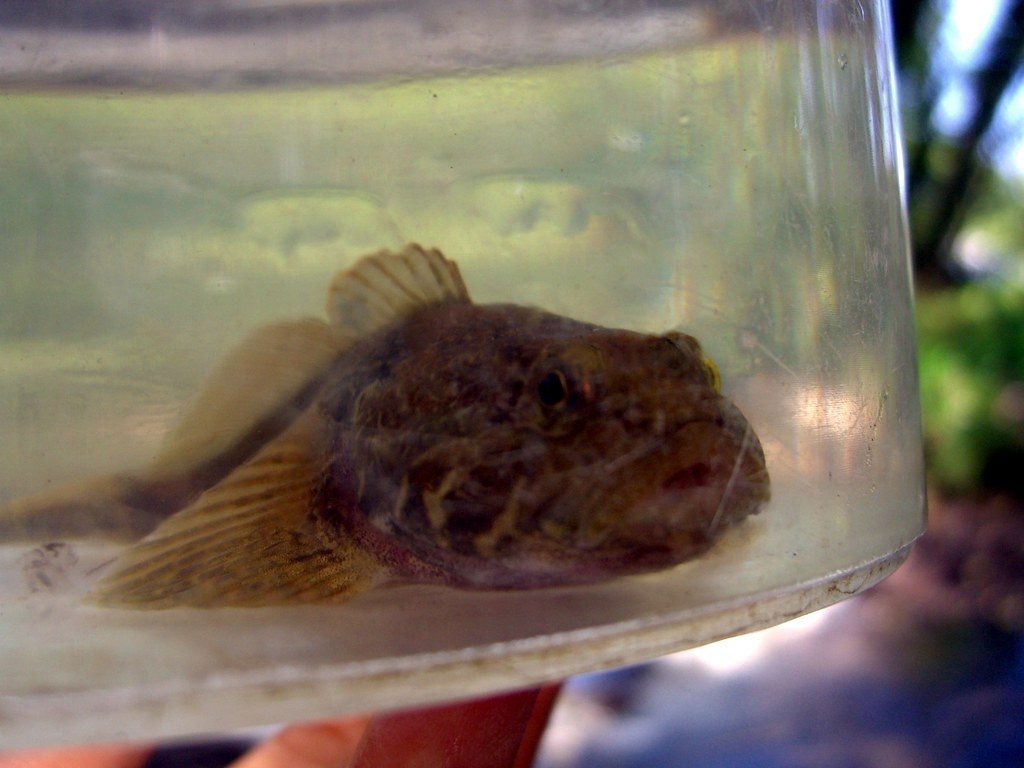
This glacial relict species has survived since the last ice age. The deepwater sculpin lurks in the darkest depths of the Great Lakes, living a life that would seem impossible to most creatures. Picture a fish that spends its entire adult existence in complete darkness, where temperatures hover between just three and six degrees Celsius.
Since they only live in water that is less than 41°F, their habitat is often extremely deep. They are known to be an “indicator species,” meaning they indicate the health of the deep-water communities where they live. What’s truly mind-blowing is how they’ve become the underwater equivalent of canaries in coal mines. Scientists use these mysterious bottom-dwellers to gauge whether the deepest parts of our lakes are healthy.
The Kiyi: A Fish with Eyes Like Dinner Plates
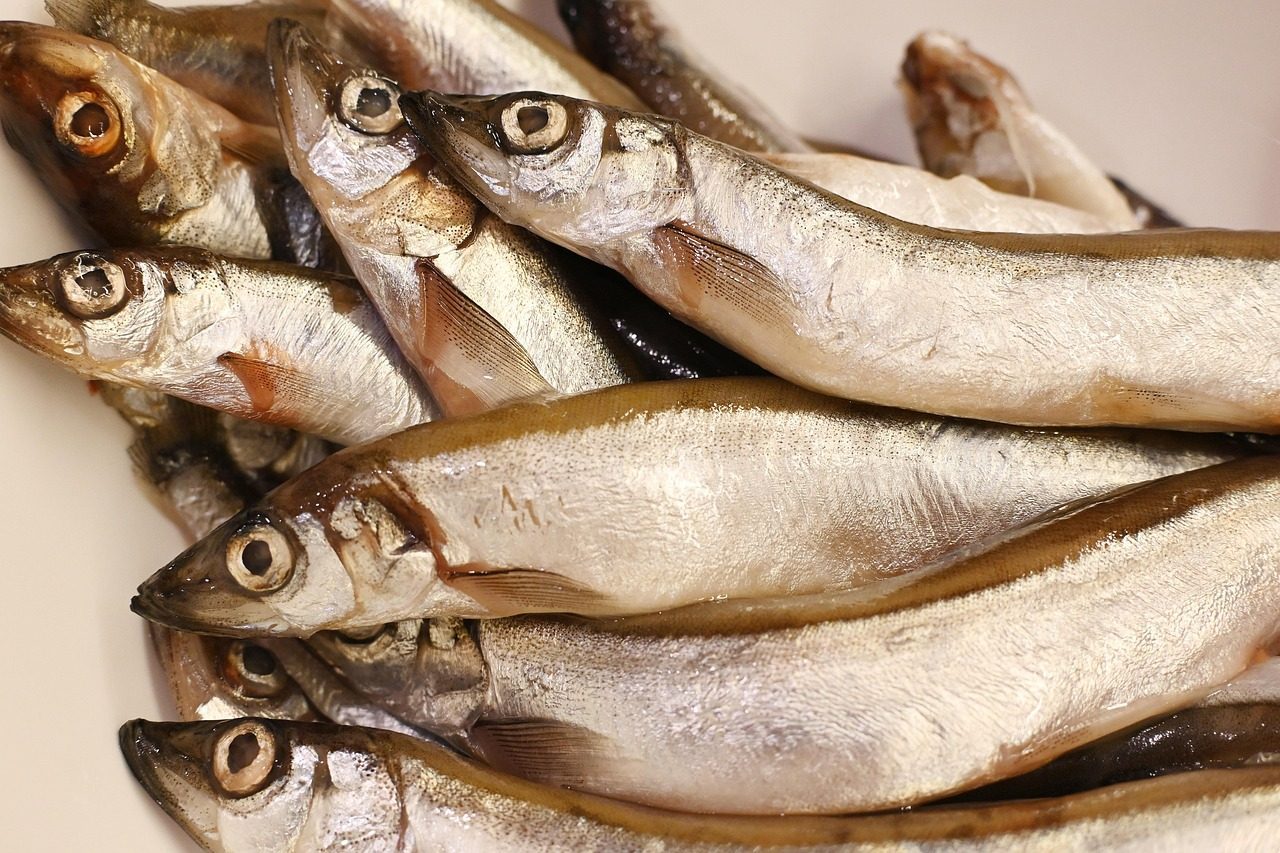
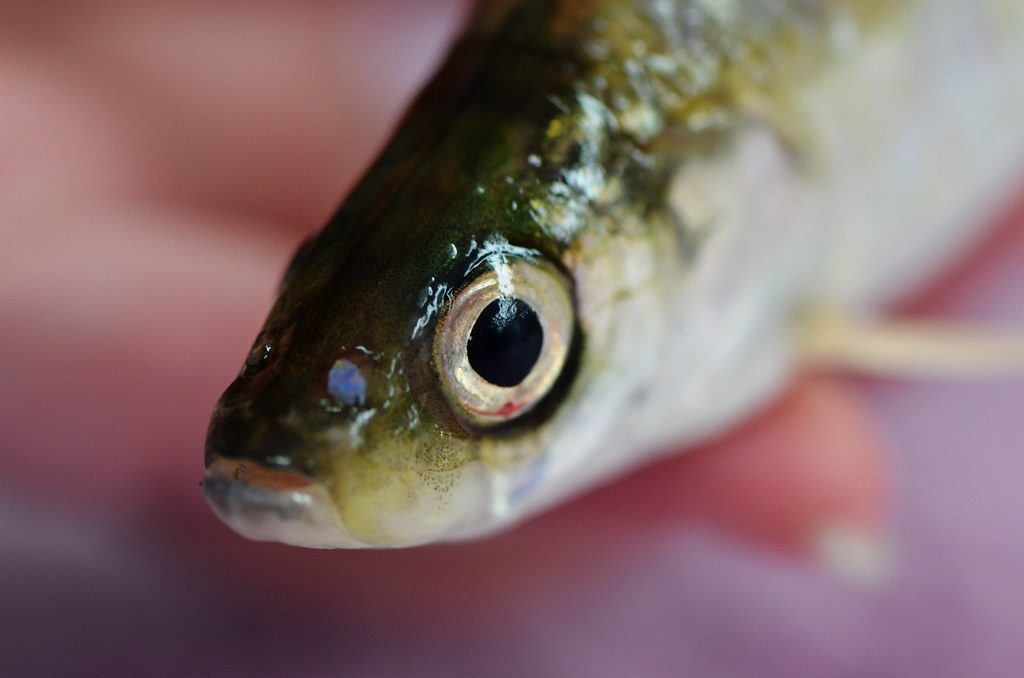
Here’s something that sounds made up but isn’t. The kiyi can be distinguished from the two other deepwater cisco species, bloater and Shortjaw cisco, known to exist in the Great Lakes by its unique combination of long paired fins, and eyes so large they make up almost 25 per cent of the head length Think about that for a moment – a quarter of this fish’s head is just eyeball.
Kiyi populations are found in Lakes Superior, Michigan, Huron, and Ontario. This tiny fish represents one of evolution’s most successful experiments in deep-water living, yet it’s now hanging on by a thread. Scientists are racing to understand these creatures before they disappear forever, attempting to raise them in hatcheries with little guarantee of success.
The Siscowet Lake Trout: Superior’s Secret Giant
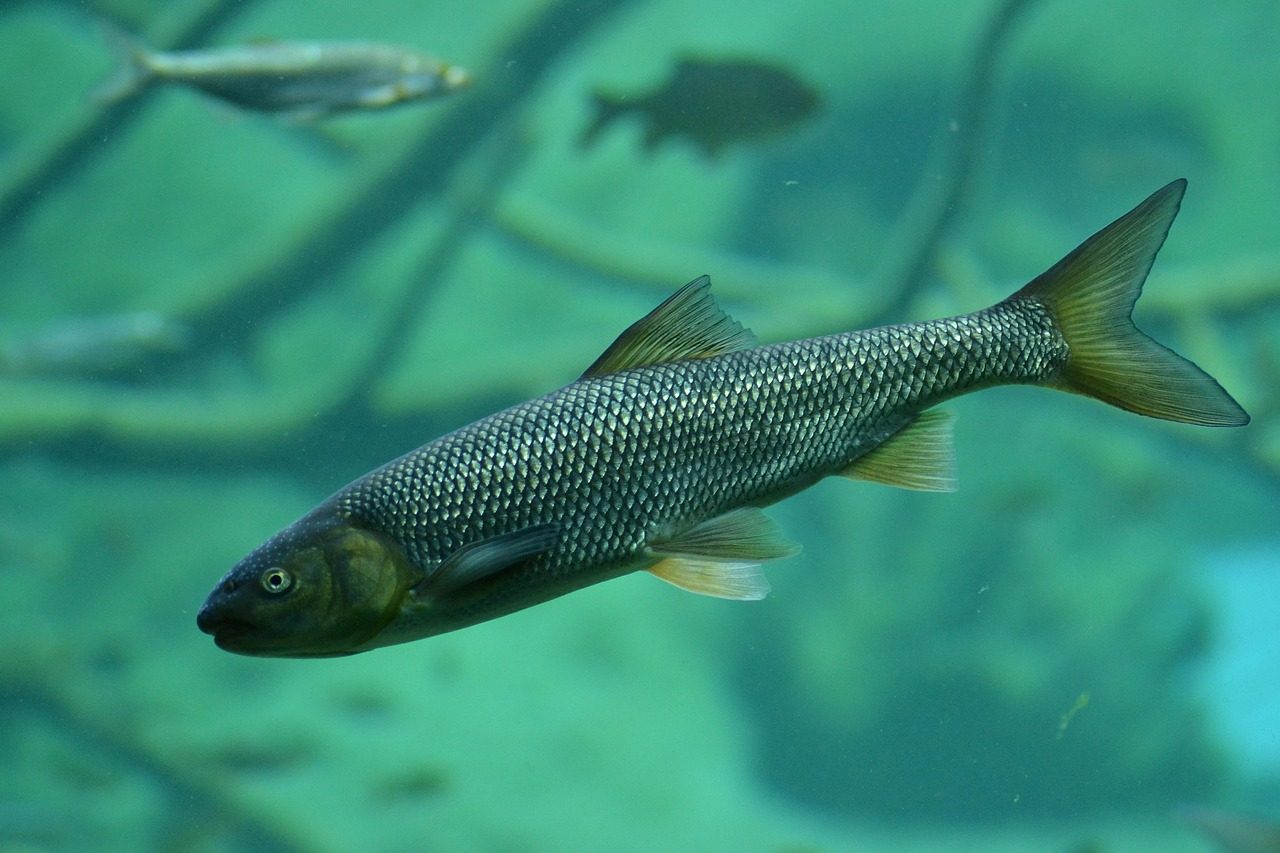
The siscowet lake trout is only found in Lake Superior and is the main predator in the deepwater region of the lake. While regular lake trout prefer shallower waters, these chunky relatives have gone the opposite direction entirely. They’ve become the apex predators of Lake Superior’s deepest regions, hunting in waters so deep most people never imagine fish could live there.
This subspecies is distinguishable from other forms of lake trout by its physical characteristics and habitat preferences. While lean lake trout are commonly found in shallower waters, siscowet lake trout feed on bottom-dwelling fish at depths greater than 250 feet. Their specialized lifestyle has made them incredibly important to the lake’s ecosystem, even though most people have never heard of them.
The Native Opossum Shrimp: Living Marsupials of Fresh Water
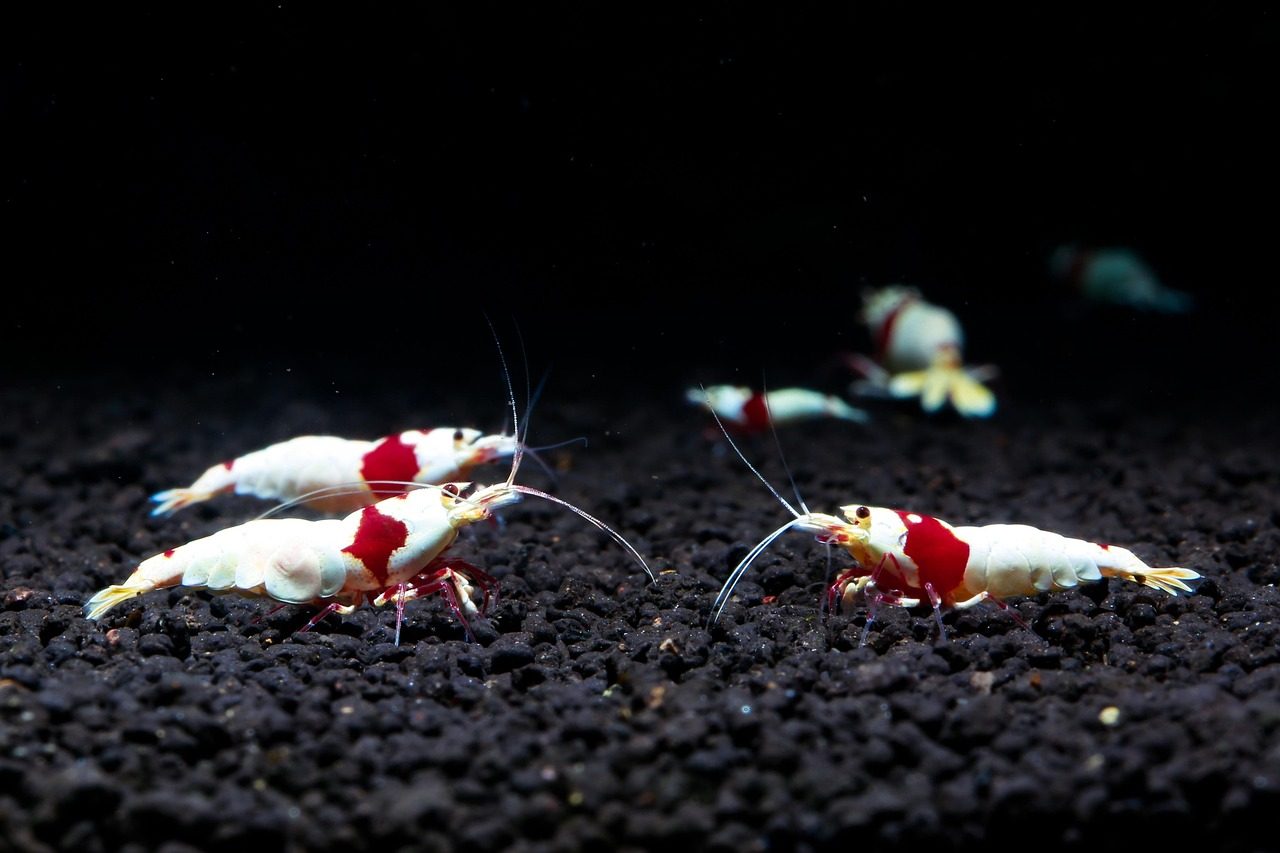
Mysis diluviana is a mysid crustacean (opossum shrimp) found in freshwater lakes of northern North America. Yes, you read that right – there are actually freshwater shrimp swimming around in the Great Lakes, and they carry their babies in pouches just like opossums. The bloody red shrimp is a mysid, a relative of the native Great Lakes opossum shrimp,Mysis relicta (identified in some recent scientific literature as Mysis diluviana).
These peculiar creatures perform one of nature’s most impressive daily commutes. They are benthic (water bottom) and pelagic (open water) organisms that migrate daily, moving downwards towards areas with less sunlight during the day, then returning to higher depths at night. Imagine traveling hundreds of feet up and down every single day just to avoid sunlight – that’s dedication to staying hidden.
The Bloater: The Fish That Literally Inflates
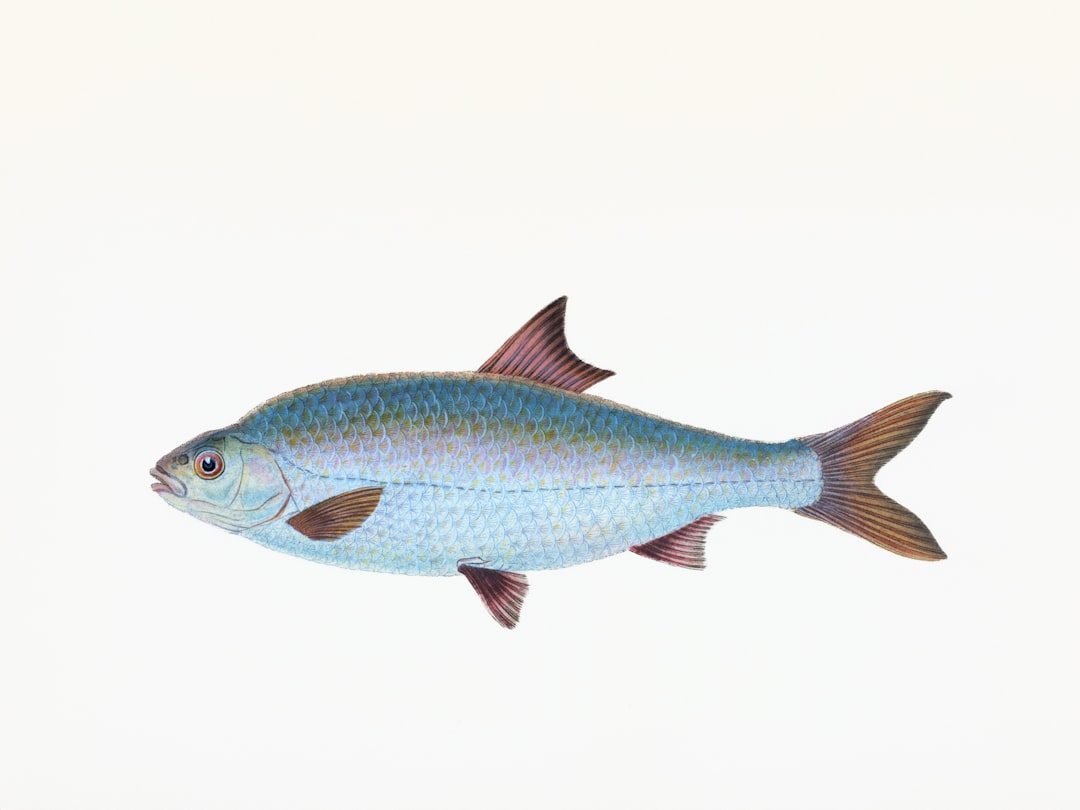
Bloater – a strange, native freshwater fish, the bloater lives in all the Great Lakes except Lake Erie, which is too shallow for this bottom dweller. Usually, a bloater spends the day at 30-650 feet, but comes to the surface at night to feed. Upon reaching the surface, its gas bladder expands, making it look bloated; thus the name.
Here’s the truly wild part about these fish – they’ve essentially become living balloons. When they rise from the crushing depths to feed at night, the reduced pressure causes their swim bladders to expand dramatically. It’s like watching a fish transform into a completely different shape right before your eyes.
The Four Native Lampreys: Nature’s Ancient Engineers
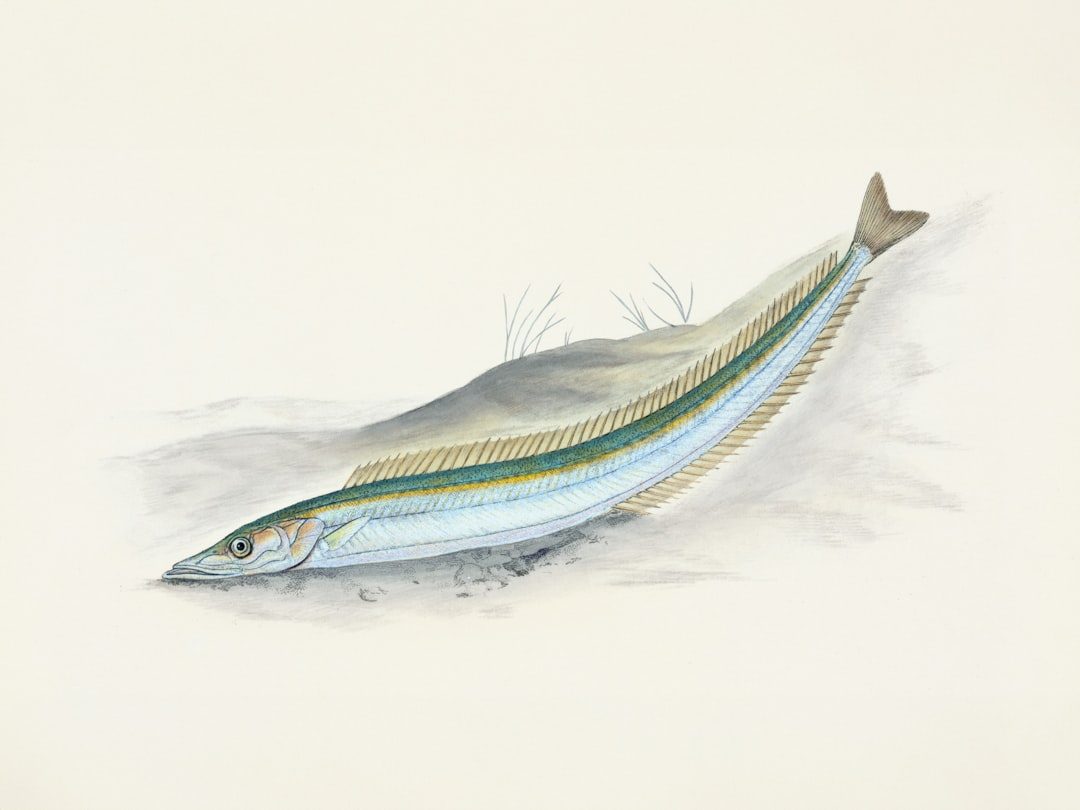
Seven lesser known native fish in the Great Lakes are actually lamprey species. The seven native lamprey species are a natural and important part of the diverse Great Lakes ecosystem. Most people only know about the destructive sea lamprey, but the Great Lakes actually host four native lamprey species that have been quietly going about their business for millennia.
They serve as ecosystem engineers by creating diverse flow patterns through spawning nest construction, which improves stream habitat for many aquatic insects and fishes, provide prey for other fish species, and, when migrating through rivers and streams, carry nutrients derived from larger rivers and lakes to upstream habitats. These creatures literally reshape the underwater landscape, creating homes for countless other species while most of us remain completely unaware of their existence.
The Shortjaw Cisco: Lake Superior’s Last Stand
Shortjaw Cisco are restricted to Lake Superior. While their cousins once thrived throughout all the Great Lakes, the shortjaw cisco now clings to existence in just one lake. They represent a living reminder of what the entire Great Lakes ecosystem once looked like before human interference changed everything.
These fish are part of a group that once formed the backbone of Great Lakes food webs. Lake Superior has retained all four of its original forms, which include Cisco, Bloater, Kiyi, and Shortjaw Cisco. Lake Superior’s cold, deep waters have become the last refuge for species that everywhere else have simply vanished.
The Central Newt: A Toxic Surprise
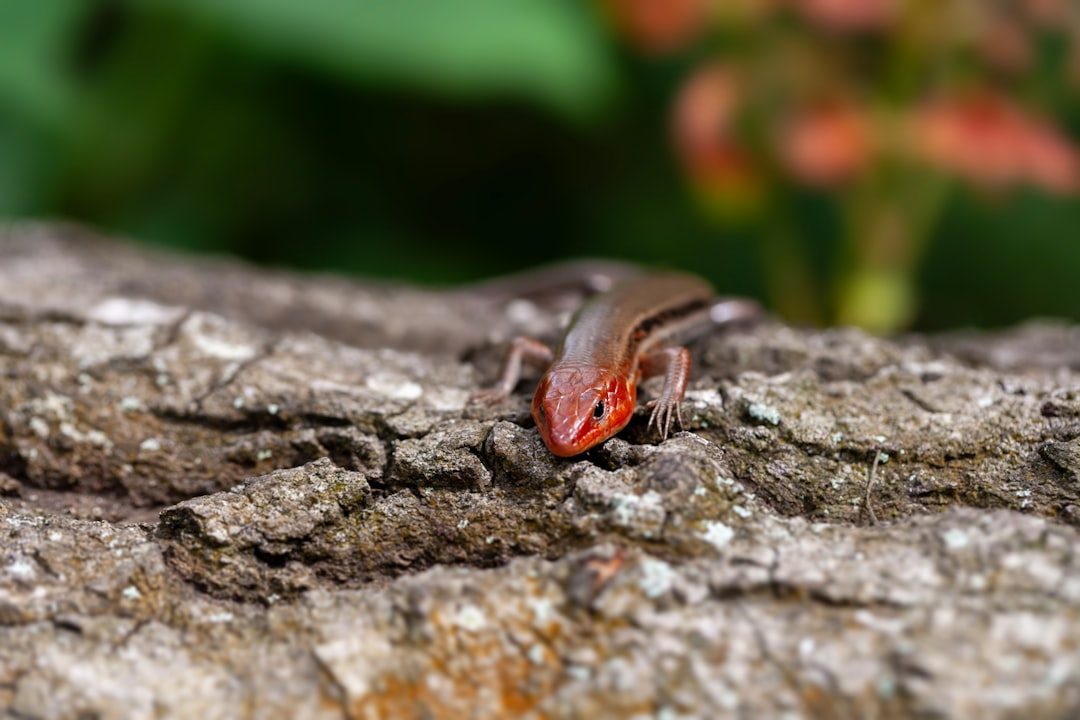
This small salamander packs a powerful punch when defending itself from predators. The eastern red-spotted newt (Notophthalmus viridescens viridescens) has a toxic skin secretion that makes it taste unpleasant to predators. Don’t let their cute appearance fool you – these amphibians are basically living chemical weapons, capable of making any predator immediately regret their dinner choice.
You might find these little warriors in ponds, swamps, and slow-moving streams throughout the region. Newts snack on small insects, worms and invertebrates. They’re proof that in the natural world, sometimes the smallest packages contain the biggest surprises.
The Red-Headed Woodpecker: Nature’s Flying Storage Unit
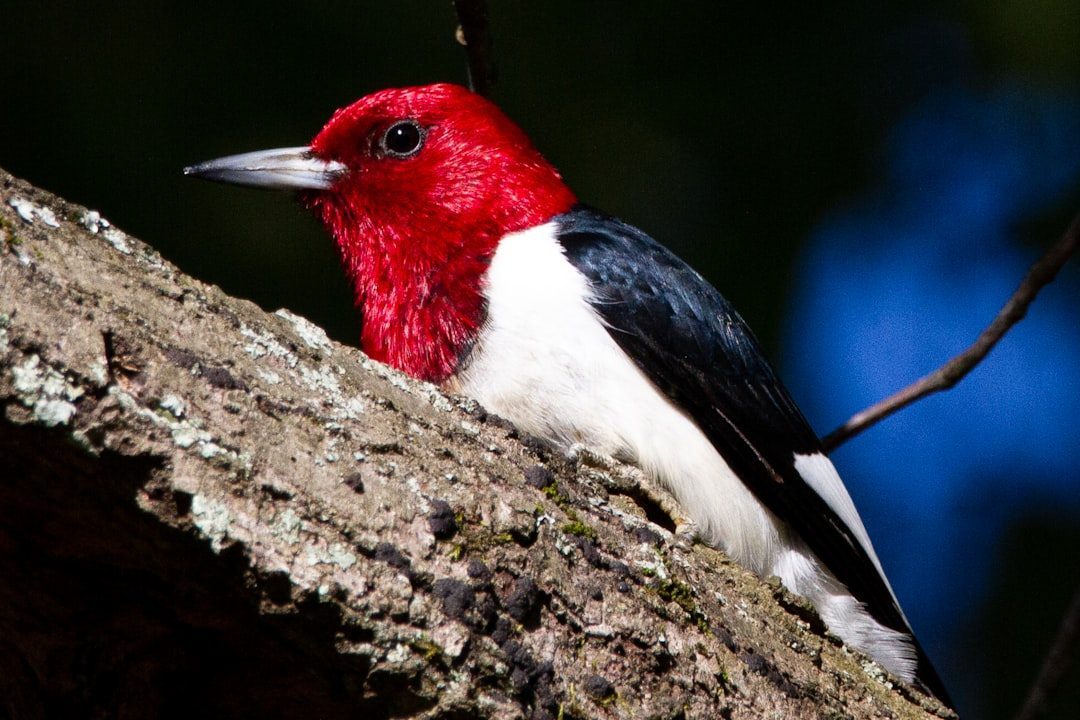
Unlike other woodpeckers, it can catch flying insects, and it is one of only four woodpeckers species known to store its food. This striking bird with its brilliant scarlet head has developed one of the most sophisticated food storage systems in the animal kingdom. For these rare woodpeckers to thrive, large hardwoods are necessary.
These remarkable birds represent a perfect example of adaptation and intelligence in the Great Lakes region. They’ve figured out how to hunt insects in mid-flight while also maintaining elaborate pantries for leaner times. It’s like having a fighter pilot who’s also a master chef and logistics coordinator all rolled into one feathered package.
The Alligator Snapping Turtle: The Lake’s Living Bear Trap
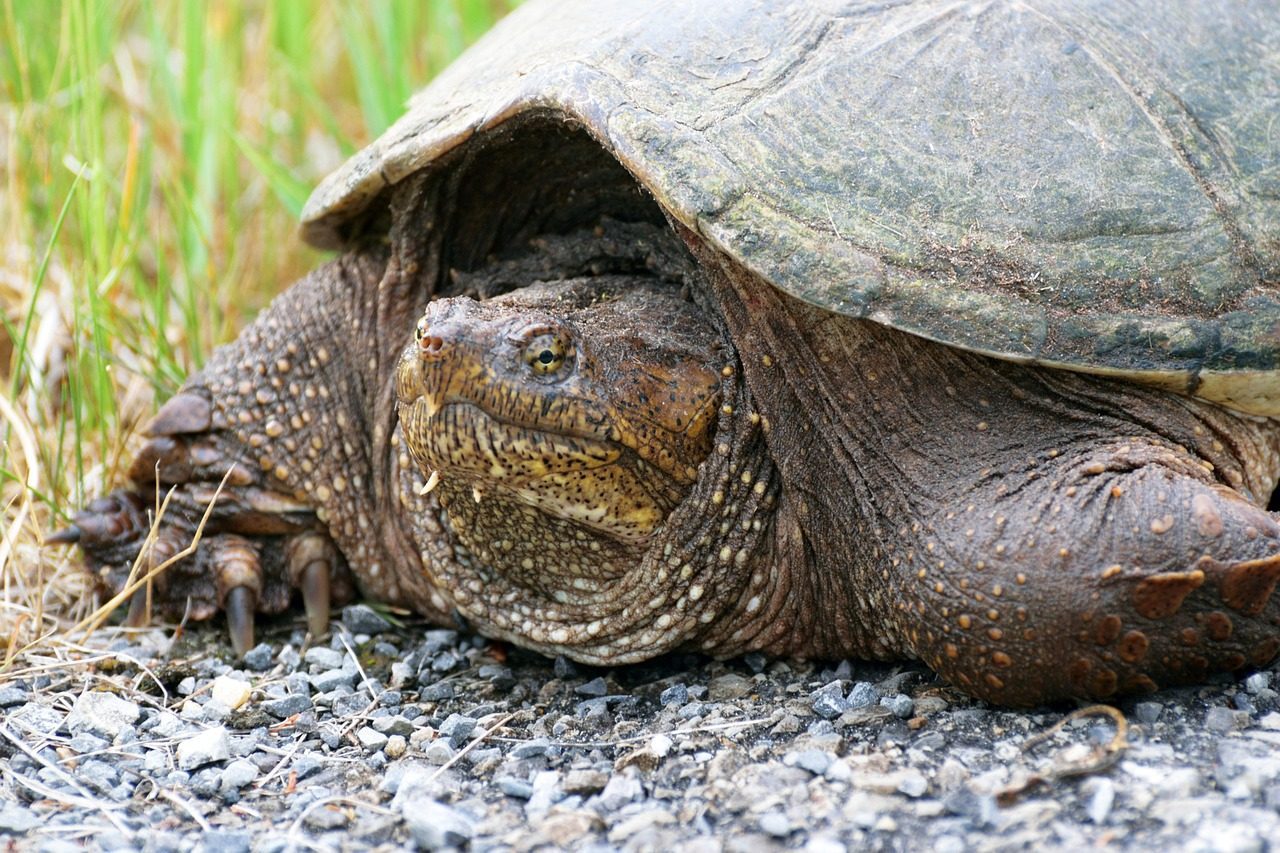
The common snapping turtle (Chelydra serpentina) is a powerful predator found throughout the Great Lakes region. These prehistoric-looking creatures are opportunistic feeders that help maintain balanced fish populations. Despite their strong defense against natural predators, snapping turtles face challenges from habitat loss and human activities. They’re living reminders of the wild ecosystem that the Great Lakes region continues to support.
Conclusion
The Great Lakes region harbors an entire universe of creatures that most people will never encounter, yet these animals play crucial roles in maintaining the delicate balance of one of the world’s largest freshwater ecosystems. From the mysterious depths where deepwater sculpins navigate eternal darkness to the surface waters where native lampreys architect underwater landscapes, each species represents millions of years of evolutionary perfection.
What strikes me most about these hidden inhabitants is how perfectly they’ve adapted to their specific niches, yet how vulnerable they’ve become to our changing world. Many of these remarkable animals are hanging on by threads, surviving only in the most pristine corners of their former range.
What do you think – are there other amazing animals hiding in the Great Lakes that deserve our attention? Share your thoughts in the comments below.
