

Picture this: you walk out to check on your horses at dawn, and instead of peaceful munching sounds, you hear the frantic stomping of hooves and the aggressive swishing of tails. Your beautiful mare is dancing around her paddock like she’s trying to escape an invisible army. Those pesky flies and mosquitoes have already begun their daily assault, and summer has barely started.
Every horse owner knows this feeling all too well. The moment the weather warms up, our beloved animals become targets for an endless parade of flying tormentors. Yet reaching for harsh chemical sprays doesn’t have to be your first line of defense. Nature has provided us with countless effective solutions that work beautifully without putting your horse’s health at risk.
Essential Oil Power Sprays That Actually Work
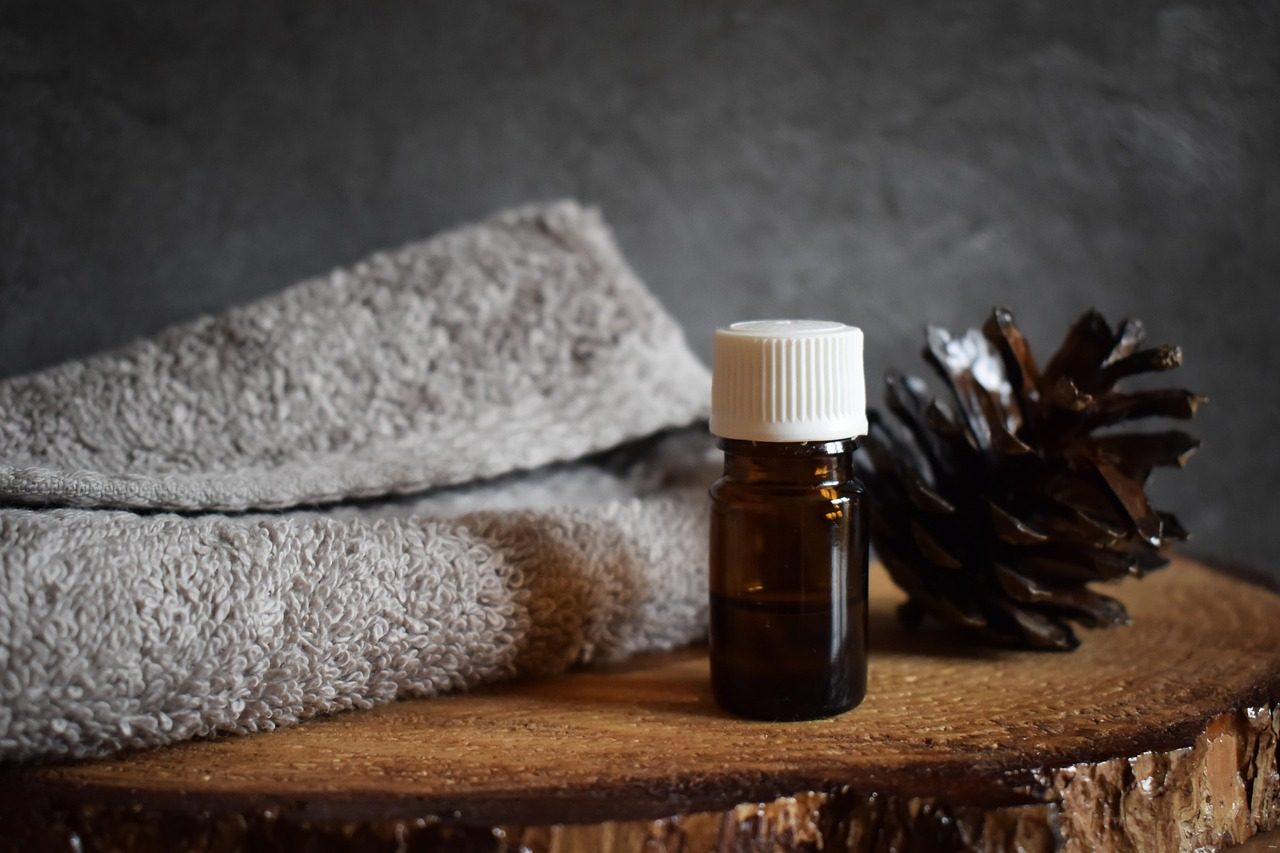
When I first discovered the power of essential oils for pest control, honestly, I was skeptical. How could something that smelled so pleasant to us humans actually repel insects? Turns out, studies suggest that lemongrass essential oil can provide significant protection from mosquitoes, with effectiveness varying by concentration and application method.
Lavender claims to help with anxiety, provide pain relief, alleviate difficulty with breathing, stress relief, can stimulate healing and is used as an insect repellent. Meanwhile, peppermint essential oil has shown effectiveness as a mosquito repellent, though protection duration varies by concentration and was also effective against mosquito larvae.
Create your own blend using these proven combinations: mix water with several drops each of lavender, peppermint, citronella, and geranium oils. While essential oils can be effective for repelling insects, mixing the oils with the proper base is imperative. Plain water adds nothing to the effectiveness, so creating a liquid base that enhances the essential oils is important.
Remember, you’ll need to reapply more frequently than chemical alternatives, but your horse’s coat will thank you for the gentle treatment.
Strategic Barn Management Makes All the Difference
Think of manure management as your secret weapon against pest armies. The average horse produces about 50 pounds of manure a day, amounting to approximately nine tons per year. Smart horse manure management is a cornerstone of fly control and also helps protect the environment.
The major deterrent to fly breeding in horse operations is to keep the manure as dry as possible. Other wet organic material sites also need to be removed. Remove manure from the farm at least every 7 days during fly breeding season or operate a properly managed composting facility.
Here’s what really surprised me about manure placement: Add new stall waste to the pile as a large block of material to minimize fresh manure surface exposure. This reduces the area of odor volatilization and access to moist manure for fly breeding. Avoid dumping new material on top of a pile where it spreads out and falls away down the sides, creating a large fresh, wet manure surface area that promotes flies and odor.
Daily stall cleaning isn’t just about appearances – it breaks the pest lifecycle before it even begins.
Apple Cider Vinegar: The Wonder Solution
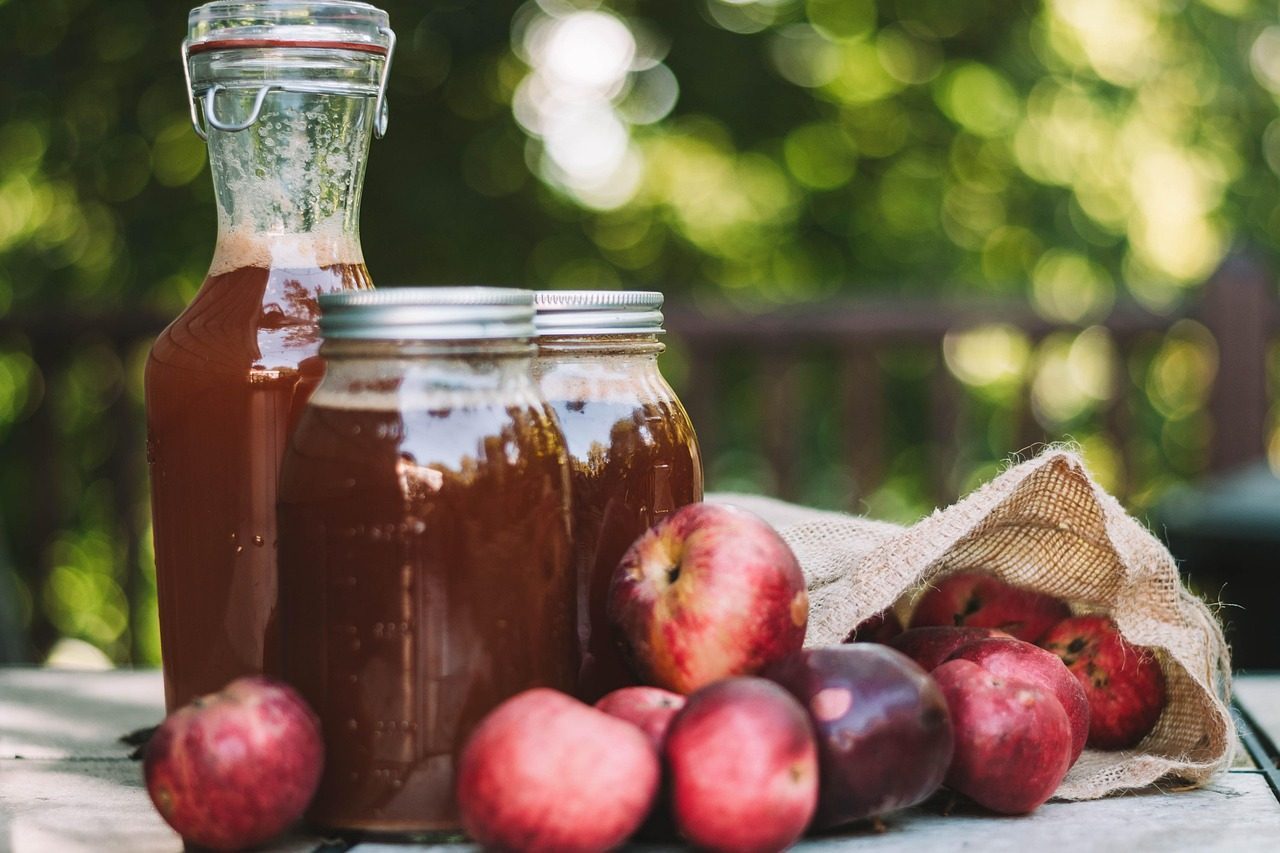
I stumbled upon this remedy by accident when I added vinegar to my water troughs to prevent algae. For a few months now we have been adding a tablespoon per gallon of apple cider vinegar into our water troughs and the other night i took blue for a long ride and i can say when she sweated there was no bugs at all! Apple cider vinegar helps eat algae in the water troughs, has properties to reduce inflammation in joints, when the horses sweat they perspire the apple cider smell just a bit and it sends flies screaming and lately ive seen it send even the mosquitoes screaming too!
Mosquitoes, flies, fleas and ticks find vinegar repulsive. I started using an apple cider vinegar mix repellent last summer, and I’m happy to report that I never had a tick on me when I used it. When sprayed on fur, skin or clothing, vinegar will deter most any pest from landing and biting.
You can create a simple spray by mixing equal parts apple cider vinegar and water. The beauty of this approach is that it works from the inside out when added to drinking water, and externally when used as a topical spray.
Even if the smell bothers you initially, it dissipates quickly while leaving behind an invisible barrier that pests absolutely hate.
Beneficial Insects: Your Tiny Pest Control Army
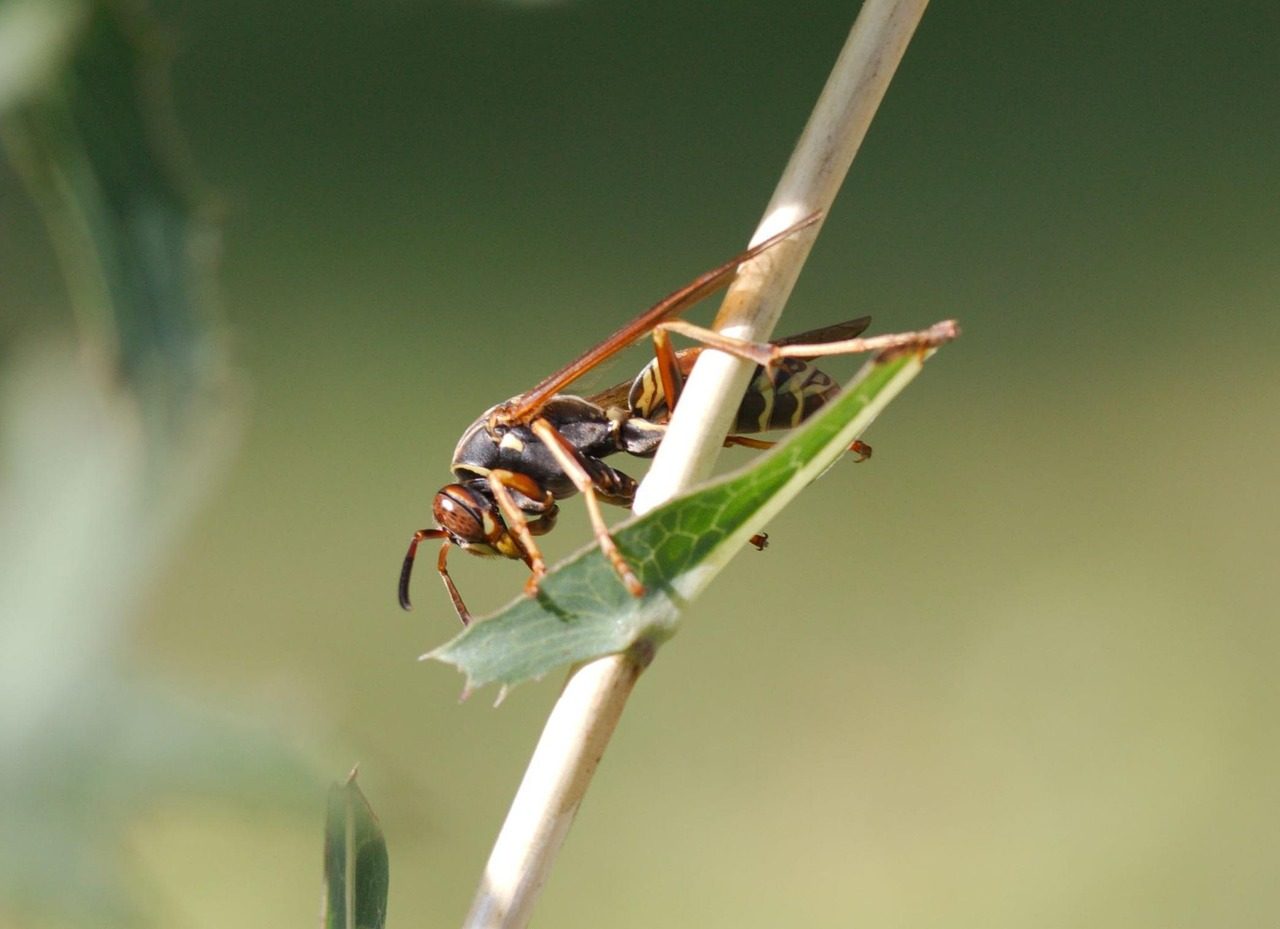
Though they may sound a bit scary, fly predators actually consist of several small insect species which feed on fly larvae. They don’t bite or sting and often go unnoticed by humans and horses as they do their work. By sprinkling fly predators (they come in a bag) around piles of manure or other rotting organic matter, you can help control the fly population around your barn and pasture.
These microscopic warriors are absolutely fascinating to watch in action. These are very tiny wasps that kill flies by laying eggs in their pupae, found in piles of manure. When the fly parasite eggs hatch, they attack and kill the fly larvae. Fly parasites are absolutely harmless to animals and humans.
The wasps eat fly larvae in manure to reduce the number of flies hatching to adult form. Spreading them on manure around the property achieves the best effect for fly population control. You can order these beneficial insects online and they arrive looking like tiny specks of sawdust.
Most horse owners are amazed at how effectively this natural approach works without any effort on their part once the predators are established.
Plant Power: Natural Barriers That Beautify Your Property
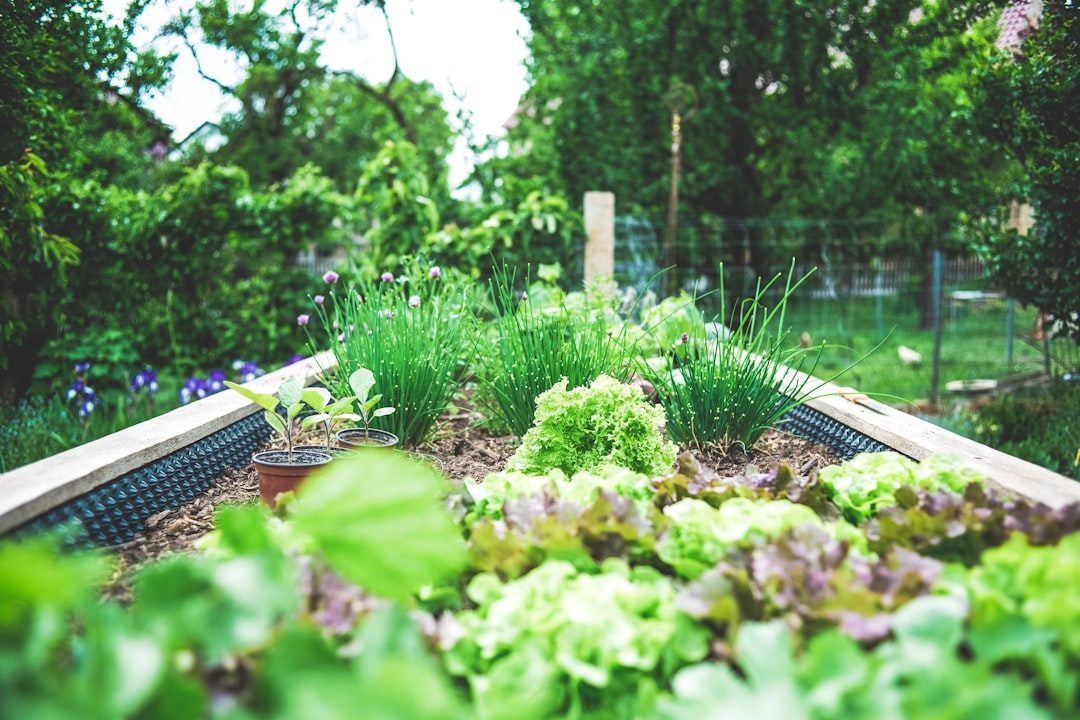
Catnip, a member of the mint family, produces an oil called nepetalactone which attracts cats but deters pests – especially mosquitoes! Holy Basil is another herb that can be planted around the barn to repel both flies and mosquitoes. Lavender deters flies and fleas, and lemon thyme is great to plant in pots or along walkways as it contains citronella oil, another natural insect repellent.
Examples include marigolds and geraniums. In fact, any flowering plants that attract pollinators will help to reduce your biting fly problem because they also attract parasitic wasps (as mentioned before) which will naturally prey on the larvae of your biting fly population.
The best part about this strategy? The good news about all of these plants is that they’re safe for horses to consume in small quantities (if they should happen to take a bite). Strategic placement around barn entrances, water sources, and paddock fencing creates natural no-fly zones.
Think of it as landscaping with purpose – every beautiful plant serves double duty as both decoration and protection.
Water Management: Eliminating Breeding Grounds
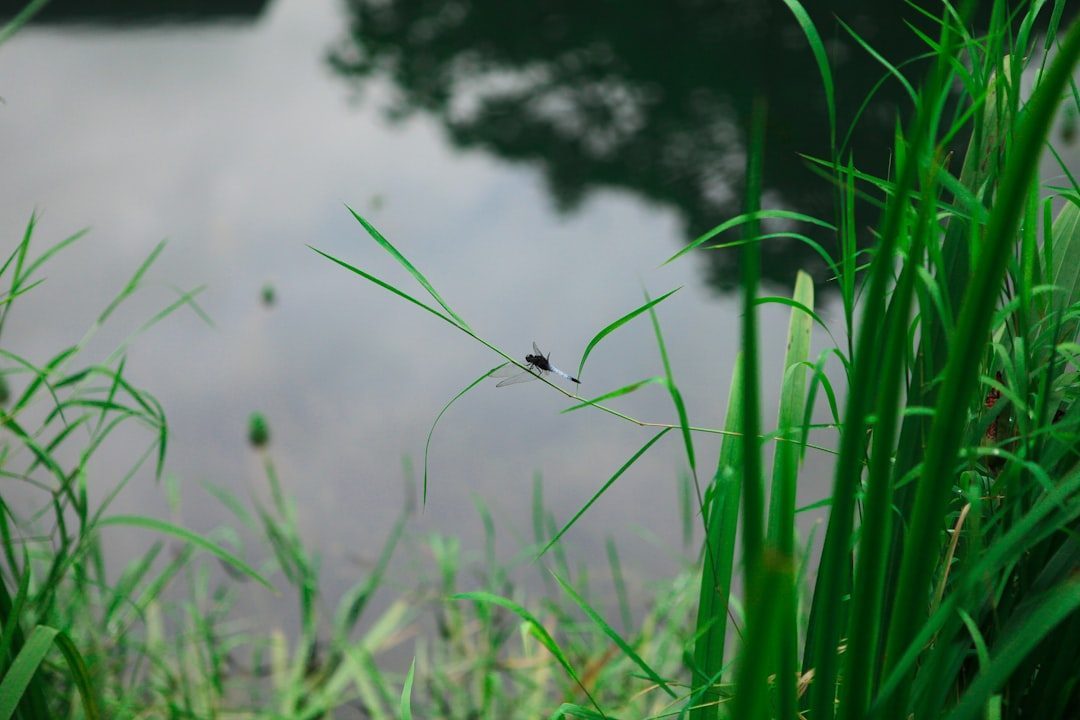
Be sure to change the water in your watering troughs regularly to prevent the breeding of mosquito larvae. Avoid allowing mud puddles to collect around watering troughs by keeping a good layer of pea gravel around the trough at all times.
Here’s a clever trick that costs virtually nothing: Another way to keep mosquitoes out of livestock tanks is to add a small amount of vegetable oil to the tank periodically. This produces a thin film on the surface of the water, keeping the mosquitoes from depositing their eggs into the water. It will not harm the livestock, and it is an inexpensive solution.
One solution we employ on our farm is to utilize goldfish. They are inexpensive, hardy, and quite effective at keeping the tanks free of mosquito larvae. Use at least 10 goldfish per 50 gallons of water, and replace them as needed. These little orange warriors work around the clock, turning what could be a mosquito nursery into a natural pest control system.
Feed-Through Solutions That Work From Within
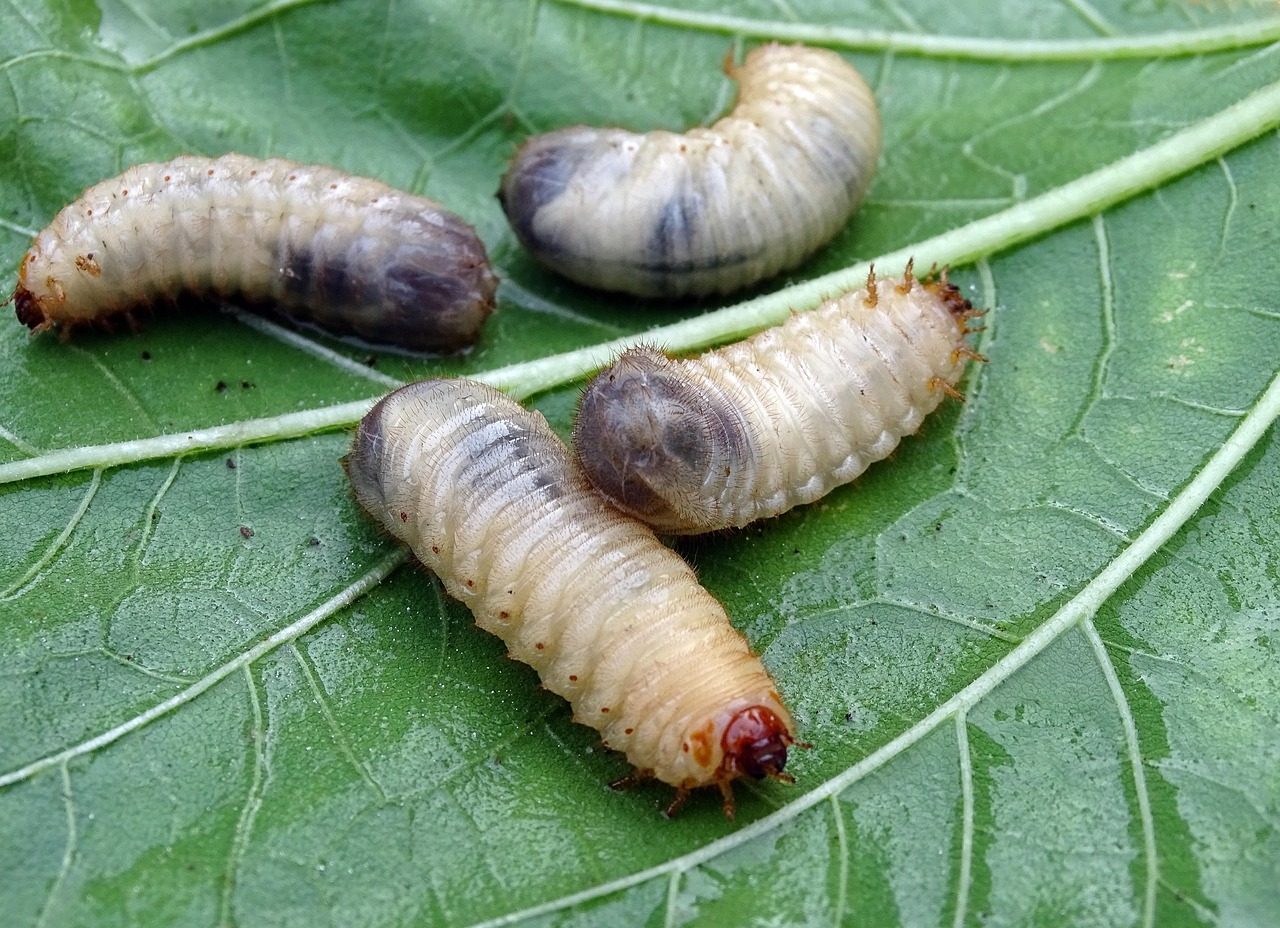
To use diatomaceous earth as a supplement to help reduce fly infestation, consult your veterinarian for proper dosing, as recommendations vary widely and typically start with much smaller amounts than a quarter cup for two weeks out of every month. This will help reduce fly larvae in your horse’s manure. Food-grade diatomaceous earth works by making the manure environment less hospitable to developing fly larvae.
This approach requires patience since you won’t see immediate results like you would with topical sprays. However, the long-term benefits are remarkable as it addresses the problem at its source.
Some horse owners combine this with garlic powder in the feed, though results vary depending on your horse’s individual system and local pest populations. The key is consistency – sporadic use won’t give you the protection you’re seeking.
Remember that this method works best when combined with other strategies rather than used in isolation.
Physical Barriers and Environmental Controls
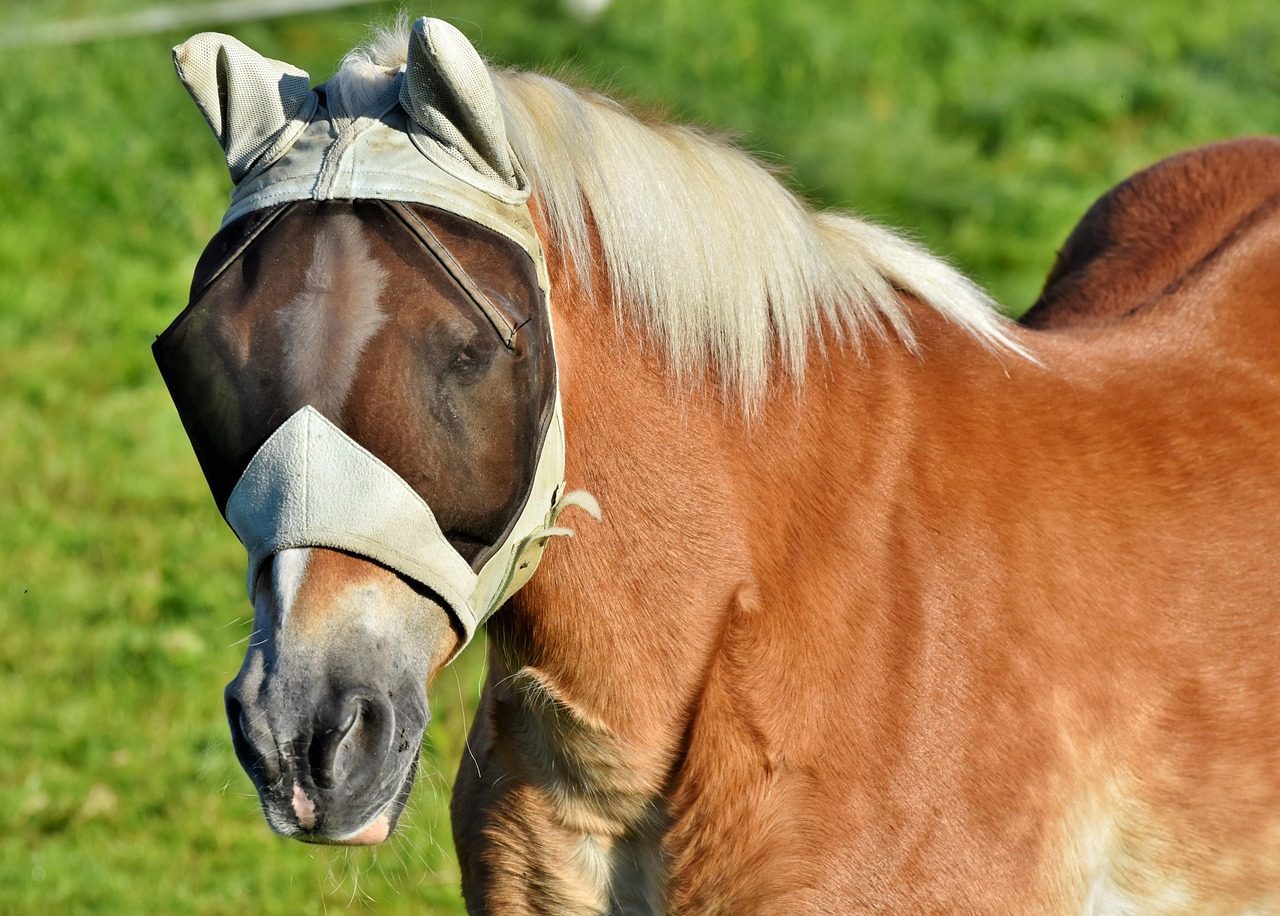
Commercial fly masks are wonderfully protective as the mosquito-net material serves as an excellent barrier against annoying insects. Some masks also come with ear netting to shield the ears; others include an extension piece that covers a large part of the nose and muzzle. Fly sheets keep insects from landing directly on a horse’s body.
Machtinger’s personal recommendation is to use zebra-striped fly sheets and masks, because scientists are learning a zebra’s stripes might confuse and repel flies. Though other horses might initially spook at these unusual patterns!
Flies and mosquitoes don’t do well in turbulent air, so during bothersome times of day, a horse can be brought into a loafing shed or stall with a fan aimed appropriately to deter insect entry. Screened stalls are also useful if insect harassment is extreme.
Simple barn fans create airflow that makes it nearly impossible for weak-flying pests to land on your animals, while also keeping everyone cooler during hot summer days.
Conclusion
Natural pest control isn’t about finding one magical solution that solves everything overnight. Instead, it’s about creating a comprehensive defense system that works with nature rather than against it. When you combine proper manure management, strategic plantings, beneficial insects, and natural repellents, you create an environment where your horses can thrive without the constant harassment of biting pests.
The beauty of these natural approaches lies not just in their effectiveness, but in their safety for your animals, your family, and the environment. Your horses deserve protection that doesn’t compromise their health, and these time-tested methods deliver exactly that. What natural pest control strategy will you try first on your farm?
