
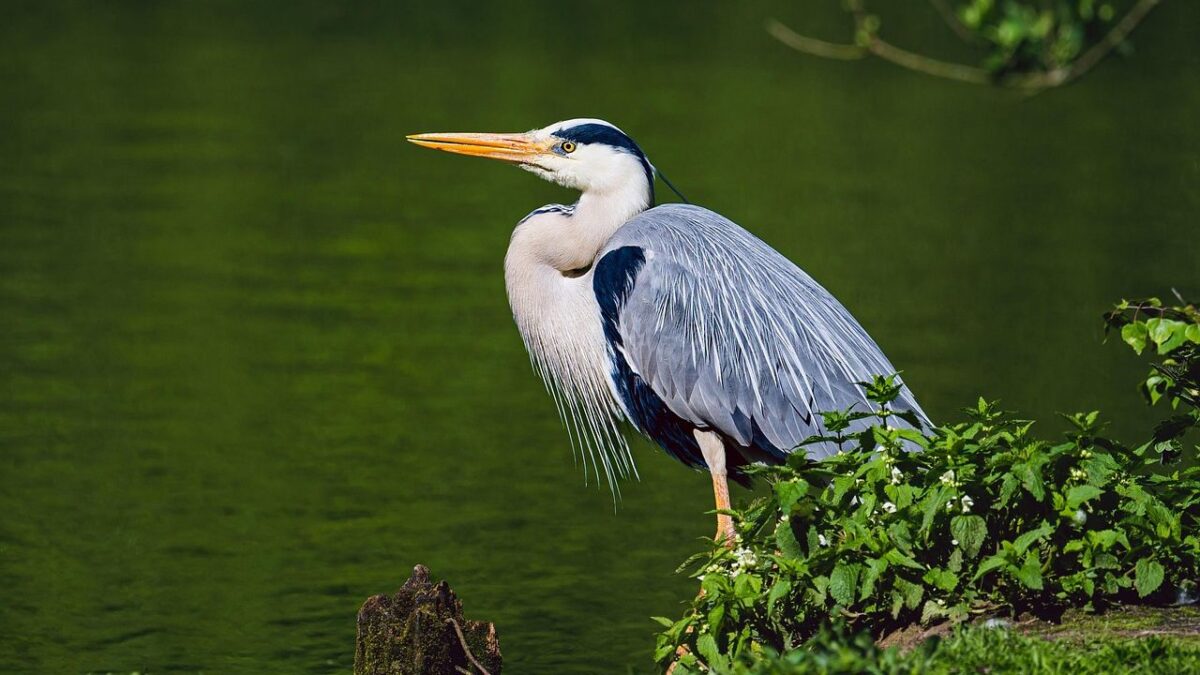
There’s something quietly unsettling about a heron. It stands at the water’s edge like a statue, absolutely motionless, seemingly indifferent to the world. No fidgeting. No sound. Just a fixed, patient gaze locked onto the surface below. Most people walk past without a second thought, assuming it’s simply resting. It isn’t.
What’s actually happening in those still moments is one of nature’s most refined hunting performances, a combination of anatomical engineering, sharp cognition, and evolutionary patience that few birds can match. Herons have been perfecting this act for millions of years, and the more you look into them, the more remarkable they become.
#1: They Have a Spring-Loaded Neck That Strikes Faster Than the Eye Can Follow
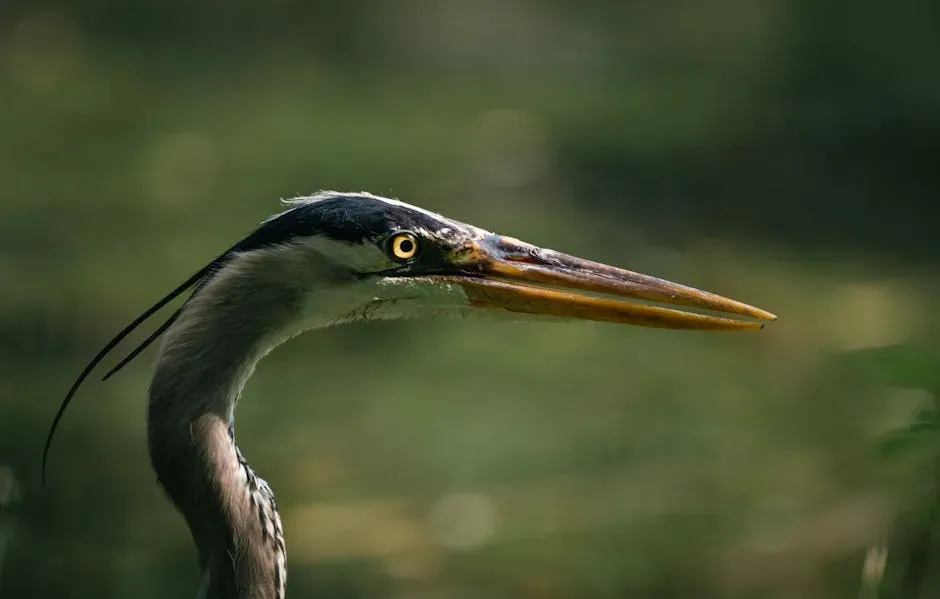
The heron’s neck contains 20 to 21 vertebrae arranged in a characteristic S-shaped curve, and this anatomical structure functions as a spring-loaded mechanism for lightning-fast strikes at prey. When compressed, the neck stores potential energy that releases instantly during a hunting sequence. It’s less a movement and more an explosion, controlled, directional, and devastatingly precise.
The key to this speedy and powerful striking ability is one uniquely long vertebra in the neck that acts as a sort of hinge. On the hunt, a heron will often start with its head bent back into the coiled S-shape, then in the blink of an eye, snap its neck forward to catch prey in its beak or spear it like a kebab. The whole motion starts deceptively slow, then extends with explosive speed, giving prey almost no chance to react.
#2: They Can Hunt in Complete Darkness
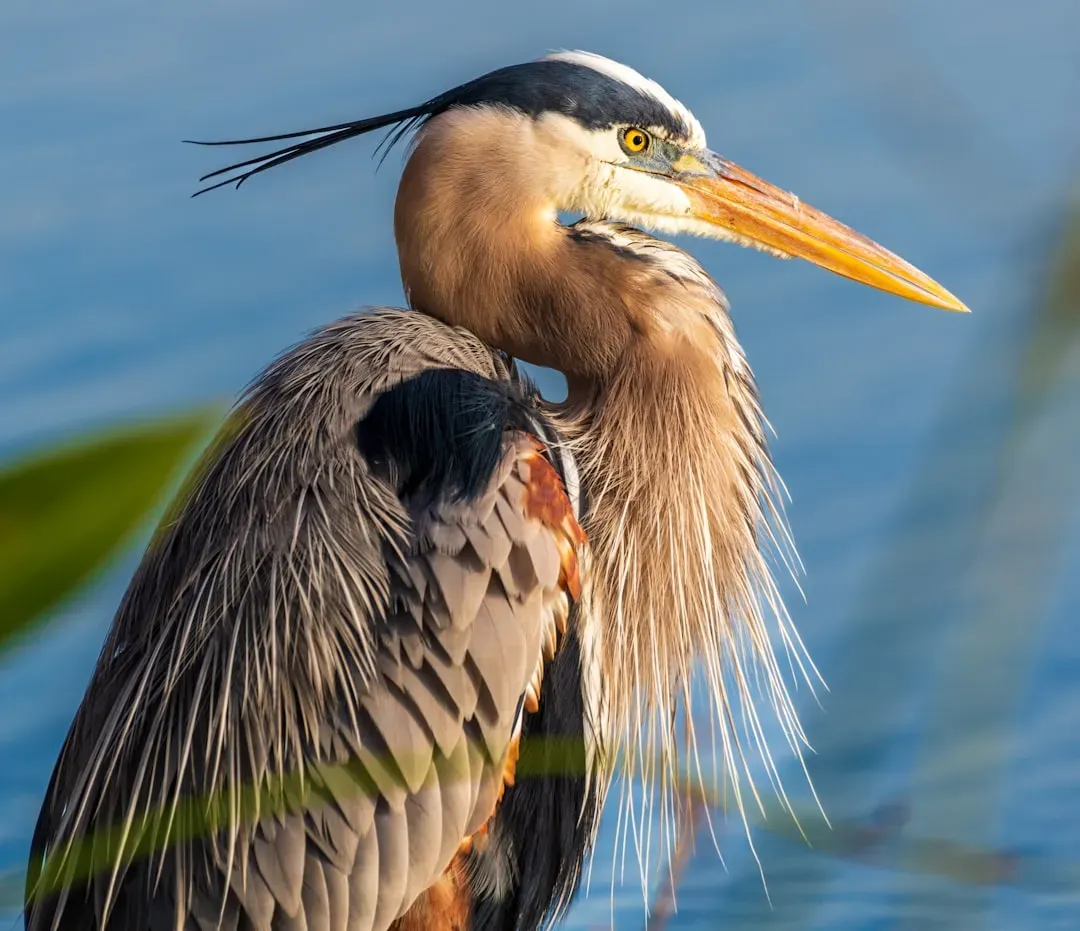
Great Blue Herons can hunt day and night thanks to a high percentage of rod-type photoreceptors in their eyes that improve their night vision. This puts them in a different category from most birds, which shut down foraging well before sunset. A heron by moonlight is still very much a working predator.
Several species forage by night or at dusk, notably night-herons, showing how diverse daily schedules are within one family. The ability to shift between diurnal and nocturnal hunting dramatically expands the window of opportunity, allowing herons to target prey that only becomes active after dark, including certain fish and amphibians that surface in cooler evening hours.
#3: Some Herons Actually Use Bait to Catch Fish
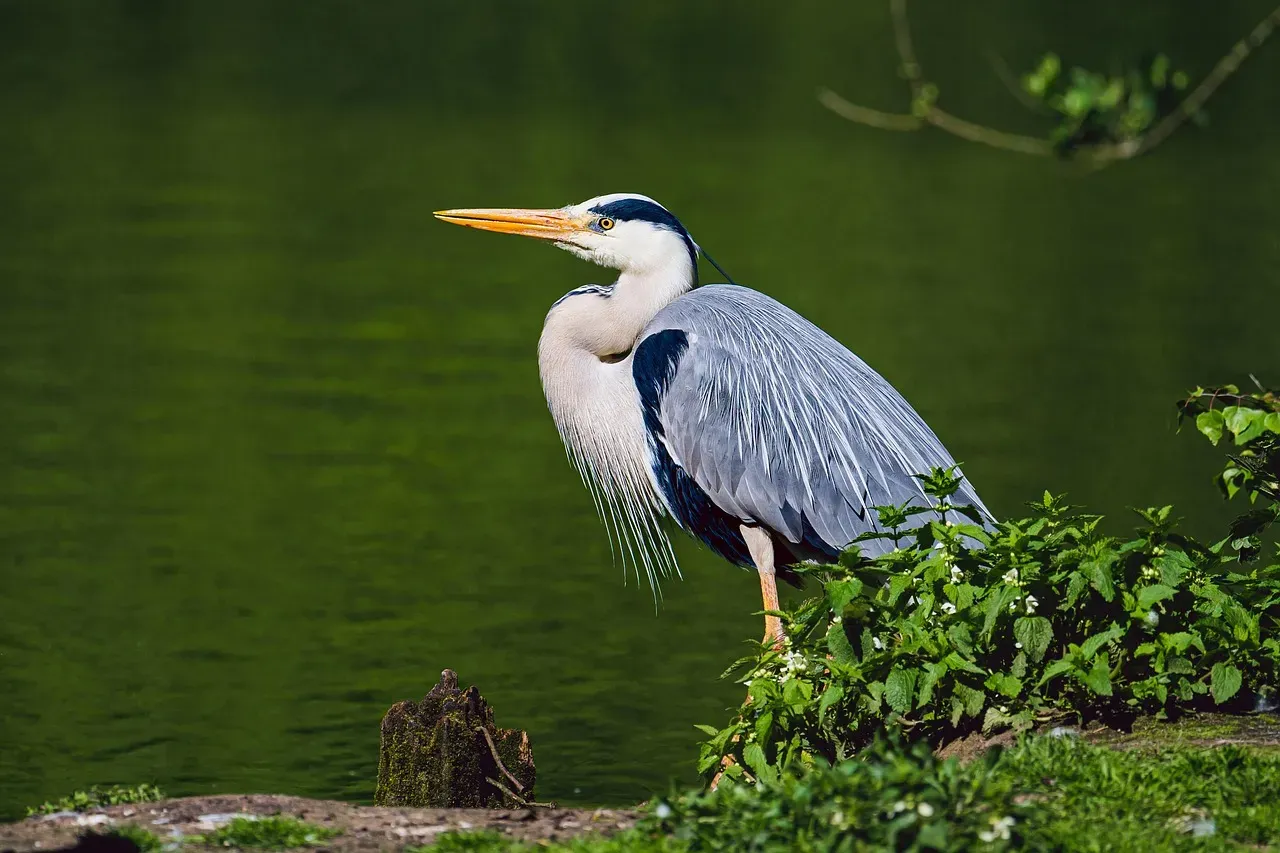
Some species of heron, such as the little egret and grey heron, have been documented using bait to lure prey to within striking distance. Herons may use items already in place, or actively add items to the water to attract fish. Items used may be man-made, such as bread; alternatively, striated herons in the Amazon have been watched repeatedly dropping seeds, insects, flowers, and leaves into the water to catch fish.
Unlike other bait-fishing birds that simply drop items and wait, the green heron actively manages its bait, repositioning it if necessary and maintaining a careful watch over the baited area. When fish approach the bait, the heron strikes with lightning speed, spearing the prey with its sharp bill. This method transforms a simple object into a sophisticated hunting tool that increases the bird’s fishing success rate significantly. It’s the kind of problem-solving behavior that once seemed exclusive to primates, yet here it is, quietly happening in a marsh.
#4: Their Feet Are Precision-Engineered for Wetland Stealth
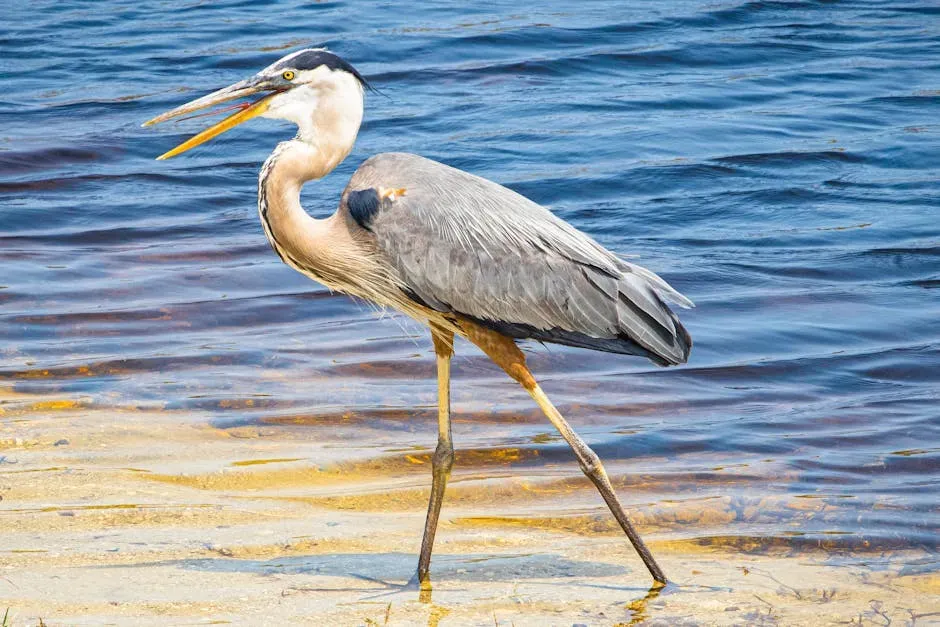
The Great Blue Heron’s feet are specially adapted for its wading lifestyle, with long and slender toes fitted with sharp, curved claws that provide traction on slippery surfaces. Partial webbing between the toes allows the heron to move easily through shallow water, while the large, flat feet distribute its weight, enabling it to stand in deep water without sinking. These specialized feet are essential for the heron’s hunting and foraging techniques, allowing it to navigate treacherous wetland environments with ease.
In shallow wetlands, herons may slowly wade forward, placing each step carefully to avoid creating ripples. That deliberateness isn’t timidity. It’s engineering. Every footfall is calculated to preserve the stillness of the water’s surface, because the moment a ripple spreads outward, the fish below gets a warning. Their elongated legs keep their bodies elevated above the water, reducing drag and allowing them to move stealthily through aquatic habitats without disturbing the surface too much, which is crucial for approaching prey without being detected.
#5: They Have a Built-In Cleaning System Made of Living Powder
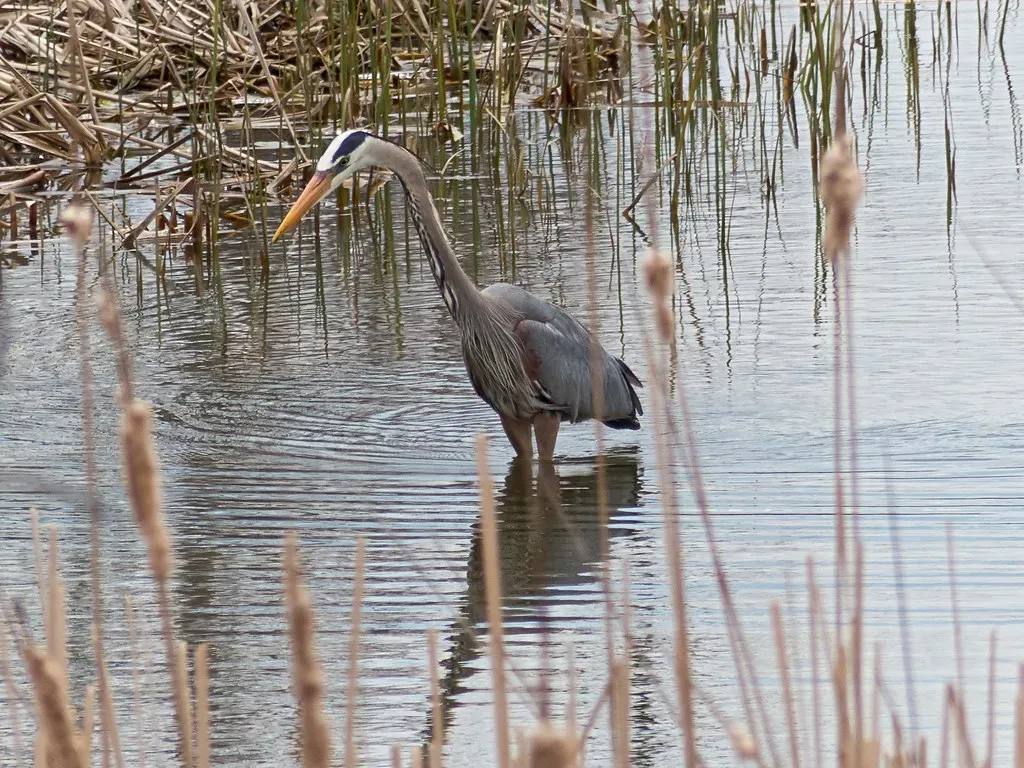
Herons have a unique way of staying clean despite their muddy lifestyle. They possess “powder down” feathers, specialized feathers that never molt but instead crumble into a fine, talc-like powder. The heron uses its middle toe, which has a serrated, comb-like edge, to apply this powder to its feathers. This absorbs fish slime and oils, which it then scrapes off, keeping their plumage waterproof and pristine.
Great Blue Herons have specialized feathers on their chest that continually grow and fray. The herons comb this “powder down” with a fringed claw on their middle toes, using the down like a washcloth to remove fish slime and other oils from their feathers as they preen. Applying the powder to their underparts protects their feathers against the slime and oils of swamps. It’s a fully self-contained hygiene system that requires no water, no preening partner, and no downtime.
#6: They Are Supremely Opportunistic Eaters
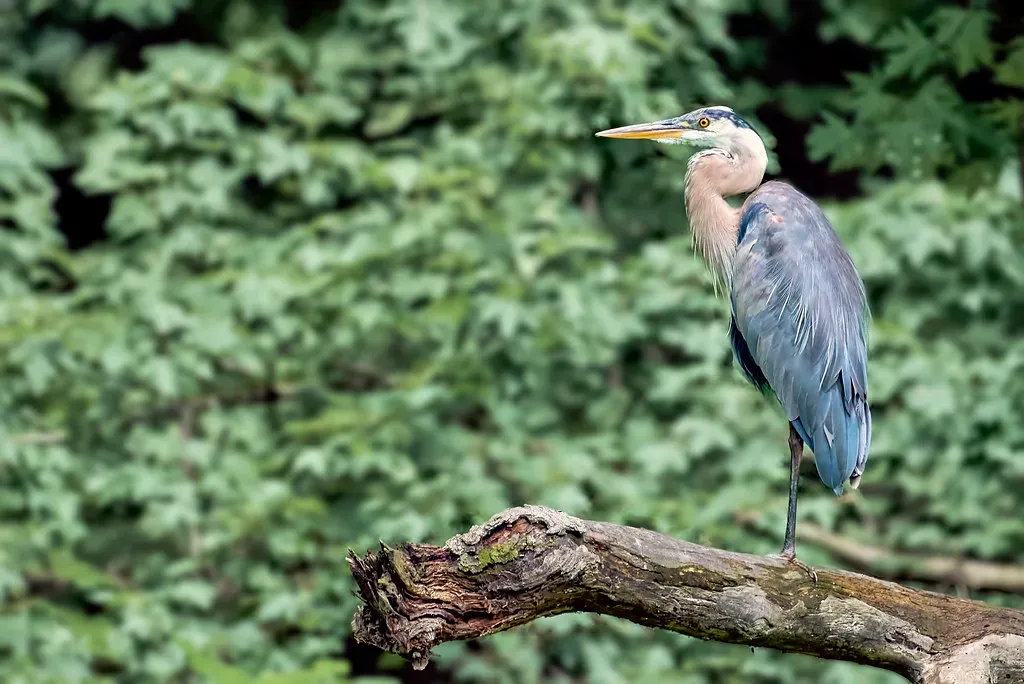
The diet breadth across the heron family includes mainly fish but commonly extends to amphibians, crustaceans, aquatic insects, mollusks, worms, and small reptiles, birds, and mammals, with prey size and emphasis varying strongly by species and habitat. The popular image of a heron fishing in a pond is accurate, but it tells only a fraction of the story.
Great blue herons are often observed hunting voles in meadows with short grass, especially those near wetland areas. They will stand by a vole runway and watch for movement, then strike with lightning speed and grab one of these fat little rodents. Herons have necks built to gulp down shockingly massive meals, and the birds have been spotted swallowing rats, frogs, gophers, muskrats, midsize birds, and even snakes. The appetite is as adaptable as the hunter.
#7: Every Heron Species Has Its Own Signature Hunting Style
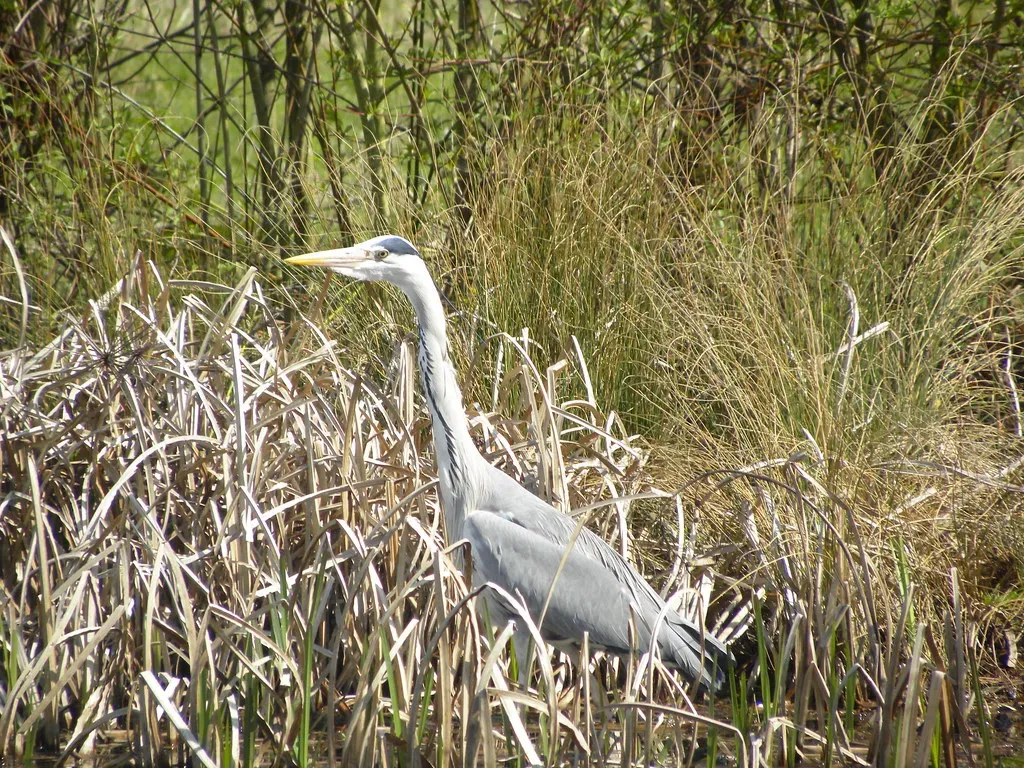
Every heron species has its preferred hunting styles. Far from being interchangeable, different species have carved out distinct ecological niches by developing unique approaches to the same core challenge of catching prey. The American Bittern specializes in hunting the tall, densely vegetated marshes, with amazing camouflage owing to its brown, striped coloration and the way it moves.
Snowy egrets are brilliant white, medium-sized herons with black legs and yellow feet, and they often use their bright feet to attract or even scare up small fish, then grab them when they come close. Reddish egrets are a medium-sized heron that often catches small fish by literally running them into the shallows, with quick, seemingly erratic dashes that send their prey fleeing in front of them. Each style reflects millions of years of fine-tuning for a particular environment and prey type.
#8: They Nest in Ancient, Noisy Communities Called Heronries
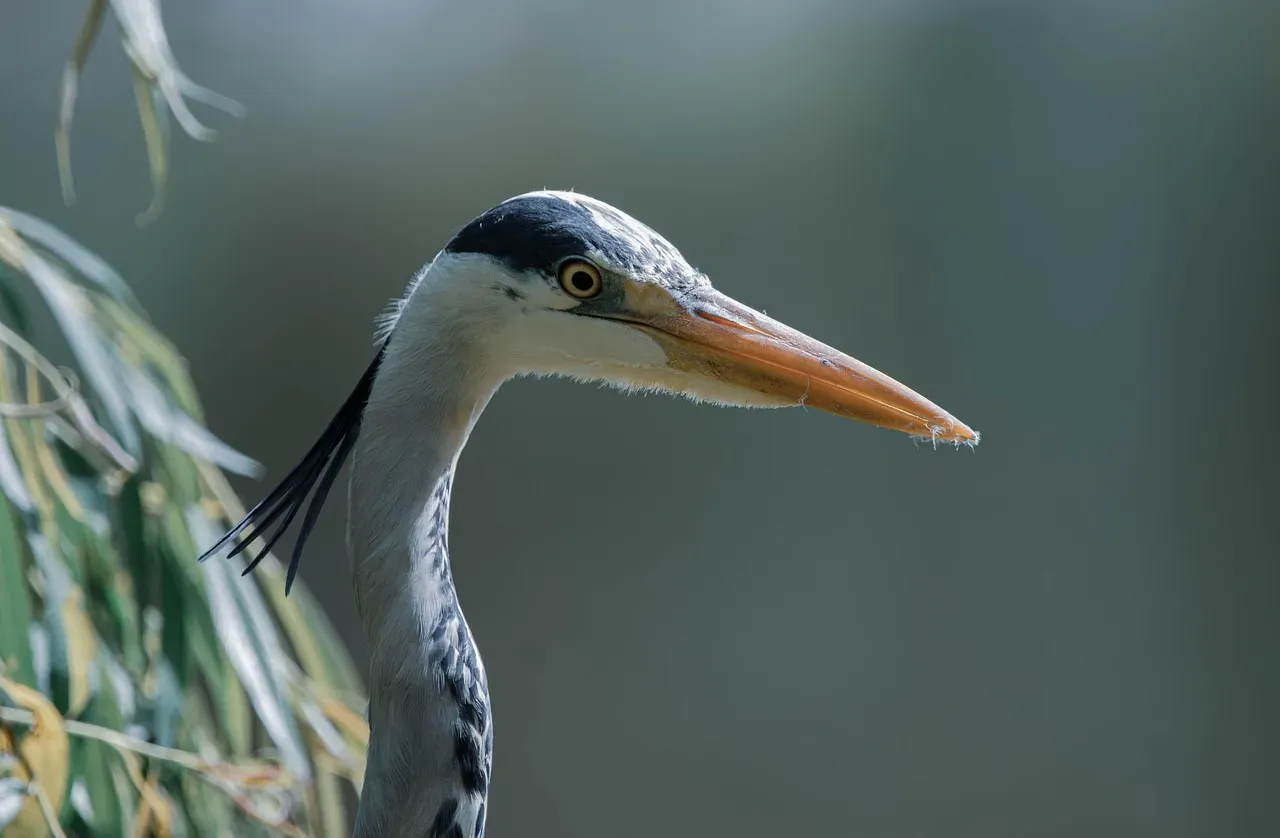
Most heron species are colonial nesters, forming breeding colonies called heronries or rookeries. These colonies can include hundreds or even thousands of nests, often in trees near water bodies. The colonial nesting behavior provides protection against predators through collective vigilance and defense. For birds that spend their days in solitary silence, breeding season represents a complete behavioral reversal.
A grey heron nest is a bulky platform of sticks that can be used year after year. During the breeding season, these nesting sites become incredibly noisy, filled with prehistoric squawking and rattling calls. It’s a bustling community where adults fiercely protect the next generation from ground predators, with birds returning to the same nesting site annually. In fact, some heronries in Europe have been active for over a century.
#9: They Serve as Living Indicators of Wetland Health
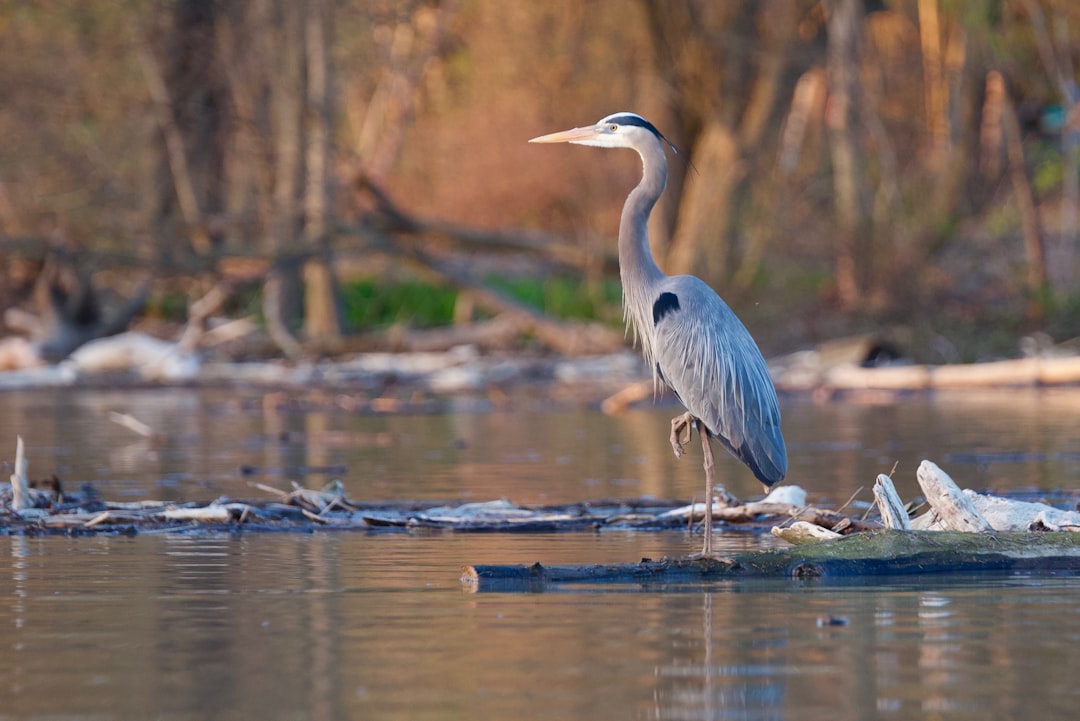
Herons serve as valuable bioindicators because they occupy a position at the top of the food chain in wetland ecosystems. As predators that consume fish, amphibians, and aquatic invertebrates, herons can reflect the overall health of these environments through their presence, abundance, and reproductive success. When herons disappear from an area they’ve historically occupied, that absence carries meaning.
As animals that depend heavily upon aquatic environments, they are susceptible to pollutants, both those in the water and those taken up by fish and other aquatic creatures. The U.S. Fish and Wildlife Service has conducted studies showing that Great Blue Herons are a good indicator species for monitoring environmental contamination in water bodies because of their habitat and habits. Their sensitivity, the very thing that makes them vulnerable, is also what makes them such a reliable measure of ecosystem quality.
#10: The Heron Family Is Far Older and Larger Than Most People Realize
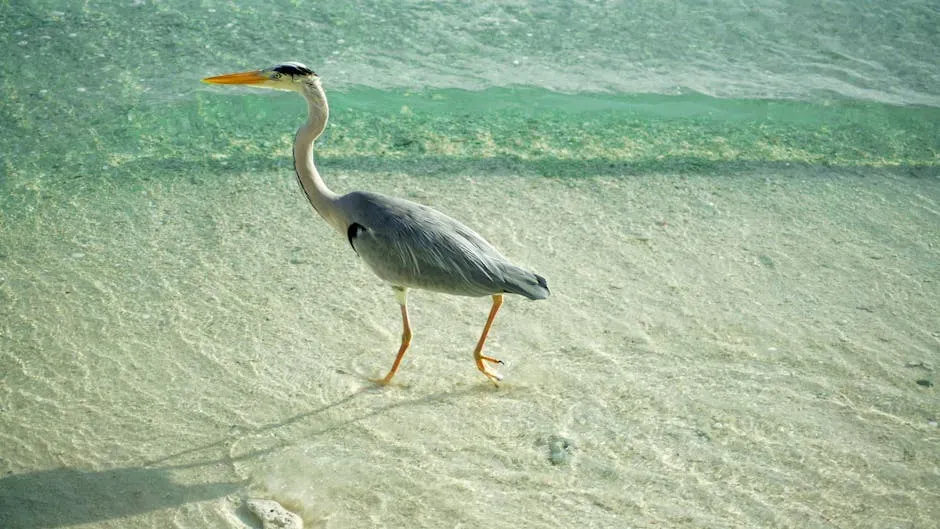
The evolutionary history of the heron family is ancient, extending back to the Early Oligocene epoch, roughly 32 to 30 million years ago. Fossil records, such as an early heron found in Belgium, indicate that these birds have been wading through Earth’s wetlands for millions of years. Long before modern wetlands took their current shape, something recognizably heron-like was already standing at the water’s edge, watching.
Herons are long-legged, long-necked, freshwater and coastal birds in the family Ardeidae, with 75 recognised species, some of which are referred to as egrets or bitterns rather than herons. Egrets do not form a biologically distinct group from herons, and tend to be named differently because they are mainly white or have decorative plumes in breeding plumage. The family is broader, older, and more diverse than the single familiar silhouette at the pond’s edge would ever suggest.
A Final Thought
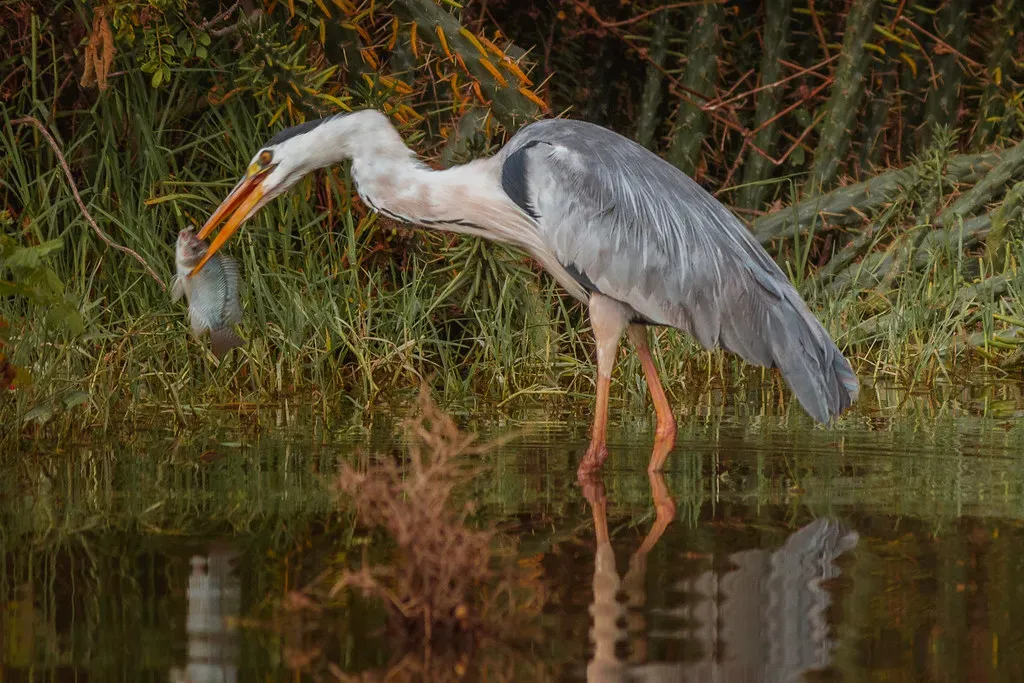
Herons are easy to overlook, precisely because they want to be. Stillness is their strategy, patience is their weapon, and wetlands are their stage. But behind that motionless posture is a creature of extraordinary complexity, with spring-loaded anatomy, cognitive tool use, night vision, self-cleaning feathers, and millions of years of ecological refinement.
The next time you spot one standing alone at the water’s edge, take a moment before walking on. That silence isn’t emptiness. It’s everything working exactly as it should.
