
Worried about unexpected vet bills?
Pet insurance can cover thousands in unexpected vet costs. Get a free quote from Lemonade in under 2 minutes.
Get My Free Quote →Sponsored · Opens Lemonade.com
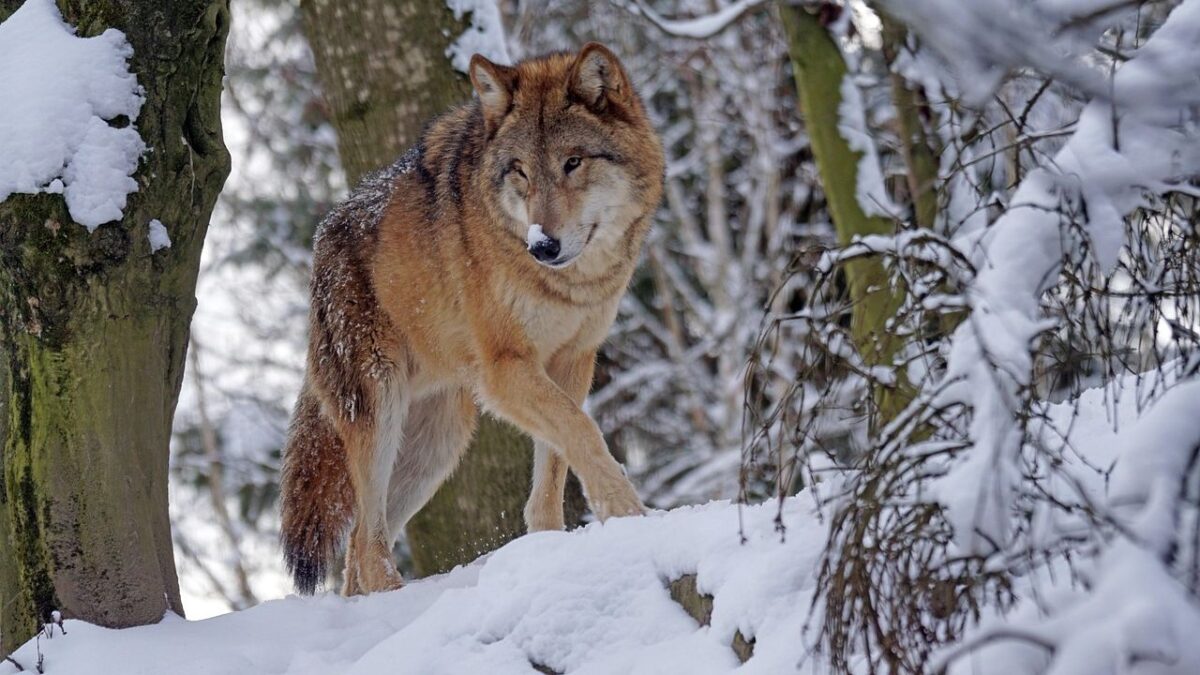
Picture this: a rust-colored ghost slipping through a North Carolina swamp at dusk. The red wolf has become so rare that most Americans will never see one in their lifetime. Only an estimated 28 to 31 American Red Wolves are living in their native North Carolina habitat, making them the most endangered canid species in the world. These creatures were once common across the entire southeastern United States but now cling to survival in a tiny sliver of their former range.
These wolves represent something special. The Red Wolf is uniquely “All-American” as its entire historical range is confined within what is now the United States. Let’s explore ten incredible truths about this elusive predator that might just make you fall in love with America’s most endangered wolf.
They Were Declared Extinct in the Wild in 1980
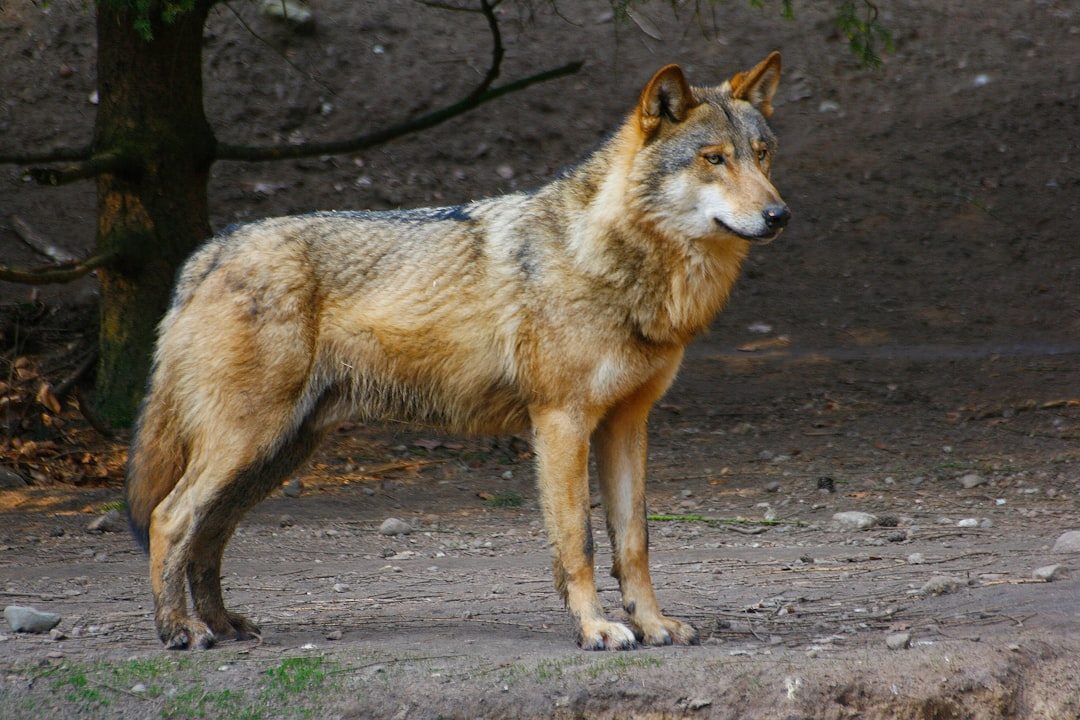
The 1970s marked one of the darkest periods for red wolves. Aggressive predator control and habitat loss reduced the wild American Red Wolf population to a mere 14 wolves by the late 1970s. Imagine the entire species reduced to just 14 individuals. That’s fewer animals than you’d find at a typical neighborhood barbecue.
Despite a captive breeding program and protected status under the 1973 Endangered Species Act, red wolves were declared extinct in the wild in 1980. From those 14 founding wolves, every single red wolf alive today descends. The American Red Wolf reintroduction effort was the first ever reintroduction of a large carnivore in human history. Think about that for a second. Bringing back an entire species from the edge of oblivion was unprecedented.
Red Wolves Are the Only Wolf Species Endemic to America
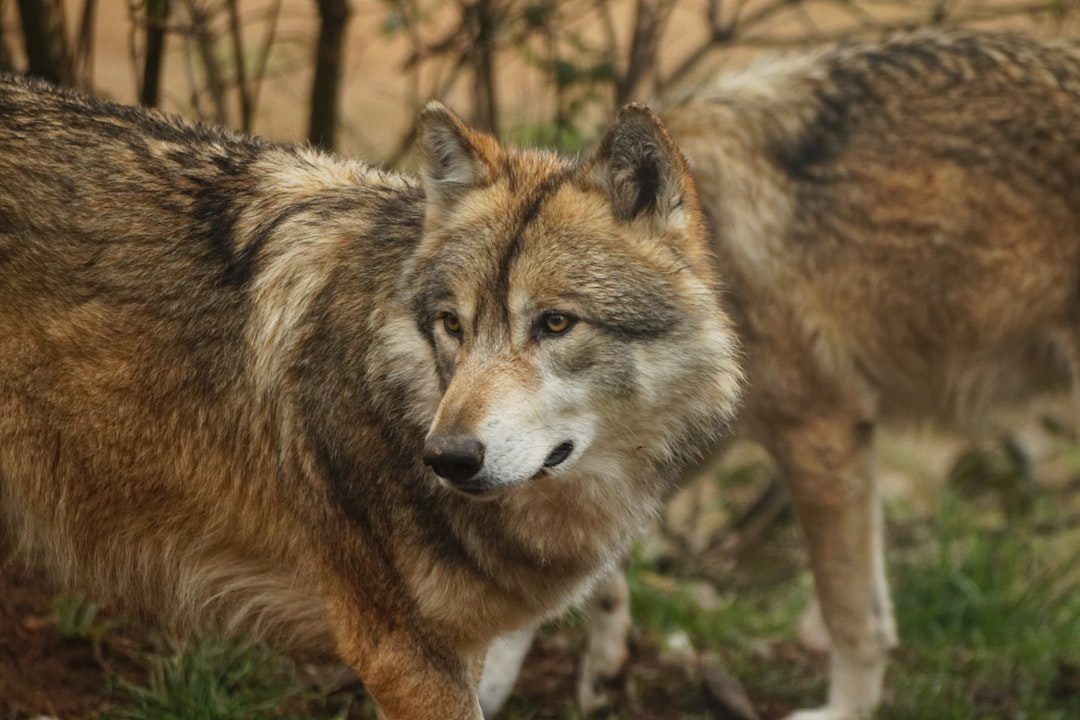
Here’s something that might surprise you. Red wolves are the only species of wolf that lives in the United States – and nowhere else. While gray wolves roam parts of Europe, Asia, and North America, red wolves are exclusively American. Their entire historical range existed solely within the borders of what became the United States.
Red Wolves once inhabited a vast region from southern New York to central Texas, including the entire southeastern United States. From the Atlantic coastline to the central Texas plains, these predators once roamed freely. This creature has lost more of its historical territory – 99.7 percent – than any other large carnivore, including lions, tigers and snow leopards. That’s honestly staggering when you think about it. Nearly their entire world simply vanished within a couple of centuries.
They’re Intermediate in Size Between Coyotes and Gray Wolves
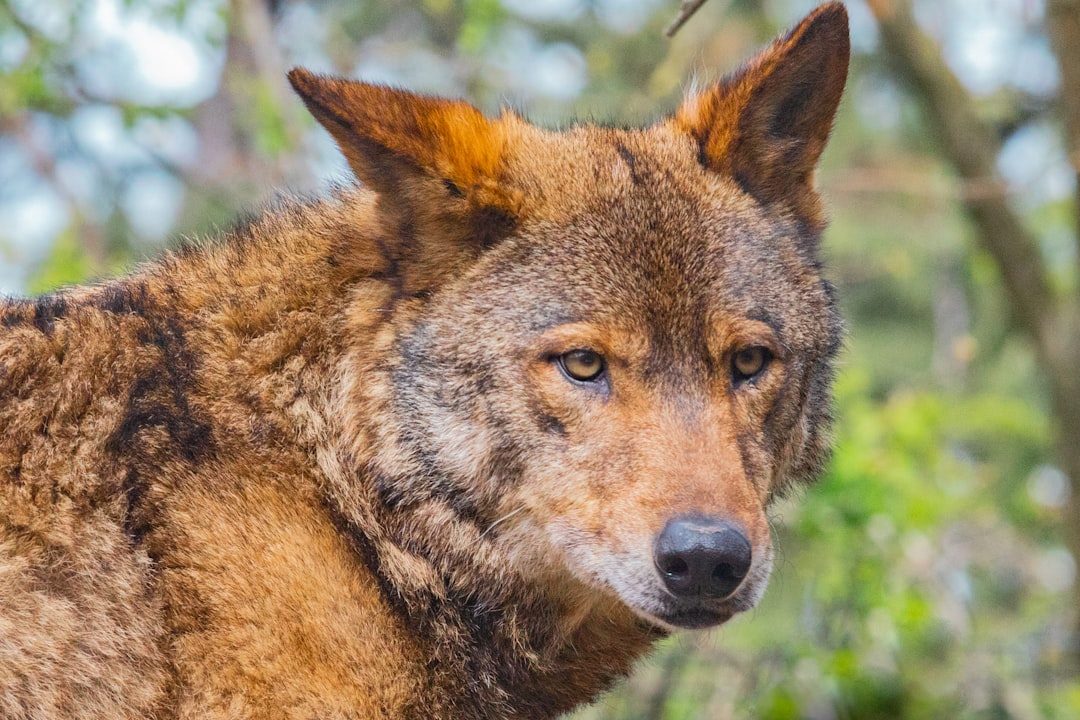
Red wolves stand about 26 inches at their shoulder and are about 4 feet long from the tip of the nose to the tip of the tail. Their body type sets them apart from both their larger gray wolf cousins and smaller coyote relatives. Adult red wolves range in weight from about 45 to 80 pounds. That’s roughly the size of a medium to large dog breed.
Adult red wolves tend to resemble their cousins, the gray wolves, but are usually smaller, and with longer, lankier legs, taller ears and a thinner body. They are often described as resembling a mix between a gray wolf and a coyote. Their physical appearance can cause confusion. Red wolves are known for the characteristic reddish color of their fur most apparent behind the ears and along the neck and legs.
Recent Breeding Success Offers a Glimmer of Hope
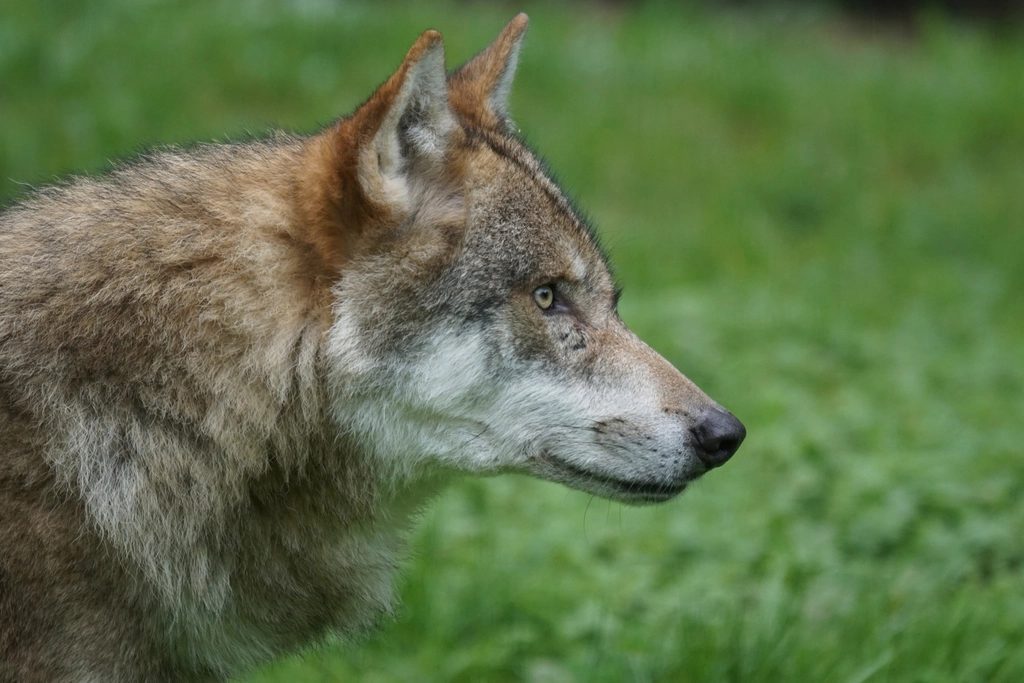
This spring brought news that made conservationists actually smile. In April 2025, critically endangered American Red Wolf, M2191, produced a litter of eight pups in the Alligator River National Wildlife Refuge of eastern North Carolina. This litter represents a minimum 25% increase in the total wild population of American Red Wolves. Eight pups might not sound like much, but when your entire species consists of roughly 30 animals, it’s monumental.
Even more encouraging? In addition to the Milltail pack’s litter, an additional eight pups across three other wild packs have been documented by USFWS this year, representing a major boost for the species’ recovery. Multiple successful litters in one season hadn’t happened in years. That’s the kind of progress that keeps hope alive when extinction feels inevitable.
They Live in Tight-Knit Family Groups
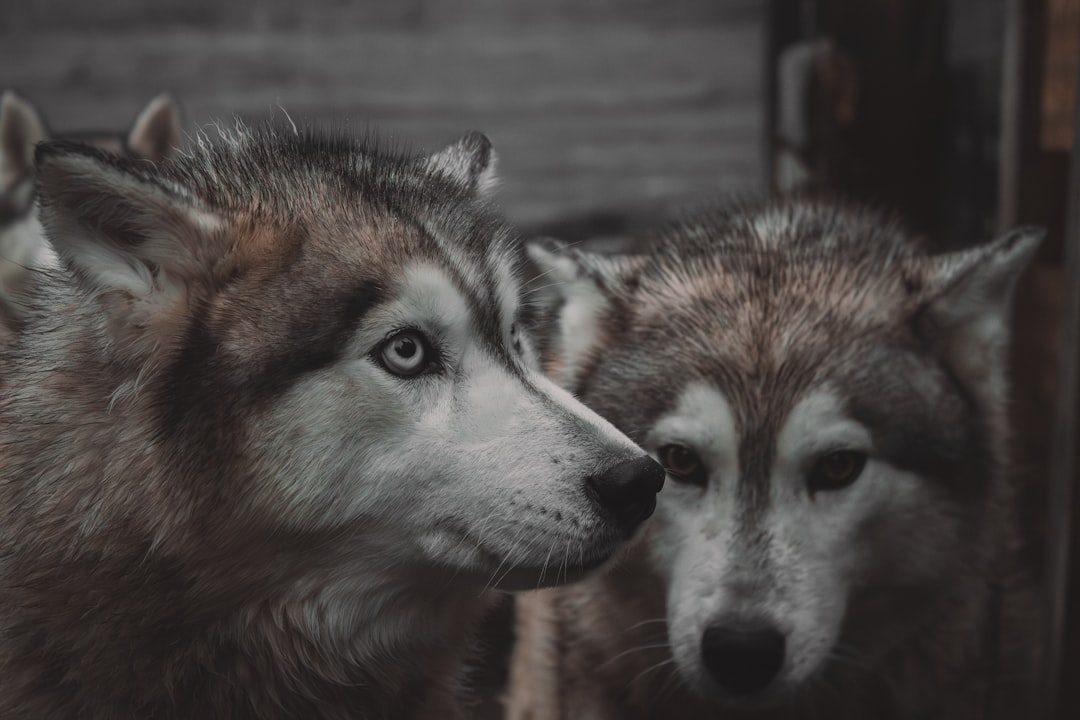
Typical packs consist of a family group that is comprised of five to eight animals, including a breeding adult pair and their offspring of different years. Older offspring will often assist the breeding pair in pup rearing. Red wolves are genuinely social creatures. Their family bonds are strong, with older siblings helping raise their younger brothers and sisters.
Red wolves tend to form pair-bonds for life and mate once a year in February. Pups are typically born in April or May in well-hidden dens that may be located in hollow trees, stream banks and sand knolls. The monogamous pairing between breeding adults creates stable family units. Fewer than half of wolf pups born in the wild survive to adulthood. Life in the wild remains brutally challenging for these young animals, which makes every successful breeding season that much more critical.
Human-Caused Deaths Are the Leading Threat
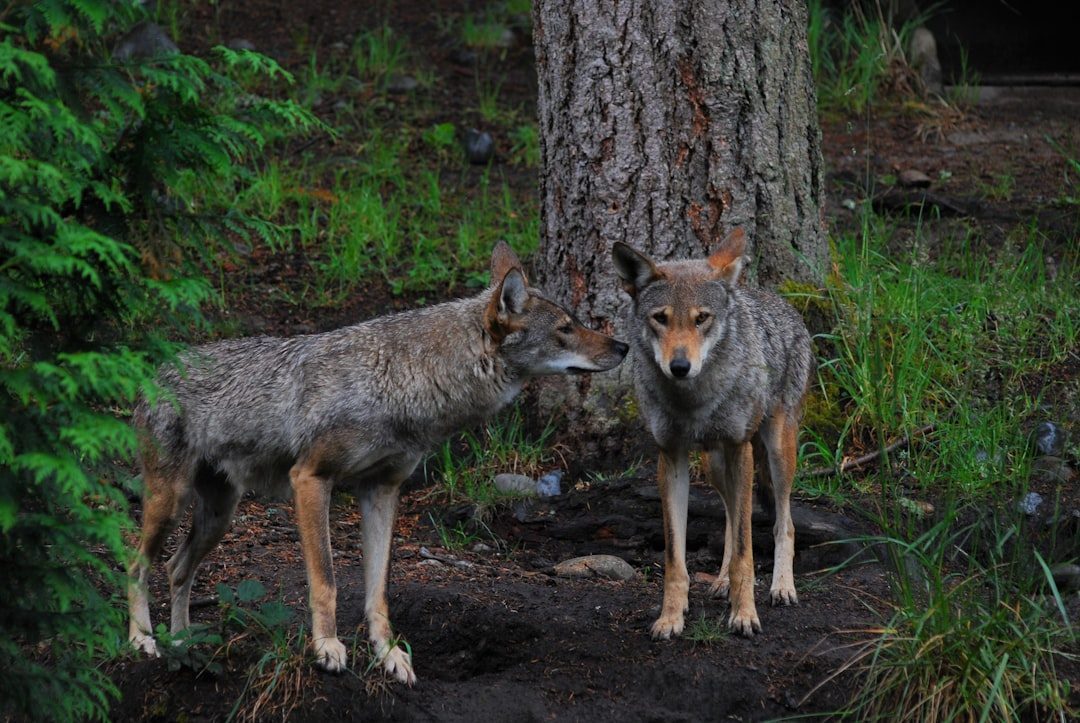
Human-caused events, specifically gunshots and vehicle strikes, are the leading causes of Red Wolf mortality and population decline in the wild. It’s not disease or natural predation wiping them out. It’s us. Red wolves are sometimes mistaken for coyotes and shot by humans, or caught in traps meant for other animals. Honestly, that’s frustrating to think about.
Between June 2023 and June 2024, five red wolves were killed by vehicle collisions. When you only have around 30 animals in the wild, losing five to cars in a single year is devastating. In mid-February 2025, 2443M was struck by a vehicle on the refuge and did not survive. This loss was a stark reminder of the dangers wildlife face, even within protected areas. Each death feels like a countdown toward extinction.
Around 280 Red Wolves Live in Captive Breeding Programs
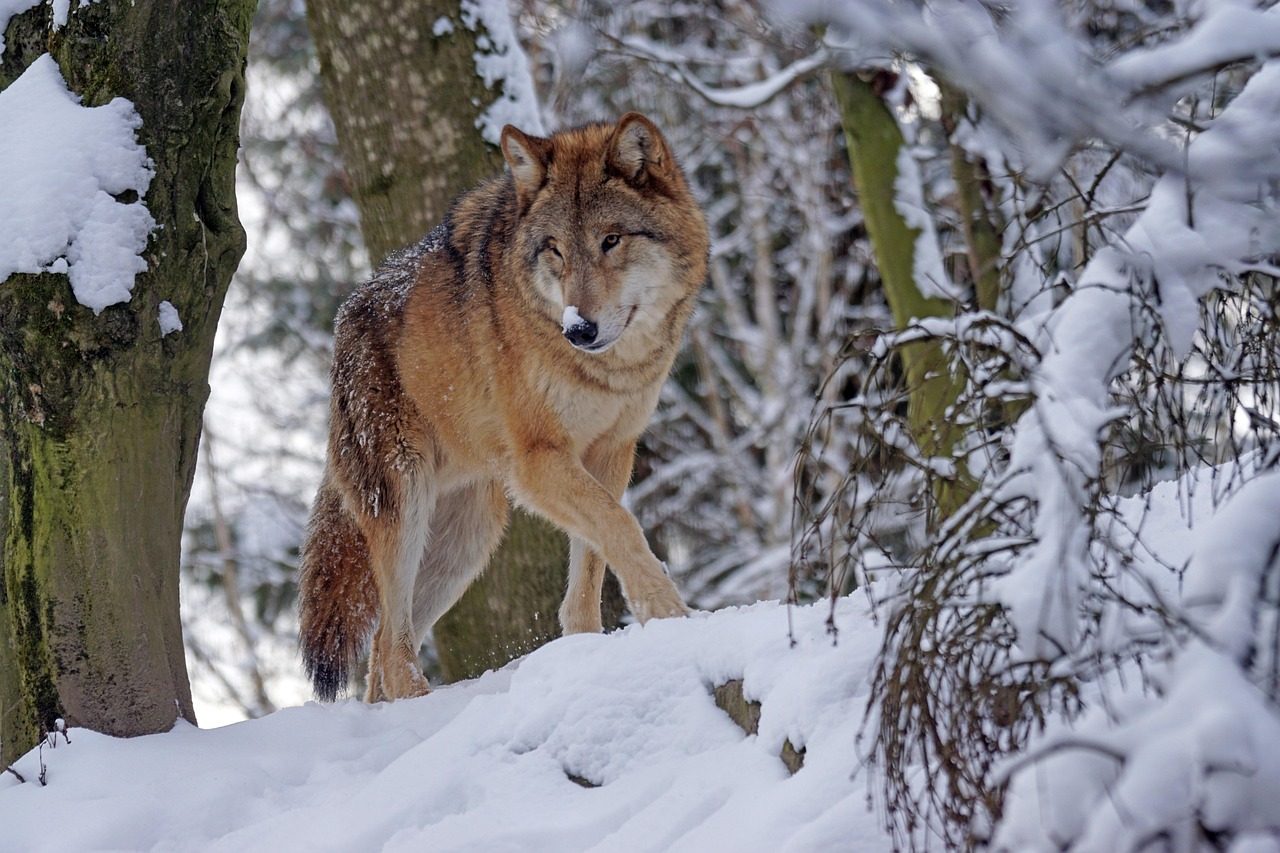
While the wild population struggles, there’s a backup plan. As of August 2025, there are approximately 280 Red Wolves in SAFE facilities across the country. These captive breeding programs have become essential lifelines for the species. There are around 310 individuals under human care and in the wild combined. There are 52 partner facilities, 22 of which are institutions accredited by the Association of Zoos and Aquariums.
In the 2024-2025 breeding season, 29 breeding pairs were established and 43 pups in 12 litters were born – of which 26 survived, adding to the SAFE population. These programs have gotten really good at keeping pups alive. Historically, whelping success was around 25%; for the last 3 years success has been 45%, 38%, and 46%. Historically, pup survival was around 65%; for the last 3 years, survival has been 72%, 79%, and 67%. That kind of improvement doesn’t happen by accident.
They’re Habitat Generalists With Diverse Diets
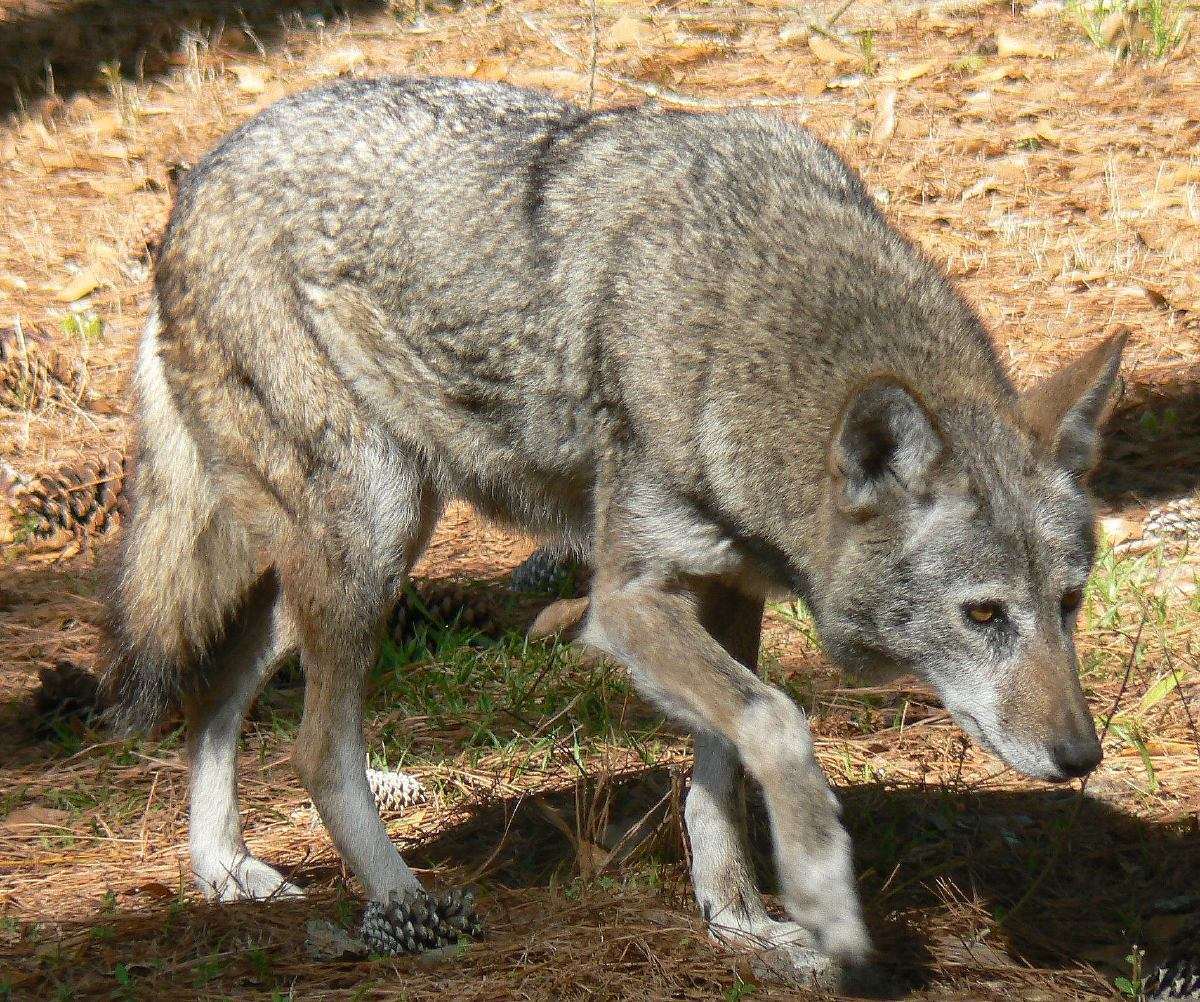
Red wolves are habitat generalists and can thrive in most settings where prey populations are adequate and persecution by humans is slight. They don’t need one specific type of landscape. Equally at home in forests, swamps, and coastal prairies, Red Wolves can thrive in a wide range of habitats. That adaptability once allowed them to thrive across the entire Southeast.
The exact diet of red wolves varies depending on available prey, it usually consists of a combination of white-tailed deer, raccoons and smaller mammals like rabbits, rodents and nutria. The red wolf is an opportunistic feeder and can travel up to 20 miles a day or more to find food. They aren’t picky eaters, which makes sense for a predator trying to survive. Telemetry studies in eastern North Carolina indicate that red wolf home range requirements vary from about 20 to 80 square miles, depending on availability of prey.
Their Taxonomic Status Remains Controversial
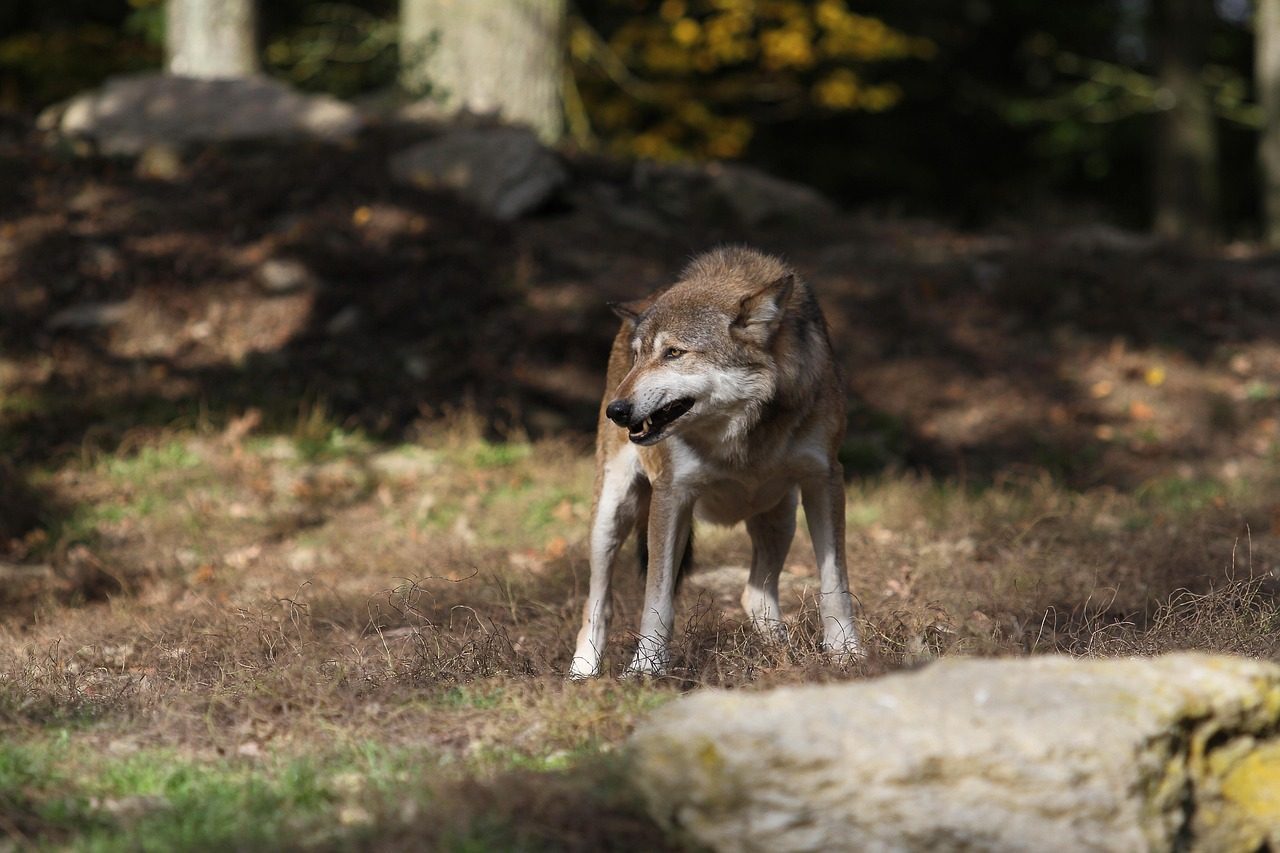
The red wolf’s taxonomic classification as being a separate species has been contentious for nearly a century, being classified either as a subspecies of the gray wolf Canis lupus rufus, or a coywolf (a genetic admixture of wolf and coyote). Scientists have debated for decades whether red wolves are a distinct species or a hybrid. Some research suggests they show genetic contributions from both gray wolves and coyotes.
The red wolf population shows evidence of past genetic contributions from populations related to gray wolves, coyotes, or both. Several different analyses of genetic data suggest that red wolves are more closely related to coyotes than they are to gray wolves. The science is complicated, and different studies reach different conclusions. Because of this, it is sometimes excluded from endangered species lists, despite its critically low numbers. The debate has real-world consequences for conservation efforts and legal protections.
Conservation Efforts Continue Despite Setbacks
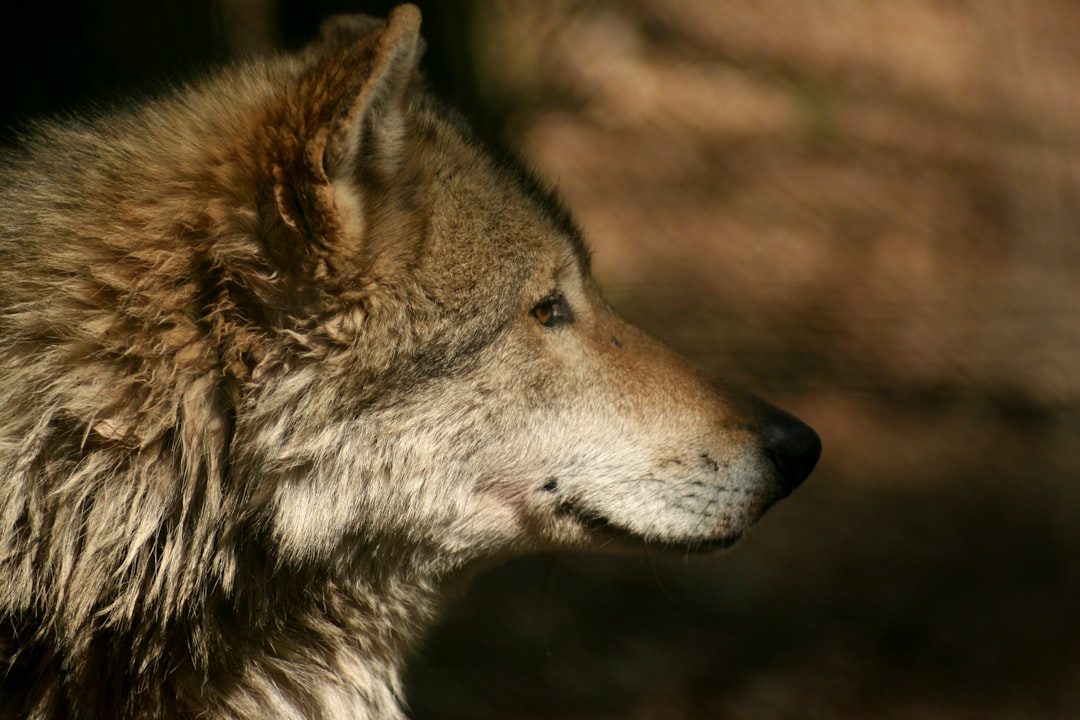
In 2023, a landmark settlement guarantees continued federal recovery efforts, requiring annual plans to release wolves into the wild and giving this species hope for long-term recovery. Legal battles and court decisions have forced renewed conservation action. After years of stagnation, things are finally moving forward again.
The Service is working toward a future where Red Wolves coexist with humans in multiple wild, free and viable populations across the historic range where threats are managed through conservation activities, alignment of conservation policy, and public trust and community engagement. The vision is ambitious. Red wolves are considered a keystone species. They are critical for the proper functioning of an ecosystem, using top-down mechanisms known as trophic cascades. Their role in healthy ecosystems extends far beyond just being predators.
The red wolf’s story is one of resilience against impossible odds. From 14 survivors to a fragile population clinging to existence in North Carolina’s coastal swamps, these animals have defied extinction. Their future remains uncertain, but recent breeding success and renewed conservation commitment offer reasons for cautious optimism. Every pup born, every wolf released, every person who learns their story adds another chapter to their survival. Will we write an ending where red wolves reclaim their rightful place in American wilderness, or will they fade into history as just another species we couldn’t save? What do you think it would take to truly bring them back?
Worried about unexpected vet bills?
Pet insurance can cover thousands in unexpected vet costs. Get a free quote from Lemonade in under 2 minutes.
Get My Free Quote →Sponsored · Opens Lemonade.com

- 15 Things Backyard Birding Experts Say Will Bring Hummingbirds Back Years After They Stopped Visiting - June 10, 2026
- 14 Things Riding Instructors Quietly Notice About New Horse Owners Before They Even Saddle Up - June 10, 2026
- What It Means When an Owl Appears Near Your House Repeatedly - June 10, 2026