


Worried about unexpected vet bills?
Pet insurance can cover thousands in unexpected vet costs. Get a free quote from Lemonade in under 2 minutes.
Get My Free Quote →Sponsored · Opens Lemonade.com
The world’s biodiversity is under unprecedented threat. According to the International Union for Conservation of Nature (IUCN), more than 40,000 species are at risk of extinction – that’s approximately 28% of all assessed species. While this statistic might feel overwhelming, there’s hopeful news: you don’t need to be a conservation scientist or travel to remote locations to make a meaningful difference. From your living room, kitchen, or home office, you can contribute to conservation efforts that help endangered species survive and recover. This article explores practical, accessible ways you can support endangered wildlife protection without leaving your home, proving that small actions, when multiplied across communities, can create significant positive change for our planet’s most vulnerable creatures.
Understanding the Extinction Crisis

Before diving into solutions, it’s important to understand the scale of the problem. We are currently experiencing what scientists call the sixth mass extinction, with species disappearing at 100 to 1,000 times the natural background rate. Unlike previous mass extinctions caused by asteroid impacts or volcanic eruptions, this one is primarily driven by human activities: habitat destruction, pollution, climate change, overexploitation, and invasive species. The World Wildlife Fund’s Living Planet Report indicates a shocking 69% average decline in wildlife populations since 1970. Each extinction represents not just the loss of a unique species but potentially disrupts entire ecosystems, affecting everything from pollination services to disease regulation. While the statistics are sobering, they also highlight the urgency of action—and yes, your individual contributions do matter in this global effort.
Digital Volunteering for Conservation Projects

One of the most direct ways to help endangered species from home is through digital volunteering. Zooniverse, the world’s largest platform for people-powered research, offers numerous projects where you can analyze actual conservation data. For example, “Snapshot Safari” asks volunteers to identify animals in camera trap photos from wildlife reserves across Africa, helping researchers monitor endangered species like the black rhinoceros and African wild dog. Similarly, “Penguin Watch” needs help counting penguins in Antarctica, including the endangered Emperor penguin. The Smithsonian’s “Elephant Expedition” project uses citizen scientists to track forest elephants, helping inform protection strategies. By dedicating even just 15 minutes a week to these projects, you’re providing valuable data that would otherwise require thousands of hours of researcher time, effectively accelerating conservation efforts from your computer.
Financial Support Through Legitimate Organizations

While monetary contributions might seem like an obvious solution, knowing which organizations truly make an impact is crucial. Organizations like the World Wildlife Fund, the Nature Conservancy, and the Wildlife Conservation Society have established track records of effective conservation work. For more targeted impact, consider organizations focused on specific endangered species, such as Save the Elephants, Polar Bears International, or the Jane Goodall Institute. Before donating, verify an organization’s effectiveness through charity evaluators like Charity Navigator or GiveWell, which assess financial health, accountability, and results. Even small monthly donations (as little as $5-10) create reliable funding streams for conservation programs. Some organizations offer “adoption” programs where your contribution directly supports protection for individual animals of endangered species, often providing updates on conservation progress, making your impact tangible and personal.
Eco-Friendly Shopping Choices
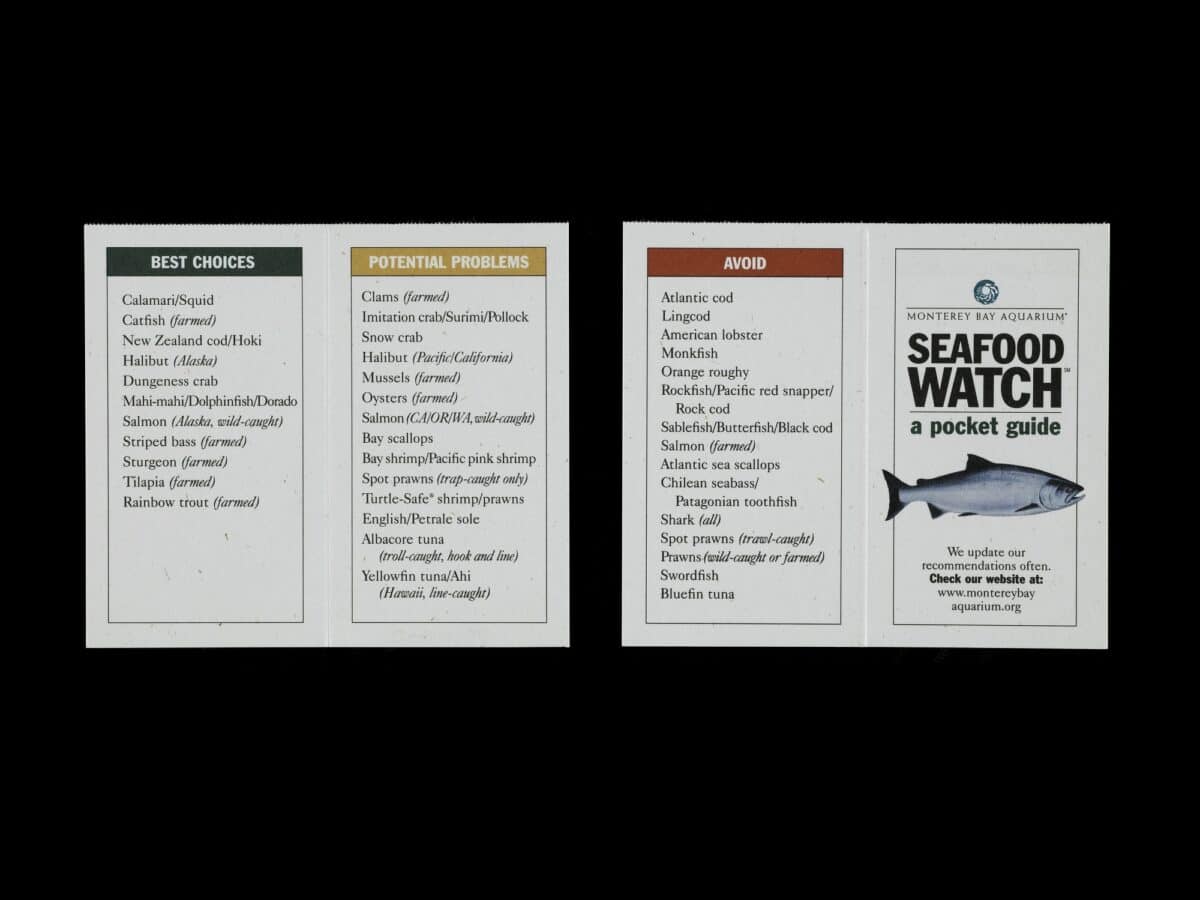
Your purchasing decisions form a powerful tool for conservation. Products containing palm oil, for example, contribute to deforestation that threatens orangutans, Sumatran tigers, and countless other species. Using apps like Palm Oil Scanner or the Sustainable Palm Oil Shopping Guide helps identify products using sustainable palm oil or alternatives. For seafood, the Monterey Bay Aquarium’s Seafood Watch app identifies ocean-friendly options that don’t threaten endangered marine species. When buying wood products, look for Forest Stewardship Council (FSC) certification, ensuring materials weren’t harvested from critical habitats. Choose shade-grown coffee, which preserves forest canopy critical for migratory birds and primates. Even clothing choices matter—conventional cotton farming uses extensive pesticides harmful to wildlife, while bamboo, hemp, and organic cotton provide more sustainable alternatives. By redirecting your spending toward wildlife-friendly products, you’re communicating to manufacturers that conservation matters to consumers, potentially influencing entire supply chains.
Creating Wildlife-Friendly Gardens

If you have access to outdoor space, even a small balcony or windowsill, you can create microhabitats that support endangered pollinators and birds. Monarch butterflies, which have declined by over 80% in recent decades, depend on milkweed plants that you can easily grow in containers. Native plant gardens support not just monarchs but numerous other pollinators facing population declines, including various bee species. The National Wildlife Federation’s Garden for Wildlife program provides region-specific guidance for creating certified wildlife habitats at home. For bird conservation, installing appropriate nest boxes can support species like bluebirds and purple martins whose natural nesting sites have diminished. Even apartment dwellers can hang hummingbird feeders or plant window boxes with native flowering plants. Beyond providing direct habitat, your garden can become an educational tool for neighbors and visitors, spreading awareness about the importance of native plants and wildlife corridors in urban and suburban landscapes.
Reducing Single-Use Plastics

Plastic pollution poses a deadly threat to numerous endangered marine species, including sea turtles, seabirds, and marine mammals. An estimated 8 million metric tons of plastic enter our oceans annually, with devastating consequences—over 700 marine species have been documented ingesting or becoming entangled in plastic. Taking steps to reduce your plastic consumption directly impacts these vulnerable species. Start by eliminating the “big four”: plastic bags, bottles, straws, and coffee cups, replacing them with reusable alternatives. Track your progress using apps like MyPlastic Diary to quantify your impact. Beyond personal use, advocate for reduced packaging when contacting companies about their products. Organizations like the Plastic Pollution Coalition and 5 Gyres provide resources for reducing plastic consumption and participating in community cleanup efforts. By documenting your plastic reduction journey on social media, you can inspire others to join, creating a multiplier effect that significantly reduces the plastic reaching our oceans and threatening endangered marine life.
Citizen Science Applications

Your smartphone can become a powerful conservation tool through citizen science apps. iNaturalist lets you photograph plants and animals, contributing to biodiversity databases used by scientists to track species distributions, including rare and endangered ones. The Cornell Lab of Ornithology’s eBird platform uses observations from amateur birdwatchers to monitor population trends and migration patterns of threatened bird species. The FrogWatch USA program needs volunteers to listen for and record frog calls, helping track amphibian populations—among the most endangered vertebrate groups. Marine-focused apps like OceanEye allow beachgoers to document marine debris and wildlife sightings, while WhaleAlert helps prevent ship collisions with endangered whale species. These projects demonstrate the power of collective observation—when thousands of people record what they see in their local environments, scientists gain unprecedented data coverage that would be impossible through traditional research methods alone. Your participation provides crucial early warning systems for species in decline and helps document recovery in conservation success stories.
Political Advocacy From Your Couch
Conservation policy shapes how societies protect endangered species, and your voice matters in this process. Digital advocacy platforms make it easier than ever to contact elected officials about conservation issues. Sites like the Endangered Species Coalition, Defenders of Wildlife, and the Center for Biological Diversity offer pre-written letters you can send to representatives supporting strengthened endangered species protections. Online petitions through platforms like Change.org and Care2 have successfully pressured corporations to adopt wildlife-friendly practices, from reducing plastic production to sourcing sustainable palm oil. Follow conservation organizations on social media to stay informed about urgent advocacy needs, such as public comment periods for endangered species listings or proposed habitat protections. While individual actions matter, policy change creates the framework for broader conservation success. By dedicating just 30 minutes monthly to focused advocacy, you can help shape policies that protect endangered species across entire regions and ecosystems, amplifying your individual conservation impact.
Energy Consumption and Endangered Species

Climate change threatens an estimated one in six species globally, making your energy choices directly relevant to endangered species conservation. Simple home modifications like switching to LED bulbs, improving insulation, and upgrading to energy-efficient appliances reduce your carbon footprint. For more significant impact, consider installing programmable thermostats or exploring community solar programs that don’t require rooftop installation. The energy you save at home helps mitigate climate threats to species like polar bears losing sea ice habitat, coral reef species suffering from ocean warming and acidification, and high-elevation species like mountain gorillas experiencing habitat shifts. Apps like Earth Hero or Carbon Footprint Calculator can track your progress in reducing emissions. While individual actions may seem small, collective energy conservation creates meaningful climate mitigation. Additionally, demonstrating consumer demand for renewable energy helps accelerate the transition away from fossil fuels, addressing one of the most significant long-term threats to biodiversity worldwide.
Sustainable Diet Choices

What we eat has profound implications for endangered species. Agriculture drives approximately 80% of global deforestation, directly threatening forest-dwelling endangered species. Reducing meat consumption, particularly beef, helps combat deforestation in biodiversity hotspots like the Amazon, home to endangered species including jaguars, harpy eagles, and countless less visible but equally important species. Choosing sustainable seafood protects marine ecosystems where endangered species like bluefin tuna, certain sharks, and seahorses struggle to survive. The Marine Stewardship Council (MSC) certification helps identify sustainable options. Supporting shade-grown coffee and cacao preserves canopy habitats critical for numerous endangered species, particularly in tropical regions. Even growing some of your own food reduces the agricultural footprint threatening wildlife habitat. Apps like HowGood and Ethical Barcode help identify food products with stronger environmental credentials. By making conscious food choices and reducing food waste (which accounts for roughly 8% of global greenhouse gas emissions), you’re directly reducing pressure on natural habitats that endangered species depend on for survival.
Digital Cleanup for Conservation

Few people realize that digital activities contribute to carbon emissions that exacerbate climate change and its effects on endangered species. The energy required to store emails, photos, and unused files in cloud services consumes significant electricity—often still generated from fossil fuels. By regularly cleaning out digital clutter, unsubscribing from unwanted email lists, and streamlining cloud storage, you can reduce your digital carbon footprint. Video streaming at the highest resolution significantly increases energy use; simply reducing streaming quality when ultra-high definition isn’t necessary saves energy. Consider using search engines like Ecosia, which uses ad revenue to plant trees in biodiversity hotspots that support endangered species. When upgrading devices, recycle electronics properly to prevent toxic components from polluting habitats and opt for refurbished products when possible to reduce manufacturing impacts. While these digital cleanup activities might seem removed from endangered species conservation, they collectively reduce energy demand that drives climate change—one of the most pervasive threats to endangered species worldwide.
Educational Outreach Through Social Media

Your social networks offer powerful platforms for endangered species advocacy. By sharing accurate, compelling information about endangered species, you help build broader public support for conservation efforts. Follow reputable conservation organizations like the IUCN, WWF, and National Geographic for shareable content about endangered species. When sharing, focus on solutions rather than just problems—stories of conservation success inspire action rather than despair. Create themed content around conservation awareness days, such as Endangered Species Day (May 21) or World Wildlife Day (March 3), when audiences are particularly receptive to these messages. If you have expertise or passion for particular species, consider creating your own educational content—blogs, videos, or infographics that explain conservation challenges and solutions. Tag relevant conservation organizations and use strategic hashtags to extend your reach. By becoming a digital ambassador for endangered species, you leverage your social connections to build conservation awareness far beyond your immediate circle, potentially inspiring others to adopt the very at-home conservation actions outlined in this article.
The extinction crisis facing our planet may seem overwhelming, but as we’ve explored throughout this article, meaningful conservation action doesn’t require specialized training or travel to distant locations. By integrating small but strategic actions into your daily life—from digital volunteering and sustainable shopping to wildlife-friendly gardening and political advocacy—you create ripple effects that contribute to endangered species protection worldwide. Remember that conservation success is built on collective action; when thousands or millions of people make similar choices, the impact becomes substantial. Conservation history shows that endangered species can recover when given adequate protection and support—the American bald eagle, gray wolf, and humpback whale all represent species that have rebounded through concerted conservation efforts. Your at-home actions are valuable threads in this larger tapestry of species recovery and protection, proving that geographic limitations need not prevent anyone from becoming an effective conservation advocate.
Worried about unexpected vet bills?
Pet insurance can cover thousands in unexpected vet costs. Get a free quote from Lemonade in under 2 minutes.
Get My Free Quote →Sponsored · Opens Lemonade.com

- Top Destinations for Birdwatchers to Spot Rare Species - June 10, 2026
- 17 Stunning Long-Haired Cat Breeds You’ll Adore - June 10, 2026
- Why Coyotes Are Outpacing Urban Development - June 10, 2026