
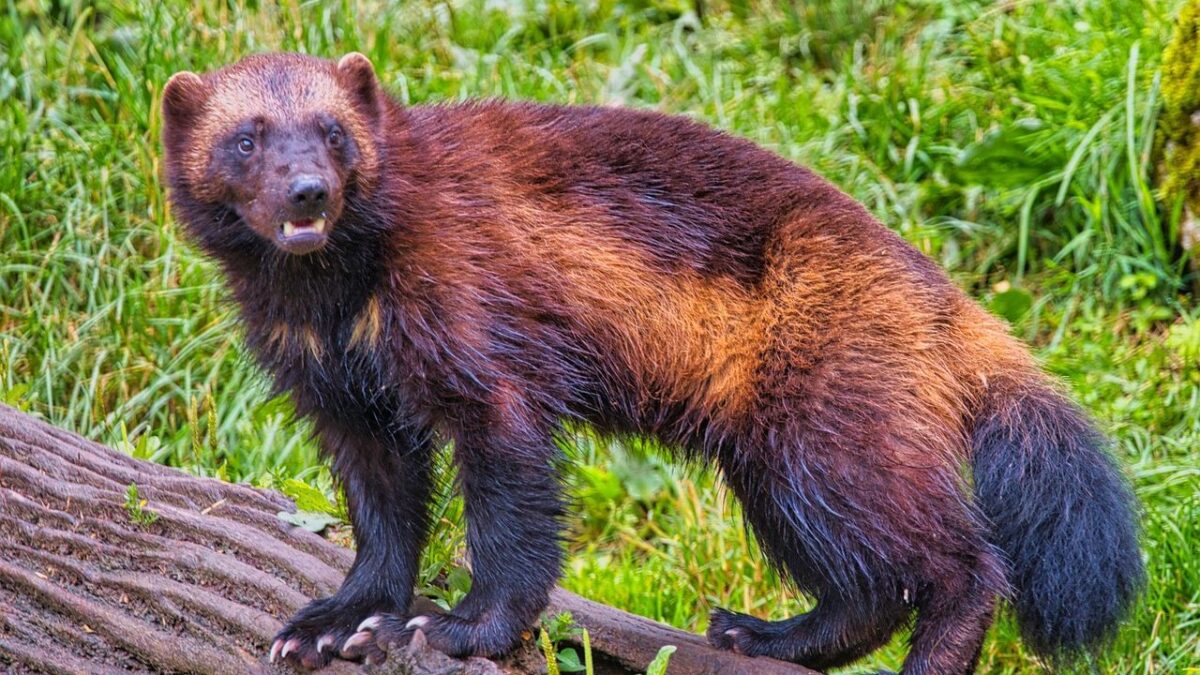
Every so often, a number stops you cold. In 1982, just 22 California condors remained on the entire planet. Not in a region. Not in a state. On Earth. That figure represents one of the most alarming population collapses in recorded natural history, and yet, in 2026, that same species has crossed 600 individuals and is nesting in places it hasn’t touched in over a century. It is a story of almost unimaginable scientific effort and determination.
Across the United States, dozens of species are fighting the same kind of uphill battle. Habitat loss, climate disruption, pollution, and decades of human encroachment have pushed many American animals to the very edge. Endangered species worldwide are disappearing at an alarming rate, with some facing imminent extinction, and conservation science is now deploying innovative tools to reverse these declines, combining genomics, captive breeding, artificial insemination, and habitat restoration. The ten animals below are among the most imperiled in America. Each one also has a team of scientists, field biologists, and conservation advocates working urgently on its behalf.
1. California Condor – The Bird That Came Back from 22
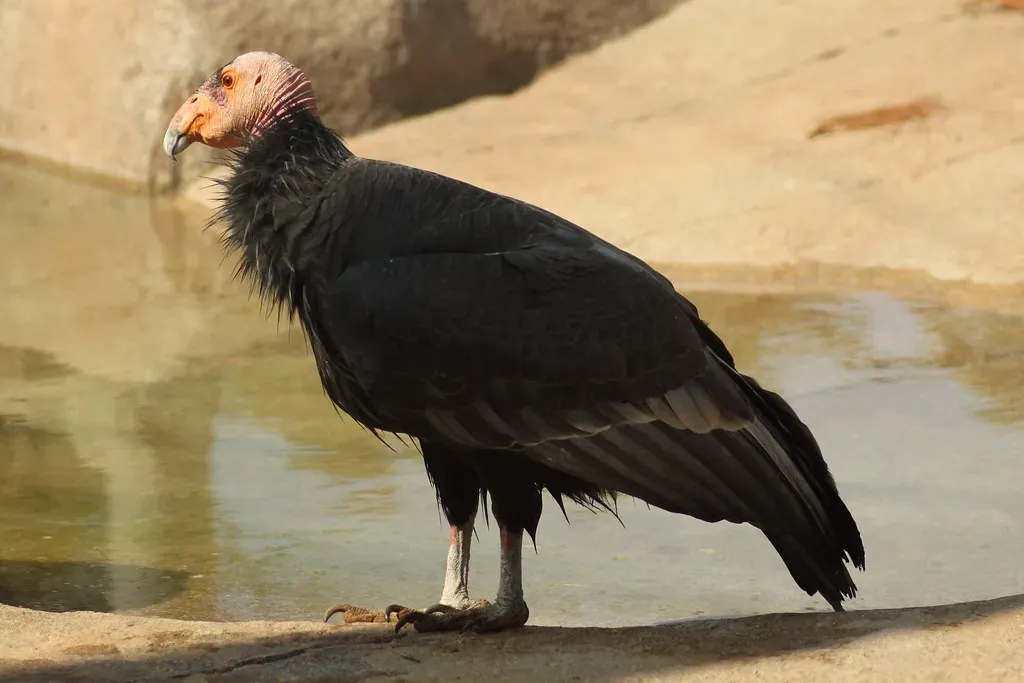
The California condor, with a wingspan of 9.5 feet and weighing up to 25 pounds, is the largest land bird in North America, and once ranged from California to Florida and from Western Canada to Northern Mexico. By the mid-20th century, condor populations had dropped dramatically, and by 1967, the California condor was listed as “endangered” by the federal government. The causes were a grim combination of lead poisoning from bullet fragments in animal carcasses, power line collisions, and the long shadow of DDT use, which compromised eggshell integrity across generations.
Wildlife biologists made a tough call in 1987: capture every last one for captive breeding, betting on eggs and incubators to rebuild flocks. The gamble paid off over decades of dedicated work. By December 2025, the world population recovered to reach 607 specimens, marking a milestone in one of the most expensive conservation projects in the United States. In early 2026, a pair of California condors reintroduced to the Pacific Northwest by the Yurok Tribe appeared to have established the species’ first nest in the region in more than 100 years. Yet the battle continues: lead poisoning from ammunition fragments in carrion remains the leading cause of condor mortality, and avian influenza killed more than 20 condors in the Southwest flock in recent years.
2. Red Wolf – The World’s Most Endangered Wolf
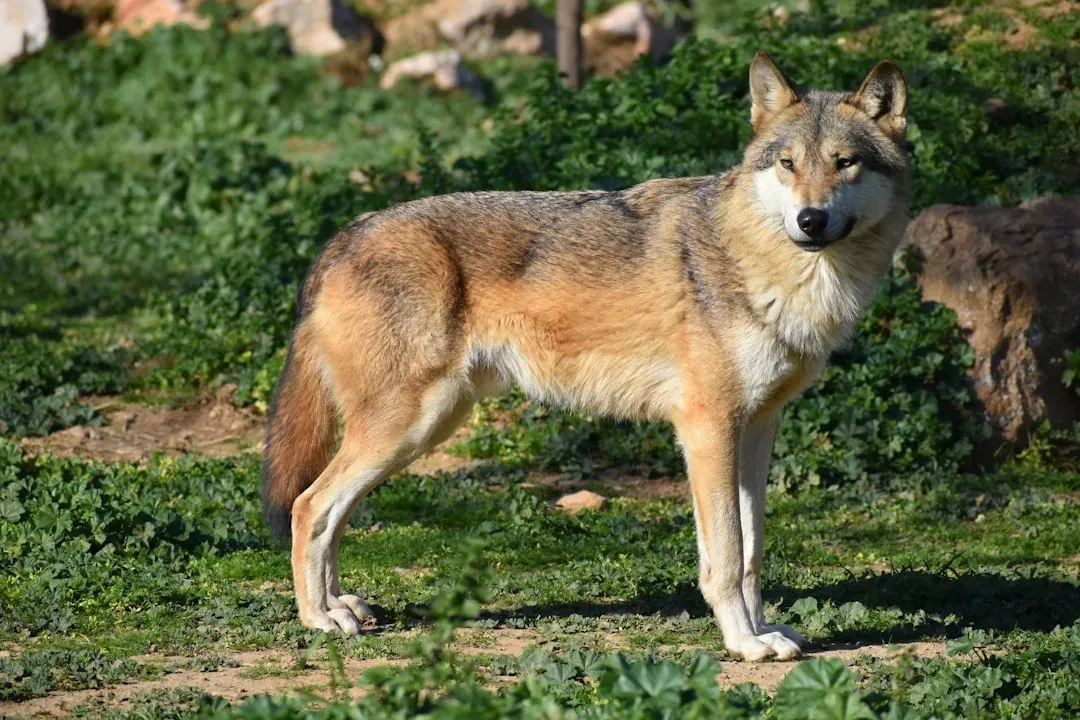
Identifiable by its reddish fur behind the ears, neck, and legs, the red wolf is the world’s most endangered wolf, and the International Union for Conservation of Nature now categorizes it as critically endangered. Once common in eastern and south central regions of the US, the red wolf was listed as a species “threatened with extinction” under the Endangered Species Preservation Act in 1967, after population numbers dropped significantly due to decades of human activity including gunshots and vehicle collisions. By the early 1970s, the only remaining wild individuals had been compressed into a tiny strip of coastal land in southeast Texas and southwest Louisiana.
Recovery efforts in the wild began in northeastern North Carolina with the establishment of what is referred to today as the Eastern North Carolina Red Wolf Population, with releases from the captive breeding population beginning in 1987 on Alligator River National Wildlife Refuge. Between 1987 and 1994, over 60 adult red wolves from the program were released. By the mid-1990s, red wolves in the wild maintained territories, formed packs, and successfully bred. The most recent chapter is quietly encouraging: in August 2025, 16 red wolf pups were reported on the landscape, and in January 2026, the survival of 10 was confirmed, with each fitted with an orange GPS collar before being re-released.
3. North Atlantic Right Whale – Racing Against the Rope
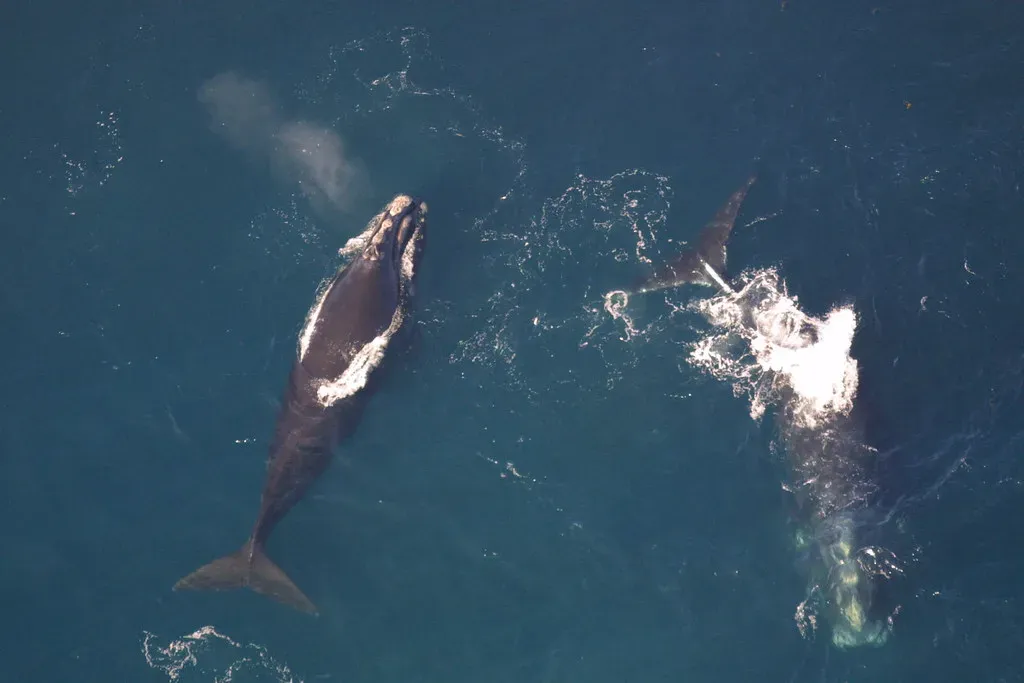
The IUCN classifies North Atlantic right whales as critically endangered. As of 2025, only around 370 of these whales are left, with just 70 reproductive-age females among them. That reproductive bottleneck makes every single birth consequential. Since 2017, roughly three quarters of the 123 known incidents that have killed or seriously injured right whales are due to confirmed vessel strikes or gear entanglements. The deaths of female right whales carry especially grave implications because right whale females are not sexually reproductive until the age of ten and produce only one calf every six to ten years.
There have been signs of fragile hope in the 2025 to 2026 calving season. Each fall through spring, North Atlantic right whales give birth in the shallow, coastal waters of the Southeast. This calving season, 23 calves were born, the highest number since 2009. Throughout the season, there were approximately 500 sightings of 129 right whales in the Southeast, and seeing such a large portion of the population in the calving grounds suggests reproductive health may be improving. Scientists and fishing industry representatives are also collaborating on ropeless fishing technology. Planning for Atlantic Large Whale Take Reduction Team meetings in late 2026 and early 2027 is underway to develop entanglement risk reduction recommendations, with a final rule targeted by December 2028.
4. Black-Footed Ferret – A Species Undone by Prairie Dog Politics
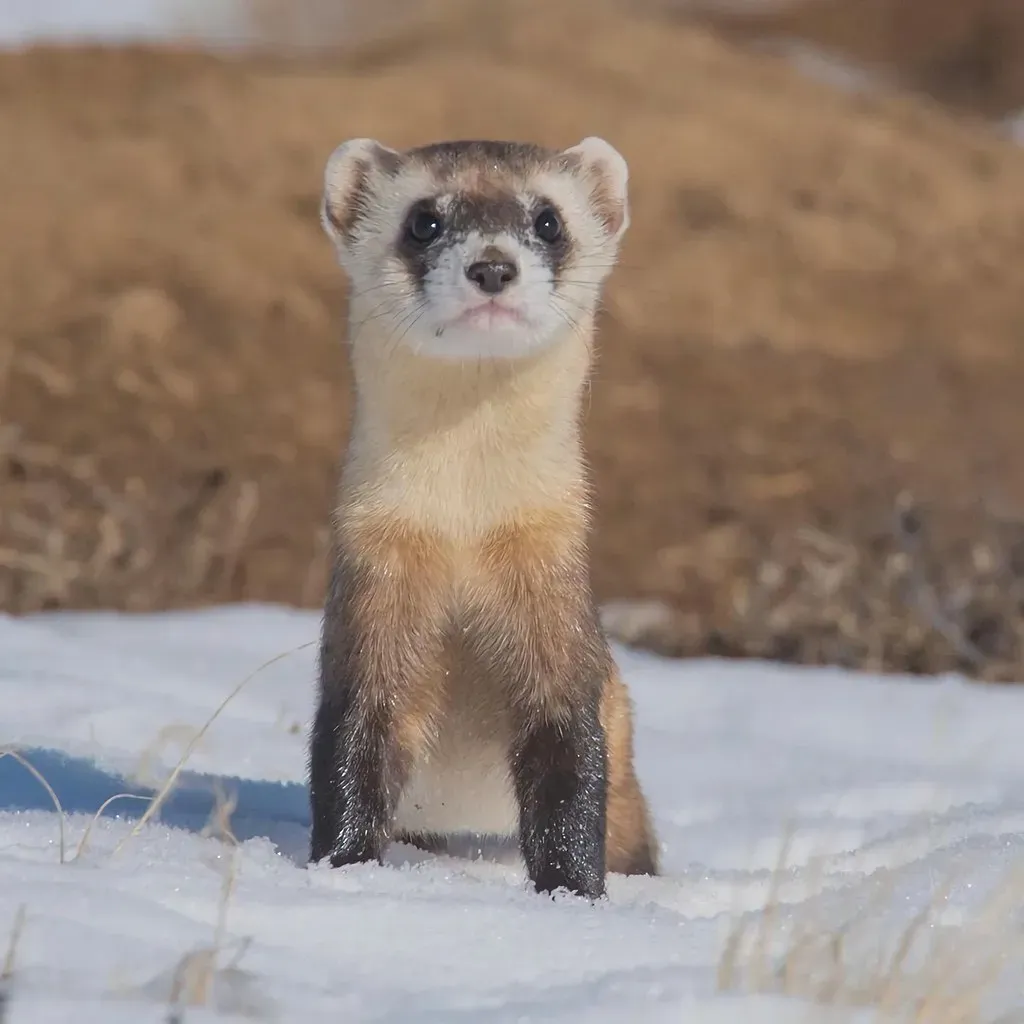
Black-footed ferrets are the only ferret species native to the Americas and depend exclusively on prairie dog burrows for food and shelter. Conversion of native grasslands to agricultural land, widespread prairie dog eradication programs, and non-native disease have all contributed to a reduction of black-footed ferret populations to less than 2% of their original range. By 1979, the species was thought to be entirely extinct, until 1981, when a ranch dog in Meeteetse, Wyoming, brought a dead ferret to its owner’s doorstep, a surprising discovery that revealed a small surviving population.
Recovery has been painstaking and politically fragile. A government shutdown in October 2025 put the recovery of black-footed ferrets in critical danger by preventing government-funded release of captive-bred ferrets into the wild. The release of black-footed ferrets is highly sensitive to timing, which has to be perfect for the highest rate of survival, and with the shutdown, that window was slammed shut. Progress continued elsewhere, though: in March 2026, the Arizona Game and Fish Department released 19 black-footed ferrets across three sites in northern Arizona, while researchers also developed specialized tracking devices capable of mapping the three-dimensional underground movements of ferrets inside prairie dog burrows, a breakthrough that may help scientists understand why reintroduced ferrets often fail to thrive after release.
5. Florida Manatee – Surviving Boats and a Seagrass Crisis
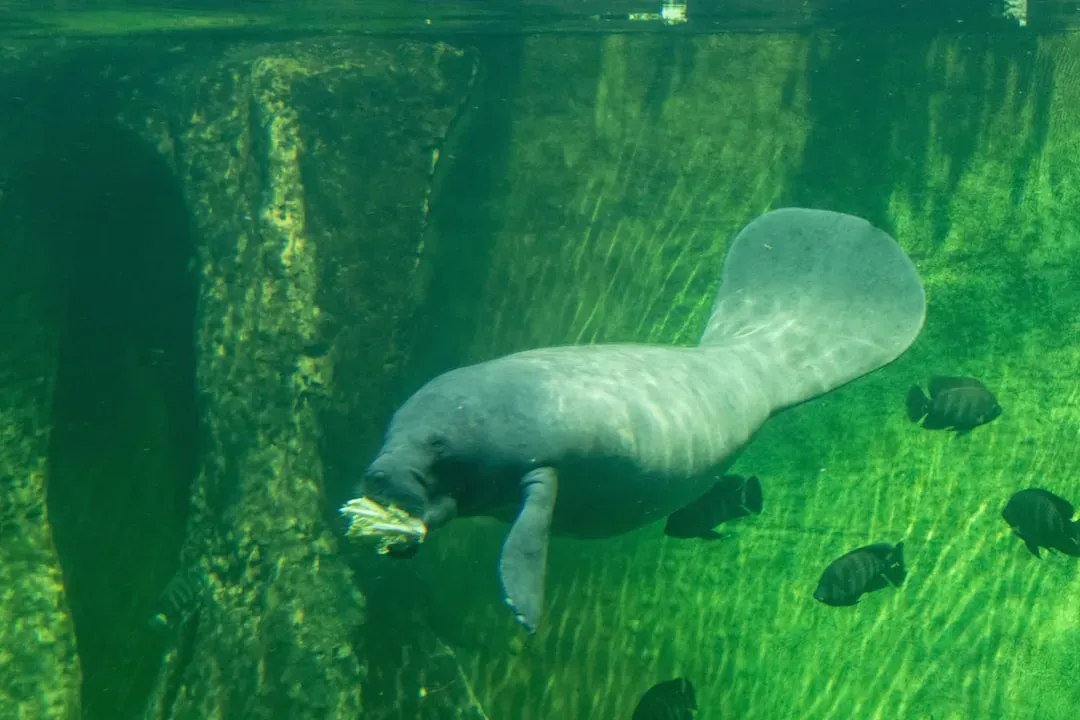
In 1967, the manatee was among the first wildlife species to be protected under the newly-created Endangered Species Preservation Act. Thanks to decades of conservation efforts, manatee numbers recovered, prompting the US Fish and Wildlife Service to downlist the species from “endangered” to “threatened” under the ESA in 2017. That relative optimism proved premature. Between 2021 and 2022, nearly 2,000 manatees died in Florida, far exceeding the annual average of 578 deaths between 2015 and 2020. Starvation driven by catastrophic seagrass loss, mostly caused by algal blooms and water pollution, was the principal cause.
The West Indian manatee is highly susceptible to cold temperatures and cannot survive prolonged periods in water below 68 degrees Fahrenheit, and high-speed recreational watercraft remain a constant threat. Conservation science has made some headway through water quality improvement programs and boat speed regulations in manatee zones. The US Fish and Wildlife Service has noted that the Florida population has stabilized at between 8,350 and 11,730 animals. Seagrass restoration efforts are ongoing, and the wider scientific consensus is clear: without cleaner, slower waterways, the manatee’s recovery will remain precarious at best.
6. Hawaiian Monk Seal – The Last of Its Kind
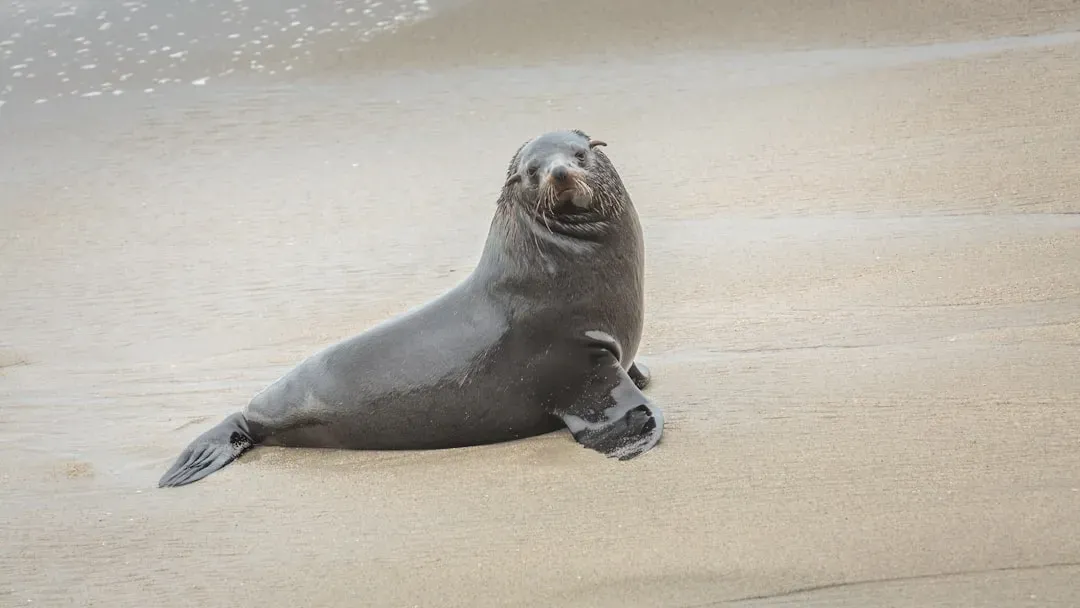
The Hawaiian monk seal is the last surviving species in its genus, endemic to the 1,500-mile-long Hawaiian Islands archipelago. Only about 1,600 Hawaiian monk seals are left in the world, and their population is about one-third of historical levels. With numbers that small, the life of every seal can impact the population growth or decline. Commercial hunting in the 19th and early 20th centuries devastated populations, and the species has never fully rebounded. It now faces compounding threats from marine debris, shark predation, and loss of beach habitat tied to rising sea levels.
Focused intervention has made a measurable difference in certain locations. For decades, field biologists working in the remote Northwestern Hawaiian Islands have helped Hawaiian monk seals entangled in derelict fishing gear and other plastics. After they started cleaning up the marine debris in the water of the Papahānaumokuākea Marine National Monument, entanglements dropped by as much as 70 percent on some islands. The Hawaiian monk seal is one of NOAA Fisheries’ Species in the Spotlight, a strategic approach to endangered species recovery that focuses on highly at-risk species for which immediate, targeted actions can halt decline and stabilize populations. The trajectory is slowly improving, but the window is narrow.
7. Florida Panther – Pressed Into a Corner of the Continent
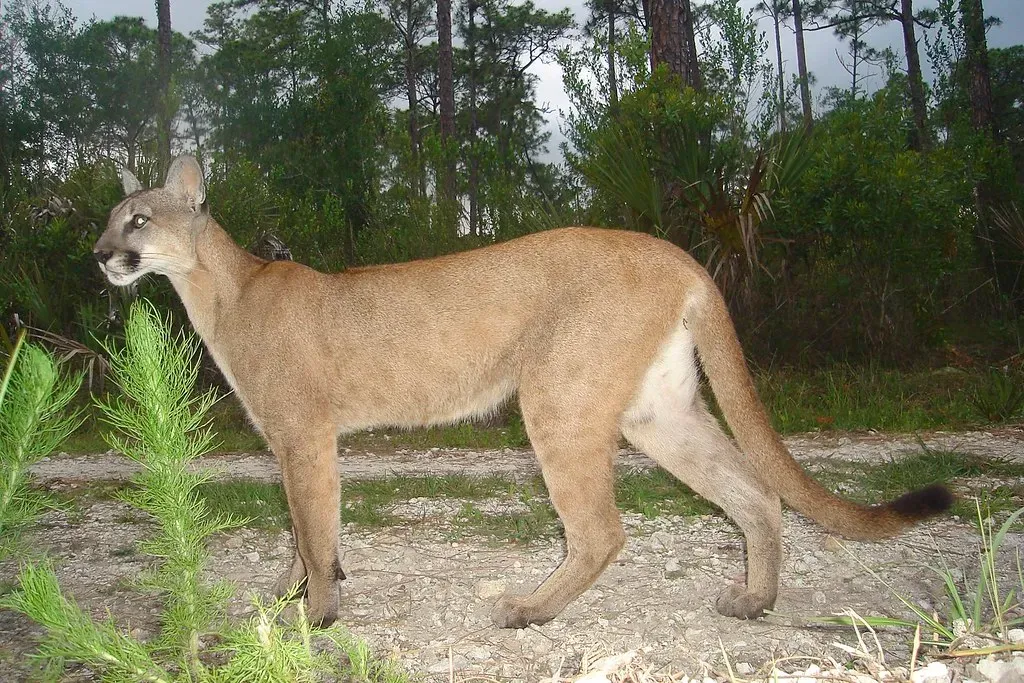
There is something almost eerie about the Florida panther’s predicament. The Florida panther is sleek, powerful, and largely nocturnal, and most Floridians will live their entire lives without ever seeing one. The reason is partly scarcity, and partly the fact that their habitat has been systematically carved up. The panthers can be spotted in forests, prairies, and swampland such as the Everglades National Park and Big Cypress National Preserve, but their range has contracted dramatically. At their lowest point in the 20th century, fewer than 30 individuals were estimated to survive. Vehicle collisions on roads cutting through panther habitat remain a leading cause of death today.
One of the most significant scientific interventions came in the 1990s, when biologists introduced female pumas from Texas to address severe inbreeding in the Florida panther population. The genetic rescue worked. Kittens born from the mixed pairings showed improved survival rates and reduced incidence of genetic defects that had plagued the inbred population. Conservation science has since deployed innovative tools combining genomics, captive breeding, and habitat restoration, while traditional protection measures like anti-poaching patrols and wildlife reserves alone are no longer considered sufficient. Estimates today suggest around 200 or more Florida panthers survive in the wild, though continued habitat protection is considered essential to any lasting recovery.
8. Gray Wolf – A Recovery Under Political Siege
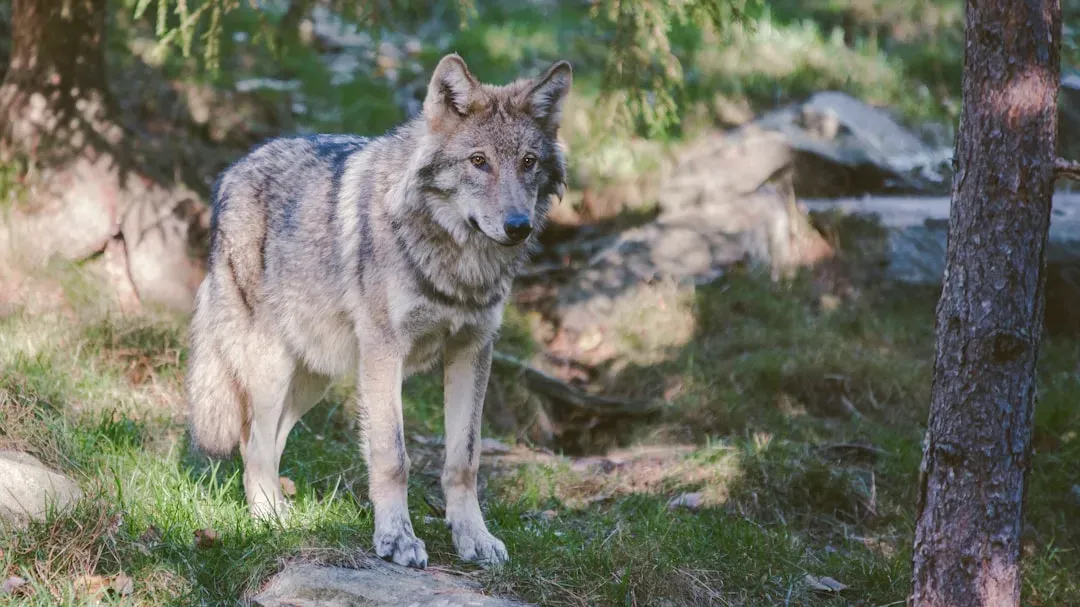
The gray wolf is one of the most widely dispersed apex predators in the world. Its North American population was once ample, however the often-maligned species suffered near-extinction and was placed on the endangered species list in 1974. In the ensuing years, populations have recovered locally in some regions and the wolf has been the subject of controversial delisting efforts. The reintroduction of gray wolves to Yellowstone in the mid-1990s became one of the most studied ecological restoration projects in history, demonstrating how the return of a top predator can reshape entire river and forest systems through what ecologists call a “trophic cascade.”
The science is compelling, but the politics remain contentious. A current legislative proposal would force the delisting of gray wolves across the lower 48 states, ignoring scientific recovery criteria and blocking court review, raising concerns that species status decisions could be driven by politics rather than science. The bill, if passed, would direct the Interior Department to reissue a final rule removing the gray wolf from the list of endangered and threatened wildlife. The Endangered Species Act has been the backbone of wildlife conservation for more than 50 years, preventing the extinction of 99% of listed species and guiding them toward recovery. The gray wolf’s future in much of the country may hinge as much on legislation as on biology.
9. Loggerhead Sea Turtle – Built for Oceans, Threatened by Everything in Them
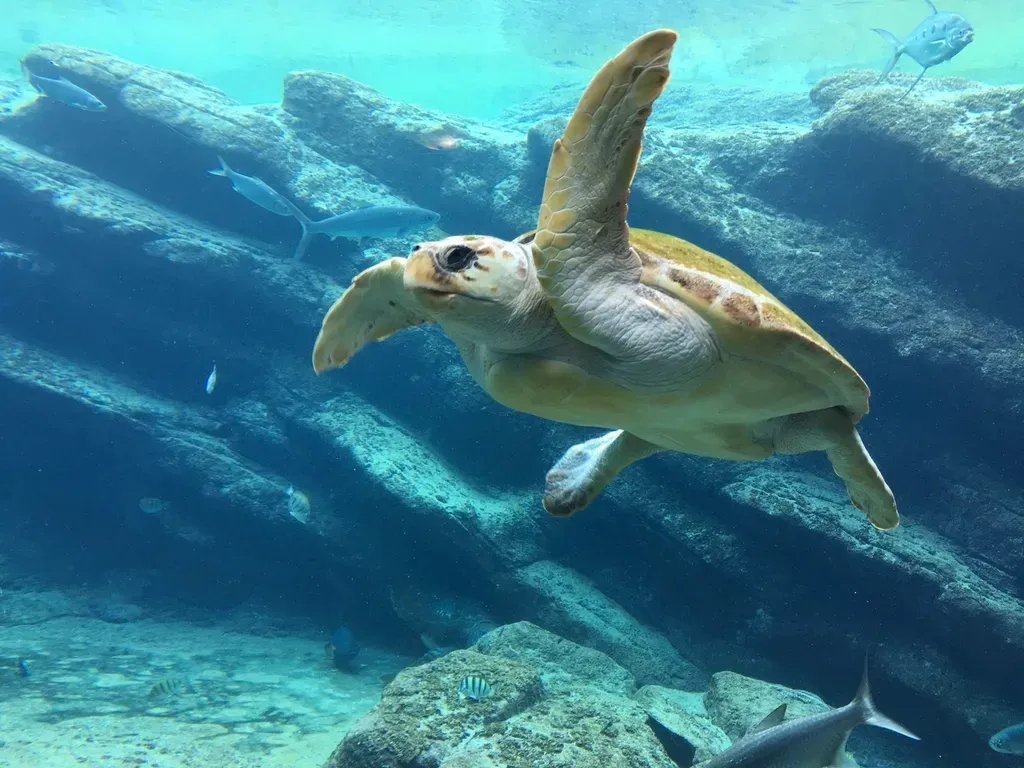
The loggerhead sea turtle first joined the endangered species list in 1978 following a 50 to 90 percent population decline from the destruction of its beach nesting habitats and overharvesting of its eggs. These ancient animals, which can live for decades and travel thousands of ocean miles, face threats at virtually every stage of their lives. Hatchlings run a gauntlet of predators and disorienting artificial lights on developed beaches. Adults must navigate fishing gear, boat traffic, and plastic-choked waters. The turtle is also a common victim of bycatch in commercial fishing and trawling, and as roughly 95% of its US breeding population is located in Florida, the health of that coastline is existentially important to the species.
With decades of dedicated conservation efforts, the loggerhead managed to increase 24% in population between 1989 and 1998, with an estimated total of more than 100,000 nests per year. Turtle excluder devices, which allow sea turtles to escape from shrimp trawling nets, have been credited with saving tens of thousands of animals over the years. Once significantly harmed by harvest and habitat loss, sea turtles have persevered with new protections and conservation efforts. Climate change, however, introduces a troubling new variable: warmer sand temperatures skew the sex ratios of hatchlings toward females, which could eventually impair breeding populations in ways scientists are still working to understand.
10. Black-Footed Ferret’s Ecosystem Anchor – The American Prairie Dog
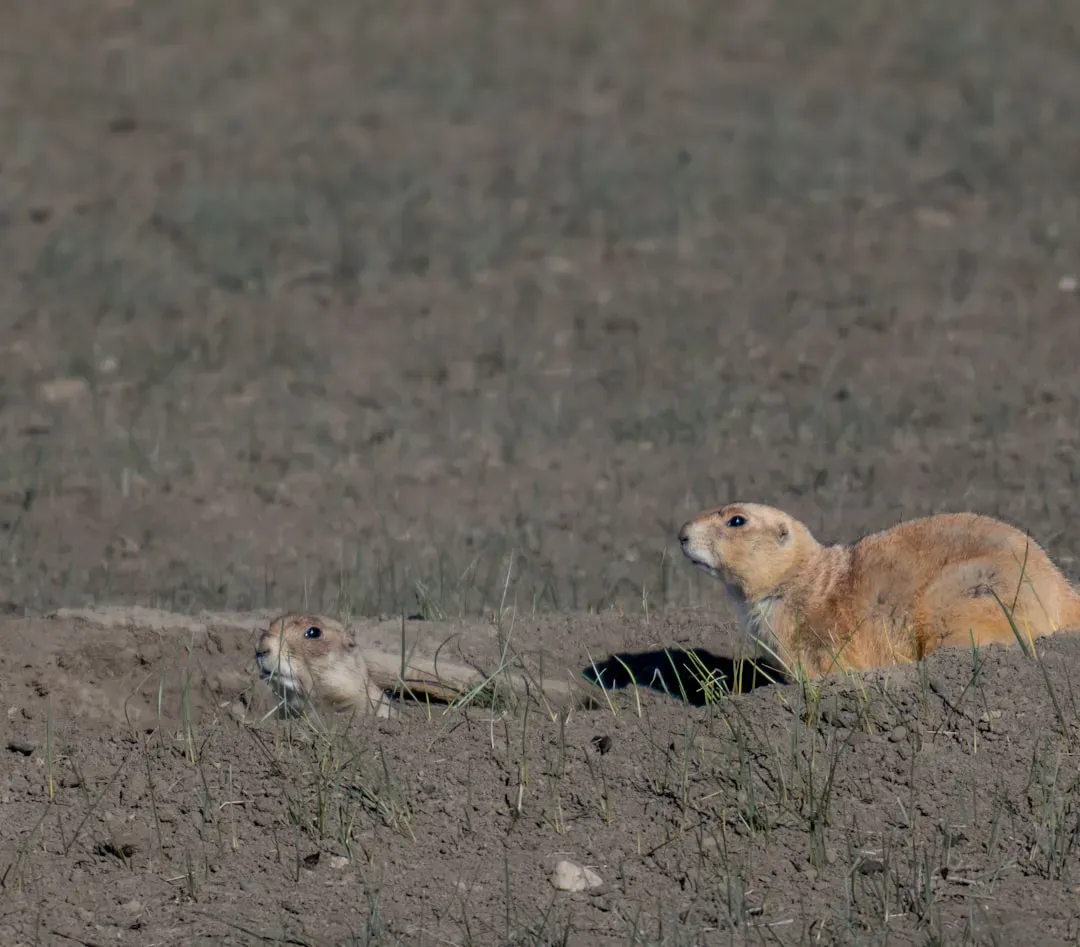
No conversation about American extinction risk is complete without acknowledging the prairie dog, which, while not classified as endangered itself, functions as the keystone upon which an entire endangered ecosystem rests. Black-footed ferrets depend exclusively on prairie dog burrows for food and shelter, and prairie dogs also sustain burrowing owls, swift foxes, ferruginous hawks, and American badgers. Conversion of native grasslands to agricultural land, widespread prairie dog eradication programs, and non-native disease have all contributed to a reduction of this foundational web to less than 2% of its original range. When a keystone species collapses, it tends to take a community of dependent species with it.
Sylvatic plague, a non-native disease, remains one of the largest ongoing threats to ferret populations today, and it moves through prairie dog colonies with devastating speed. Conservation scientists have developed oral plague vaccines delivered through peanut butter-flavored baits dropped across prairie landscapes, an approach that has shown meaningful success in protecting both prairie dog colonies and the ferrets that depend on them. Emerging technologies, including environmental DNA detection, AI-powered monitoring, and drone surveillance, are accelerating recovery timelines across prairie ecosystems where surveillance was once nearly impossible at scale. Protecting the prairie dog amounts to protecting the entire grassland food web at once.
Conclusion: The Cost of Inaction and the Weight of What’s Possible
What these ten animals share is not just vulnerability. They share the uncomfortable fact that humans engineered most of their crises, through hunting, pollution, habitat destruction, and political indifference. That same uncomfortable fact also implies a responsibility. For 50 years, the Endangered Species Act has prevented the probable extinction of hundreds of species across the nation and contributed to the recovery of many others. The law works. The science works. When given the tools and the time, conservation biology produces genuine miracles.
The harder truth is that human activities are overwhelmingly the cause of the extinction crisis, with habitat loss, deforestation, climate change, pollution, and overfishing leading to whole species slowly disappearing. Yet the California condor flying over Yurok territory, the red wolf pup fitted with its orange GPS collar, the right whale calf spotted off the Florida coast in early 2026 – these are not small things. Financial analysis estimates that bringing critically endangered species back from the brink would cost between one and two billion dollars annually, a small fraction of global economic activity.
We are, frankly, getting what we pay for. The species that recover are the ones we decide to fight for. The ones that go silent forever are the ones we don’t. That math isn’t complicated. It’s just uncomfortable enough that most people would rather not do it.

- What Happens to Your Brain in the Final 60 Seconds Before Death – Neuroscientists Just Mapped It - August 13, 2026
- The Most Dangerous Myths About Tornadoes at Night - August 13, 2026
- How To Ride A Horse Safely - August 13, 2026