


We’ve all marveled at fossils and imagined the ancient beasts that once roamed our planet. While many such creatures have long since vanished, some ancient animals have survived the test of time and still walk, swim, or fly among us today. These “living fossils” offer a fascinating window into our planet’s biological history. Here, we’ll explore ten extraordinary creatures that have defied extinction and continue to thrive against the odds.
Horseshoe Crab
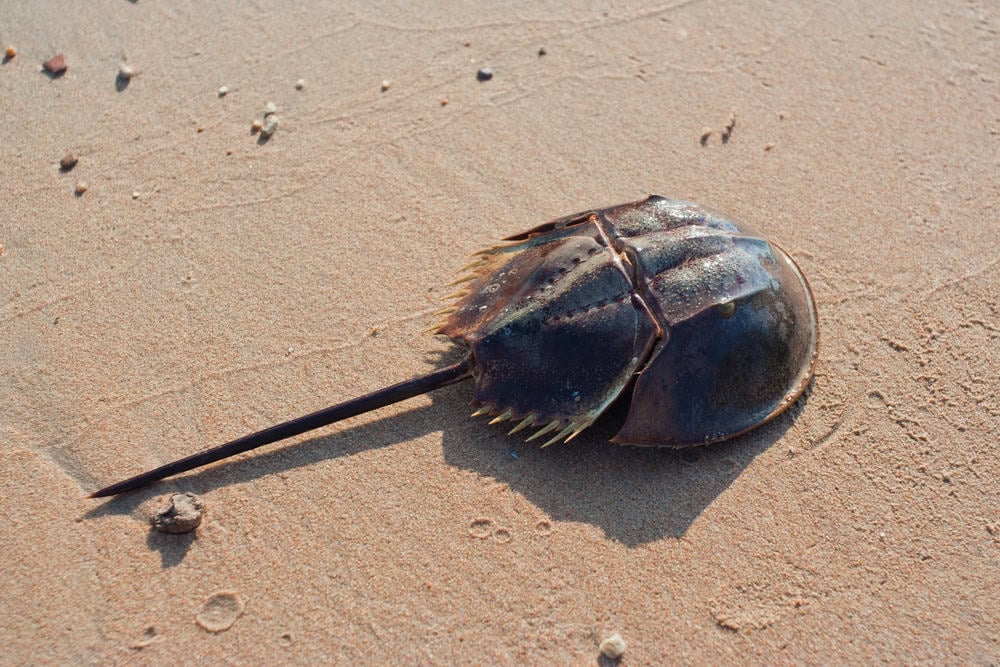
The horseshoe crab, with its armoured shell and long tail spine, has remained largely unchanged for approximately 450 million years. Found along the coasts of North America and Southeast Asia, these marine arthropods are more closely related to spiders than true crabs. Their unique blue blood is valued for its medical applications, particularly in ensuring the sterility of medical equipment. Despite their crucial role in science, horseshoe crabs are under threat from habitat loss and overharvesting.
Coelacanth
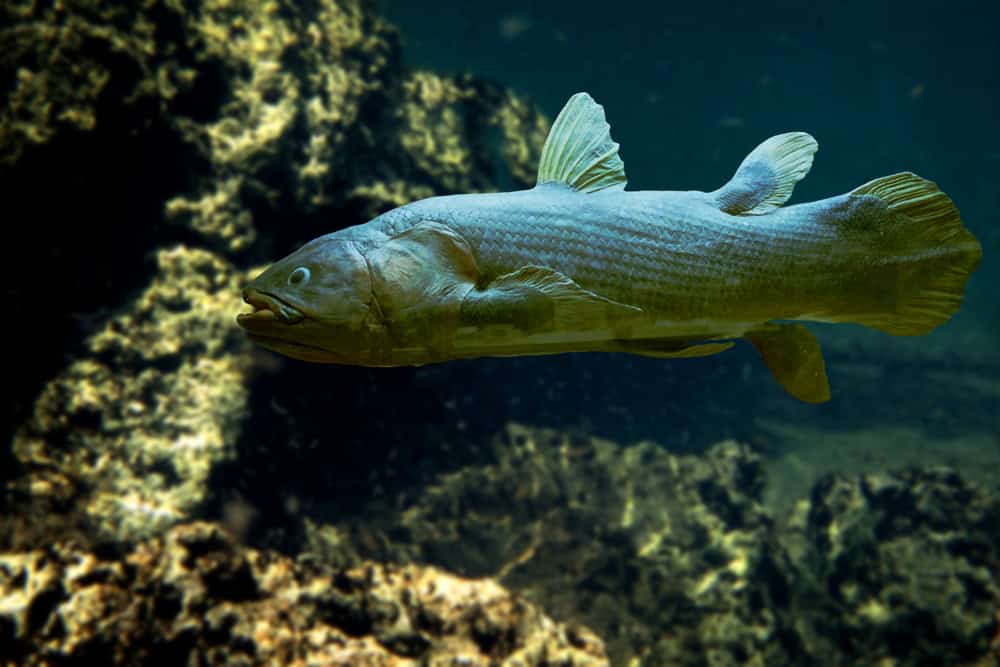
Once thought extinct, the coelacanth was astonishingly rediscovered in 1938 off the coast of South Africa. These deep-sea fish, resembling their ancient ancestors, were believed to have disappeared over 65 million years ago. Coelacanths possess lobed fins, which scientists believe are evolutionary precursors to the limbs of terrestrial vertebrates. Their discovery has provided vital insights into the transition from sea to land habitats in evolutionary history.
Tuatara

Native to New Zealand, the tuatara resembles a lizard but belongs to a distinct lineage that dates back over 200 million years. This unique reptile is notable for possessing a third eye on its forehead, primarily serving as a light sensor. Tuataras are often called “living fossils” because they’re the only surviving members of their ancient reptilian order. Sadly, they are now threatened due to habitat destruction and invasive species.
Ginkgo Biloba

One of the oldest tree species still in existence, the Ginkgo biloba, or simply ginkgo, can be traced back over 270 million years. Known for its distinctive fan-shaped leaves and resilience, it’s often used in urban landscaping. Beyond its ornamental value, the ginkgo tree has also been prized for its medicinal properties, with extracts commonly used to support cognitive function and blood circulation.
Sturgeon
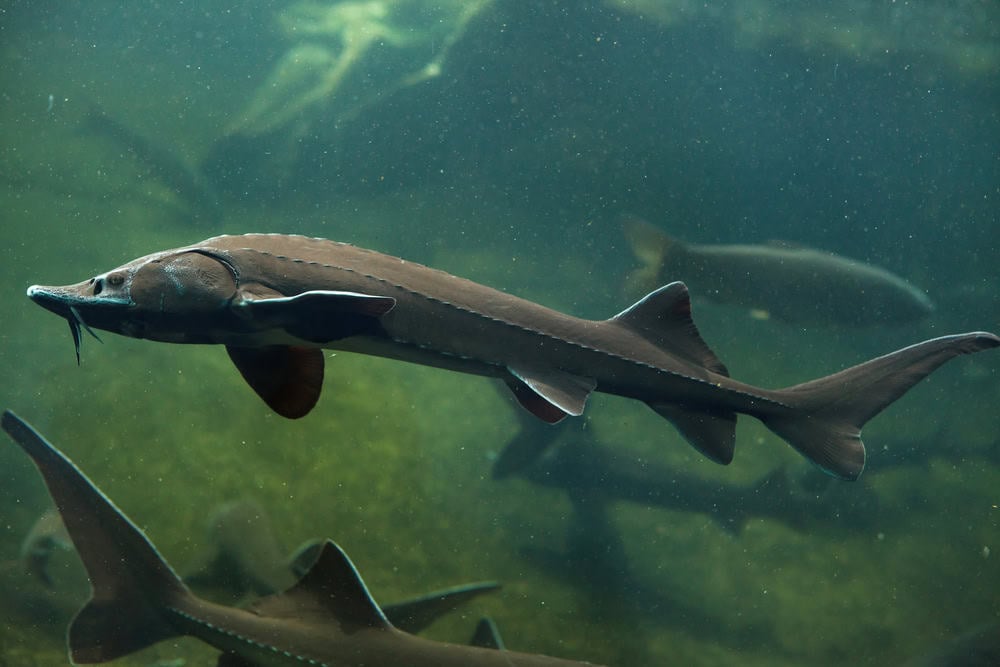
Sturgeons have gracefully navigated the Earth’s waters for over 200 million years. These ancient fish are particularly known for producing caviar, leading to their overfishing and threatening their populations globally. Equipped with bony scutes rather than scales, sturgeons remind us of a time before dinosaurs roamed. Conservation efforts are now crucial to protect these magnificent creatures and their contribution to biodiversity.
Hagfish
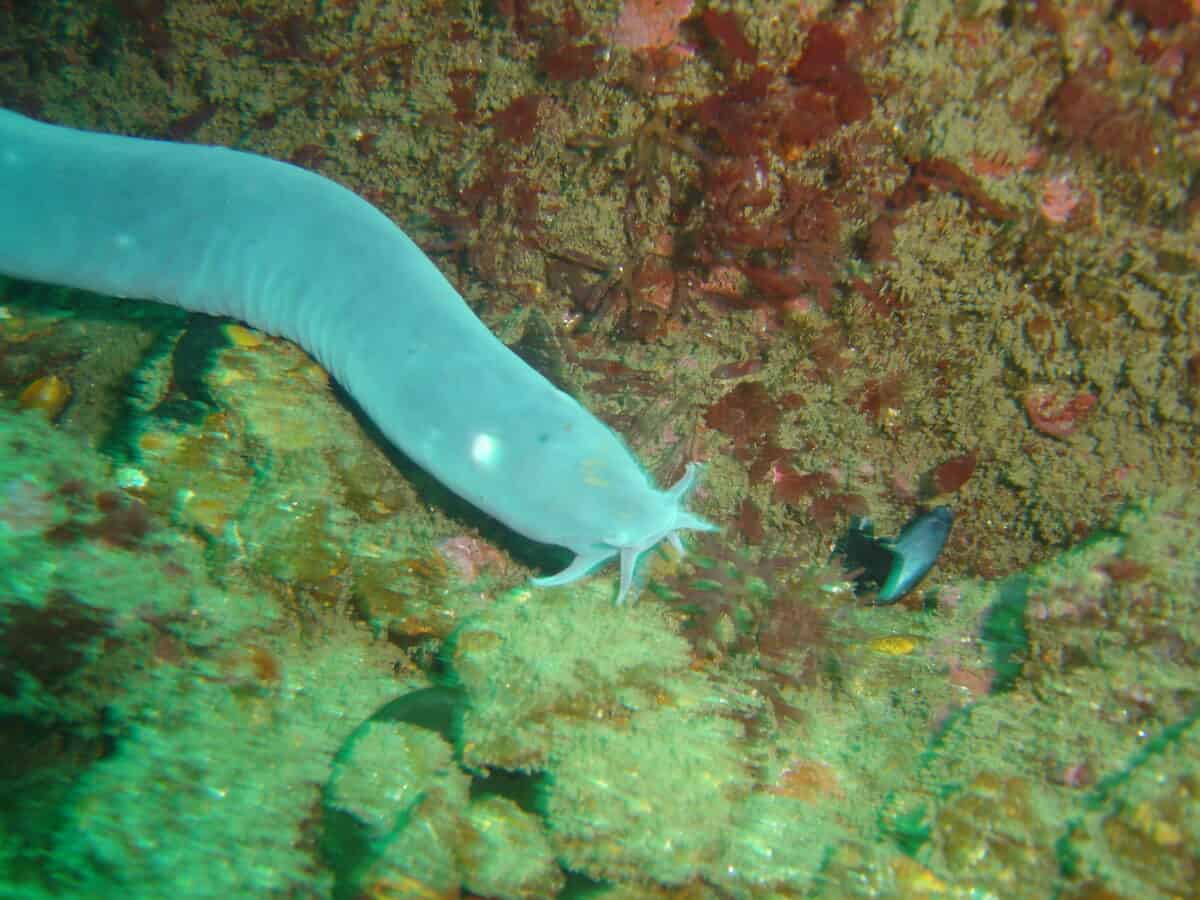
Hagfish, sometimes known as “slime eels,” are eel-like fish that have existed for about 300 million years. These unique creatures are renowned for their ability to produce copious amounts of slime as a defense mechanism. Lacking jaws and vertebrae, hagfish feed by extruding a tongue-like structure to consume their prey from the inside out. Despite their unappealing appearance, hagfish play critical roles in ocean ecosystems by acting as scavengers.
Crocodile
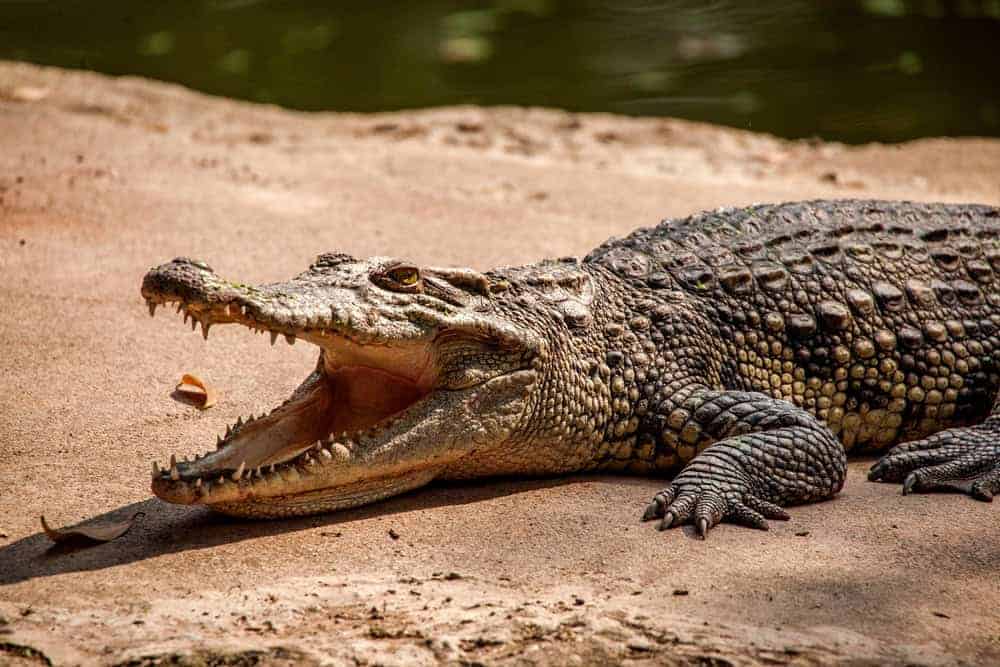
Crocodiles have thrived in various forms for roughly 240 million years. These robust reptiles represent an ancient lineage that once coexisted with dinosaurs. Their extraordinary adaptability and hunting prowess have allowed them to survive through many environmental changes. Despite their fierce appearance, crocodiles face threats from habitat destruction and human disturbances, which emphasize the need for their conservation.
Chambered Nautilus
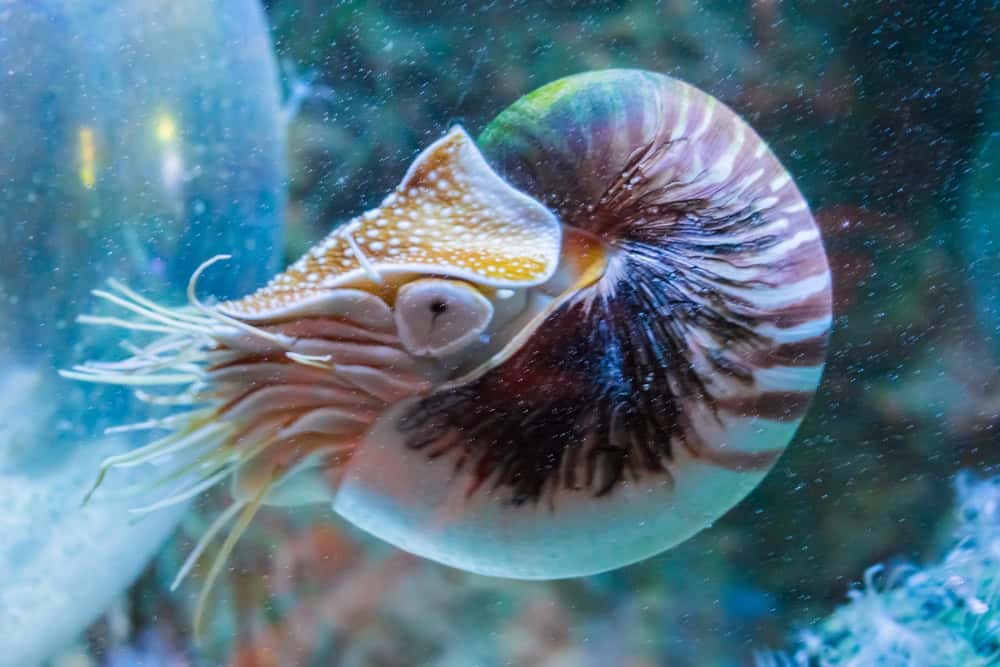
The chambered nautilus, with its spiraling shell and fluid jet propulsion, has glided through the oceans for over 500 million years. Nautiluses are close relatives of modern squids and octopuses yet maintain many primitive features that harken back to their ancient origins. However, their majestic shells make them a target for collectors, pushing these creatures closer to becoming endangered.
Platypus

The platypus, an unmistakable animal with its duck-bill and mammalian traits, traces its roots back more than 100 million years. As egg-laying mammals, platypuses challenge conventional classifications. They inhabit the rivers and streams of eastern Australia and Tasmania and showcase a blend of reptilian and mammalian characteristics, providing vital insights into the evolution of mammals.
Jellyfish

Jellyfish, with their gelatinous bodies and stunning diversity, have existed for more than 500 million years. These aquatic animals possess a simple anatomy but exhibit a wide array of colors, shapes, and sizes across the world’s oceans. Despite their ancient lineage, jellyfish populations have surged alarmingly, often attributed to climate change and overfishing, presenting complex challenges to marine ecosystems.
In exploring these ten ancient animals still among us today, we gain not only a sense of wonder but also a sobering reminder of the delicate balance required to preserve such diverse life forms. Their persistence through aeons reminds us of nature’s resilience and the importance of our role in ensuring their future survival.

As a little kid, I fell in love with nature, wildlife, and animals. Living in the USA, South Africa, Italy, China and Germany gave me the opportunity to discover the world's Wildlife. My favorite animals are Mountain Gorillas, Siberian Tigers, and Great White Sharks.
I'm a certified PADI Open Water Diver, went to Everest Base Camp and Trekked Gorillas in Uganda. I hold a Master of Science in Economics and Finance.
Please send any feedback to feedback@animalsaroundtheglobe.com
- 12 Animals That Look Like Monsters - July 17, 2026
- 13 Animals With Record-Breaking Speed or Strength - July 17, 2026
- The Most Camouflaged Creature Lurking in Pacific Waters - July 17, 2026