

Ever caught your dog circling endlessly before flopping down, or tilting their head at you with those big, questioning eyes? Maybe you’ve noticed them yawning during a completely relaxed moment or spinning in what seems like a random burst of energy. These behaviors might look quirky or even pointless, yet they’re loaded with emotional meaning. Dogs can’t text us when they’re anxious or shout when they’re thrilled, so they use these curious little rituals instead.
What’s fascinating is how often we get these signals completely wrong. We might interpret a wagging tail as pure joy when the dog is actually on edge. Or we see a yawn and assume tiredness when our furry friend is grappling with stress. Let’s be real, understanding what’s really going on in your dog’s mind can completely transform your relationship with them. So let’s dive in and uncover the hidden emotions behind those oddest canine habits.
That Pre-Sleep Circle Dance Reveals Ancestral Security Instincts
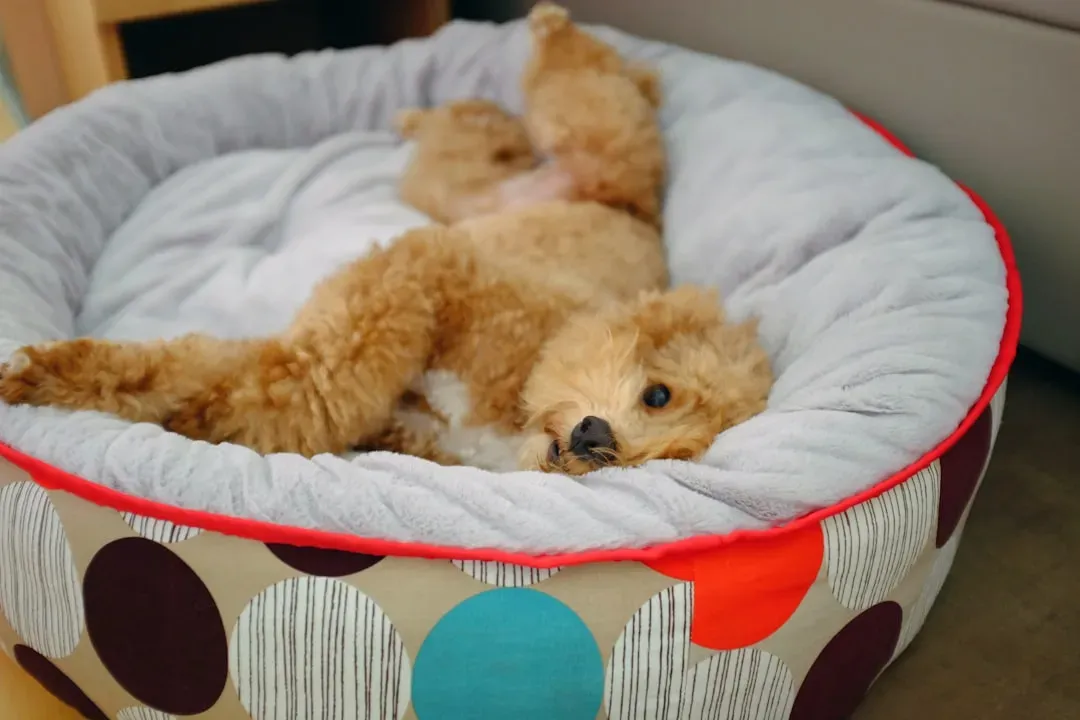
Dog behaviorists believe that a dog’s need to perform the bedtime ritual of turning around in circles before lying down is inherited, with canine ancestors like wild wolves doing the same thing. Circling not only tamped down vegetation and smoothed the ground to create a comfortable bed, but it also drove away or crushed insects and other potentially harmful creatures, and by probing the ground with their feet, wolves could detect and remove protruding rocks, sticks, and thorns. Even though your couch is much softer than a patch of wild grass, that instinct to prepare a safe sleeping spot still lingers.
Circling is not just physical but mental too, with dogs using this ritual to signal a transition from wakefulness or activity to rest, mentally preparing themselves for relaxation. Think of it as their version of counting sheep or doing a bedtime meditation. It’s honestly pretty comforting to know that this odd habit is rooted in both ancient survival and modern emotional regulation.
Head Tilting Signals Mental Processing and Deep Connection
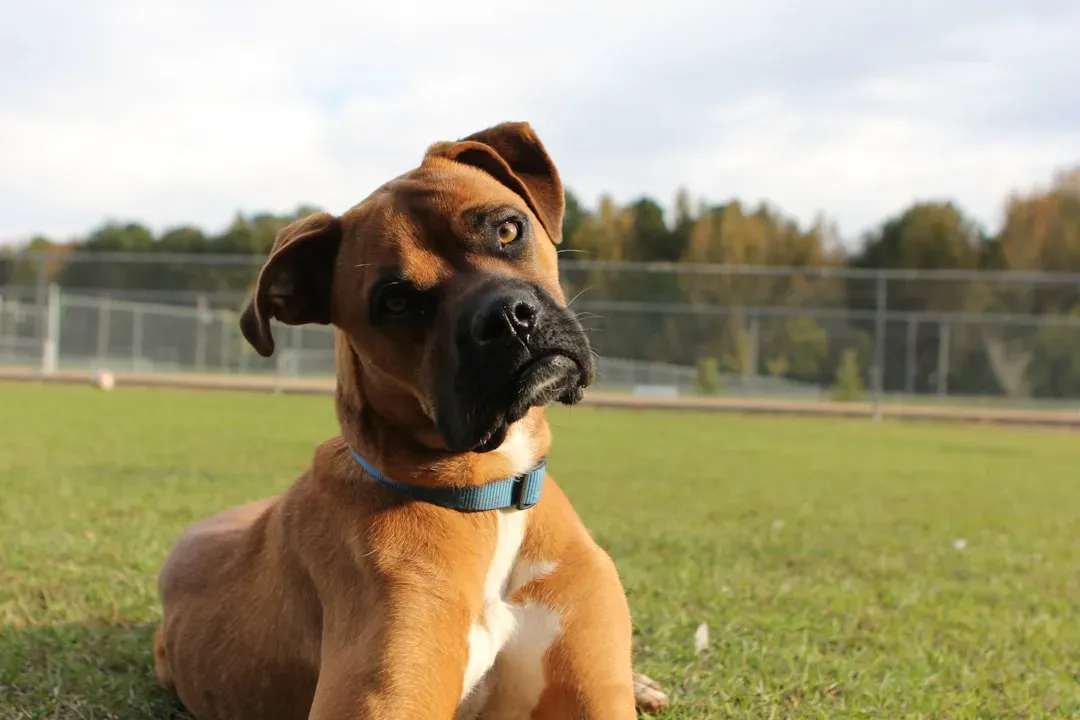
You know that irresistible head tilt dogs do when you talk to them? Research suggests it could be linked to mental processing, a sign of high attentiveness or concentration, with dogs possibly cross-referencing commands with their visual memories. Studies found that gifted dogs who successfully linked words with specific objects tilted their heads significantly more often than typical dogs. It’s hard to say for sure, but this adorable gesture might mean your dog is working overtime to decode what you’re saying.
A dog tilts their head to show they are engaged much as a human would nod during a conversation to indicate that they are listening, with social dogs that enjoy human interaction usually tilting their heads more often to encourage the continuation of the conversation. That cute head tilt broadens the range of vision and allows a dog to more clearly see a person’s face, seeing facial expressions to improve communication. So when your pup cocks their head, they’re basically saying, “I’m totally tuned in to you right now.”
Excessive Yawning Isn’t Tiredness But Stress Management
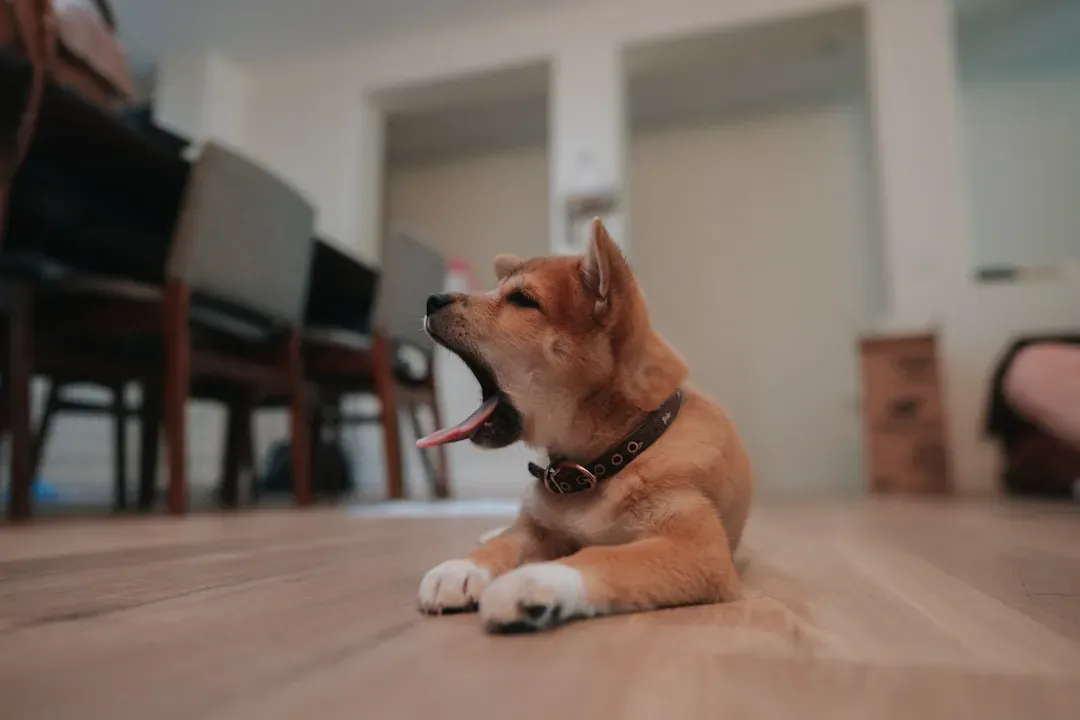
Dogs yawn when they are tired or bored, but they also yawn when stressed, with a stressful yawn being more prolonged and intense than a sleepy yawn. Most trainers and behaviorists advise owners to watch out for signs of stress in their dogs, with excessive yawning being one of these signs, as dogs do seem to yawn when they’re feeling anxious. If your dog yawns repeatedly during a vet visit or when meeting new people, they’re likely trying to self-soothe. It’s their way of hitting the emotional reset button.
Yawning can act as a self-soothing mechanism for dogs, with yawning helping slow a dog’s breathing which can help them calm down in stressful situations. Yawning is what experts call a calming signal, a nonverbal means of saying “I’m not a threat” or “I don’t want a problem,” with yawning being one of the first steps on the ladder of aggression. So next time your dog yawns in what seems like a random moment, check the context. They might be telling you they need a breather from whatever’s happening around them.
A Tucked Tail Expresses Vulnerability and Fear
A wagging tail means the dog is emotionally aroused, which could be excitement but could also be frustration or worse. When a dog tucks their tail low or between their legs, it’s a completely different story. If your dog tucks their tail down low to the ground or between their legs, it often indicates they’re worried or scared. This posture makes them appear smaller and less threatening, which is their instinctive response when feeling vulnerable or anxious.
A frightened dog may tuck his tail, while an alert or nervous dog will carry its tail high and possibly wag it vigorously. The position and movement tell you so much more than the simple fact that the tail is moving. Honestly, it’s like reading an emotional thermometer if you know what to look for.
Raised Hackles Show Intense Arousal Beyond Just Aggression
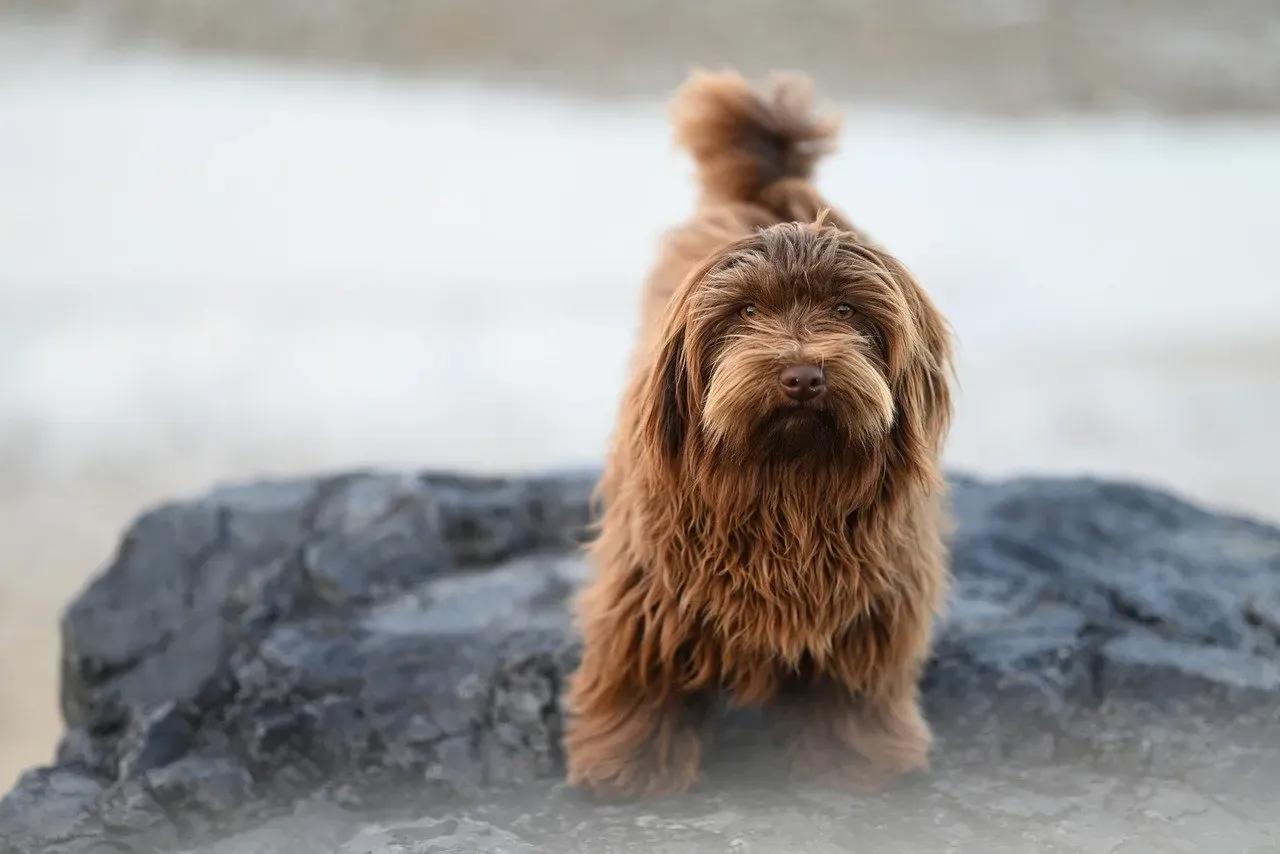
When a dog’s hackles are raised (piloerection), the hair along their back stands up, and the fur can fluff up across the shoulders, down the back, or all the way to the tail, which is a definite sign that the dog is aroused but not necessarily in a negative way. The dog might be upset or stressed, but could also be excited or intensely interested in something, as it’s often an involuntary reaction like goosebumps in people. So just because your dog looks all puffed up doesn’t automatically mean they’re about to pick a fight.
This reaction can happen when they spot a squirrel, meet another dog, or encounter something completely new and fascinating. The key is to observe the rest of their body language to figure out whether it’s fear, excitement, or curiosity driving that response.
Licking Their Lips Reveals Discomfort or Appeasement
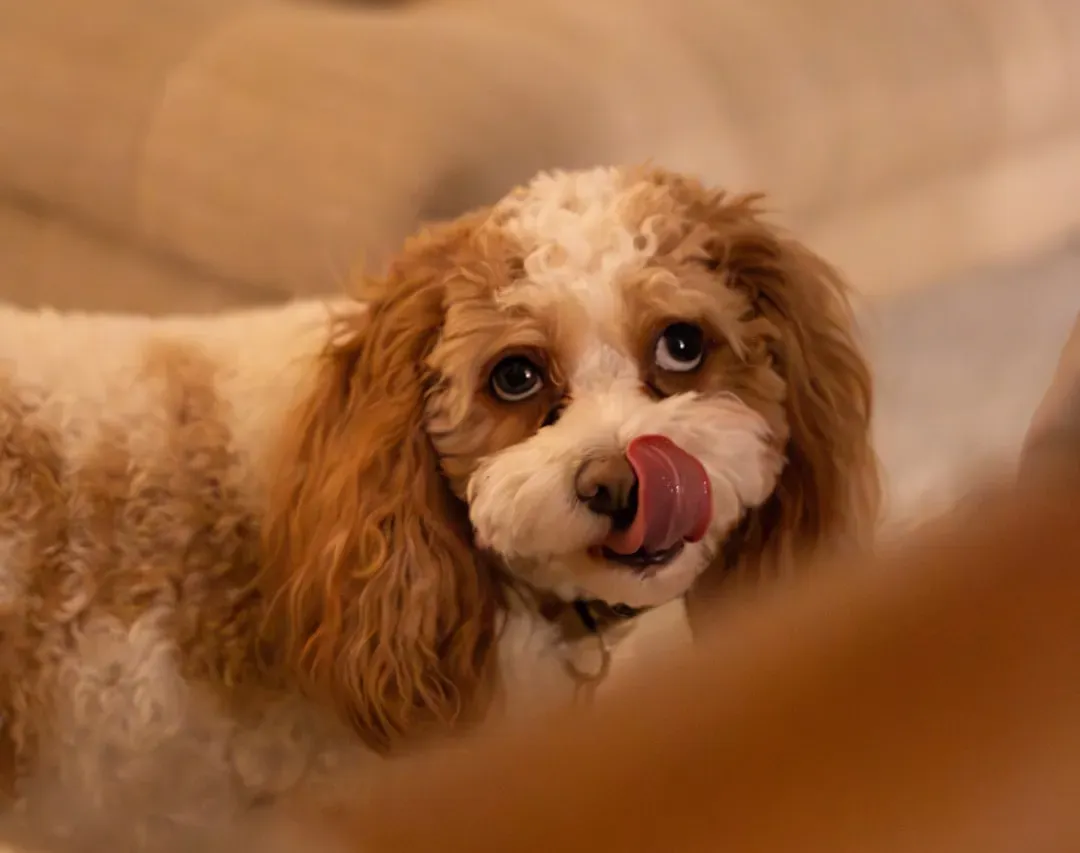
A distressed dog might perform exaggerated yawns, sneeze, or lick their lips frequently, and they might also shake their bodies as if their coat is wet, focus on self-grooming, or scratch themselves excessively. People will commonly misinterpret repeated licking and rolling over as a dog being friendly, but these behaviors are actually signs of stress. When your pup rapidly licks their nose or mouth, they’re often signaling nervousness or trying to defuse a tense situation.
Licking the lips or nose, even when no food or water is around, can be a sign of anxiety or fear. It’s like their version of fidgeting or biting nails. If you see this happening frequently, especially in certain environments or around specific people, your dog is probably feeling uneasy and looking for a way to calm themselves.
Looking Away or Avoiding Eye Contact Communicates Peaceful Intent
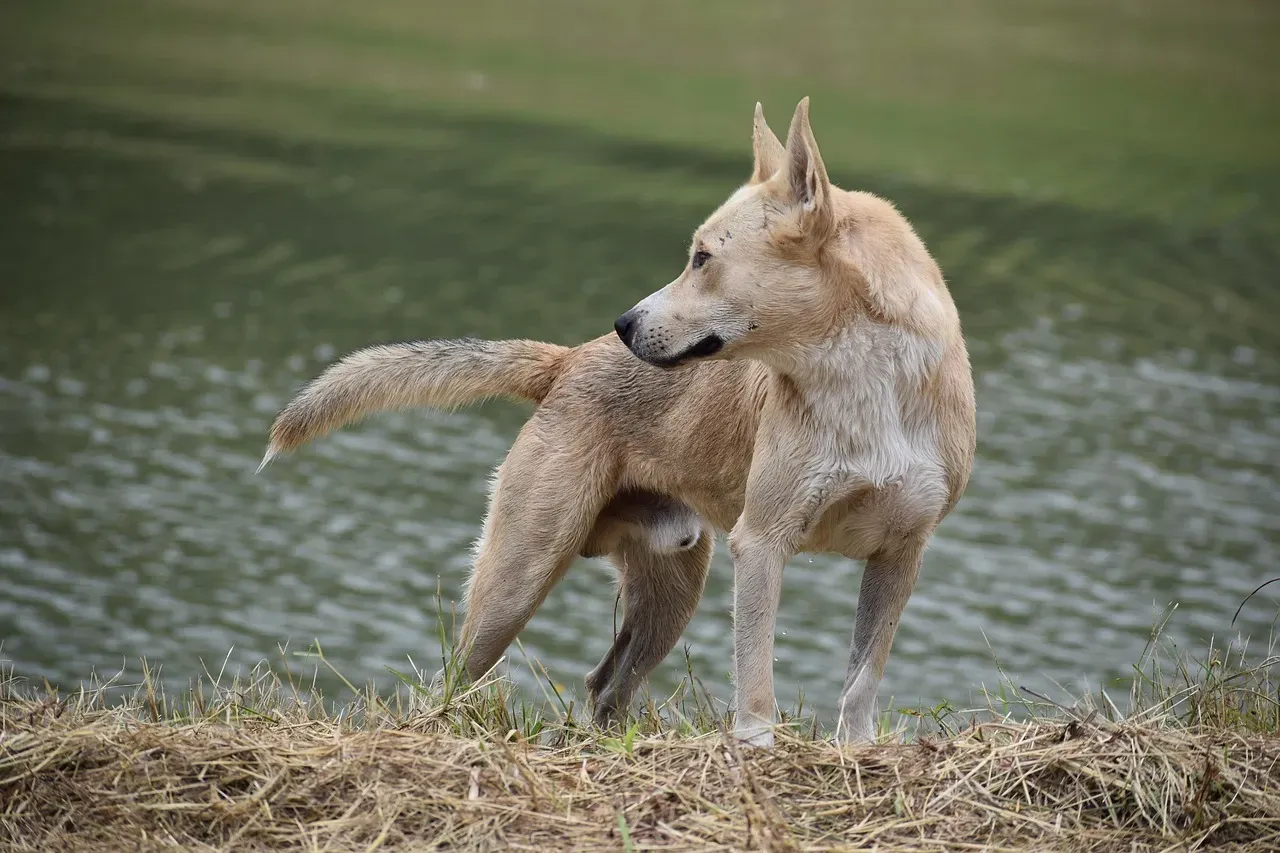
Stressed dogs often avoid eye contact or look at the trigger, then quickly look away. Dog body language is sometimes in direct contrast with what that same signal means to a human, such as when it comes to yawning or looking away. In human terms, avoiding eye contact might seem rude or shifty, yet for dogs, it’s actually a polite way of saying they’re not looking for confrontation.
Direct staring in the dog world can be perceived as a challenge or threat. So when your dog turns their head away or glances off to the side, they’re essentially trying to keep the peace. It’s a subtle but powerful signal that they’re uncomfortable and want to de-escalate whatever tension they’re sensing.
Play Bowing Shows Joyful Invitation and Trust
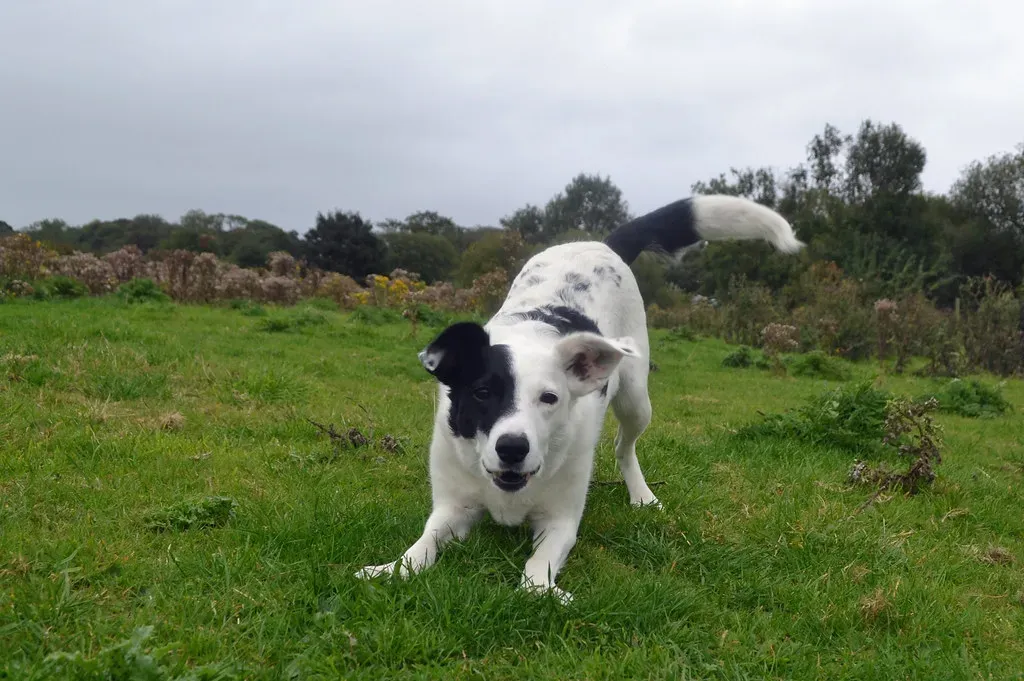
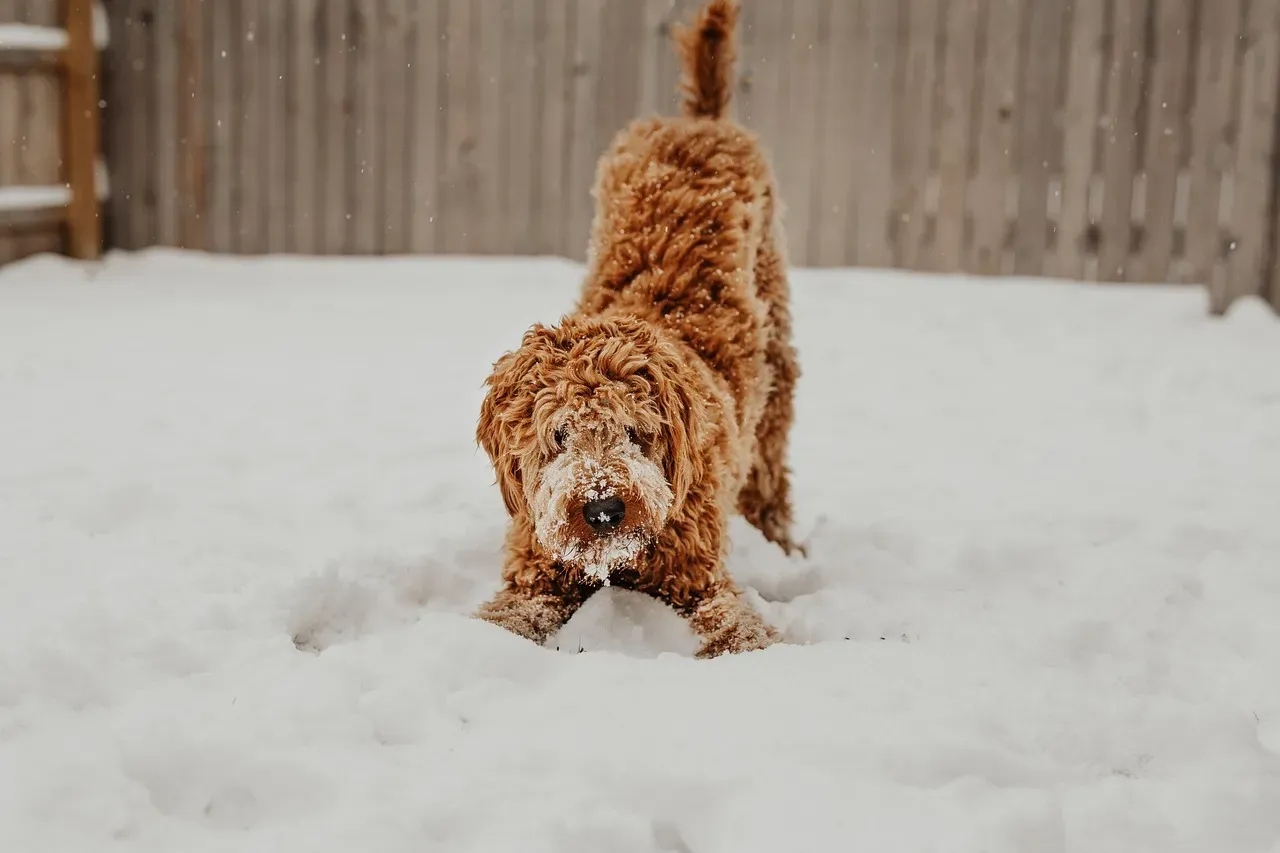
Dog play bowing is when the rear end of the dog is up while the front end is down, and the play bow often means “I want to play.” This iconic posture is one of the clearest signs of happiness and playful intent in the canine world. When your dog drops their chest to the ground with their butt in the air, they’re basically throwing out an invitation for fun and games.
Play between dogs usually involves several behaviors often seen in aggressive encounters, such as nipping, biting and growling, so it is important for the dogs to place these behaviors in the context of the play rather than aggression. The play bow helps establish that context, letting everyone know that what follows is all in good fun. It’s a beautiful display of trust and social intelligence, showing that your dog feels safe and happy enough to let loose and enjoy the moment.
Conclusion
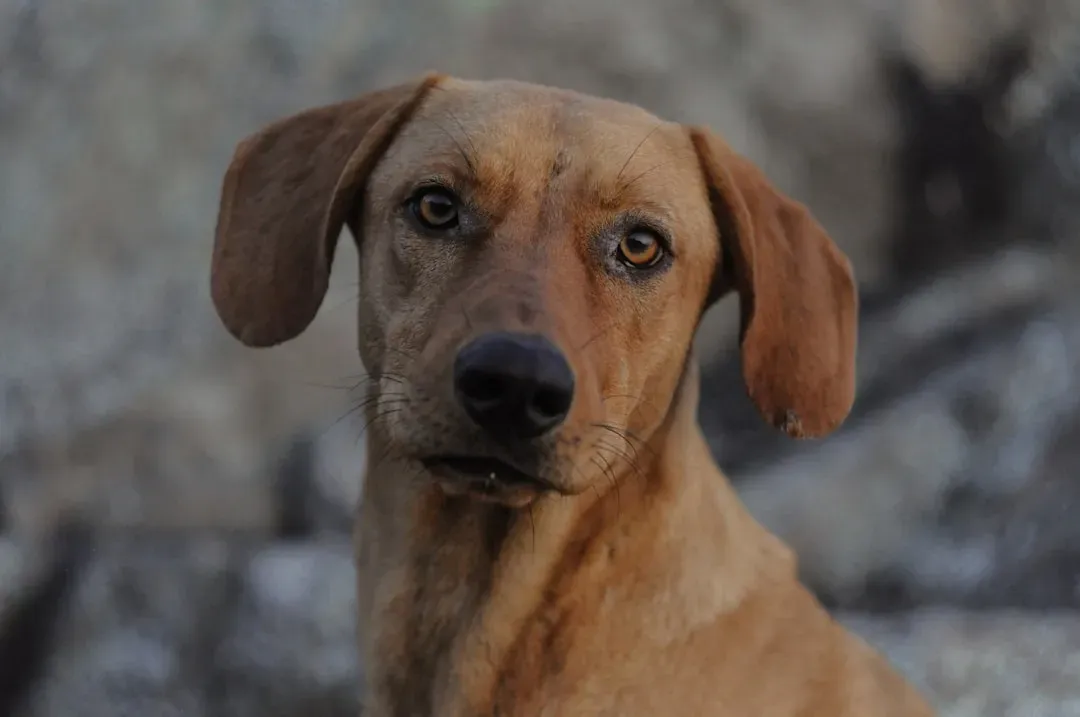
The quirky behaviors your dog exhibits every day are far more than just amusing habits. They’re windows into a rich emotional landscape shaped by instinct, environment, and the bond you share. From the ancestral circling ritual to the stress-relieving yawn, each gesture carries meaning that’s easy to miss if you’re not paying attention. Learning to read these signals doesn’t just satisfy your curiosity; it deepens your connection and helps you respond to your dog’s needs with greater empathy and understanding.
So the next time your dog does something that makes you smile or scratch your head, take a moment to consider what they might really be saying. What subtle emotion have you been overlooking in your own furry friend?

- 12 Architectural Wonders From The Ancient World That Inspire Us Today - July 18, 2026
- 6 Beautiful Ancient Cities That Time Forgot (But Shouldn’t) - July 18, 2026
- 6 Common Animal Behaviors That Are Often Misunderstood by Humans - July 18, 2026