
The natural world is filled with astonishing displays of maternal devotion, but some animal mothers take dedication to a whole new level. These aren’t the cozy, picture-perfect parenting stories you might expect. Some of these moms literally sacrifice everything, including their own lives, for their offspring.
It’s one thing to lose sleep over a crying baby or skip meals while caring for a newborn. It’s quite another to starve yourself for years, carry dozens of babies up trees one by one, or fast for months while nursing in freezing conditions. Let’s be real, human motherhood is demanding, but what these animal mothers endure would test even the most devoted parent. So let’s dive in and discover which creatures in the animal kingdom win the award for most extreme maternal sacrifice.
1. The Deep-Sea Octopus: Four Years Without a Single Meal
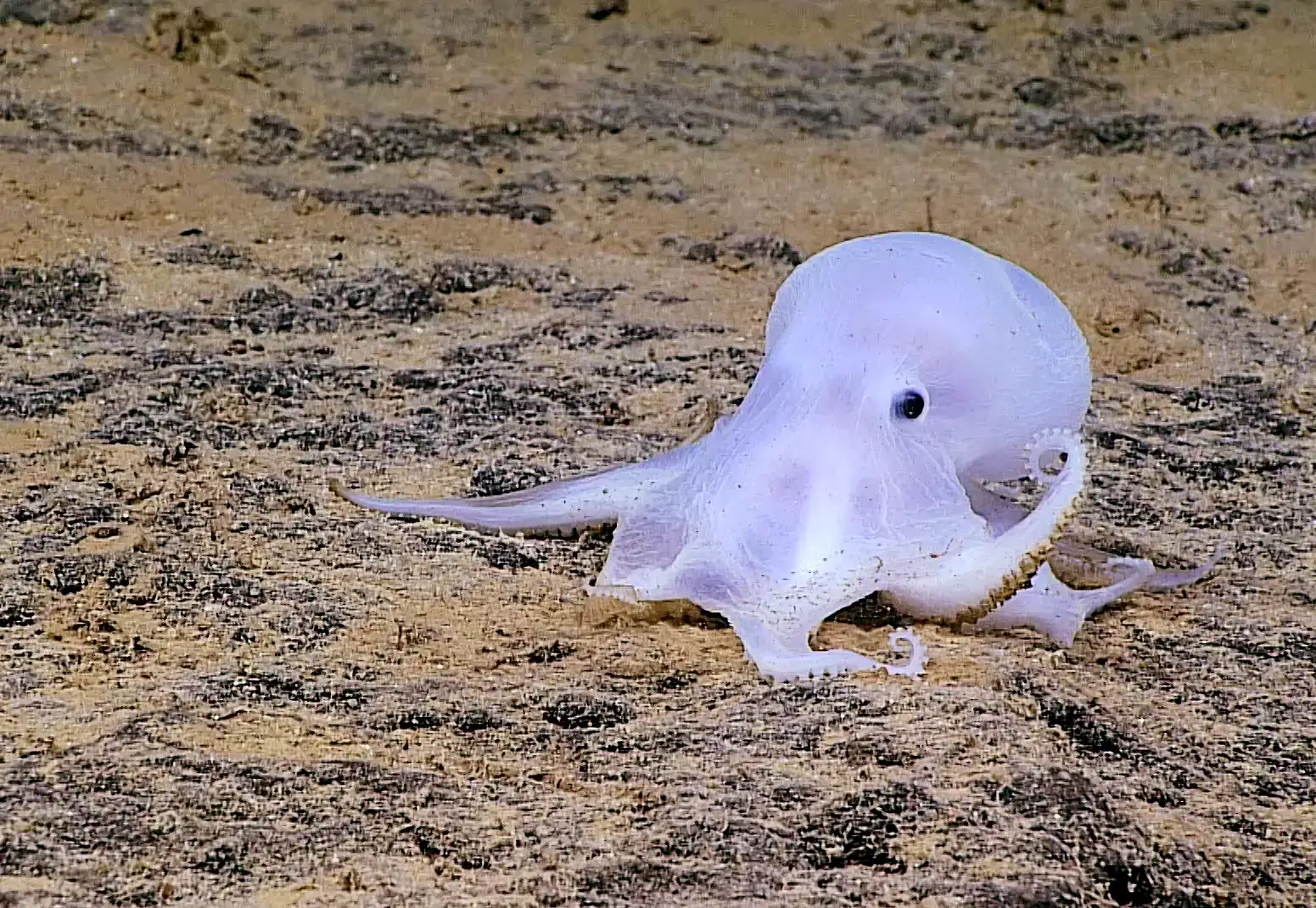
The deep-sea octopus, Graneledone boreopacifica, makes one of nature’s most extreme sacrifices by laying just one bunch of eggs in her lifetime. Think about that for a second. One shot at motherhood, and she gives it absolutely everything she has.
A research submarine from the Monterey Bay Aquarium observed one devoted deep-sea octopus rack up an astonishing four and a half years of starving submission, making her the longest brooding mother on record. This incredible mother was discovered clinging to a rock face deep in California’s Monterey Canyon, roughly 1,400 meters below the surface where temperatures hover around a chilly 3°C.
She guards her cache of 160 tear-drop eggs by cradling them under her body, squirting fresh oxygenated seawater over them to keep them clear of silt or debris. Scientists even tried tempting her with pieces of crab during their visits, but she never gave in. Not once.
As the months went by she slowly lost weight, and the skin sagging around her shrunken frame lost all pigment, leaving her a ghostly white facsimile of her former hunting self. This epic brooding period – 53 months in total – is the longest known for any animal.
When researchers returned after she disappeared, only empty egg casings remained. Her babies had hatched and swum off into the deep sea, while she had likely perished from starvation shortly after completing her life’s mission.
2. Elephant Seals: Fasting Moms in Freezing Breeding Grounds
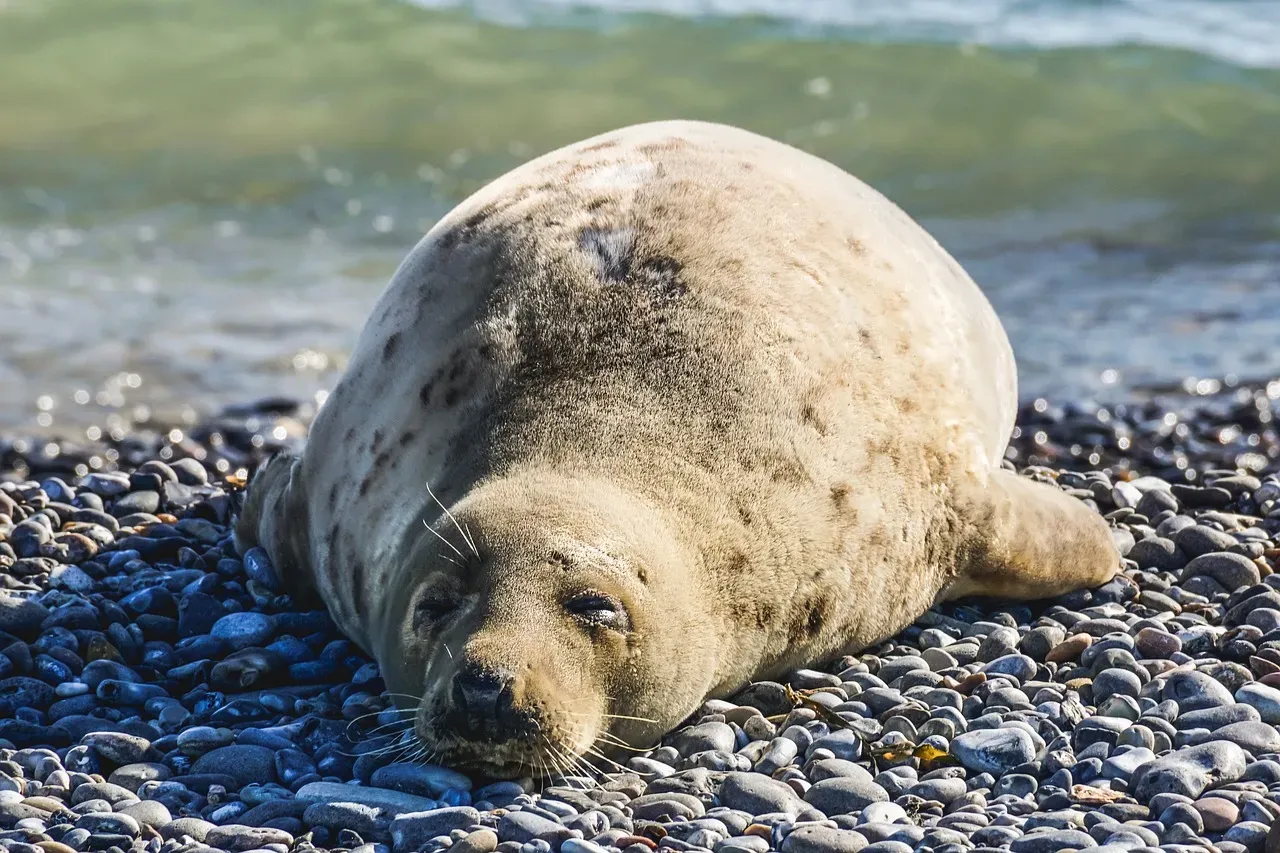
Elephant seal mothers might not win any parenting popularity contests, but their commitment during the nursing period is genuinely hardcore. Within days of arriving at breeding grounds, they give birth and start nursing their single pups, all the while fasting.
The females eat nothing while they are giving birth, nursing, and mating, and the males go without food for up to three months at that time. Picture yourself going without food for nearly a month while simultaneously producing milk that’s incredibly rich in fat content.
The pups weigh in at birth at about 70 pounds, and their full-time job over the next weeks is to slurp as much as they can of their mother’s ultra-rich milk, which, by the end of the nursing period contains as much as 55% fat. That’s roughly ten times the fat content of human breast milk. Feeding on its mother’s rich milk, the pup grows from approximately 75 pounds at birth to 250-350 pounds in less than a month.
Then, after roughly four weeks of this intense fasting and nursing marathon, the mother abruptly abandons her pup and heads back to sea. The theory is that the female is so weak after nursing and fasting that she doesn’t have enough energy to nourish the egg from her recent mating, so there’s a biological delay in implantation.
3. Strawberry Poison Dart Frogs: Personal Taxi and Room Service Combined
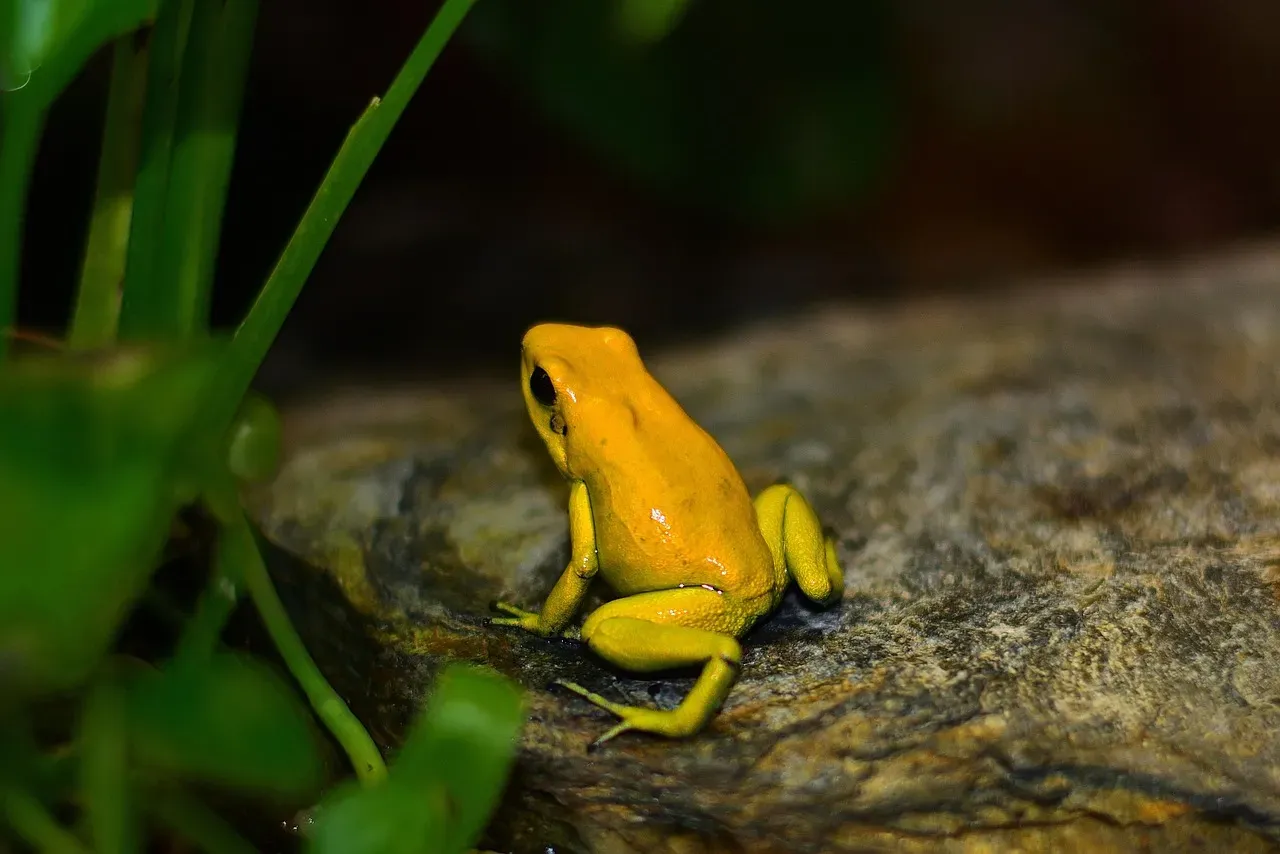
Here’s the thing about strawberry poison dart frog mothers – they don’t just lay eggs and walk away like most amphibians. These tiny, brilliantly colored Central American frogs go above and beyond in ways that seem almost unbelievable for such a small creature.
When the eggs hatch after 10 to 14 days, the female transports tadpoles from one to four at a time to a watery hollow in the vegetation (often a water-filled bromeliad). One tadpole is deposited in each location, because they will consume the smaller of their siblings if they are left to grow together. Smart move, mom.
But that’s not even the most impressive part. The female strawberry poison frogs must provide food for each tadpole within 3 days of transport or they will starve. Afterwards, she will make morning, daily visits to feed each tadpole 1 to 5 unfertilized eggs.
The female spends the next six to eight weeks feeding the tadpoles by going back and forth between them and laying unfertilized eggs in the pools. Imagine having multiple kids scattered across different locations and having to visit each one daily with specially prepared meals. It’s exhausting just thinking about it.
The unfertilized eggs fortify the tadpoles not only with nutrients, but also poison, giving them the chemical defenses they’ll need to survive in a dangerous rainforest environment.
4. Orangutans: The Longest Childhood in the Animal Kingdom
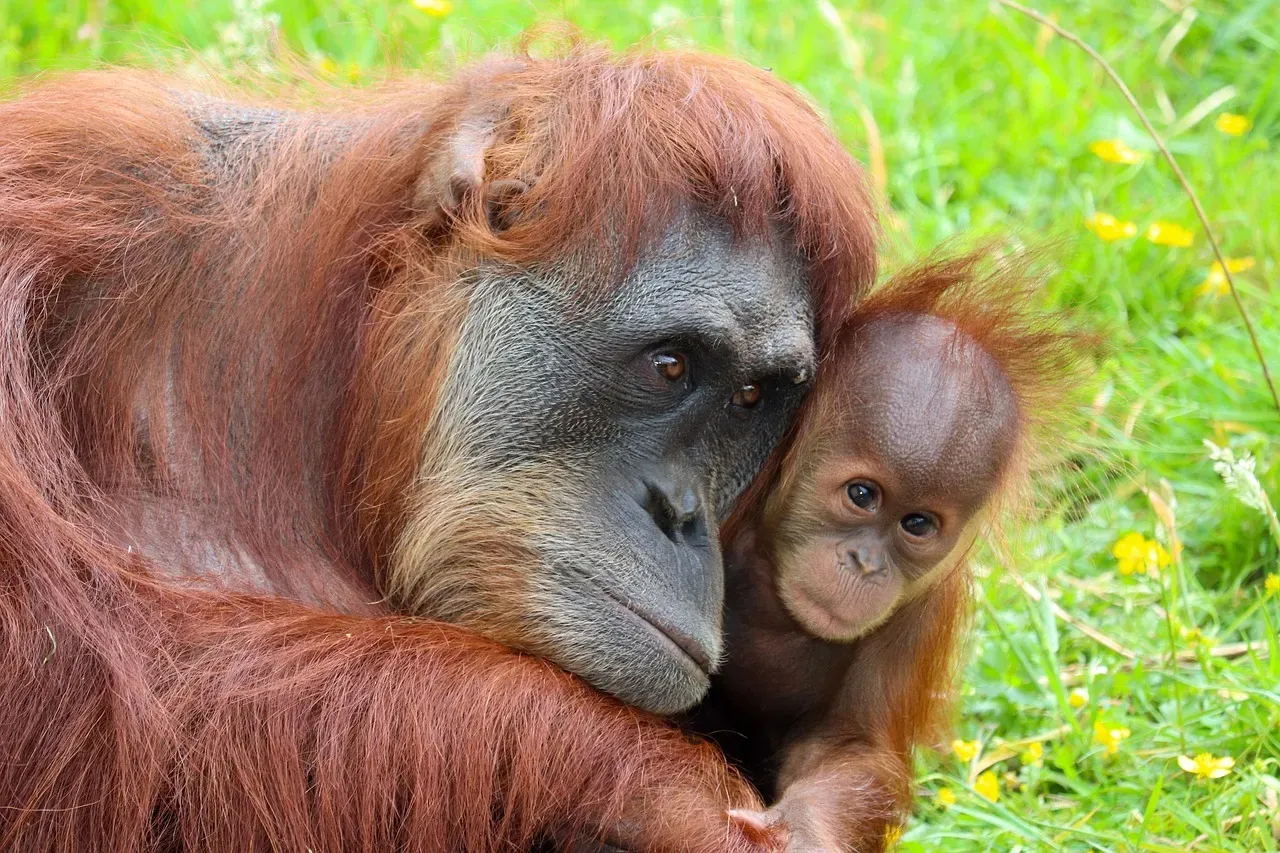
If you thought human children took forever to become independent, you haven’t met orangutan mothers. Orangutan kids are dependent on their mothers for around eight to 12 years, which is a very long time compared with most other primate species.
They nurse their babies for up to seven years, creating incredible, long-lasting bonds and teaching them everything they need to survive in the wild, from finding food to using tools and building nests. That’s not a typo – seven years of nursing. Most human mothers would struggle with seven months.
It has the longest birth interval of any land mammal, with one of the longest periods of infant dependency. This means orangutan mothers typically only have three to four offspring in their entire lifetime because they invest so heavily in each one.
Why such a long dependency period? Well, orangutans are incredibly intelligent and live solitary lives once they mature. Moms teach their kids where to find food, what other animals are a threat to them, how to find shelter and build their nests, among many other things as well. There’s simply a massive amount of knowledge to transfer.
The dedication doesn’t end at weaning either. Even when young orangutans are too old to be carried and fed by their mother, they may still remain close to her, traveling with her, eating, and resting in the same trees, until they are about 10 years old.
5. Pacific Octopus Mothers: The Ultimate Sacrifice
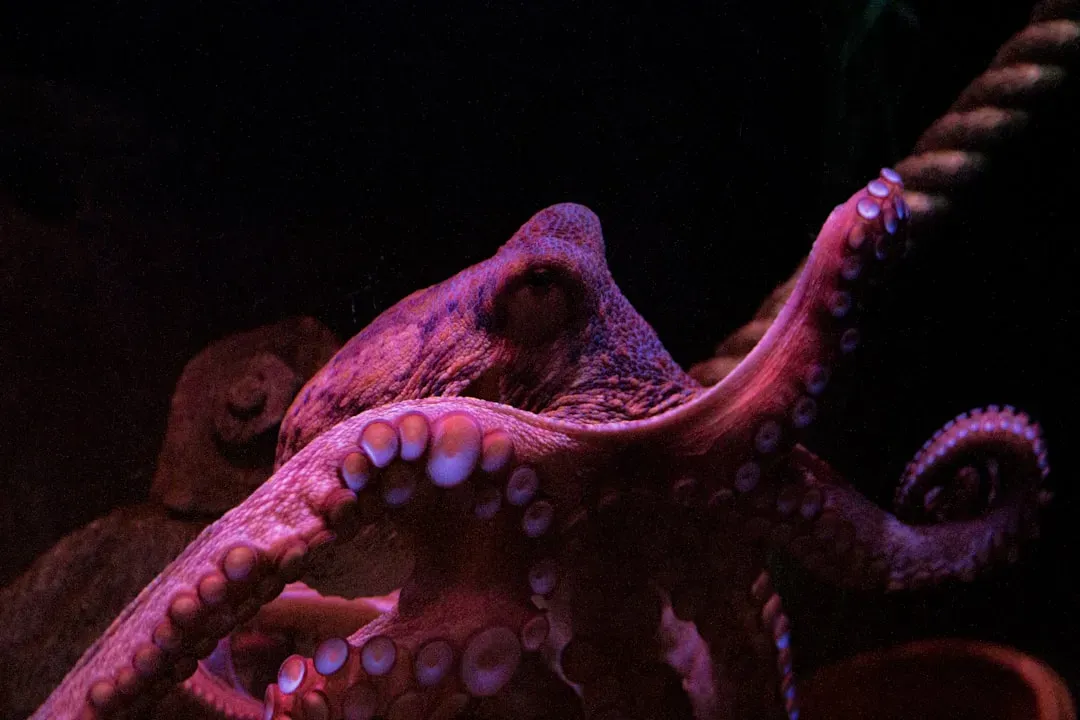
While we already discussed the deep-sea octopus champion, the more common Pacific octopus mother deserves her own recognition. A female giant Pacific octopus only has one chance at breeding in her five-year lifespan. When she’s ready lay her eggs – up to 80,000 of them – she finds a rocky den and settles down for a long wait. It can take 6-10 months for the baby octopus’ to develop, and during that time, the female won’t leave their side.
She won’t even leave the eggs to hunt for food – and, in fact, the part of the octopus’s brain that governs her urge to eat shuts that urge down. As a result, the octo-mom slowly starves. It’s not like she’s choosing to diet or trying out intermittent fasting. Her brain literally turns off the hunger signal.
She won’t eat, but will protect the eggs and fan them to keep them oxygenated and free from bacteria and algae as she slowly dies, making the ultimate sacrifice for her babies. Honestly, this is one of the most heartbreaking yet beautiful examples of maternal devotion in nature.
She dies around the same time her babies hatch. Her entire being is programmed for this one moment of reproductive success, and she gives every ounce of her energy to ensure those babies make it into the world.
6. Cheetah Mothers: Solo Parenting on the Savannah
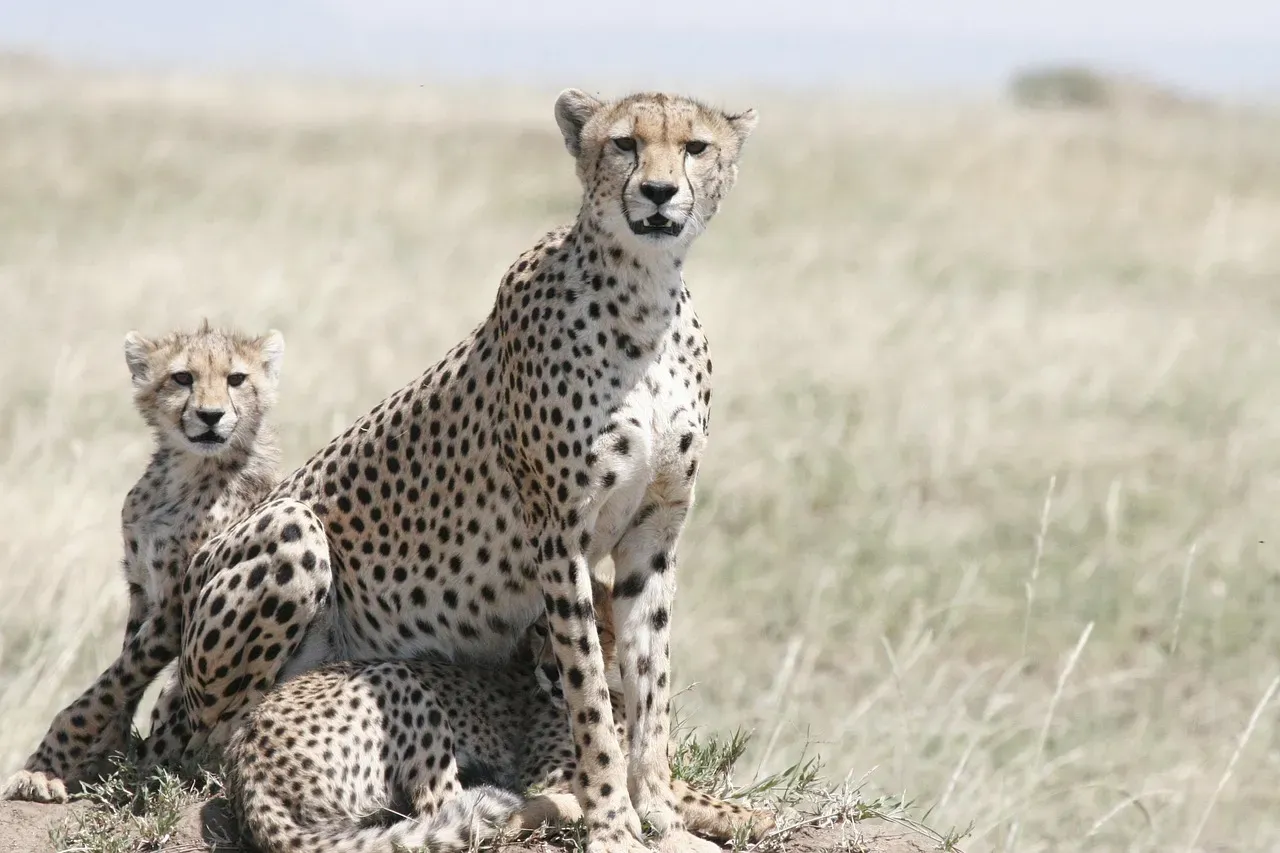
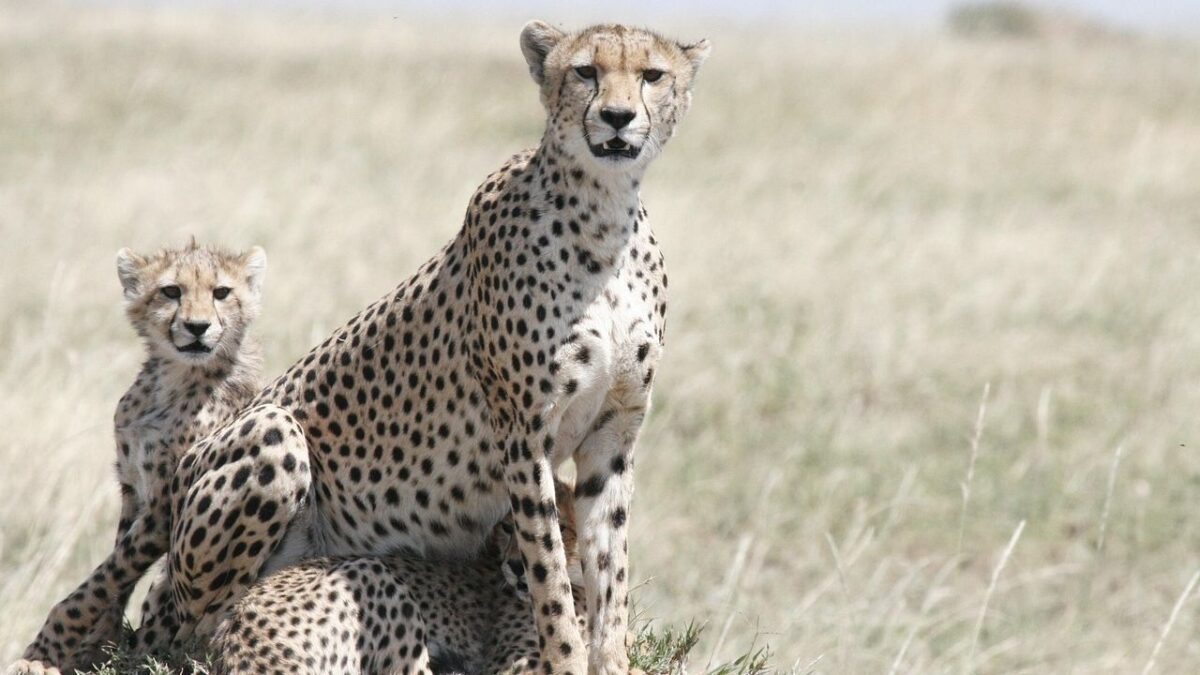
Being a single mom is tough anywhere, but try doing it on the African savannah where everything wants to eat your babies. Cheetah mothers raise multiple cubs alone, tasked with the mammoth job of finding safe dens, hunting for food, protecting cubs from predators, and teaching their young the essential survival skills they’ll need to fend for themselves in the competitive African savannah.
Unlike lions who share parenting duties within a pride, cheetah mothers are completely on their own. They have to hunt enough food for themselves and growing cubs, all while being one of the smaller big cats in an environment filled with lions, hyenas, and leopards who would happily kill cheetah cubs.
Cubs will usually stay with their mothers for 18 months, and along the way, their fierce big cat mothers work to remind us that the best parents prepare their children for independence. It’s like running a survival boot camp while simultaneously being chef, bodyguard, and teacher all rolled into one exhausted package.
The mortality rate for cheetah cubs is devastatingly high, with many not surviving to adulthood. Yet cheetah mothers persist, fiercely defending their young and teaching them how to hunt at breakneck speeds across the grasslands.
7. Emperor Penguin Mothers: The Long March for Food
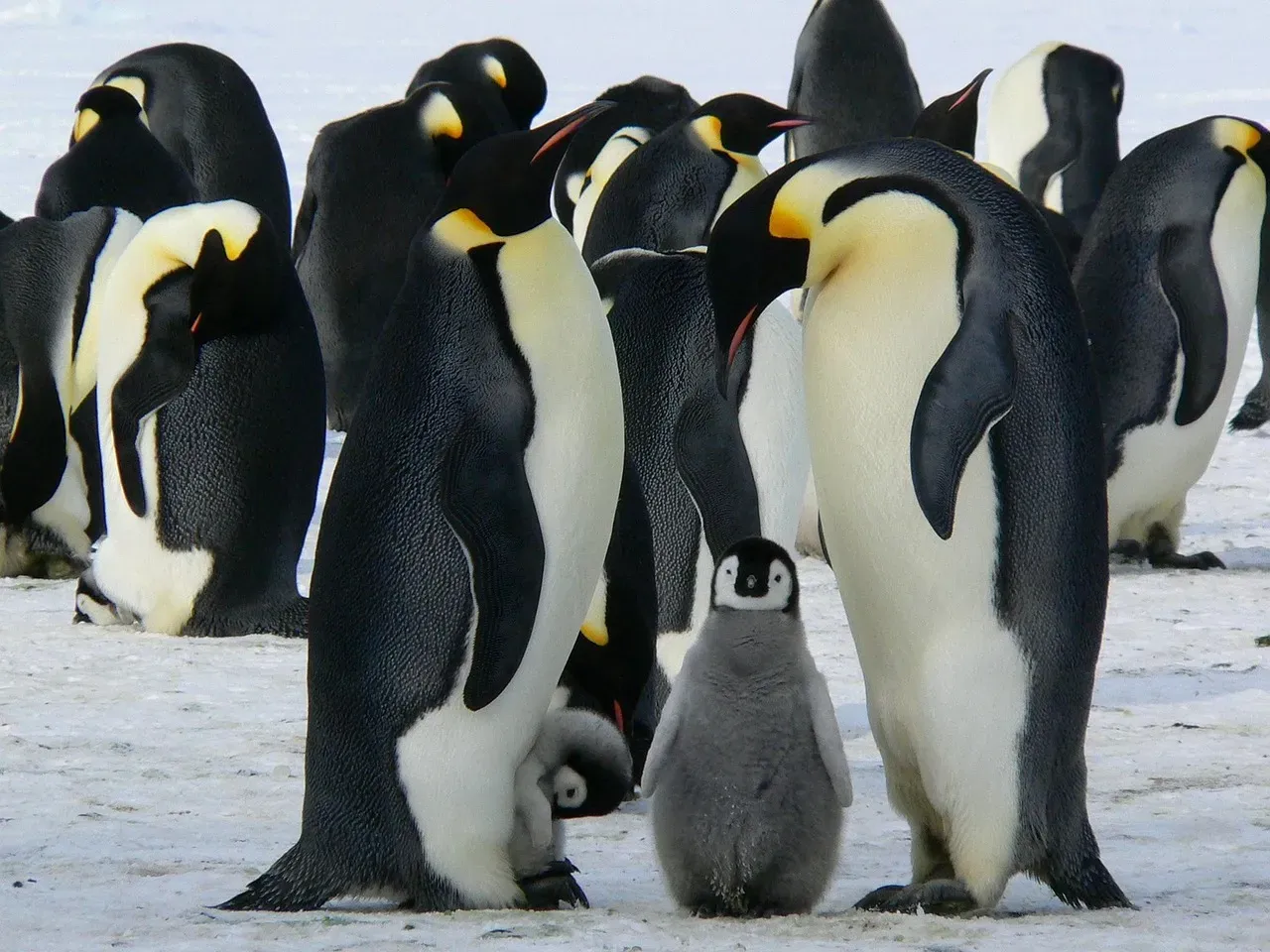
Emperor penguin parenting is a team effort, but the mother’s role is no joke. The mother lays a single egg and then passes it over to the father to keep warm. While the father protects the egg, the mother journeys for miles to feed for about nine weeks, preparing to regurgitate food for the chick when she returns.
Let’s put this in perspective. After laying an egg in the brutal Antarctic winter, the mother penguin embarks on a journey of potentially over a hundred kilometers across ice to reach the ocean. She hasn’t eaten during the egg-laying process, so she’s already weakened.
The dedication of the mother, who braves the harsh Antarctic cold to ensure her chick’s survival, is extraordinary. She spends weeks feeding herself in the frigid ocean, building up reserves, then makes the long trek back with a belly full of partially digested fish to regurgitate for her newly hatched chick.
The timing has to be perfect. If she returns too late, the chick might not survive. If she doesn’t find enough food, both she and the chick could perish. The Antarctic is one of the most unforgiving environments on Earth, yet emperor penguin mothers navigate it with remarkable determination.
8. Orca Mothers: Lifetime Devotion to Adult Sons
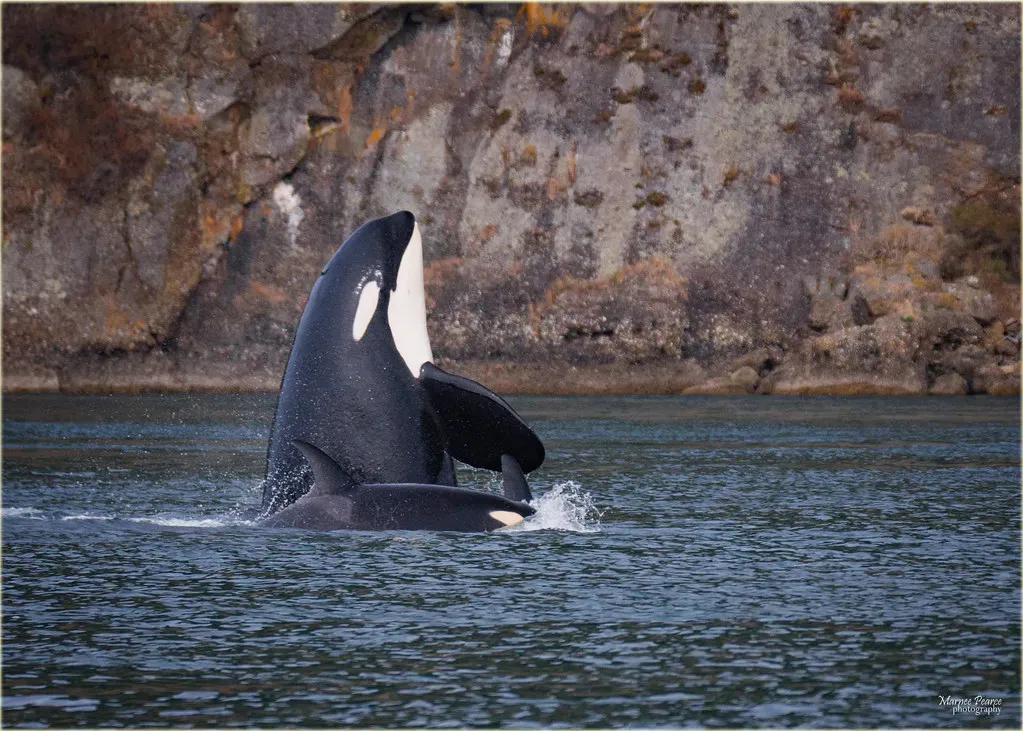
Most animal mothers eventually cut the apron strings, but orca mothers take maternal devotion to an entirely different level. A study published in the journal Current Biology shows that orca mothers take sacrifice to a surprising extreme. They surrender their own reproductive success to care for their sons, even after those sons are full-fledged adults.
This isn’t just about feeding and protecting young calves. A strong negative correlation between females’ number of surviving, weaned sons and their annual probability of producing a viable calf was found. Those costs didn’t get any smaller as their sons grew older, either.
Resident Orca mothers and their children stay together their entire lives, even after they have offspring of their own. The sons might mate with females from other pods, but they always come back to mom. She shares food with them, particularly during times when food is scarce.
Why would orca mothers sacrifice their own future offspring to care for adult sons? Scientists believe it’s because those sons go on to mate with females from other pods, spreading their genes widely. The mother’s investment pays off genetically, even if it means she has fewer calves herself. Still, it’s a remarkable example of how far maternal instincts can extend.
9. Elephant Mothers: The Matriarch’s Heavy Load
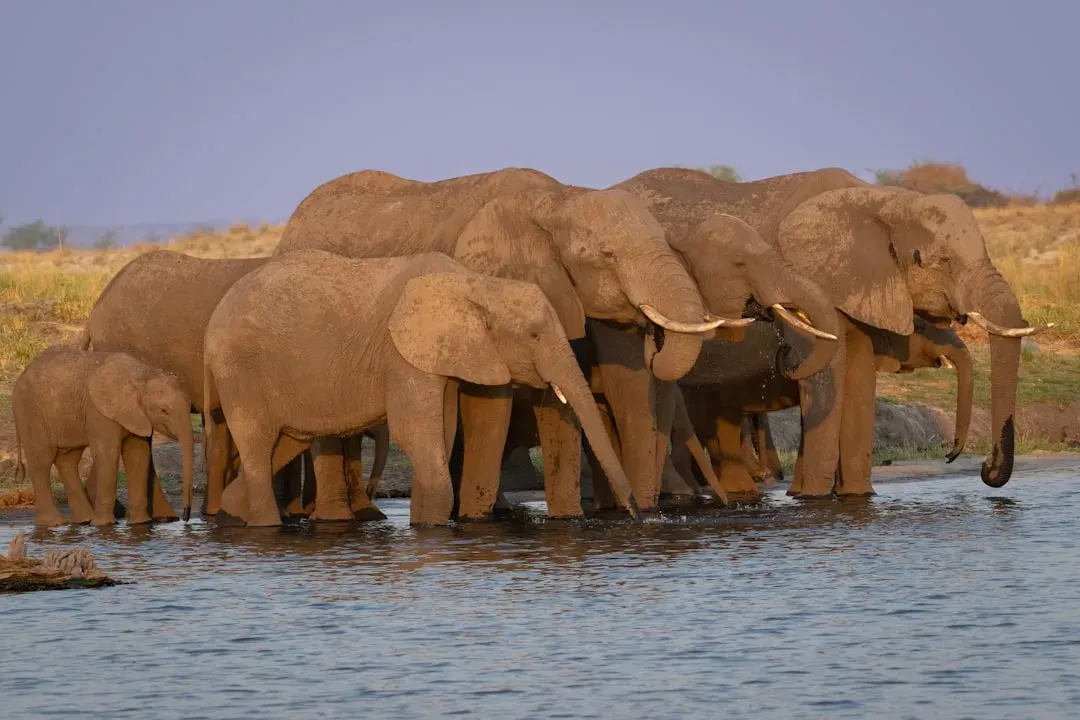
Elephants may be the most protective moms on the planet. Herds of females and children usually travel together in a circle, with the youngest member on the inside protected from predators. This isn’t just about biological mothers – it’s a community effort led by the matriarch.
Elephant mothers are pregnant for nearly two years, which is already an impressive commitment. But the real work starts after birth. Newborn elephants are vulnerable and clumsy, requiring constant supervision and protection from predators like lions and hyenas.
If one child becomes an orphan, the rest of the herd will adopt him. This collective parenting strategy means elephant mothers are often caring for multiple young ones, not just their own biological offspring. They nurse their calves for two to three years on average, though some continue nursing for much longer.
The emotional depth of elephant motherhood is striking. Elephants also mourn their dead. A bereaved mother will behave in a depressed manner for days while the herd creates a burial of the dead. Female elephants often stay with their mothers for their entire lives, creating multi-generational family bonds that rival even human families in complexity and depth.
10. Bottlenose Dolphin Mothers: Years of Intensive Care
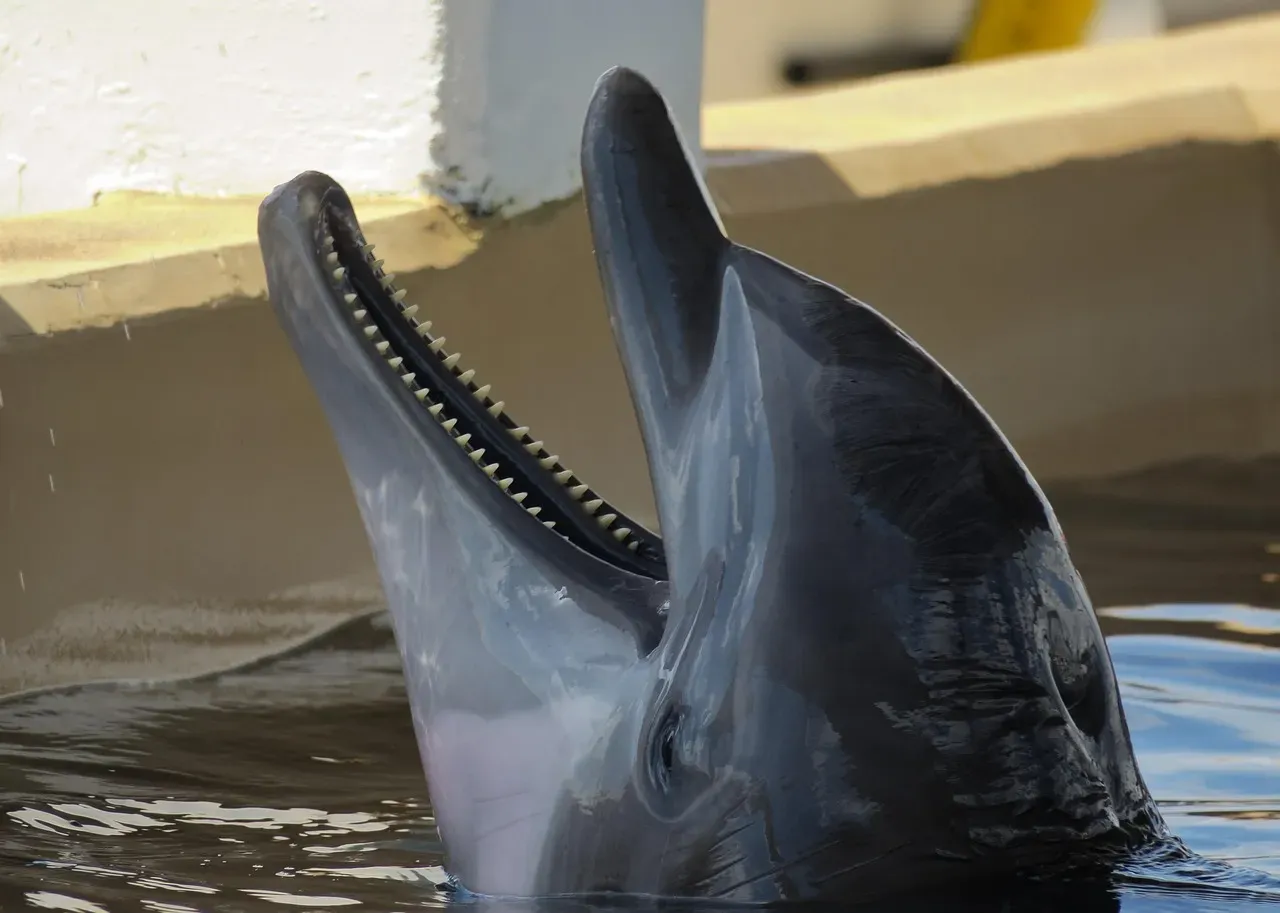
Dolphin mothers are renowned for their intelligence and their incredibly hands-on approach to parenting. About six hours after dolphin calves are born, the mothers will begin to nurse their young at least four times each hour for the first four to eight days, and mothers continue to nurse their calves for up to 18 months.
The physical demands are substantial. To help the little ones keep up, bottlenose dolphin moms create a wake called a slipstream that draws the youngsters alongside them. This swimming technique reduces the energy expenditure for the calf but increases the mother’s own effort.
Mothers and calves typically develop an extremely strong bond, and calves stay with their mothers for up to six years before going out on their own. During this time, mothers teach their offspring everything from hunting techniques to social behaviors and communication.
Dolphin mothers face constant threats from predators like sharks, and they’re known to fiercely defend their young. They also demonstrate remarkable patience when teaching their calves complex behaviors, repeating demonstrations over and over until the young dolphin masters the skill. It’s a level of dedication that requires not just physical strength but significant emotional and cognitive investment.
Conclusion
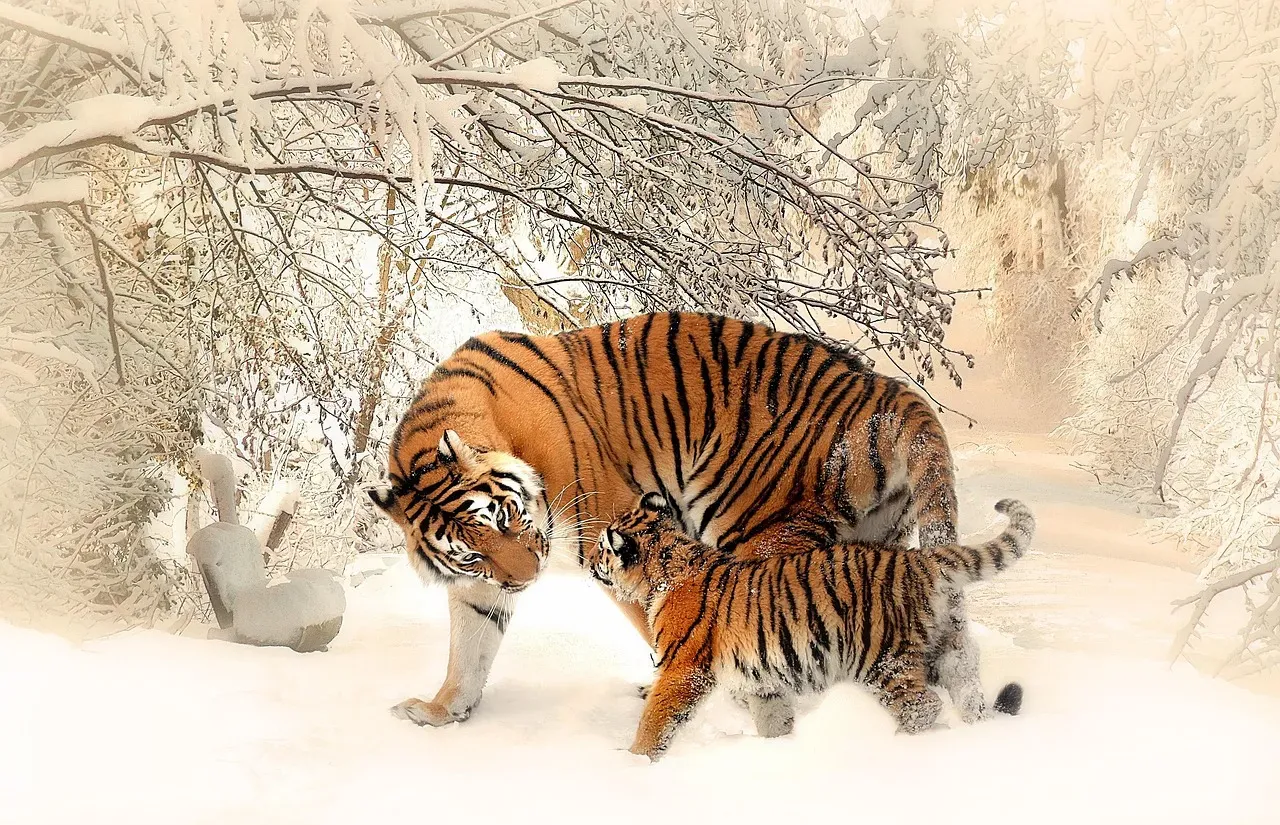
The animal kingdom is filled with mothers who redefine what it means to sacrifice for your children. From octopus mothers who literally starve themselves to death while guarding their eggs to orangutan mothers who dedicate over a decade to raising a single offspring, these examples remind us that maternal devotion knows no bounds across species.
These extreme parenting strategies have evolved over millions of years, shaped by the specific challenges each species faces. Some environments demand that mothers give everything in one monumental effort, while others require years of patient teaching and protection. What do you think – which of these amazing animal moms impressed you the most? The one who starved for over four years, or perhaps the tiny frog carrying babies up trees one by one?
Human mothers often joke about the difficulties of parenting, but perhaps we can all take some inspiration from these remarkable creatures who show us what true dedication really looks like.

- 14 Signs a Dog Near the Rainbow Bridge Is at Peace With Its Person - July 21, 2026
- 15 Ways a Shelter Animal Tells You It Was Always Meant to Be Yours - July 21, 2026
- 14 Ways a Dog Shows You Are the Center of Its Whole World - July 21, 2026