

Every year, animals embark on journeys that would humble the most seasoned human traveler. A bar-tailed godwit departs the Alaskan tundra and flies nonstop across the Pacific Ocean for over a week. A monarch butterfly crosses thousands of kilometers without ever having made the trip before. A salmon returns to the precise stream gravel where it hatched, years after leaving for the open ocean.
These feats aren’t random or lucky. They are the result of extraordinary navigational systems that science is still working to fully understand. The tools these animals use are embedded in their biology, refined across millions of years of evolution, and in many cases, astonishingly precise. Here’s what we know.
The Built-In Magnetic Compass
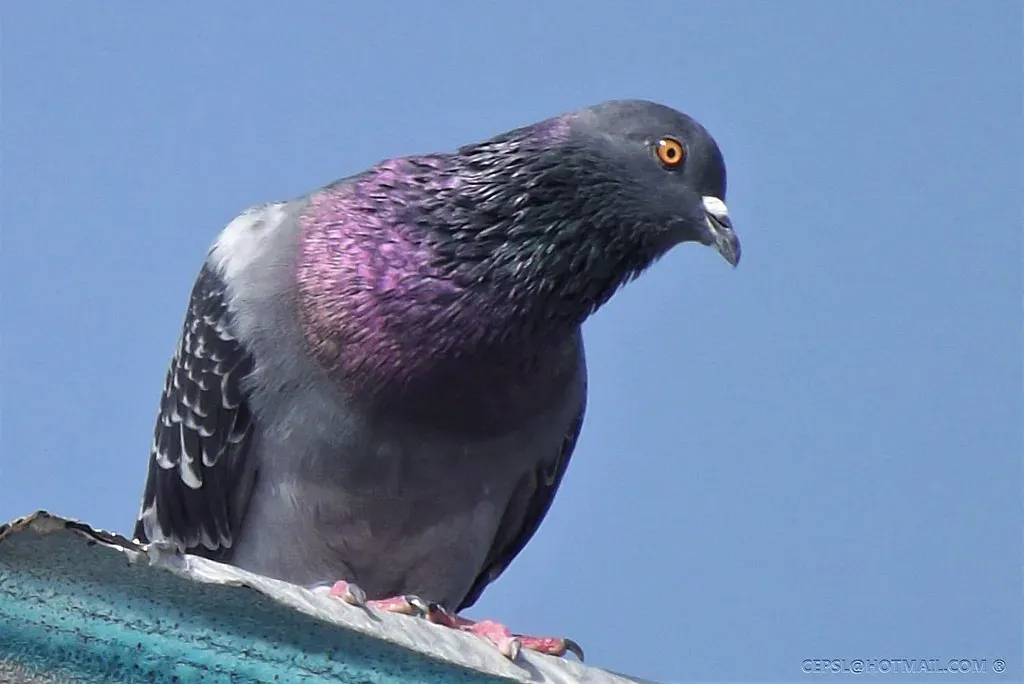
One of the most remarkable navigational tools in nature isn’t visible, isn’t loud, and can’t be felt by humans at all. Magnetoreception, an animal’s ability to sense Earth’s magnetic field, remains one of the most intriguing mysteries in biology. It allows everything from songbirds to sea turtles to orient themselves across vast, featureless terrain.
Many birds rely on cryptochrome-based systems to sense the tilt of Earth’s magnetic field lines, providing them with a magnetic compass that allows them to determine which direction to fly during migration. While highly effective for orientation, this system does not give birds precise positional information. In contrast, sea turtles and some other animals use magnetite-based sensors to detect subtle variations in magnetic intensity and inclination across the globe.
Accumulating evidence indicates that species like sea turtles, salmon, spiny lobsters, and homing pigeons may use magnetite-based sensors to determine not just direction but also position, functioning somewhat like an internal GPS that helps guide long-distance migrations with remarkable precision. It’s a sensory capability that researchers are still working to fully map, but the evidence for it is now well established.
Reading the Stars and Sun Like a Living Chronometer

Migratory birds’ navigational input comes from several senses, mainly sight, smell, and magnetoreception. By observing the apparent nighttime rotation of the stars around the North Star, the birds learn to locate north before they embark on their first migration, and an internal 24-hour clock allows them to calibrate their sun compass.
Monarch butterflies use the Sun as a compass to guide their southwesterly autumn migration from Canada to Mexico. The process is more intricate than simply following light. Recent studies of the iconic fall migration of monarch butterflies have illuminated the mechanisms behind the navigation south using a time-compensated sun compass. Skylight cues, such as the sun itself and polarized light, are processed through both eyes and likely integrated in the brain’s central complex, the presumed site of the sun compass. Time compensation is provided by circadian clocks that reside in the antennae.
In the 20th century, Karl von Frisch showed that honey bees can navigate by the Sun, by the polarization pattern of the blue sky, and by the Earth’s magnetic field; of these, they rely on the Sun when possible. The animal kingdom, it turns out, is full of creatures reading the sky in ways we are only beginning to decipher.
The Secret of Scent: How Salmon Find Home
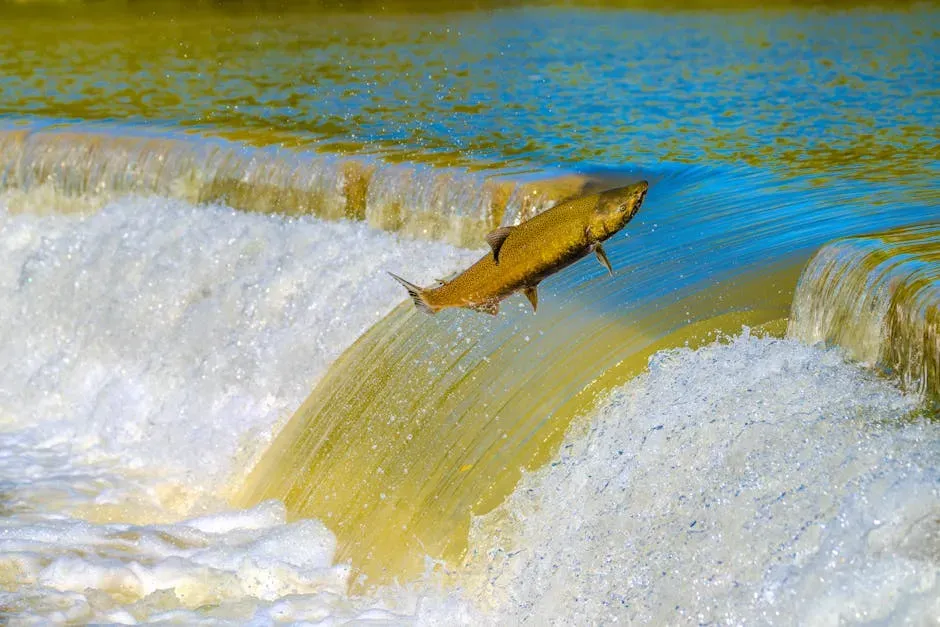
Of all animal navigation stories, few are as quietly extraordinary as the salmon’s return journey. It has been common knowledge for more than 100 years that when migrating adult salmon enter fresh water, they rely primarily upon their sense of smell to locate their birth streams where they will breed. The precision involved is almost impossible to overstate.
The olfactory hypothesis for salmon homing, first presented by Hasler and Wisby in 1951, has three basic tenets: each stream has a unique chemical composition and distinctive odor; before juvenile salmon migrate to the sea they become imprinted to the distinctive odor of their home stream; and adult salmon use this information as a cue for homing when they migrate through the home-stream network to the home tributary.
Before their seaward migration, juvenile salmon learn, or imprint to, specific odors associated with their natal stream. Maturing adults use retained odor memories to guide their homing migration. The memory is formed early, held for years, and ultimately guides a fish back to the exact gravel bed where its life began. That’s a form of biological record-keeping that still draws genuine awe from researchers.
Quantum Biology: The Eye as a Magnetic Sensor
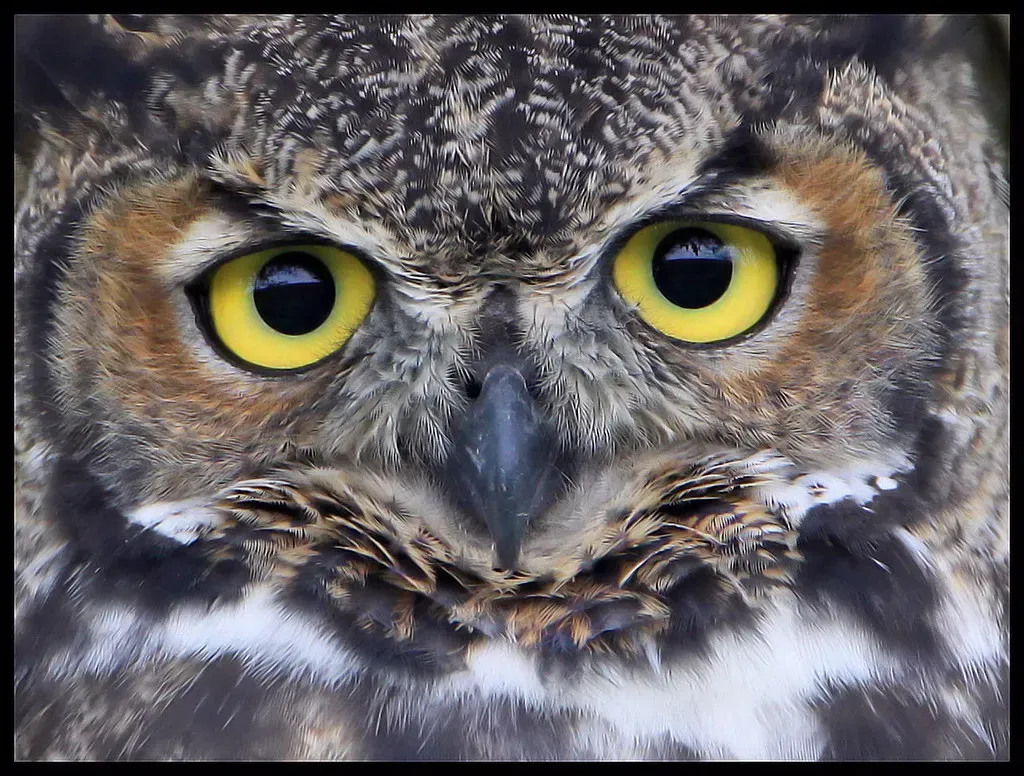
This is where migration science gets genuinely strange. Some animals, particularly migratory birds, use a light-dependent mechanism involving a protein called cryptochrome. Cryptochromes are sensitive to blue light and play a role in circadian rhythms and magnetoreception. In birds, cryptochromes are thought to be present in the retina of the eye, and they enable the bird to detect changes in the Earth’s magnetic field through a quantum-based process. This mechanism is believed to allow the bird to perceive the magnetic field as a visual pattern that overlays the normal visual scene.
Various findings suggest that a region of the brain called Cluster N is responsible for processing magnetic signals. It is located near the region that processes visual stimuli in avian brains and is highly active in night-migratory songbirds in light conditions such as low-level star and moonlight. Research proved that when this brain region is not functioning, birds can still use their star and sun compasses, but can no longer navigate using magnetic stimuli.
The implication is striking: some birds may literally see the Earth’s magnetic field, as a kind of shading or overlay on their normal vision. Unlike humans, birds also detect the magnetic field generated by Earth’s molten core and use it to determine their position and direction. It’s navigation built into the act of looking.
Migration as Learned Skill, Not Pure Instinct
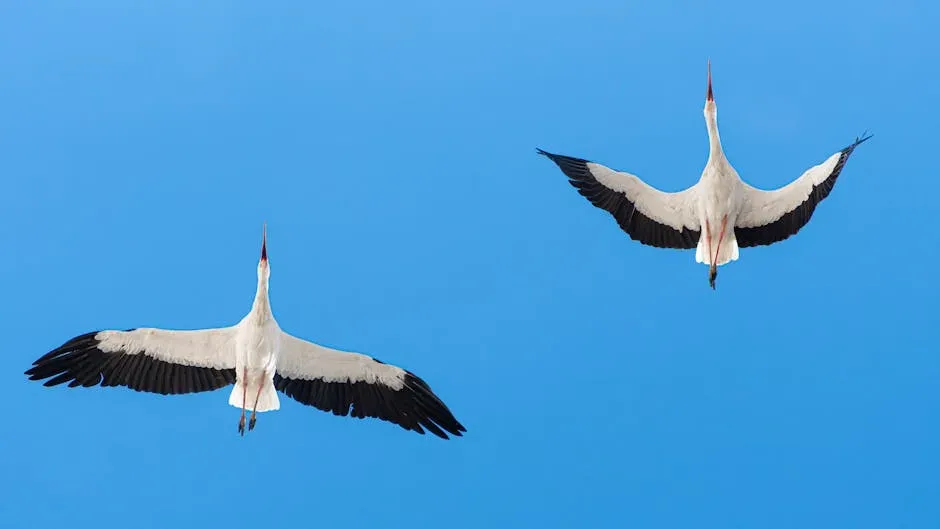
For a long time, migration was treated as largely hardwired, a genetic program switched on at the right season. The picture today is more nuanced. Research led by scientists from University of Wyoming and Max Planck Institute of Animal Behavior shows that migrating animals refine their behavior as they get older, suggesting that experiential learning is an important part of successful migration. While genetics and social behavior are important factors shaping animal migrations, information gained through individual experience also appears to help shape migratory movements.
The study involved technically sophisticated tracking of over 250 white storks spread across five breeding areas in southern Germany and Austria between 2013 and 2020. The tracking data not only pinpointed the migration pathways of the storks but also measured the timing and pace of individual storks, as well as estimating the amount of energy they used while flying. The team found that while young storks took their time exploring new places during migration, their migrations become faster as they age.
Social learning also matters in some species. In Caspian terns, genetic and foster male parents carry the main responsibility for migrating with young. During migration, young birds stayed close to an adult at all times, with the bond dissipating on the wintering grounds. During their first solo migration, subadult terns remained faithful to routes they took with their parents as young. Experience, it seems, sharpens what instinct begins.
Group Navigation and the Wisdom of the Flock
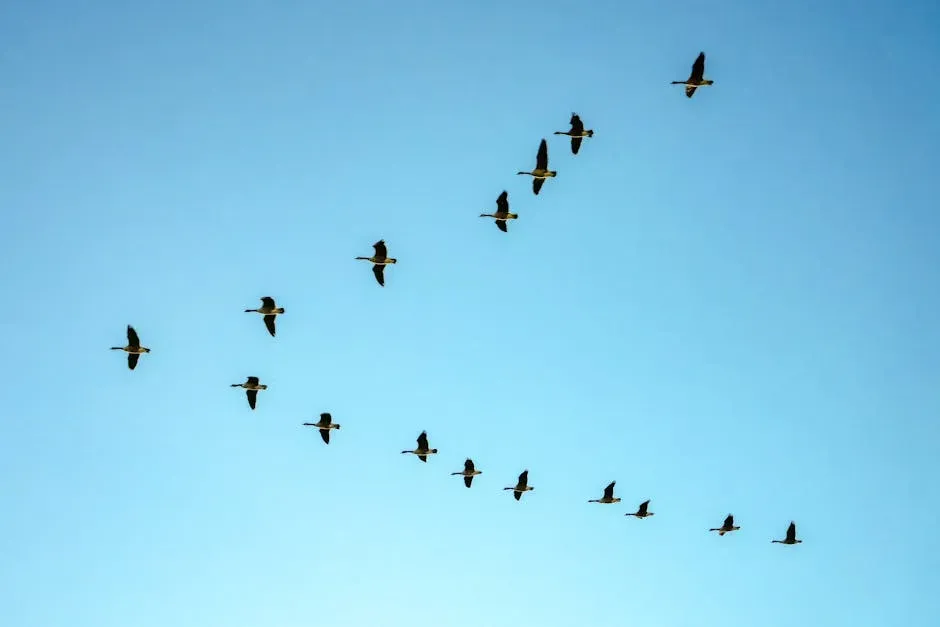
Traveling in company does more than offer safety in numbers. Joining a group of conspecifics may provide multiple benefits, including improved navigation capacity, foraging opportunities, and predator detection. The collective, in other words, can navigate more reliably than the individual.
Animals are often thought to follow simple alignment rules, but research explores how collective behavior could instead emerge from neural ring-attractor networks encoding allocentric and egocentric bearings. The results show that group motion arises spontaneously when allocentric bearings are used, with rapid switching between the two representations further boosting coordination. The group, in a meaningful sense, processes directional information more efficiently than any single member could.
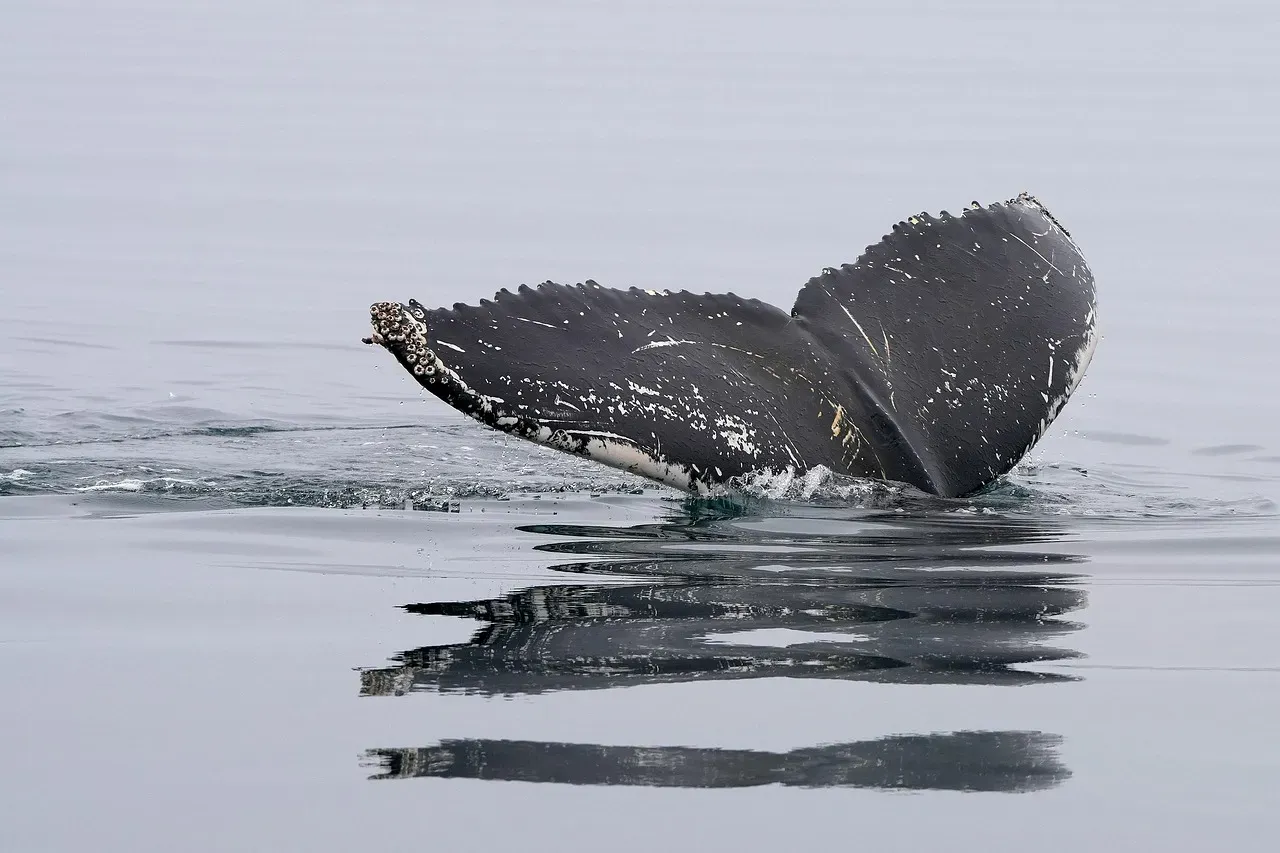
The humpback whale holds the record for the longest migration on Earth. Humpbacks have been tracked making a journey over 9,500 kilometres from breeding areas in Brazil all the way to Madagascar. In winter, these ocean giants leave foraging grounds and travel to breed in warmer waters. Humpbacks exhibit high route fidelity, meaning year after year they travel in near-straight lines using the exact same route with outstanding accuracy.
The Genetic Blueprint: Born Knowing the Way
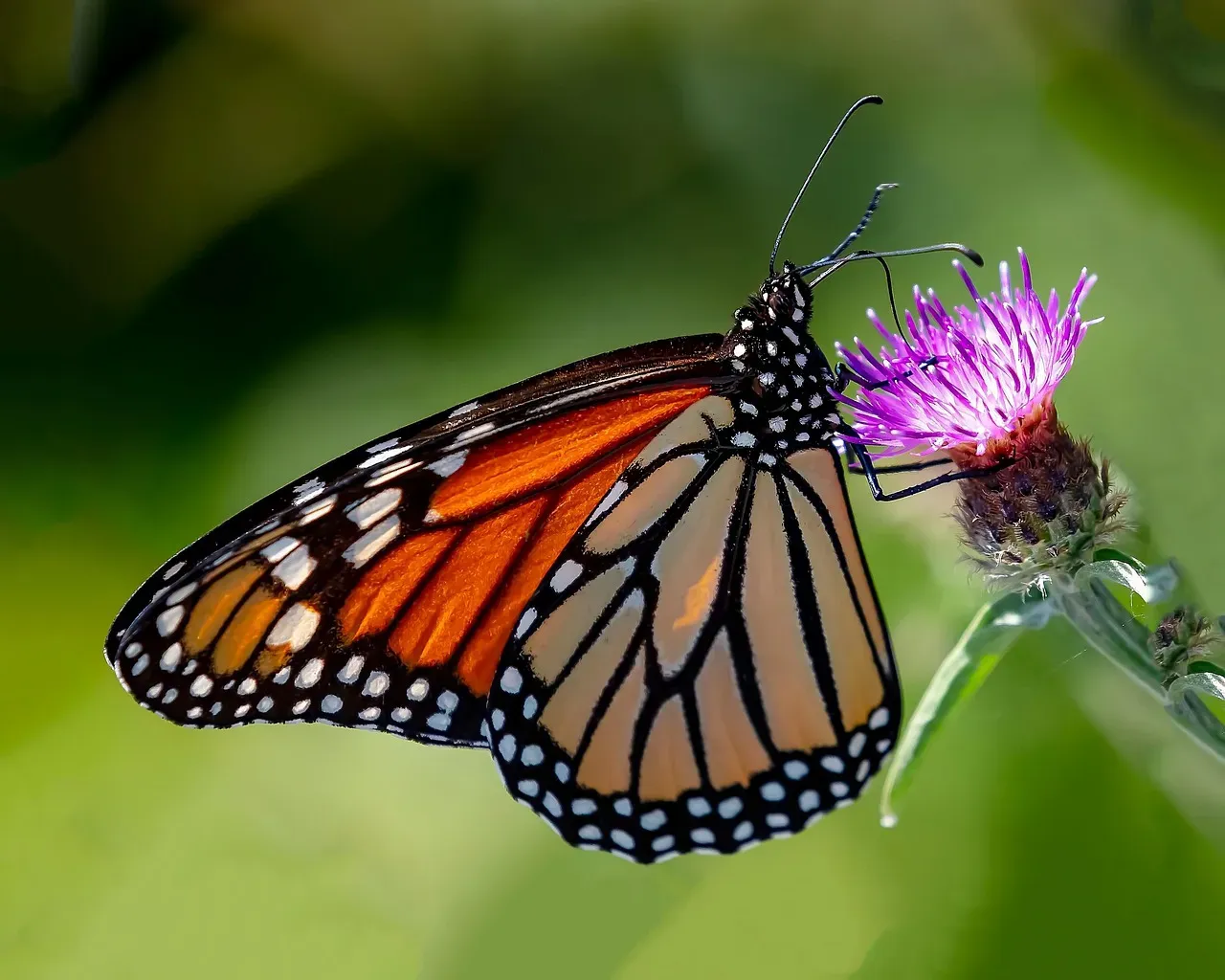
Perhaps the most thought-provoking dimension of animal migration is that some creatures navigate perfectly on their very first journey, without any prior experience or parental guidance. The remarkable navigational abilities of monarch butterflies are part of a genetic program that is initiated in migrants. It is not learned, as the butterflies migrating are always on their virgin journey, and those that migrate south are at least two generations removed from the previous generation of migrants.
Remarkably, even juvenile long-haul travelers know where to go, and birds often take the same routes year after year. The instructions are encoded in DNA, passed silently from generation to generation, waiting to be activated by the shortening of days or a drop in temperature.
Research has found a latitudinal migratory divide in a butterfly across Earth’s hemispheres, highlighting how hemisphere-specific seasonality and navigational cues shape migratory strategies. The implication is clear: evolution has been writing migration routes into genomes for a very long time, long before maps existed, long before the concept of a compass was conceived by any human mind.
Conclusion
Animal migration is one of the great spectacles of the natural world, and the navigation behind it is equally remarkable. Magnetic fields, star maps, chemical memories, quantum biology, learned routes, and ancient genetic instructions all play a role, often in combination, often in ways science is still piecing together.
Avian navigation has fascinated researchers for many years. Yet, despite a vast amount of literature on the topic, it remains a mystery how birds are able to find their way across long distances while relying only on cues available locally. That honest admission from scientists underscores something worth sitting with.
We have uncovered many of the mechanisms, but the full picture remains genuinely unfinished. Every migrating animal that finds its way home, whether it’s a three-gram warbler returning from sub-Saharan Africa or a humpback whale crossing an ocean basin, is carrying solutions to problems we are still formulating questions about. There’s a particular kind of wonder in that.
