


Throughout history, animals have fascinated us with their seemingly supernatural abilities to sense impending natural disasters. From earthquakes to tsunamis, these creatures display behaviors that suggest they are in tune with the planet in ways humans are not. As animal enthusiasts, understanding these phenomena can deepen our appreciation for these incredible creatures. This article delves into the stories of ten animals whose instincts have been observed closely by scientists and nature lovers alike.
Elephants The Gentle Giants with a Sixth Sense

Elephants are known for their intelligence and strong social bonds, but they also possess an extraordinary ability to sense earthquakes. Before a quake hits, elephants have been observed to become agitated and restless. Some researchers believe they can detect the low-frequency vibrations that precede earthquakes, known as seismic waves. In 2004, elephants in Sri Lanka famously fled inland before the devastating tsunami struck, suggesting they perceived danger long before humans did. Their heightened sensitivity to the Earth’s tremors makes them remarkable indicators of seismic activity. It’s as if these majestic creatures have an inbuilt alarm system that warns them of imminent danger.
Cats The Feline Forecasters

Cats, with their mysterious and aloof nature, have long been associated with supernatural abilities. Many cat owners have reported unusual behavior in their pets before earthquakes, such as hiding or becoming overly affectionate. Scientists suggest that cats might be able to detect the static electricity changes in the air that occur before a quake. Their acute hearing also allows them to pick up on the faintest of sounds, potentially alerting them to underground rumblings. Although not scientifically proven, there’s a growing belief that our feline friends have a unique connection to the Earth’s subtle changes. Their ability to sense these changes keeps them—and sometimes their owners—safe from harm.
Dogs Man’s Best Friend and Earthquake Indicator

Dogs have been by our side for thousands of years, offering companionship and protection. It’s no surprise that they are also keen observers of natural phenomena. Prior to an earthquake, dogs have been known to bark excessively, whine, or refuse to go outside. Some scientists believe dogs can sense the ionization of the air caused by the compression of rocks underground. Others suggest that their acute hearing enables them to detect the high-pitched sounds of rocks cracking. These behaviors serve as a testament to the strong bond between humans and dogs, reminding us of their unwavering loyalty and instinctual wisdom.
Birds The Aerial Alarm System

Birds, with their ability to soar high above the Earth, have a unique vantage point that allows them to perceive changes in the environment. Before a storm or earthquake, flocks of birds have been seen flying erratically or leaving an area altogether. It’s believed that birds can sense changes in atmospheric pressure and electromagnetic fields, prompting them to flee to safety. During the 2004 tsunami, many birds were observed flying inland, away from the coast. Their migratory patterns and behavior changes serve as natural warning signs of impending disasters, offering a glimpse into the interconnectedness of life on Earth.
Toads The Amphibian Oracles

Toads might not be the first animals that come to mind when thinking about disaster prediction, but they have surprised many with their abilities. In 2009, toads in Italy were observed abandoning their breeding sites days before an earthquake struck. Scientists theorize that toads can detect the release of gases and particles from the Earth’s crust, which often precede seismic activity. Their sudden disappearance serves as an eerie reminder of nature’s unpredictability. This behavior highlights the sensitivity of amphibians to environmental changes, pointing to their role as natural indicators of geological disturbances.
Sharks The Ocean’s Early Warning System

Sharks, often misunderstood and feared, possess an extraordinary ability to sense changes in their underwater environment. Using their acute sense of smell and the ability to detect electromagnetic fields, sharks can perceive shifts in the ocean that signal an impending storm or seismic event. Before a hurricane, sharks have been observed swimming to deeper waters, seeking refuge from turbulent conditions. Their behavior provides a unique insight into the ocean’s dynamics, emphasizing the importance of preserving marine ecosystems and understanding the creatures that inhabit them.
Honeybees The Buzzing Barometers

Honeybees, vital for pollination and the health of our ecosystems, also play a surprising role in disaster prediction. Before a storm or earthquake, beekeepers have reported unusual activity in their hives, such as increased buzzing or sudden swarming. It’s believed that honeybees can sense changes in atmospheric pressure and humidity, prompting them to take protective actions. Their sensitivity to environmental shifts underscores the intricate relationship between insects and the natural world. Understanding their behavior not only aids in disaster preparedness but also highlights the importance of conserving these essential pollinators.
Snakes The Reptilian Seismologists
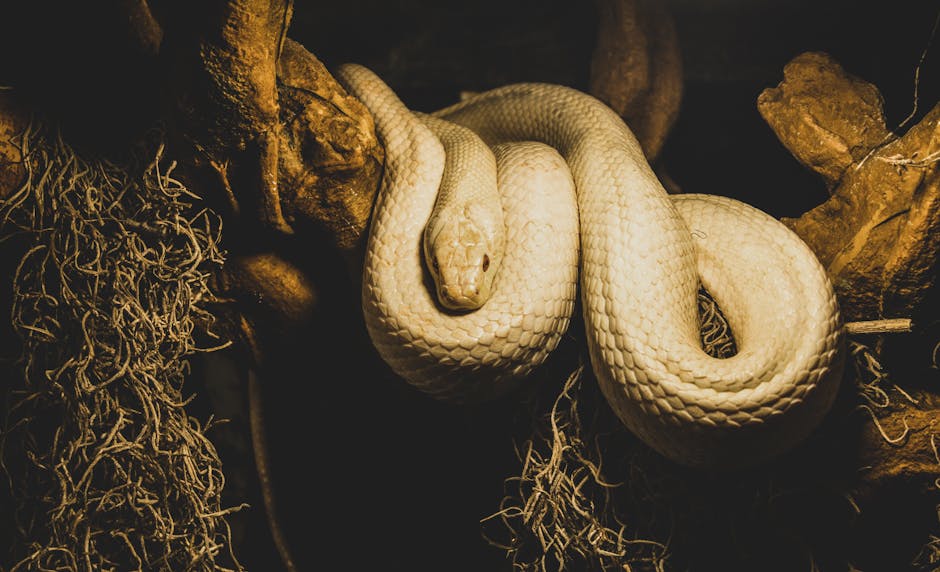
Snakes, with their elusive and enigmatic nature, have long been associated with ancient myths and legends. In reality, they possess a remarkable ability to sense earthquakes. Before a quake, snakes have been observed emerging from their burrows and behaving erratically. Scientists suggest that snakes can detect vibrations in the ground and temperature changes that precede seismic events. Their sensitivity to these subtle cues allows them to seek safety before disaster strikes. This behavior serves as a reminder of the hidden knowledge that lies within the natural world, waiting to be uncovered.
Ants The Industrious Prognosticators

Ants, known for their industrious nature and complex social structures, also exhibit fascinating behaviors in the face of impending disasters. Before an earthquake, ant colonies have been observed altering their patterns, such as moving their nests or increasing activity levels. Researchers believe ants can sense changes in the Earth’s magnetic field and vibrations, prompting them to adapt their behavior accordingly. Their collective response to environmental changes highlights the importance of community and cooperation in the animal kingdom. Observing ants offers valuable insights into the intricate balance of nature and the adaptive strategies of its inhabitants.
Cows The Bovine Barometers

Cows, often seen as docile and unassuming, have surprised many with their ability to predict weather changes. Farmers have long noted that cows tend to lie down before a storm, possibly sensing changes in atmospheric pressure. This behavior suggests that cows have an instinctual awareness of their environment, allowing them to prepare for adverse conditions. While not as dramatic as other animals, their actions serve as a gentle reminder of the interconnectedness of all living beings. By observing these behaviors, we gain a deeper appreciation for the subtle ways in which animals interact with the world around them.
Conclusion

In conclusion, these ten animals demonstrate the incredible ways in which nature communicates with us. Their behaviors offer valuable insights into the Earth’s natural processes, reminding us of the importance of preserving and respecting the delicate balance of our ecosystems. By paying attention to these animal indicators, we can enhance our understanding of natural disasters and improve our preparedness for the future.

As a little kid, I fell in love with nature, wildlife, and animals. Living in the USA, South Africa, Italy, China and Germany gave me the opportunity to discover the world's Wildlife. My favorite animals are Mountain Gorillas, Siberian Tigers, and Great White Sharks.
I'm a certified PADI Open Water Diver, went to Everest Base Camp and Trekked Gorillas in Uganda. I hold a Master of Science in Economics and Finance.
Please send any feedback to feedback@animalsaroundtheglobe.com
- 10 Animals That Can Predict Natural Disasters - July 24, 2026
- 13 Exotic Pets You Can Legally Own in the U.S. - July 24, 2026
- 11 Most Critical Habitats Saving Americas Rarest Animals - July 24, 2026
Leave a comment
You must be logged in to post a comment.