


Death is often considered uniquely human in its emotional impact, but scientific research continues to reveal that many animals experience grief and mourning behaviors remarkably similar to our own. These animals demonstrate awareness of death and engage in rituals that suggest emotional processing of loss. From elaborate funeral processions to prolonged periods of grief, the animal kingdom shows us that the capacity to mourn loved ones extends far beyond humanity. The following ten species exhibit some of the most compelling evidence of death awareness and mourning behaviors, challenging our understanding of animal consciousness and emotional complexity.
Elephants: Nature’s Most Profound Mourners
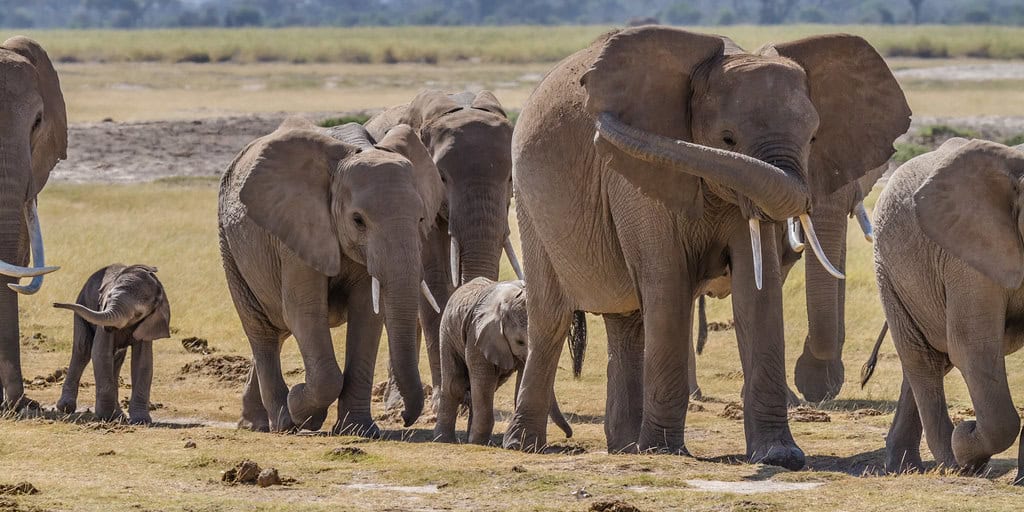
Elephants display perhaps the most documented and elaborate mourning behaviors in the animal kingdom. When a member of their herd dies, elephants perform specific rituals that researchers have consistently observed across different populations. They will often stand vigil over their dead for days, gently touching the remains with their trunks and feet, sometimes covering the deceased with branches and leaves in what appears to be a burial ceremony. The entire herd may participate in these rituals, with some elephants emitting low-frequency calls that have been described as “mourning rumbles.”
What’s particularly remarkable is that elephants show interest not just in their immediate family members’ remains but also in the bones and tusks of unrelated elephants they encounter. They will often revisit the death sites of herd members for years afterward, touching the bones in a reverent manner. Scientists have documented cases where elephants have traveled significant distances to visit the remains of deceased herd members, suggesting a level of death awareness and emotional memory that rivals human mourning practices. This behavior indicates not just recognition of death but a complex emotional response to loss that includes community support and remembrance.
Chimpanzees: Our Closest Mourning Relatives

As our closest genetic relatives, chimpanzees exhibit mourning behaviors that are hauntingly familiar. When a community member dies, chimpanzees often gather around the body, inspecting it carefully and sometimes grooming it. Mothers who lose infants have been observed carrying their deceased babies for days or even weeks, unable to part with them despite decomposition. This behavior has been documented extensively by primatologists like Jane Goodall, who observed a young male sitting motionless beside his mother’s body for hours after her death.
Chimpanzees also demonstrate awareness of death through behavioral changes following a loss. Groups may become unusually quiet after a death, with reduced playing, feeding, and social interaction. In some cases, chimps perform what researchers call “funeral gatherings,” where community members sit in silence around the deceased. One particularly moving account from Cameroon documented chimps placing branches on the body of a deceased group member in what appeared to be a deliberate marking of the death site. These behaviors suggest not only an understanding of death but also emotional processing similar to human grief.
Dolphins: Marine Mourners

Dolphins display some of the most heart-wrenching mourning behaviors in the marine world. Female dolphins have been frequently observed carrying their dead calves for days or even weeks after death, pushing them to the surface as if trying to help them breathe. This behavior, documented across multiple dolphin species, represents what scientists believe is a form of grief processing. In 2018, an orca (which belongs to the dolphin family) carried her dead calf for an unprecedented 17 days over 1,000 miles, capturing international attention for this dramatic display of grief.
Beyond maternal mourning, dolphins also demonstrate group responses to death. Pod members often circle around a dying dolphin, supporting it at the surface to breathe in what’s been termed “standing by.” When a dolphin dies, others may stay with the body, emitting distress calls and appearing agitated. Marine biologists have observed dolphins attempting to protect dead pod members from predators and boats, risking their own safety. These collective responses suggest a social dimension to dolphin grief that parallels human community mourning practices, reflecting their highly developed social bonds and emotional intelligence.
Gorillas: Dignified Grieving

Gorillas exhibit profound responses to death that reflect their complex social structures and emotional lives. When a group member dies, particularly an infant or dominant silverback, gorillas often display visible signs of distress, including changes in eating patterns, increased vocalization, and self-isolating behaviors. Mothers have been observed carrying and grooming dead infants for several days, similar to chimpanzees. What makes gorilla mourning particularly notable is the way the entire social group appears to process the loss collectively.
In captive settings, where observations can be more detailed, gorillas have been seen attempting to revive dead companions, showing apparent confusion and distress when their efforts fail. At Zoo Atlanta, when a female gorilla named Babs died in 2008, zoo staff allowed her family members to see her body. The gorillas gathered quietly around her, with her longtime mate, Ozzie, staying by her side and gently touching her face in what appeared to be a farewell gesture. Researchers note that allowing gorillas to see their deceased companions may help them process the loss rather than experiencing the stress of an unexplained disappearance, highlighting how similar their grief processing might be to our own.
Crows: Corvid Funeral Rites
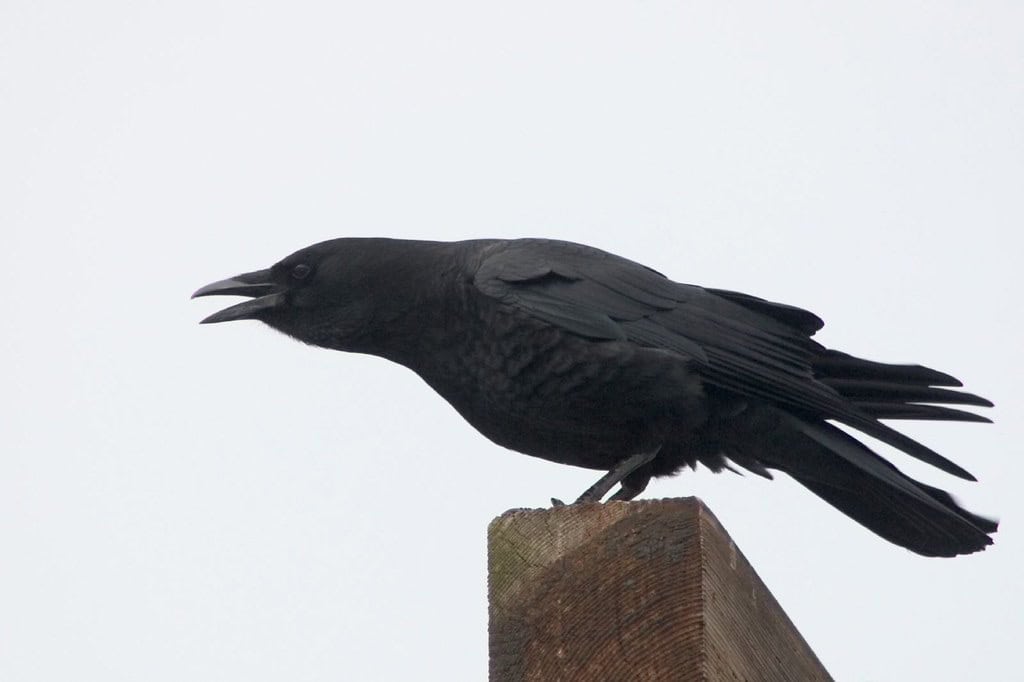
Crows and other corvids demonstrate some of the most intriguing death rituals in the avian world. When a crow dies, other crows will gather around the body in what scientists call “crow funerals.” These gatherings aren’t merely curiosity—they appear to serve important social and educational functions. During these assemblies, crows will call loudly, attracting other crows to the scene. Researchers believe these gatherings help crows learn about potential dangers in the environment that may have killed their companion and avoid similar threats in the future.
What makes crow behavior particularly fascinating is their apparent ability to recognize specific humans or predators associated with danger to their kind. In experiments conducted by the University of Washington, researchers wearing masks while handling dead crows were later mobbed and scolded by crows who had witnessed the interaction—even when encountered in different locations and without the dead crow present. This suggests not only an awareness of death but a sophisticated cognitive ability to associate specific entities with threats to their community. While different from human emotional mourning, these behaviors demonstrate how death awareness manifests according to each species’ ecological needs and cognitive capacities.
Giraffes: Unexpected Mourners

Despite their reputation for being somewhat aloof animals, giraffes have surprised researchers with their distinct mourning behaviors. In several documented cases, mother giraffes have been observed standing guard over their dead calves for days, chasing away predators and returning to the remains even after being driven away. This vigilance continues well past any practical purpose, suggesting an emotional attachment that persists beyond death. In one particularly poignant observation from Kenya’s Soysambu Conservancy, a mother giraffe remained with her deceased calf for four days, only leaving briefly to feed before returning.
Interestingly, giraffes also appear to show interest in the deaths of other adult giraffes, not just their offspring. In 2010, researchers documented a group of giraffes investigating the body of a recently deceased female, repeatedly approaching and sniffing the remains. In captivity, zookeepers have observed giraffes becoming visibly distressed when a herd member dies, with some individuals refusing food and displaying agitated behaviors. Though less studied than other mourning animals, these observations suggest that giraffes maintain stronger social bonds than previously thought and experience some form of grief when those bonds are broken by death.
Wolves: Pack Mourning

Wolves, with their tight-knit family structures, demonstrate profound responses to the loss of pack members. When a wolf dies, particularly an alpha or other significant member, the entire pack’s behavior often changes dramatically. Researchers have documented reduced howling, play, and hunting success in the days and weeks following a pack member’s death. Some packs have been observed visiting the death site repeatedly, howling mournfully in what appears to be a collective expression of grief. The death of an alpha wolf can lead to extended periods of social reorganization and visible distress among surviving members.
What makes wolf mourning particularly notable is how it reflects their social interdependence. Wolf packs function as family units with complex emotional bonds, and the loss of a member affects not just individual wolves but the entire social structure. Wolf biologist Rick McIntyre described observing a pack in Yellowstone National Park after the death of their alpha female: the alpha male howled for days at the site where she died and became socially withdrawn for weeks afterward. Some researchers believe this period of mourning serves an evolutionary purpose by allowing the pack to adjust to the loss of a member’s skills and contributions, highlighting how grief behaviors may serve both emotional and practical functions in highly social species.
Magpies: Bird Funerals

Magpies, like their corvid relatives the crows, exhibit fascinating funeral-like behaviors that suggest awareness of death. When a magpie encounters a dead companion, it often calls loudly to attract other magpies to the scene. What follows is what researchers have termed “magpie funerals,” where the birds gather around the deceased, take turns approaching the body, and sometimes place grass or other items near or on the dead bird. In a study published in the journal Animal Behavior, researchers observed magpies not only gathering around their dead but also attempting to bury them with grass and twigs in what appeared to be a deliberate covering of the body.
Perhaps most remarkable is the apparent emotional component of these gatherings. The assembled magpies often become quiet and subdued during these rituals, a stark contrast to their typically noisy, active behavior. Some researchers have observed magpies standing vigil beside dead companions for hours, refusing to leave even when approached by humans or potential predators. While scientists caution against anthropomorphizing these behaviors, the consistency and apparent purposefulness of magpie funeral rituals suggest they may experience some form of grief. Like crows, these rituals likely serve multiple purposes, including information gathering about potential dangers, but the care shown in these ceremonies hints at emotional processing beyond mere pragmatism.
Horses: Equine Grief
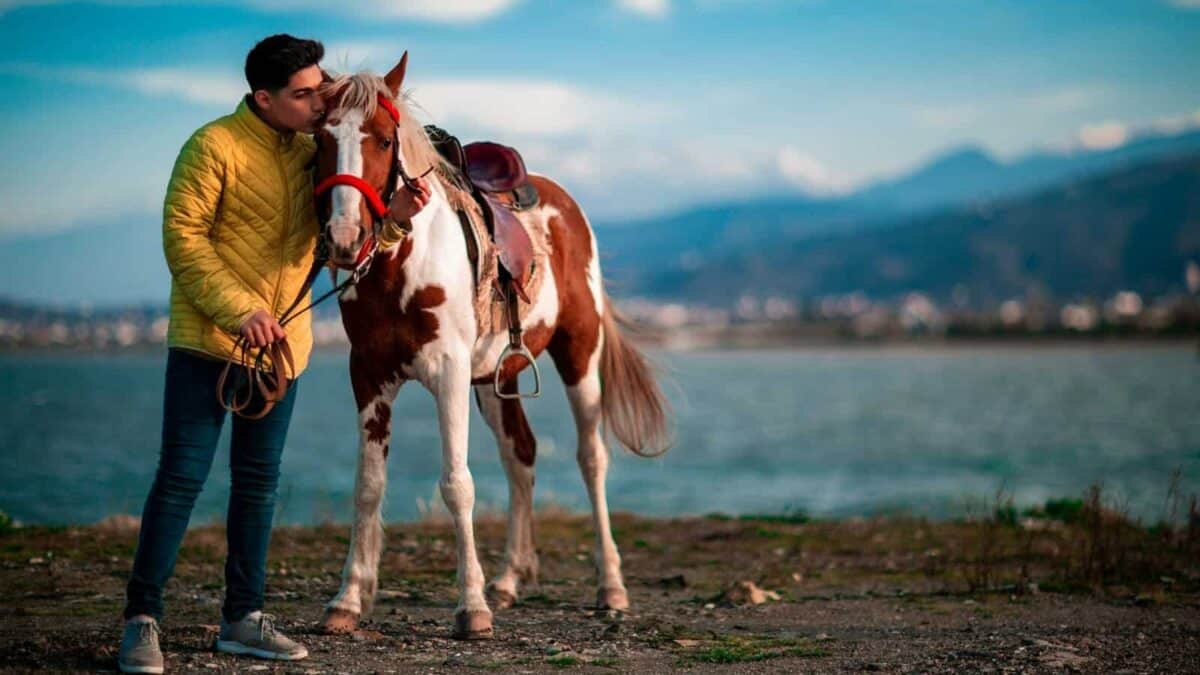
Horses, as highly social herd animals, form strong bonds with their companions and show distinct signs of distress when these bonds are broken by death. When a herd member dies, especially a foal or long-term companion, horses often display classic signs of grief, including depression, loss of appetite, and social withdrawal. They may stand near the deceased, nickering softly or pawing at the ground. Horse owners and veterinarians report that surviving horses sometimes search for their lost companions, checking familiar grazing spots and waiting at places where they would typically meet.
What makes equine grief particularly evident is the physiological changes that accompany it. Grieving horses often experience stress-related symptoms, including elevated cortisol levels, disrupted sleep patterns, and increased susceptibility to illness. In one documented case at a therapy horse facility, a horse named Sam refused food and water for nearly three days after his companion’s death, standing at the fence line where they used to greet each other. Equine experts now recognize the importance of allowing surviving horses to see the body of deceased companions when possible, as this appears to help them process the loss rather than experience the stress of an unexplained disappearance. This practice mirrors approaches sometimes used in human grief counseling, suggesting comparable emotional needs during bereavement.
Sea Lions: Oceanic Bereavement
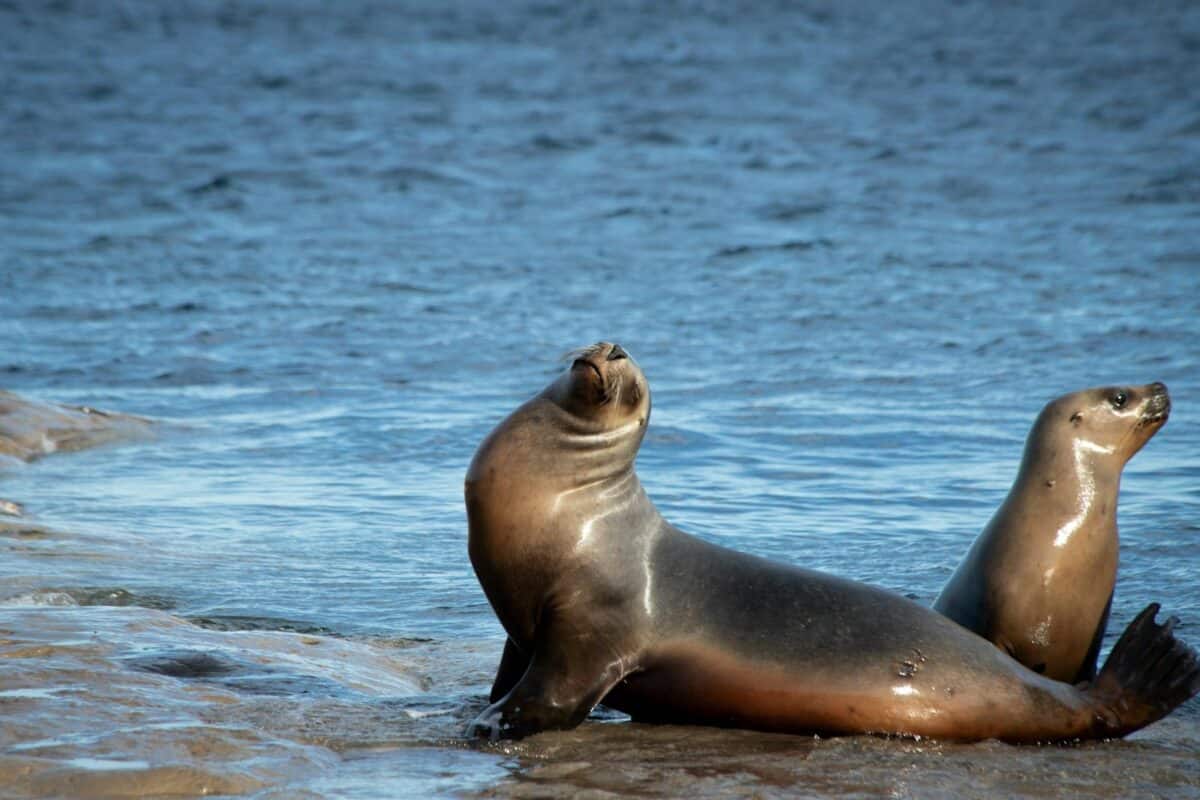
Sea lions display powerful maternal grief behaviors that reveal the depth of their social bonds. Female sea lions who lose pups have been observed carrying their dead offspring for days, protecting them from scavengers and predators long after death. Researchers in the Galápagos Islands have documented mother sea lions continuing to nurse and groom the bodies of their deceased pups, attempting to coax them back to life with gentle nudges and vocalizations. These behaviors persist despite the obvious decomposition of the body, suggesting an emotional attachment that overrides practical recognition of death.
Beyond maternal grief, sea lions also show collective responses to death within their colonies. When a member dies, particularly a pup, nearby sea lions often gather around the body, vocalizing in distress and sometimes touching the deceased with their noses in apparent investigation. Male sea lions, though typically less involved in pup-rearing, have been observed standing guard over dead colony members, chasing away potential scavengers. Marine mammal researchers suggest these behaviors indicate not just individual attachment but a social awareness of death that influences colony dynamics. Like other social mammals, sea lions appear to process grief collectively, highlighting how mourning behaviors may serve both emotional and social cohesion functions across species.
Understanding Animal Grief: What It Tells Us About Consciousness

The mourning behaviors observed across these diverse species offer profound insights into animal consciousness and emotional complexity. For decades, scientists were reluctant to attribute emotions like grief to non-human animals, dismissing apparent mourning as instinctual responses or coincidental behaviors. However, accumulating evidence from field observations and controlled studies has forced a reconsideration of this position. When we see a chimpanzee carrying her dead infant for weeks, or elephants returning to the bones of their deceased for years, we’re witnessing behaviors that appear to have emotional motivations beyond immediate survival value.
These observations challenge us to reconsider the traditional boundaries between human and animal consciousness. While we must be careful not to anthropomorphize animal behaviors, we must equally avoid dismissing legitimate emotional experiences in other species. The consistency of mourning behaviors across different animal groups suggests that grief may be an evolutionary adaptation in highly social species, helping maintain group cohesion after a loss. As cognitive ethologist Dr. Marc Bekoff notes, “Grief is the price of admission for loving someone,” and the capacity for this emotion may be much more widespread in nature than previously recognized. By acknowledging and studying animal grief, we gain not only scientific insights but also a deeper appreciation for the emotional lives of the creatures with whom we share our planet.

From exploring the marine wonders in the Azores and witnessing the vast savannas of Kenya, to delving deep into the rich biodiversity of South Africa and traversing iconic landscapes in Australia and the US like Yellowstone, Chris's experiences are vast.
With a penchant for diving alongside sharks, the ocean holds a special place in his heart.
Through his academic insights, he champions wildlife conservation, striving with 'Animals Around The Globe' to cultivate a profound connection between humans and animals, enhancing our mutual appreciation.
Connect with him at Feedback@animalsaroundtheglobe.com.
- A Bear Journey Through The USA: 18 Best Bear Photos from 18 US States - July 19, 2026
- Elephant Matriarchs Know Every Waterhole for Miles - July 19, 2026
- Top 10 Dinosaur Relatives Still Roaming Earth Today - July 19, 2026