
Spain’s relationship with horses stretches back thousands of years, woven deeply into the fabric of its history and culture. These magnificent animals have carried kings, fought in battles, worked the land, and danced in festivals. They’re not just horses; they’re living pieces of heritage.
What makes Spanish horses so captivating? Maybe it’s that striking combination of power and elegance, or perhaps the intelligence that shines in their eyes. From the world-famous breeds that grace dressage arenas to rare mountain ponies clinging to survival, Spain’s equine diversity tells countless stories. Let’s explore ten of the most that continue to capture hearts around the world.
Andalusian (Pura Raza Española)
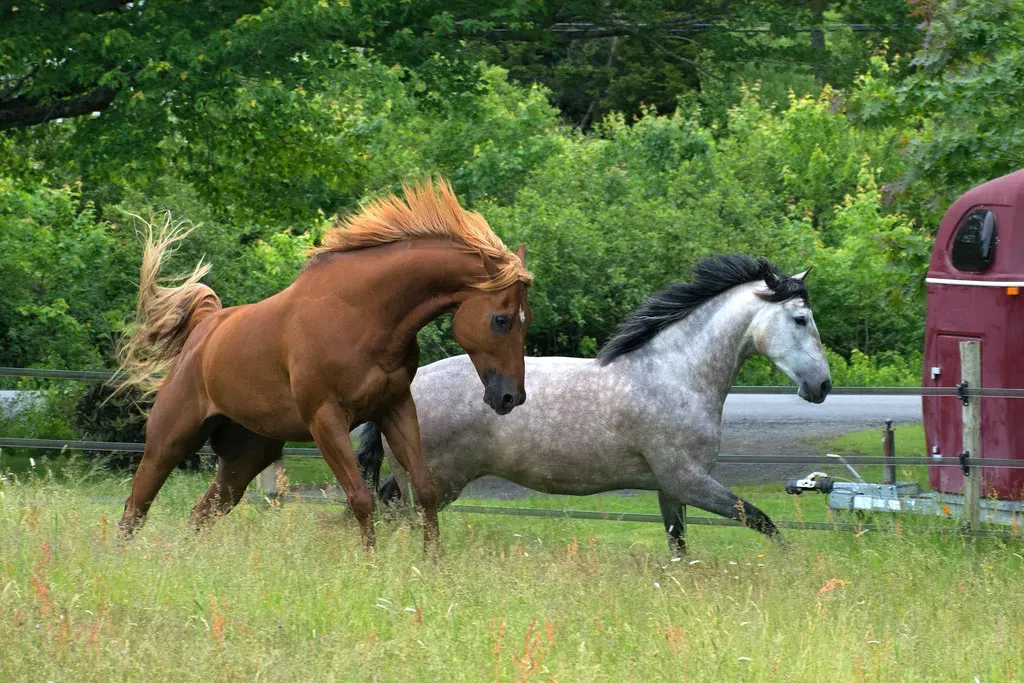
The Andalusian, or Pura Raza Española, has been recognized as a distinct breed since the 15th century, and its conformation has changed very little over the centuries. Think of them as equine royalty. Throughout its history, it has been known for its prowess as a war horse and was prized by the nobility, with the breed being used as a tool of diplomacy by the Spanish government.
Strongly built and compact yet elegant, Andalusians have long, thick manes and tails, with their most common coat color being gray, and they are known for their intelligence, sensitivity, and docility. Standing around fifteen hands, these horses move with a natural grace that makes them incredibly popular in dressage competitions. Their flowing movement seems almost effortless, like they’re floating across the arena. Honestly, watching an Andalusian perform is mesmerizing.
Carthusian Horse
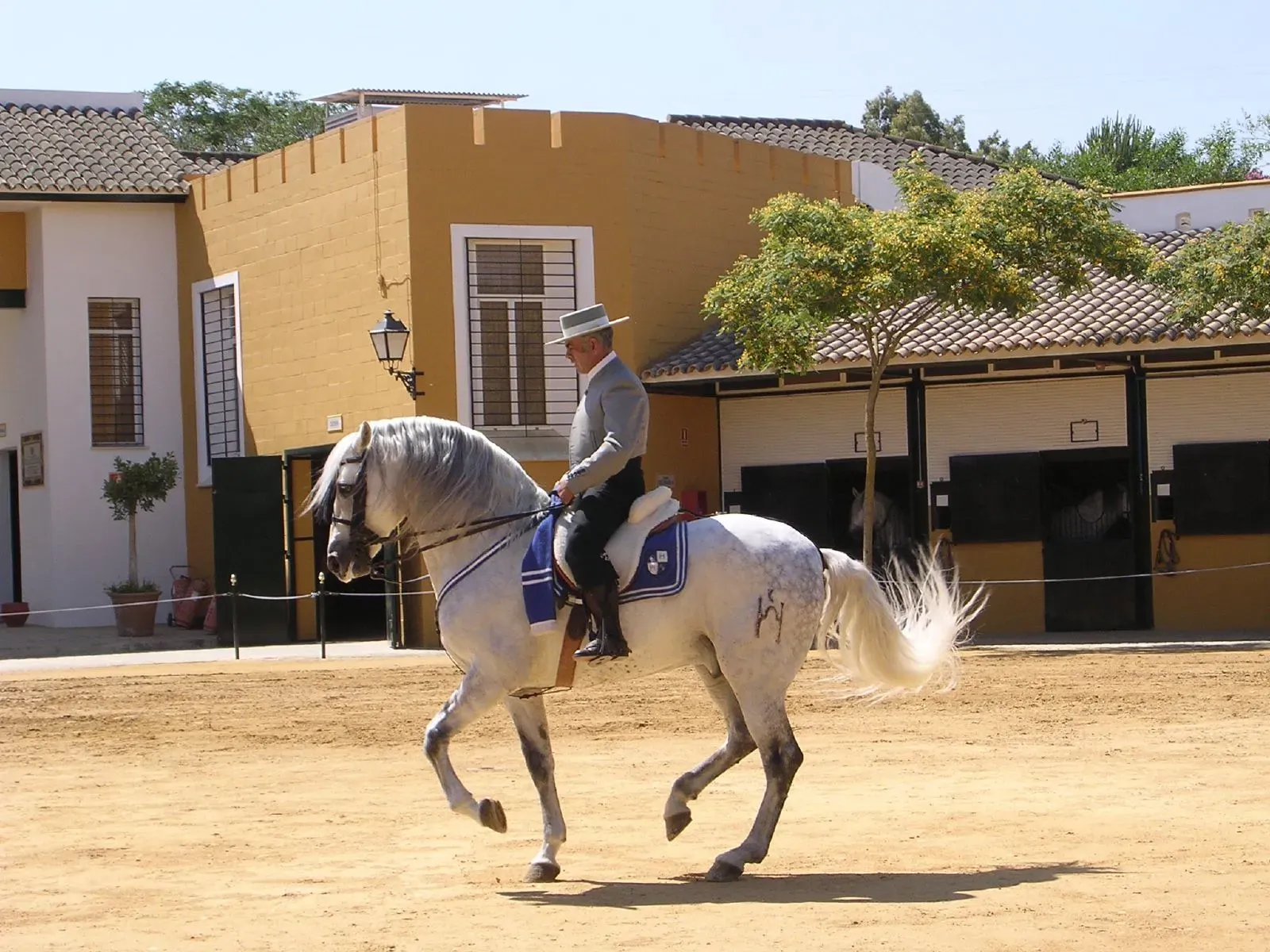
A substrain within the Andalusian breed known as the Carthusian is considered by breeders to be the purest strain of Andalusian, and the strain is still considered separate from the main breed and is preferred by breeders because buyers pay more for horses of Carthusian bloodlines. It was bred principally by Carthusian Monks in the late Middle Ages, and Andalusian horses owe a great deal to these monks who bred them.
These monks were meticulous record keepers and exceptional breeders. The monks were superb horse breeders and trainers, and kept the blood of their horses quite pure. What’s fascinating is that the Carthusian line survived near extinction. The Andalusian’s purity was threatened in the 1800s when Napoleon’s army invaded Spain and stole many horses, but one herd of Andalusians was hidden and used to renew the breed. That hidden herd likely saved this extraordinary bloodline.
Menorquín
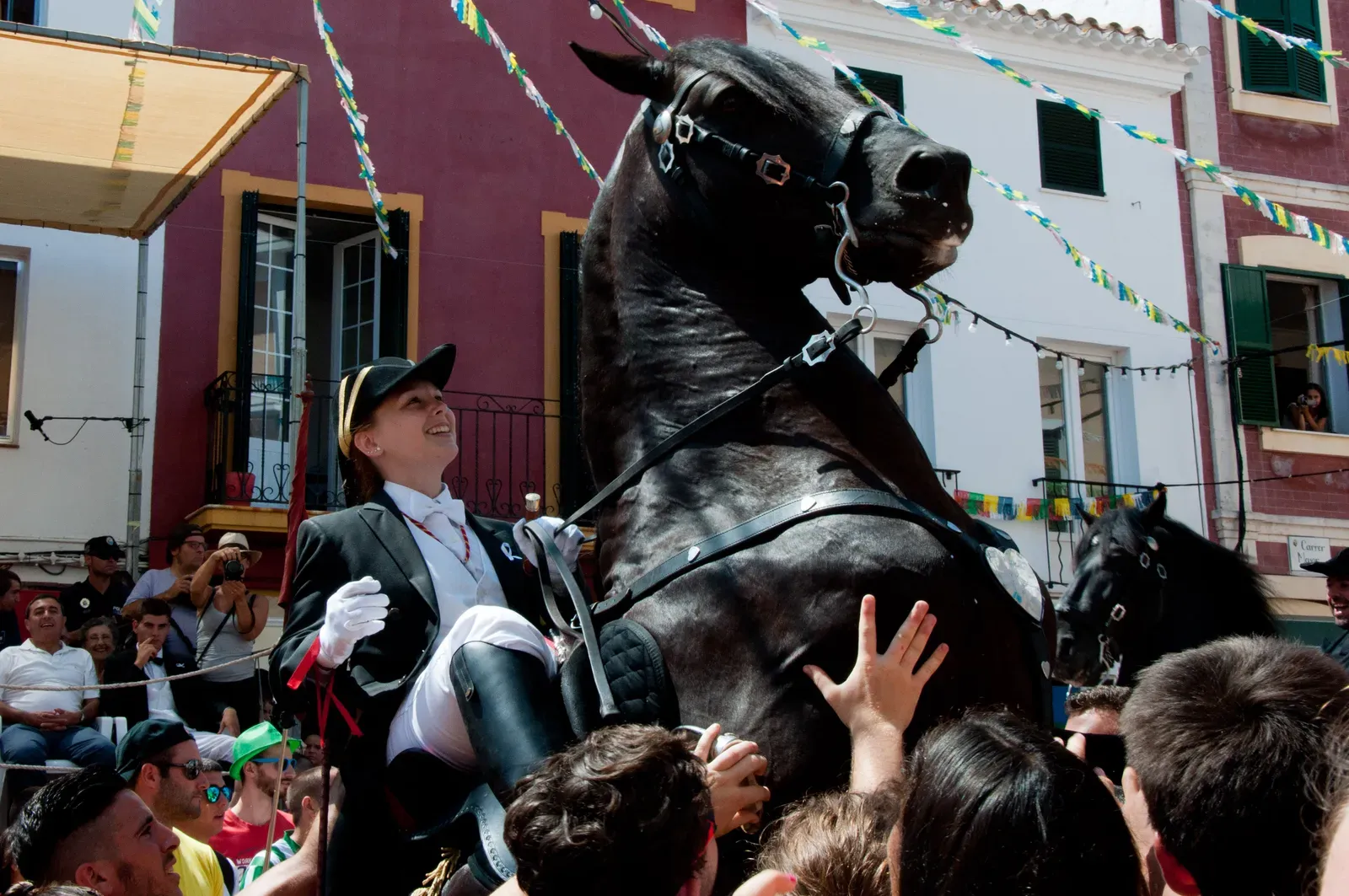
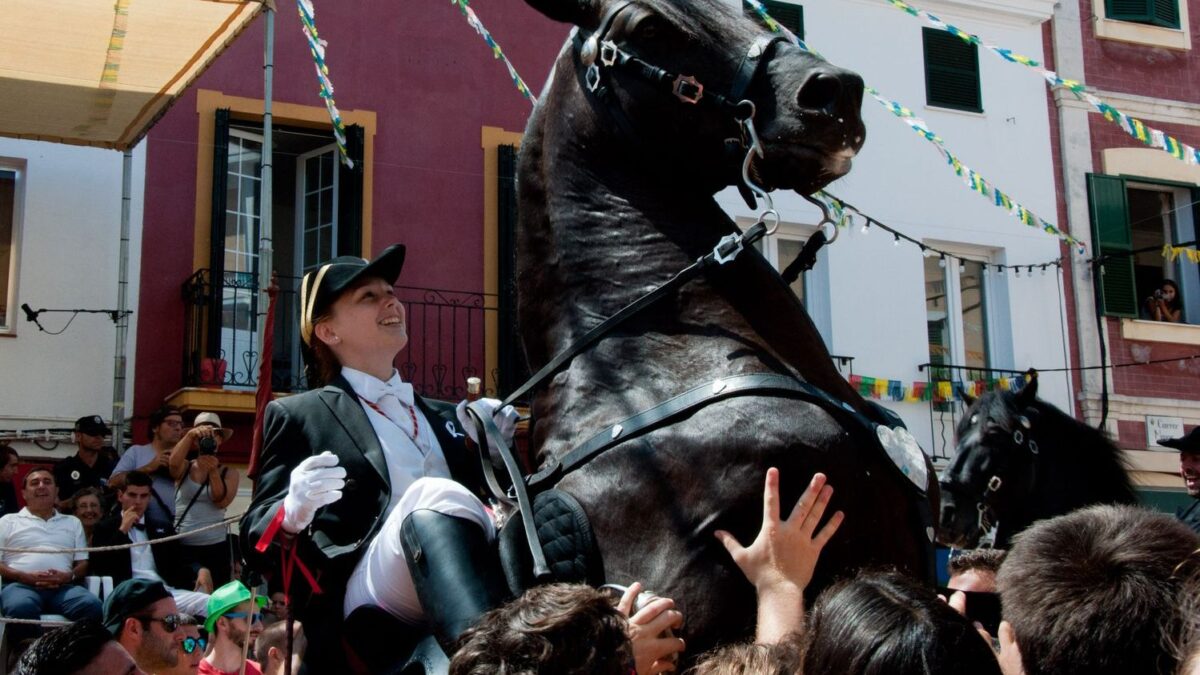
Menorquín horses are a relatively young breed native to and bred on the Balearic Island of Menorca, having only been officially recognised since 1989. The light-footed horses are only recognised as Menorquín horses if they are black. Picture a horse standing on its hind legs, hopping forward while carrying a rider through a crowded festival. That’s the Menorquín’s signature move.
The elegant horses have been an integral part of a centuries-old tradition on the Spanish island of Menorca, and at festivities such as the “Fiestas de Menorca” they fascinate the audience with difficult walking pesade exercises, walking several metres on their hindquarters. The Menorquin is also an excellent dressage horse thanks to its rhythmic, flowing movements, displaying strength, stamina, versatility, and agility, and is also a cheerful, even-tempered, and obedient horse.
Mallorquín
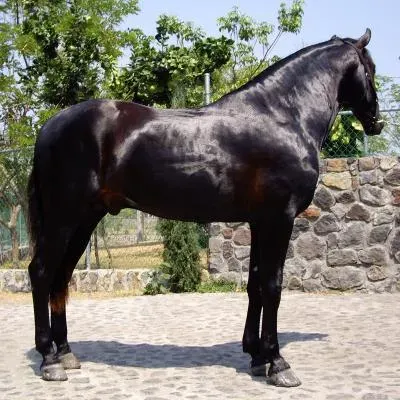
The Mallorquín is a rare Spanish breed of horse indigenous to the island of Mallorca in the Balearic Islands, with identification of the breed begun in 1981. Here’s the strict rule: The Mallorquín may only be black, in all its variations, and horses of any other colour cannot be registered, while limited white facial markings are permitted but white leg markings are not.
The Mallorquín is listed in Spain’s official catalog of livestock in the group of autochthonous breeds in danger of extinction, with its status listed as critical-maintained. Fortunately, a breeders association was established in 1992 with the goal of preserving these beautiful animals, and their efforts are showing results. It’s hard to say for sure, but conservation work like this might be what saves these remarkable horses from disappearing altogether.
Galician Horse (Cabalo Galego)
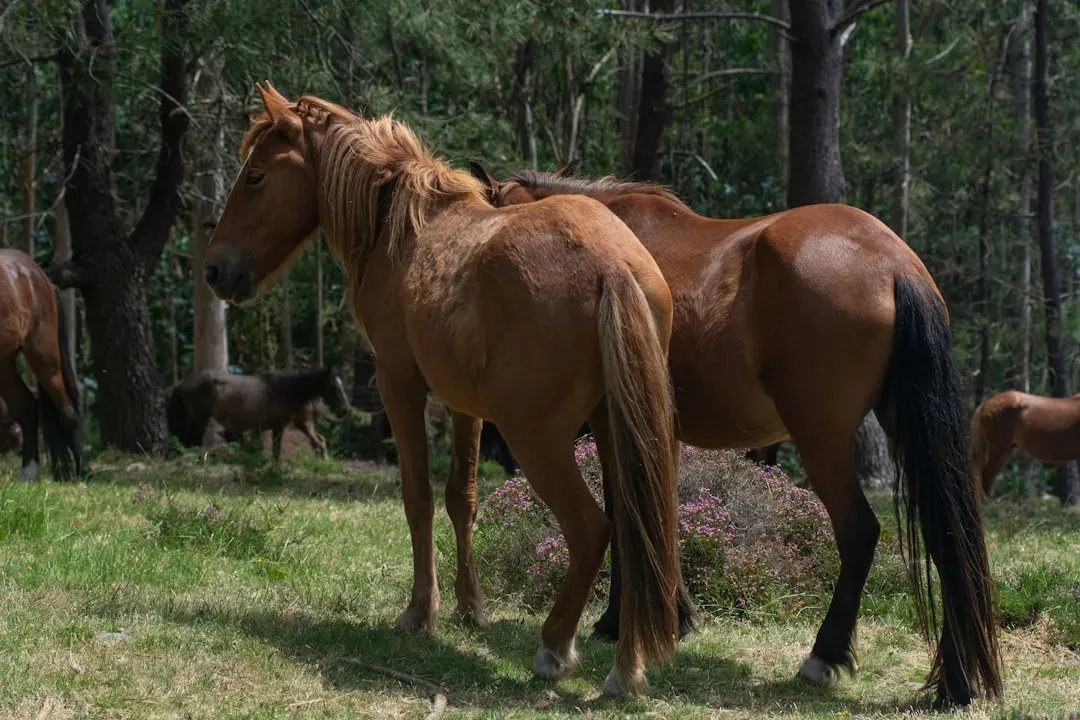
Galician is a Spanish horse breed originating from Galicia, which previously served as a warhorse and in agricultural activities but is currently popular in riding, shows, ranch work, and for horse meat. Galician horses have short bodies with strong legs, a short back, and a round abdomen, with an average height of about twelve to fourteen hands.
A genetic study clearly shows the grouping of three Spanish breeds of Celtic origin from the Atlantic: the Jaca Navarra, the Galician pony and the Pottok. These compact horses adapted perfectly to their mountainous homeland. With a short body, strong legs, and straight profile, the Galician Horse has a distinctive appearance, and in terms of temperament, this breed is kind, amiable, and tolerant with people, but also protective of their foals.
Pottok
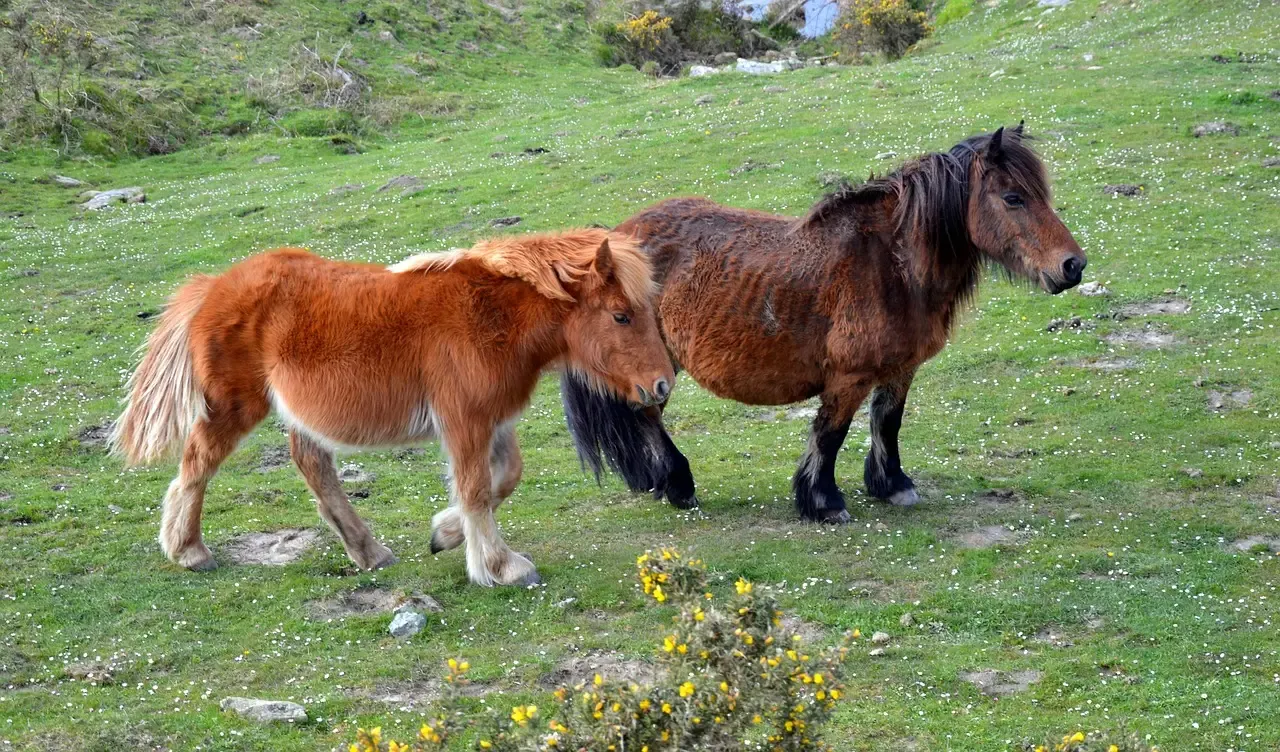
The Pottok horse breed is a semi-feral horse native to France and Spain, tracing their origins to ancient horses native to the mountains, and this horse has become a rare breed thanks to the loss of traditional habitats, cross-breeding, and mechanization. The Pottok horse is native to a region in Spain named Basque Country, and this ancient horse breed is well-adapted to the harsh living conditions of the Pyrenees.
Small but mighty, that’s the Pottok. This is a small horse that measures between eleven and fourteen hands, and it has a thick winter coat named borra that can reach up to nearly four inches in length. They’re shy creatures but thrive in herds. It is endangered sadly, mostly due to habitat loss and mechanization, with inbreeding also being a serious issue for the Pottok pony.
Asturcón
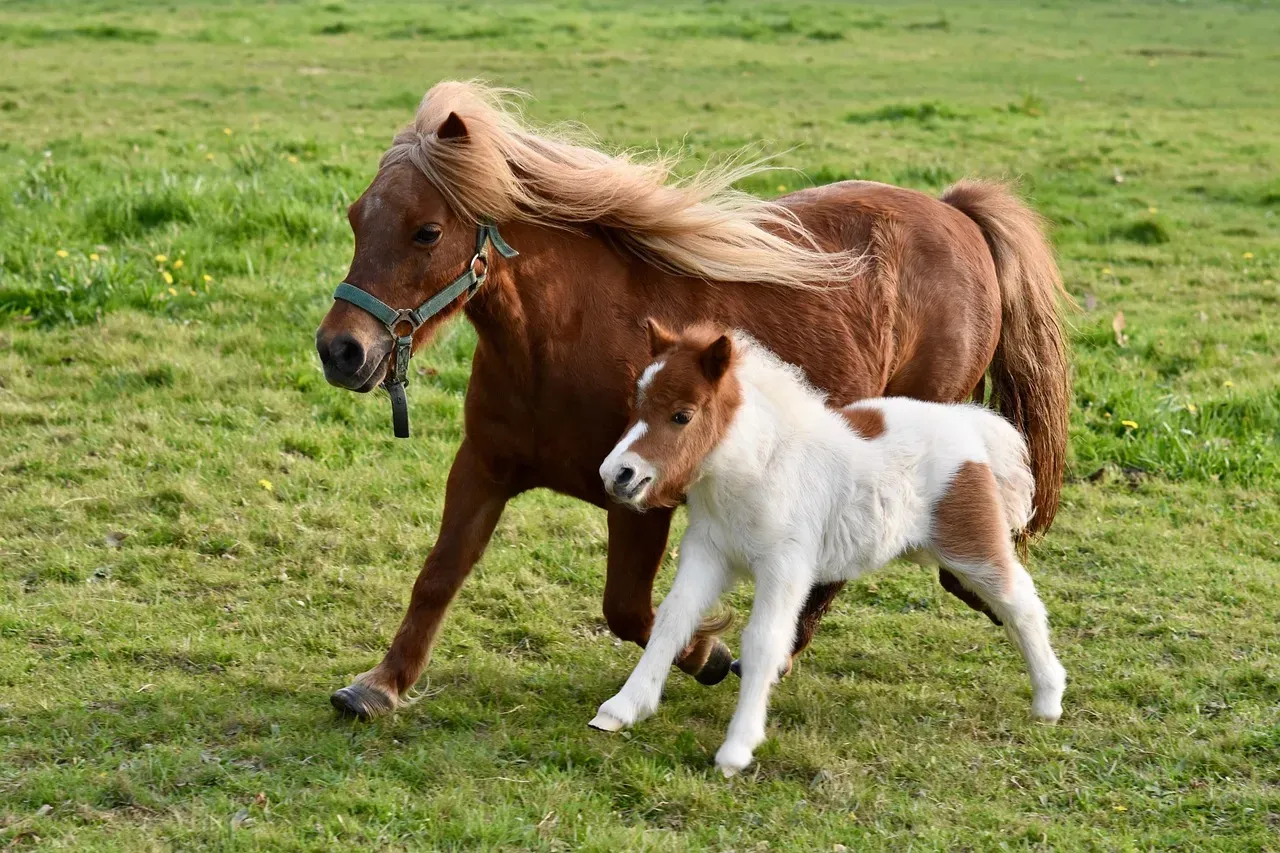
Dating back to Roman times, the Asturcón is a rare breed of pony that originated in Northern Spain, and is known for its unusual ambling gait that is comfortable to ride. This unique gait made them especially popular as mounts for ladies throughout history. Ranging in height from roughly eleven to twelve hands, these ponies have a straight profile, deep chest, and strong legs, and with many living in the wild, the breed has unfortunately been considered endangered since 1981.
Their smooth, gliding movement sets them apart from most other breeds. Considered an ancient variety native to both Spain and Austria, the Asturcon is identified by its unique ambling movement pattern, and once became a popular mount for women, earning it the title ‘hobby horse.’ There’s even a festival dedicated to celebrating these special ponies in their native region.
Marismeño
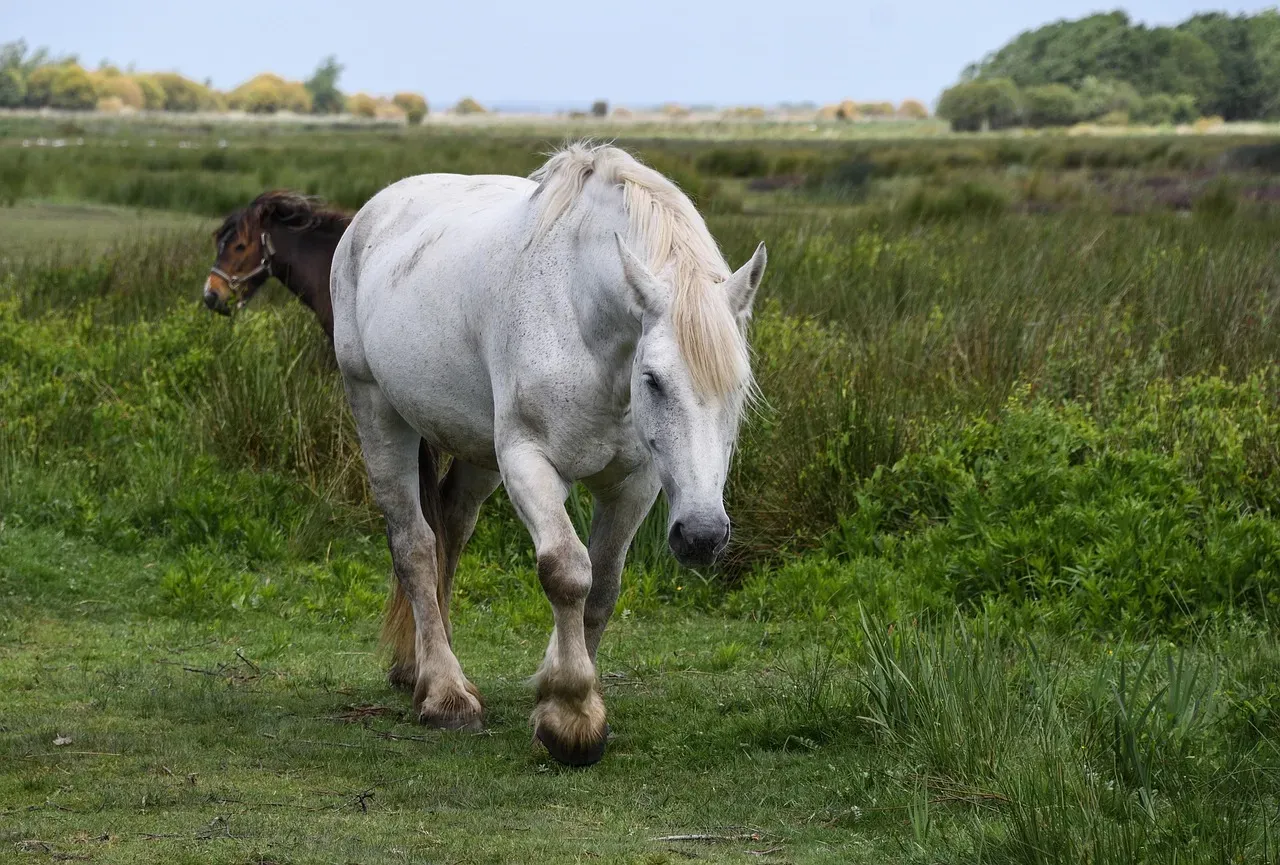
The Marismeño is a rare Spanish breed of horse indigenous to the marshes of the Guadalquivir River, now found particularly in the Doñana National Park, and until recently it was not considered a breed, with recognition and recovery beginning in 2003. The Marismeño horse has a typical withers height ranging from roughly fifty-five to fifty-eight inches, a subconvex profile, a broad chest and fine members, and is especially appreciated for its ability to work and its characteristics of adaptation, rusticity, disease resistance and courage.
Living semi-wild in the marshlands shaped these horses in unique ways. The Marismeño horses that live in the Doñana National Park are sustained on food from the environment and do not receive any additional food or veterinary treatment because it is not allowed by the National Park guidelines. Local cattle farmers have always been responsible for the care of horses in the Guadalquivir marshes, and these horses are among the oldest ‘cow horses’ in the western world, with cattle management practices used by farmers regarded as a real ‘ancestor’ of the American cowboy’s traditions.
Losino
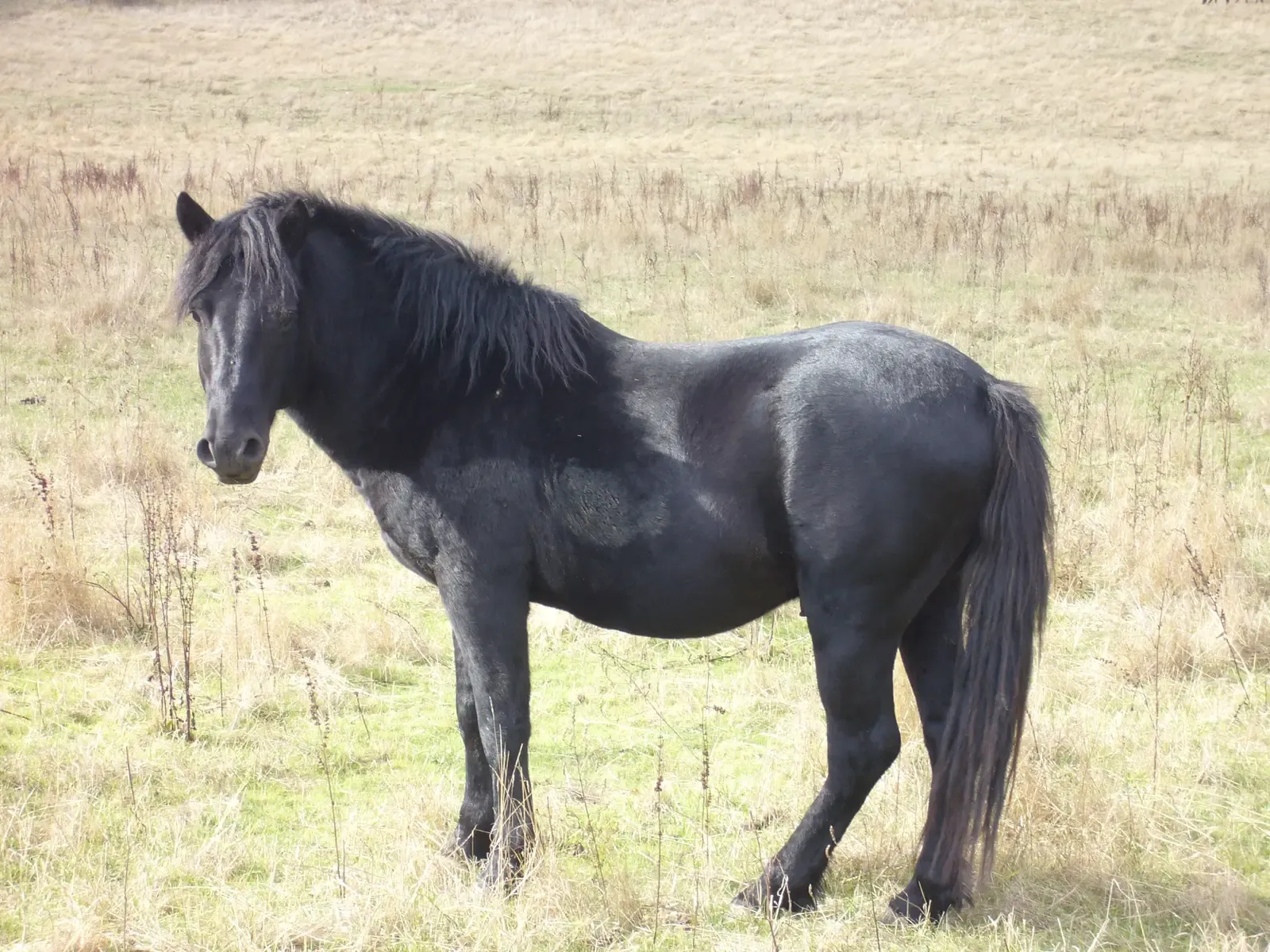
The Losino receives its name from the Losa Valley in the north of the province of Burgos, Spain, and is found to be related to other breeds derived from the Cantabrian-Pyrenean branch. Known for their distinctive black coats, Losinos possess a grace and elegance that set them apart from other breeds, and these horses are small but incredibly hardy, adapted to survive the harsh conditions of their mountainous environment.
The breed nearly vanished completely. The Losino breed maintained its number until the fifties but afterwards its population declined to the most critical limits of its history in 1986 with around thirty animals, and due to the alarming situation, a project for recuperating the breed was established. Domesticated Losino horses have an affectionate and even-tempered disposition with an aptitude for learning, making them great for child riders, and since these horses are used to the mountainous terrain of Northern Spain, the breed is perfect for trail riding.
Hispano-Árabe
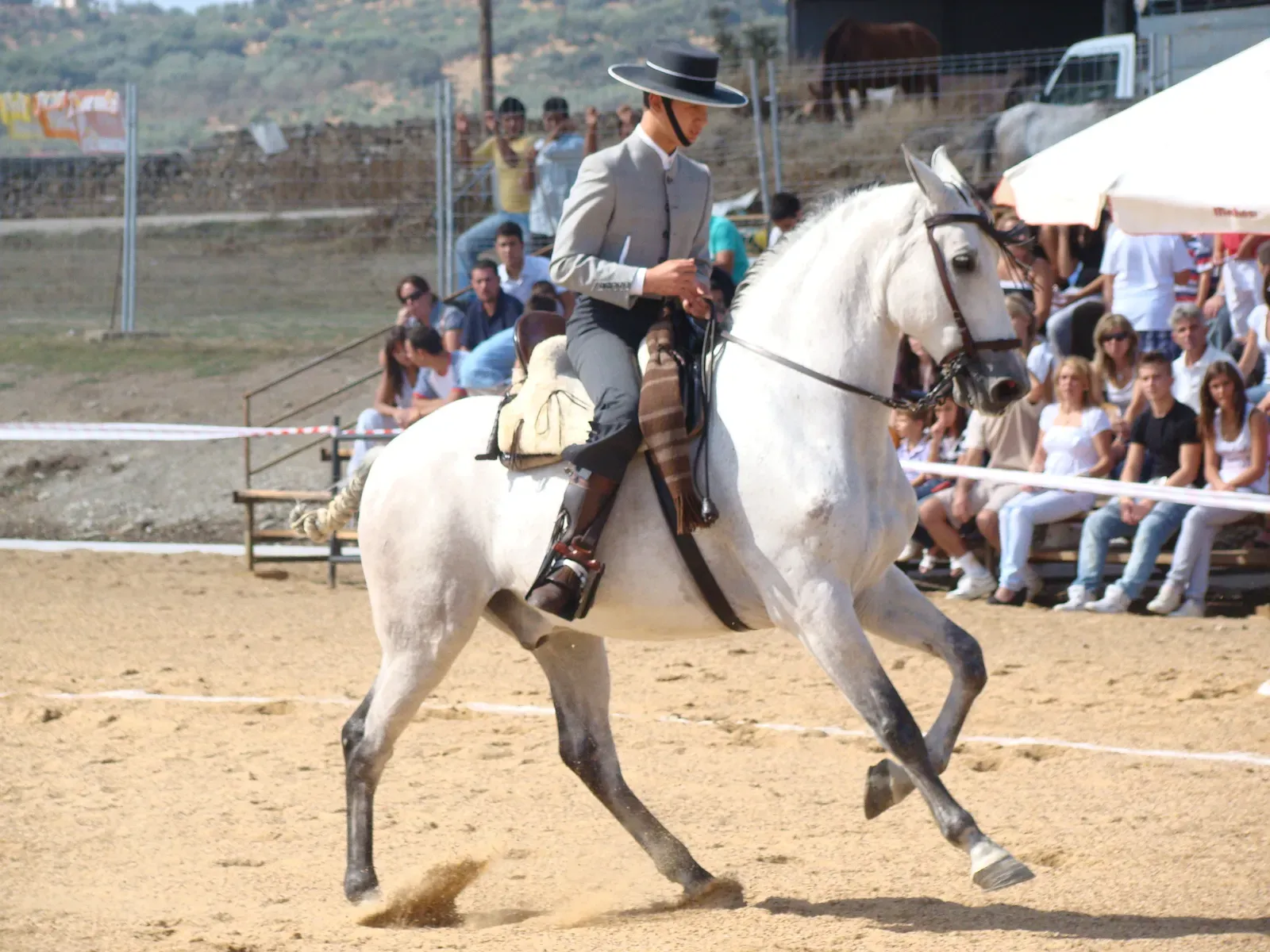
The Hispano-Arabe horse breed is a cross between Andalusian and Arab horses, with Spain starting breeding this horse in the 1800s, and the horse breed thrives in equestrian sports, including dressage, cross-country endurance, TREC, and show-jumping. They are athletic and agile, making them versatile horses, and thanks to their athletic nature, they are commonly used in jumping, dressage, and even cattle herding, with these elegant horses known for their arched necks, refined builds, and graceful way of moving.
This crossbreed combines the best qualities from two legendary bloodlines. The Arabian brings refinement, stamina, and that distinctive dished face, while the Andalusian contributes power, presence, and trainability. Also called the Spanish Anglo-Arabian, Hispano Arabe horses are a cross between Arabian, Andalusian and English Thoroughbred bloodlines, three of the oldest and most prolific bloodlines on the planet which earned them the nickname of tres sangres, meaning three blood.
Conclusion
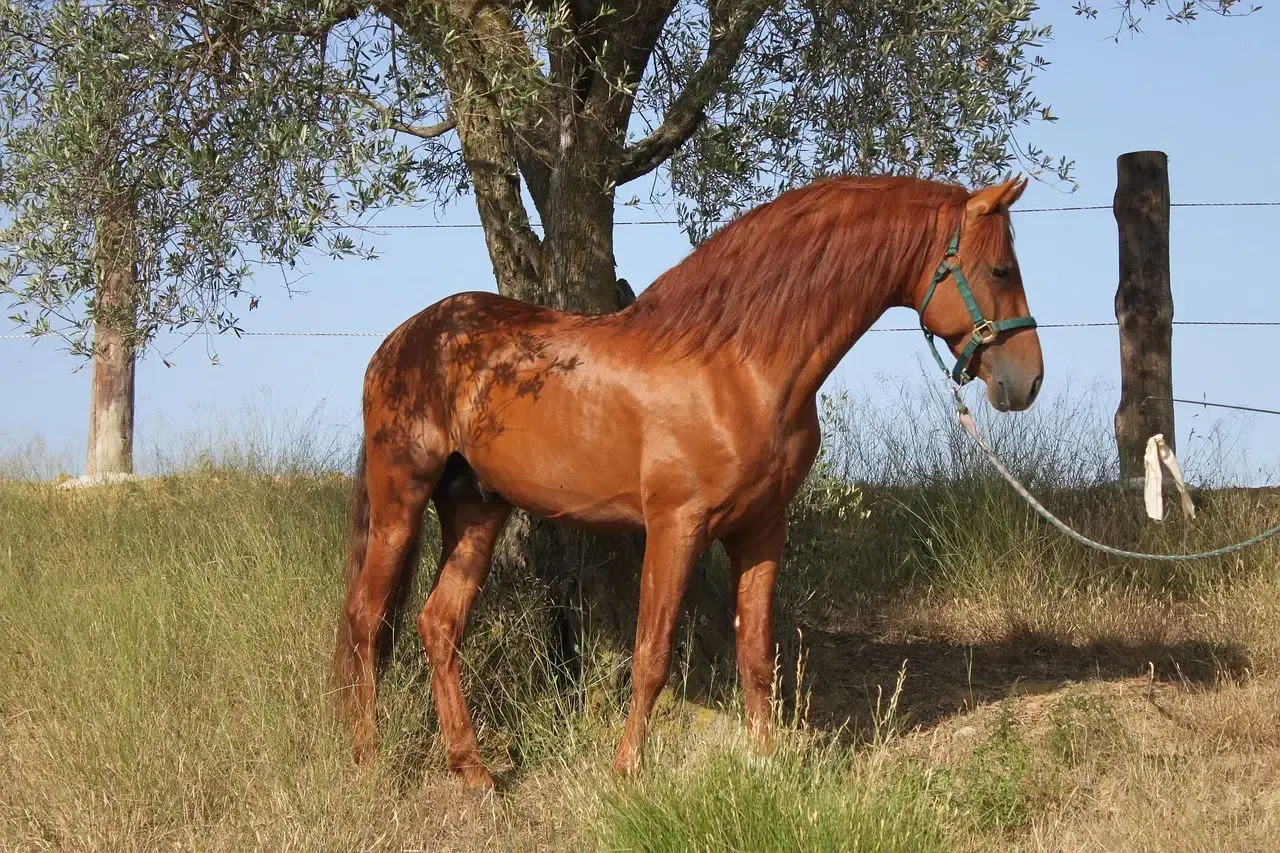
represent something truly special in the equine world. From the majestic Andalusian performing haute école movements to the scrappy Pottok surviving in mountain wilderness, each breed carries centuries of history in its bloodline. Many of these horses face uncertain futures, with conservation efforts working tirelessly to prevent their extinction.
What strikes me most is the diversity. Spain didn’t produce just one type of horse but rather dozens of distinct breeds, each perfectly adapted to its environment and purpose. The Mediterranean island breeds differ dramatically from the mountain ponies, which bear little resemblance to the marsh horses. Yet they’re all unmistakably Spanish, shaped by the same peninsula that has witnessed thousands of years of human and equine partnership.
Did you think Spain had this many unique horse breeds? Share your thoughts in the comments about which one captured your imagination most.
